Fountain Pens
BlueDew Crystal Fountain Pen Review: A Wet Noodle Nib That Answers the Riddle of Steel
A beautifully engineered piston-filler with a steel flex nib that behaves like vintage gold, as long as you write with restraint.
Introduction
In the fountain pen world, the flex nib has long been the territory of gold and vintage pens. The BlueDew Crystal challenges that assumption with a plated steel nib, cut and tuned to behave like a soft vintage flex nib, at a fraction of what old gold pens typically command. After spending real writing time with it, the short version is this: the nib is extraordinary when you respect its limits, and the pen itself would be impressive even with an ordinary fine nib.
Who This Product Is For
BlueDew was founded by Jeffrey Lim, a physics graduate of the National University of Singapore and a lifelong fountain pen enthusiast, in August of 2020. The company is in many ways a tribute to his father and a continuation of an older idea: that steel nibs, cut and modified carefully, could be pushed much further than anyone imagined and could approach the flexible nibs our grandparents wrote with.
This pen suits anyone who wants to experience flex writing without spending vintage money. If you are not a calligrapher, this is still worth considering: every fountain pen user benefits from having one or two flex nibs in the collection for signing letters, addressing envelopes, or writing something extravagant now and then.
Main Strengths
Design and Build Quality
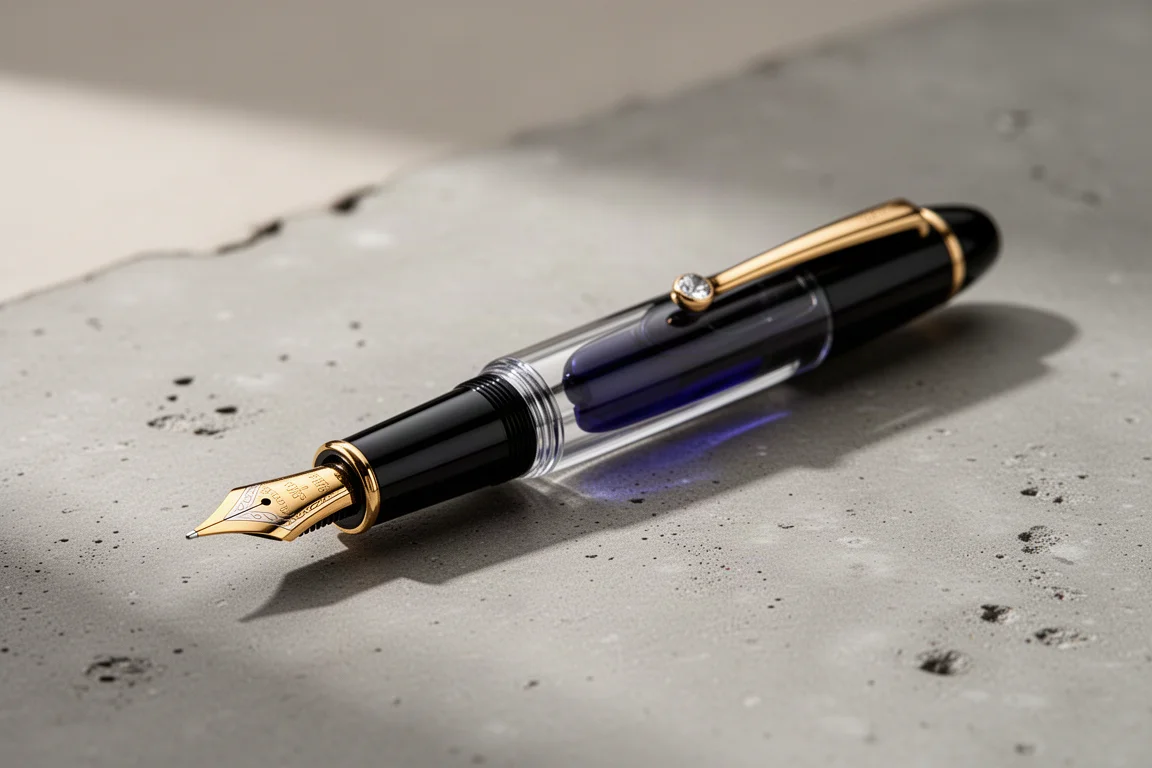
The Crystal simply feels like a quality product. The proportions are lovely, the shape is comfortable in the hand, and the gold clip with its small gem detail is a highlight, especially paired with a blue ink that echoes it. The grip section sits around that classic 11 mm comfort zone, giving it a Goldilocks feel similar to a size-146 style pen. The cap has a protective ring, the piston action feels solid, and metal components throughout give confidence that it will hold up.
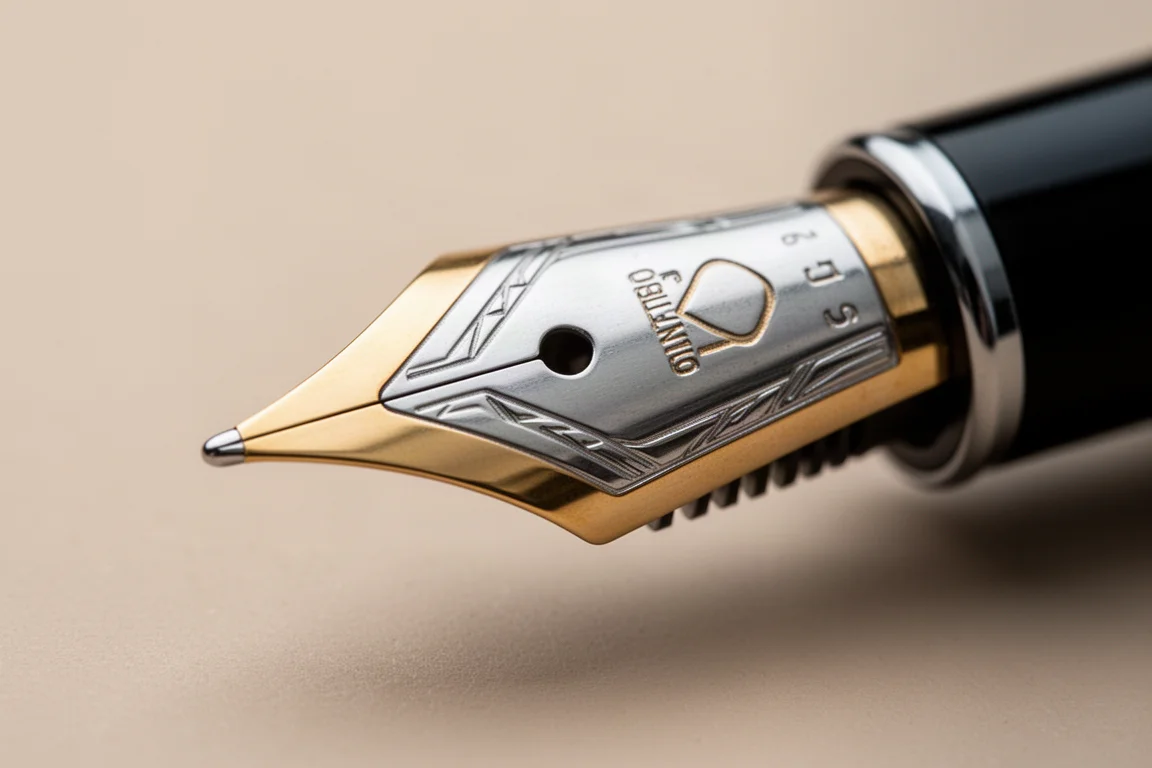
The nib itself looks like gold but is steel with plating, and the cuts that give it flex are very well executed. It also carries a heart-shaped breather hole, a deliberate callback to the classic Waterman 52.
Cleaning and Maintenance
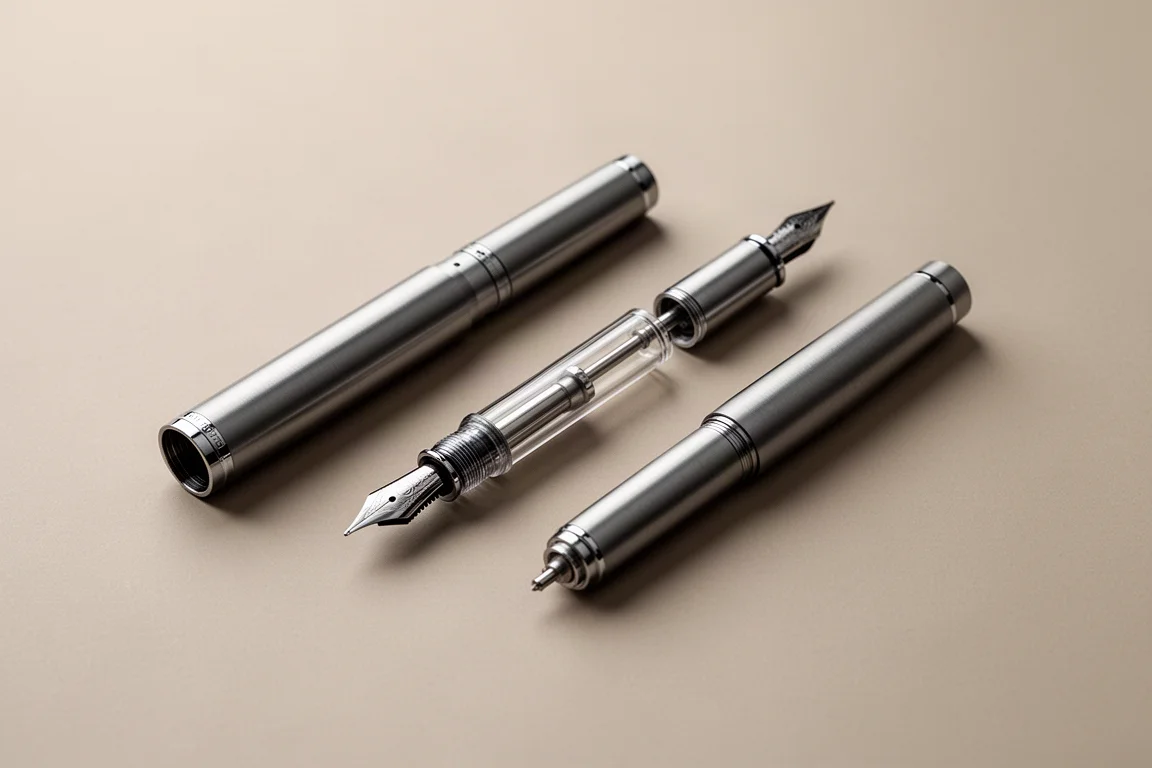
This is one of the most serviceable pens you can own. It fully disassembles, right down to the piston mechanism, so if ink ever gets past the rubber stopper you can take everything apart and clean it completely. The piston reinserts easily: line it up, turn, and it threads right back in. The grip section also comes apart for access.
Things to Consider Before Buying
The nib is extremely soft. It only takes about 150 g of force to open it fully, which means forcing it is the fastest way to disappointment. Write rhythmically and slowly, keep your curves gradual, and do not crank it past a broad line, or you risk splaying the tines or railroading. Restraint is the operative word: hold back and you will be rewarded.
Flex nibs also run dry sometimes, and this one is no exception. It happened during a live demonstration, though that is a familiar trait of nearly every true flex pen. Filling right before writing and keeping an ink bottle handy goes a long way.
Writing With the Wet Noodle Nib
In an unedited, single-take demonstration with Kon-Peki ink on a large notebook, the pen needed a moment of priming after a thorough drying, then settled into a genuinely enjoyable rhythm. It is not scratchy at all, produces satisfying line variation from extra fine through broad, and even uncalled-for, it writes with pleasant character.
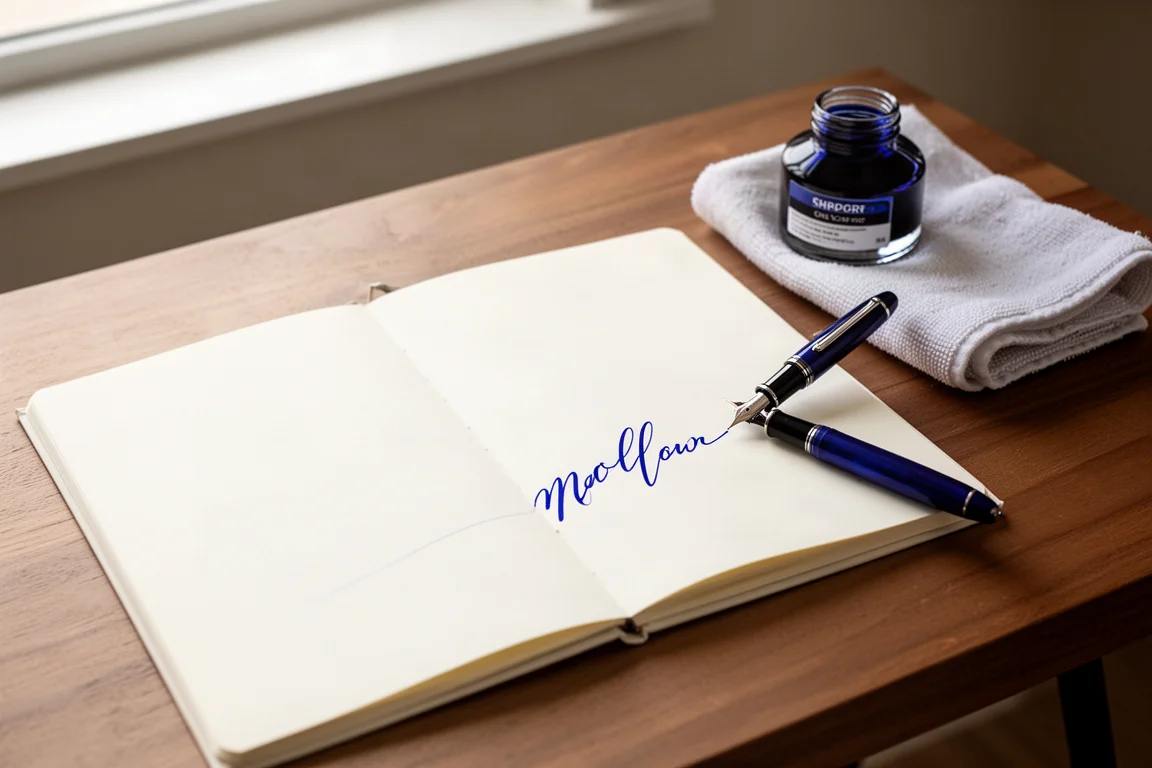
The experience slows you down in the best way. There is a beautiful scribing sound, a dynamic tension between nib and page, and something distinctly old-fashioned and calming about the whole process. Writing your signature with it is a small pleasure in itself.
Ink Choice and Flow
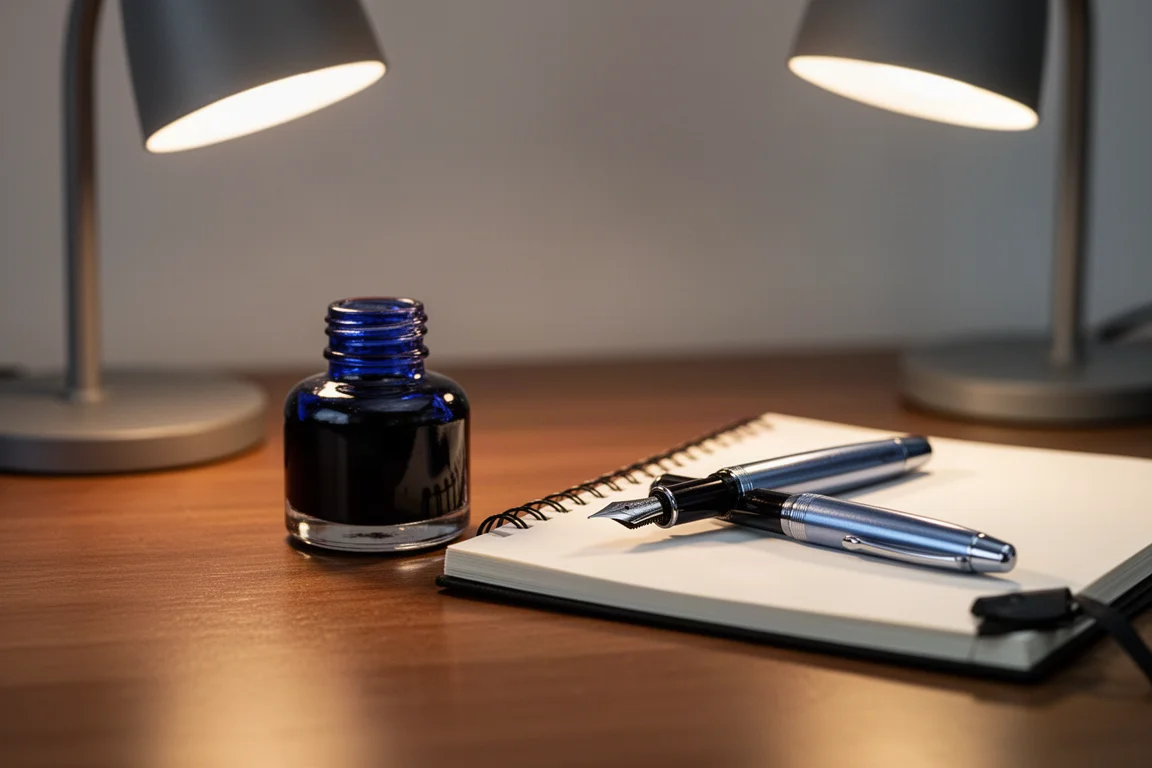
A flex nib like this needs the right fuel. Kon-Peki worked beautifully, and Pelikan 4001 blue is also recommended. Avoid shimmer or sheen inks: you want the most free-flowing ink possible to keep those dual capillary channels in the feed saturated and minimize dry spells and false starts. Syringe filling is a popular tweak among owners for eliminating air and maximizing ink, but the pen performs well filled conventionally too.
Buying Advice
The pen itself cost about 130 US dollars at the time of filming, not including tariffs, and the wet noodle nib is 45 dollars, which is an incredible bargain for this level of flex performance. BlueDew in general has long offered flexible nibs at affordable prices, ranking alongside other value-focused makers, which makes this one of the most accessible real entries into vintage-style flex writing.
If anything could be improved, a more generously flowing feed would help, but as delivered, this is a beautifully engineered, easy-to-clean package with a nib that feels very much like vintage flex. When it is writing well, few writing experiences compare.
Conclusion
The riddle of steel turns out to have a simple answer: it is not the steel, it is the hand that guides the pen. The BlueDew Crystal with the wet noodle nib rewards patience and intention, punishes force, and delivers moments of genuinely euphoric vintage-style writing. The occasional dry spell is the price of admission, and for most flex-curious writers, it is a price worth paying.
Product link
View more details for BlueDew Crystal Fountain Pen
This product is mentioned in the review. Check the specifications, options, and compatibility before buying.
View more details for BlueDew Crystal Fountain PenFurther reading
Related Reviews
Fountain Pens
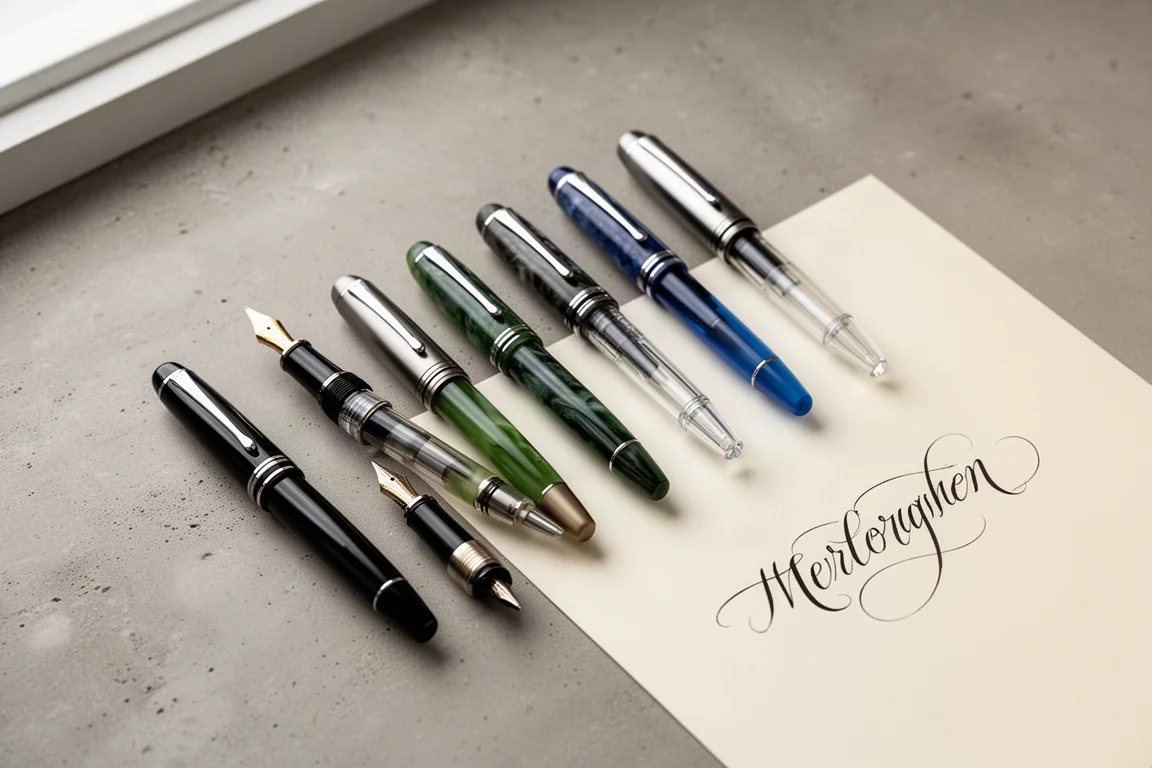
Best Budget Fountain Pens Tested: 9 Pens, One Clear Winner
A hands-on comparison of nine affordable fountain pens for everyday writing, calligraphy, and sketching, with a clear standout for flexible nib fans.
Fountain Pens
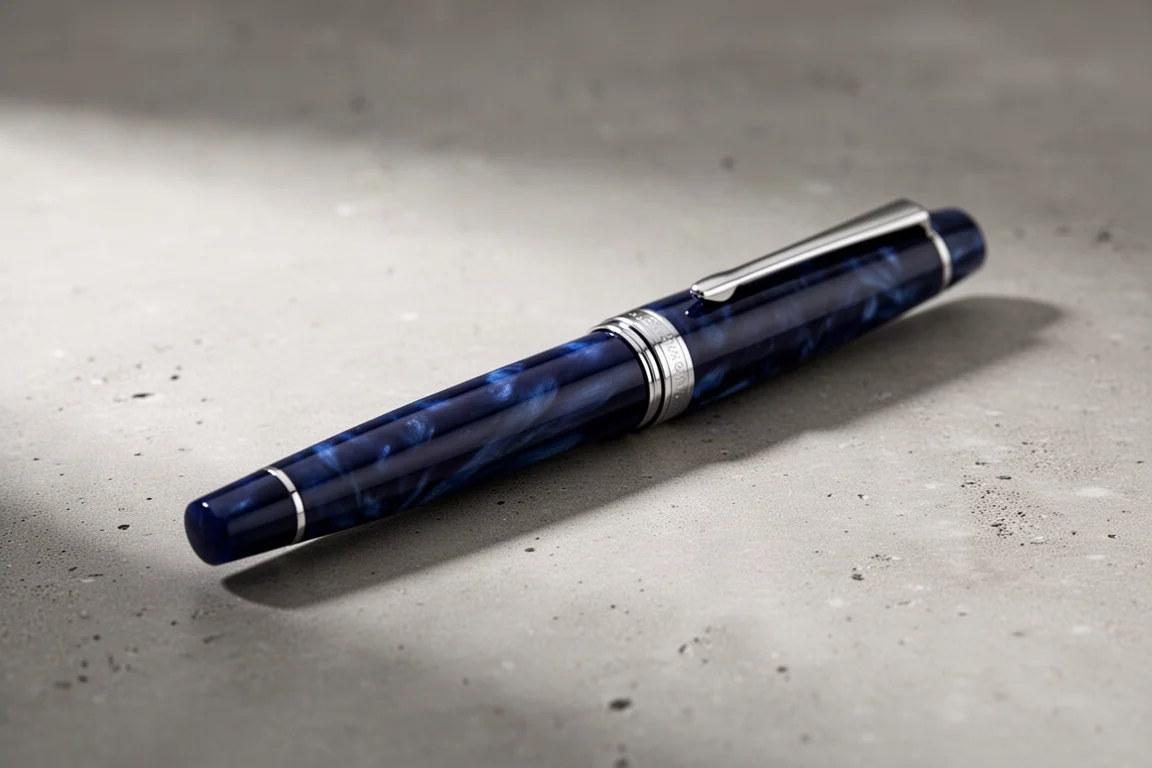
Aurora Optima Review: An Italian Piston Filler That Punches Above Its Price
A 14k gold nib, ebonite feed, and a beautifully deep oraloid body make the Aurora Optima one of the most rewarding piston fillers around.
Fountain Pens
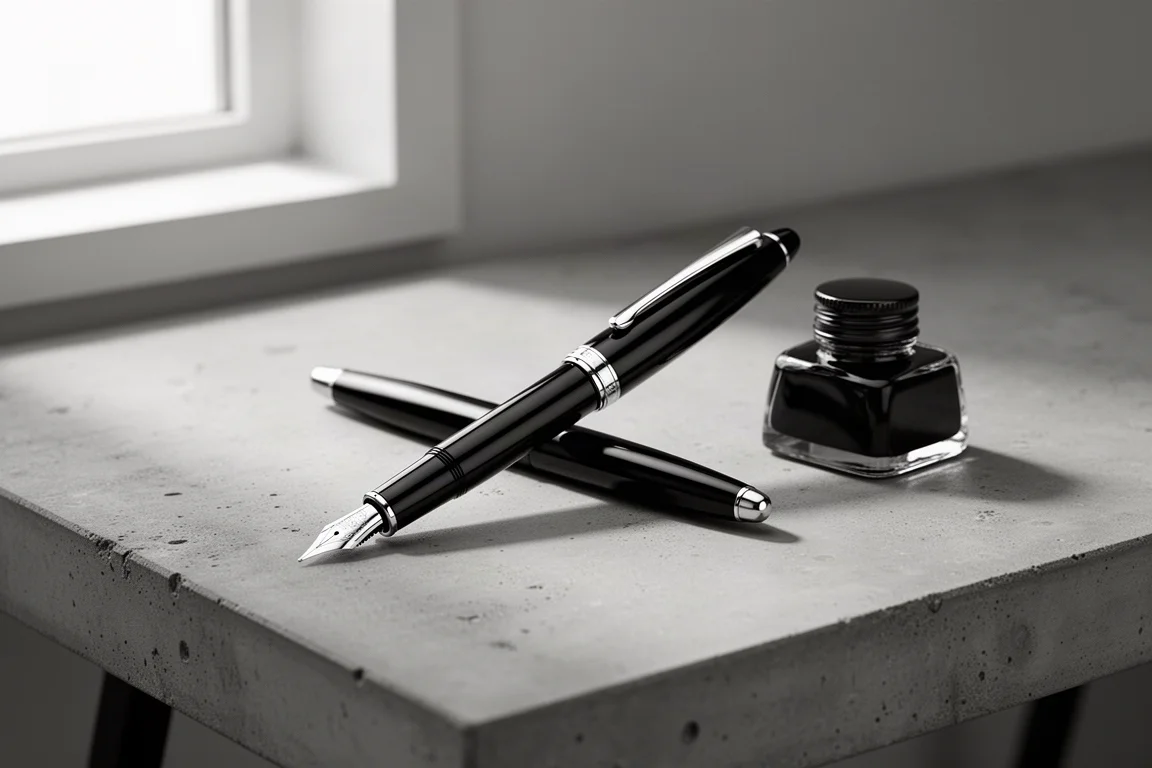
Cross Bailey Light Review: The Entry-Level Fountain Pen Worth Keeping at the Office
A plastic-bodied Cross with a metal clip, snap cap, and famously smooth extra fine steel nib. Around $15, available almost everywhere, and easy to recommend.