Ski Gear
Blizzard Thunderbird 82 vs 82 LTD vs Anomaly 84: A Carving Ski Comparison
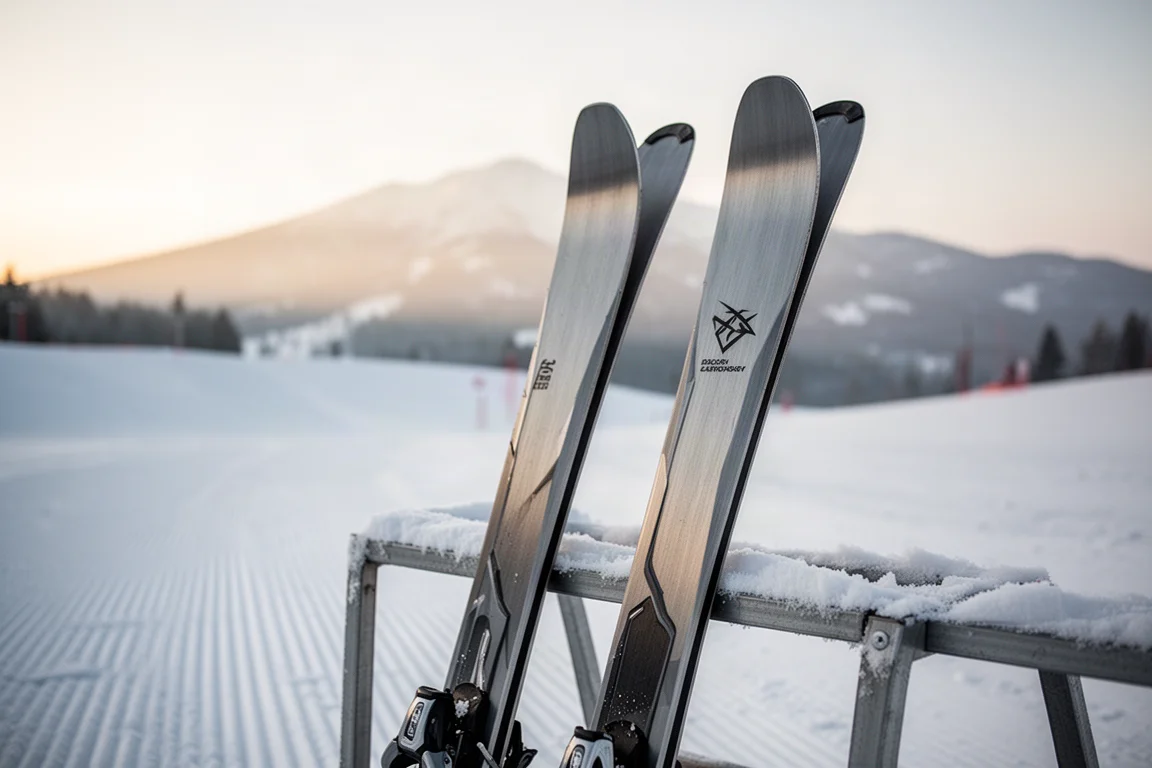
Three Blizzard carving skis compared on firm groomed snow: the Thunderbird 82, the stiffer Thunderbird 82 LTD, and the wider Anomaly 84.
Introduction
Most skiers shopping for a frontside carving ski are weighing two instincts against each other: the pull of a narrow, race-adjacent ski that rewards precision, and the appeal of something a few millimetres wider that stays composed when the groomer softens up. Blizzard’s carving range speaks to both instincts, and the three models compared here sit close enough together that the differences are worth spelling out rather than guessing at.
The group covers the Blizzard Thunderbird 82 in its standard build, the Thunderbird 82 LTD, and the Anomaly 84. All three were put through the same conditions on the same day: firm groomed snow with roughly an inch of fresh snow on top. That turned out to be a genuinely useful test surface, firm enough to load the edge and soft enough to show how each ski behaves once the surface stops being perfectly clean.
Width explains more of the differences here than any headline spec. The Thunderbird 82 and the Anomaly 84 are only 2 mm apart, yet they ask for noticeably different styles of skiing, while the two Thunderbird builds share the same shape and still feel quite different underfoot.
What These Three Blizzard Skis Share
Start with the shared DNA. The Thunderbird 82 and the 82 LTD are the same ski apart from the binding and the mounting plate, so waist width, sidecut, and geometry are common to both. The LTD adds a stiffer plate intended to improve power transfer, and that is the whole of the difference on paper.
The Anomaly 84 shares similar construction elements with the Thunderbird line, but it is 2 mm wider and tuned for a different style of skiing. The approach across this part of the range is consistent: skis that feel smooth and confidence-inspiring rather than twitchy, with a planted character that shows up most clearly on hard snow.
All three handled the inch of fresh snow on top without drama. What separated them was how much precision they demanded and how much freedom they allowed.
Blizzard Thunderbird 82: The Standard Edition
The standard Thunderbird 82 is the most straightforward of the three. It measures 82 mm underfoot with a 15 m turn radius in the 175 cm length, and it carries the metal laminate construction that gives it a distinctly race-adjacent personality.
On snow, the first impression is weight. This is not a light, bouncy ski with a lot of happy energy. It feels planted, and it skis like a carving ski rather than a playful all-rounder. That weight translates into a very smooth, very quiet ride. Through chopped-up groomer snow it tracks without deflection, and the stiff tail gives you something to lean on at the end of a turn, so confidence builds within the first few turns rather than after half a run.
Turn initiation is strong even when there is fresh snow on the surface, and the ski holds its line all the way through the arc. The trade-off is that it prefers a firm surface and a bit of pitch. It is at its best on a hard, well-groomed run where there is something solid to push against, and it rewards a centered, stacked stance: let the ski do the work and it delivers, force it and the ski will let you know.
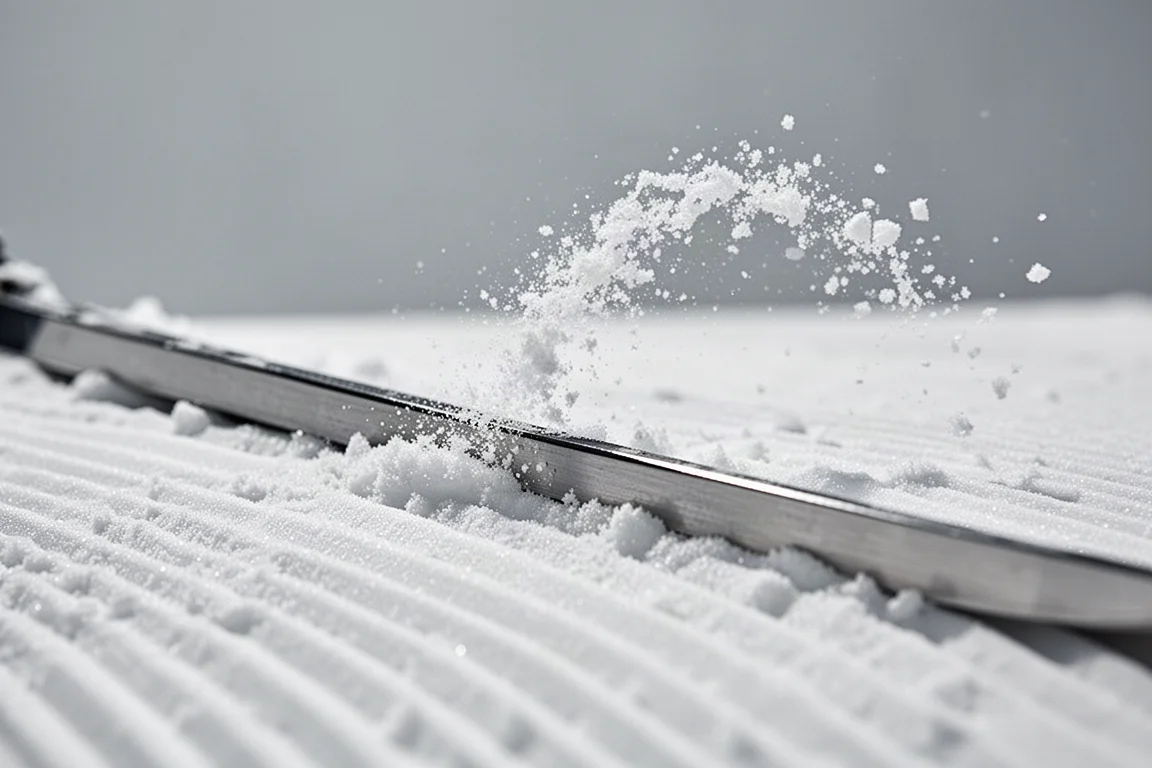
The extra width over a dedicated race ski is the point of the design. At 82 mm, edge-to-edge quickness is not quite as immediate as on a 68 mm race ski, but the ski gains meaningful soft-snow capability in exchange, which is a trade most recreational skiers will happily make. It also responds clearly when you shift pressure or commit more weight to the outside ski, which makes technical adjustments feel worthwhile rather than vague.
Approachability comes with an asterisk. This is a ski for advanced skiers, and while a progressing intermediate will not be overwhelmed by it, it performs best when the person on top already knows what they want. For a strong skier who wants a carving ski for firm groomers with a little soft snow on top, it is a very complete package.
Blizzard Thunderbird 82 LTD: More Plate, More Power
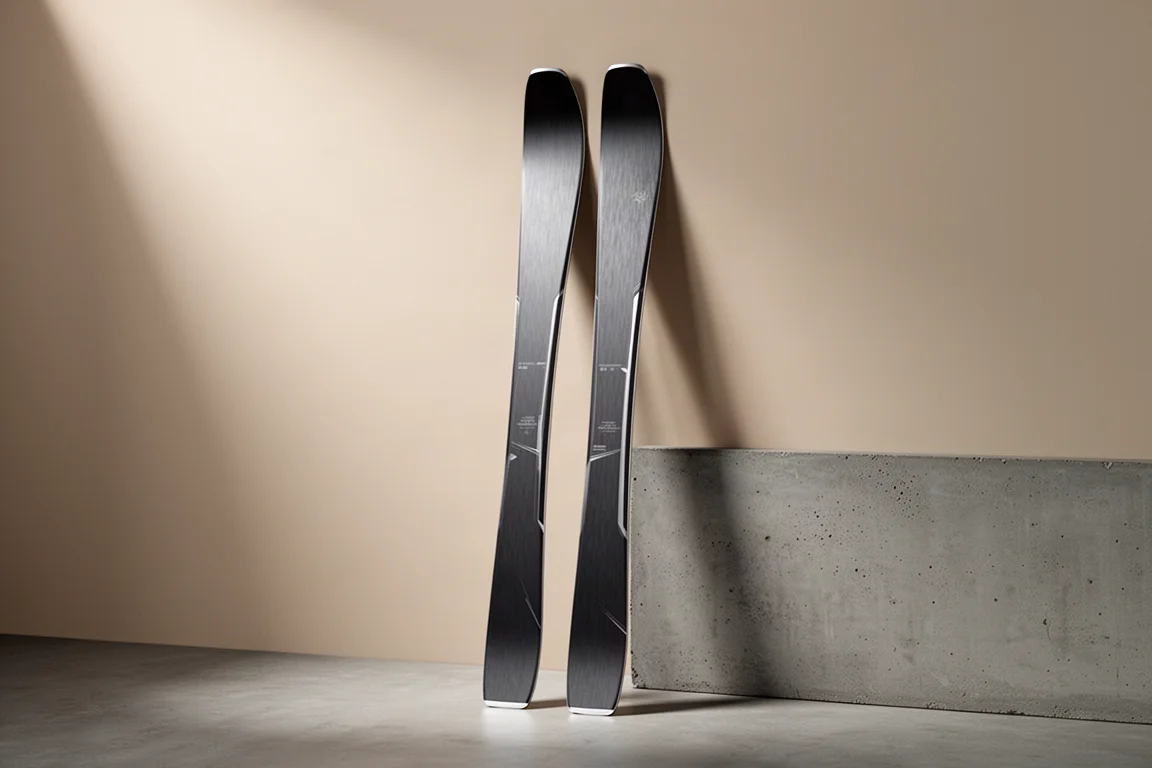
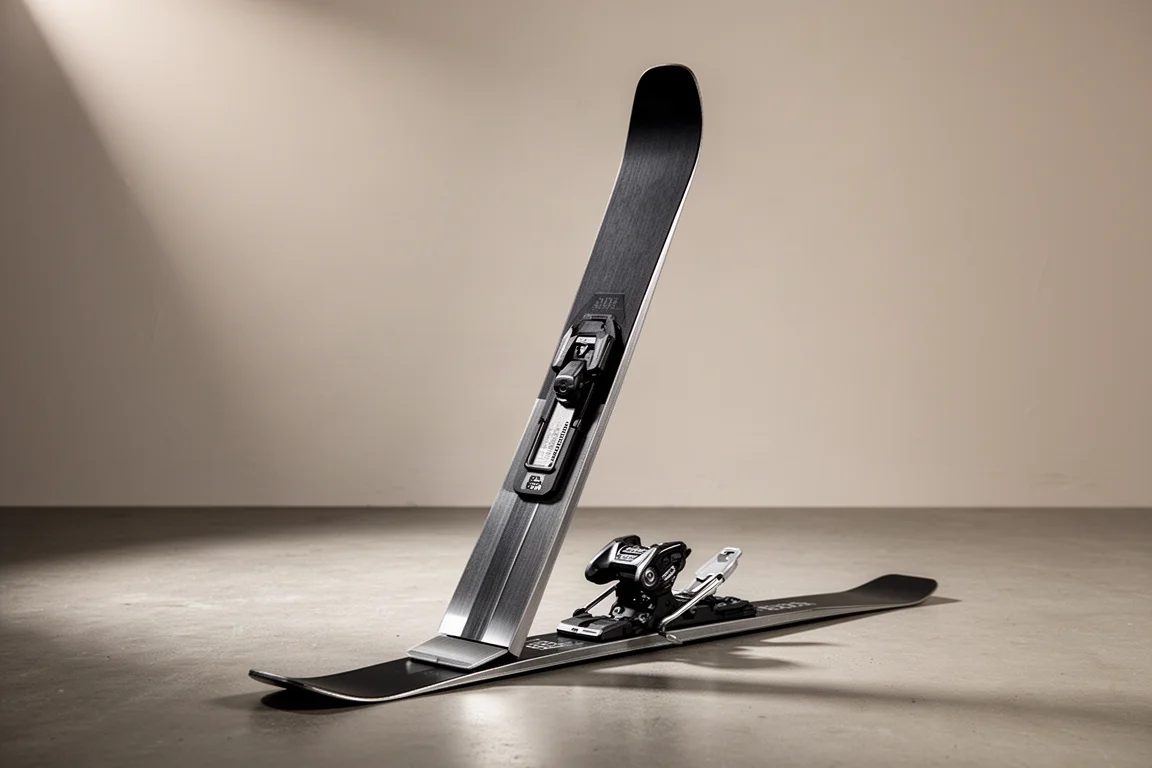
The LTD is the same ski as the standard Thunderbird 82 with a different binding and a stiffer mounting plate. That sounds like a footnote, but on firm snow the difference is real: the LTD feels stiffer underfoot, with more flex and more rebound, and it comes across as noticeably more energetic and snappy.
Getting to that feeling takes a few turns, and it takes the right surface. In soft snow the two versions are very hard to tell apart, which is exactly what you would expect when there is nothing firm for the plate to push against. On a hard, well-groomed run the additional stiffness and power transfer make themselves known, and this is the version to choose if top-tier stiffness and power are what you are after.
The other difference is price. The LTD carries roughly a $200 premium over the standard build, and whether that is worth it depends entirely on how often you ski hard, firm groomers. Skiers who spend most of their time on soft or variable snow will get very little from the upgrade, while those who live on packed powder and hard corduroy will feel it on every run.
Reactions to the two builds are genuinely split, which says a lot about how close they are. The LTD rewards skiers who want the ski to give something back at the end of every turn, while the standard version delivers a very similar ride with a more measured feel and a lower price.
Blizzard Anomaly 84: The Wider, Looser Option
The Anomaly 84 is the outlier of the group, though not by much on paper: it is 2 mm wider than the Thunderbird 82 and shares similar construction elements. The difference in character is larger than the difference in width.
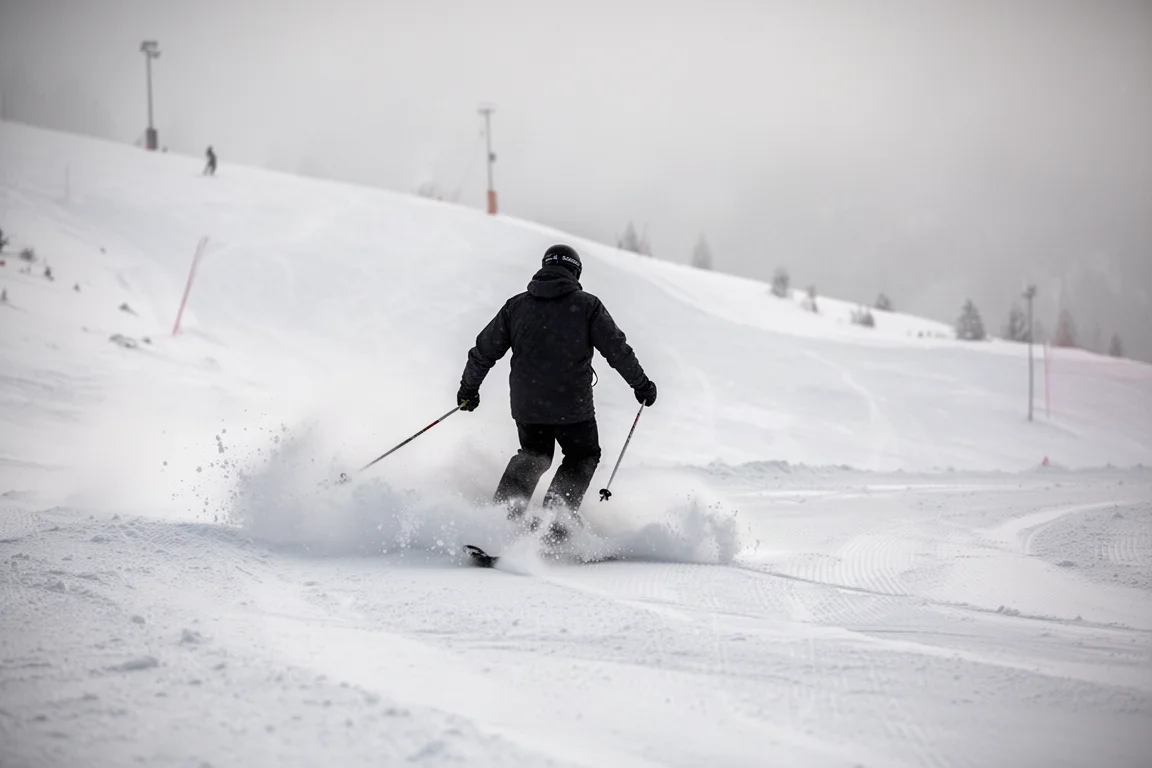
Where the Thunderbird 82, with its 15 m radius in the 175 cm length, feels locked into a turn once it is engaged, the Anomaly 84 gives you more freedom to change turn shape and style. It allows a looser approach, and it is the ski you would reach for on a day when the plan involves exploring rather than racking up laps on one firm groomer.
That versatility comes at a small cost in precision. The Thunderbird 82 carries an extra level of crispness on hard snow, and on firm groomers it is the sharper tool. The two skis do not overlap as much as their 2 mm width difference suggests, which is worth knowing if you are choosing between them rather than adding one to a quiver.
For skiers who spend most of their time on groomers but want the option to follow the soft snow when it appears, the Anomaly 84 is the more forgiving choice of the two. For skiers whose days are built around hard, fast frontside laps, the Thunderbird 82 will feel like the more rewarding ski.
Matching Ski to Rider and Terrain
The decision comes down to three questions.
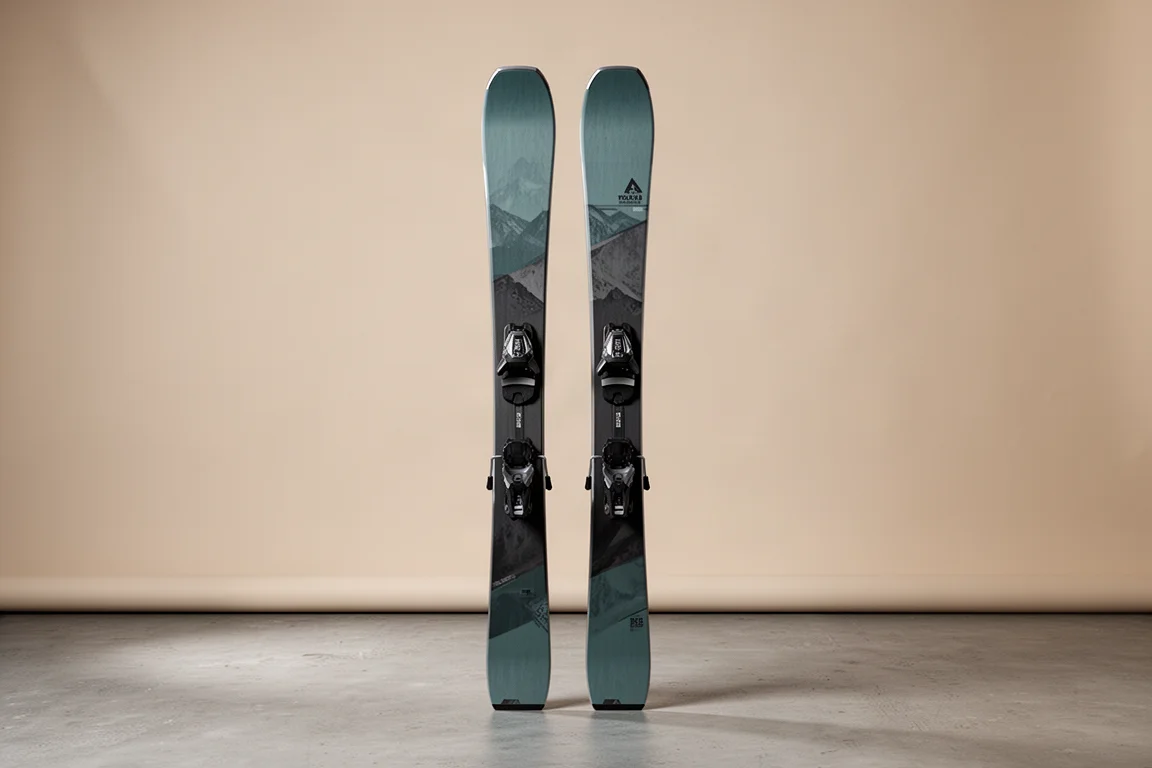
How firm is the snow you ski most often? The Thunderbird 82 and the 82 LTD are built for hard groomers and want a bit of pitch to work with. If your season is mostly packed powder and machine-groomed corduroy, this is the right family of ski.
How much power do you want? The LTD’s stiffer plate and extra rebound reward a strong, aggressive skier who loads the ski hard. The standard version delivers a very similar ride with a more measured feel and a lower price.
How varied are your days? If you like to change turn shape, move off the groomer when the snow is good, and ski a looser style, the Anomaly 84 gives you more room to do that without giving up much on the frontside.
One more consideration cuts across all three: they are not beginner skis. The Thunderbird 82 in particular asks for a centered, stacked stance and responds best to a skier who is already comfortable at speed. A progressing intermediate can handle them, but the returns come with experience.
Buying Advice
Start with the standard Thunderbird 82 unless you have a specific reason to go elsewhere. It costs about $200 less than the LTD, and the difference between the two only shows up on genuinely firm snow. For most skiers, that is money better spent on days at the resort.
Choose the LTD if you ski hard groomers regularly and want the stiffest, most energetic version of the shape. The upgrade is real, but it is narrow in scope: on soft snow you will not be able to tell the two apart.
Choose the Anomaly 84 if you want one ski that carves well but does not insist on a perfect surface. It gives up a little crispness on hard snow in exchange for a more shapeable, looser ride that stays comfortable as conditions change through the day.
Whichever way you go, match the ski to the snow you actually ski rather than the snow you hope to ski. All three are smooth, confidence-inspiring skis. They simply ask for different days.
Conclusion
The Blizzard Thunderbird 82, the Thunderbird 82 LTD, and the Anomaly 84 sit close together in width but not in character. The Thunderbird 82 is the planted, precise carving ski for firm groomers, the LTD is the same shape with more stiffness and energy for firm-snow specialists, and the Anomaly 84 trades a little crispness for more freedom to vary turn shape and terrain. Pick the one that matches your most common conditions and your natural style, and any of the three will reward the decision.
Further reading
Related Reviews

Ski Gear
2023 Blizzard Hustle vs Rustler: Six Freeride Skis Compared
Blizzard's 2023 Hustle collection rebuilds the Rustler shape with a lighter core and no metal. Here is how all six skis differ, and which one suits your riding.

Ski Gear
2023 Skis of the Year: Atomic Maverick 88 TI, Salomon QST 106, and Look SPX 12 Pro
Three standout ski picks for all-mountain carving, powder days, and reliable binding performance, with practical buying notes for 2023 models.

Ski Gear
2025 Nordica Enforcer 104 Review: A Directional Charger Replaces the 104 Free
The 2025 Nordica Enforcer 104 drops the Free name and the twin-tip personality, gaining weight, stiffness and composure in rough snow. Here is what changed and who it suits.