All-Mountain Skis
Blizzard Rustler and Sheeva Line: First Impressions of the Redesigned All-Mountain Skis
Blizzard's redesigned Rustler and Sheeva skis pair a new TrueBlend wood core with metal laminates that leave the tips and tails free. Here is what changed and who each model suits.
Introduction
Blizzard has reworked its Rustler and Sheeva collections, and this is more than a new top sheet. The skis keep their place in the range and their all-mountain brief, but the construction underneath them has changed in ways that are easy to feel on snow.
Early time on the Rustler 9, the Rustler 10 and the Sheeva 9 in firm, variable snow with scattered soft patches gives a clear first read: the new skis are more consistent from tip to tail, and they hold on to the playful character both lines are known for. This is a first look rather than a full review, so the notes below are an early guide to what changed and who each model is likely to suit.
What Changed Across the Line
Start with the core. Blizzard moves the Rustler and Sheeva to a TrueBlend Free Ride wood core, the same blend used in the Hustle: eight parts beech, three parts poplar and five parts paulownia. Beech brings density and grip, while poplar and paulownia keep the ski light and lively. The way those denser beech stringers are placed through the center of the ski is now what controls the flex pattern.
Then the metal. Instead of a single central strip underfoot, the new build uses one full sheet of metal underfoot that runs edge to edge beyond the binding zone, plus two additional metal applications shaped like tuning-fork bands that reach toward the tip and tail without touching the very ends. The tips and tails stay free to flex, while the metal along the sides keeps the ski torsionally strong and grippy. The width of those metal strips narrows as the skis get wider, so the narrower models get a little more precision.
The effect is a ski that no longer feels like two different personalities. The previous generation was strong underfoot and very soft in the extremities, which made it playful but could feel hingey when pushed hard. The new layout spreads support further toward the ends, so the flex is more even and more predictable without giving up the loose, easy feel.
Shape changes are progressive across the collection. The Rustler 9 gets the biggest update: a straight 96 mm waist in every length, where the previous version measured 92 or 94 mm depending on length. Its tip rocker starts lower and runs longer, the tail has noticeably more splay and a longer rocker, and the tail shape is rounder and closer to a twin tip. The footprint stays similar, if not identical, so the turn radius is close to unchanged. The Rustler 10 keeps its 17.5 m radius and moves from 134/102/123 to 133/102/122.5, with a shorter rocker length but a more pronounced rise off the snow. The widest models change the least.
The Sheeva line follows nearly the same recipe with one deliberate difference: the core and the metal in the tip and tail carry over, but underfoot Blizzard uses a fiberglass laminate instead of metal. That keeps the energy high, keeps the ski snappy, and trims a little weight. Sizing also opens up, with 174 now the reference length for the Sheeva series and 180 added to the range.
Blizzard Rustler 9
The Rustler 9 is the model that changed most, and it now reads as a narrower freeride ski rather than a purely playful all-mountain ski. At 96 mm underfoot it sits in a different part of the market than before, closer to other mid-90s all-mountain skis than to the 92 mm group it used to belong to.
On firm, variable snow the ski engages early and holds a clean edge from tip to tail. It initiates with ease and confidence, feels smooth through the midsection, and gives back a lot of energy out of the turn; the rounder, more bulbous tail shape is part of that pop. It is quick for its width, easy to smear, and easy to release, which makes it a natural fit for bumps and trees. Weight sits just under 2,000 g without a full metal laminate.
The trade-off shows up at the very top end. In the 180, a larger skier can find a speed limit when really driving the ski at high edge angles, which is a reasonable consequence of the lighter build. Both the 174 and the 180 felt usable, which is worth noting if you have previously been caught between two lengths.
View more details for Blizzard Rustler 9
Blizzard Rustler 10
The Rustler 10 is an evolution rather than a redesign. It keeps the drifty, smeary, forgiving character that made the previous version so easy to ski, and it adds trust.
In firm, bumpy, flat-light conditions the new 10 stays composed where the older ski could feel like it was flapping at speed. It tracks well through rough snow, straight-lines with more confidence, and still handles crud, chop and powder with the loose feel the model is known for. The difference in mass is small; most of the gain comes from where the metal sits and from the new core. In the 186 it feels noticeably more stable than in the 180, and more directional than either Rustler 9.
If you liked the previous Rustler 10 and simply wanted more composure out of it, this is exactly that ski.
View more details for Blizzard Rustler 10
Blizzard Rustler 11
The Rustler 11 changes the least of the three. Its shaping and rocker profile carry over largely as they were, so anyone already happy with the outgoing model will recognize the new one immediately. What does move is sizing: the reference length drops from 188 to 186, and the new 186 shares its measurements with the outgoing 188. The model is offered in 186 and 192.
Blizzard Sheeva 9
The Sheeva 9 brings the same core and metal layout as the Rustler, with a fiberglass laminate underfoot in place of metal. The result is a ski that keeps a high level of energy while staying a touch lighter.
In firm conditions with soft snow scattered around, it comes across as stable and energetic: snappy and playful entering and exiting turns, responsive underfoot, and genuinely fun across variable all-mountain terrain. It is the Sheeva model with the most significant shaping updates in the collection.
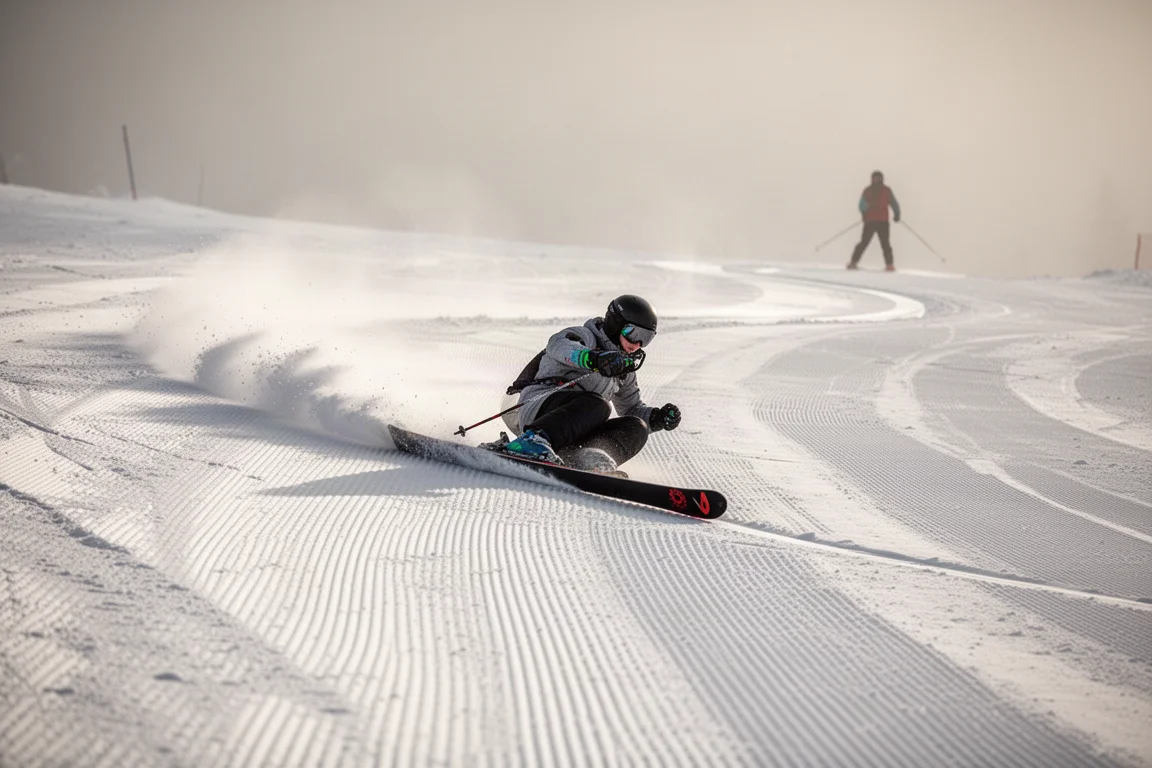
For a lively all-mountain ski that still feels composed in firm snow, this is the one in the line to start with.
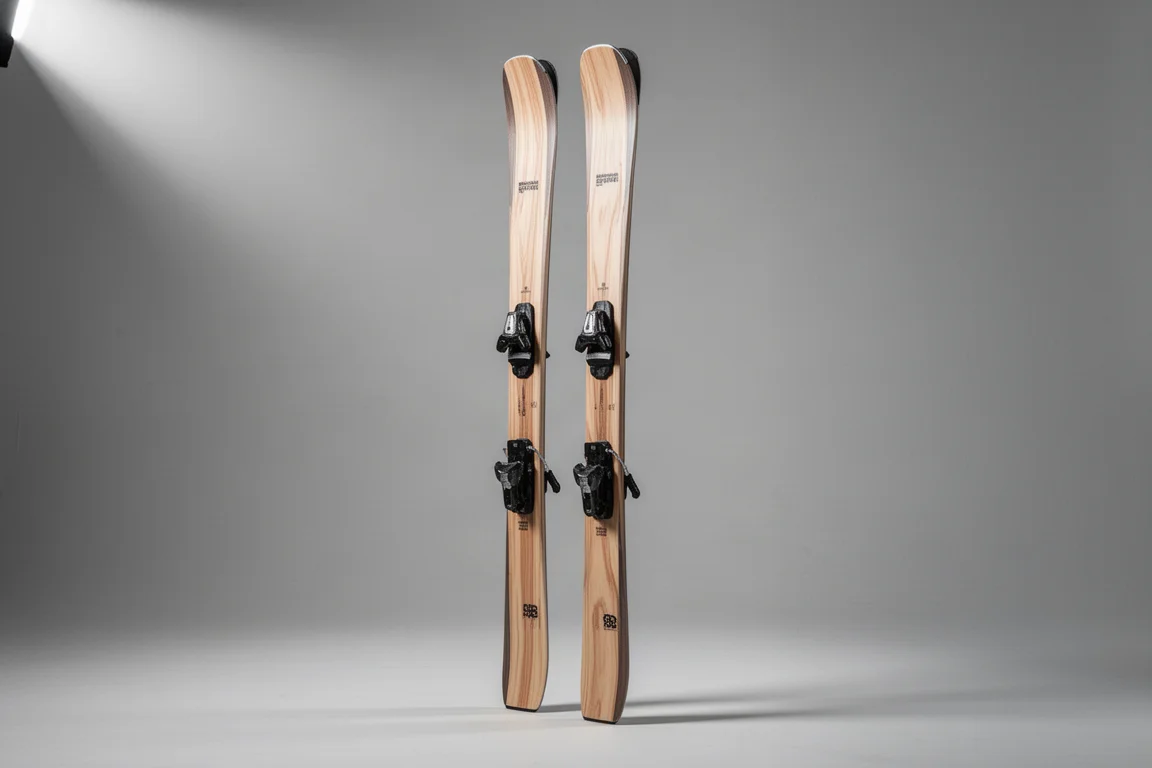
Blizzard Sheeva 10
The Sheeva 10 shares the collection’s construction: the same wood core, metal in the tip and tail, and a fiberglass laminate underfoot. It also arrives with a graphic treatment that stands out in the line.
As with the Rustler models, the changes are progressive across the collection, so the Sheeva 10 carries over more of its shape than the Sheeva 9 does.
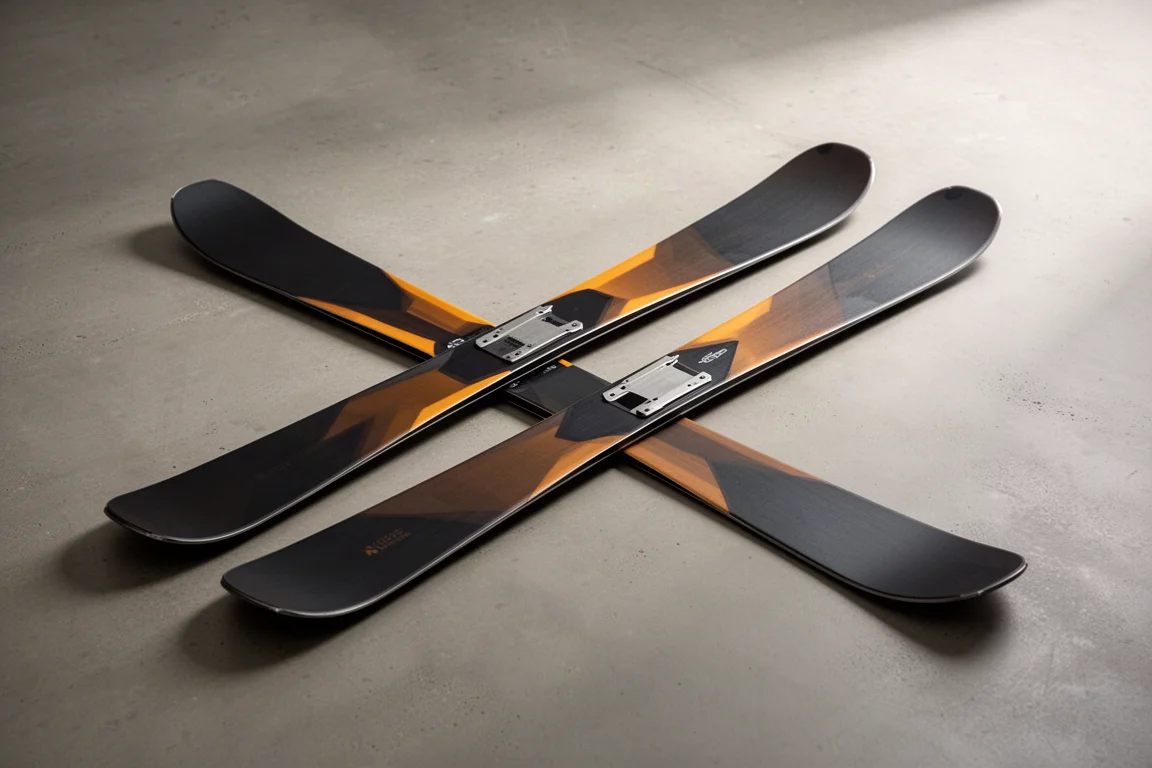
Blizzard Sheeva 11
The Sheeva 11 completes the redesigned collection. It uses the same core and laminate layout as the rest of the line, so the energetic, lighter-underfoot feel carries through to the widest model. As elsewhere in the collection, the most significant shaping changes land on the narrower skis.
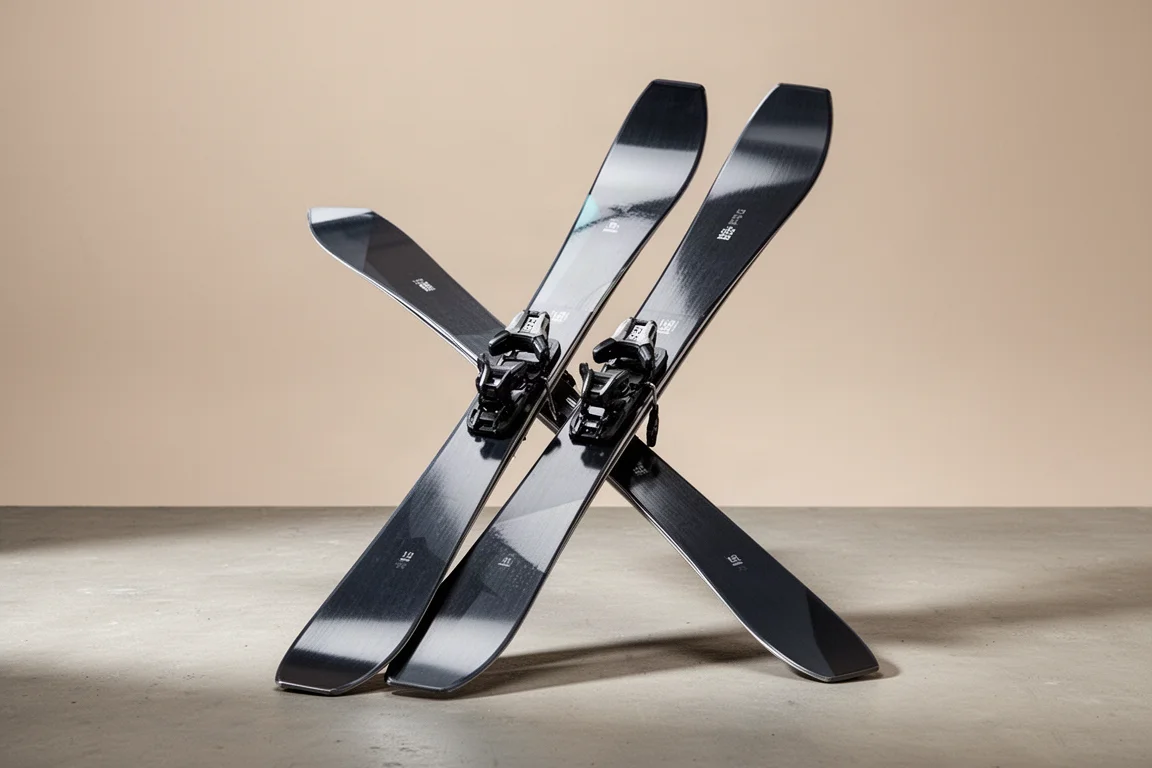
Buying Advice: Matching the Ski to the Skier
Think about where you actually ski most. The Rustler 9 and Sheeva 9 are the quickest and most agile of the group, and they suit riders who move between groomers, bumps, trees and soft snow in the same day. Neither is a maximum-speed charger; Blizzard still builds the Brahma and Bonafide for riders who want a stronger high-speed bias.
The Rustler 10 is the all-rounder of the collection. It keeps the forgiving, intuitive feel that made the model popular and adds the composure to trust the whole ski in firm, rough snow, which makes it a reasonable one-ski choice for riders who see a mix of soft snow, crud and chop.
The Rustler 11 and Sheeva 11 are the widest options and the least changed, so they make the most sense for skiers who already know they want that platform and are replacing a worn pair rather than switching categories.
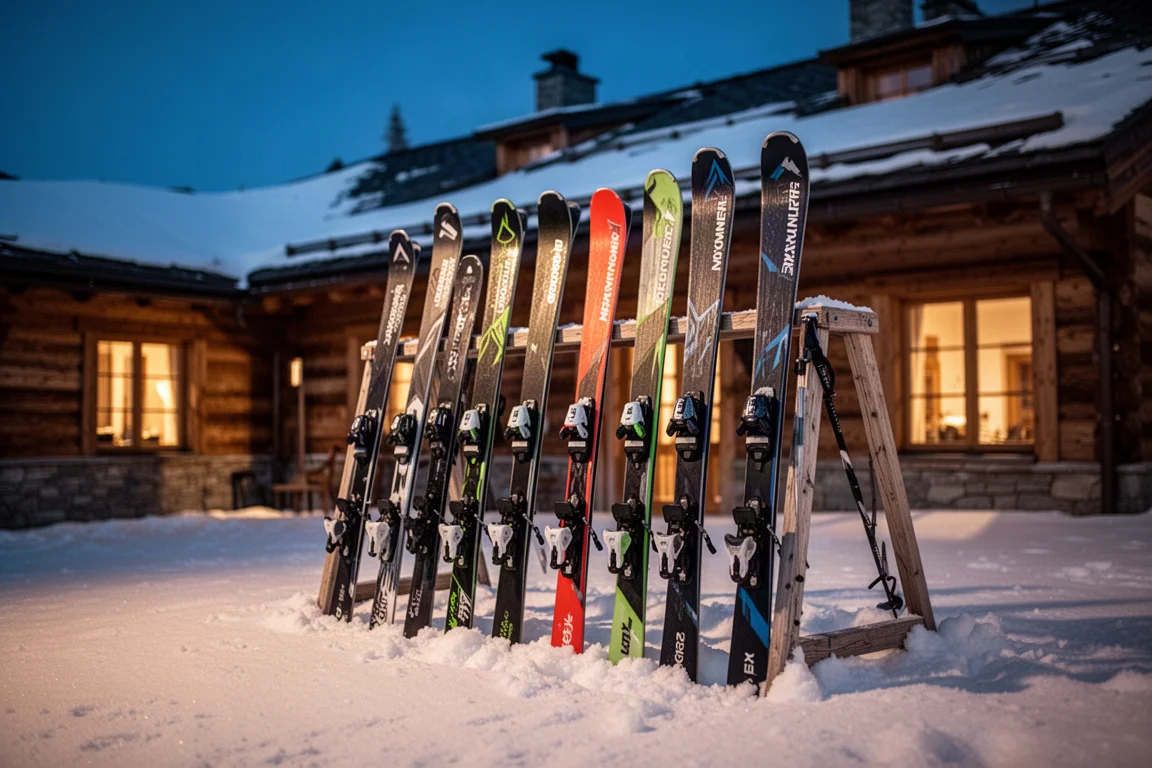
On sizing, the smaller gaps in the range are a genuine improvement. The Sheeva series now includes a 174 reference length and a 180, and the Rustler 10 and Rustler 11 extend up to 192, which gives more skiers a length that fits instead of a choice between too short and too long.
If you are still unsure, match the waist width to the snow you ski most often: mid-90s for a mix of firm and soft days, around 102 mm for a soft-snow bias, and the widest models for riders who spend most of their time off piste.
Conclusion
The redesigned Rustler and Sheeva collections are a meaningful update rather than a cosmetic one. The TrueBlend core and the new metal layout give the skis a more even, more predictable flex, and the Rustler 9 in particular is a different ski from its predecessor: wider, more freeride oriented, and still quick and playful. The Rustler 10 and the Sheeva models evolve rather than transform, which is good news for anyone who already liked them.
These impressions come from firm, variable snow, so a full picture of deep-snow performance will have to wait for more natural snowfall. On the evidence so far, the new line looks well worth a look for all-mountain skiers who want playfulness and consistency in the same ski.
Further reading
Related Reviews
All-Mountain Skis
100mm All-Mountain Skis Compared: 23 Versatile Models Worth Knowing
A practical walkthrough of 23 all-mountain skis around 100mm underfoot, covering weight, rocker, metal construction, and the rider each model suits best.
All-Mountain Skis
2026 Black Crows Camox Review: A More Stable, More Versatile All-Mountain Twin Tip
The 2026 Black Crows Camox adds an ash layer underfoot, wider tips and tails, and a revised rocker profile. Here is what those changes mean on snow.
All-Mountain Skis
Armada Antimatter 88 Review: A Light, Lively All-Mountain Ski That Rewards Any Style
The Antimatter 88 pairs a poplar core with carbon stringers for a surprisingly energetic ride that suits intermediates and experts alike.