All-Mountain Skis
2024 Blizzard Rustler 9 vs Fischer Ranger 96: Which All-Mountain Ski Fits Your Riding
Two 96mm all-mountain skis with similar construction but different metal layouts. Here is how the Blizzard Rustler 9 and Fischer Ranger 96 differ on snow.
Introduction
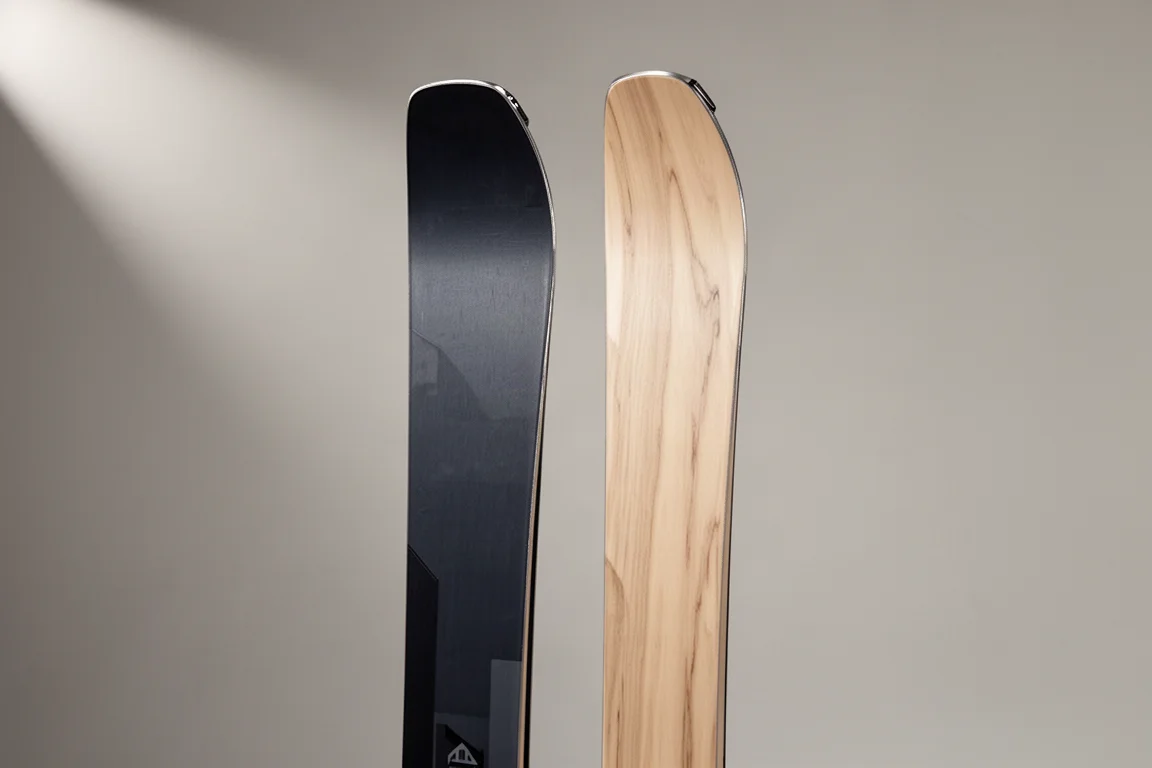
The 2024 Blizzard Rustler 9 and the Fischer Ranger 96 occupy the same corner of the market: all-mountain freeride skis around 96 millimeters underfoot, built in Austria, with wood cores and metal laminates, and a rocker-camber-rocker profile. The Rustler 9 is a new ski for 2024, while the Ranger 96 returns completely unchanged as a full carry-forward model.
That overlap makes the decision less about which ski is better and more about which one lines up with how you actually ride. This guide breaks down where each ski stands out so you can match the strengths to your own priorities.
What These Two Skis Have in Common
Both skis target the same rider: someone who wants one setup that works on groomed runs and in off-trail soft snow.
On paper the similarities are extensive. Waist widths sit around 96 millimeters depending on the size you choose. Both use a rocker-camber-rocker profile and comparable construction, with wood cores and metal laminates running edge to edge underfoot.
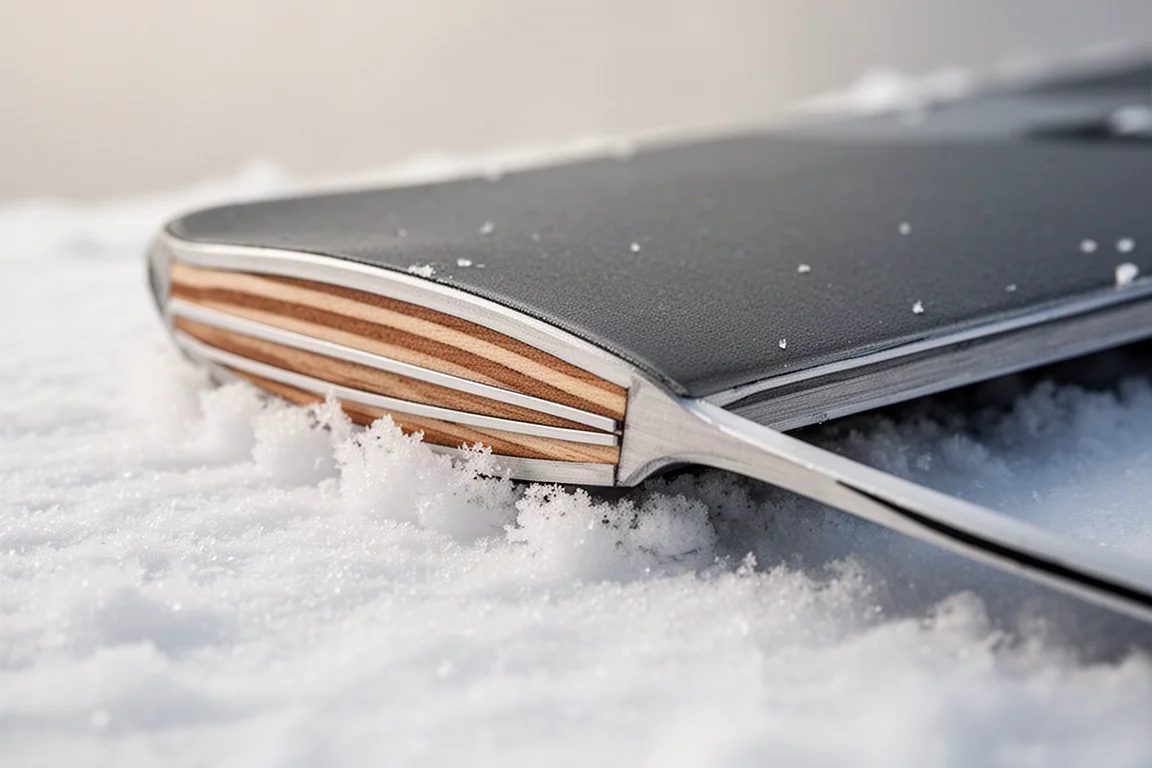
Both are made in Austria. The metal story is close as well, even though the names differ. Fischer calls its metal layout Shape TI, while Blizzard calls its version Flux Form. Each brand places metal directly underfoot, which is where much of the edge grip and stability comes from.
The meaningful difference is how far that metal runs along the ski, and that single detail shapes how each ski behaves on snow.
Blizzard Rustler 9
The Blizzard Rustler 9 carries its metal further than the Ranger 96. The metal extends up the edge toward the tip and tail rather than stopping short of them.
More metal along the length makes the Rustler 9 more frontside oriented. It still covers a lot of ground, but the ski is at its best when you are carving. It holds a high edge angle, drives cleanly through a turn, and feels genuinely fun on groomed terrain for a ski this versatile.
View more details for Blizzard Rustler 9
That frontside bias does not come at the cost of everything else. The Rustler 9 remains capable in off-trail soft snow, which is why it works as a single-ski choice for riders who split their time between groomers and softer conditions.
Fischer Ranger 96
The Fischer Ranger 96 takes the other approach. Its metal sits edge to edge underfoot, but the metal runs from roughly the midfoot area to the midfoot area, stopping short of the tip and tail.
The result is a ski that feels more playful and more maneuverable, and easier to balance on when conditions turn technical. It pivots and swivels easily, which shows up in bumps, trees, steeper lines, and variable snow.
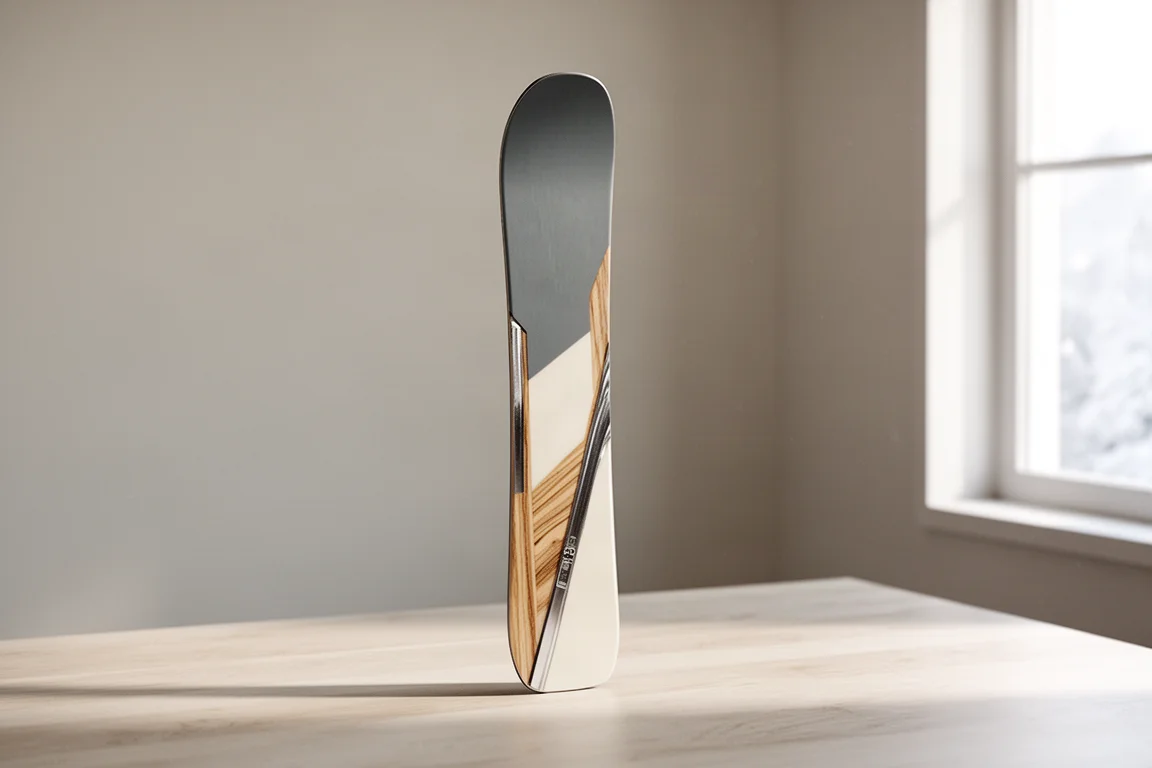
That ease of handling is a real advantage in off-trail soft snow, where the Ranger 96 feels at home. The trade-off appears on groomed runs, where it can hold its own but does not deliver the same carving excitement as the Rustler 9.
Terrain and Snow Conditions
Think about the terrain you ski most often before choosing between these two.
If your days are mostly groomed runs with occasional soft-snow detours, the Rustler 9 frontside strength is the more useful trait. It rewards an aggressive carve and stays composed at high edge angles.
If you spend more time in bumps, glades, steeper pitches, and variable snow, the Ranger 96 willingness to pivot matters more. Being able to swivel the ski around without fighting it makes technical terrain noticeably less demanding.
How Metal Layout Changes the Ride
The difference between these two skis comes down to how far the metal runs along the length.
Metal placed underfoot, edge to edge, gives a ski a solid platform for edge grip. Extending that metal further toward the tip and tail adds longitudinal stiffness, which is why the Rustler 9 feels more planted and more oriented toward carving.
Limiting the metal to the underfoot region preserves more of the ski natural flex. That is why the Ranger 96 feels looser and easier to pivot. Neither approach is better in isolation. They simply push the ski toward different strengths.
Matching the Ski to Your Riding Style
If you prioritize the frontside and want a ski that carves hard while still handling soft snow, the Rustler 9 is the more natural fit. It suits riders who ask a lot from a single ski and want groomer performance to be part of the package.
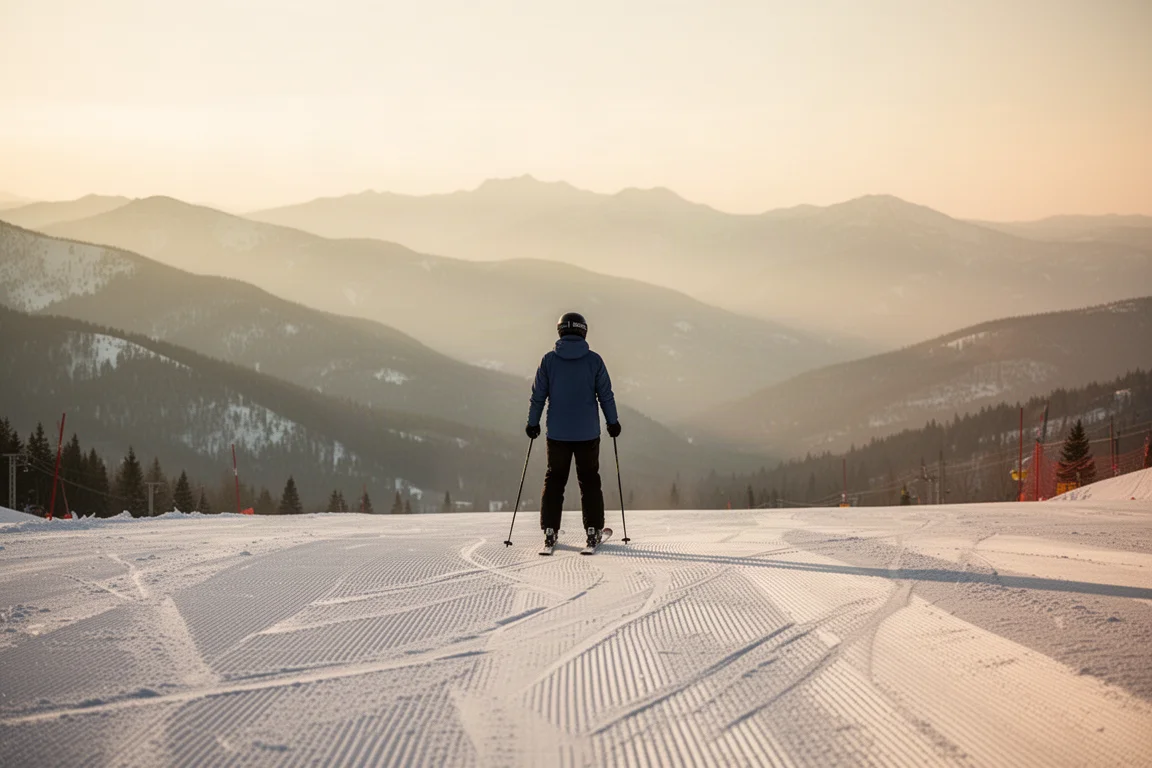
If you want a ski that is easier to balance on, more playful, and more comfortable in soft snow, the Ranger 96 lines up better. It suits riders who value maneuverability and a forgiving feel over maximum carving performance.
Progression and Confidence
There is a practical side to this decision that matters for riders still building their skills.
A ski that is easier to balance on and easier to pivot removes one variable from the equation. The maneuverable character of the Ranger 96 means less fighting the ski when you are working through unfamiliar terrain or pushing into steeper, more variable snow.
That makes it a reasonable pick for riders who want to progress or who simply want to feel more confident off trail. The Rustler 9 asks a little more of the rider, but gives more back on groomed terrain.
Buying Advice
Both skis are strong options, and the decision comes down to priorities rather than quality.
Choose the Blizzard Rustler 9 if you spend most of your time on the frontside and want a ski that carves well while staying versatile enough for soft snow. Choose the Fischer Ranger 96 if you want a playful, easy-to-balance ski that shines in technical terrain and off-trail conditions.
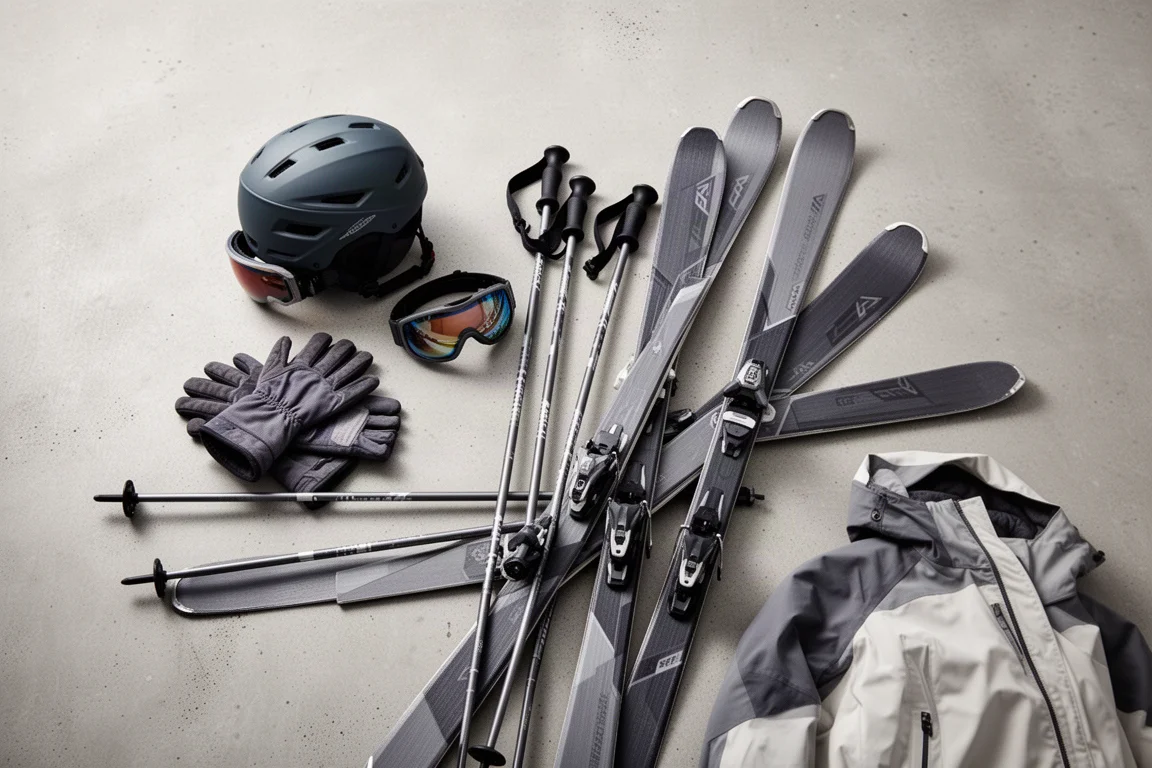
Neither ski is a compromise pick. Both cover a wide range of terrain, and either one can serve as a single all-mountain setup as long as its strengths match the way you actually ski.
Conclusion
The 2024 Blizzard Rustler 9 and the Fischer Ranger 96 are more alike than different on paper: similar waist widths, similar rocker profiles, comparable wood and metal construction, and both built in Austria.
The split comes down to metal placement. The Rustler 9 extends its metal further along the edge for a more frontside-oriented, carving-focused ride. The Ranger 96 keeps its metal underfoot for a more playful, maneuverable feel in technical terrain and soft snow.
Match the ski to your priorities and you end up with a versatile all-mountain setup either way.
Further reading
Related Reviews
All-Mountain Skis
100mm All-Mountain Skis Compared: 23 Versatile Models Worth Knowing
A practical walkthrough of 23 all-mountain skis around 100mm underfoot, covering weight, rocker, metal construction, and the rider each model suits best.
All-Mountain Skis
2026 Black Crows Camox Review: A More Stable, More Versatile All-Mountain Twin Tip
The 2026 Black Crows Camox adds an ash layer underfoot, wider tips and tails, and a revised rocker profile. Here is what those changes mean on snow.
All-Mountain Skis
Armada Antimatter 88 Review: A Light, Lively All-Mountain Ski That Rewards Any Style
The Antimatter 88 pairs a poplar core with carbon stringers for a surprisingly energetic ride that suits intermediates and experts alike.