Ski Gear
Blizzard Rustler 10 vs Canvas 100: Two Very Different All-Mountain Skis
A close look at how the Blizzard Rustler 10 and Canvas 100 differ in weight, damping, pivotability and freestyle potential, and which rider each one suits.
Introduction
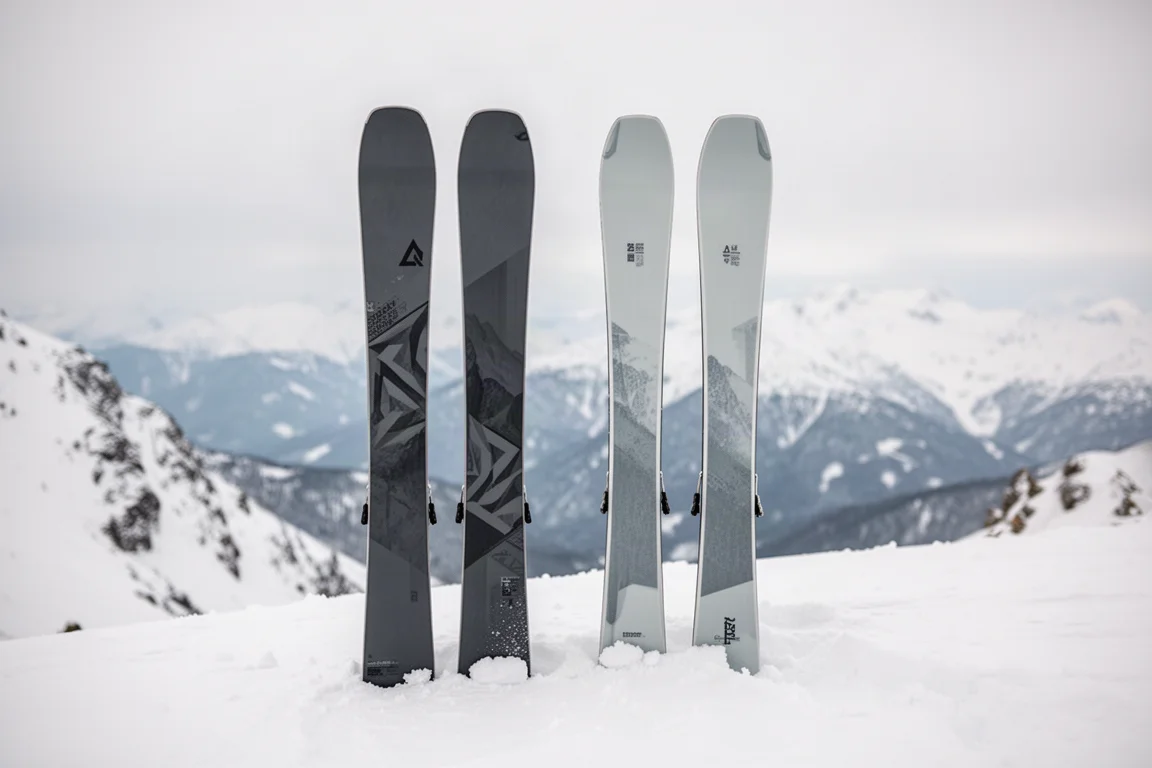
The Blizzard Rustler 10 and the Blizzard Canvas 100 look like close neighbours on paper. Both sit around the 100 mm mark underfoot, both are offered in 180 and 186 cm, and both are built for skiers who spend their time away from the groomers. On snow, they feel like two entirely different projects.
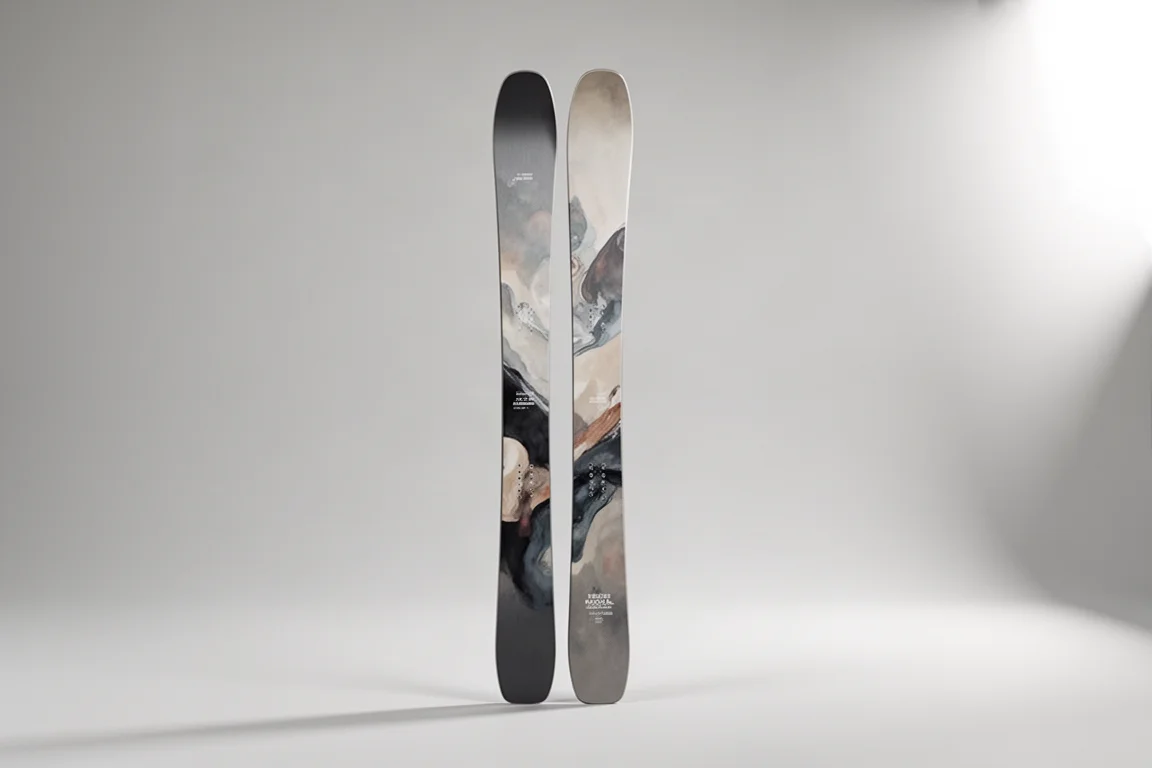
The Rustler 10 is the established shape, and it returns unchanged for 2027 with the same graphics and the same metal-heavy construction. The Canvas 100 comes from a new Blizzard line, lighter and with less metal, carrying a freestyle influence and a design story that leans into art and creativity.
Skiing the two back to back on the same runs makes the split obvious within a few turns. This guide covers what each ski does well, where each one gives something up, and which type of skier each one is built for.
How the Rustler 10 and Canvas 100 Differ
The fastest way to understand the gap between these two skis is weight and metal content. The Rustler 10 carries more metal in its layup and feels distinctly heavier on the snow. The Canvas 100 removes much of that material, and the difference shows up immediately, even on a short skate across a flat approach.
The second difference is shape philosophy. The Rustler 10 is a directional freeride ski with a flatter profile, generous tip and tail rocker and splay, and a construction tuned to stay composed at speed. The Canvas 100 is more freestyle oriented, with extended tail rocker, a less directional feel, and a flex pattern that is solid underfoot but softer and more supple in the tips and tails.
Both skis target riders who want one all-mountain tool, but they ask for different things. The Rustler 10 rewards a skier who likes to stand on the ski and let it run. The Canvas 100 rewards a skier who wants to change direction constantly, pop off features, and stay light on their feet.
Blizzard Rustler 10: The Freeride All-Mountain Choice
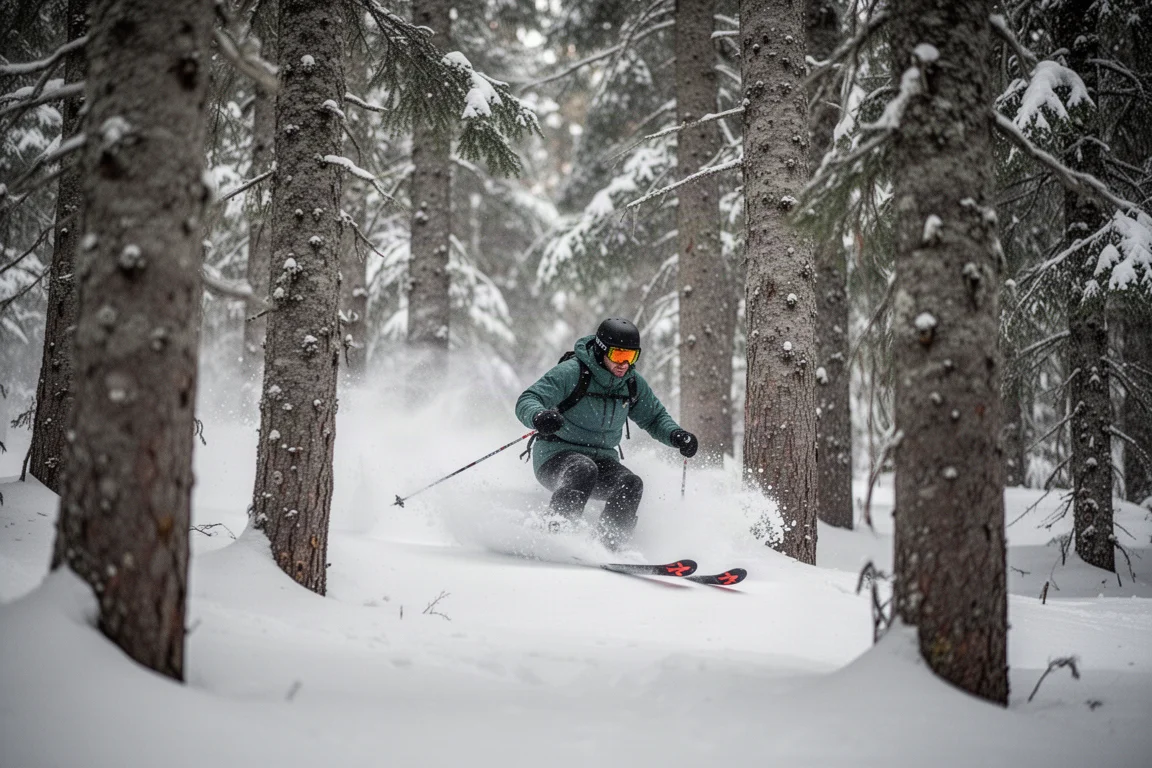
The Rustler 10 is the more planted ski of the two. Its construction blends a rockered, splayed shape with a metal layout that runs tip to tail, and the result is a smooth, damp ride that holds together when the snow turns rough. That damping is one of the first qualities you notice: the ski absorbs vibration rather than passing it up through your legs.
The flatter profile keeps it loose enough to pivot in bumps and tighter terrain. Push it out of a turn and it comes alive, then settles into long, arcing GS turns without needing to be wrestled. Along the side of a trail it makes short turns competently and stays predictable. Blizzard does a good job of balancing the construction with the shape, and this generation improved noticeably when the metal layout changed from the previous version.
The trade-off sits at the very top of the performance envelope. Drive the Rustler 10 hard at a high edge angle and you begin to lose a little torsional stiffness. It is also playful in a slower, more methodical way rather than a snappy one, and it is heavy, with no attempt made to hide that.
View more details for Blizzard Rustler 10
Blizzard Canvas 100: The Lighter Freestyle Option
The Canvas 100 is the livelier ski, and weight is the first thing you feel. It is much lighter on the foot, which shows up when skating across flats and again when you want to throw the ski sideways. Underfoot it feels surprisingly solid, and the carving performance is better than the low weight would suggest. It is not a powerful ski, but it is more torsionally stiff than you would expect for how light it feels.
Where it gives ground is in the tips and tails. The extended tail rocker and softer flex there mean less precision in the front and back of the turn, and you need to stay more balanced and centered when carving. On firm snow the tail can wash out, and you cannot plant the tail through the middle of firm moguls the way you can on the Rustler 10.
The reward is pivotability. The Canvas 100 is super swivelly and changes direction almost instantly, which makes it excellent in tight trees and in terrain where quick, creative lines matter more than holding a long edge. It encourages that style of skiing rather than demanding it, and it feels friendly while doing so.
Handling, Stability, and Weight Compared
In variable snow the two skis diverge sharply. The Rustler 10 stays composed and deals with adversity well, holding its line when the surface changes from soft to scoured. The Canvas 100 gets deflected a little more and pushed around a little more, and on steeper terrain at speed it is noticeably less confidence inspiring.
On groomers the picture is more balanced than you might expect. The Canvas 100 has a slight delay in initiating and completing a turn when it is up on edge, but it comes across the fall line nicely and delivers a pleasant carving experience. The Rustler 10 counters with more precision and more predictability in a carved turn.
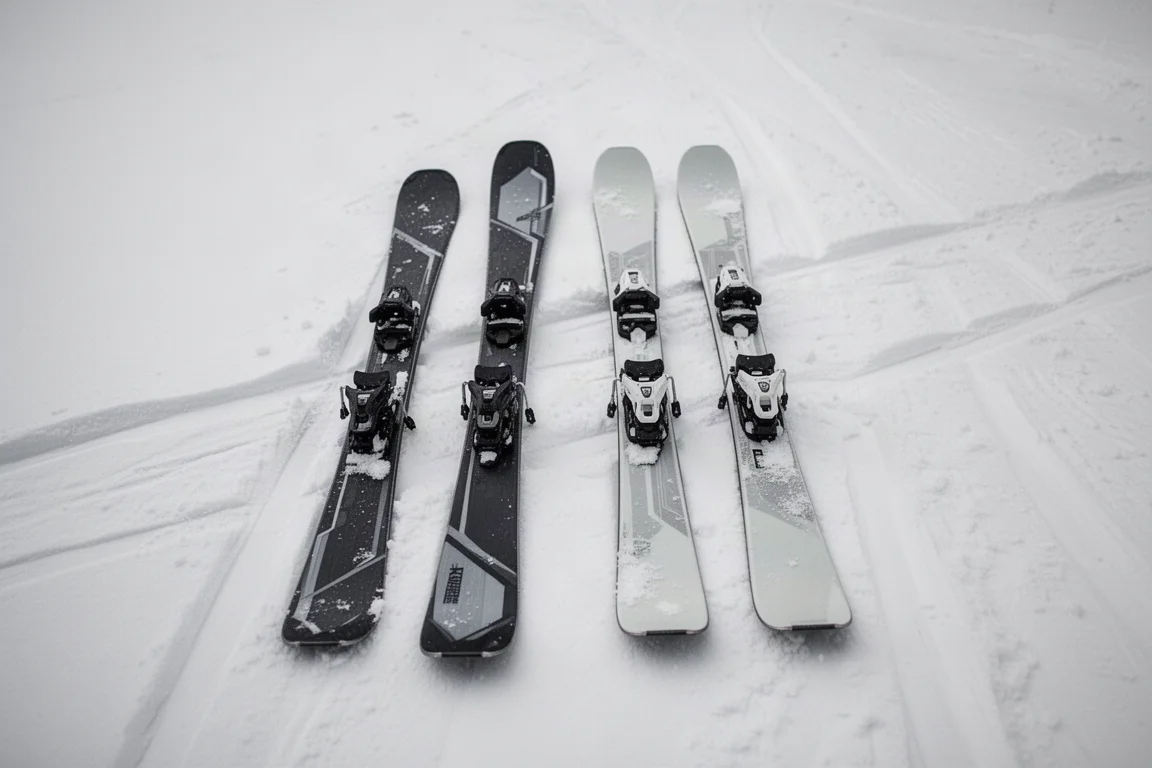
It is worth framing the difference honestly. The traits that make the Canvas 100 flickable and fun are the same traits that make it less stable. The traits that make the Rustler 10 composed and smooth are the same traits that make it heavier and less immediately playful. Neither ski is doing anything wrong, they are simply built around different priorities.
Park and Freestyle Potential
The Canvas 100 has real park potential. It feels natural in the air, its low swing weight makes it easy to move around, and it sits among the more freestyle oriented 100 mm skis while still offering decent all-mountain performance. Tail presses and butters come more easily than on more directional 100 mm shapes. It is not a park ski first, but the potential is clearly there.
The Rustler 10 approaches playfulness differently. It can be skied loosely, letting the tail wash out and shutting down speed, but everything happens more smoothly and methodically. If your priority is freestyle expression, the Canvas 100 is the more natural fit. If your priority is a dependable freeride line at speed, the Rustler 10 is.
Who Should Choose Which Ski
The differences are large enough that the decision is usually straightforward. The Rustler 10 suits a skier who wants composure, damping and stability in mixed conditions, who likes to stand on the ski and let it run, and who spends most of their time in freeride terrain rather than the terrain park. A balanced, stable skier gets the most out of it, because it can be skied fast and hard without becoming unpredictable.
The Canvas 100 suits a skier who wants a light, flickable, creative ski. It is the better choice for tight tree lines, quick direction changes, side hits and park laps, and for riders who are comfortable staying centered and balanced through a carve rather than driving the front of the ski. It also rewards a stable skier, particularly if you choose the longer length.
If you find yourself genuinely torn between the two, that is a sign to look more carefully at what you actually ski most often. These are not two versions of the same ski with a small personality tweak.
Length and Mount Point Considerations
Length changes the experience on both models. On the Rustler 10, the 186 carries a wider waist than the 180, roughly a four millimetre difference, so the longer ski is both longer and slightly wider. Going longer adds confidence and puts more ski in front of the boot, while the shorter 180 can feel like there is not a great deal of shovel ahead of you when you push hard through the front of the ski.
The Canvas 100 is also offered in 180 and 186. Riders who want more confidence at speed will generally prefer the longer option. Mount position matters here too: the Canvas 100 sits at a more directional mount point, and riders who want a more centered, freestyle stance can move the binding forward by a couple of centimeters. That single adjustment shifts the ski noticeably toward its playful side.
Buying Advice
Start with the terrain you ski most, not with the ski that sounds more exciting. If your days are built around freeride lines, variable snow and carrying speed through rough conditions, the Rustler 10 is the more natural match. It is heavier and it asks for a bit more input at very high edge angles, but it delivers the smoothness and composure that define that style of skiing.
If your days involve tight trees, quick direction changes, side hits and time in the park, the Canvas 100 is the better fit. It gives up some stability and precision in the tips and tails in exchange for low weight, fast pivoting and an encouraging, creative feel. Think about length and mount position before you commit, because both have a real effect on how the ski behaves underfoot.
Conclusion
The Blizzard Rustler 10 and Blizzard Canvas 100 share a category and a rough waist width, and almost nothing else. The Rustler 10 is the heavier, metal-rich freeride all-mountain ski with strong damping, predictable carving and real stability at speed. The Canvas 100 is the lighter, freestyle-influenced option with quick pivoting, a solid feel underfoot and clear park potential.
Both are capable, well-rounded skis. The right one depends entirely on whether you want composure and speed, or lightness and creativity.
Further reading
Related Reviews
Ski Gear
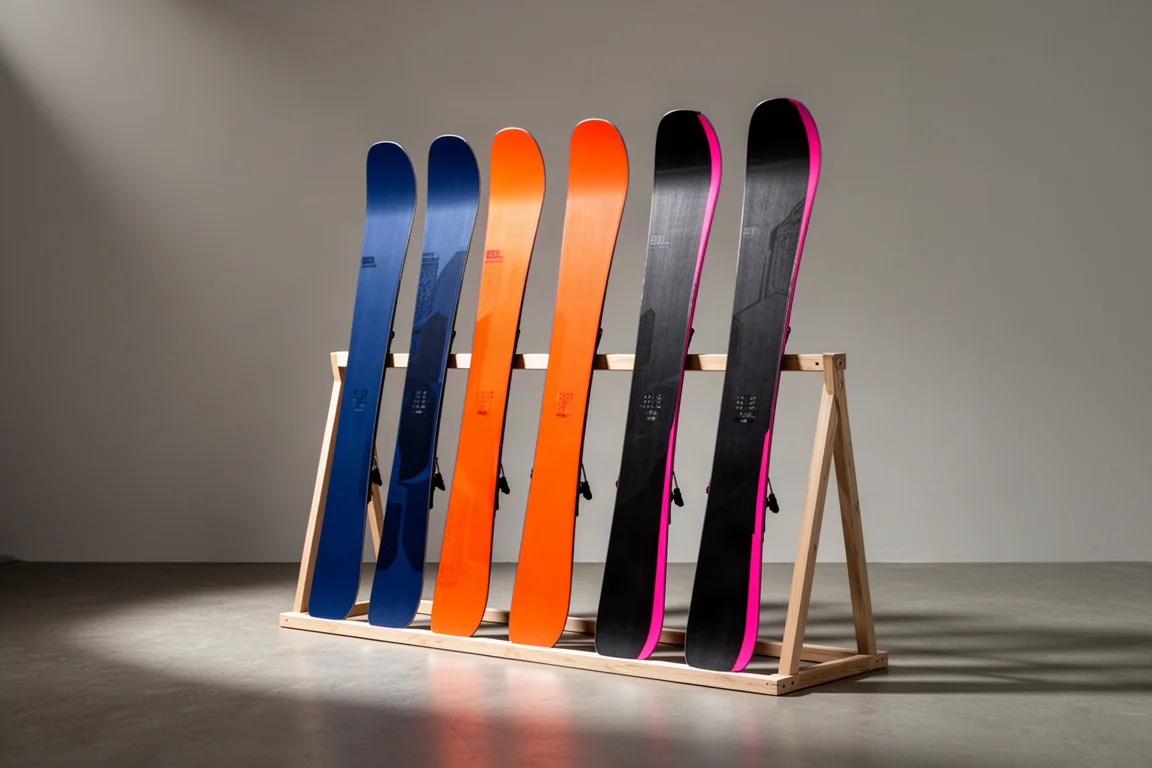
2023 Blizzard Hustle vs Rustler: Six Freeride Skis Compared
Blizzard's 2023 Hustle collection rebuilds the Rustler shape with a lighter core and no metal. Here is how all six skis differ, and which one suits your riding.
Ski Gear
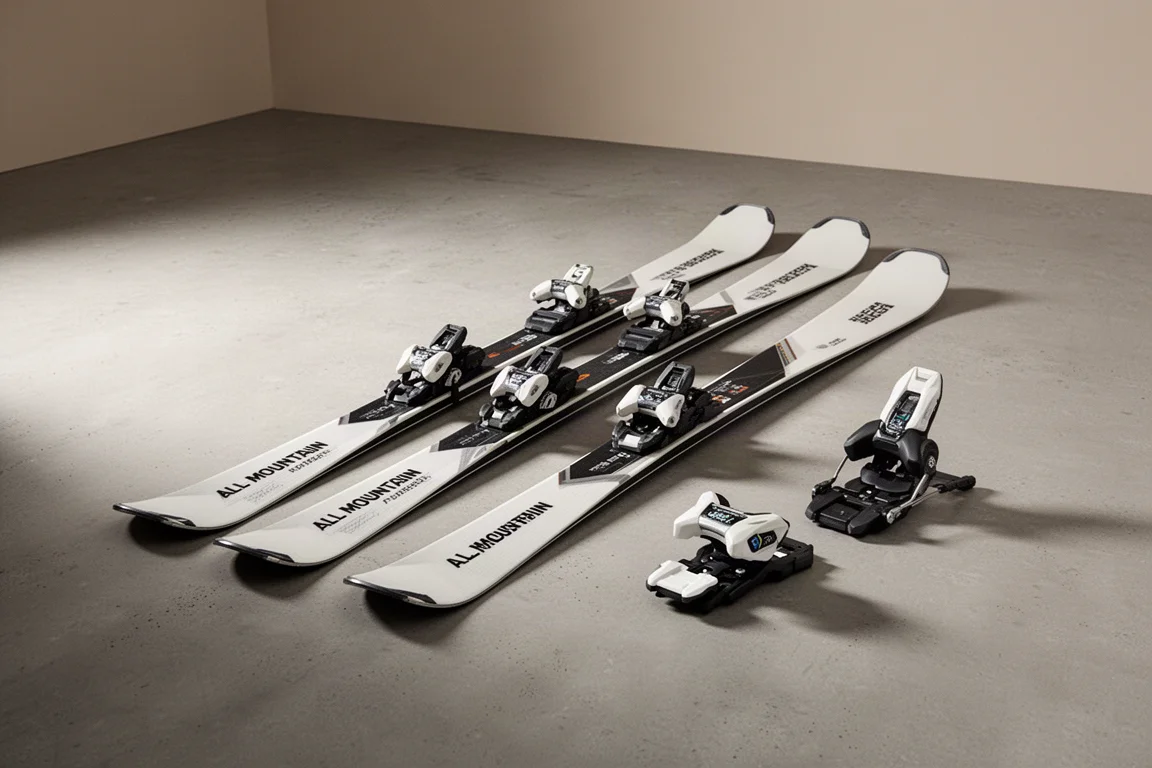
2023 Skis of the Year: Atomic Maverick 88 TI, Salomon QST 106, and Look SPX 12 Pro
Three standout ski picks for all-mountain carving, powder days, and reliable binding performance, with practical buying notes for 2023 models.
Ski Gear
2025 Nordica Enforcer 104 Review: A Directional Charger Replaces the 104 Free
The 2025 Nordica Enforcer 104 drops the Free name and the twin-tip personality, gaining weight, stiffness and composure in rough snow. Here is what changed and who it suits.