Ski Gear
Blizzard Rustler 10 and Hustle 10 Review: Playful All-Mountain Skis Compared
A close look at the Blizzard Rustler 10 and the lighter Hustle 10, two versatile all-mountain skis built for soft snow, tight lines, and resort days.
Introduction
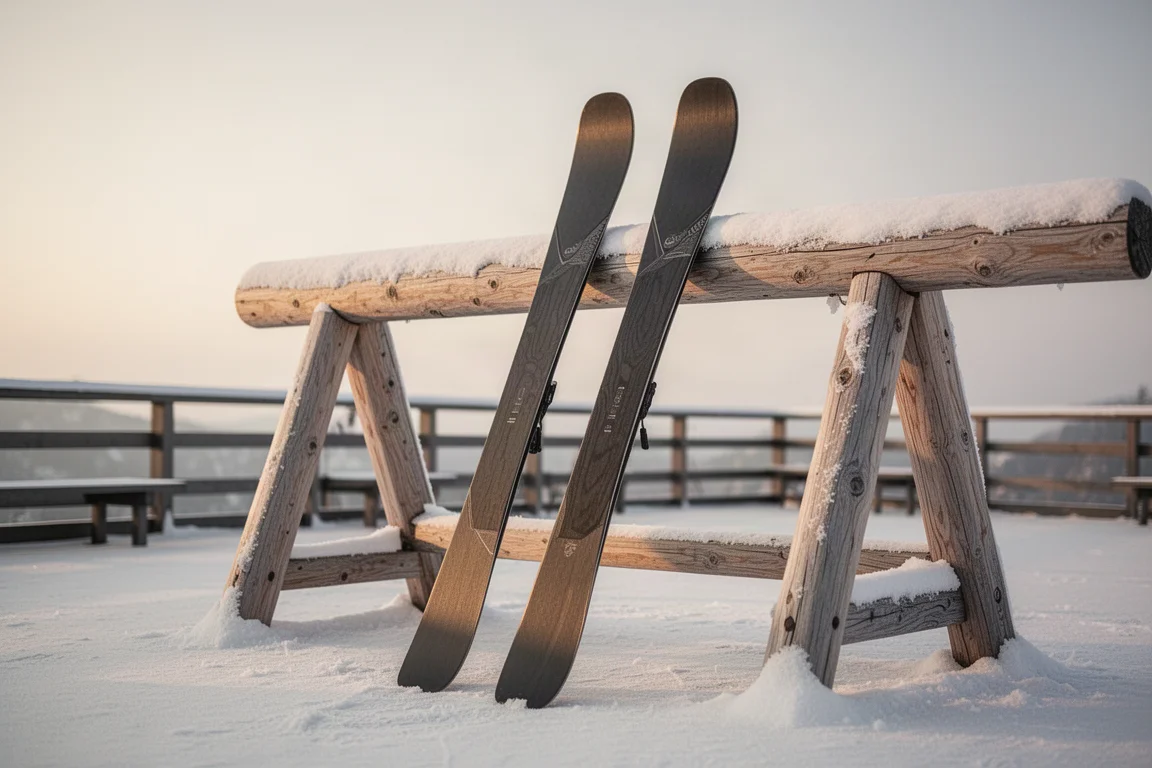
Blizzard built its reputation on skis such as the Brahma and the Bonafide: strong, stable, torsionally stiff models that carve exceptionally well but can feel demanding once you take them off piste. The Rustler 10 was designed as the answer to that. It is a more playful alternative and a better soft-snow ski than the Bonafide, and it sits at the center of a collection built around versatility, maneuverability, and playfulness.
That focus shows up in the way the ski is put together and in the way it behaves across a very wide range of snow conditions, from groomed runs to genuinely deep powder. The line also includes a lighter sibling, the Hustle 10, which shares the same shape but removes the metal for skiers who want to head uphill. This guide covers both.
How the Rustler 10 Is Built: Carbon Flip Core DRT
Blizzard starts with a wood core and adds what it calls Carbon Flip Core DRT construction, where DRT stands for Dynamic Release Technology. The defining element is a partial metal laminate: full width underfoot, tapering as it reaches the tips and tails, and ending well before the extremities of the ski. Past that point, the tips and tails are built from wood and carbon only.
The result is a ski that carries less swing weight than its listed weight would suggest, and one whose tips and tails are slightly softer than the rest of the ski. That combination is what makes edge release so easy, whether you are wiggling through tight trees, playing around on the side of the trail, or skiing deeper snow.
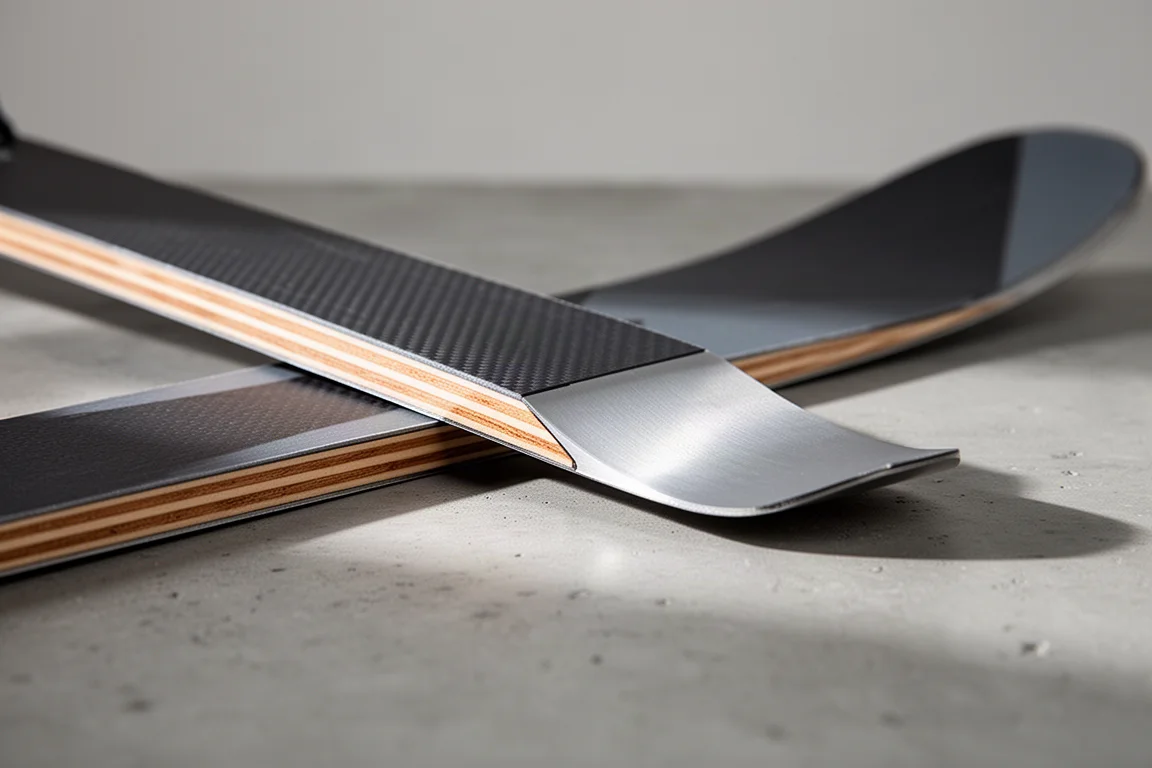
The same logic runs through the rest of the Rustler line. Wider models get longer rocker and a shorter metal laminate, while narrower models carry noticeably less rocker in the tips and tails. It is a straightforward, logical way to design a family of skis: more width, more rocker, less metal.
Blizzard Rustler 10: Playful All-Mountain Performance
In a 180 cm length, the Rustler 10 weighs right around 2,000 grams. That is not the lightest ski on the market, but it feels lighter on snow than the number on paper implies, simply because the tips and tails contain no metal. The softer extremities, combined with the rocker profile, make the ski highly maneuverable.
Underfoot, the full-width metal gives it a stout, planted feel with real stability and vibration damping. The tail releases easily, and the ski slashes, smears, and pivots with very little effort. That translates into a more confidence-inspiring and less fatiguing ride in technical terrain and tight lines, which is exactly where a demanding ski tends to wear you down.
Compared with something like the Bonafide, the Rustler 10 is much more playful and much easier to ski, while still retaining enough backbone to feel dependable when you push it.
View more details for Blizzard Rustler 10
Blizzard Hustle 10: The Lighter Alternative
The Hustle 10 takes the same shape as the Rustler 10 and removes the metal from the construction entirely. The upside is weight. At roughly 2,000 grams, the Rustler 10 is on the heavy side for touring, so if your thinking leans toward partial alpine touring use, the Hustle 10 is the more natural starting point.
Skiers do mount touring bindings on Rustlers, but the Rustler 10 is more appropriately paired with an alpine binding for resort skiing. The Hustle 10 is the model to look at when the uphill matters as much as the descent.
View more details for Blizzard Hustle 10
Snow Conditions and Terrain Where the Rustler 10 Shines
This is a ski that handles an unusually broad range of conditions. It carves well on groomers, holds up in soft snow, and stays fun in genuinely deep powder. You can take it anywhere on the mountain without feeling like you are fighting it.
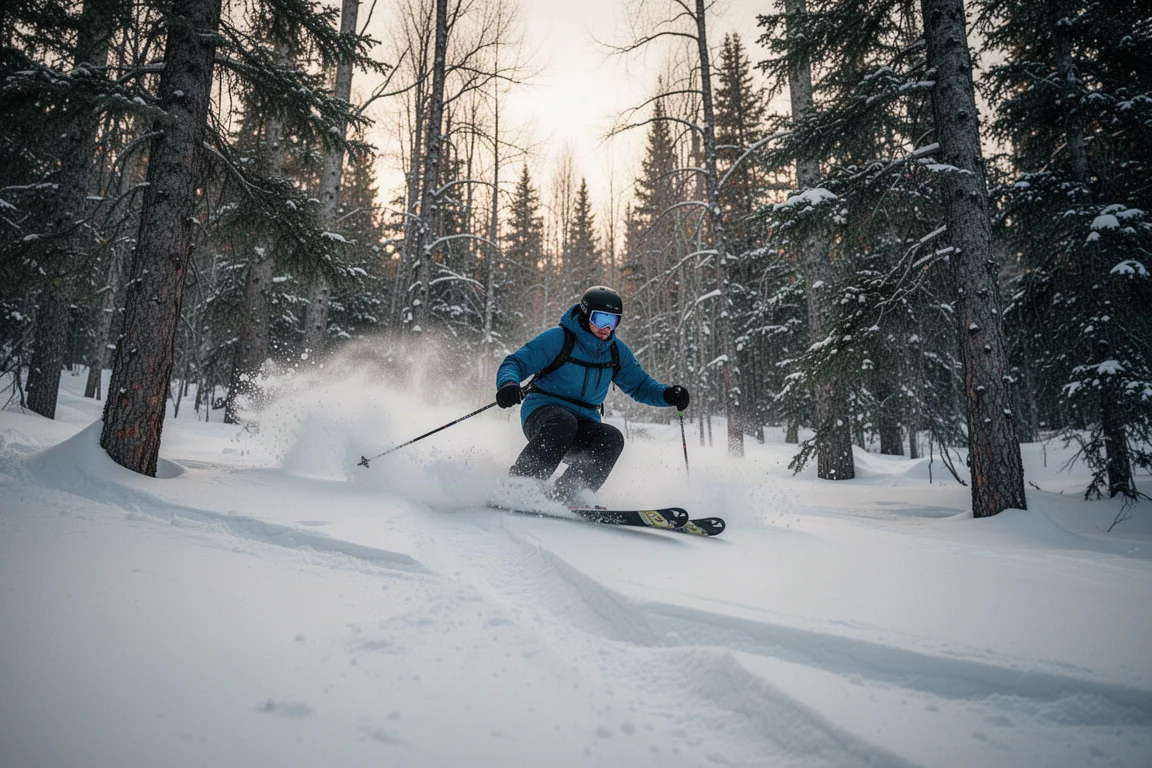
In tight trees and technical lines, the easy edge release is the standout trait. Being able to pivot and smear the tail without a fight keeps the ski from wearing you down over a long day, and it makes awkward, narrow terrain feel far more manageable than it would on a stiffer ski.
For skiers in the east, the Rustler 10 works as a mini powder day ski, though it is perfectly happy on plenty of days that never reach powder depth. For skiers in the west, it is versatile enough to serve as a daily driver.
Rustler 10 vs Hustle 10: Key Differences
The two skis share a shape, which means similar footprints and similar intentions. The difference is in the construction and what that construction is for.
The Rustler 10 keeps a full-width metal laminate underfoot that tapers toward the tips and tails. That gives it a stout feel, added stability, and vibration damping, and it makes the ski a strong match for alpine bindings and resort skiing.
The Hustle 10 removes the metal entirely. It is the lighter of the two and the better candidate for touring-oriented setups. If you never plan to skin uphill, the Rustler 10 offers more of the damp, planted character that metal underfoot provides.
Bindings and Setup: Alpine or Touring
The most common and most appropriate pairing for the Rustler 10 is a favorite alpine binding. Mount it up, use it around your local resort, and let the blend of stability and playfulness do the work.
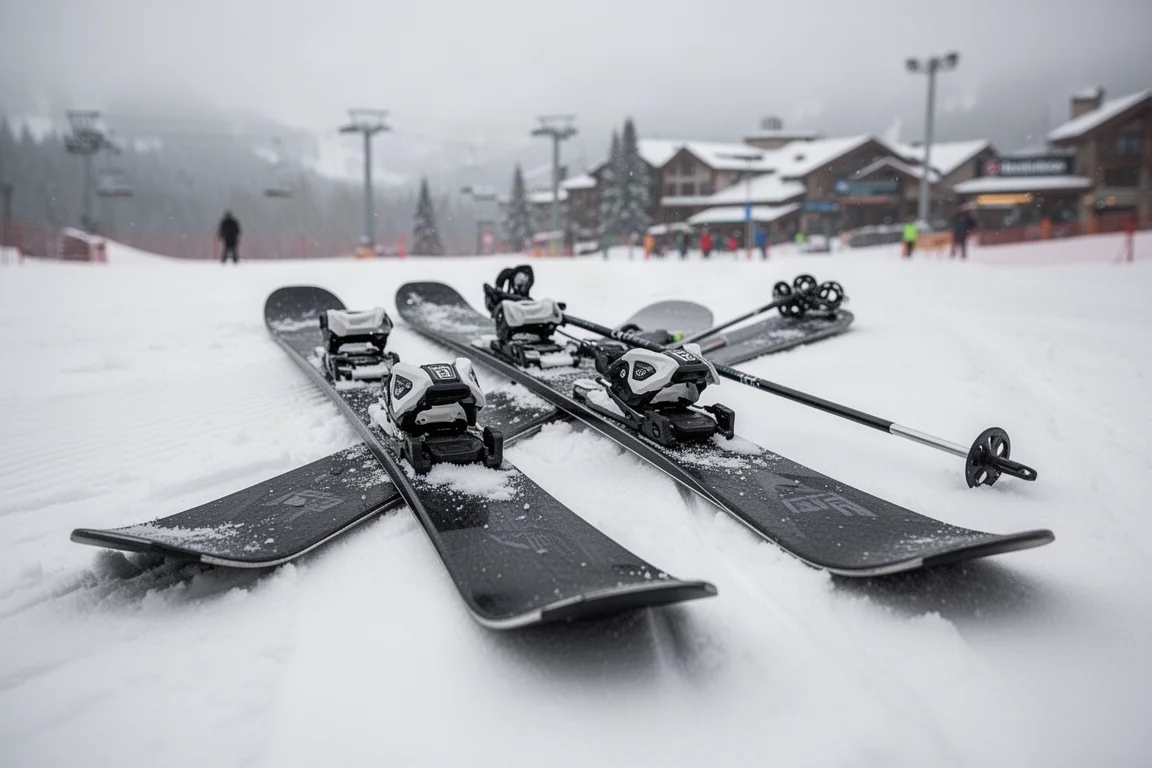
Touring bindings can be mounted on a Rustler, but the ski’s weight makes that a compromise rather than a natural fit. Skiers who want a setup genuinely suited to uphill travel are better served by the Hustle 10, which keeps the shape while cutting the metal.
Who the Rustler 10 Suits Best
The Rustler 10 fits a wide range of skiers, and that range is part of its appeal. It is a strong choice if you want the stability and vibration damping that metal underfoot provides, but you are not willing to give up playfulness, easy edge release, and maneuverability in soft snow.
It also suits skiers who want one ski to cover a lot of ground: groomers, side hits, trees, and powder days. It is not the lightest option in its class, and it is not built for touring, so the decision comes down to how much of your skiing happens on the resort versus on the skin track.
Buying Advice
If your skiing is resort-based and you want a playful, versatile all-mountain ski with real stability underfoot, the Rustler 10 is the straightforward pick. The combination of a full-width metal laminate underfoot and softer, metal-free tips and tails is what makes it feel both planted and easy to release.
If you are planning to tour, even partially, look at the Hustle 10 instead. Same shape, less weight, no metal, and a construction that makes considerably more sense once you start heading uphill.
Conclusion
The Rustler 10 earns its reputation through range. It carves, it floats, it pivots on demand, and it stays manageable in terrain where stiffer, more demanding skis can wear you down. For resort skiers who want one ski that covers a lot of conditions without giving up stability, it is an easy recommendation. For anyone whose plans include touring, the Hustle 10 keeps the same shape in a lighter package.
Further reading
Related Reviews
Ski Gear
2023 Blizzard Hustle vs Rustler: Six Freeride Skis Compared
Blizzard's 2023 Hustle collection rebuilds the Rustler shape with a lighter core and no metal. Here is how all six skis differ, and which one suits your riding.
Ski Gear
2023 Skis of the Year: Atomic Maverick 88 TI, Salomon QST 106, and Look SPX 12 Pro
Three standout ski picks for all-mountain carving, powder days, and reliable binding performance, with practical buying notes for 2023 models.
Ski Gear
2025 Nordica Enforcer 104 Review: A Directional Charger Replaces the 104 Free
The 2025 Nordica Enforcer 104 drops the Free name and the twin-tip personality, gaining weight, stiffness and composure in rough snow. Here is what changed and who it suits.