Ski Gear
Blizzard Frontside Skis Compared: Stormbird 82 DTi, Thunderbird R15 82, R15 82 LTD, and Anomaly 84
Four Blizzard models sit within two millimeters of each other in width. Here is what actually separates the Stormbird 82 DTi, the Thunderbird R15 82, the R15 82 LTD, and the Anomaly 84.
Introduction
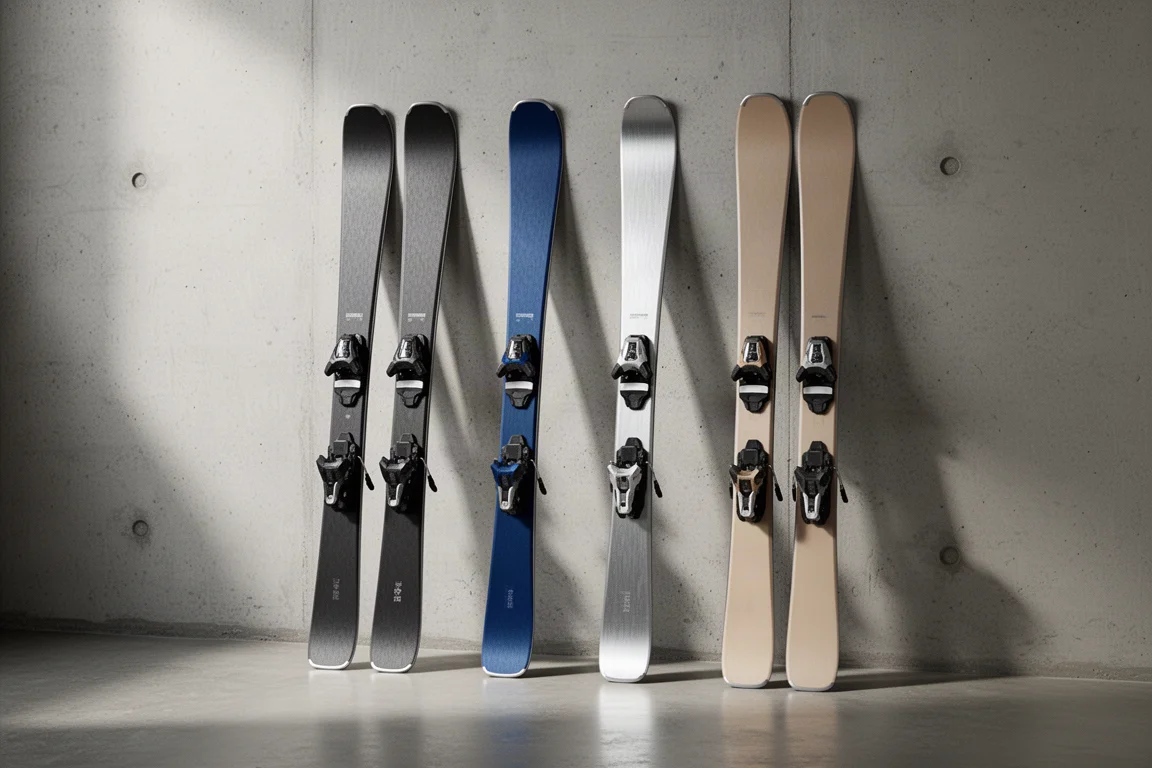
Blizzard has turned one of the simplest decisions in skiing into a genuinely difficult one. Four models now sit inside a very narrow band of widths: the new Stormbird 82 DTi, the Thunderbird R15 82, the Thunderbird R15 82 LTD, and the Anomaly 84. Three of them measure 82 mm underfoot with integrated bindings, and all four land within two millimeters of each other.
That narrow spread is deliberate. Blizzard has grown this segment of its collection on purpose, so the differences between these skis come down to construction, flex, and the kind of skier each one rewards rather than to dramatically different shapes.
What Ties These Four Blizzard Skis Together
Start with the family resemblance. The Stormbird collection builds directly on the Thunderbird platform, and the shape is close enough that it takes a careful look to spot the gaps. Camber sits underfoot, the tips and tails carry very little rocker in practice, and the 175 cm length returns a 15 m turn radius, the same figure as the Thunderbird.
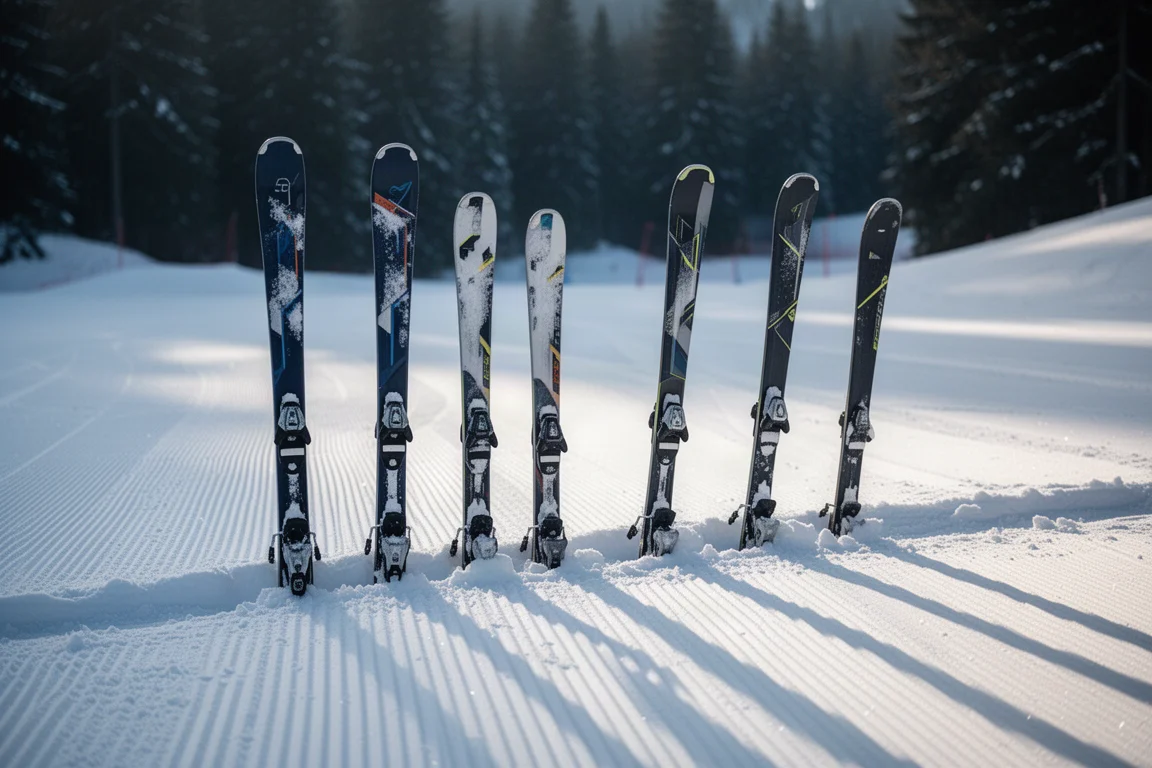
Construction is where the real story sits. The Stormbird 82 DTi uses a True Blend wood core in an SP specification that differs from the Thunderbird core, and DTi refers to the two sheets of metal inside the ski. That combination, a wood core sandwich build with two metal sheets, is exactly why this ski feels far closer to the Thunderbird than its position in the range might suggest. The flex is where they part ways: the Stormbird is still stiff, still damp, and still supportive, but it carries a slightly rounder flex pattern than the Thunderbird.
Blizzard Stormbird 82 DTi: The Approachable All-Rounder
The Stormbird 82 DTi is the most approachable ski in this group, and Blizzard got there by subtraction rather than by starting over. It uses the same binding as the Thunderbird R15 82, but leaves off the Active Armor carbon-fiber extension. The result is a ski whose performance sits one notch below the Thunderbird, which is exactly the intent.
On snow, that translates into a ski that holds up at speed without demanding it. The two metal sheets keep things damp and smooth, so it stays calm and supportive when you open up on a groomer, and it also performs well when you slow things down. It is easier to manipulate than the Thunderbird and will happily make a range of turn shapes instead of insisting on one.
For skiers who spend most of their time on groomers and do not ski particularly fast, that combination is a strong argument for staying right here rather than climbing the range.
Blizzard Thunderbird R15 82: The Aggressive Step Up
The Thunderbird R15 82 is the non-LTD version, and it is a different animal. It is built very close to a race ski, and it is aggressive in a way that rewards commitment. Without the skill set, or without a genuine appetite for skiing fast all the time, it can be a handful.
The step between it and the Stormbird is linear rather than a leap. Both share the 15 m radius and the same general shape, and the Thunderbird adds the Active Armor carbon-fiber extension at the binding on top of its firmer flex.
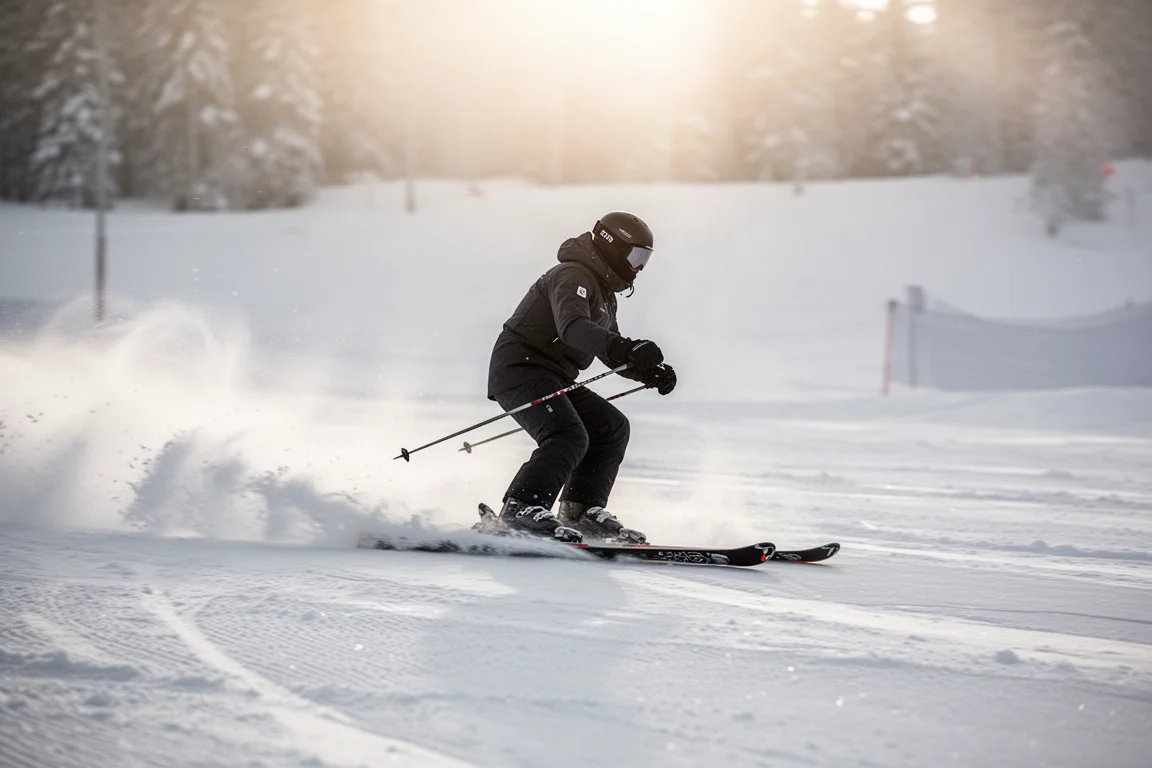
Where it separates itself is in how it responds once speed builds. This is a ski that wants to be driven, and the harder you push it, the more it gives back. Skiers with the technique and the taste for pace tend to find it more rewarding than the Stormbird, while everyone else tends to find it more tiring by the end of the day.
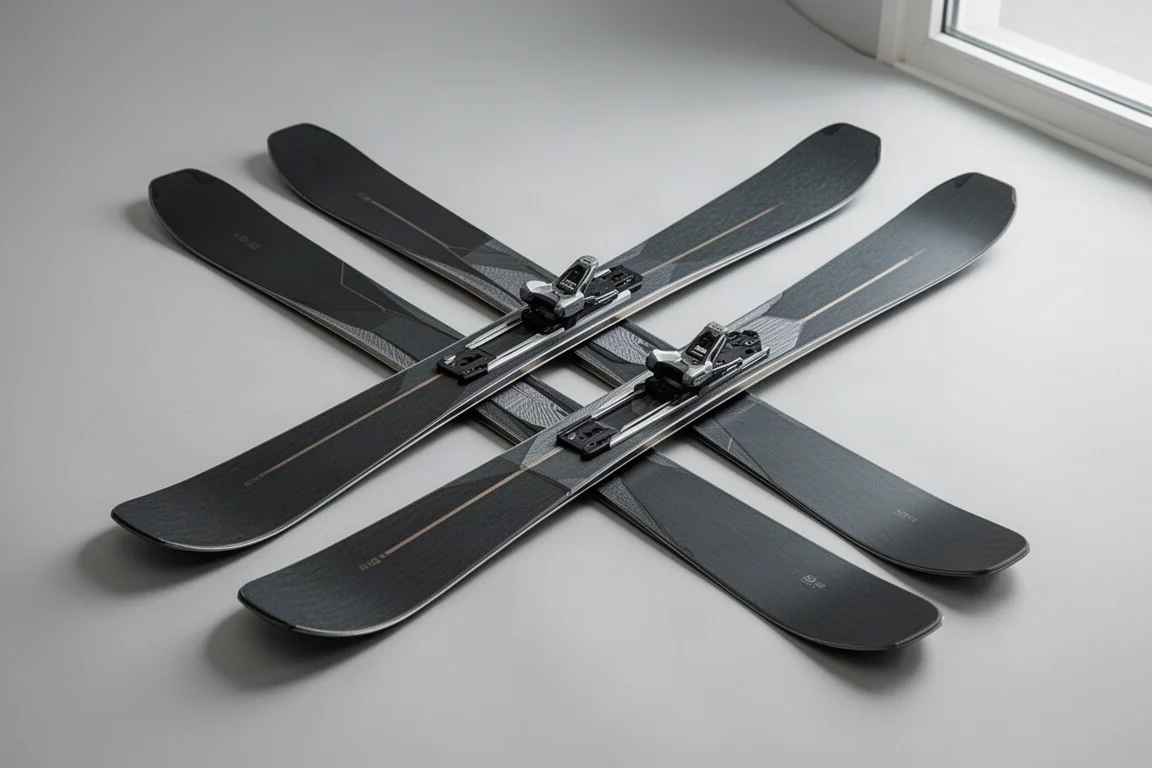
Blizzard Thunderbird R15 82 LTD: Top of the Line, Built for Speed
The LTD sits at the top of the 82 mm group, and its personality is the most single-minded of the four. It feels like it wants speed. It starts to feel good once you get it up to higher speeds, and at lower speeds it is noticeably less obliging than the Stormbird.
That is less a flaw than a description of who it is for. If your days are built around fast groomer laps and you want the most performance-focused option Blizzard offers in this width, the LTD is the logical end point of the progression that starts with the Stormbird.
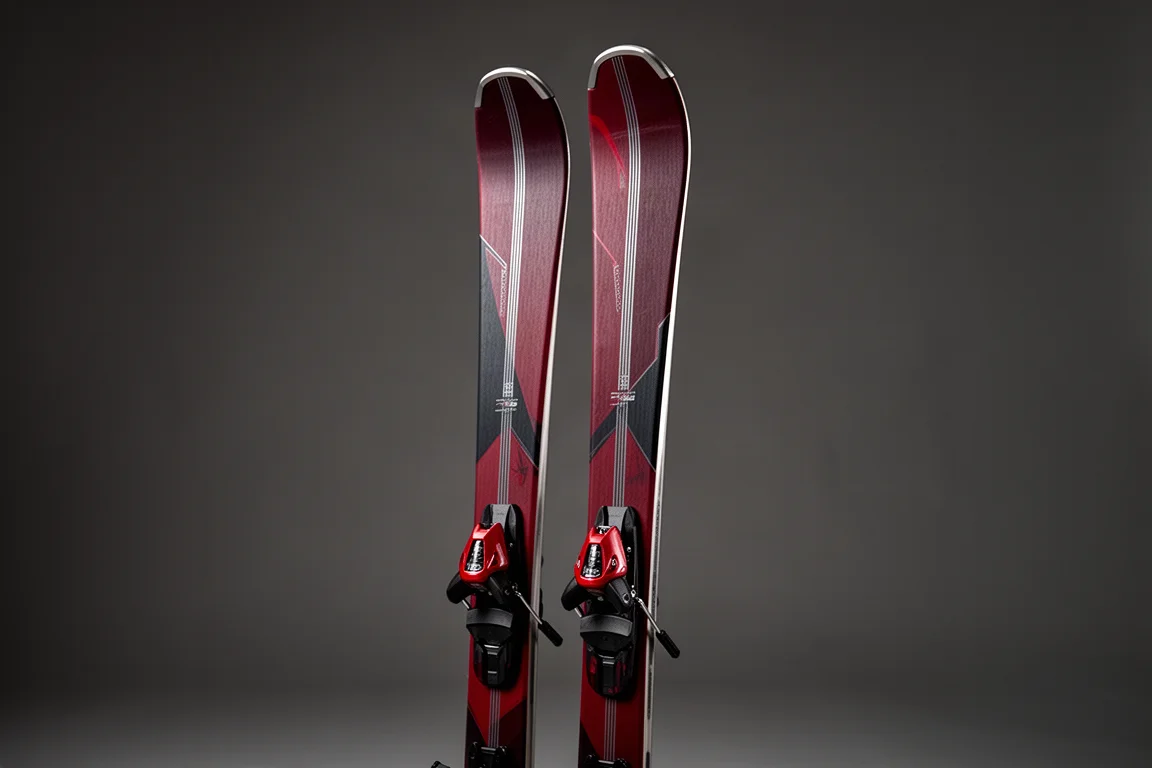
Blizzard Anomaly 84: The Wider Fourth Option
The Anomaly 84 is the wildcard in this comparison. It sits within two millimeters of the 82 mm models in width, which is precisely why the decision can feel so confusing once you line all four up side by side.
No single specification settles the question. The sensible approach is to think about how fast you actually ski, what terrain you spend your time on, and how much you want the ski to do the work for you, then pick the model that matches those answers. If you are torn between the Anomaly 84 and the 82 mm options, the honest answer is that the width gap alone is not a strong enough reason to choose either one.
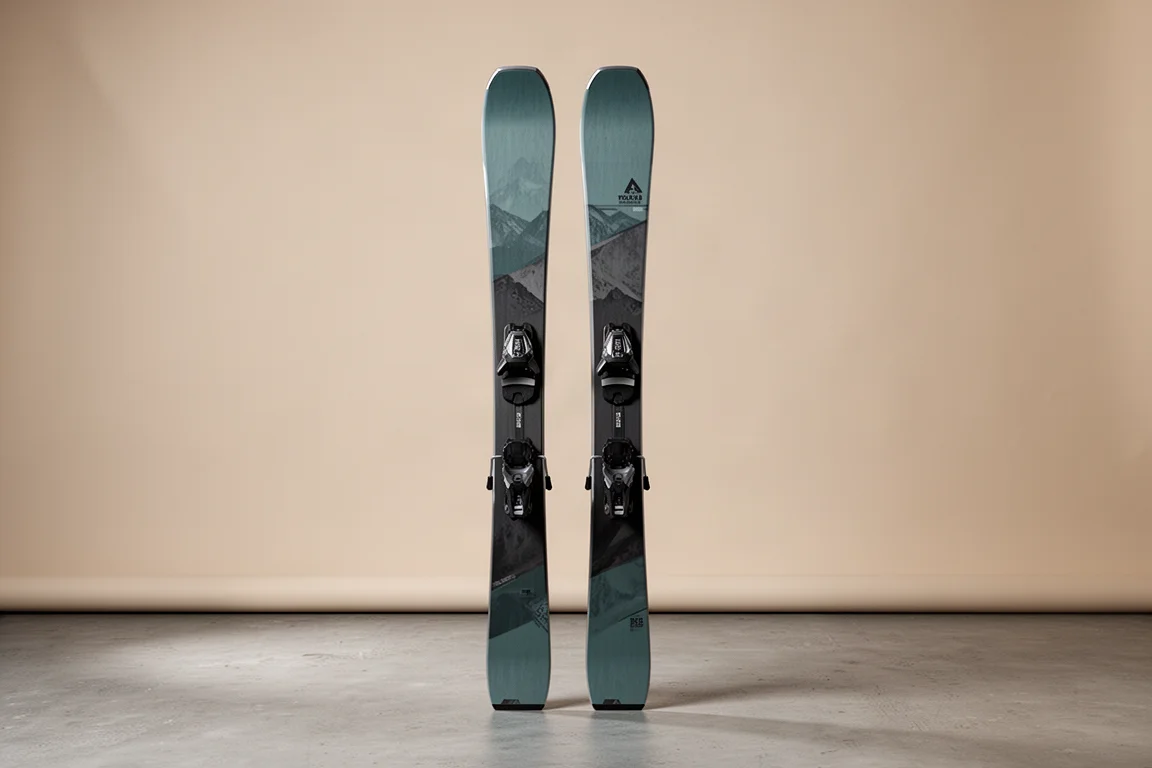
Matching the Ski to How You Actually Ski
If you do not think you need the performance of the Thunderbirds, you probably do not. Skiers who are on the fence usually end up happier on the Stormbird 82 DTi, and there is no reason to treat that as settling. It is a wood core sandwich ski with two sheets of metal, which puts it a long way from a beginner package.
The more useful question is what you want out of a groomer day. If you mostly cruise, shape turns at moderate speeds, and want a ski that stays comfortable, the Stormbird is the better match. If you ski fast and push the ski hard, the Thunderbird R15 82 is the natural next step, with the LTD reserved for skiers who spend nearly all their time at speed. And if the slightly wider platform appeals to you, the Anomaly 84 belongs in the same conversation.
Conclusion
Blizzard has made this decision harder on purpose, and these four skis are close enough that there is no single correct answer. What separates them is flex, metal layup, binding hardware, and how much speed each one asks of you. Match the ski to how you actually ski rather than to how you imagine you might, and any of the four will do exactly what it was built to do.
Further reading
Related Reviews

Ski Gear
2023 Blizzard Hustle vs Rustler: Six Freeride Skis Compared
Blizzard's 2023 Hustle collection rebuilds the Rustler shape with a lighter core and no metal. Here is how all six skis differ, and which one suits your riding.

Ski Gear
2023 Skis of the Year: Atomic Maverick 88 TI, Salomon QST 106, and Look SPX 12 Pro
Three standout ski picks for all-mountain carving, powder days, and reliable binding performance, with practical buying notes for 2023 models.

Ski Gear
2025 Nordica Enforcer 104 Review: A Directional Charger Replaces the 104 Free
The 2025 Nordica Enforcer 104 drops the Free name and the twin-tip personality, gaining weight, stiffness and composure in rough snow. Here is what changed and who it suits.