Ski Gear
Blizzard Firebird HRC Review: Race-Grade Carving With a Wider Waist
A closer look at the Blizzard Firebird HRC, a carving ski built with titanal and carbon but shaped around a 76 mm waist and a 15 metre turn radius.
Introduction
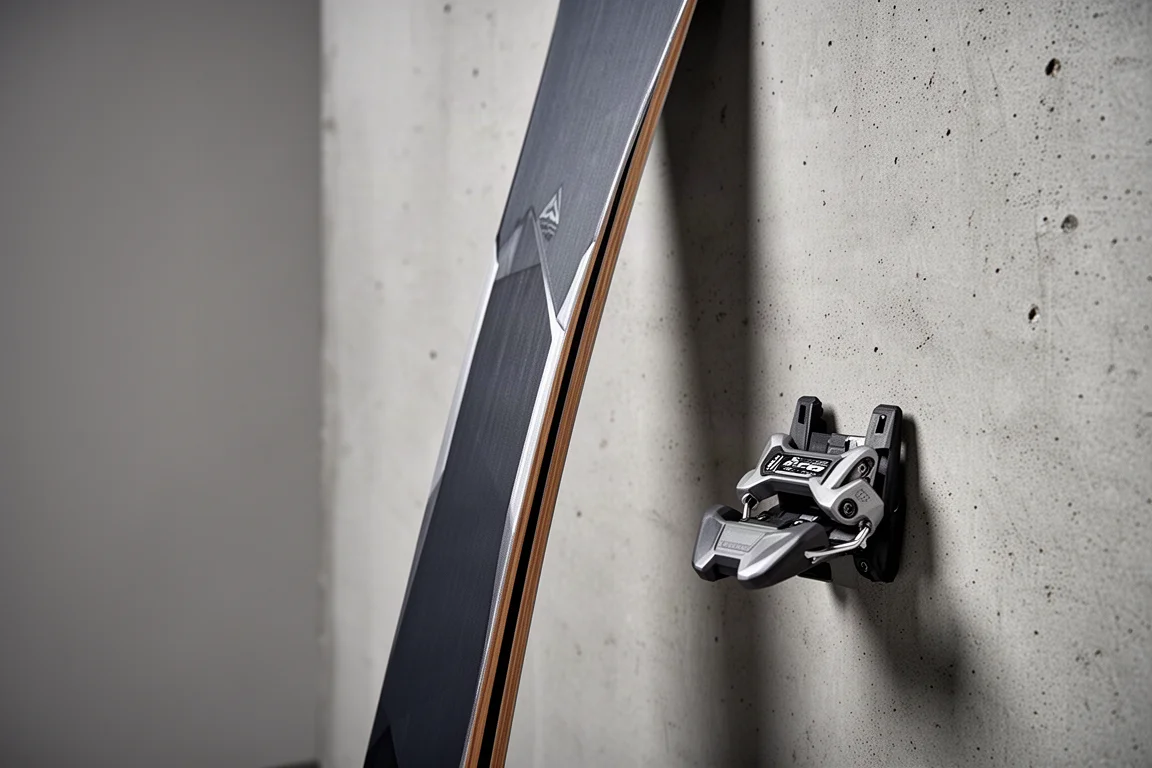
The Blizzard Firebird HRC is the model in the Firebird line that steps just slightly away from a pure race profile. It keeps the ingredients that make a serious carving ski feel planted and powerful, then widens the waist to 76 mm and settles on a 15 metre turn radius in the 174 cm length. Blizzard has also given it a blacked-out graphic that sets it apart from the rest of the family and underlines the idea that this is a different sort of Firebird.
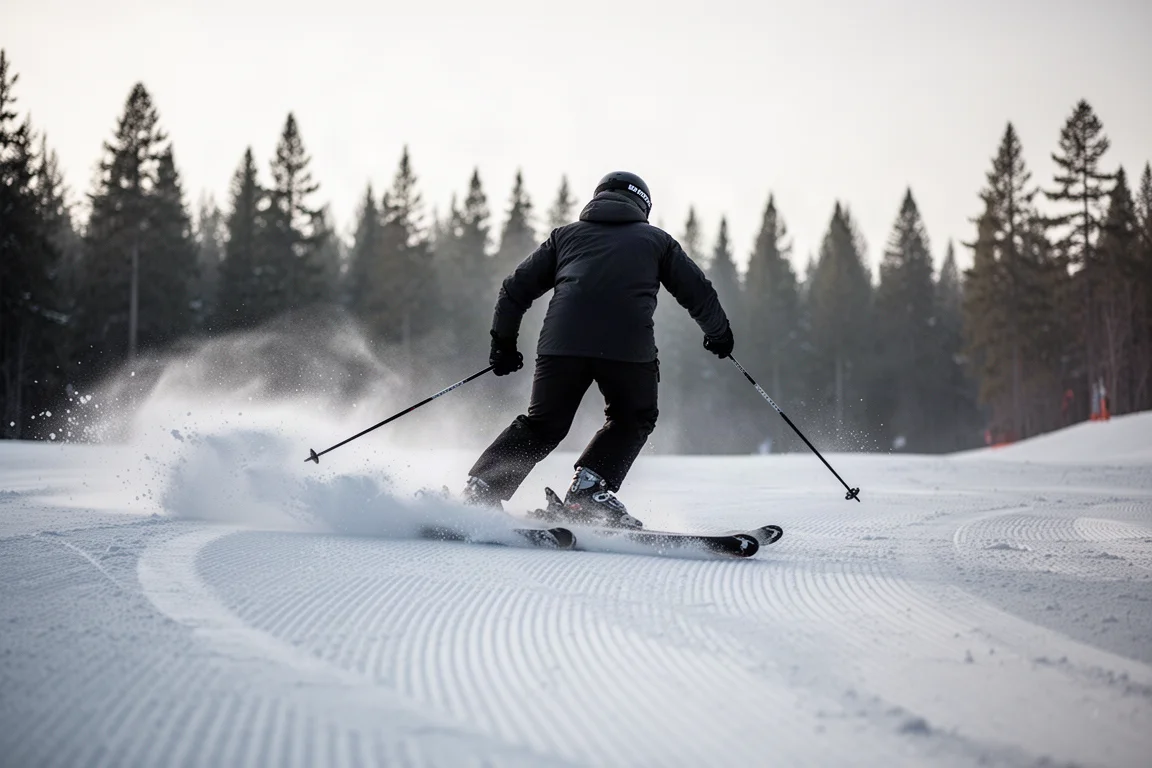
That combination is what makes the HRC worth a close look. It is not a softened cruiser, and it is not a dedicated slalom or giant slalom ski either. It is a carving ski built with race-grade materials and shaped so it stays composed in the conditions most skiers actually meet on a normal day at the resort.
Who the Blizzard Firebird HRC Is For
The HRC is aimed at confident skiers who spend most of their time on groomed runs and want a ski that rewards a strong, precise turn. The dense wood core, the titanal laminates and the full vertical sidewall construction all point to a ski that holds an edge firmly and damps vibration well, so it suits someone who likes to carry speed and finish turns cleanly rather than skid around the hill.
It also suits a particular kind of skier who has outgrown a pure race shape. The wider 76 mm waist and the 15 metre radius mean the ski handles softer snow, variable snow and late-day groomers that have been tracked out, without getting bogged down or feeling catchy the way a narrower race ski can.
It is a less obvious fit for anyone who wants the absolute quickest edge-to-edge response or who splits their time evenly between groomers and deep off-piste snow. The HRC is built around carving, and that focus shapes everything about it.
Construction: Titanal, Wood Core, and Carbon Armor
The HRC carries the full set of elements you would expect from a real race ski. There is a dense wood core, two full sheets of titanal, and a full vertical sidewall sandwich construction. Held in the hand, it looks and feels like a race ski, and the flex pattern backs that up with genuine stiffness and torsional strength.
Blizzard adds two carbon elements on top of that foundation. Carbon armor is visible just underneath the binding plate, while carbon spine refers to longitudinal strips of carbon that sit within the wood core itself. This is a similar idea to the vertical metal and line control approaches used elsewhere in the industry, but here the reinforcement leans on carbon fiber rather than metal.
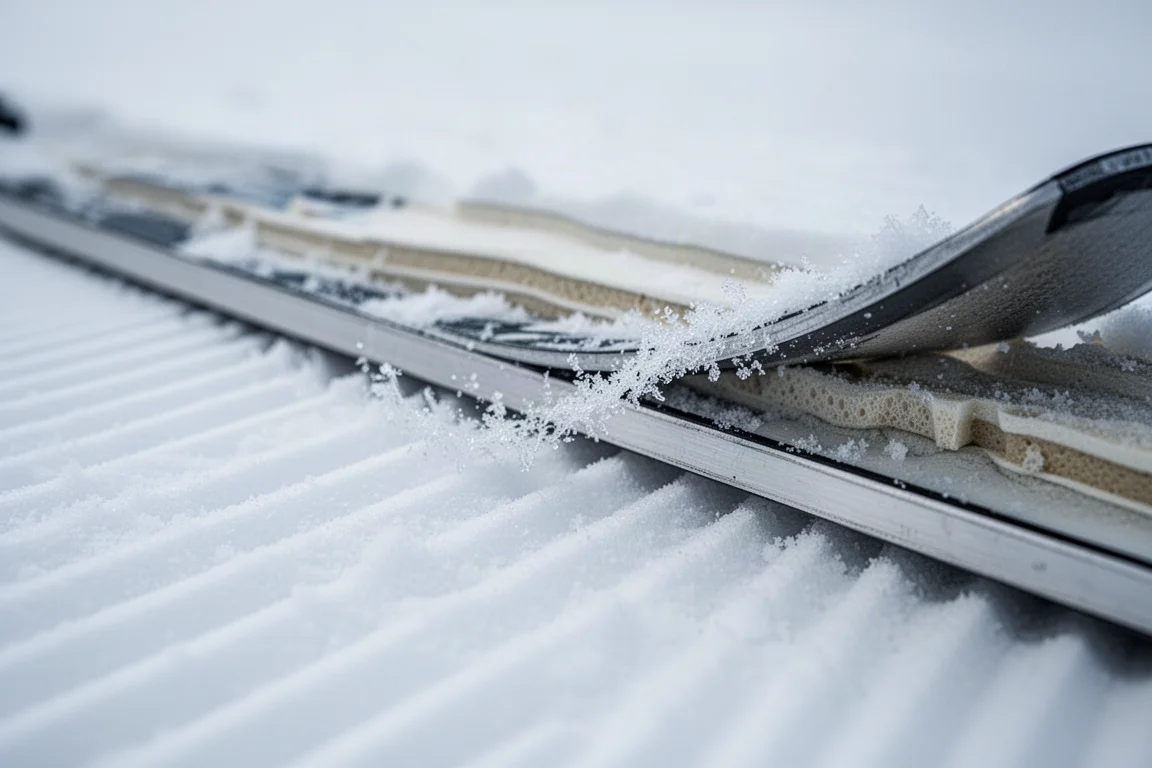
The practical effect of that material mix is a high-end feel. The ski is stiff, strong and well damped, which is exactly what gives it the composure to hold a line at speed on hard groomers.
The profile is equally deliberate. The HRC runs pretty much full camber, with no distinct rocker anywhere in the shape. Blizzard’s reasoning is straightforward: when the goal is strong, precise carving, rocker is not needed, so the ski stays fully engaged along its running length.
Turn Radius and Waist Width
Two numbers define the HRC’s character. The first is the 76 mm waist, which is noticeably wider than the 68 mm waist of the more race-oriented WRC. The second is the 15 metre turn radius, which lands almost exactly between the shorter radius of the SRC and the longer radius of the WRC.
That extra width is where the versatility comes from. On softer snow, on variable conditions and on groomers that have been skied into a choppy, tracked-out surface late in the day, the HRC does not get bogged down and does not feel as catchy as a narrower race ski. It keeps moving and keeps holding its line.
The trade-off is a small loss of edge-to-edge quickness and precision compared with the WRC. In practice, that difference is subtle. The HRC is still very quick from edge to edge, and 76 mm is not a wide ski by any measure. The distinction is worth naming for skiers who draw a hard line on precision, but most people will not notice it on snow.
On-Snow Character and Versatility
The 15 metre radius is the part that makes the HRC genuinely fun. It comes across the fall line easily, so the ski does not demand the same effort as the WRC, where you have to put more in to get that responsive, across-the-fall-line feel. It also avoids the opposite problem found on the SRC, where the radius is short enough that you end up working hard just to keep up with the ski.
That middle ground is rewarding. The wider waist helps smooth out imperfections in the snow surface, and the turn shape makes it easier to find a rhythm on the groomers. It is worth keeping the caveat in mind, though: the HRC is still a stiff, fairly heavy ski, so there is nothing dramatically easy about it. What it offers is an easier route to that responsive, rewarding carving feel than skis with either longer or shorter radii.
Things to Consider Before Buying
The first thing to weigh is the flex. The HRC is stiff and has real torsional strength, and that is a large part of why it feels so composed. It also means the ski expects a skier with solid technique and enough weight and strength to bend it properly. Lighter or less experienced skiers may find it takes more effort than the reward justifies.
The second consideration is the compromise built into the shape. Compared with the narrower WRC, the HRC gives up a small amount of edge-to-edge quickness and precision. If maximum sharpness from edge to edge is the single most important quality in a ski for you, the narrower race-oriented models in the line remain the more direct answer.
The third is the profile. With full camber and no distinct rocker, the HRC is designed around carving rather than soft-snow flotation. The wider waist broadens what it can handle, but it is still a groomer-focused ski at heart. Skiers who spend most of their days chasing powder should look at a different category entirely.
Buying Advice
The cleanest way to decide on the HRC is to start with where you actually ski. If your days are mostly groomed runs, with the occasional stretch of softer or chopped-up snow, and you want one ski that stays precise without demanding race-ski intensity, the HRC lines up well with that brief.
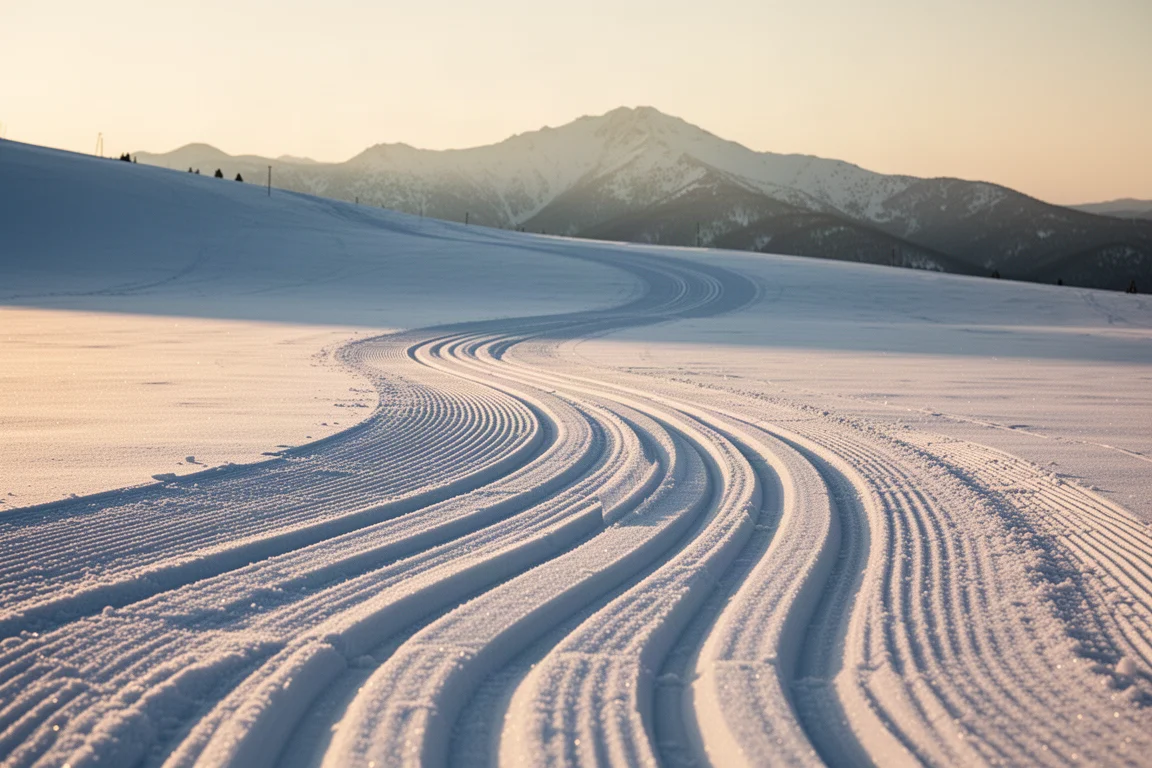
If you want a bit more speed and a longer turn shape, the 15 metre radius in the 174 cm length is a good reference point to compare against the other Firebird models. The WRC will feel quicker edge to edge and more race-like overall, while the SRC will feel tighter and more demanding to stay on top of. The HRC sits in the middle by design.
The final point is honest self-assessment of your own skiing. This is a high-end build with race-grade materials, and it rewards a skier who can drive it. If you can, it delivers a planted, damp, precise ride with more day-to-day versatility than a dedicated race shape offers.
Conclusion
The Blizzard Firebird HRC takes the construction of a race ski and applies it to a shape that is easier to live with. A dense wood core, two sheets of titanal, full vertical sidewalls, carbon armor and a carbon spine give it the stiffness and damping of a serious carving tool, while the 76 mm waist and 15 metre radius open up softer snow, variable conditions and tracked-out groomers.
The cost is a small amount of edge-to-edge quickness compared with the narrower race models in the line, plus the reality that a stiff, heavy ski still asks something of the person riding it. For skiers who carve groomers most of the time and want precision with a little more versatility, that is a trade worth making.
Product link
View more details for Blizzard Firebird HRC
This product is mentioned in the review. Check the specifications, options, and compatibility before buying.
View more details for Blizzard Firebird HRCFurther reading
Related Reviews
Ski Gear
2023 Blizzard Hustle vs Rustler: Six Freeride Skis Compared
Blizzard's 2023 Hustle collection rebuilds the Rustler shape with a lighter core and no metal. Here is how all six skis differ, and which one suits your riding.
Ski Gear
2023 Skis of the Year: Atomic Maverick 88 TI, Salomon QST 106, and Look SPX 12 Pro
Three standout ski picks for all-mountain carving, powder days, and reliable binding performance, with practical buying notes for 2023 models.
Ski Gear
2025 Nordica Enforcer 104 Review: A Directional Charger Replaces the 104 Free
The 2025 Nordica Enforcer 104 drops the Free name and the twin-tip personality, gaining weight, stiffness and composure in rough snow. Here is what changed and who it suits.