Ski Gear
Blizzard Anomaly Skis Explained: 84, 88, 94 and 102 Compared
Blizzard replaces the Brahma and Bonafide with the four-model Anomaly line. Here is how the 84, 88, 94 and 102 differ, and which width suits which skier.
Introduction
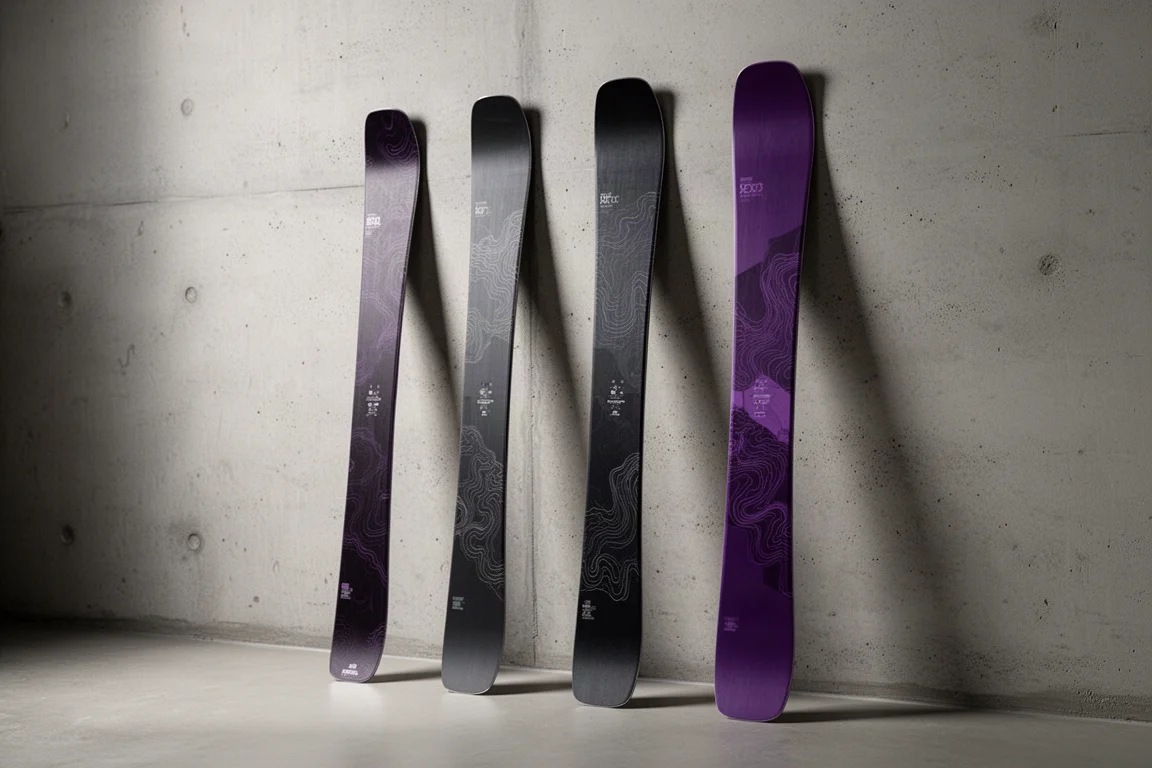
Blizzard’s all-mountain lineup has a new name. The Brahma and Bonafide families are being retired, and in their place comes the Anomaly series, a four-model range that keeps the same burly, directional, metal-laminated character while opening the door to a wider group of skiers.
The line runs from the 84 mm Anomaly 84 up to the 102 mm Anomaly 102. Every model shares the same construction philosophy, the same 6 cm length gaps, and the same intention: strong, powerful, directional all-mountain skis that hold up at speed and stay composed when the snow gets rough.
What follows is a breakdown of what changed across the line, how each width behaves, and who each ski is likely to suit.
What Changed Across the Anomaly Line
The previous generation leaned on two and a half sheets of metal, and that build gave the Brahma and Bonafide their reputation for stiffness and edge hold. The Anomaly line keeps metal in the mix but distributes it differently.
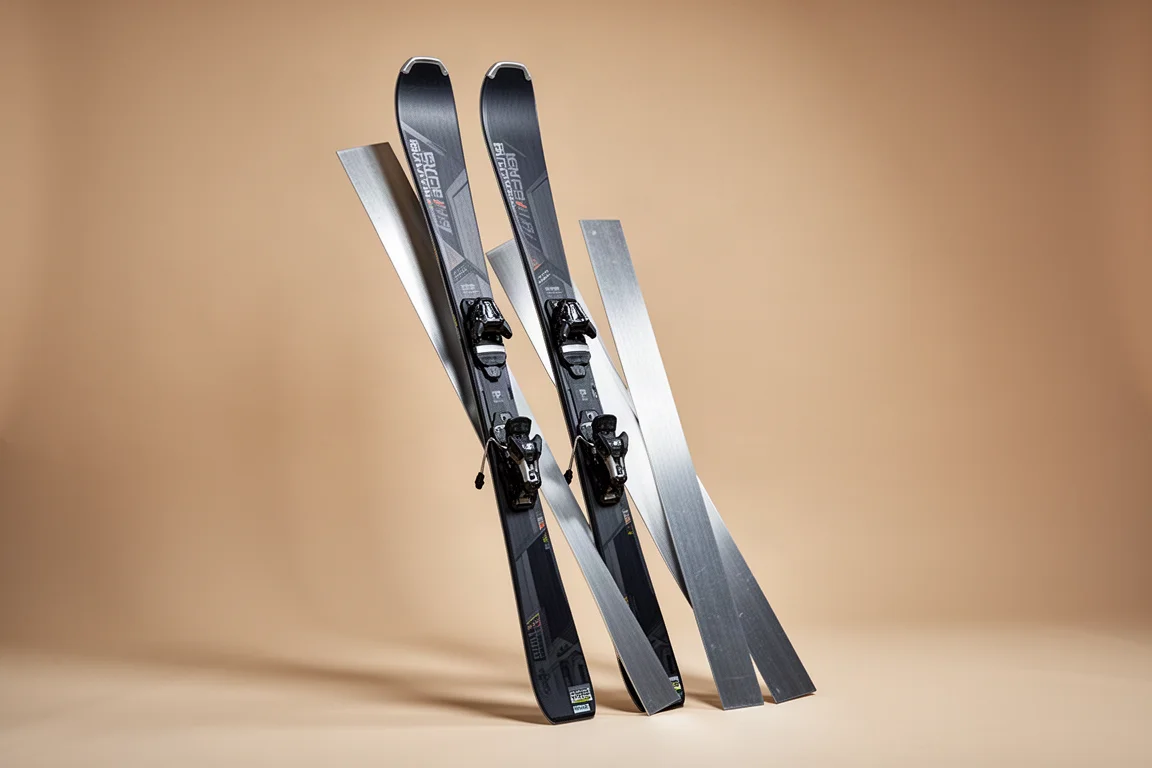
A fiberglass laminate sits at the base, followed by a full sheet of 0.4 mm titanal. Because that metal sits close to the snow, it filters vibration and keeps the ride smooth and damp. Above it comes Blizzard’s TrueBlend all-mountain wood core: denser beech stringers run toward the tip and tail, while shorter, more numerous beech stringers cluster through the middle. Poplar fills the more open zones, which keeps things lighter and adds a little pop.
Then comes the most interesting part. A 0.6 mm titanal sheet is cut into three pieces rather than laid down whole. Roughly half of it runs as a central spine underfoot, with the remaining quarter focused toward the arms of the ski. This is the FluxForm approach carried over from the Rustler, and it changes torsional stiffness so the ski can grip while still twisting and staying manageable. A final fiberglass laminate closes the stack.
The practical result is a ski that is slightly softer, a touch lighter, and noticeably more supple on snow, without giving up much of the top end that made the old models so capable. Weight is close rather than dramatically lower: the Anomaly 88 comes in at 2,060 g in a 182 against 2,100 g for the Brahma 88 in a 177. The Anomaly 94 is 2,150 g in a 182 where the Bonafide was 2,200 g in a 177. The Anomaly 102 is 2,240 g in a 188 against 2,320 g for the Cochise 106 in a 185. The Anomaly 84 lands at 2,000 g in a 182, essentially matching the Brahma 82 in a 180.
Shape is where the change is most visible. Sidecut and taper stay close to the outgoing models, but tip rocker grows and tail rocker roughly doubles in length. That is a deliberate move to make every width more useful in soft snow and off the groomed, while keeping the on-trail performance intact.
Blizzard Anomaly 84
The Anomaly 84 replaces the Brahma 82, a ski that always sat in a slightly odd spot: narrow, metal-laminated and flat, which pushed it toward a system binding and a fairly specific audience. The new 84 mm waist makes far more sense as an everyday all-mountain width for skiers who spend most of their time on groomed terrain.
It is the model that benefits most obviously from the softer flex and added rocker. It bends more easily, releases from a turn more cleanly, and carries noticeably more energy when linking carved turns. That energy is easier to access than it was on the Brahma 82, which means more skiers can actually use what the ski has to offer. It should also be a friendlier companion in moguls and trees, where the old tail could feel stubborn when you tried to disengage it.
For anyone skiing in a low to mid snow region, this is the width that will make the most days enjoyable.
Blizzard Anomaly 88
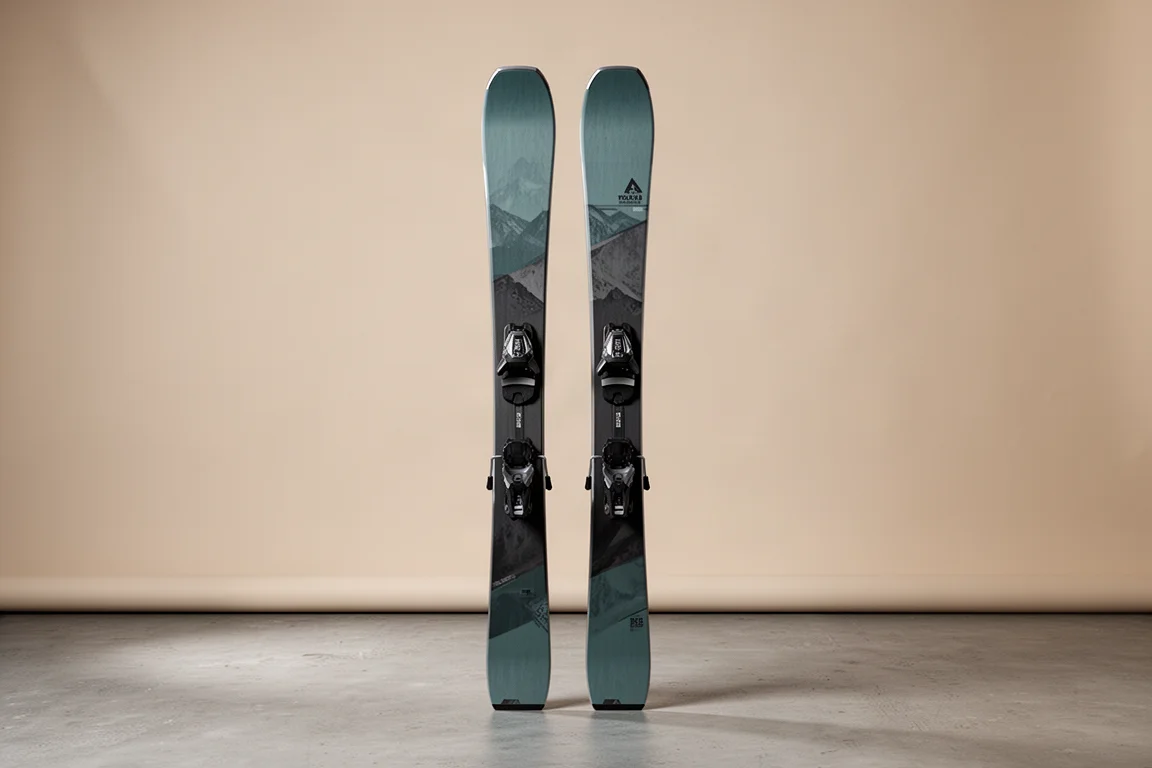
The Anomaly 88 is the direct replacement for the Brahma 88, and it is the model most likely to be compared against its predecessor. The Brahma 88 built a reputation as one of the strongest all-mountain skis around, and the new ski does not walk away from that.
What it does instead is lower the speed minimum. The Anomaly 88 is still smooth and powerful, and its top end remains genuinely high, but it no longer demands quite the same commitment to come alive. The flex is a little softer, the tail rocker is more generous, and the result is a ski that is easier to steer at moderate speeds while still holding together when you push it.
It stays a directional, metal-laminated all-mountain ski. The difference is that the range of conditions and speeds where it feels at home is wider, and the range of skiers who can get the most out of it is wider too. For a single-ski quiver in a region with modest snowfall, this is the most versatile of the narrower options.
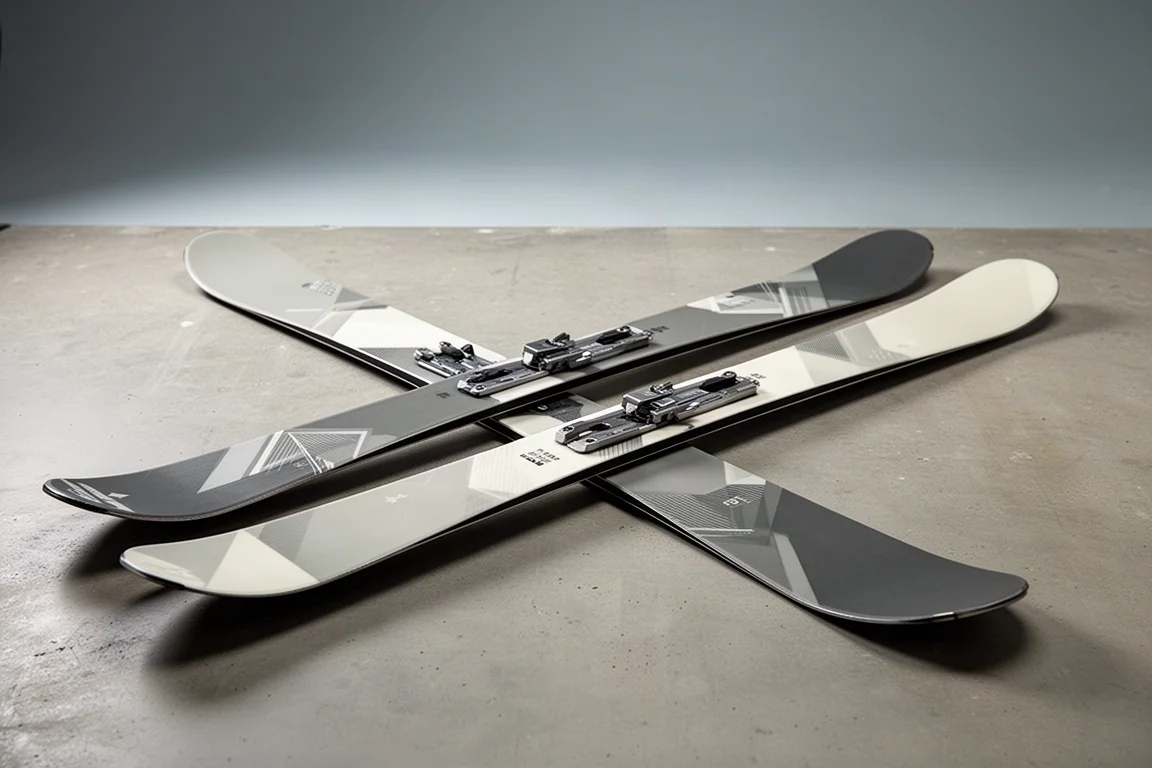
Blizzard Anomaly 94
The Anomaly 94 steps into mid-90s territory, and that is a meaningful shift. It replaces the Bonafide, a ski that excelled in high-speed soft snow, crud, chop and chalk, and it keeps that planted, powerful feel while adding width and versatility.
On trail, the 94 mm platform delivers a strong, stable edge hold that narrower skis cannot quite match, and the extra width pays off as soon as conditions turn variable. It feels closer in character to the Bonafide than to Blizzard’s softer freeride shapes, which is a useful distinction if you are weighing the two against each other.
The slightly softer flex works in its favour here. It behaves a little like suspension, absorbing small inconsistencies in the snow surface instead of transmitting every frozen bump straight to your legs. Crud performance remains a clear strength.
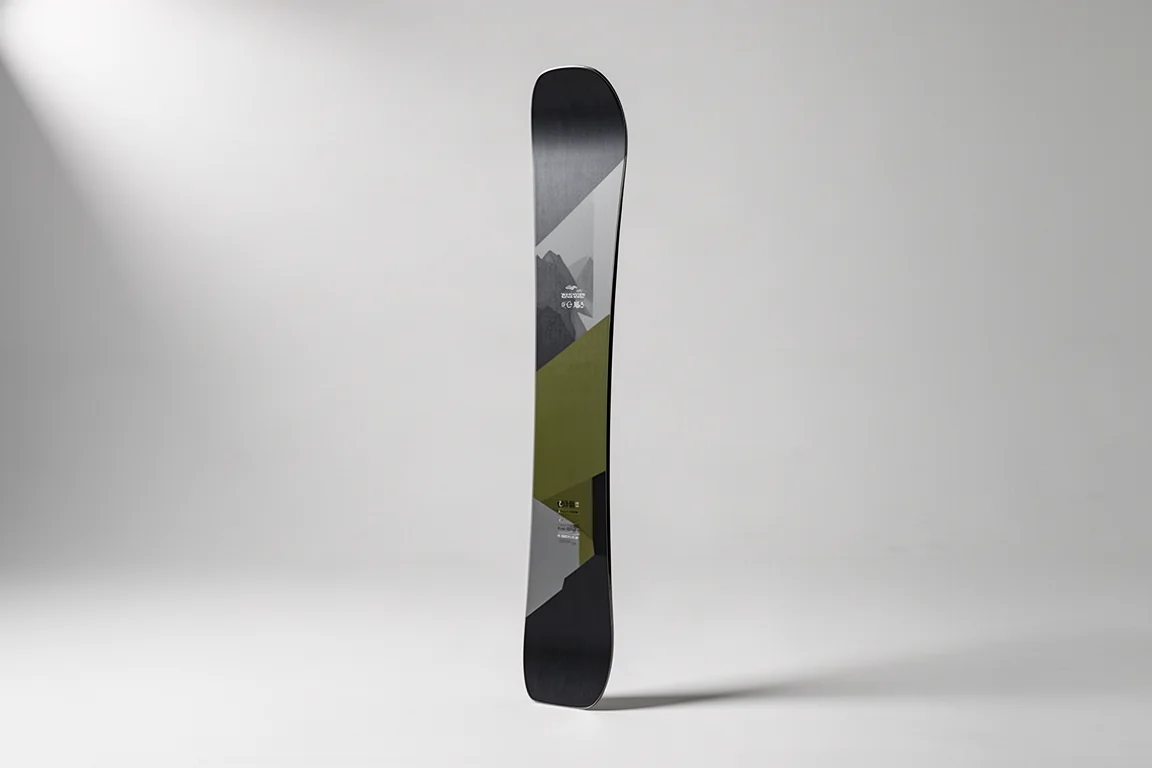
Blizzard Anomaly 102
At 102 mm underfoot, the Anomaly 102 is the widest and most interesting ski in the lineup. It replaces the Cochise 106, a ski that read as a big-mountain freeride tool, and it arrives considerably narrower.
The width also overlaps with Blizzard’s Rustler range, which makes the choice less black and white than it used to be. A 102 mm waist is, by any measure, oriented toward soft snow, so the old assumption that Anomaly means firm snow and Rustler means soft snow no longer holds as cleanly. The two ski very differently, and the Anomaly remains the more planted, directional option of the pair.
The payoff is a ski that is more capable and more versatile than the Cochise ever was. It still makes long radius turns with ease, it still rewards an aggressive driver, and it adds a 192 cm length for skiers who want more ski underfoot. If you want a wide ski that can be driven hard rather than simply floated, this is the one to look at.
Sizing and Length Options
The Anomaly 84, 88 and 94 come in 164, 170, 176, 182 and 188 cm. The Anomaly 102 starts at 176 cm and runs through 182, 188 and a new 192 cm.
The 6 cm gaps are consistent across the line and give a reasonably precise fit. Note that the numbering shifted down by roughly a centimetre compared with the outgoing models, so a 177 cm Brahma 88 maps to a 176 cm Anomaly 88. Do not read too much into the number on the topsheet; the ski you want is the one that matches your height, weight and how you actually ski.
How to Choose the Right Width
Width is the decision that matters most, and the Anomaly range covers a lot of ground.
The Anomaly 84 suits skiers who spend most of their time on groomed runs and want a narrow, energetic carving ski that still handles the occasional soft patch. It is the easiest of the four to bend and the most rewarding at lower speeds.
The Anomaly 88 is the balanced option. It handles an enormous range of conditions, it holds an edge well, and it does not punish you when you dial things back. For a single-ski quiver in a low to mid snow region, this is the sensible starting point.
The Anomaly 94 adds float and stability in exchange for a little quickness. It is the pick for skiers who want a strong, planted platform and who regularly find themselves in crud, chop and older snow.
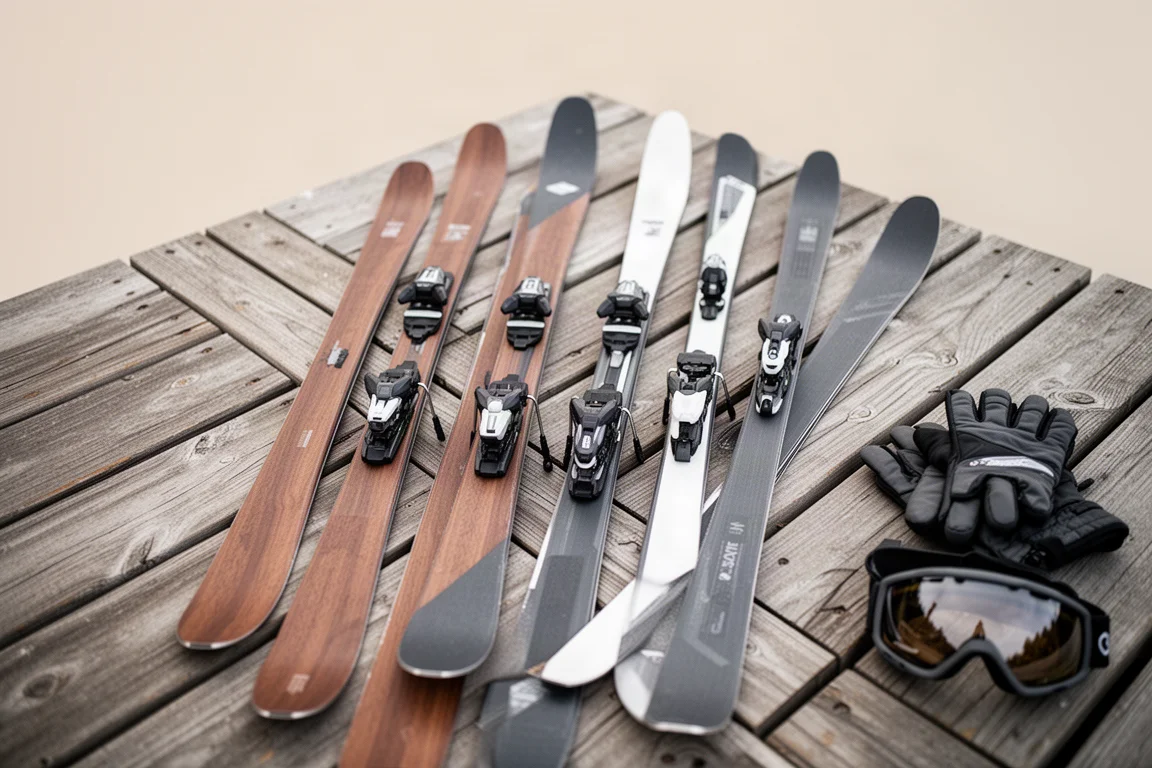
The Anomaly 102 is the specialist. It is built for soft snow and higher speeds, and it is the most versatile ski Blizzard has offered in this width.
One practical note on timing. Blizzard has indicated the Anomaly line will not be available until the next fall season, so there is no rush. If you already ski a Brahma or a Bonafide and love it, the outgoing models remain excellent skis and are worth picking up while they last.
Conclusion
The Anomaly line is not a softening of what Blizzard’s all-mountain skis have always been. It is the same strong, directional, metal-laminated character with a wider sweet spot, a little more rocker and a slightly more forgiving flex. The Anomaly 84 and Anomaly 88 will suit the widest range of skiers, while the Anomaly 94 and Anomaly 102 carry forward the higher-speed, softer-snow performance that the Bonafide and Cochise were known for.
Further reading
Related Reviews
Ski Gear
2023 Blizzard Hustle vs Rustler: Six Freeride Skis Compared
Blizzard's 2023 Hustle collection rebuilds the Rustler shape with a lighter core and no metal. Here is how all six skis differ, and which one suits your riding.
Ski Gear
2023 Skis of the Year: Atomic Maverick 88 TI, Salomon QST 106, and Look SPX 12 Pro
Three standout ski picks for all-mountain carving, powder days, and reliable binding performance, with practical buying notes for 2023 models.
Ski Gear
2025 Nordica Enforcer 104 Review: A Directional Charger Replaces the 104 Free
The 2025 Nordica Enforcer 104 drops the Free name and the twin-tip personality, gaining weight, stiffness and composure in rough snow. Here is what changed and who it suits.