All-Mountain Skis
Blizzard Anomaly 88 vs Nordica Enforcer 89: Two Firm-Snow All-Mountain Skis Compared
A practical comparison of two 88 to 89 mm all-mountain skis: how the Blizzard Anomaly 88 and Nordica Enforcer 89 differ in flex, edge grip, tail rocker, and the skier each one rewards.
Introduction
An 88 to 89 mm waist is the sweet spot for skiers who spend most of their time on groomers but still want a ski that can handle an inch of fresh snow, chopped-up granular surfaces, and the occasional mogul line. Two skis sit right in that space this season: the Blizzard Anomaly 88 and the Nordica Enforcer 89.
Both were skied back to back on firm early-season Vermont terrain after a thaw-freeze cycle, in a mix of groomed runs, low-angle bumps, and steeper icy moguls, with sizes covering 176 and 182 cm for the Anomaly 88 and 179 cm for the Enforcer 89.
What These Skis Are Built For
Both models are narrow all-mountain carving skis rather than freeride tools. They are designed to hold an edge on hardpack, stay calm when the surface turns granular, and still release the tail when the terrain gets tight. What separates them is rocker and flex rather than waist width.
The Anomaly 88 carries noticeably more tail rocker than the Blizzard Brahma it follows in the lineup, while the Enforcer 89 sits at the other end of that spectrum with less tail rocker. In practical terms, the Blizzard is the more forgiving of the two and the Nordica asks for a more committed input.
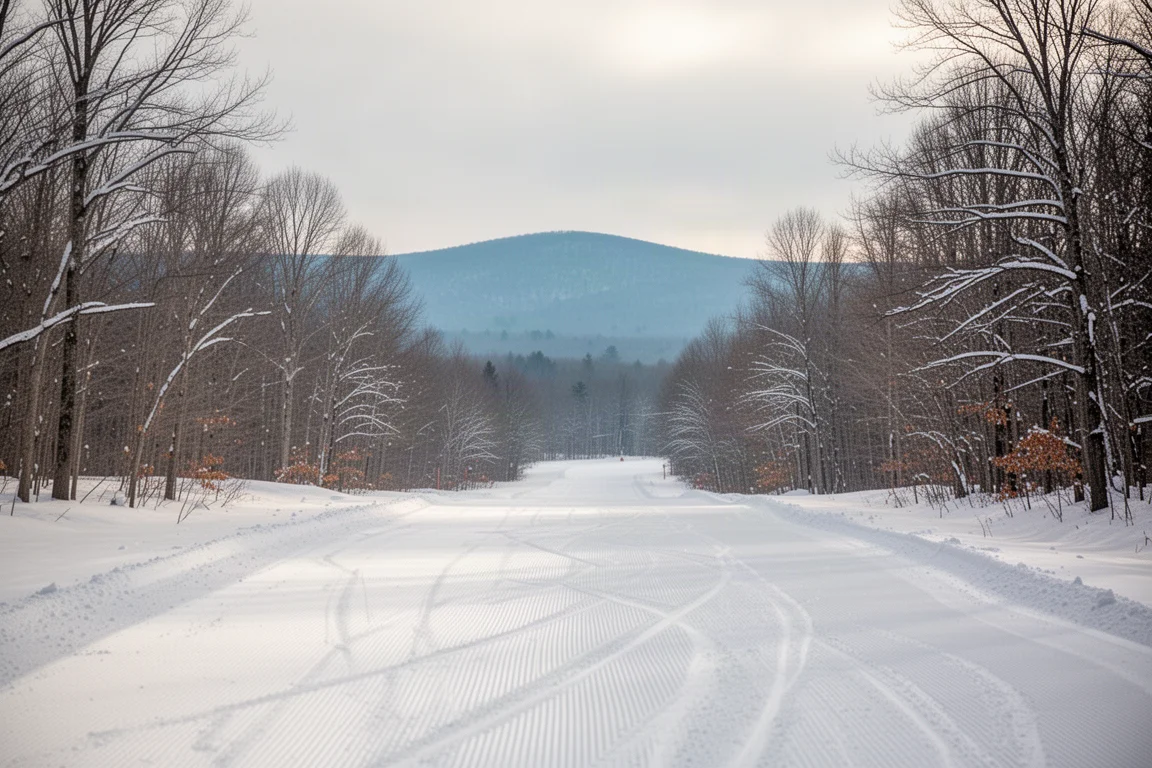
That difference shows up most clearly on groomed runs with a thin layer of fresh snow over a firm base. A ski with more tail rocker releases more easily at the end of the turn, which makes low-angle bumps and variable snow far less punishing.
Blizzard Anomaly 88: Smooth Flex, Confident Edge Hold
The Anomaly 88 was the most confidence-inspiring ski of the session. On firm, fast groomers it carved cleanly, tracked without feeling nervous, and encouraged more speed than the conditions really deserved. A good part of that comes from the vibration damping built into the construction: harshness is filtered out, so the ski feels smooth even when the surface is not.
Edge grip is a highlight, but it comes from flex rather than raw stiffness. Where the Brahma could occasionally bounce and lose true tip-to-tail contact for a split second, the Anomaly 88 absorbs deflection and returns to its intended line almost immediately, closer to the feel of a shock absorber.
Tail rocker is the other meaningful change. In poor visibility and bad snow, and again in low-angle moguls, the tail releases easily and the ski flicks side to side without a fight. It is not an easy ski in absolute terms, but it is easier than the Brahma ever was in those conditions.
Turn shape leans medium to long. Short, slalom-style turns demand more effort because the ski is fairly stiff, and the rebound out of the end of the turn is energetic enough to surprise you if you are not ready for it. The factory tune out of the wrapper was notably crisp, holding a sharp edge from the first run.
Nordica Enforcer 89: Stiffer, Damped, and Powerful
The Enforcer 89 takes the opposite approach. It is stiffer than the Anomaly 88, feels more damp underfoot, and behaves like a sturdy carving ski that wants to be driven hard. Edge grip lands on a comparable level, but it is achieved through longitudinal stiffness rather than a more supple flex pattern.
That stiffness translates into more power and a more planted feel at speed, at the cost of versatility. Releasing the tail takes more intent, and manipulating the ski in tight terrain requires a stronger, more precise input. Skiers who mostly carve and rarely leave the groomed will likely appreciate that trade-off; skiers who want one ski to cover everything may not.
One caveat on the comparison: the Enforcer 89 used on the day had seen a full season of use and had been put away without a fresh tune, so its edges were not as sharp as the Anomaly 88’s. That makes the head-to-head read provisional. The stiffness difference was obvious regardless, and a same-tune comparison would be the fair way to settle the edge grip question.

Even with duller edges, the Enforcer 89 held a line well on firm groomers. The takeaway is less about which ski grips harder and more about how differently the two arrive at grip: one through flex, the other through stiffness.
Length, Mount Point, and Sizing Notes
Length choice matters more than usual here. On the Anomaly 88, a 176 cm and a 182 cm were skied in the same session. The 182 cm adds turn radius and rewards straight-line speed, but it takes noticeably more effort to bring across the fall line and feels less rewarding for lateral, carve-focused skiing. The 176 cm felt more lively and was preferred by the lighter skier in the group, while taller, heavier skiers were entirely comfortable on the 182 cm.
The practical advice: do not size up out of habit. Skiers around 6’2” and over 200 lb were happy on the 182 cm, and a skier around 5’10” and 161 lb found the 176 cm ideal. Going longer mostly buys speed and a straighter trajectory, not more control.
Mount point is worth experimenting with. A forward shift of about one centimeter was suggested as a way to make turn initiation quicker, though the stock position worked well for most of the runs.
Flex, Edge Grip, and How the Two Skis Differ
A softer ski is not automatically a worse-gripping ski. That is the central lesson from skiing these two back to back. Edge grip comes from how consistently the edge stays in contact with the snow, and the Anomaly 88 achieves that by flexing and absorbing irregularities, while the Enforcer 89 achieves it by resisting them.
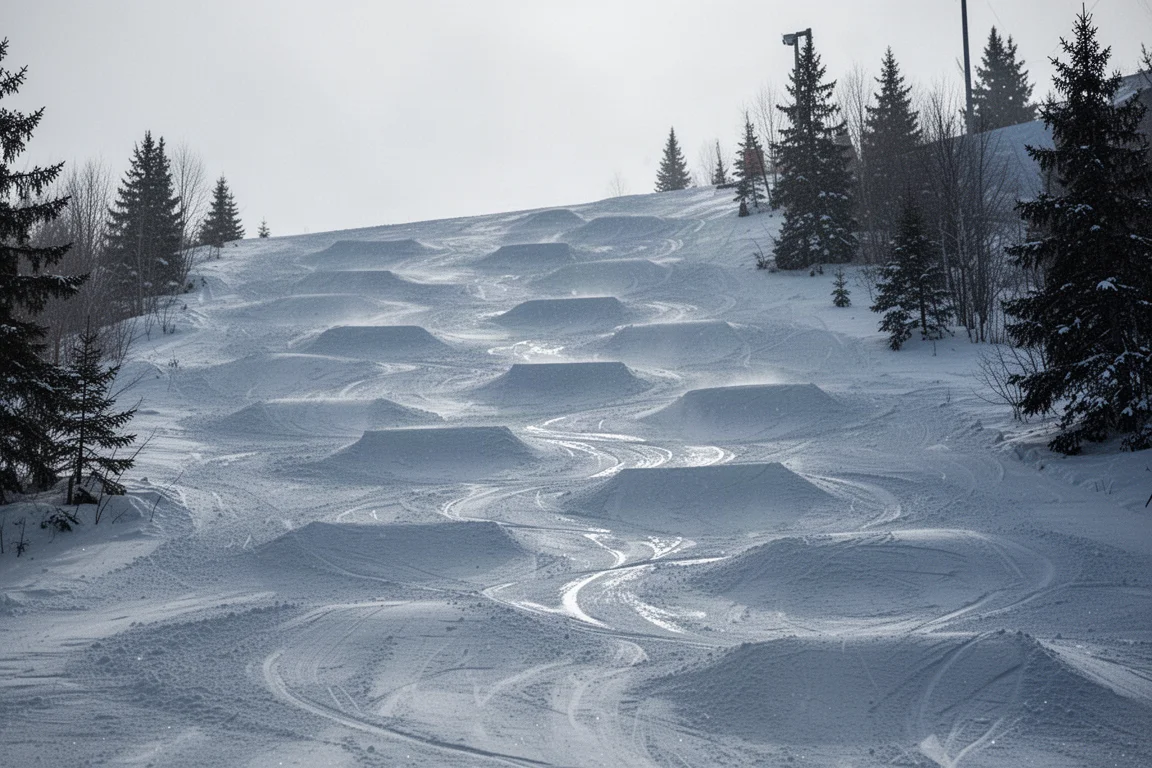
On firm, icy moguls the difference is tangible. The Anomaly 88 sets an edge cleanly and holds a line through the bumps, which matters when the troughs are hard and a missed edge means sliding sideways. The Enforcer 89 does the same thing with a stiffer, more damp feel that some skiers will prefer and others will find tiring.
Where the Anomaly 88 clearly wins is versatility. It handles an inch of fresh snow over a firm base, granular mid-mountain snow, and quick direction changes with far less effort. The Enforcer 89 is the more specialized tool: more powerful, more planted, and less adaptable.
In character, the Anomaly 88 reads as the narrower, firmer-snow counterpart to the Blizzard Rustler 9, for skiers who like that ski’s dynamic feel but want more bite on hardpack. The Enforcer 89 sits in the same performance bracket with a stiffer build and a narrower mission.
Terrain and Conditions Notes
These skis were tested on classic early-season Vermont surfaces: groomers that had gone through a thaw-freeze cycle, granular snow in the middle of the mountain, frozen divots, and steep icy moguls. Both handled the speed; the Anomaly 88 handled the inconsistency.
The Anomaly 88 also performed well in relatively fresh snow, where the tail rocker made surfing turns feel natural and intuitive. The Enforcer 89 is built for a narrower mission and feels best when the surface is consistent and the skier is willing to commit.
If your season is mostly hardpack with occasional storms, both work. If you want one ski that stays composed when conditions are mixed, the Anomaly 88 is the more flexible choice. If you want maximum power on groomed terrain and rarely stray off it, the Enforcer 89 delivers.
Buying Advice: Choosing Between the Anomaly 88 and Enforcer 89
Pick the Blizzard Anomaly 88 if you want a versatile frontside ski with strong edge grip, smooth damping, and a tail that releases easily in bumps and soft snow. It suits skiers who like to carve at medium to long radii and want a ski that stays composed when the snow turns variable. The trade-off is that short, quick turns take more effort than on a dedicated slalom-shaped ski.
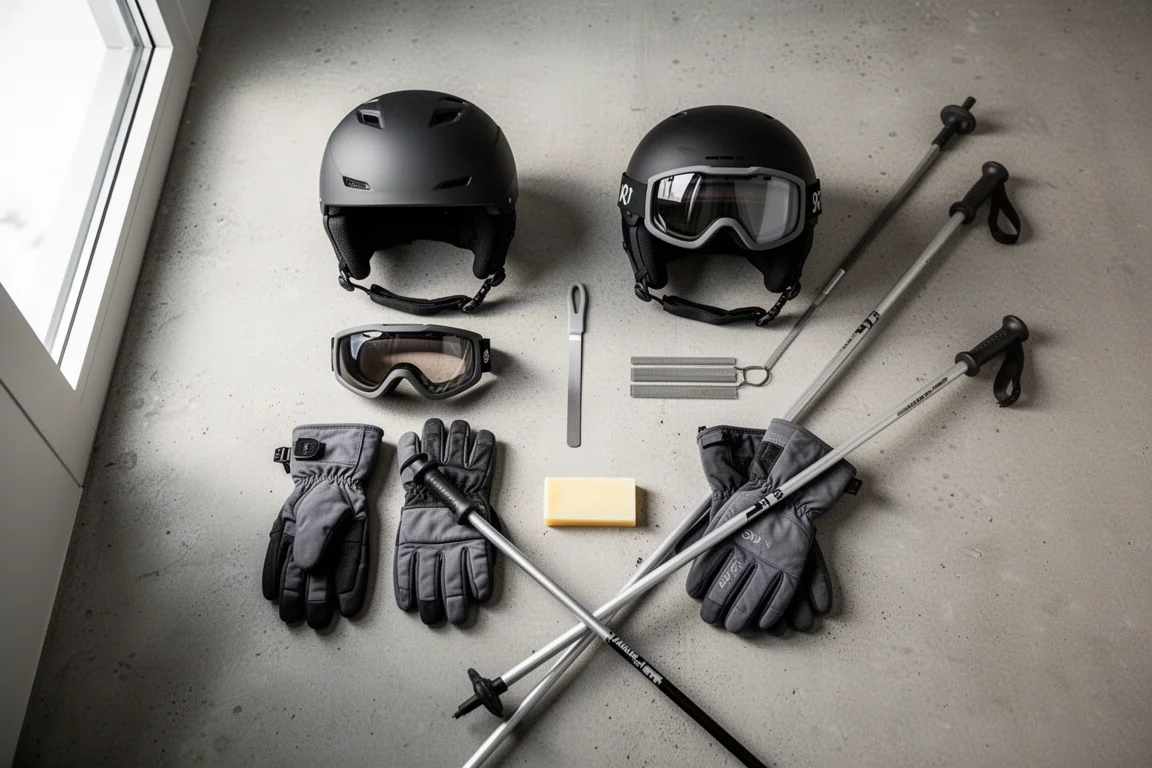
Pick the Nordica Enforcer 89 if you want a stiffer, more damp and more powerful carving ski and you are willing to give up some versatility for it. It rewards a strong, precise skier who spends most of the day on groomed terrain and wants a planted feel at speed.
Both are premium all-mountain skis, and both are best matched to the right length. Do not assume longer is better. Match the length to your height, weight, and the turn shapes you actually ski.
Conclusion
Two 88 to 89 mm all-mountain skis, two distinct personalities. The Blizzard Anomaly 88 wins on versatility, smoothness, and easy tail release, with the added tail rocker making it noticeably more forgiving than the Brahma it follows. The Nordica Enforcer 89 wins on stiffness, damping, and raw carving power, with a firmer feel that suits confident skiers who stay on groomed terrain.
Check your length and, if you can, your tune before drawing conclusions about either ski. A sharp edge and the right size make more difference here than the spec sheet suggests.
Further reading
Related Reviews
All-Mountain Skis
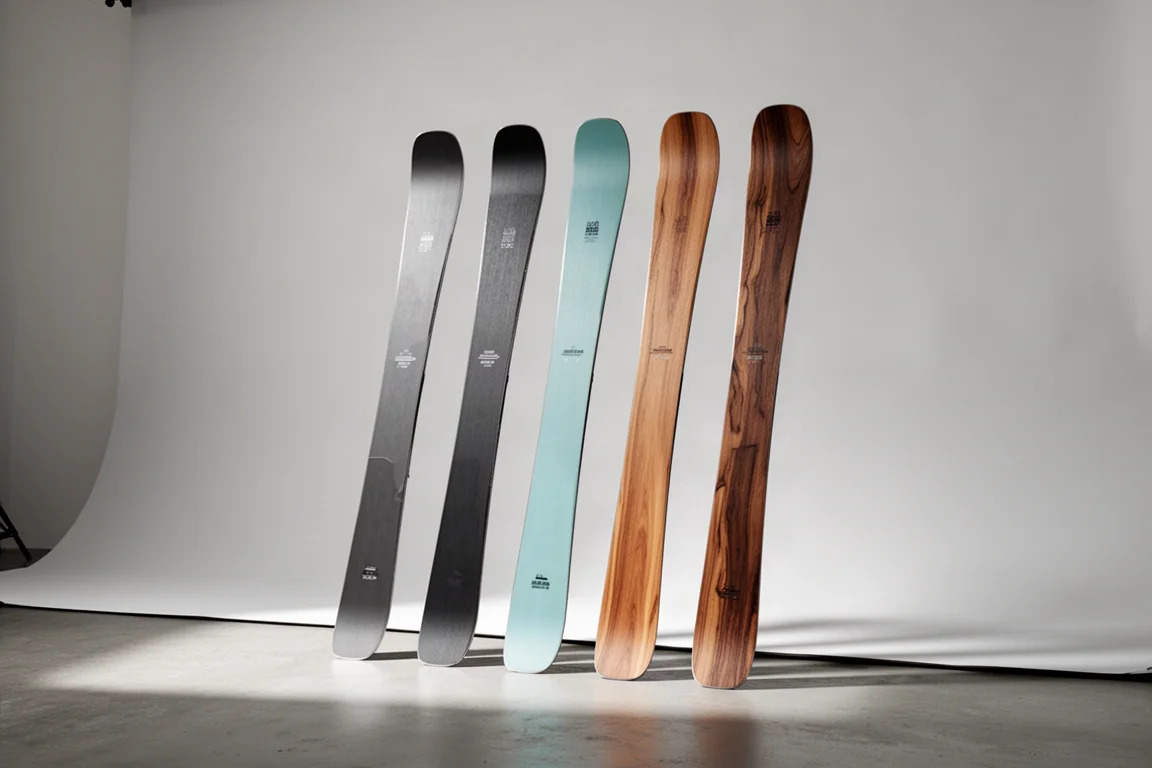
100mm All-Mountain Skis Compared: 23 Versatile Models Worth Knowing
A practical walkthrough of 23 all-mountain skis around 100mm underfoot, covering weight, rocker, metal construction, and the rider each model suits best.
All-Mountain Skis
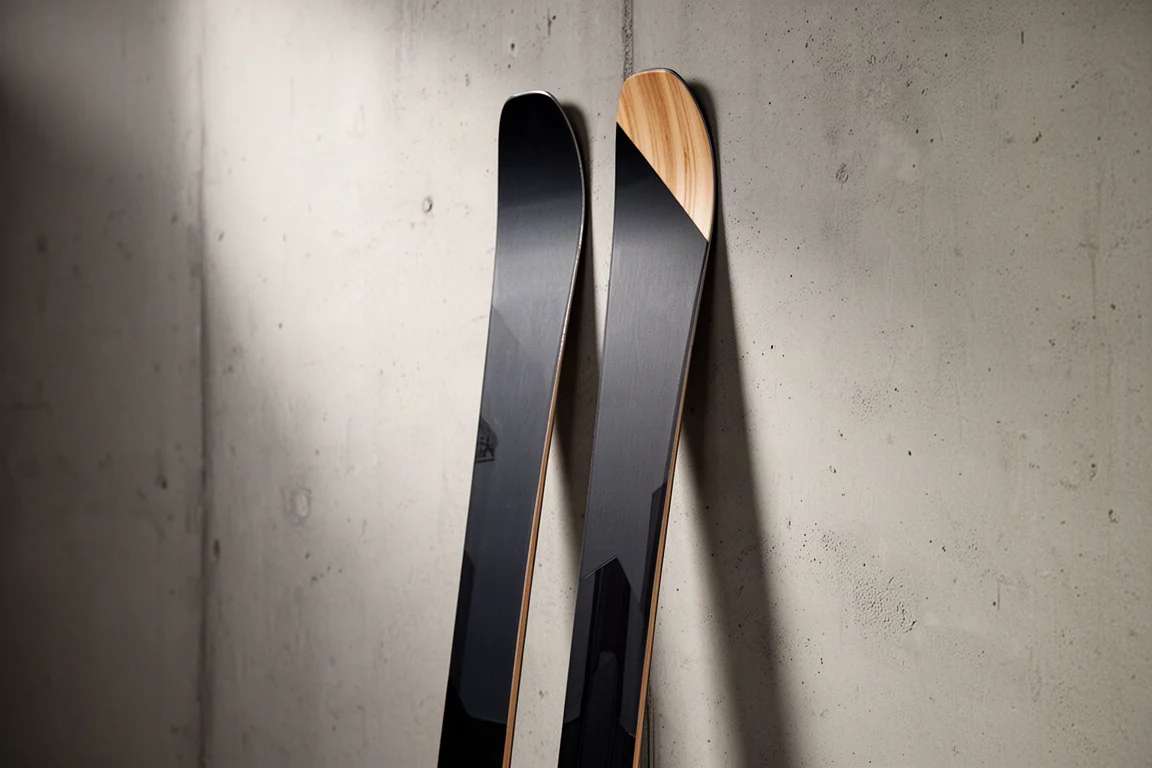
2026 Black Crows Camox Review: A More Stable, More Versatile All-Mountain Twin Tip
The 2026 Black Crows Camox adds an ash layer underfoot, wider tips and tails, and a revised rocker profile. Here is what those changes mean on snow.
All-Mountain Skis
Armada Antimatter 88 Review: A Light, Lively All-Mountain Ski That Rewards Any Style
The Antimatter 88 pairs a poplar core with carbon stringers for a surprisingly energetic ride that suits intermediates and experts alike.