Kitchen Appliances
Premium vs Budget Kitchen Appliances: A Blind Taste Test Across Four Categories
We compared premium and budget blenders, mini choppers, air fryers, and ice cream makers in a blind taste test. Here's which ones are actually worth the extra money.
Introduction
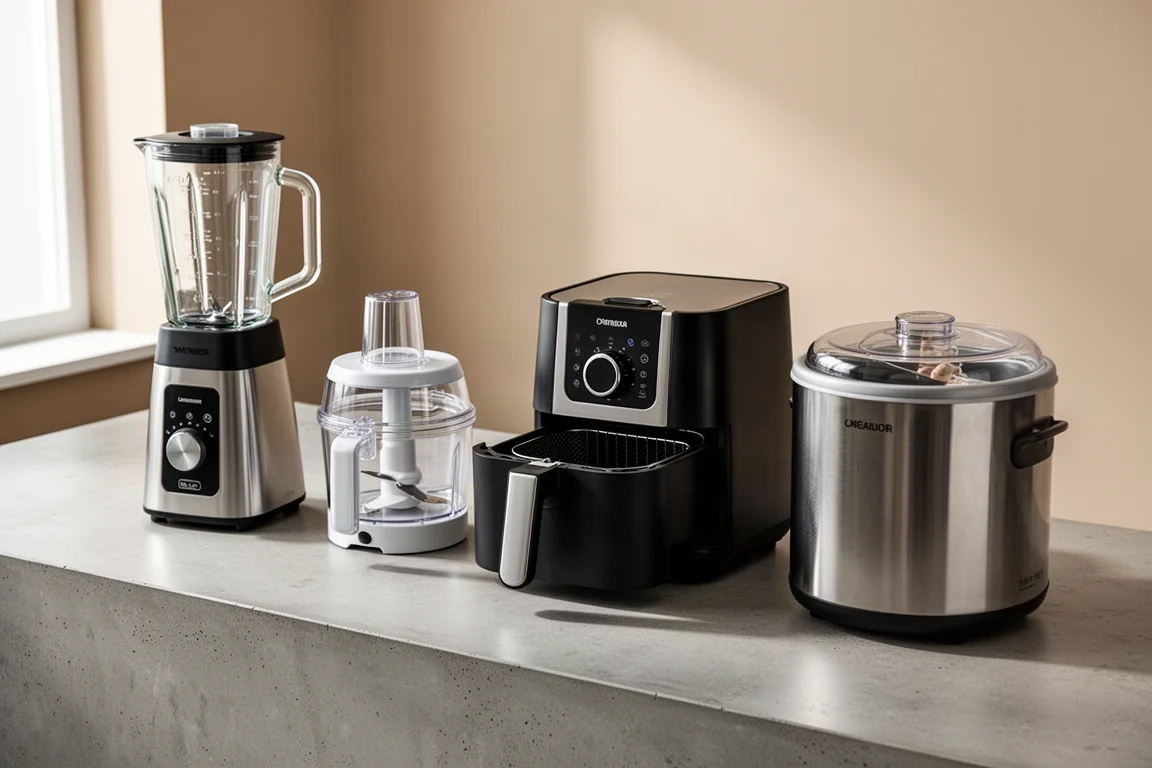
Can you taste the difference between a budget appliance and a premium one? In a blind taste test using identical ingredients, weights, and cooking times, the answer turned out to be: sometimes yes, and sometimes barely at all. Two tasters sampled results from four appliance categories, guessing which came from the more expensive machine. Some rounds were obvious. Others were nearly a coin flip. Here is what each test revealed about where your money actually goes.
Round 1: Blenders
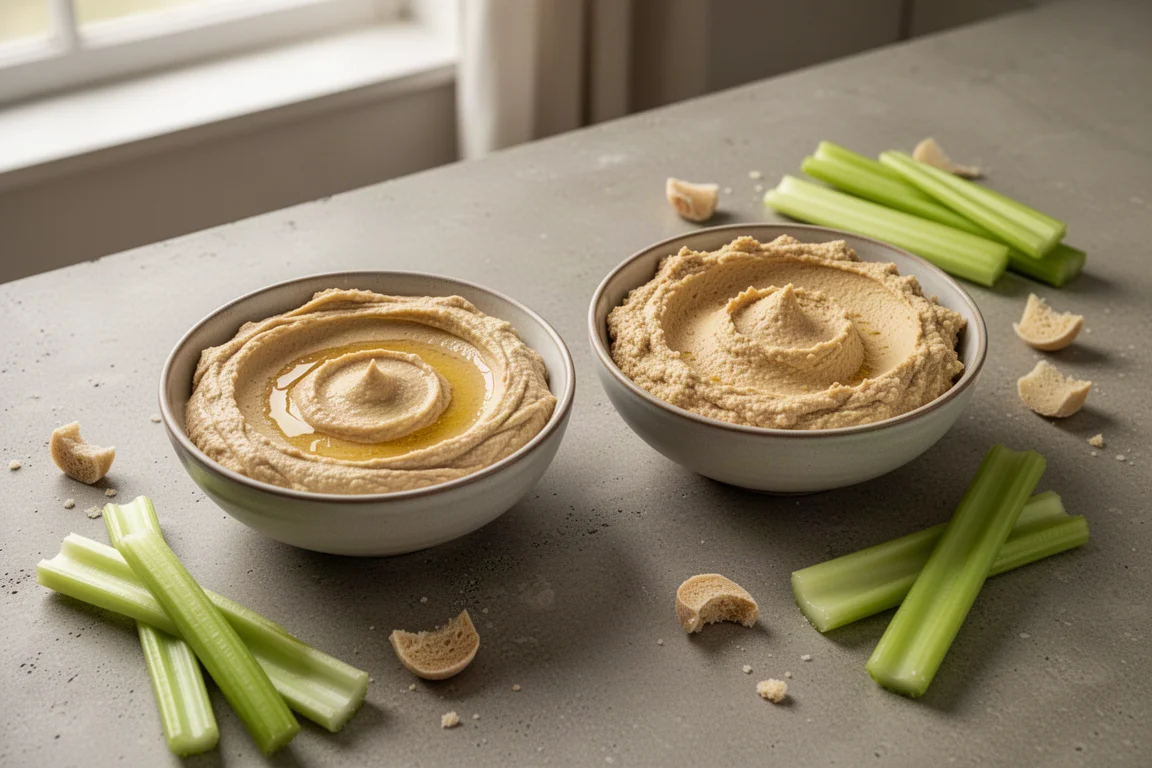
The test: two batches of hummus, identical ingredients, made in two different blenders. Both tasters immediately noticed a difference. One batch was lumpier; the other had a deeper, more tahini-forward flavour and a noticeably creamier, smoother texture thanks to better emulsification.
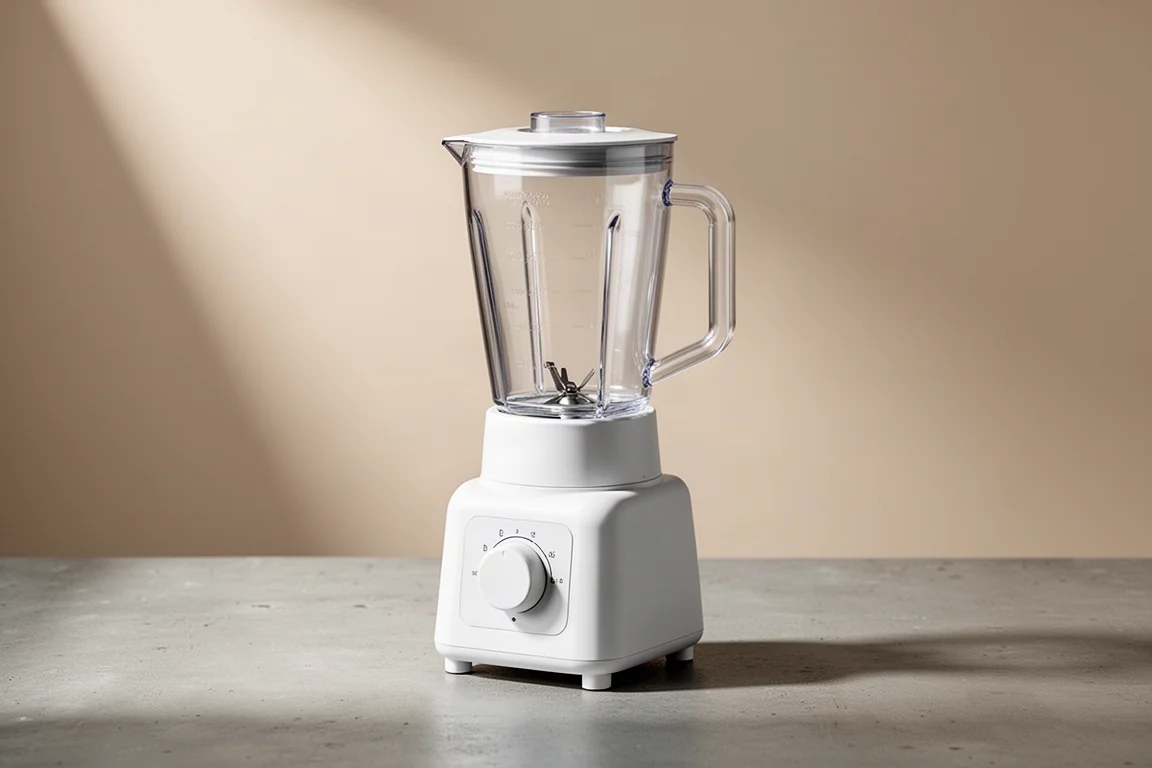
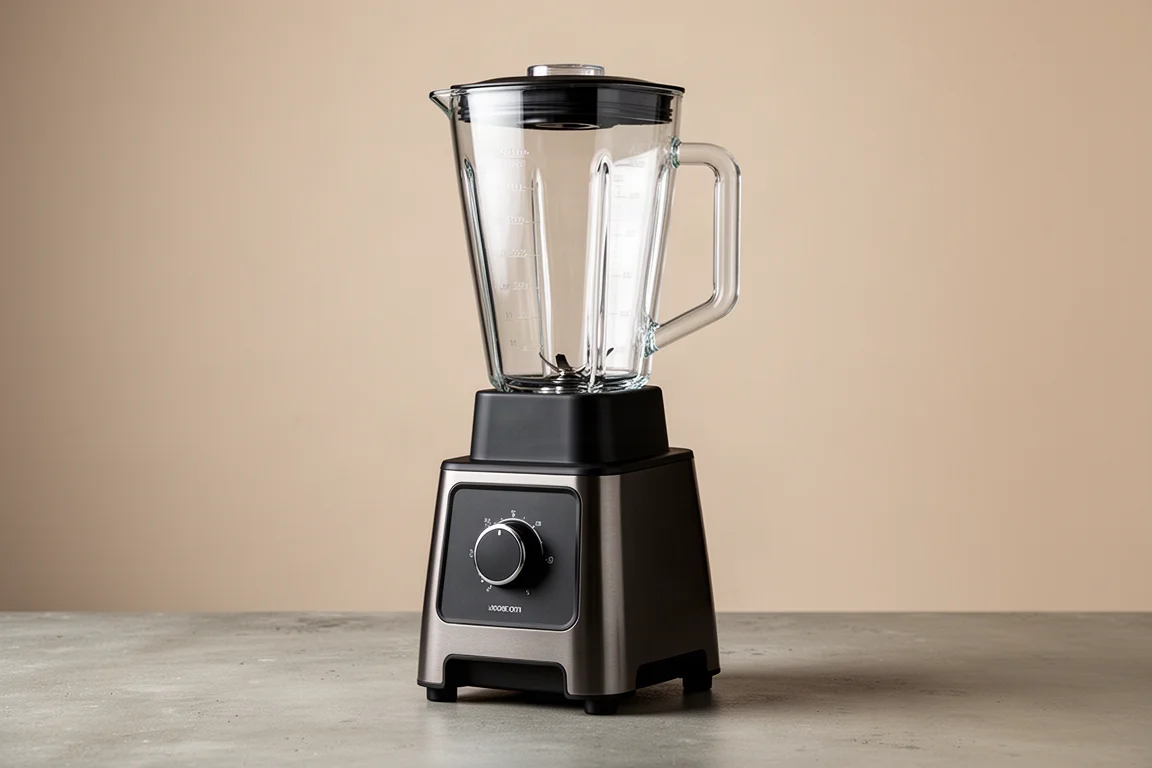
Both correctly picked batch B, made in the Vitamix Explorian E310. The budget batch came from the Philips ProBlend 1 litre blender, and the honest verdict was that there was nothing wrong with it. It tasted lovely. It was only next to the Vitamix that the gap became obvious, described as the difference between supermarket hummus and restaurant-quality hummus.
The spec gap is real: 450 watts and 19,000 rotations per minute on the Philips against 1,380 watts on the Vitamix. Neither is quiet, and the Vitamix carries a five year warranty versus two years on the Philips. There is also a workflow difference: the Vitamix lets you use a probe to push ingredients down while blending, while the Philips requires stopping, removing the lid, and scraping with a spatula. One caveat: some people prefer a looser, chunkier hummus, and in that case the smoother result is not automatically better.
At around £28 versus £428, the Vitamix is roughly 15 times the price. For the majority of buyers, the budget blender does a good job. The Vitamix simply does a superb job, and it will blend essentially anything that is supposed to go in it.
Round 2: Mini Choppers
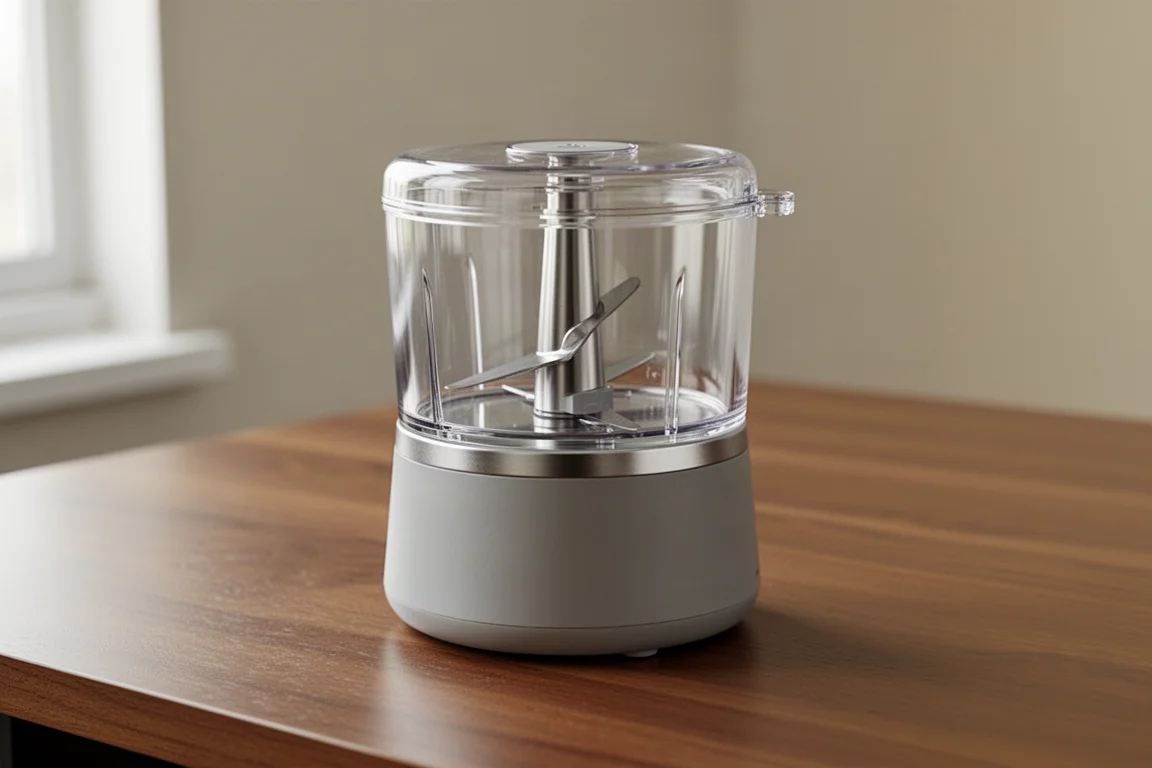
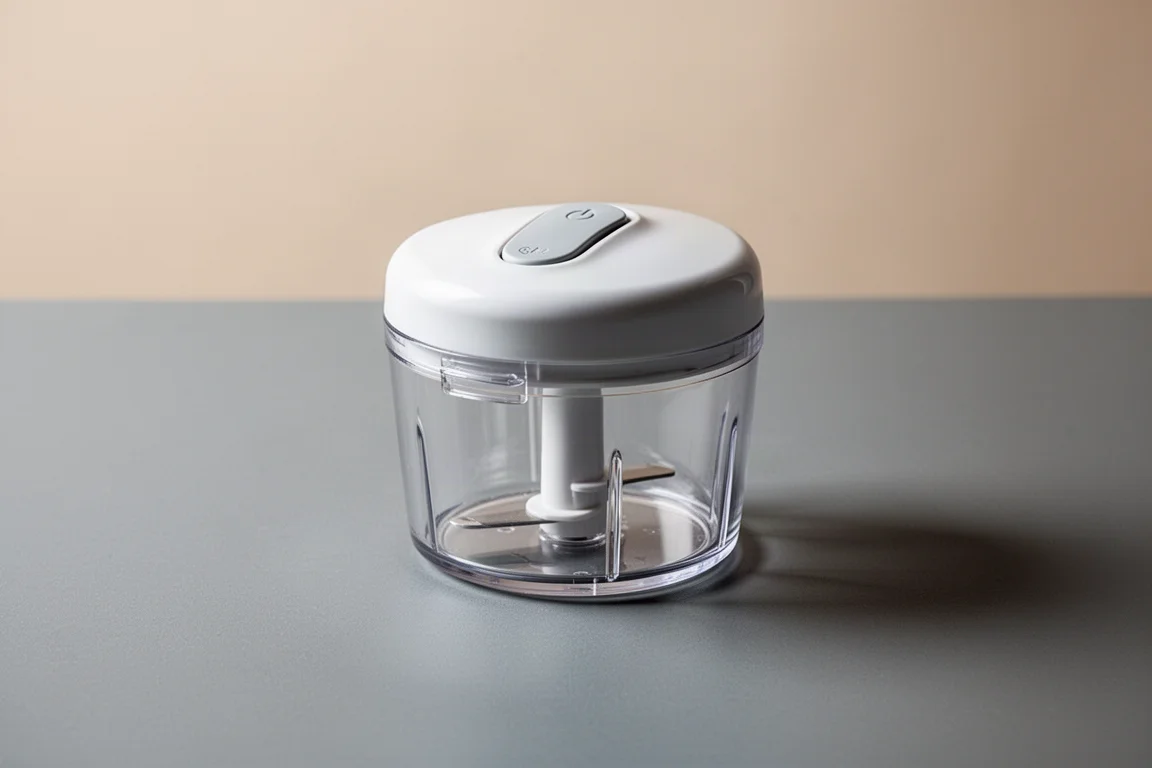
The test: salsa verde, where the ingredients start solid rather than liquid, making this a job for a mini chopper rather than a blender. This round was much harder to call. The tasters could sense differences but were not confident they were tasting them, and the two batches looked nearly identical apart from a slight colour difference.
They split their answers, and both were wrong. The premium pick was the Cuisinart Mini Prep Pro, and the budget option was the Reemix Mini Chopper. The sharper blades and extra power of the Cuisinart cut cleanly through the herbs, while the cheaper machine bruised them, producing a darker, more oxidised colour and a slightly less fresh taste. Even so, the gap was estimated at only around 10 percent.

What matters when buying this category: stainless steel blades sharp enough for fine herbs but firm enough for nuts, hard cheese, and ice; a ribbed interior that pushes ingredients back down into the blades; and a hole in the lid for slowly drizzling in oil or warm butter when emulsifying sauces. Both machines here have the drizzle hole.
The Reemix costs £13.99, is more compact for storage, and works with a single pulse button. The Cuisinart runs £50, roughly three and a half times the price, with a slightly larger capacity. The verdict here split along usage lines: if you use a mini chopper constantly, the investment in build quality and durability may pay off; if it is an occasional-use appliance, the budget option is hard to beat.
Round 3: Air Fryers
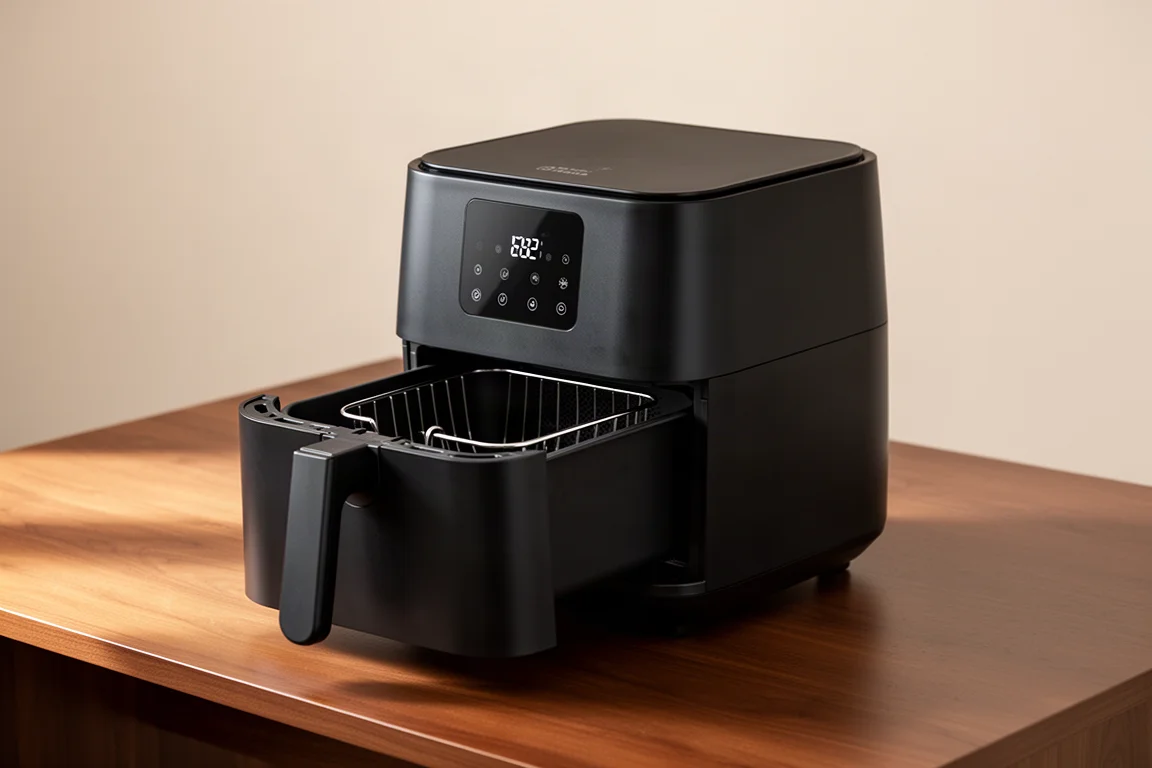
The test: frozen French fries from the same bag, cooked in both air fryers at 200 degrees Celsius and shaken twice during cooking. This time the tasters were confident, and confident was exactly the problem.
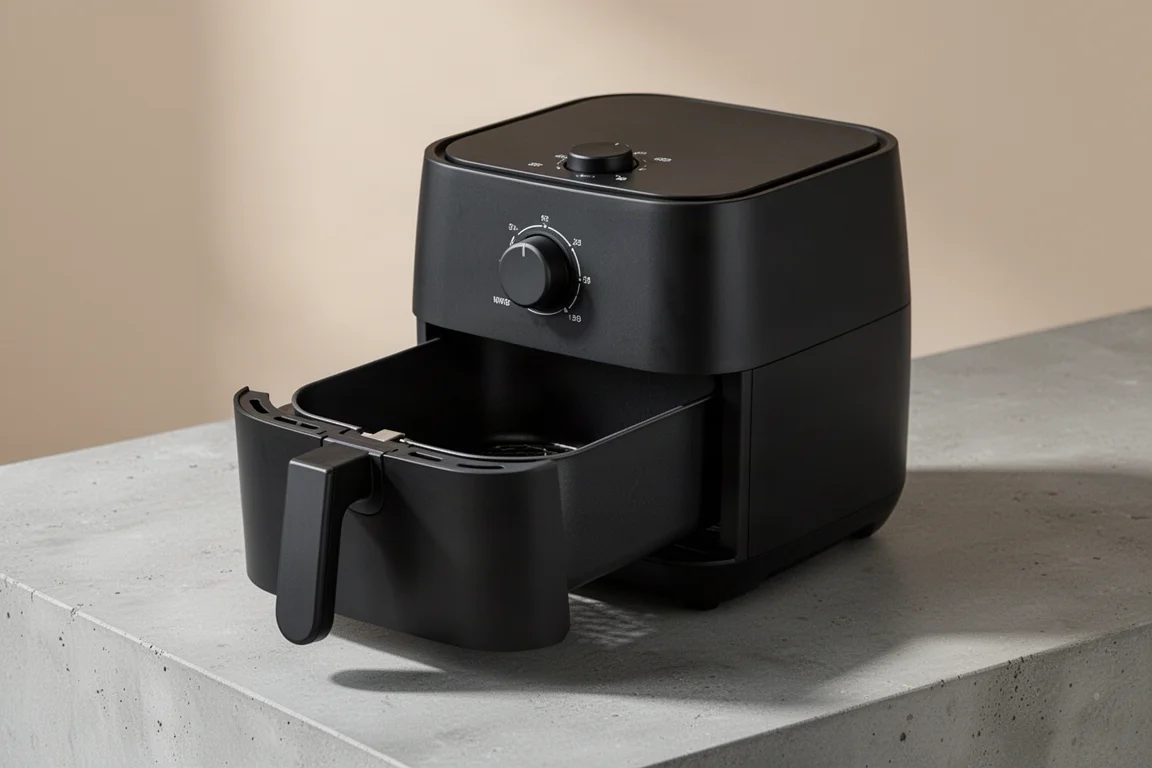
Both picked batch B as the premium result, noting it was crispier. They were right that B was crispier, and right that B had a strange, almost soapy bitterness to it. But B was actually the budget machine, the Midea Compact 2-Liter Air Fryer, fresh out of the box and, per the package instructions, in need of a wash before first use. Batch A came from the Instant Vortex Plus Air Fryer.
The Midea runs 1,150 watts with a single non-stick pull-out basket and simple timer and temperature dials. The Instant Vortex Plus has roughly 50 percent more wattage, a larger cabinet, see-through windows with a light so you can monitor cooking, finer control over time and temperature, and helpful prompts for preheating and mid-cook turning.
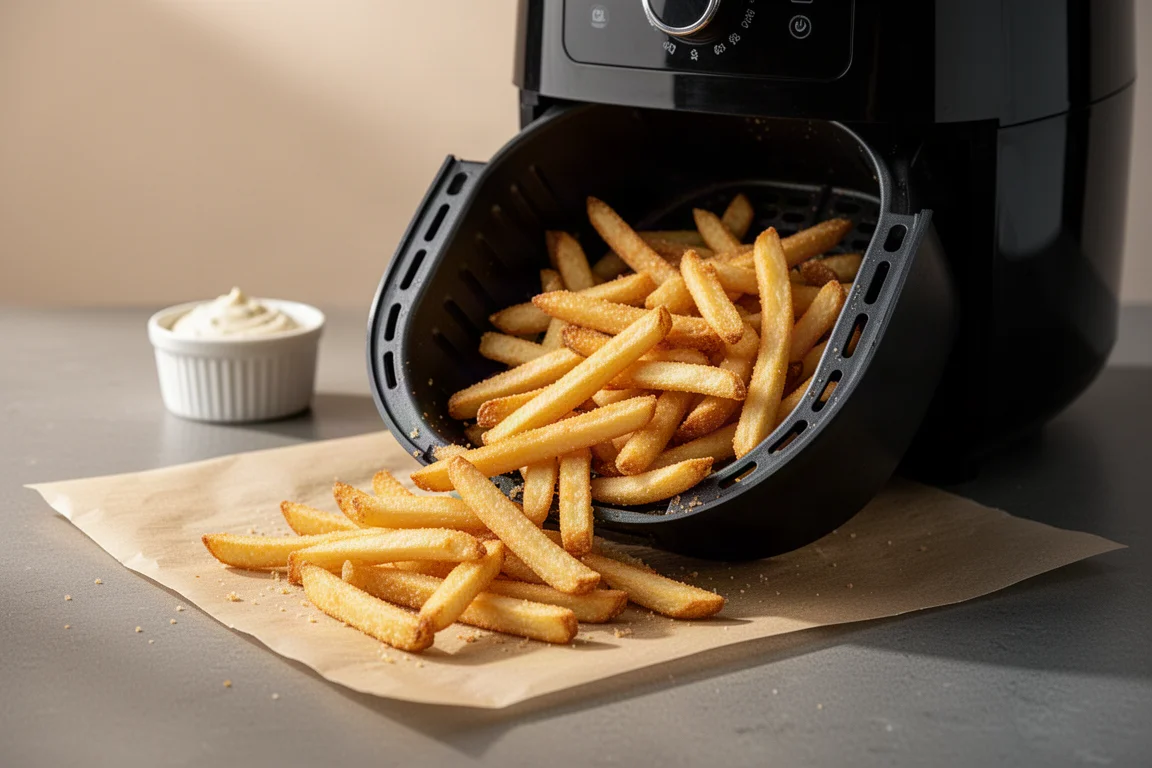
One honest experimental note: because the premium model heated up and cooked faster, its fries sat waiting while the other batch finished, which may have dried them out and softened the crispiness. Even so, the taste difference traced back to the unwashed new basket, not the machine.
Pricing: £35 for the Midea versus £109 for the Instant Vortex Plus, about three times the price. The deciding factor is functionality. If you want temperature control, presets for air frying, roasting, baking, and dehydrating, and dishwashing-safe is not a priority (the Midea’s basket is dishwasher safe; the premium one is not), the extra spend makes sense. If you just want to air fry, the budget machine gets the job done. Buy what you need.
Round 4: Ice Cream Makers
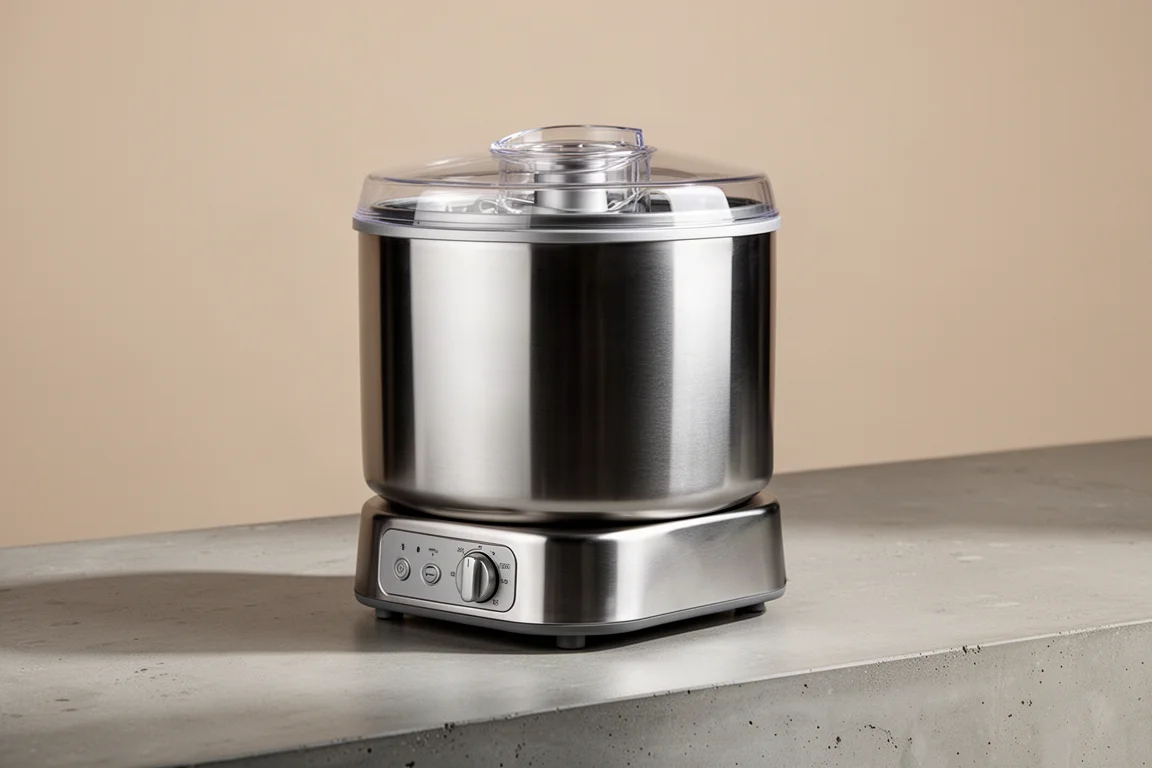
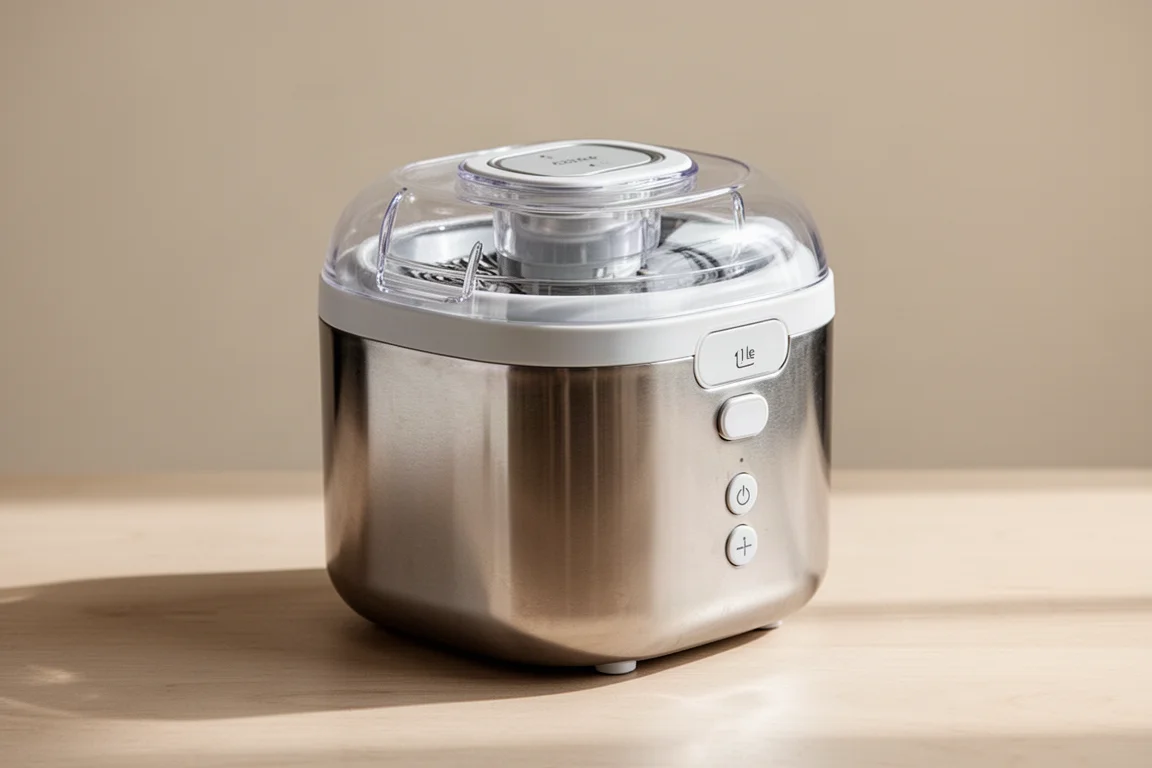
The test: identical ice cream mix, identical volumes, churned in two machines with built-in cooling compressors. Both tasters picked batch A, and both were right. A was smoother, thicker, and more like gelato, while B had small ice crystals running through it and a softer, almost soft-serve character.
A came from the Magimix Gelato Expert, a long-established premium machine. B came from the TZS First Austria Ice Cream Maker, a one litre budget model costing around £100.
The specs tell most of the story. The Magimix runs a 180 watt compressor against 100 watts, holds two litres against one litre, and weighs a couple of kilos more, taking up noticeably more storage space. Despite the size difference, both finished churning within a minute or two of each other at roughly 46 minutes.

The interesting nuance: the cheaper machine churned faster and whipped in more air, producing a softer result that melted quicker and seemed sweeter on the tongue. The Magimix churned slower, producing a denser gelato-style texture. On practicality, the budget model wins on convenience: its canister pops straight out for scooping, while the Magimix requires unscrewing the whole assembly from top to bottom, which is more fiddly.
The Magimix costs just shy of £450, about four and a half times the budget option, for twice the volume and a smoother result. It suits serious ice cream makers or anyone making large batches regularly. For occasional domestic use, the £100 machine makes perfectly enjoyable ice cream.
Buying Advice
The pattern across all four rounds is consistent. Where ingredients are blended hard into a smooth result, like hummus and ice cream, the premium machines produced a clearly noticeable improvement in texture and flavour. Where the task was simpler, like chopping herbs or cooking frozen fries, the gap was small or practically invisible, and in one case a misstep in preparation mattered more than the machine itself.
A few principles fall out of this:
- Match the spend to how often you use the appliance. A daily-use mini chopper may justify £50. An occasional one may not.
- Pay for power when texture is the whole point. Blenders and ice cream makers are the clearest cases.
- Pay for features you will actually use. Air fryer presets and monitoring windows are worth it only if you genuinely use them.
- Read the setup instructions. No appliance tastes good unwashed.
Conclusion
The premium option won three of the four blind taste tests, but it never won by default. The budget appliances all delivered results that were genuinely good on their own terms, and in the mini chopper round the testers actively preferred spending less. The real skill is knowing which category your use case falls into: if smoothness is the product, premium earns its price; if convenience is the product, budget probably already does the job.
Further reading
Related Reviews
Kitchen Appliances
Arboleaf Smart Kitchen Scale Review: Connected Cooking Made Simple
A Bluetooth-enabled kitchen scale that syncs with a nutrition-tracking app, offering real-time weight monitoring and recipe guidance for home cooks.
Kitchen Appliances
Best Air Fryer Toaster Ovens Under 100: Five Practical Options for Budget-Conscious Kitchens
Five air fryer and toaster oven combinations that deliver real cooking performance without breaking the bank, each with distinct strengths for different kitchen needs.
Kitchen Appliances
Best Air Fryer Toaster Ovens: Three Top Picks for Multi-Function Cooking
Three high-performing air fryer toaster ovens tested for versatility, ease of use, and real-world cooking results. Find the right fit for your kitchen.