All-Mountain Skis
Black Crows Sato Review: A Metal-Free All-Mountain Ski With Real Substance
The Black Crows Sato is a directional all-mountain ski built without metal. Here is what its stiff flex, long camber, and 17 m turn radius mean for intermediates and experts.
Introduction
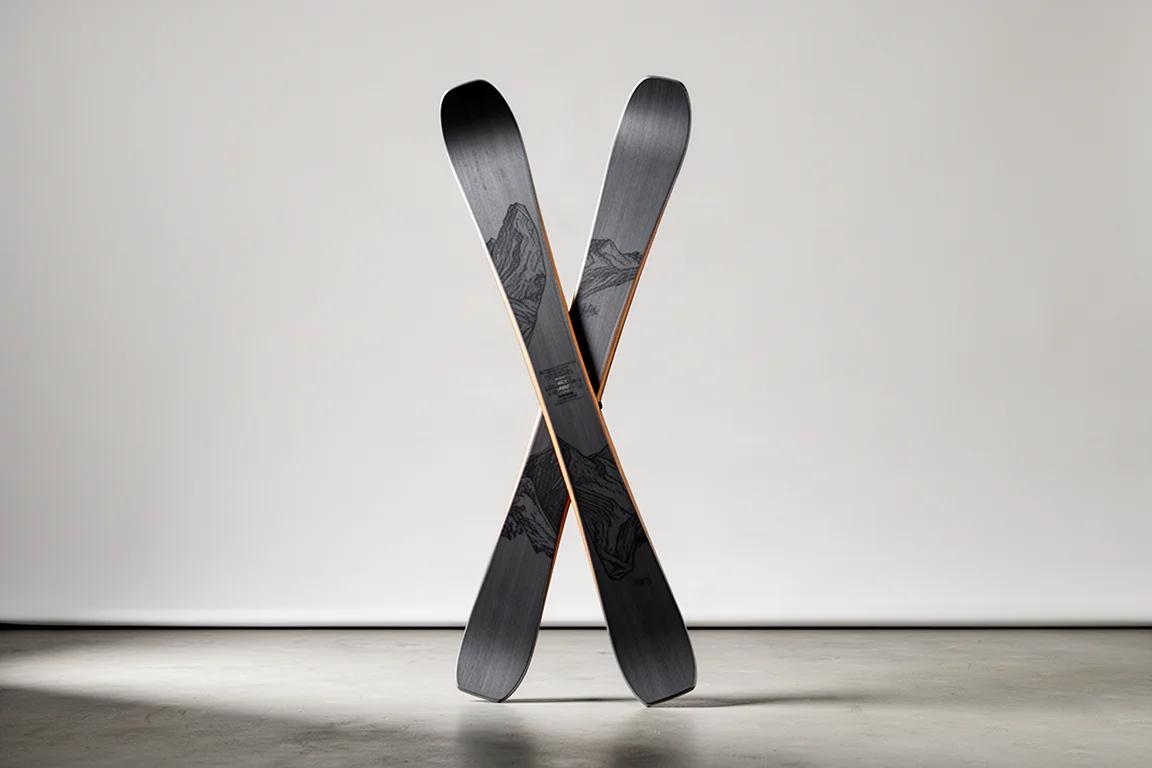
Black Crows has never been short on character, but the Sato is interesting for a different reason. It delivers a sturdy, planted all-mountain feel from a build that looks almost plain on paper. There is no metal in this ski. The core is poplar, the reinforcement is fiberglass, and yet the finished product feels substantial underfoot.
The Sato sits in the 88 mm all-mountain class, which is the busiest and most competitive part of the market. That makes its approach worth understanding before you buy, because the ski leans on core milling and shape rather than exotic materials to earn its place. This article covers where it performs, where it gives ground, and which skiers get the most from it.
Who This Ski Is For
The Sato is a directional all-mountain ski, which means it rewards a forward stance and a traditional approach to turn shape rather than a playful, switch-friendly style. It is accessible for intermediates who want to progress, and it also holds up for more aggressive experts who want something a little different without being difficult to control or steer.
That combination is less common than it sounds. Many skis in this width are either soft and forgiving at the expense of stability, or demanding enough that a developing skier never gets comfortable. The Sato leans toward the stiffer end of the spectrum, but it stays mobile and easy to turn.
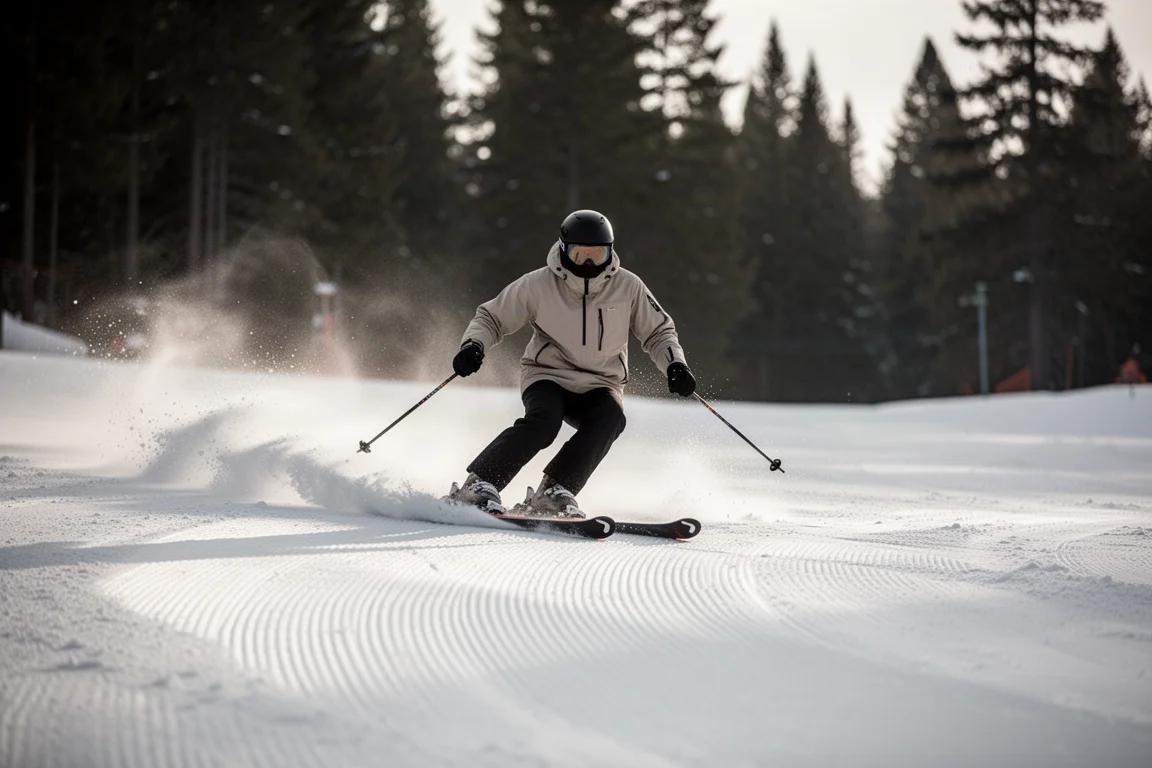
Skiers who spend most of their time on groomers, smooth terrain, packed moguls, and trees that are not holding fresh powder will find the most natural fit here. The ski is highly mobile in those conditions, turns easily, and does not feel hooky or grabby when you want to release the tail.
Main Strengths
The defining strength of the Sato is how much stability it produces from a simple construction. There is nothing exotic going on inside: no metal laminates, no dense additives. What you get instead is a stiff flex, particularly in the tail, and a solid, sturdy feel that suggests a much more sophisticated build than the materials list implies.
That stiffness does not translate into a punishing ride. The ski remains easy to steer at moderate speeds, which is where most skiers actually spend their time. It has enough energy coming out of the tail to feel lively through the finish of a turn, and it holds an edge with confidence on firm groomers.
Construction and Build Details
The core is poplar with fiberglass reinforcement, and the milling process used on that core is what shapes most of the ski’s character. By varying core thickness, Black Crows produces a ski that is notably stiff, especially behind the binding, while keeping the overall package simple.
Full sidewalls run all the way around the ski, including the tip, and the tail is a little bulkier with a tail protector. At 173 cm, the ski weighed 1,760 grams on the scale, which gives it real substance for a metal-free design. That weight is part of why it feels planted rather than nervous.
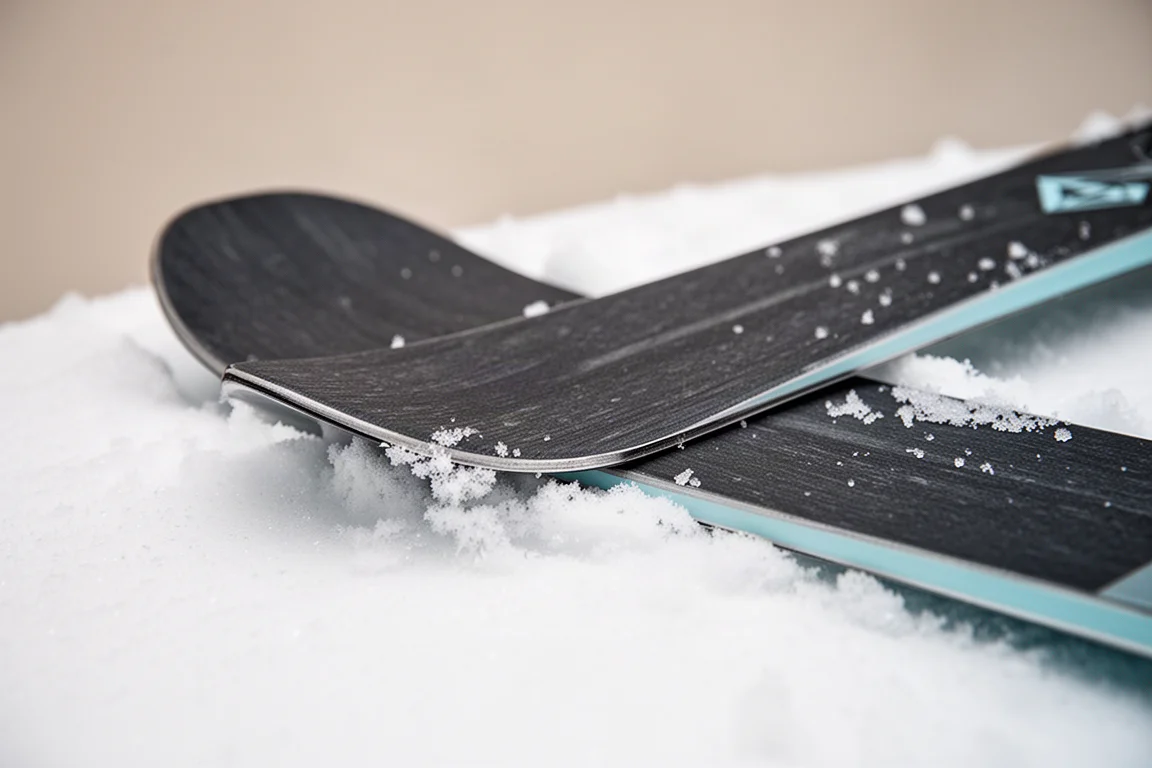
The lack of flex in the tail is worth noting. Where some skis soften the rear to make turn release easier, the Sato stays firm. Riders who like to load the tail and push hard through the finish of a turn will appreciate that. Riders who expect a loose, surfy release will not.
Shape, Rocker, and Turn Radius
Underfoot, the ski carries a healthy amount of camber, and the camber section is long. The tip is more rockered than the rest of the profile, which is where much of the ski’s versatility comes from, and the tail has a decent amount of rocker as well. That is a meaningful difference from flatter-tailed models in the Black Crows range, which tend to run very flat out back.
Taper is minimal, so the ski is not pretending to be a soft-snow floater. The stated turn radius at 173 cm is 17 meters, and the ski is happiest right there. It can be pushed into longer or shorter arcs, but the design point is clear, and it feels balanced at that radius in a way that some skis in the lineup do not.
Things to Consider Before Buying
The stiff flex cuts both ways. Quick, short swing turns are easy to initiate, but moving from one turn to the next takes more effort than it would on a softer ski. That places the Sato in a high-end intermediate category rather than a beginner-friendly one. It is not inaccessible, but it asks for a reasonable amount of input.
It also tops out at 179 cm. That was workable for a wide range of riders, but bigger and potentially more aggressive skiers may want more length than the lineup offers. If you are on the heavier side or ski with a lot of forward pressure, the longest option may feel like a compromise.
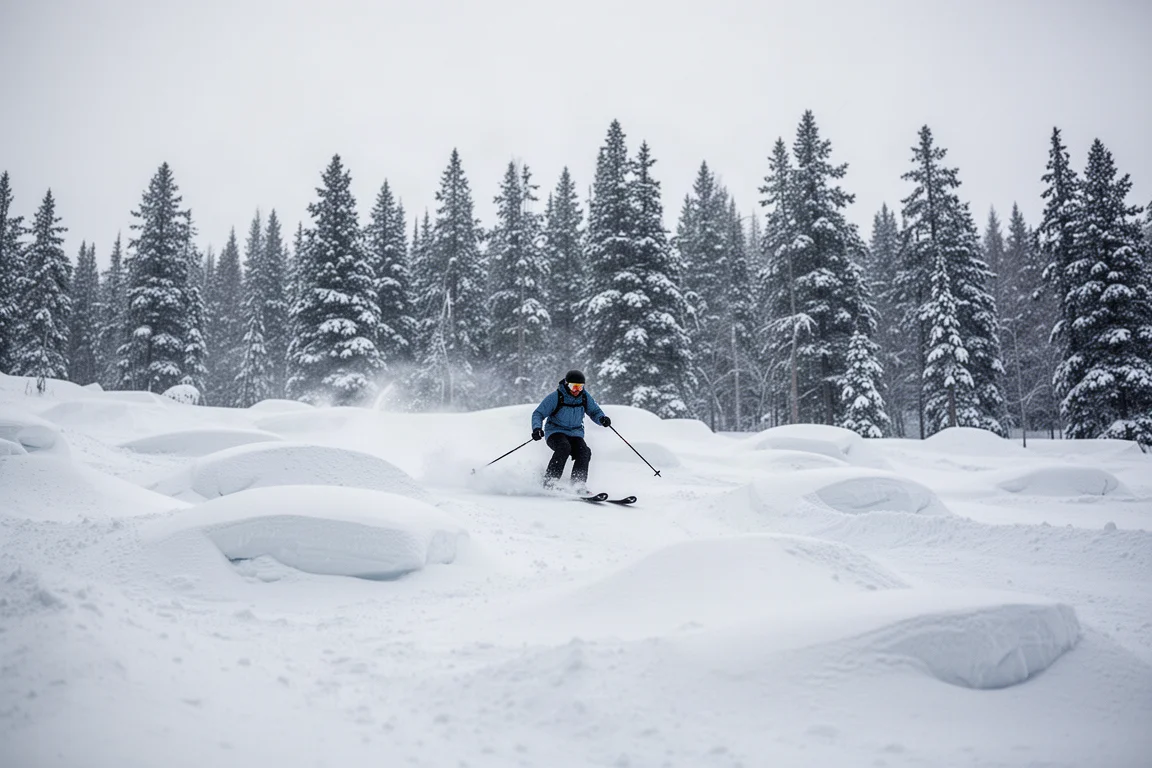
Soft snow is another limitation to be honest about. The rockered tip gives the ski some float, and it handles trees that are not holding fresh powder well, but this is a groomer-oriented all-mountain ski first. If deep snow is the priority, look elsewhere in the category.
Where It Sits Against Metal-Built Alternatives
The obvious comparison is against metal-laminate all-mountain skis in the same 88 mm class, such as the Blizzard Anomaly 88, the Mantra 88, or the Enforcer 89. Those skis have more sophisticated constructions, and they will outperform the Sato at speed, particularly under a more aggressive skier.
That is a fair framing rather than a criticism. The Sato gives up ground at the very top of the performance range and holds its own everywhere below it. For the mid-range of skiing, where most turns actually happen, it is a genuinely impressive ski with very few limitations.
Buying Advice
The Sato makes the most sense for two groups. The first is progressing intermediates who want a stable platform that will not hold them back as they improve. The second is experts looking for a directional, no-fuss all-mountain ski that is easy to manage and still feels solid on edge.
If your priorities are high-speed stability on hardpack, a metal-laminate ski is the safer choice. If you want a ski that feels sturdy and planted without demanding much from you, and you spend your days on groomers, packed bumps, and non-powder trees, the Sato is worth a serious look.
Size selection is straightforward. The 173 cm length suits a wide range of riders and carries the 17 meter radius that defines the ski’s character, while the 179 cm is the choice for anyone who wants the extra platform. Just be aware that the lineup ends there.
Conclusion
The Black Crows Sato is one of those skis that outperforms what its spec sheet suggests. A poplar core, fiberglass, and careful core milling add up to a stiff, sturdy, directional all-mountain ski that is easy to turn and stable enough to satisfy strong skiers.
It is not the fastest ski in the 88 mm class, and it is not a powder tool. Within its intended range, though, it is remarkably well sorted, and it earns a place on the shortlist for intermediates and experts who want a simple, solid companion on the hill.
Product link
View more details for Black Crows Sato
This product is mentioned in the review. Check the specifications, options, and compatibility before buying.
View more details for Black Crows SatoFurther reading
Related Reviews
All-Mountain Skis
100mm All-Mountain Skis Compared: 23 Versatile Models Worth Knowing
A practical walkthrough of 23 all-mountain skis around 100mm underfoot, covering weight, rocker, metal construction, and the rider each model suits best.
All-Mountain Skis
2026 Black Crows Camox Review: A More Stable, More Versatile All-Mountain Twin Tip
The 2026 Black Crows Camox adds an ash layer underfoot, wider tips and tails, and a revised rocker profile. Here is what those changes mean on snow.
All-Mountain Skis
Armada Antimatter 88 Review: A Light, Lively All-Mountain Ski That Rewards Any Style
The Antimatter 88 pairs a poplar core with carbon stringers for a surprisingly energetic ride that suits intermediates and experts alike.