Ski Gear
Black Crows Freeride Touring Gear: The Skis, Bindings and Kit Worth a Look
A practical look at the Black Crows Draco Freebird, Mentis Freebird and Nocta skis, plus ATK bindings, Duos poles and the Blue Ice Choucas Pro harness for backcountry skiers.
Introduction
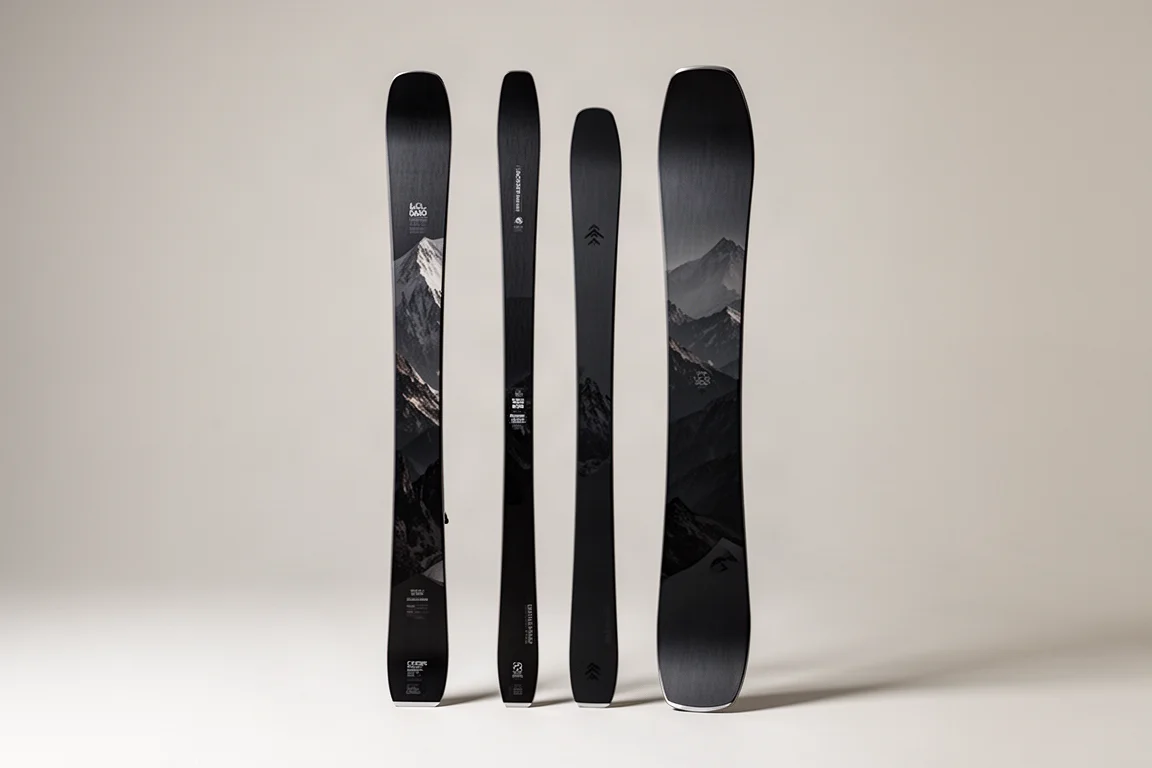
The gear in this guide comes from one simple skiing goal: big mountain lines reached under your own power. That means long approaches up glaciers, thousands of vertical meters on the skin track, and then skiing the descent fast and hard without wanting to think about being on touring gear. Every pick here reflects that balance between uphill efficiency and downhill performance.
One caveat before the list: most shops will point almost anyone touring in Europe toward the Black Crows Camox Freebird, and for most people that is great advice. The picks below suit a more specific style of skiing, so match them to your own terrain and ambitions rather than copying blindly.
The Big Mountain Touring Ski: Black Crows Draco Freebird
The Draco Freebird is the ski that changes the equation. For years the choice was between a lighter ski around 2 kg that lacked punch, or a heavier big mountain ski that wore you out on the climb. The Draco Freebird lands at just under 2 kg while performing close to the heaviest ski in the range. In its longest 189 cm length it runs 112 mm underfoot with a 23 m radius, and sizes shift character, with shorter lengths coming in narrower and more playful.
It uses a double rocker profile with camber underfoot and rocker in both tip and tail. That tail rocker matters at high speed: when you turn the ski sideways to dump speed, the edge never catches, so the transition stays smooth and predictable. The flex is solid, especially in the tail, which inspires confidence on landings at speed. Mounting sits at 5 cm behind true center, a touch more forward than some sibling skis.
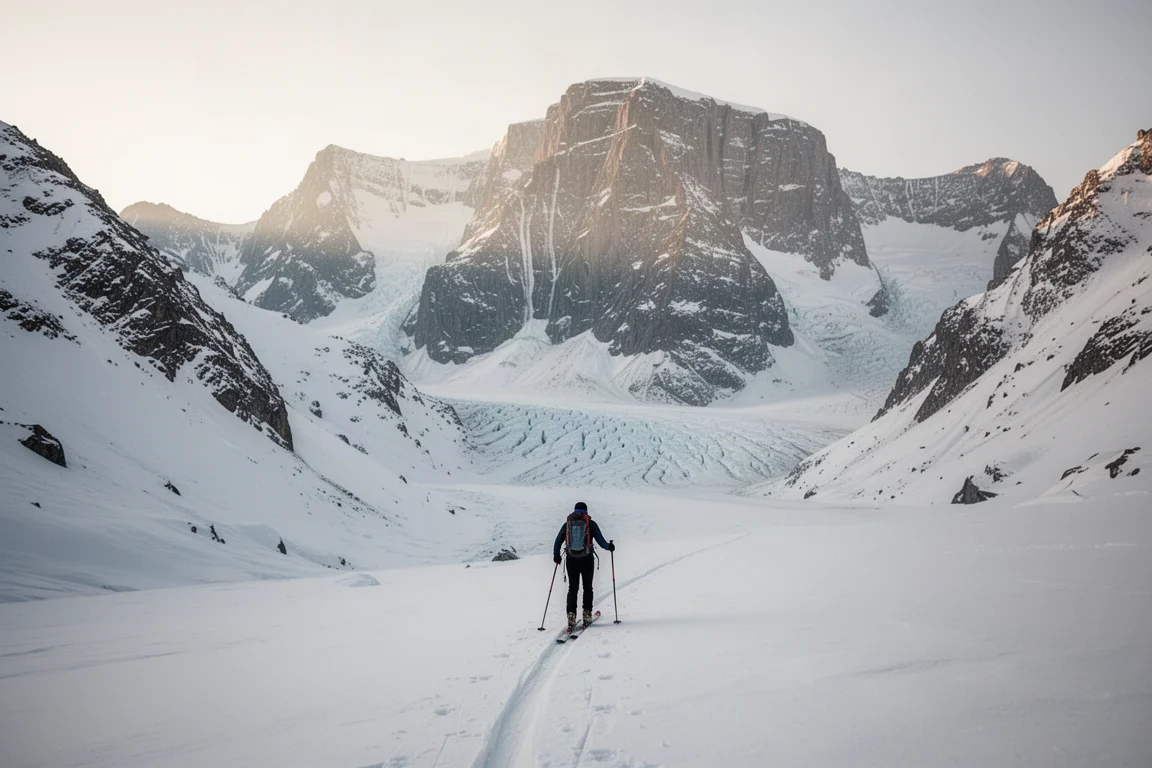
Weight savings come from a few sensible compromises: slightly thinner steel edges, a lighter core, and a non-stick topsheet that resists snow buildup. The standout touring detail is the dedicated skin setup, with clips in both the tip and tail so skins cannot come off on the skin track, and the matching Pomoca-produced skins glide well and hold their glue nicely. For pure resort big mountain riding the heavier siblings still make sense, but for human-powered big lines this is the one.
The Ultralight Ski: Black Crows Mentis Freebird
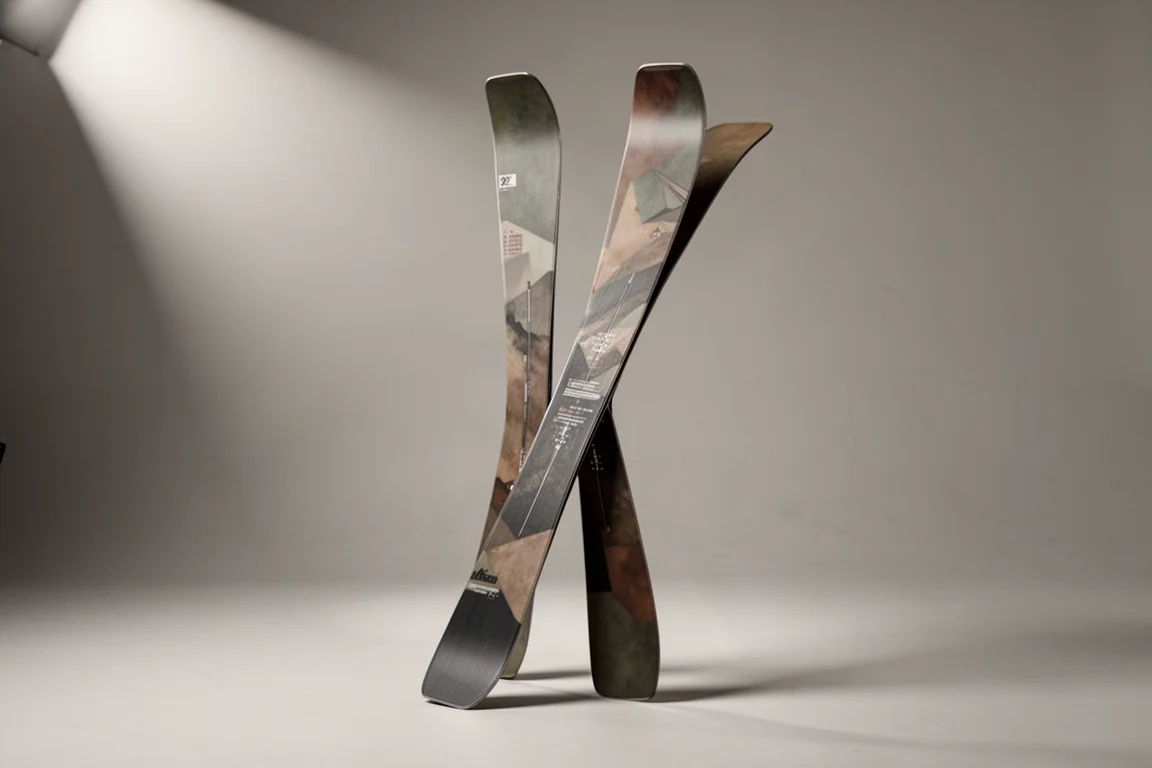
At the opposite end of the spectrum, the Mentis Freebird weighs less than a kilo. It is the obvious pick for high-volume training days and huge vert missions where every gram counts. The construction is still surprisingly stiff, it shares the 19 m radius used across much of the range, has a touch of tip rocker, and runs 80 mm underfoot in its longest 178 cm length.
This is not a charging ski, and it is not trying to be. You can turn it, butter it, and it skis fine for what it is, but the main job is minimizing weight on the uphill, and it does that very well. If your day is a 4,000 to 5,000 vertical meter tour or a fast skinning session, this is the tool.
The Powder Ski: Black Crows Nocta
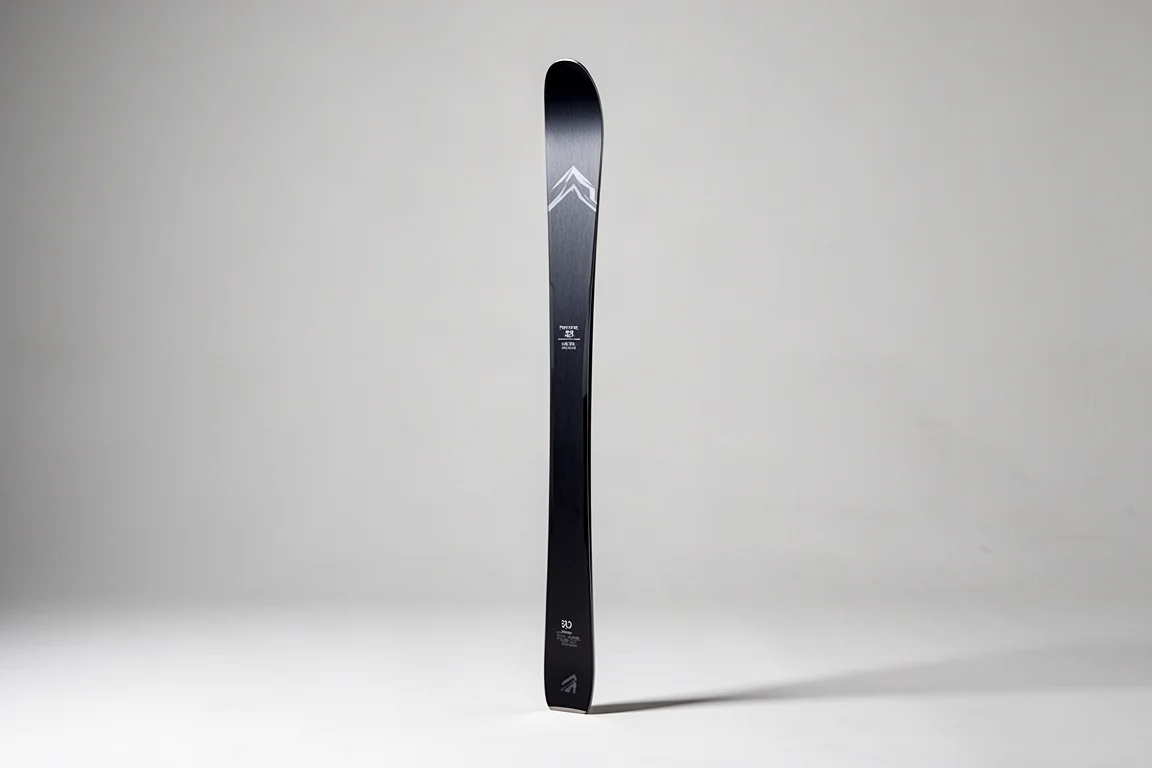
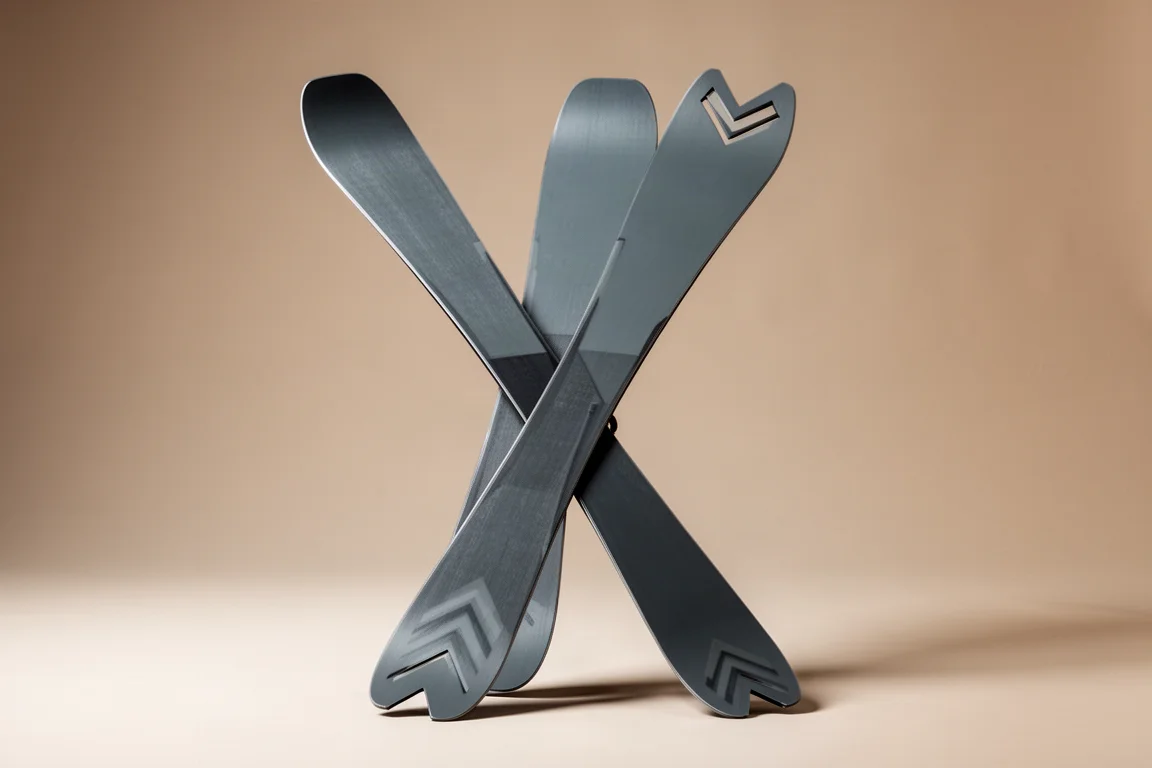
The Nocta is the fattest ski in the Black Crows range, built around deep powder touring. It was the first ski its designer made for the brand, and it has stayed more maneuverable and playful than the big charging skis ever since. In the longest 190 cm length it runs 122 mm underfoot with a 19 m radius and generous rocker in both tip and tail.
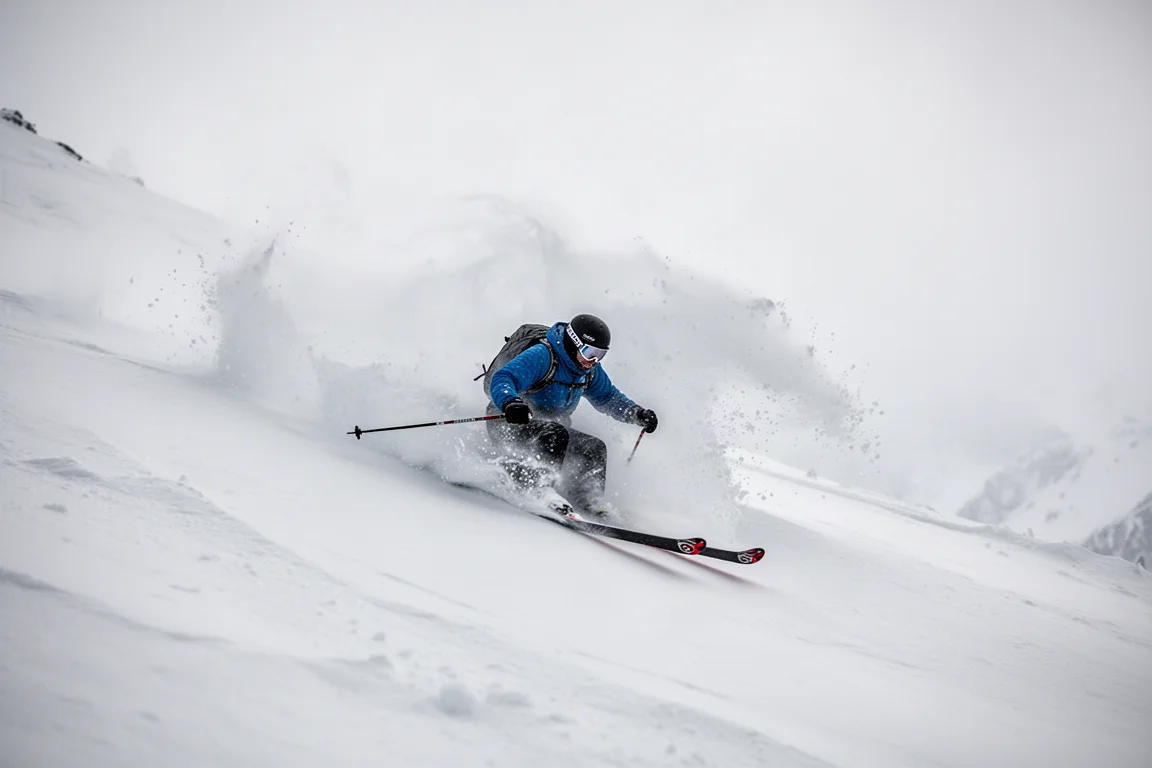
On the snow it pivots fast, floats effortlessly, and lands switch easily thanks to the big tail. It is genuinely fun in a way few powder skis manage, and it pairs naturally with a touring binding rather than a resort setup.
The Race-Weight Binding: ATK Revolution
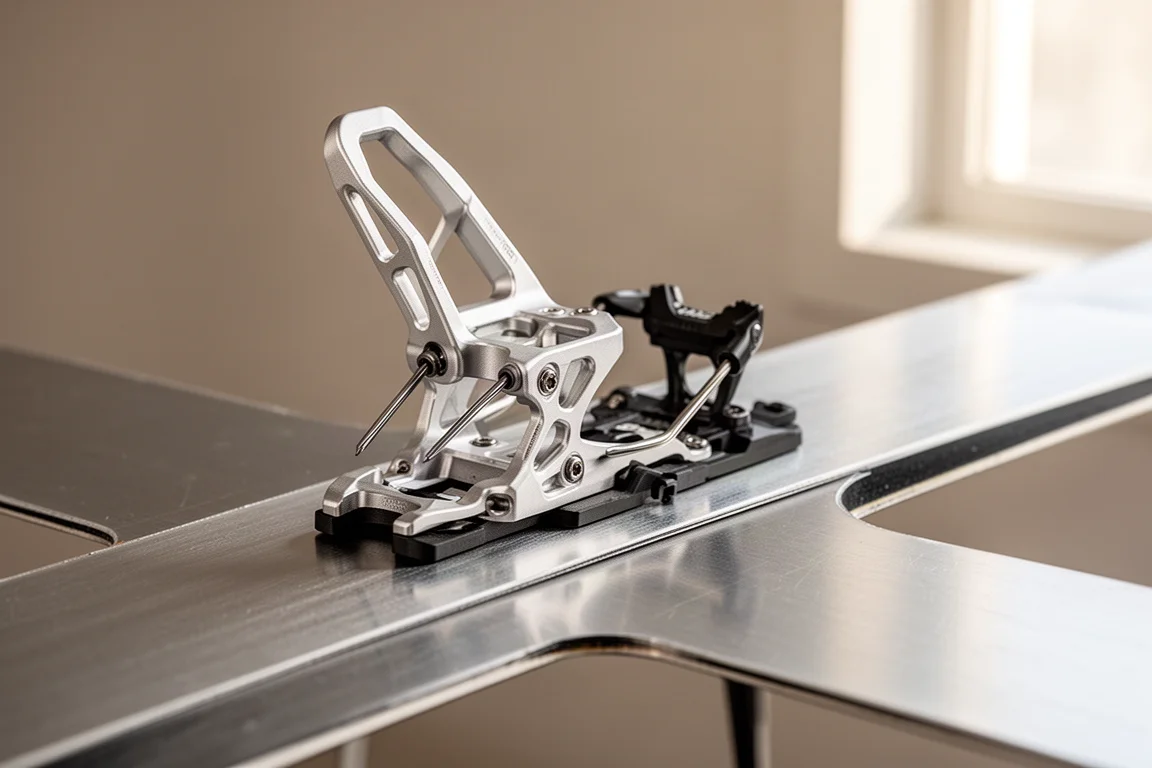
For the lightweight end of the binding spectrum, the ATK Revolution is a classic lightweight race touring binding construction at just over 100 grams. It has proven durable with no issues so far, and it is the natural partner for a minimal ski like the Mentis Freebird. If you are into fast touring, spandex-style suffer fests, or simply stacking vert efficiently, this combination is hard to beat.
The Freeride Binding: ATK Free Rider 15 Evo
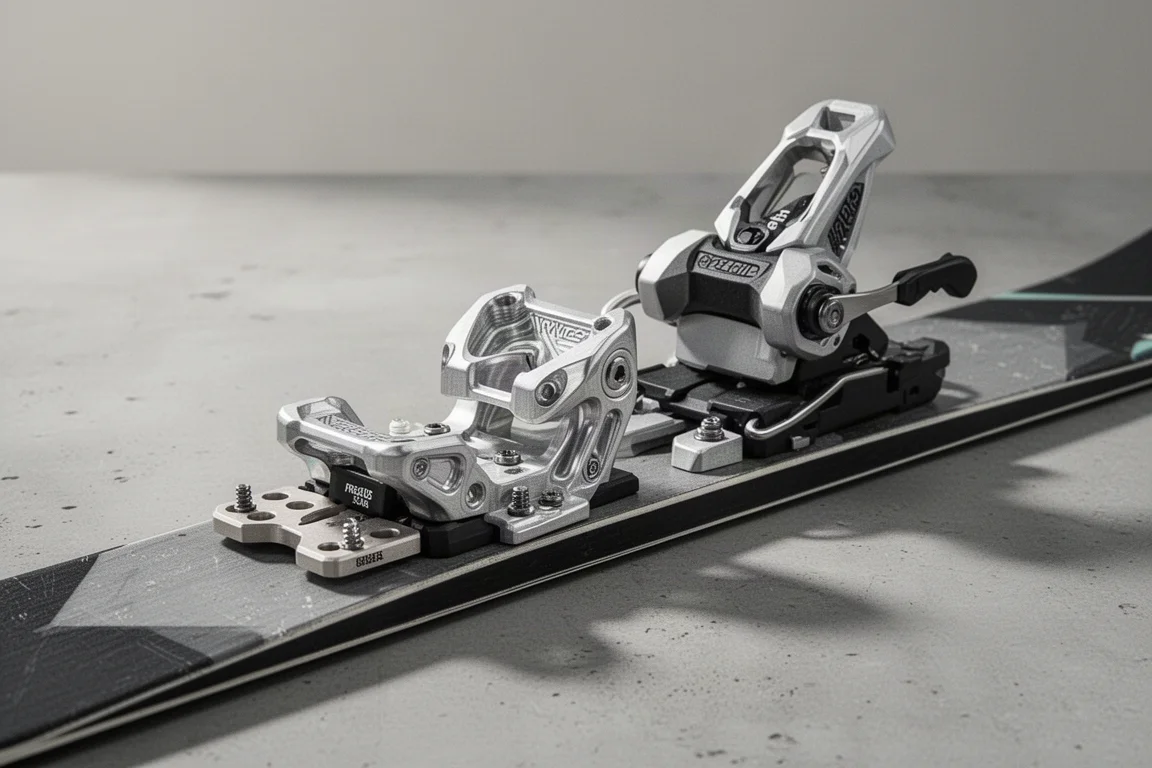
The ATK Free Rider 15 Evo is a different animal. ATK builds everything in Italy with CNC-milled aluminum parts, and the craftsmanship shows. Depending on add-ons it weighs between 370 and 390 grams, which is dramatically lighter than comparable freeride tech bindings while running a true DIN 15. Compared to an older heavy freeride binding at around 600 grams and DIN 12, that is roughly a third of the weight with a higher max DIN and a more solid build.
Several details stand out. The heel cam system steps in smoothly, the toe piece adjusts between soft, medium and hard locking tension so wear over the years never leaves you kicking out of the binding on an icy traverse. The manufacturing tolerances are so tight that snow simply cannot get under the toe piece, which removes the classic icing problem that plagues pin bindings. Freeride spacers let your boot heel press on the ski itself while preserving lateral release, and the heel risers flip easily with a pole. The springs are also tuned so micro vibrations from chunder and icy terrain do not cause a release, only a solid crash-level force does.
One Pole for Everything: Black Crows Duos
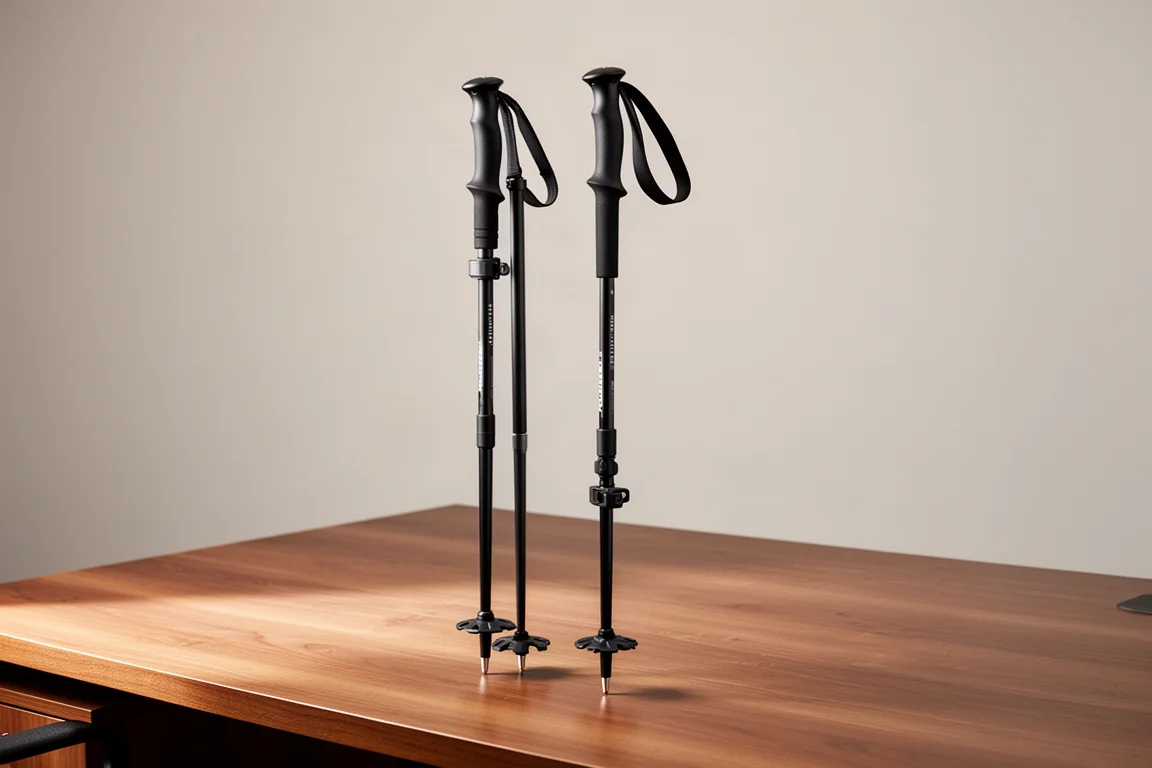
Poles are easy to overlook, but the Black Crows Duos adjustables earn their place. The ability to extend and adjust length is genuinely useful: a longer pole for flat traverses at European resorts, pushing through the woods on tour, or hop turns, with shorter lengths for other skiing. A long grip helps on the skin track when your uphill and downhill poles sit at different heights.
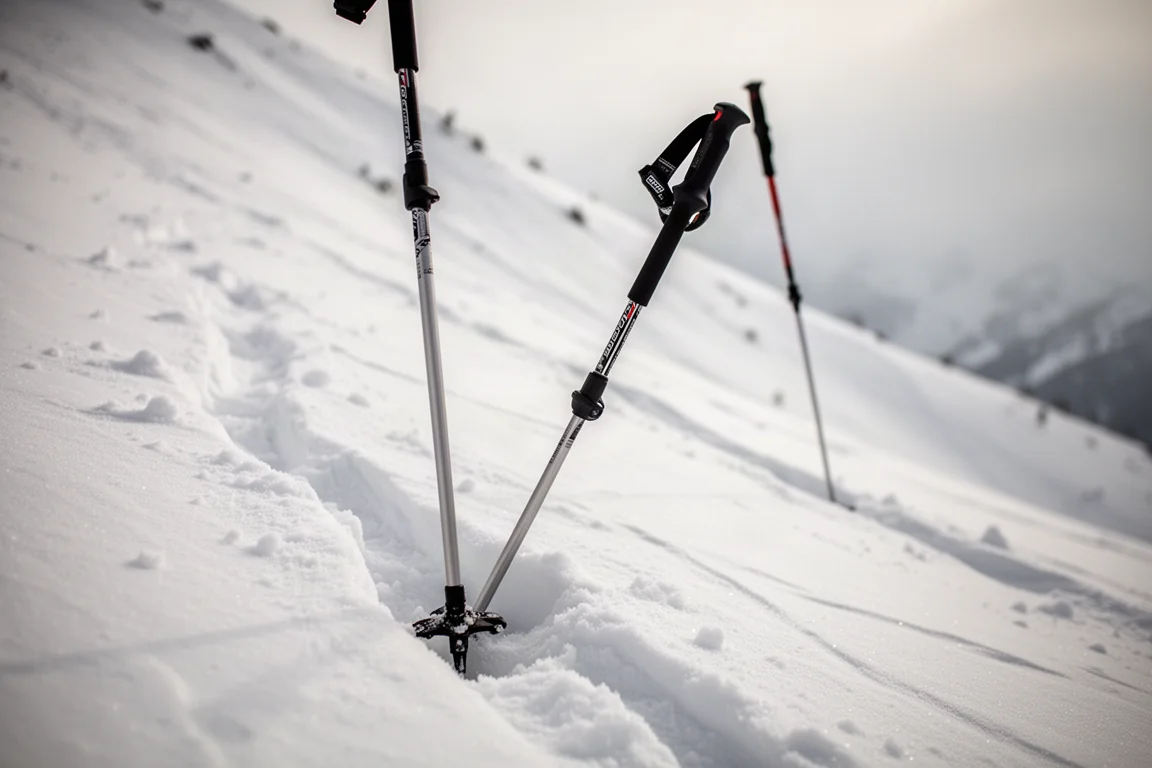
Because there is no bulky plastic basket assembly at the top, the pole also works as a first-level climbing tool. Punch it upside down into the snow as a pseudo ice axe before stepping up to a real axe. It handles everything from park laps to touring.
The Harness: Blue Ice Choucas Pro
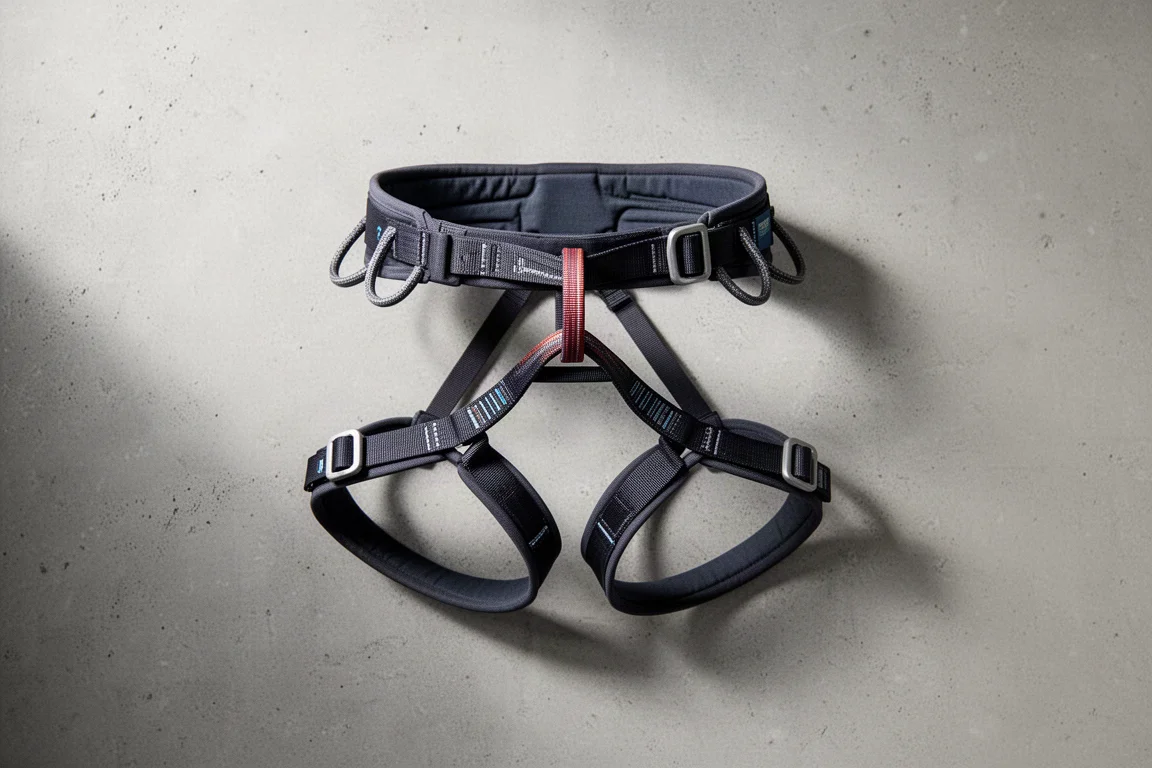
The Blue Ice Choucas Pro harness comes from a Chamonix brand that clearly understands ski mountaineering. It is very lightweight, packs down small, still carries gear properly, and is comfortable enough for a few rappels without pain. You would not take it big wall climbing, but for winter days where skiing is the goal and you might rappel into a line or belay a partner to check snow, it is exactly right.
It is light enough that you stop thinking twice about throwing it in the pack, which is the real test of a ski touring harness.
Bigger Missions: Black Crows Dorsa 37
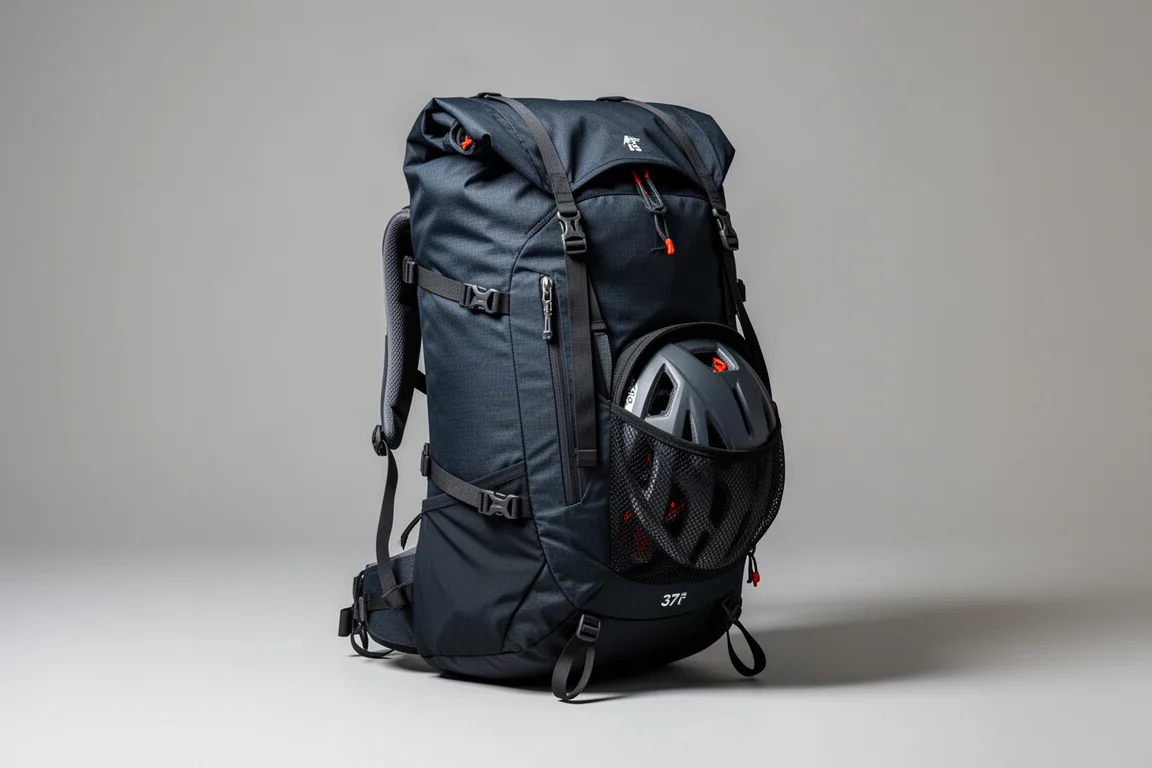
The Dorsa 37 is the pack for longer objectives: extra ropes, overnight snow cave trips, or days when you simply need more volume. It shares the feature set of the smaller 27 liter sibling, including a roll-top opening, side access so nothing hides at the bottom, a separate avalanche kit compartment that keeps snow out of your other gear, A-frame and diagonal ski carry, and double ice axe attachments. It adds a helmet net, which is a small thing that turns out to be very handy.
A note on volume: the 27 liter version swallows as much as other packs rated at 35 liters, so treat published capacities as loose comparisons between brands. For an everyday touring pack the smaller size is excellent; step up to the 37 when missions get bigger.
Buying Advice
Match the ski to the mission first. If you tour to ski big lines and want one quiver ski, the Draco Freebird is the pick. If your focus is vert, training and ultralight efficiency, the Mentis Freebird wins. If deep powder is the point, the Nocta delivers. For bindings, the Revolution suits minimal race-style setups, while the Free Rider 15 Evo is the safer all-around freeride choice with a real DIN 15 and excellent icing resistance. The Duos poles, Choucas Pro harness and Dorsa 37 round out a human-powered big mountain kit without adding meaningful weight.
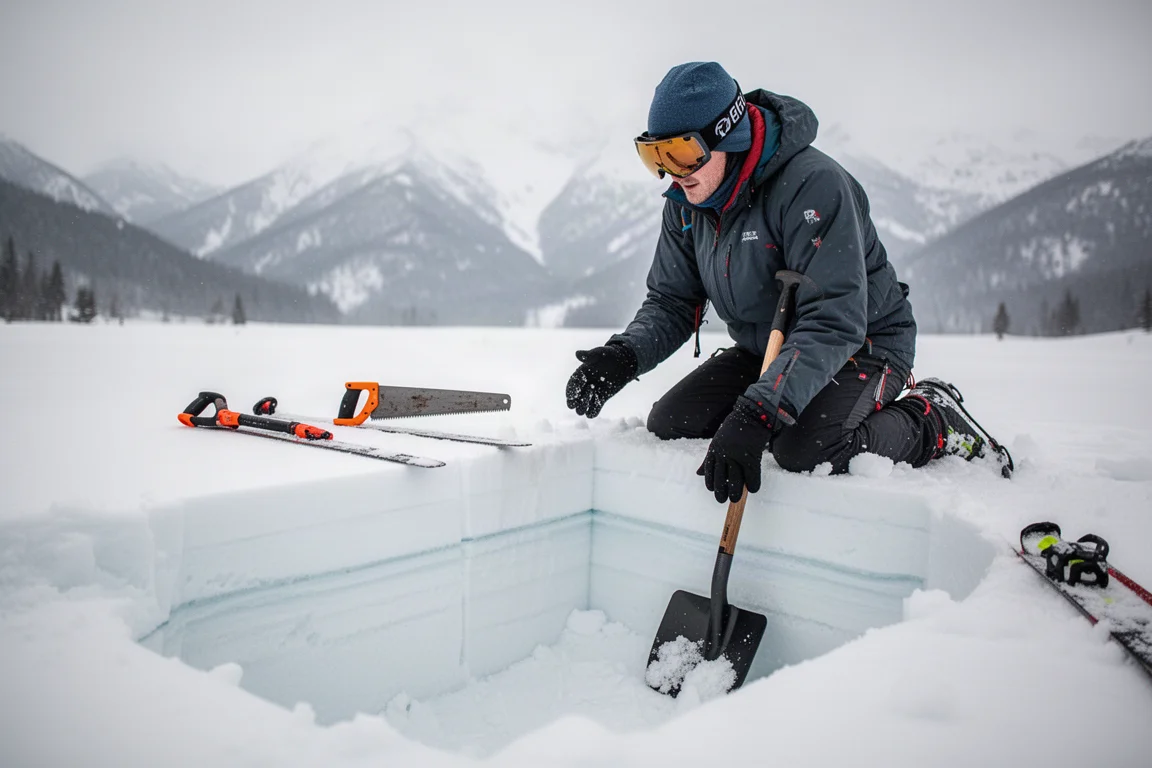
And a reminder that applies to all of this: avalanche safety gear and training come before any of the fun items. Helmet, transceiver, shovel and probe are non-negotiable, and a rope and harness for checking avalanche terrain is a tool worth learning to use on ordinary days, not just extreme ones.
Conclusion
The through-line in this gear is simple: nothing here asks you to choose entirely between going uphill efficiently and skiing well on the way down. The Draco Freebird proves a sub-2 kg ski can charge, the Free Rider 15 Evo shows a pin binding can be both light and trustworthy, and the smaller pieces are light enough to always be along for the ride. Pick the pieces that match the skiing you actually do, and the whole kit works together.
Further reading
Related Reviews
Ski Gear
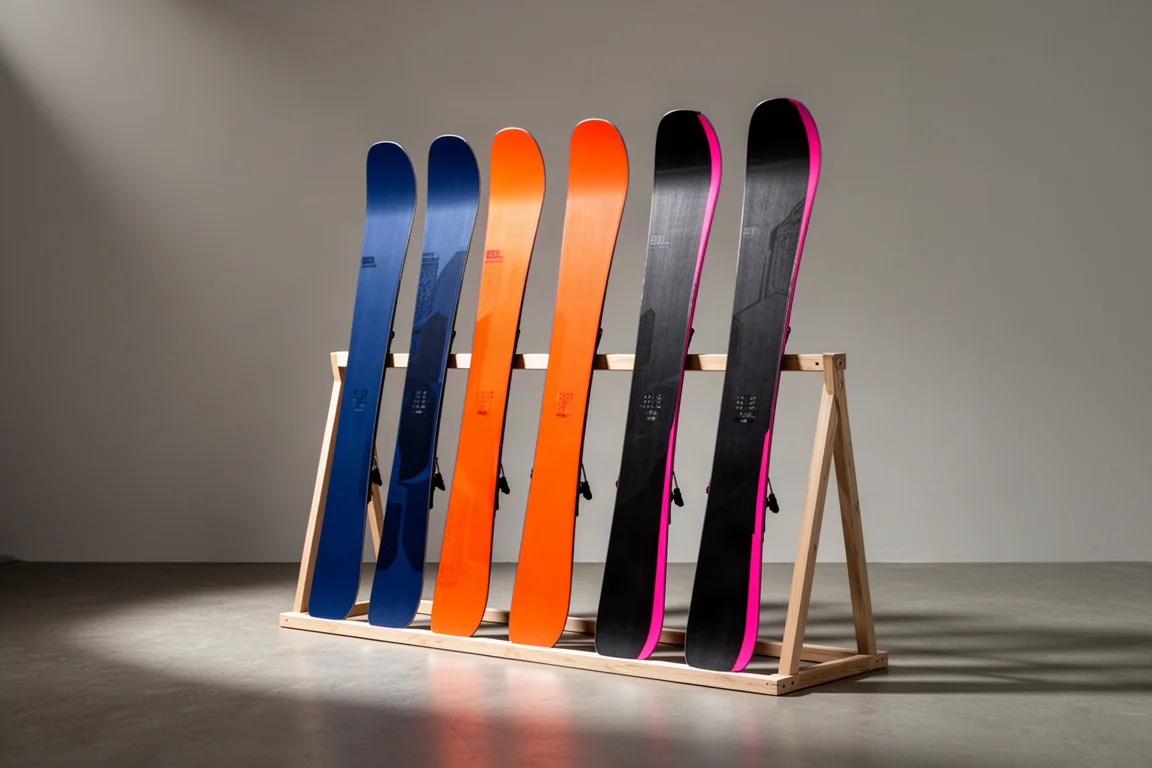
2023 Blizzard Hustle vs Rustler: Six Freeride Skis Compared
Blizzard's 2023 Hustle collection rebuilds the Rustler shape with a lighter core and no metal. Here is how all six skis differ, and which one suits your riding.
Ski Gear
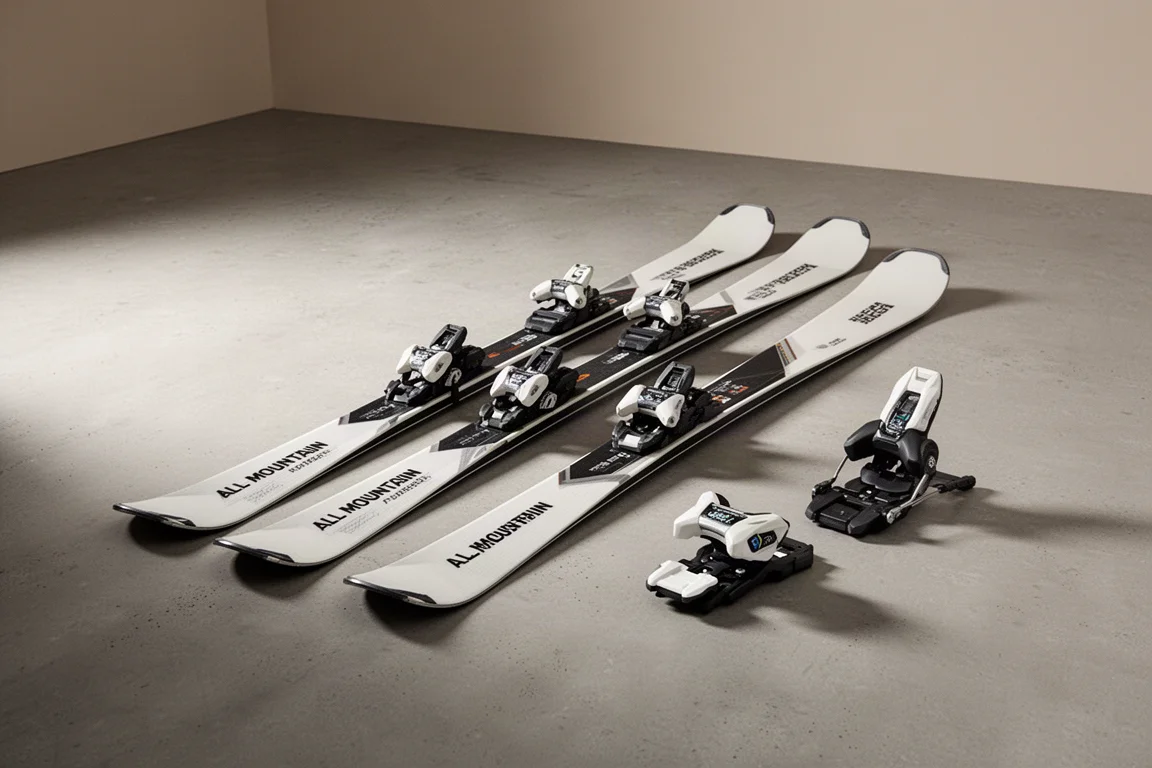
2023 Skis of the Year: Atomic Maverick 88 TI, Salomon QST 106, and Look SPX 12 Pro
Three standout ski picks for all-mountain carving, powder days, and reliable binding performance, with practical buying notes for 2023 models.
Ski Gear
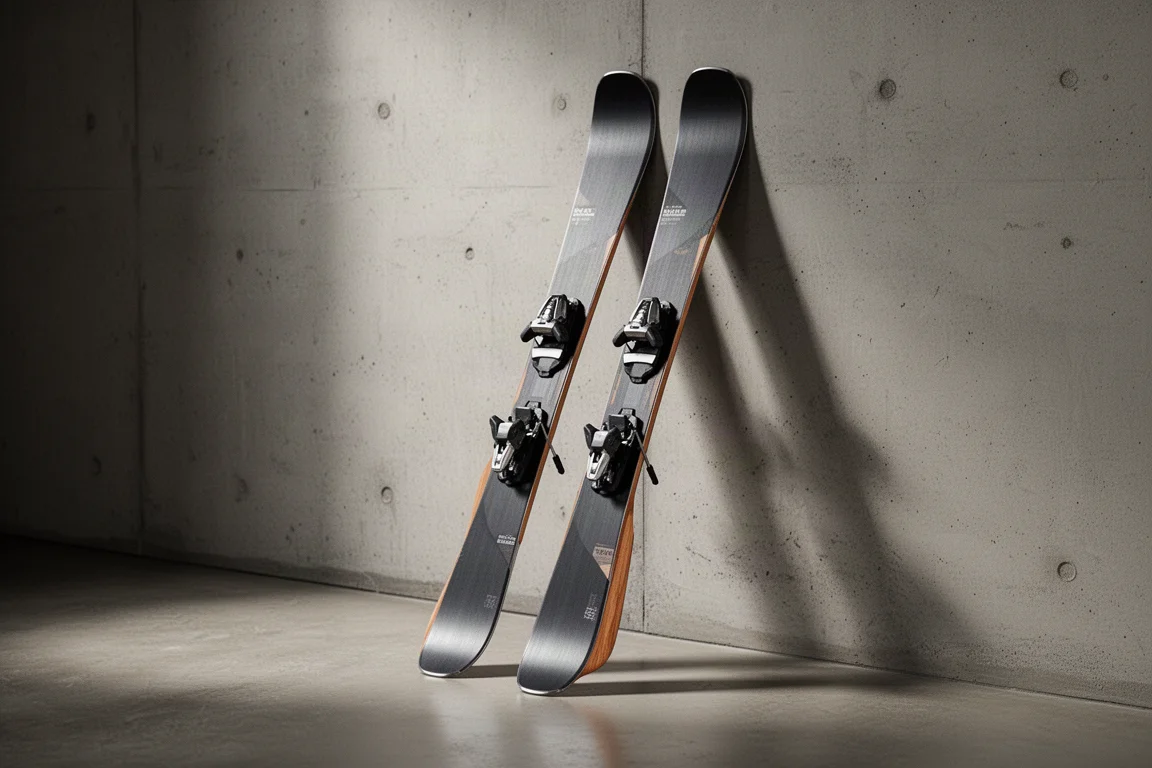
2025 Nordica Enforcer 104 Review: A Directional Charger Replaces the 104 Free
The 2025 Nordica Enforcer 104 drops the Free name and the twin-tip personality, gaining weight, stiffness and composure in rough snow. Here is what changed and who it suits.