Camping Gear
Bivvy Tent and Butane Stove Heater: Two Camping Gear Upgrades Worth Testing
A field-tested look at a compact bivvy tent with an awning extension built into the fly, and a butane stove heater that warms a shelter and heats food from one canister.
Introduction
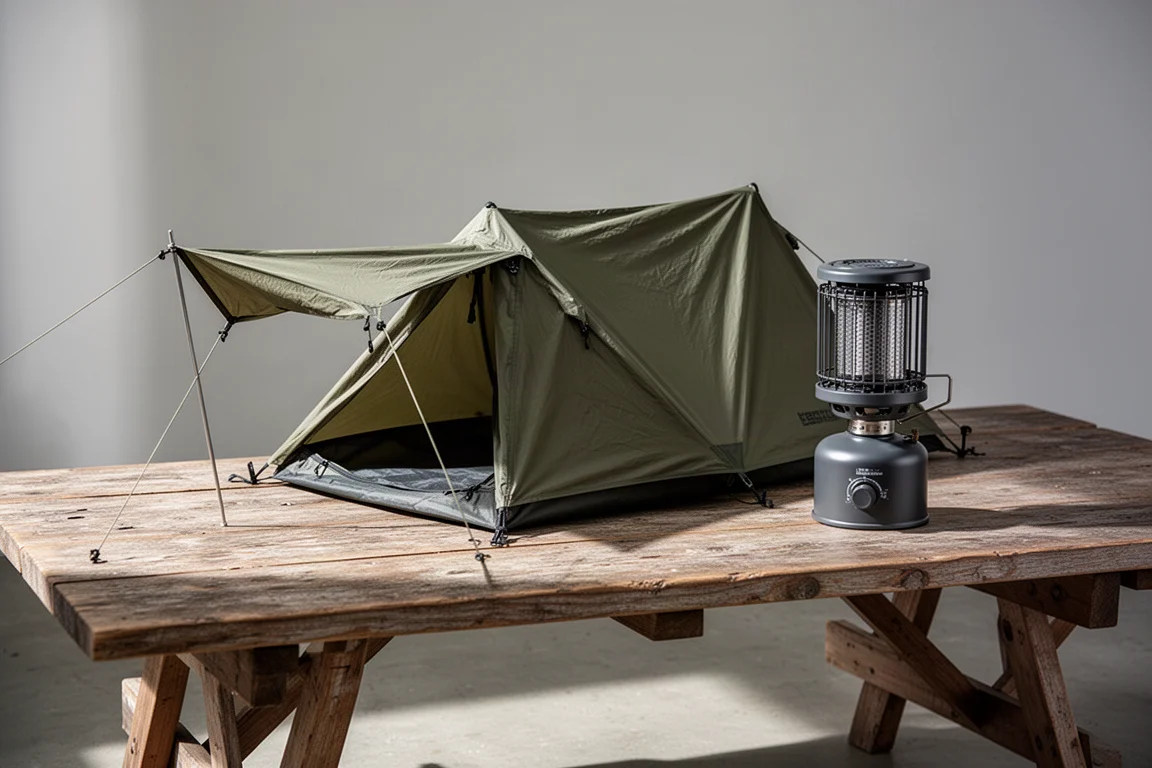
Some camping upgrades are about comfort. Others are about staying dry and warm when the weather turns. The two pieces of gear here sit firmly in the second category: a compact bivvy tent with a genuinely unusual rain feature, and a butane stove heater that warms a shelter and heats food from the same canister.
Both were put through an overnight trip at a national forest campsite, with rain arriving in light, sporadic bursts and temperatures ranging from the high 30s to near 60 degrees Fahrenheit. Here is what each one does well, and where the trade-offs sit.
What We Looked For in Shelter and Heat Gear
Three things matter most when choosing gear for a night out in changeable weather. First, does it keep you dry without sealing you into a stuffy box? Second, does it work without a long setup window when rain is minutes away? Third, does it hold up well enough to trust on a longer backpacking trip rather than a single car camping night?
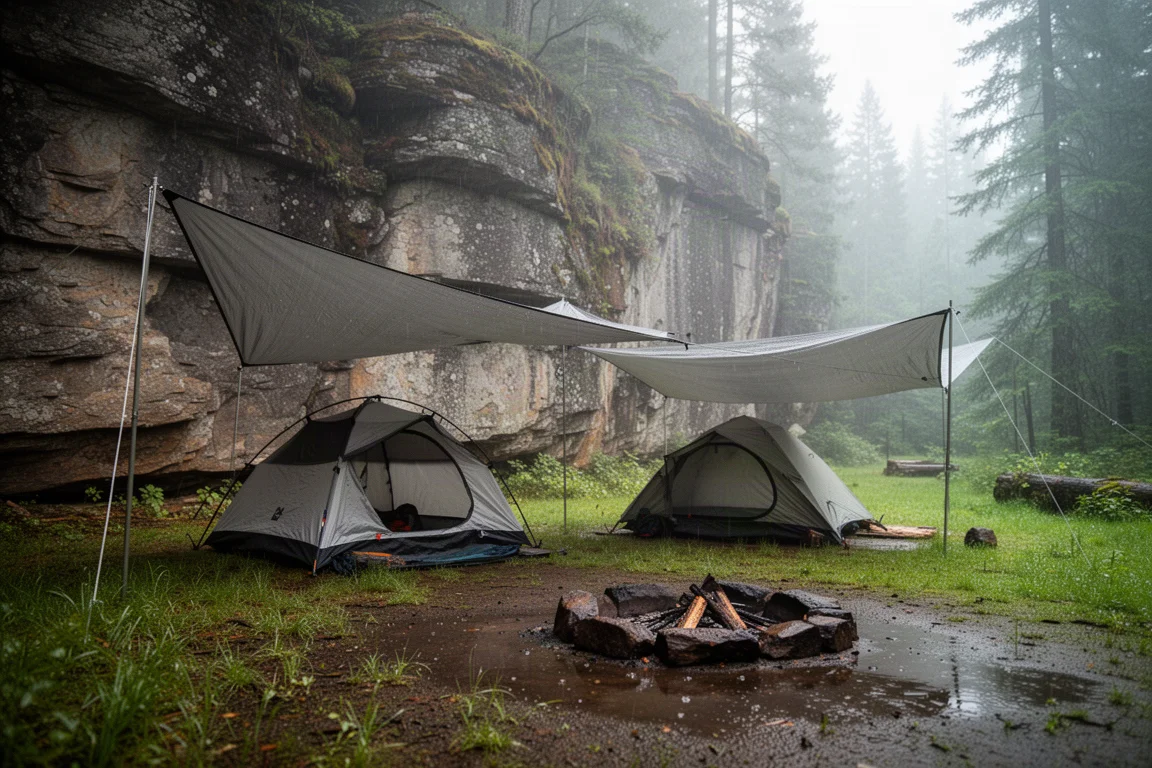
That third point is worth spelling out. Testing new shelter gear close to a vehicle, with a tarp and a car as fallback options, is a sensible way to learn how a system behaves before committing to it on a remote route. A shelter that stays dry in a light drizzle is not the same as one that stays dry in a downpour, and honest testing means being clear about which conditions were actually experienced.
OneWind Bivvy Tent: Awning Protection Built Into the Fly
Most bivvy tents with an awning share the same weakness. When rain starts, the awning has to be closed down, because water running off the fly finds its way inside. OneWind has approached this differently by building an awning extension into the fly itself.
That extension panel can be left in place while it rains, which means the awning keeps working as an awning instead of being sacrificed for weather protection. The panel is also reversible in orientation: angled outward, it favors airflow; wrapped around the other way, it offers more coverage. Choosing between the two is a straightforward trade of ventilation against protection.
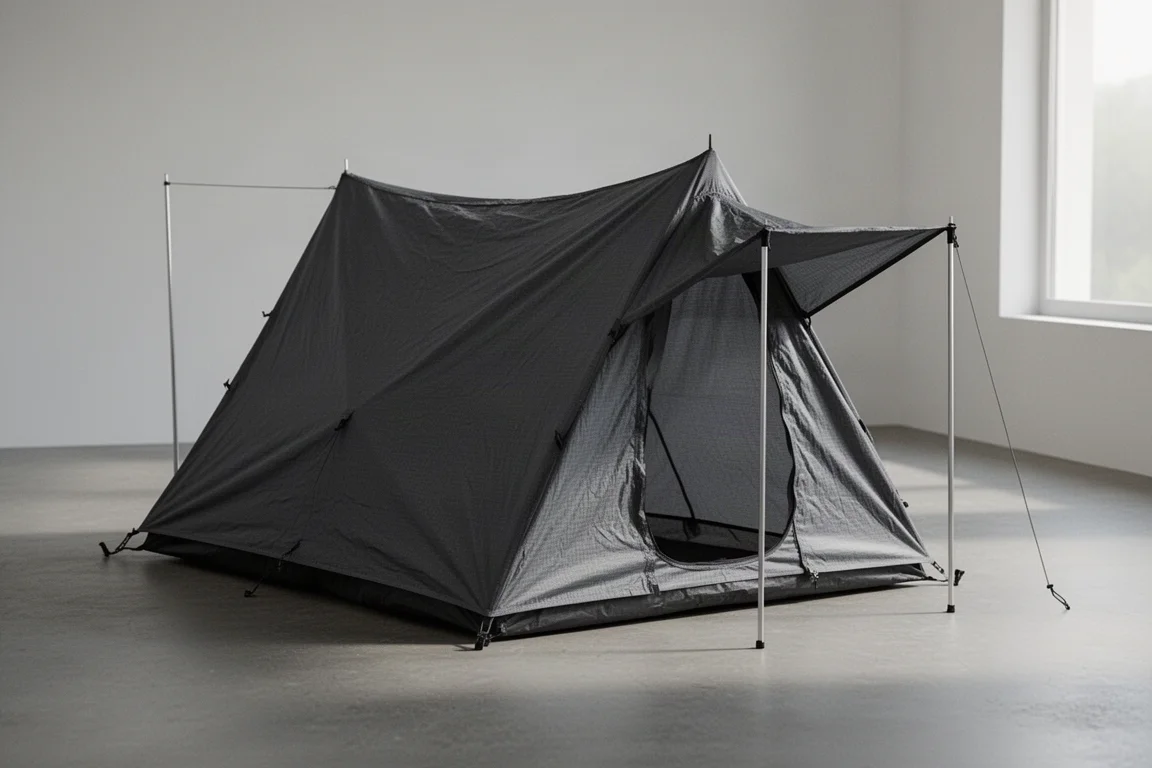
Overnight, the tent stayed dry with the awning left open, ventilation was strong, and no condensation formed inside. It is a small shelter by design, and the fly stops short of an extension panel at the foot end, which is the one obvious place the design could go further. It is also worth noting that the rain that night was light and sporadic rather than a soaking test, so the waterproofing result is encouraging rather than conclusive.
Naturehike Stove Heater: Butane Heat and Cooking From One Canister
The second piece of gear is a dual-purpose unit. The Naturehike stove heater runs on butane and works both as a heater for a tent or vehicle and as a stove for simple cooking.
Heat output is the headline. On its high setting the unit is powerful enough to warm a space quickly, and even pointed away from the user it still throws noticeable warmth. That same high setting burns through fuel at a fast rate, so the adjustable dial matters more than it first appears.
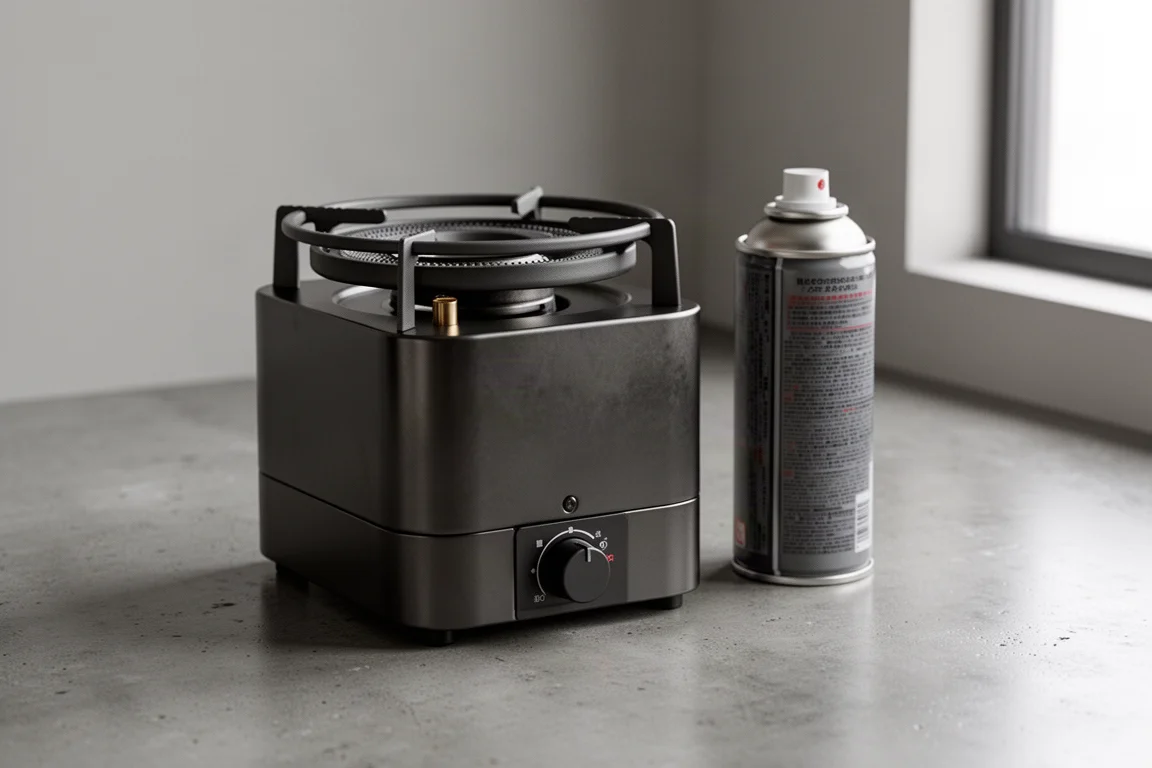
Dialed down to a low setting, the unit still releases a meaningful amount of heat. Across an overnight session mixing high and low output, it ran for roughly nine hours on a single canister, which is longer than a comparable unit that runs for about six. Used mainly as a heater, it performs very well. Used as a stove, it performs acceptably: it warms food and drinks efficiently, but it is not a fast boiler.
Shelter Performance in Steady Rain
Rain arrived in the late afternoon, light enough to hear but barely feel, and again around three in the morning with a little more conviction. The ground ended up damp rather than soaked, and a fire was only lit once conditions were wet enough to be safe.
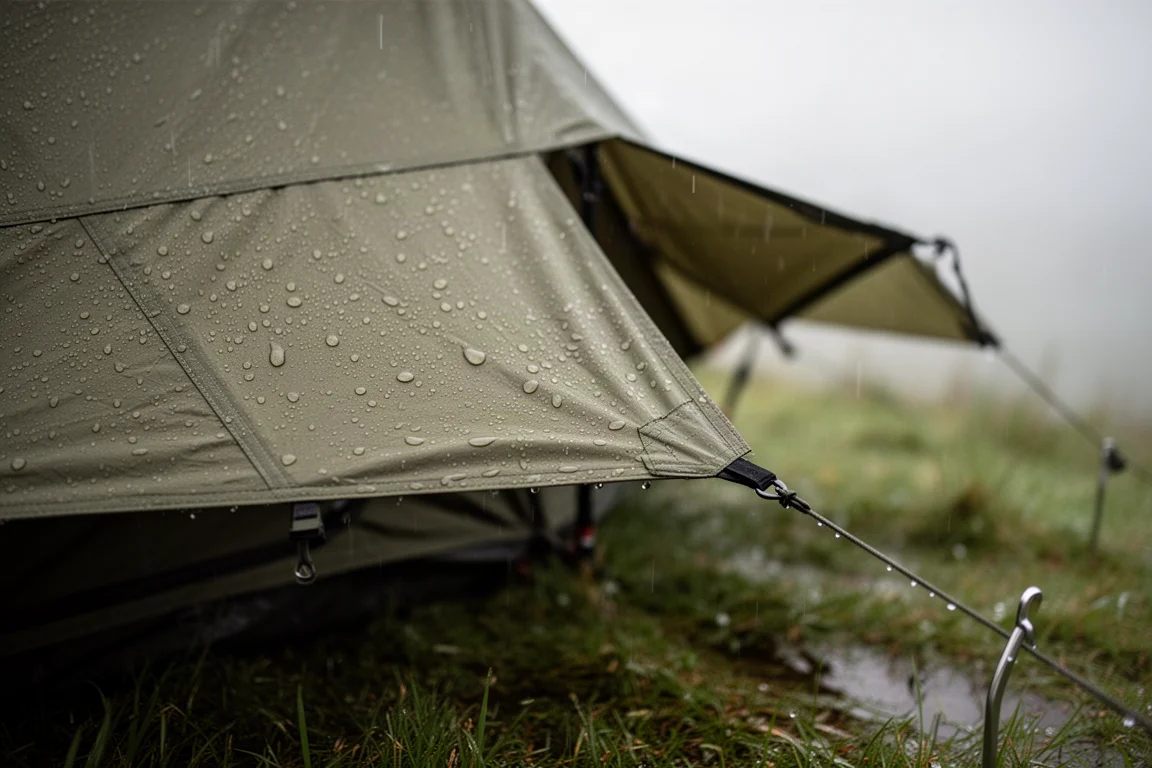
Inside the bivvy tent, the awning stayed open through it all and the interior stayed dry. That combination of an open awning and a dry floor is the whole point of the design, and it held up in the conditions that actually occurred. The caveat is straightforward: a light, sporadic night is not the same as sustained heavy rain, and anyone planning for exposed weather should treat this as encouraging rather than proven.
Heat Output, Fuel Use, and Realistic Runtime
The stove heater’s strongest argument is flexibility. Cranking it to maximum releases a lot of heat and consumes fuel quickly, which is useful for a short burst of warmth in a cold shelter. Dropping to the lowest setting keeps a small space comfortable for hours.
That range is what produces the long runtime. Fuel economy at low output is where the unit separates itself from simpler heaters, and it is also what makes it practical for an overnight rather than a brief warm-up. The trade-off sits on the cooking side. Bringing a small kettle of water to a boil took considerably longer than expected, so this is a unit for reheating and warming rather than for real cooking.
Comfort, Ventilation, and Packability
Ventilation was a genuine strength of the shelter. An open awning plus airflow through the fly kept the interior free of condensation, and sleeping conditions were comfortable through a night that hovered in the high 30s. It is a compact tent, so interior space is limited by design, but the airflow makes that compactness easier to live with.
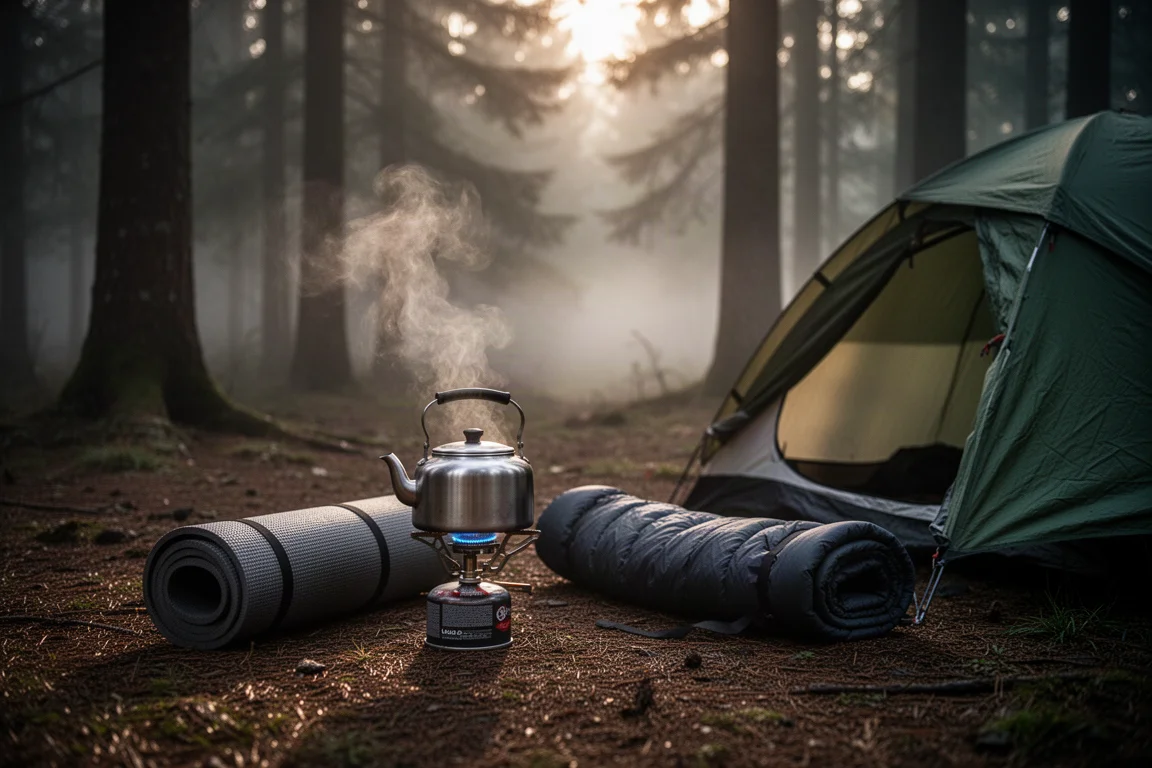
On the heating side, comfort comes down to control. A unit that can be turned down low is easier to live with overnight than one that only knows how to run hot, and the ability to warm a space gradually rather than in a single blast is what makes a butane heater usable for sleeping rather than just for drying out gear.
Who Each Product Suits Best
The bivvy tent suits backpackers and minimalist campers who want a small, light shelter and value an awning they can keep up in the rain. Campers who want a dry place to sit and cook outside the sleeping area will get the most out of the extension panel. Anyone who needs generous interior volume should look elsewhere, and anyone planning for sustained heavy rain should test the shelter thoroughly before relying on it.
The stove heater suits campers who want warmth and simple food heating from one butane canister, especially those who spend evenings in a tent or vehicle in cool conditions. It is a poor fit for anyone who expects to boil large volumes of water quickly.
Buying Advice Before You Choose
Think about the conditions you actually camp in, not the worst case you can imagine. The tent’s strongest feature only pays off if you camp in places where rain arrives while you are still sitting outside, and the heater’s strongest feature only pays off if you need warmth for hours rather than minutes.
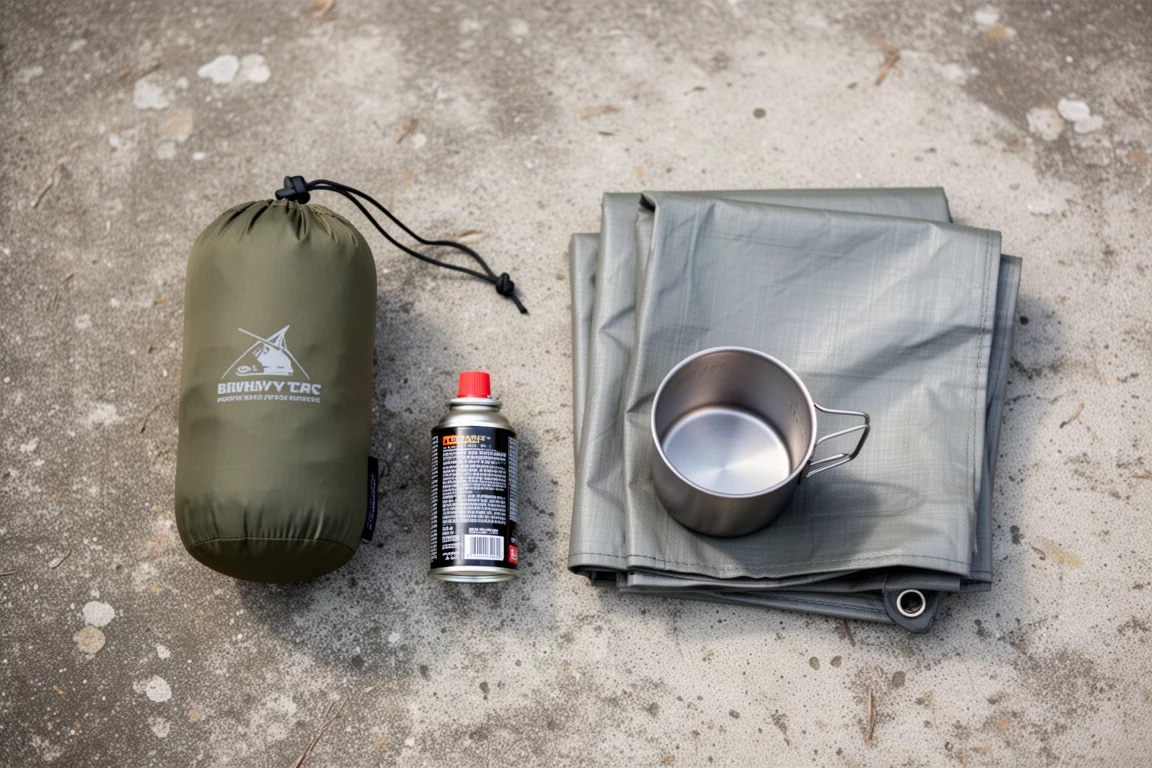
If both fit your habits, they complement each other well: a small shelter with usable rain coverage, paired with a heat source that can run through the night on a single canister. If you are only replacing one item, choose the one that solves the problem you run into most often. And whichever you pick, test it close to home or close to your vehicle first, so you learn its limits somewhere with a fallback.
Conclusion
Two pieces of gear, two clear purposes. The OneWind bivvy tent brings a genuinely new idea to a familiar format with an awning extension built into the fly, and it stayed dry and condensation-free in the rain it faced. The Naturehike stove heater delivers strong, adjustable heat and an impressively long runtime on one canister, while remaining a warming device rather than a fast cooking stove. Match either one to the way you actually camp, and both are easy to recommend.
Further reading
Related Reviews
Camping Gear
3FUL Ultralight Ground Sheet Review: A Two-Person Footprint Worth Packing
A 6.7 oz two-person ground sheet in ripstop silnylon, priced around $30. Here is what it protects, what it does not do, and who should pack it.
Camping Gear
Backcountry Light Dual-Function Tarp and Floor Review: A Footprint First
A dual-purpose tent floor and tarp that keeps falling rain off you, but cannot block wind. Here is where it works and where it does not.
Camping Gear
Best 2-Person Camping Mattresses for Couples: 10 Options Compared
A practical comparison of ten two-person camping mattresses, covering self-inflating pads, air pads and air mattresses for couples.