Bikepacking
Bikepacking Setup Comparison: Trail, Gravel, and Downhill Bikes Tested
We tested Old Man Mountain racks and bags on three different bike types to see which setup works best for bikepacking adventures.
Introduction
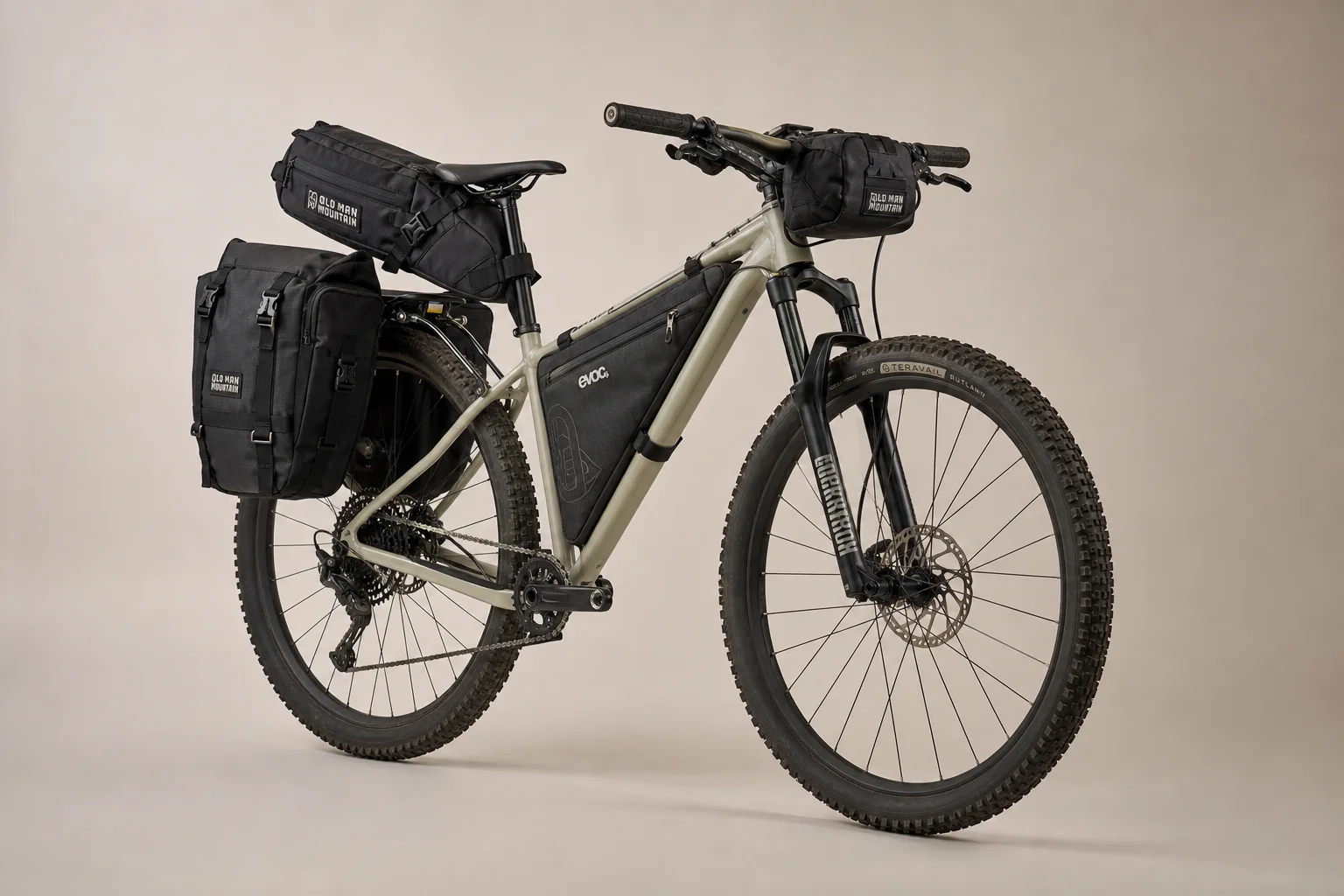
Bikepacking combines the freedom of backpacking with the speed and range of cycling. The question is: which bike type handles the job best? We tested Old Man Mountain racks and bags across three very different platforms to find out.
Trail Bike Setup: Enduro Packing
Starting with familiar territory, we equipped two trail bikes with Old Man Mountain racks and bags. The installation proved straightforward, with fit kits available for different frame shapes and sizes.
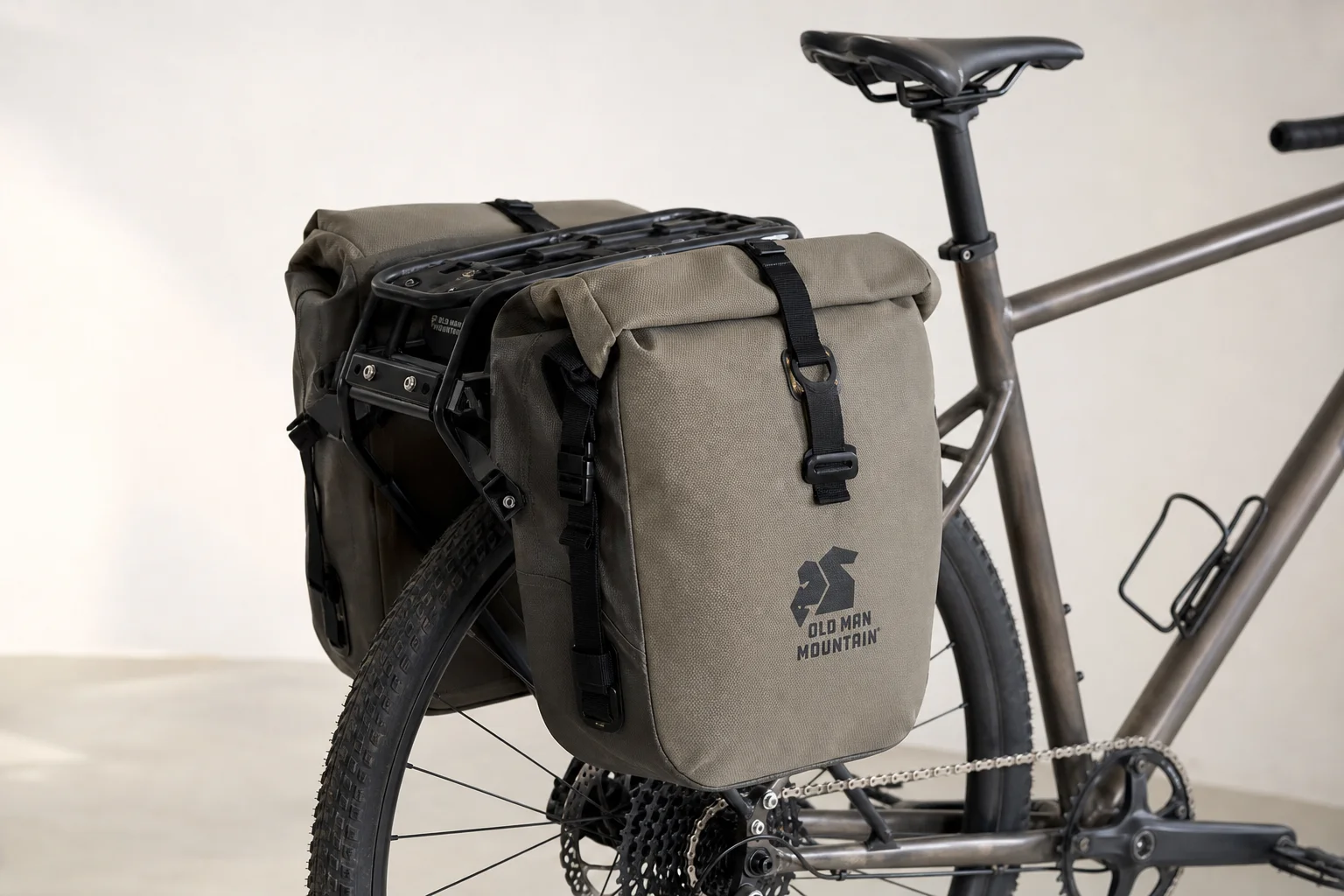
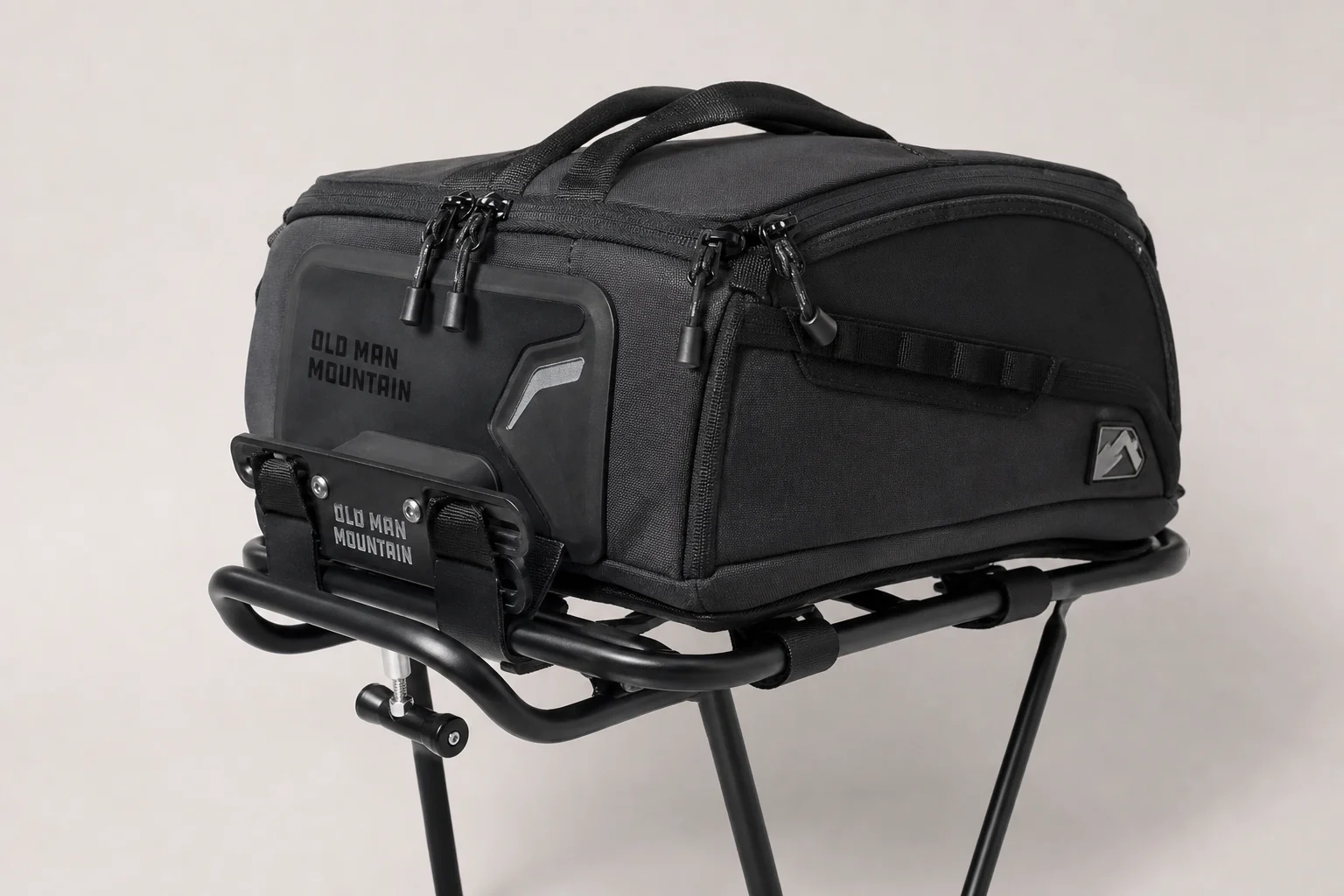
We paired Old Man Mountain Panniers and trunk bags with EVOC frame bags to maximize storage capacity. The setup kept weight on the bikes rather than on our bodies, which made a noticeable difference on longer rides.
On smooth gravel, the loaded bikes felt responsive and easy to manage. Climbing revealed the weight penalty, but the bikes remained stable and predictable. Descending with a full load required careful line choice and trust in the racks, but everything stayed secure even over rough terrain.
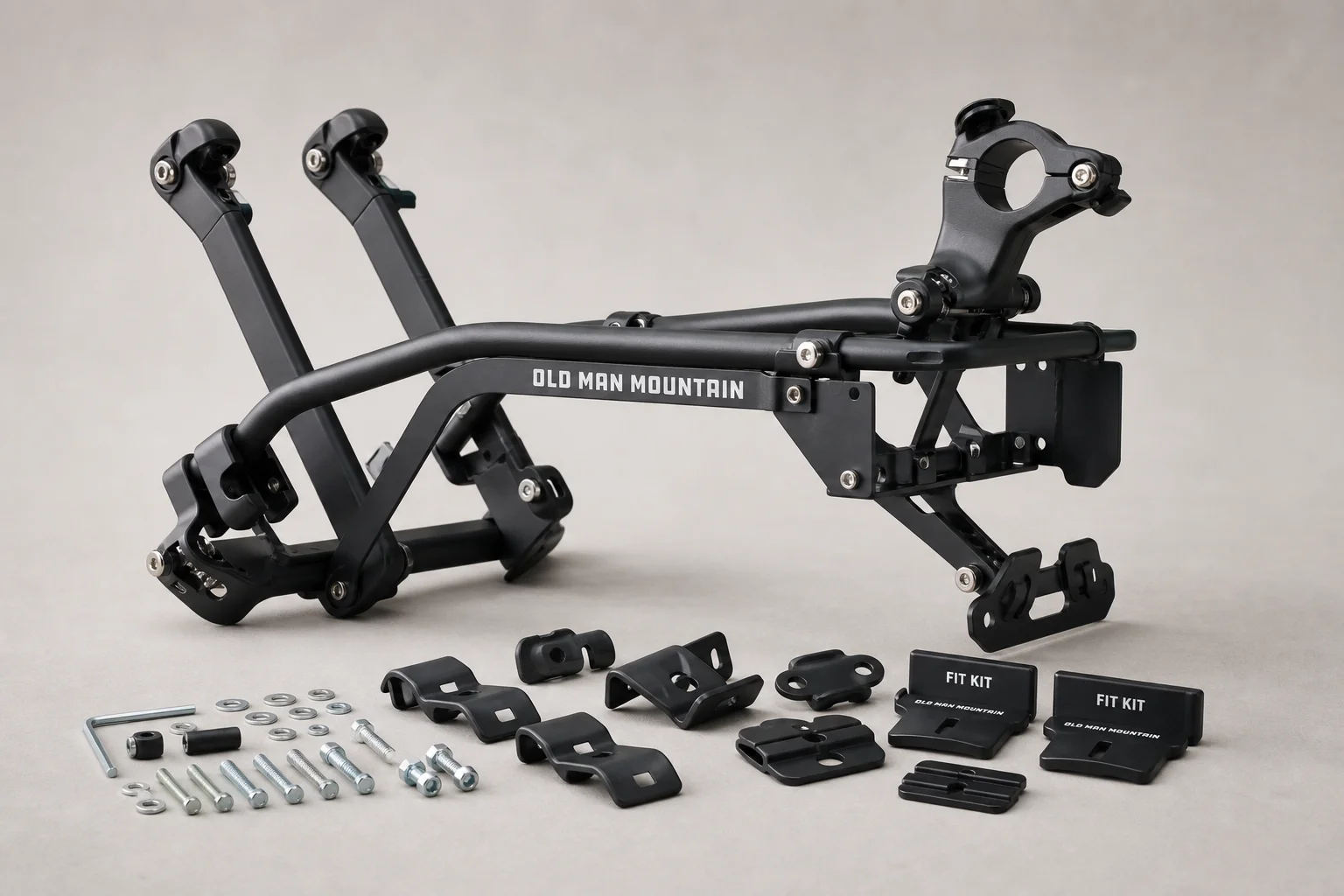
The trail bike proved to be the most versatile platform, handling both technical terrain and heavy loads without complaint.
Gravel Bike Setup: Fast and Capable
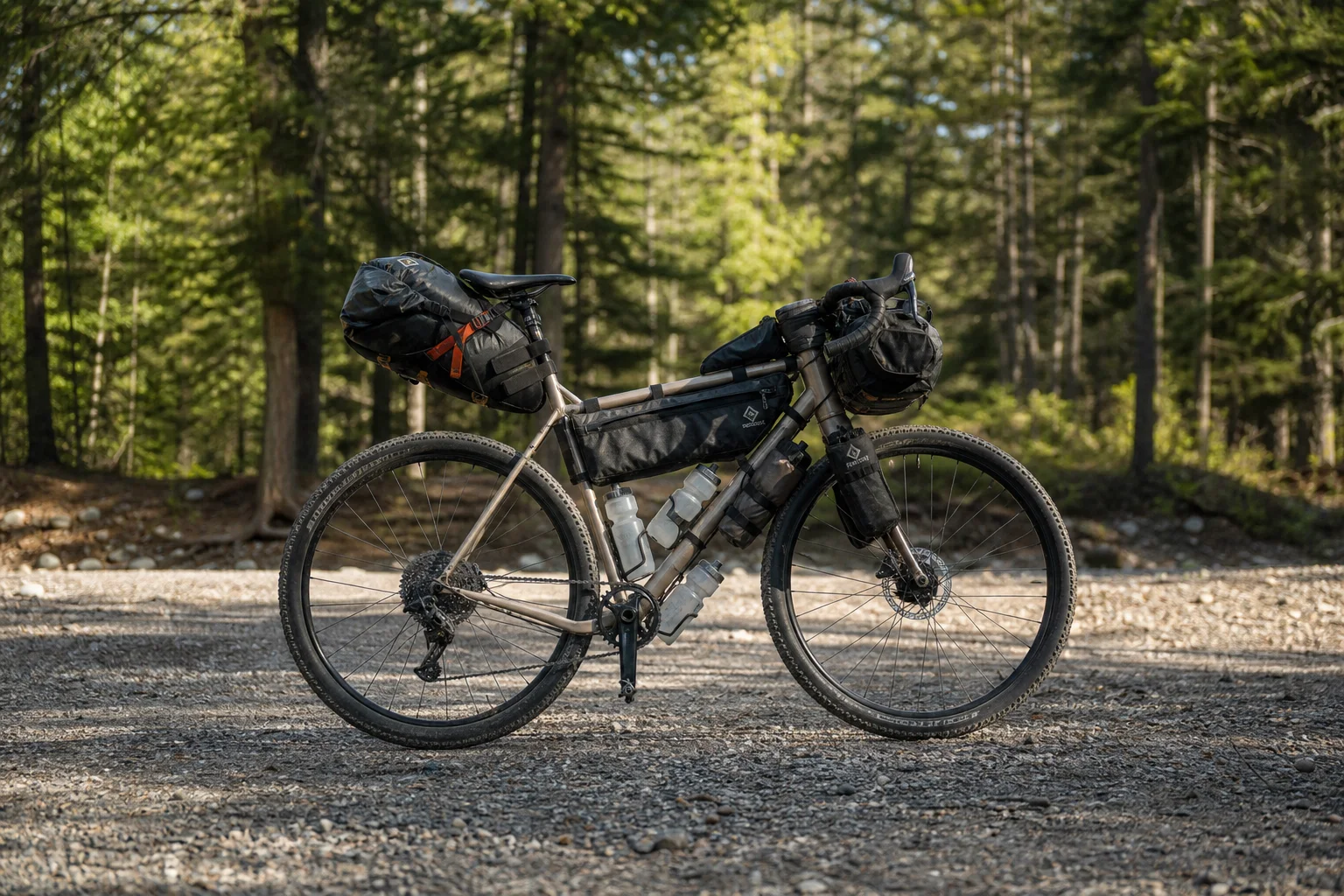
Switching to gravel bikes meant lighter packing and a focus on speed. The same rack installation process applied, but we adjusted our bag configuration for a slightly different weight distribution.
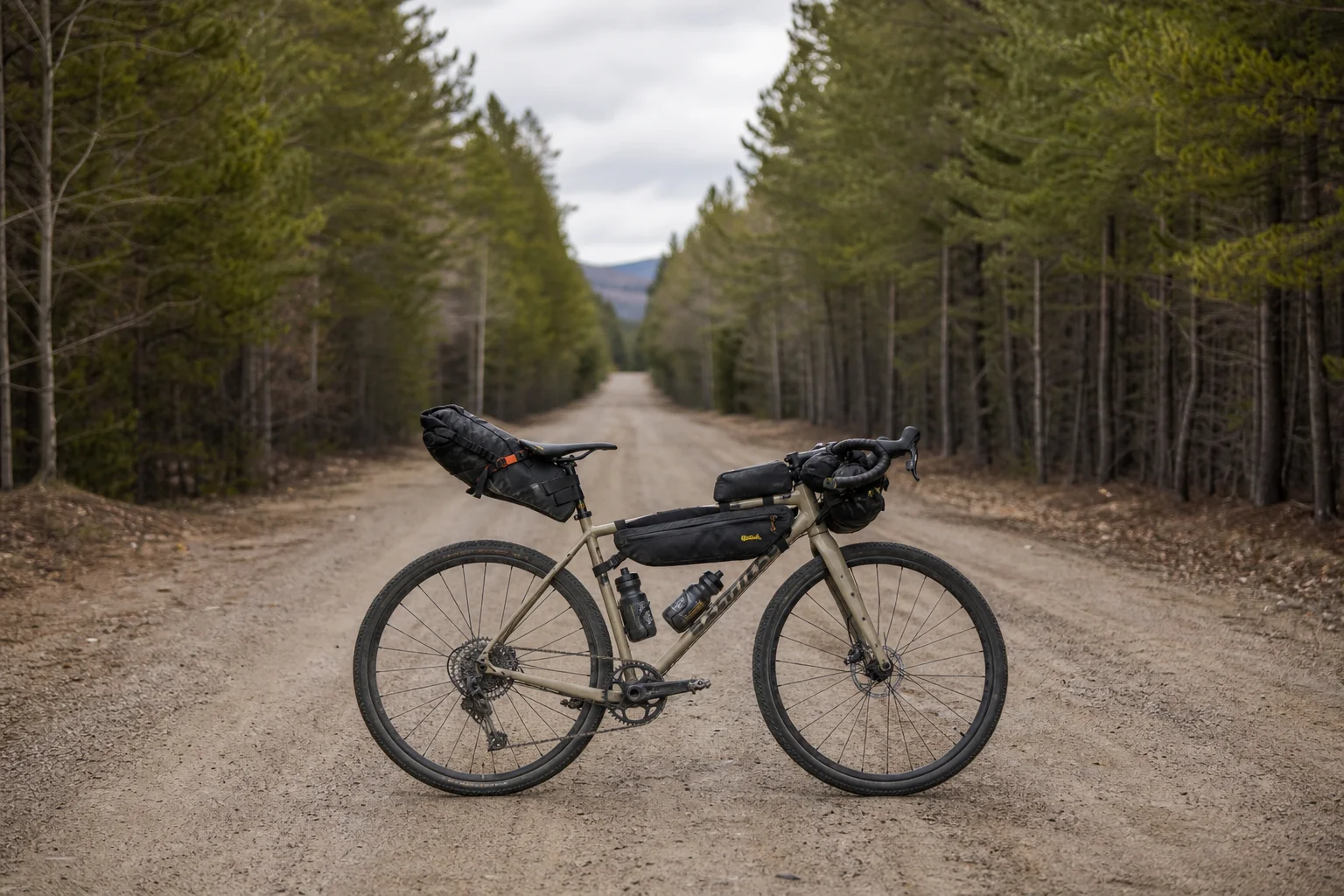
Even with smaller bags, the gravel setup accommodated hammocks, cooking gear, clothing, and food with room to spare. The lighter overall load made climbing easier and descending more confident than the trail bike test.
Gravel bikes excel at covering distance quickly, even when fully loaded. The drop bars and efficient geometry meant we could maintain higher speeds on forest roads and smooth terrain. Flat tires and clipless pedals proved to be the real challenge on this platform, not the bags or racks.
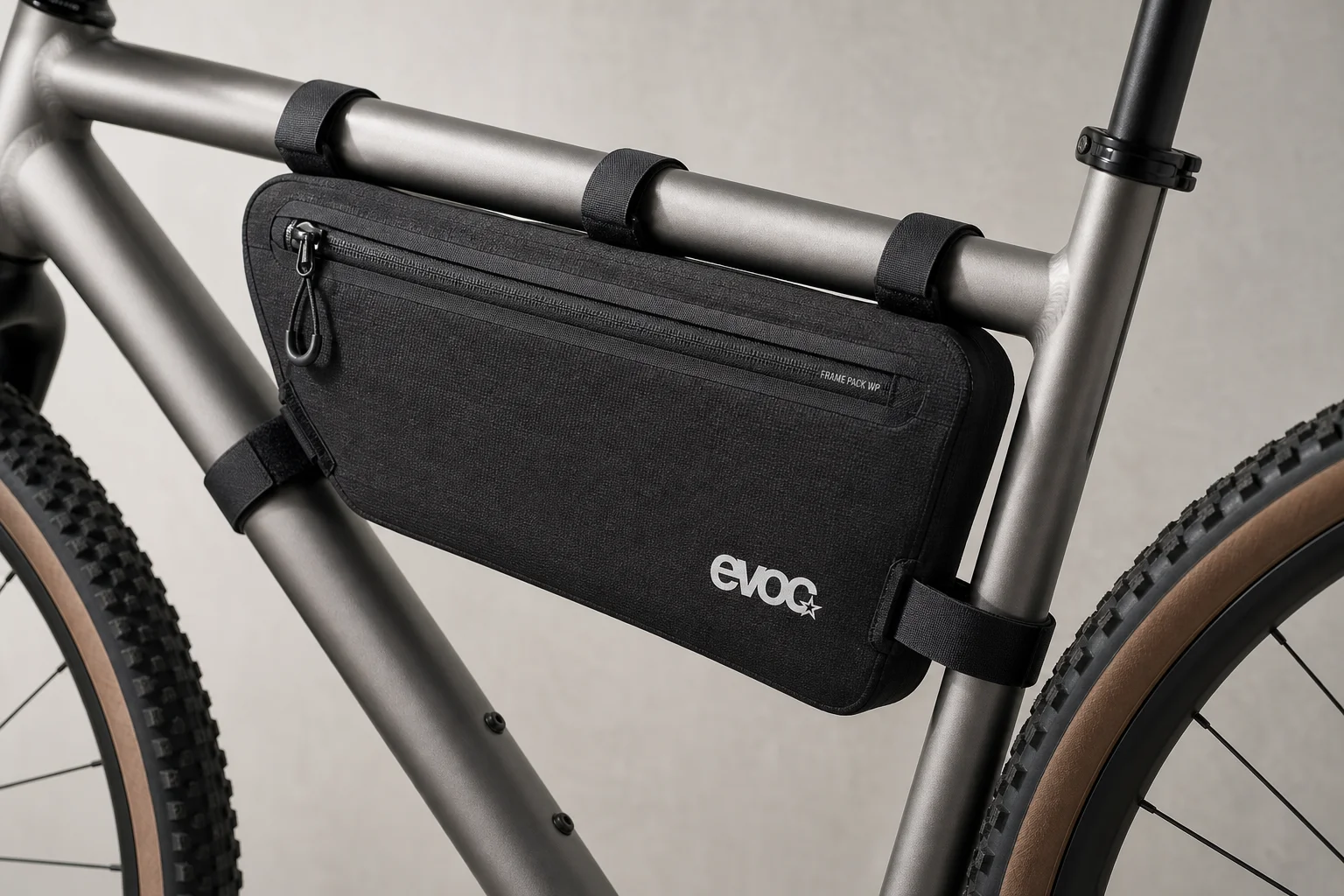
The gravel bike allowed us to travel farther and faster, making it ideal for longer bikepacking routes where speed matters.
Downhill Bike Setup: The Experiment
For the final test, we loaded downhill bikes with the same rack and bag setup. This was more of a proof-of-concept than a practical recommendation.
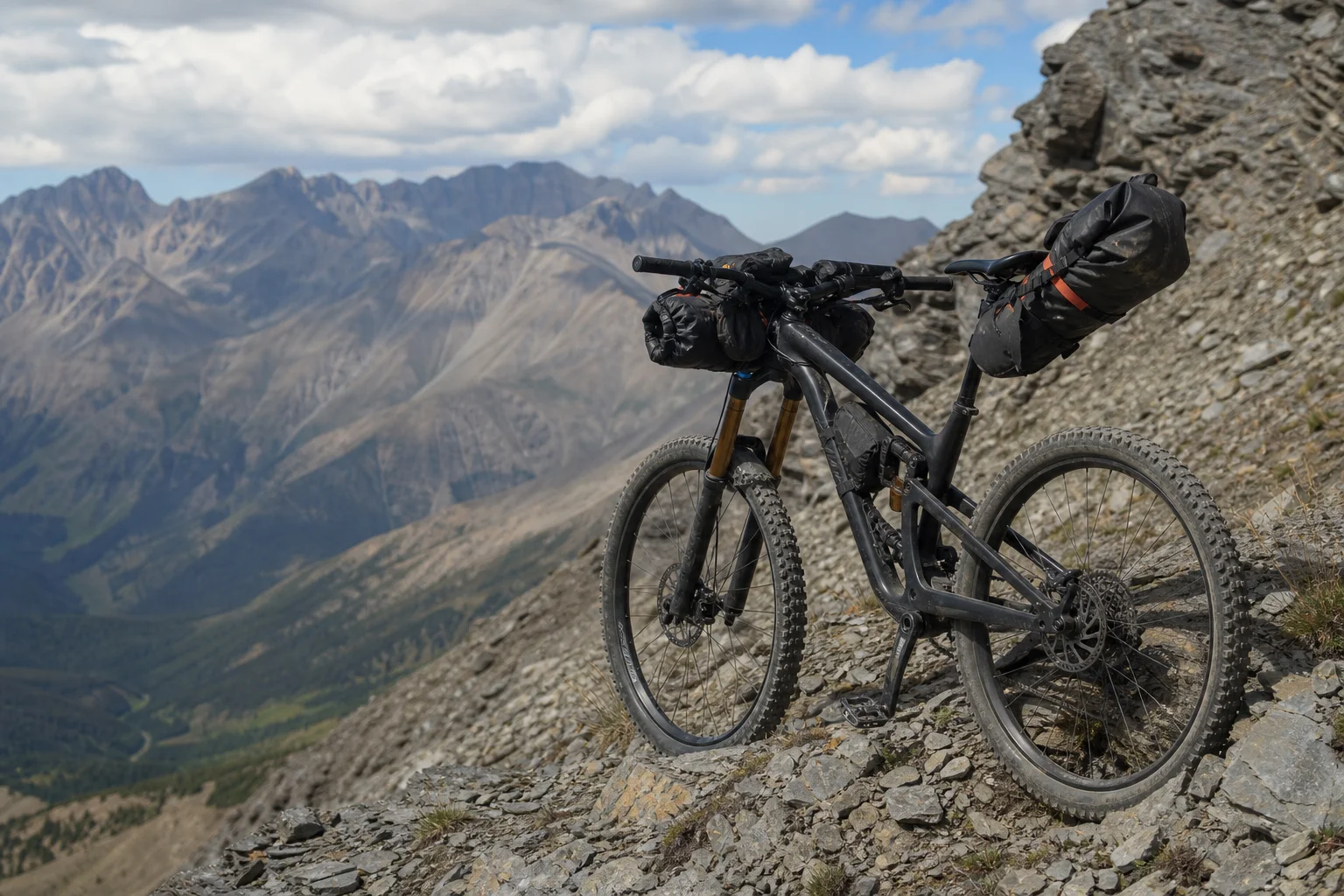
Downhill bikes are engineered for descending, not climbing. With a full bikepacking load, climbing became nearly impossible without assistance. The geometry and lack of easy gears made even moderate grades exhausting.
On the descent, however, the bikes performed admirably. The suspension absorbed impacts from rough terrain, and the racks held everything securely even over jumps and rock gardens. The experience was fun but impractical for actual bikepacking trips.
The downhill bike test confirmed that not every bike is suited for bikepacking, regardless of how good the racks and bags are.
Which Bike Wins for Bikepacking?
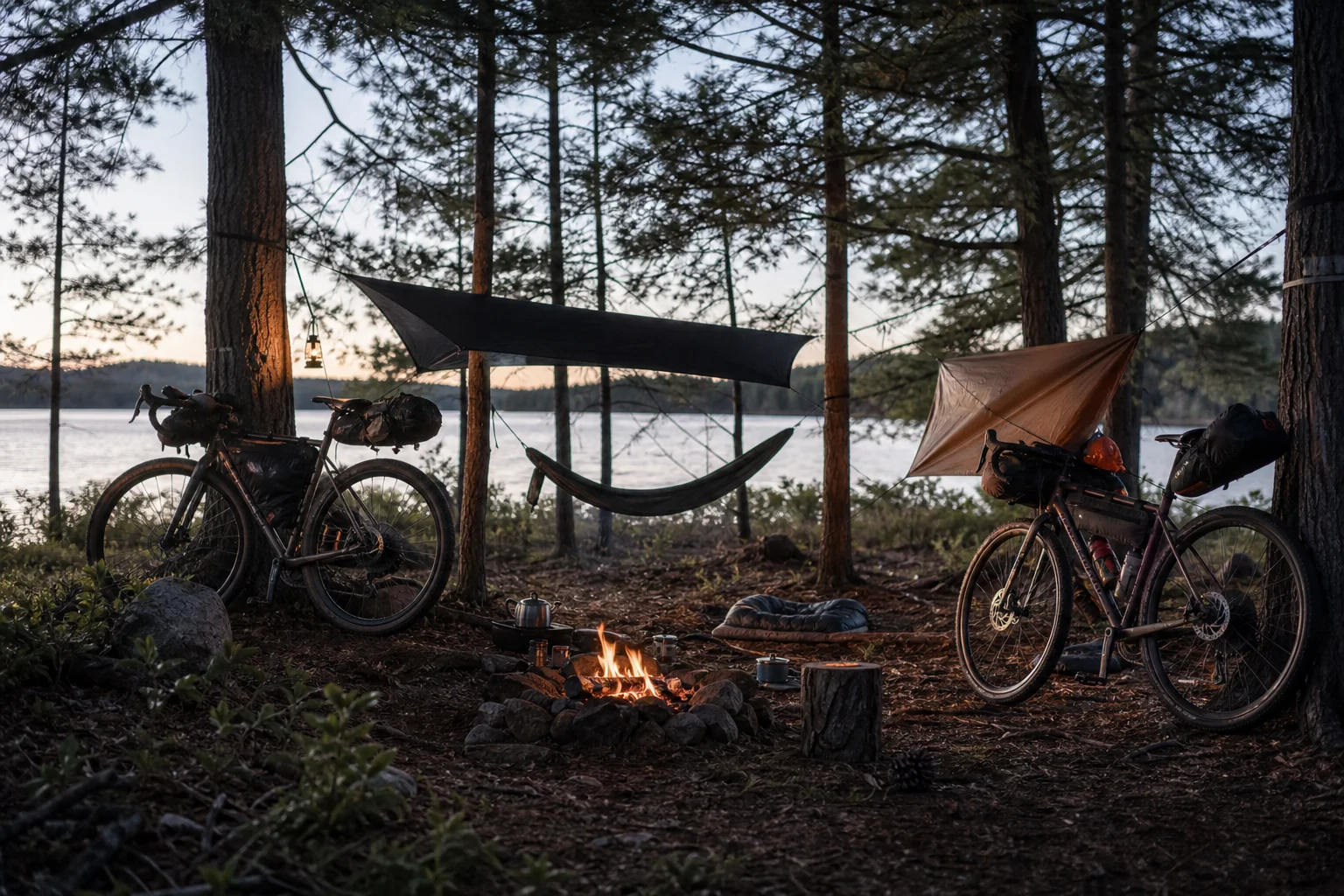
The trail bike emerged as the most balanced choice, offering the ability to carry everything needed while still enjoying the trails you love. It handles technical terrain, climbs reasonably well, and descends confidently with a full load.
The gravel bike wins for distance and speed, allowing you to cover more ground faster even when fully loaded. If your bikepacking routes emphasize forest roads and smooth terrain, the gravel bike is the better choice.
The downhill bike, while fun to experiment with, is best left for shuttle-assisted descents. Climbing with a full load on a downhill rig is a lesson in patience and leg strength.
Conclusion
Old Man Mountain racks and bags proved reliable across all three bike types, with straightforward installation and solid performance even in demanding conditions. The real variable is the bike itself. Choose a platform that matches your intended routes and riding style, and the right rack and bag system will handle the rest.
Further reading
Related Reviews
Bikepacking
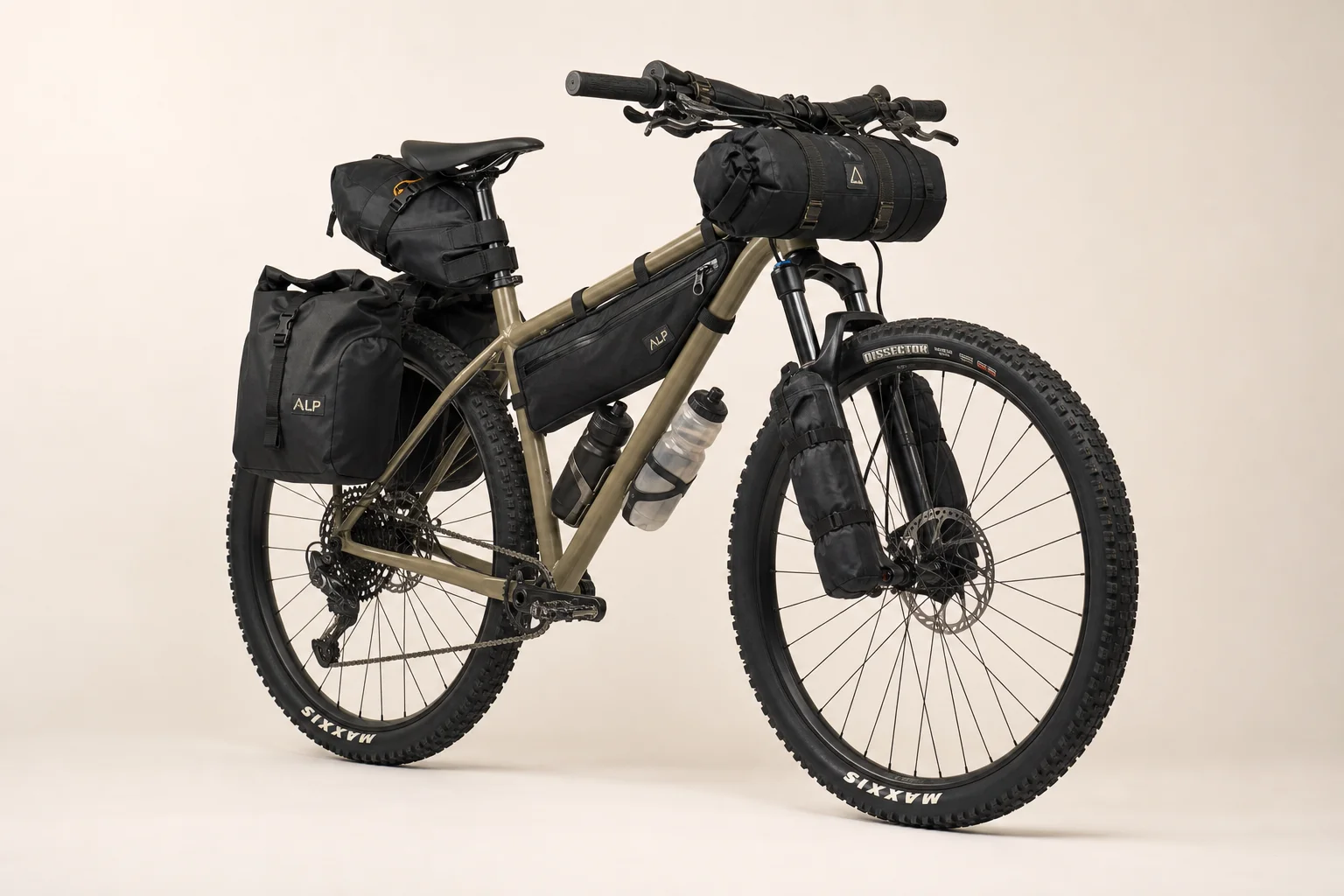
Bikepacking Gear Updates 2026: What Changed After Two Years
A practical update on bikepacking setup changes, from new bikes and fork mounts to handlebar bags and dropper posts, with honest assessments of what worked and what didn't.
Bikepacking
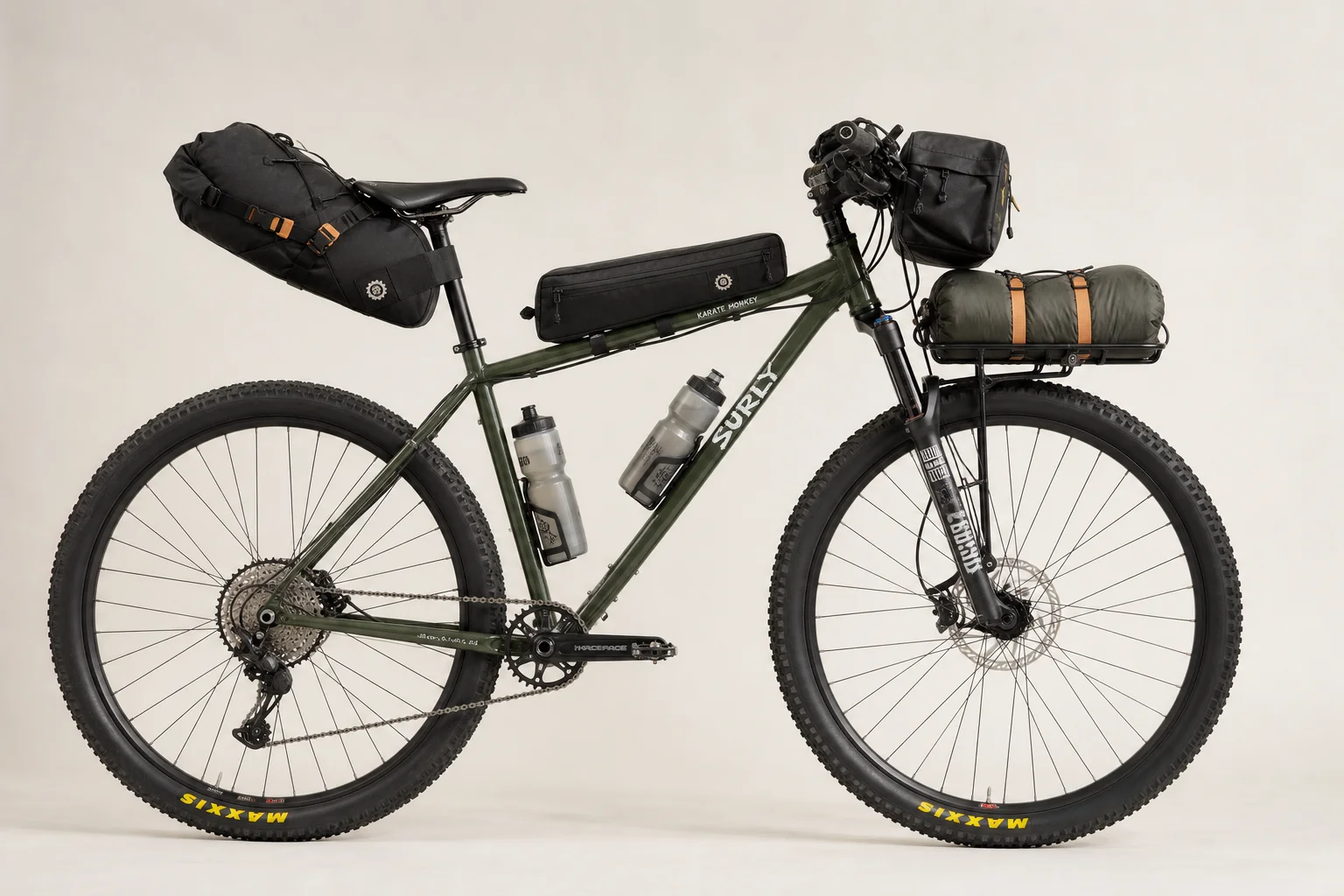
Complete Bikepacking Setup for Desert Routes: Tested on the Golden Jack Rabbit
A lightweight, practical bikepacking configuration for hardtail mountain bikes, tested on an 80-mile desert route with sand, rock, and zero water sources.
Bikepacking
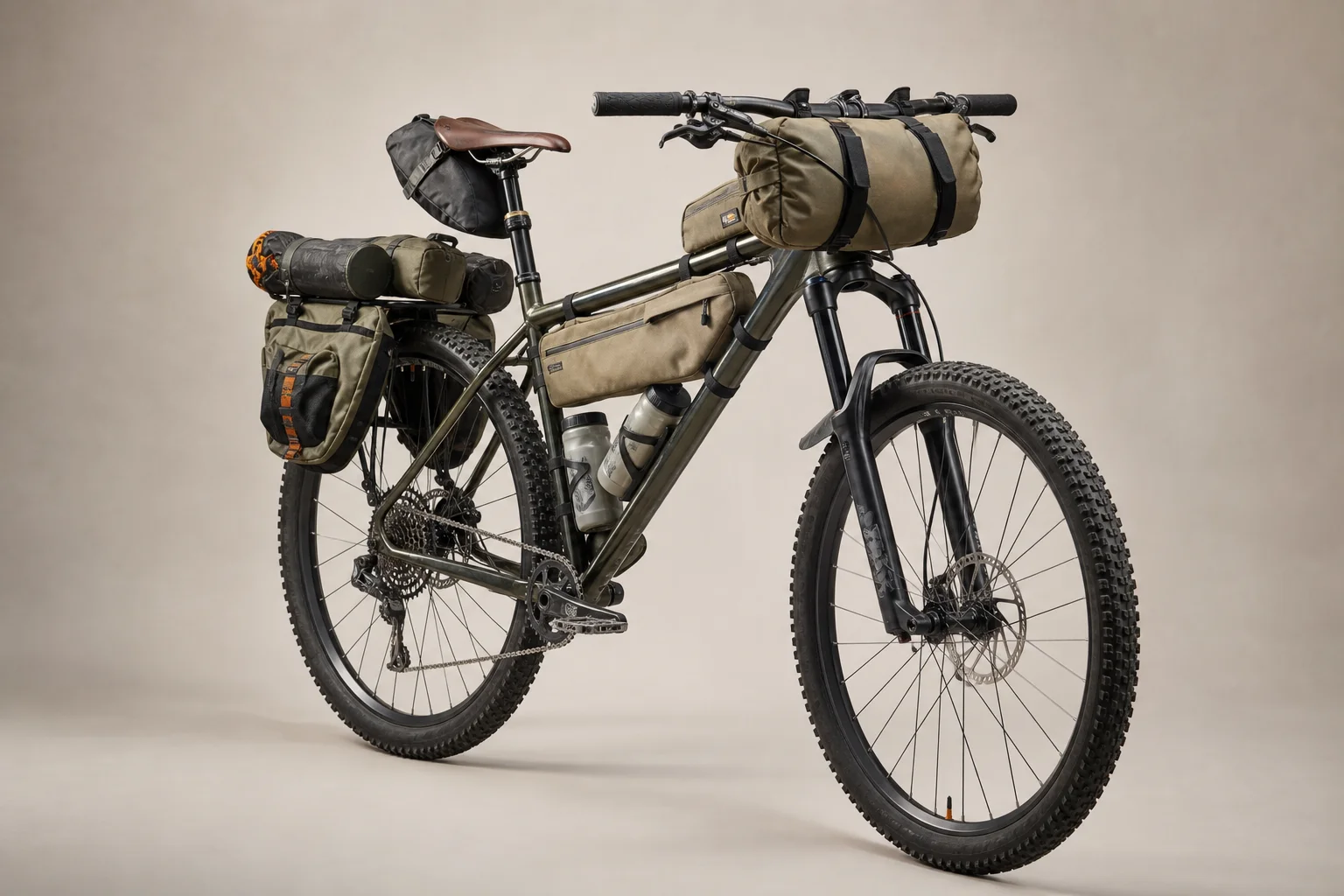
Bikepacking Setup for Hardtail Mountain Bikes: A Tested Golden Jack Rabbit Route Build
A complete bikepacking setup for hardtail mountain bikes, tested on the Golden Jack Rabbit route with practical bag placement, water carrying, and gear organization strategies.