Cycling Upgrades
Bike Upgrades Worth Buying: A Practical Tier List for 2026
Eight bike upgrades that genuinely change how a bike rides, plus the parts that rarely justify their price and how to decide what to buy first.
Introduction
Few things in cycling are as satisfying as changing one small part and feeling the difference on the very next ride. Some upgrades make a bike faster, some make it more comfortable, and some simply make it feel more expensive than it is. The hard part is knowing which changes are worth the money and which are mostly decoration.
This guide covers the upgrades that reliably deliver on their promise, along with a short list of parts that rarely justify their price. The aim is simple: help you spend on the changes you will actually notice every time you ride.
What Makes a Bike Upgrade Worth It
Three questions separate a worthwhile upgrade from an expensive experiment. First, does it change how the bike rides or how you feel on it? Second, is the cost reasonable for the benefit? Third, can it be fitted safely without specialist knowledge, or does it need a professional?
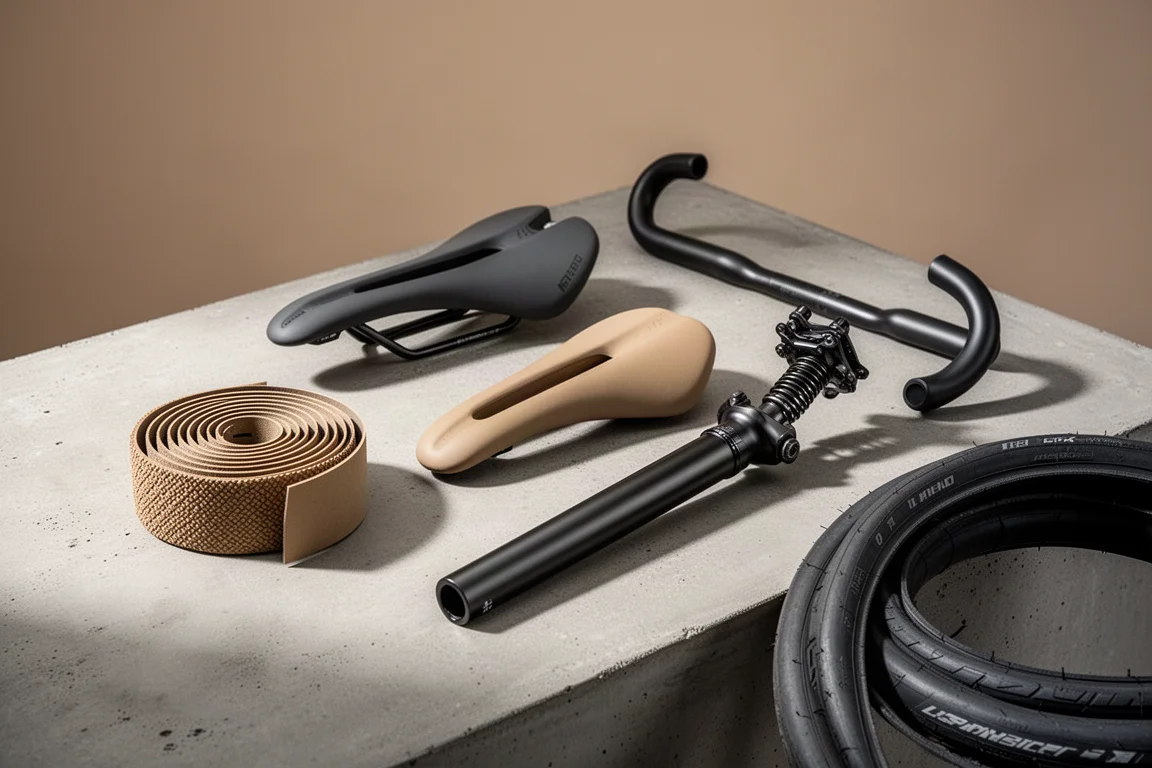
Parts that sit between you and the bike tend to score best. Tires, bar tape, saddles and handlebars are in constant contact with the rider, and body position matters more than almost anything bolted to the frame. Upgrades that only shave grams, or that add a handful of watts in laboratory conditions, are much harder to feel in normal riding.
It also helps to be honest about your goal. A rider chasing speed, a rider chasing comfort on long rough rides, and a rider who simply wants the bike to feel nicer all end up with different shopping lists. The sections below are organised around those real-world priorities rather than around price alone.
Supple Tires: Specialized Turbo Cotton
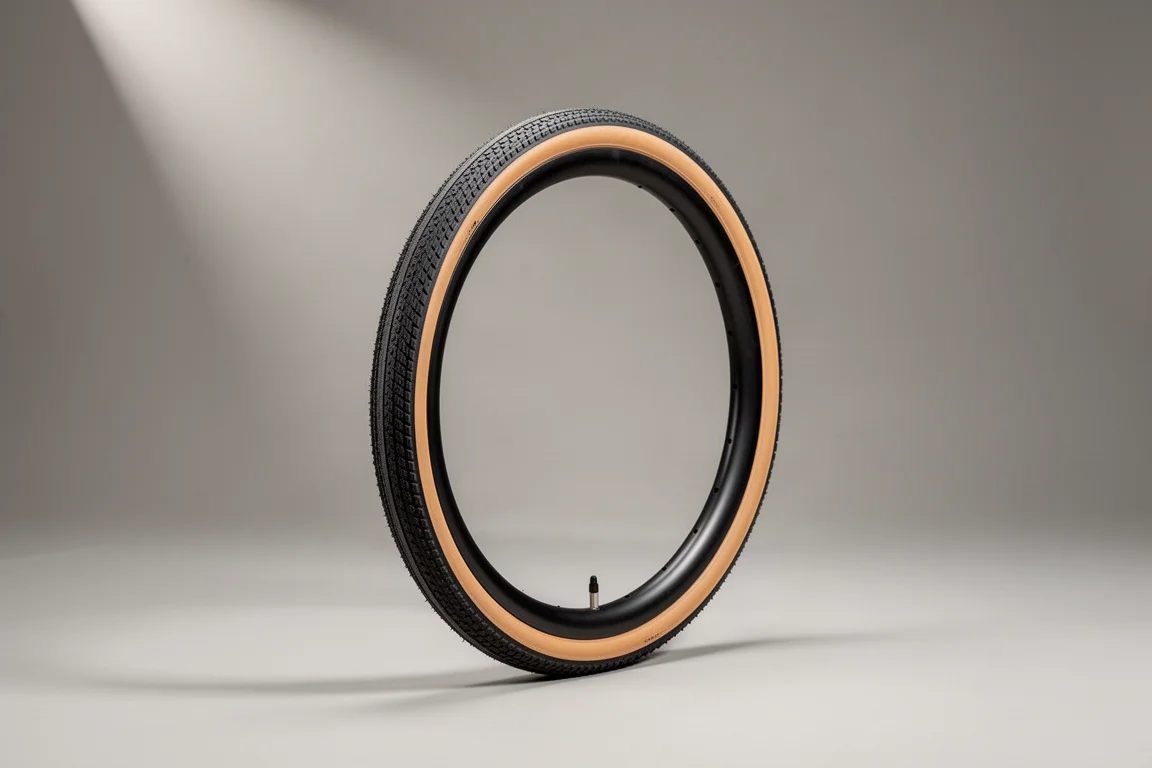
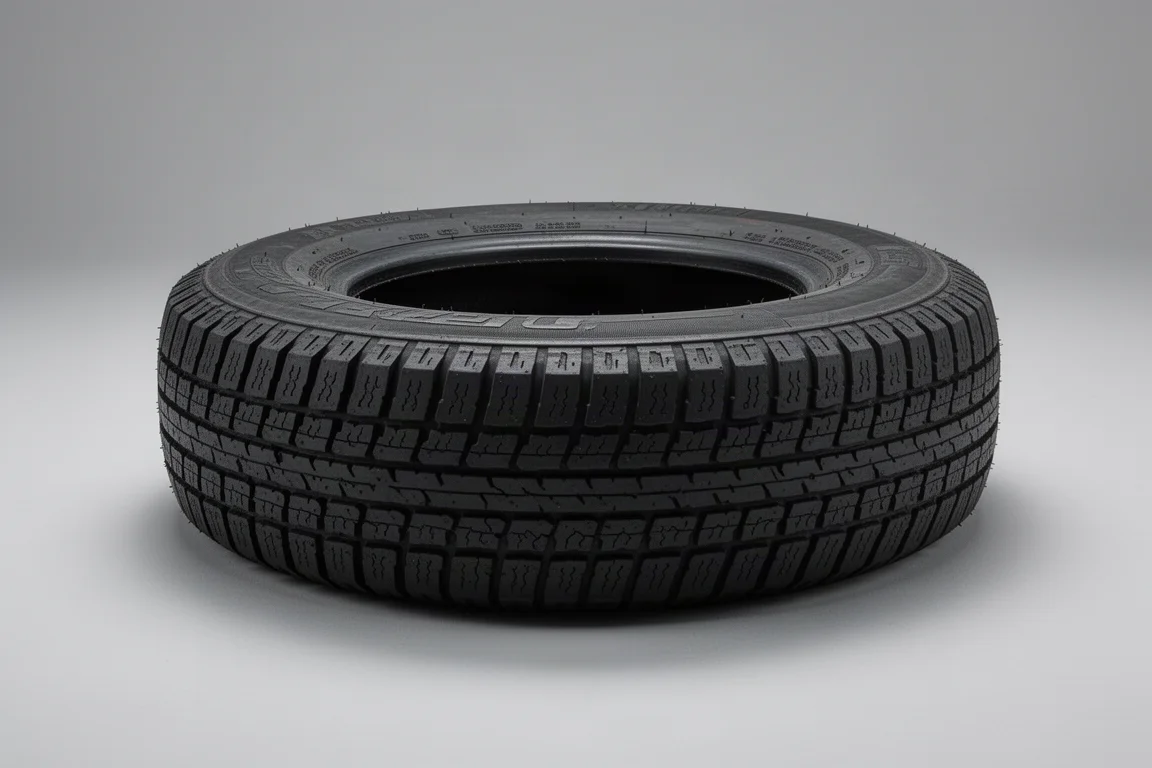
Tires are the only part of the bike touching the ground, and nothing else changes ride quality as dramatically. The same frame can feel harsh or plush depending on what is fitted, which is why tires are usually the first thing worth upgrading, on road and off-road alike. Tire pressure matters just as much: even excellent rubber can feel lifeless when it is over-inflated.
Race tires trade some durability for feel. They are generally thinner, so punctures are more likely, and that is a compromise each rider has to weigh for themselves. Riders who still run inner tubes can often find strong deals, and the Specialized Turbo Cotton was available at a notably low price as of February 2026.
Bar Tape: BBB FlexRibbon
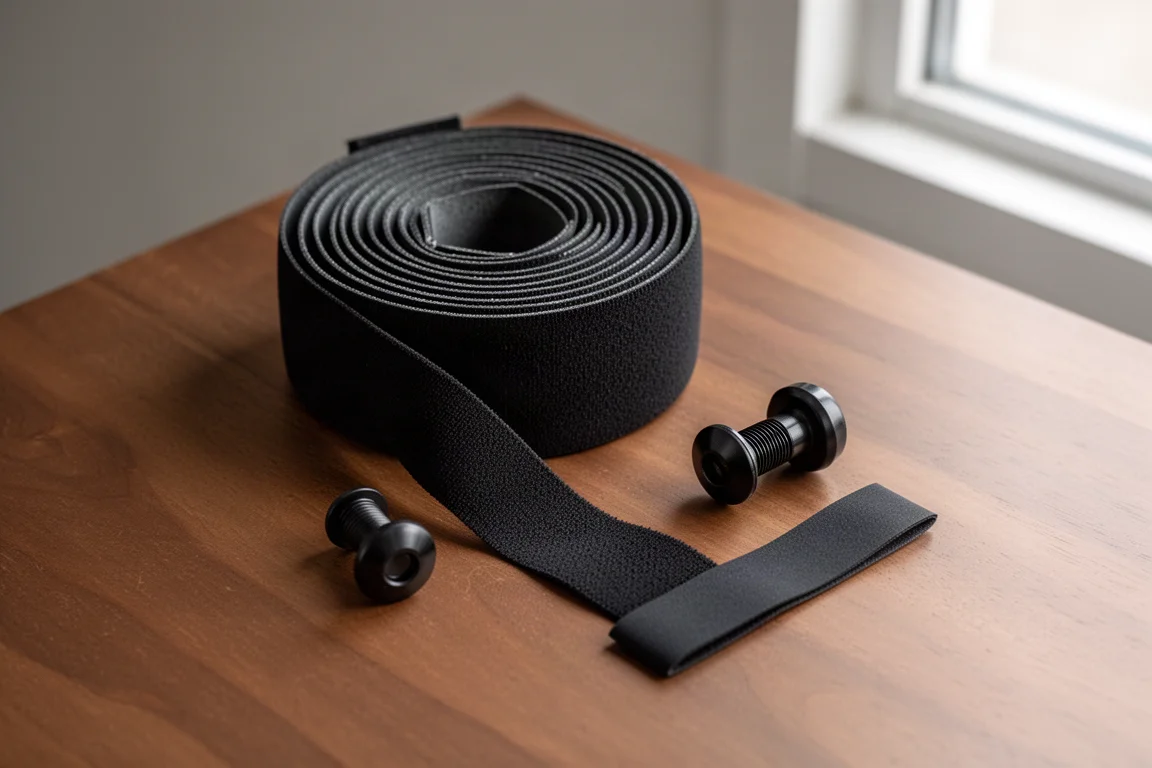
Bar tape is the cheapest way to make a bike feel like a better bike. You are in contact with it constantly, and tired, shiny tape undermines an otherwise well-kept machine. Good tape does not have to be expensive: BBB FlexRibbon is inexpensive and feels far better than its price suggests, which makes it one of the first changes worth making on any bike.
Saddles: Fizik Vento Argo R1 and Vento Argo R1 Adaptive
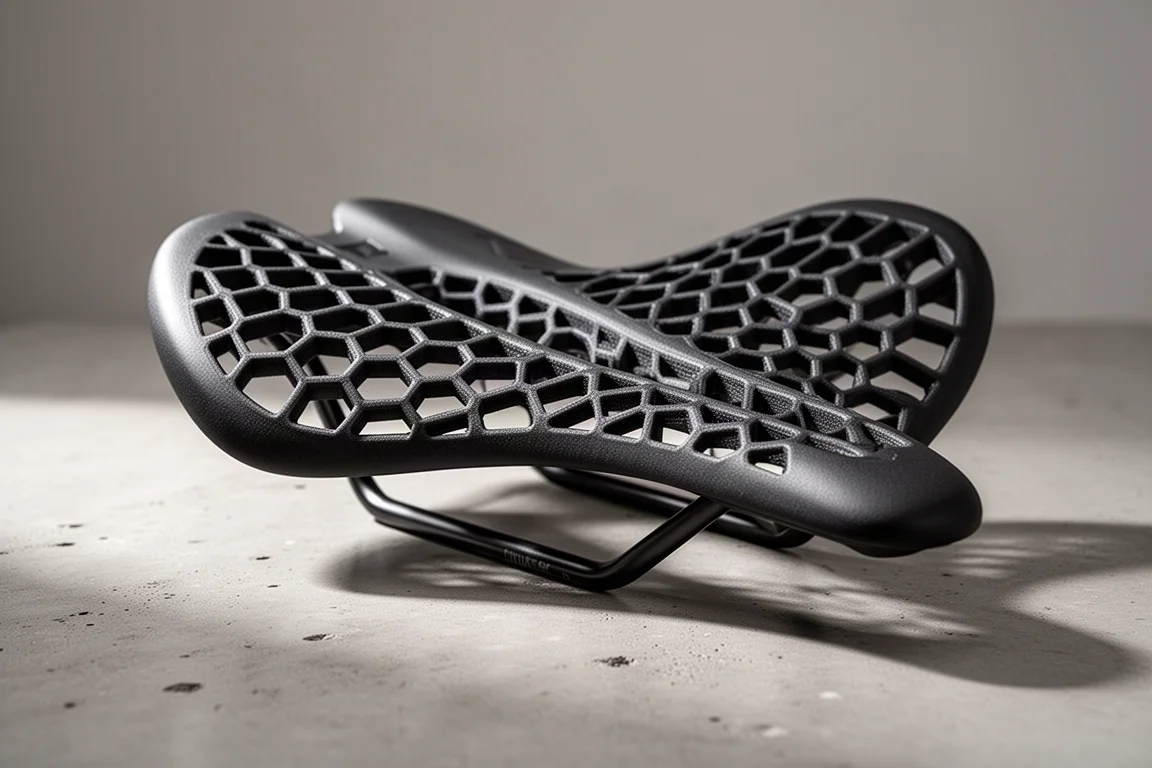
3D printed saddles divide opinion on looks, but the idea behind them is sound. When the lattice structure is designed properly, it can distribute pressure more evenly than a conventional foam and cover saddle, and the printed version of a given model is typically lighter than the standard one.
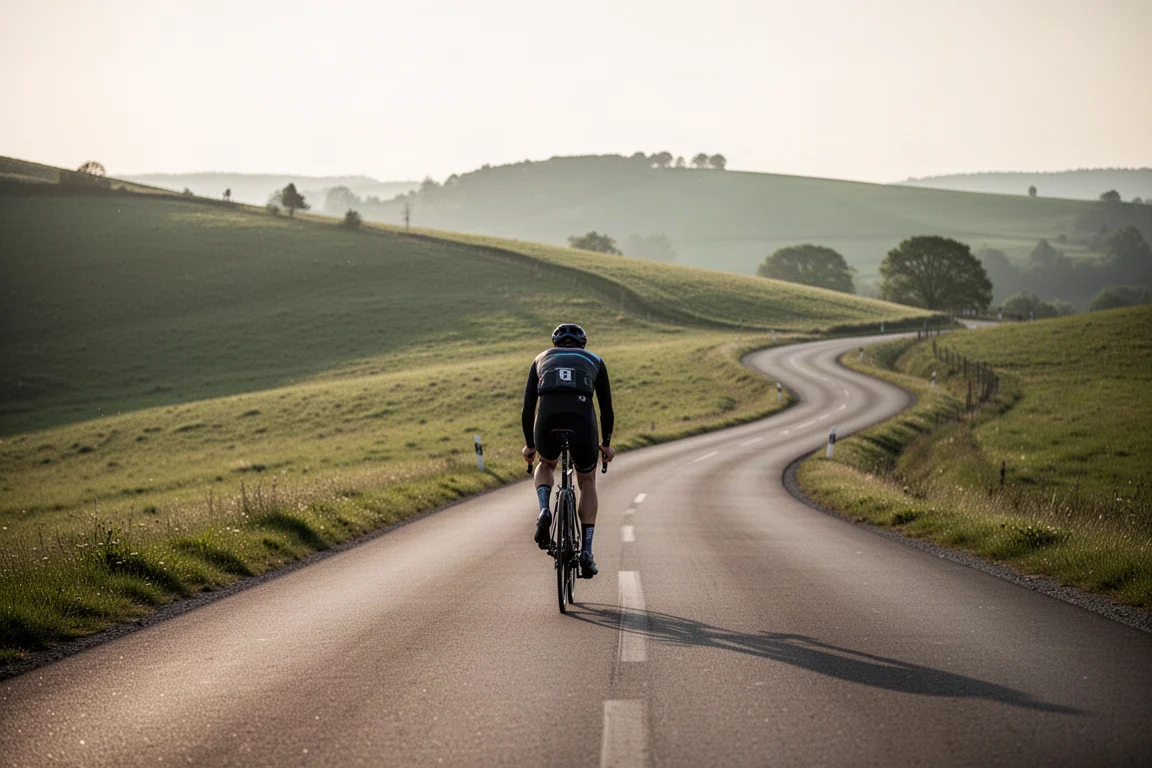
Comfort, however, still comes down to shape. The Fizik Vento Argo R1 is a good example: riders who get along with the profile will be comfortable on it, and riders who do not will not be rescued by a different material or a lighter build.
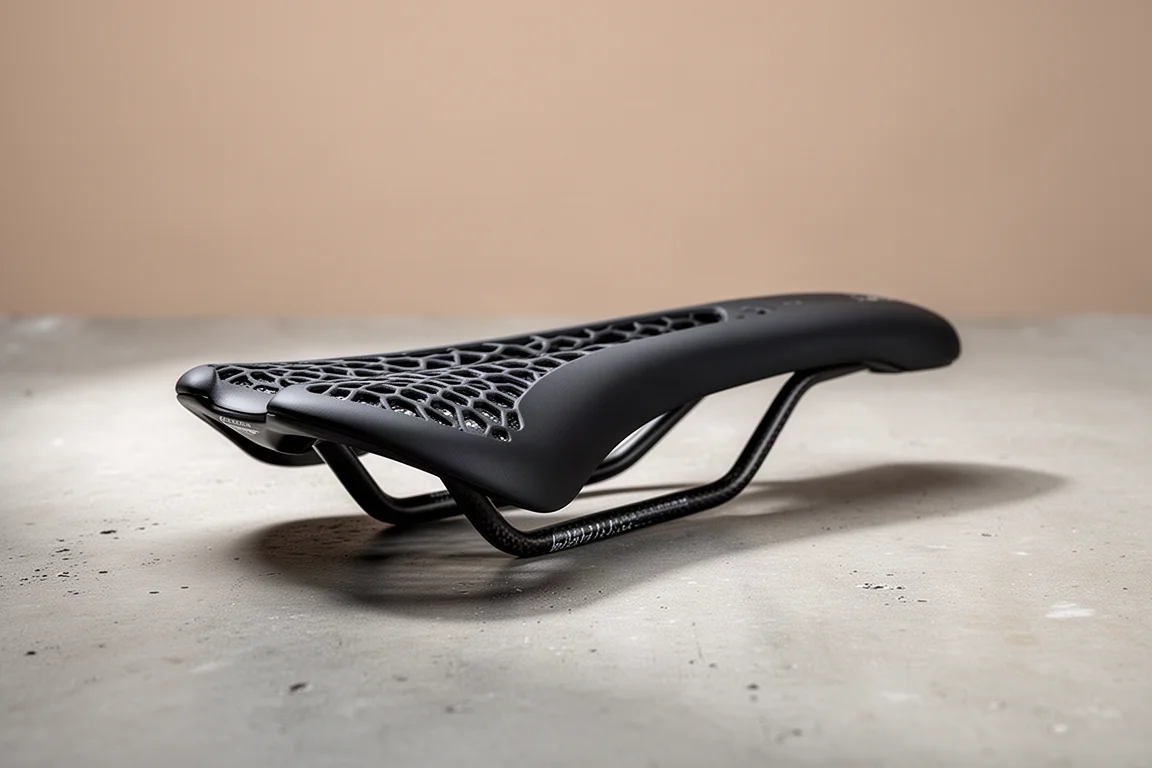
That logic applies directly to the Vento Argo R1 Adaptive. It is the 3D printed version of the same saddle, so it shares the shape. If the standard R1 does not suit you, the Adaptive version is unlikely to change that, although it does save weight and can spread pressure more effectively when the design is done well.
Ceramic Bottom Brackets: Enduro XD15
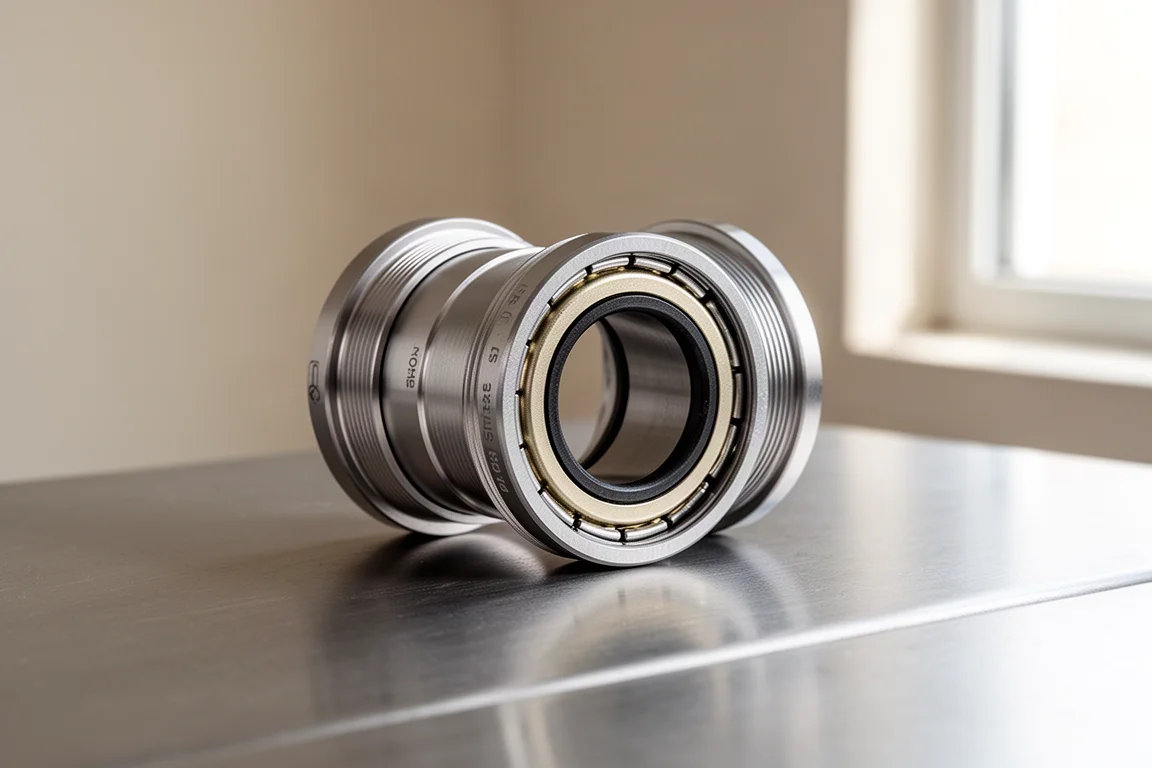
Ceramic bottom brackets are hard to get excited about. The claimed savings are tiny, and most units are not fully ceramic: they use ceramic balls running on steel races. Because the steel is softer than the balls, a groove eventually wears into the race, and at that point the bearing is finished.
The Enduro XD15 is the exception worth knowing about. It uses nitrogen-infused steel races that are reported to resist that wear almost entirely. It is a premium part at around £250, for a component most riders never see, but it is one of the very few ceramic upgrades with a durability argument behind it.
Puncture-Resistant Tires: Schwalbe Marathon Plus
Supple tires are the better choice for most riders, but there are machines where reliability matters more than feel. Heavy electric cargo bikes are one example: when the bike weighs a great deal and carries a load, a puncture is a genuine inconvenience rather than a quick roadside stop.
Wheelchairs are the other clear case. A wheelchair running Schwalbe Marathon Plus tires went years with almost no punctures and only produced its first one on a long cross-country ride. Wherever a flat tire costs far more than five minutes, heavy puncture protection earns its place.
Handlebars: Deda RHM
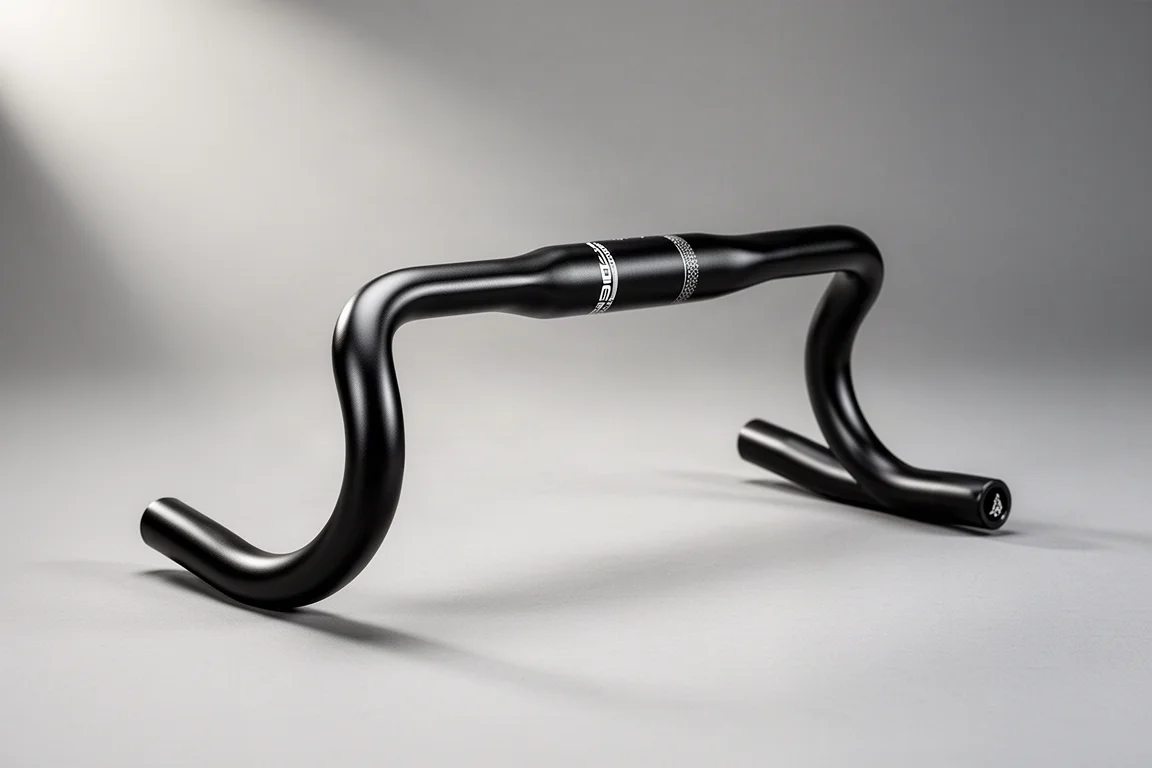
Most bikes ship with handlebars that are wider than the rider actually needs. As a starting point, bar width should roughly match shoulder width, measured across the bony points at the front of the shoulders. Getting this right improves comfort and control, and a good bar does not have to be expensive.
The Deda RHM is a sensible value option for riders who want a lighter bar without a premium price, and smaller riders can look for narrow or short-reach shapes where brands offer them. Handlebars are also one of the three finishing kit parts, along with the stem and seatpost, where carbon can save meaningful weight, although the cost climbs quickly.
Suspension Seatposts: Thudbuster
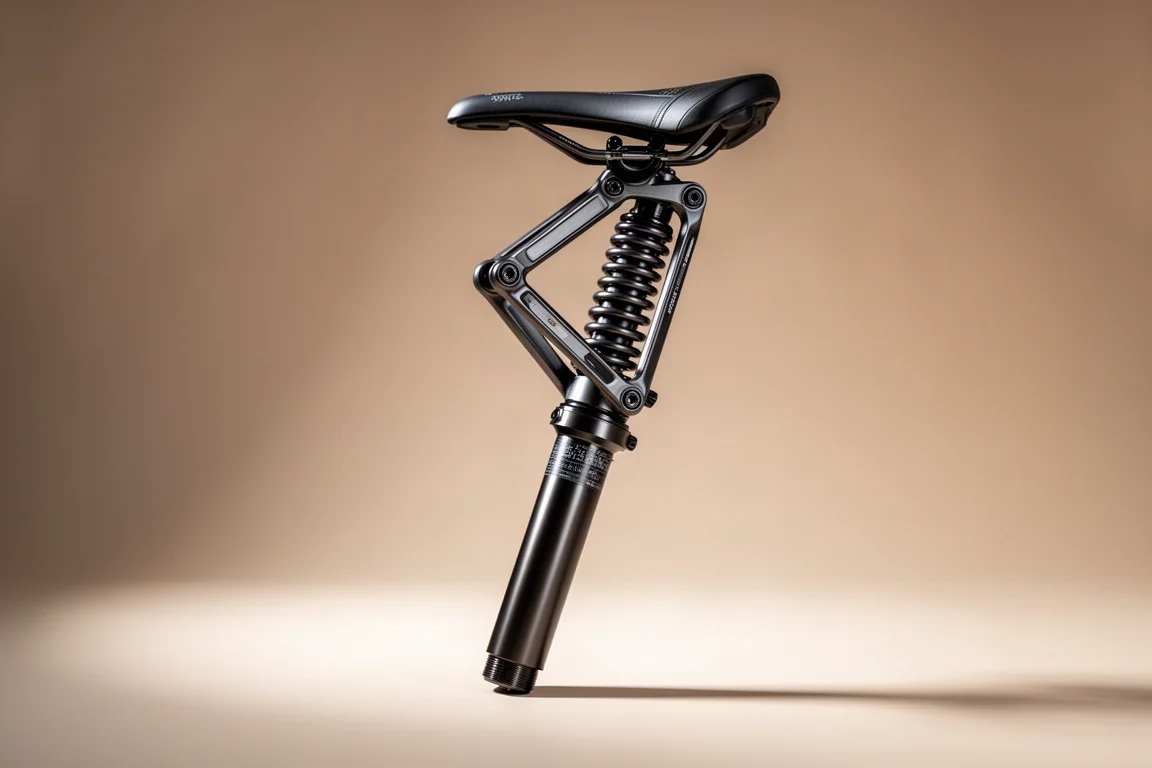
A suspension seatpost does for the rear of the bike roughly what a suspension stem does for the front. On long, rough rides it takes the sting out of bumps and reduces fatigue in the hands, arms, neck and back. It is far cheaper than a full suspension system, and on the right bike it changes how far you can comfortably ride in a day.
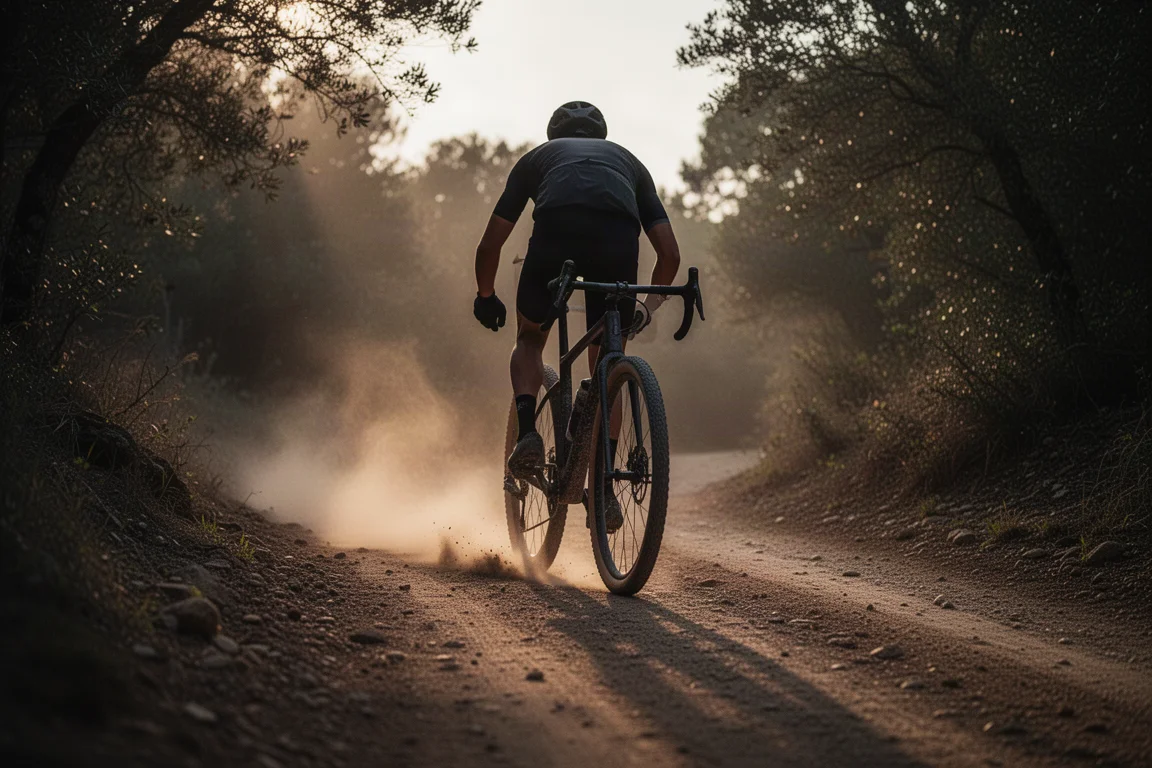
Quality varies, and the good ones are not cheap. The Thudbuster is one established option, and as with suspension stems, a cheaper unit is worth treating with caution. A failure at the seatpost or stem is not something anyone wants to discover at speed, so this is a poor place to save money.
Upgrades That Rarely Pay Off
Some well-marketed parts simply do not deliver much. Fancy coated chains are the classic example: the saving is a few watts at best, and it disappears the moment the chain wears or picks up grit. A normal chain kept clean and swapped for a fresh one on race day is the better value.
Oversized pulley wheels belong in the same category. They offer minimal savings for a maximal price and can even affect shifting quality, and many high-end groupsets now include them as standard. Ceramic jockey wheels and ceramic headsets follow the same logic as ceramic bottom brackets, without the durability case that makes the XD15 interesting.
One-piece bar and stem combinations are another weak return. They are expensive, they make life harder for whoever maintains the bike, and they remove the ability to rotate the bars or adjust reach. A conventional bar and stem looks just as good and stays adjustable.
Latex inner tubes are a comfort upgrade that most riders will not keep up with, since they need inflating before nearly every ride. Solid tires remove punctures entirely but give up too much in ride quality to be a sensible choice on a bicycle.
How to Prioritize Your Upgrades
Start with contact points: tires, bar tape, saddle and handlebars. These are the parts you feel on every ride, they are usually affordable, and they do more for comfort and control than most bolt-on components. If your goal is pure speed, remember that body position changes matter more than almost anything attached to the bike.
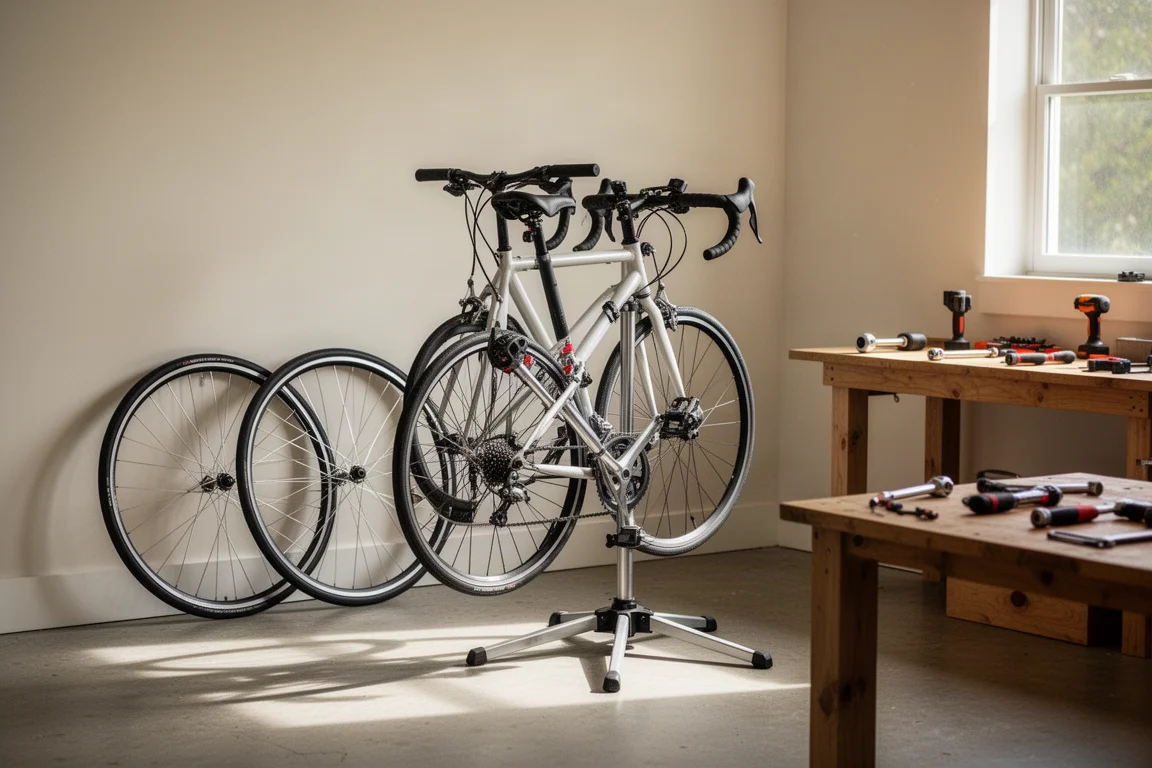
Next come comfort items for rough riding. A suspension stem or a suspension seatpost makes a large difference on long, bumpy routes, and an off-road bike benefits enormously from a dropper post that clears the saddle out of the way on descents. Mechanical dropper posts are far more affordable than electric ones and do essentially the same job.
Then consider the speed-focused purchases. A power meter makes more difference than many of the parts discussed here, but not all units are created equal, so avoid first-generation designs and check feedback before buying. Clip-on aero bars are a genuinely underrated speed upgrade for solo riding because they put your body close to a time trial position, though they have no place in a group and are banned in some gravel events. Deep carbon wheels remain a legitimate choice when you want aero gains and a louder look. TPU inner tubes ride well and save weight, which suits hill climbers, but they get costly if you puncture often.
Two purchases deserve professional help. A carbon fork is one of the most underrated upgrades, especially on a bike with a steel fork, and even a modest one can transform the ride. Fitting is another matter entirely, because bearings, angles, rake and brake mounts all vary, and ordering the wrong one creates a great deal of hassle. Electronic shifting, meanwhile, is now fast and reliable, and it makes cycling more accessible for riders with specific needs, even if it will not change your life.
Conclusion
The upgrades that feel worth the money are the ones you notice immediately: better tires, fresh bar tape, a saddle that fits, handlebars at the right width. Comfort parts such as suspension stems and seatposts earn their keep on long, rough rides, and body position beats component weight when speed is the goal.
Everything else is optional. Ceramic bearings, oversized pulleys, coated chains and one-piece cockpits can be skipped without losing much, with the durability-focused Enduro XD15 as the one ceramic exception. Buy for the riding you actually do, and the money goes a lot further.
Further reading
Related Reviews
Cycling Upgrades
Best Bike Upgrades 2026: Three Practical Upgrades for Better Riding
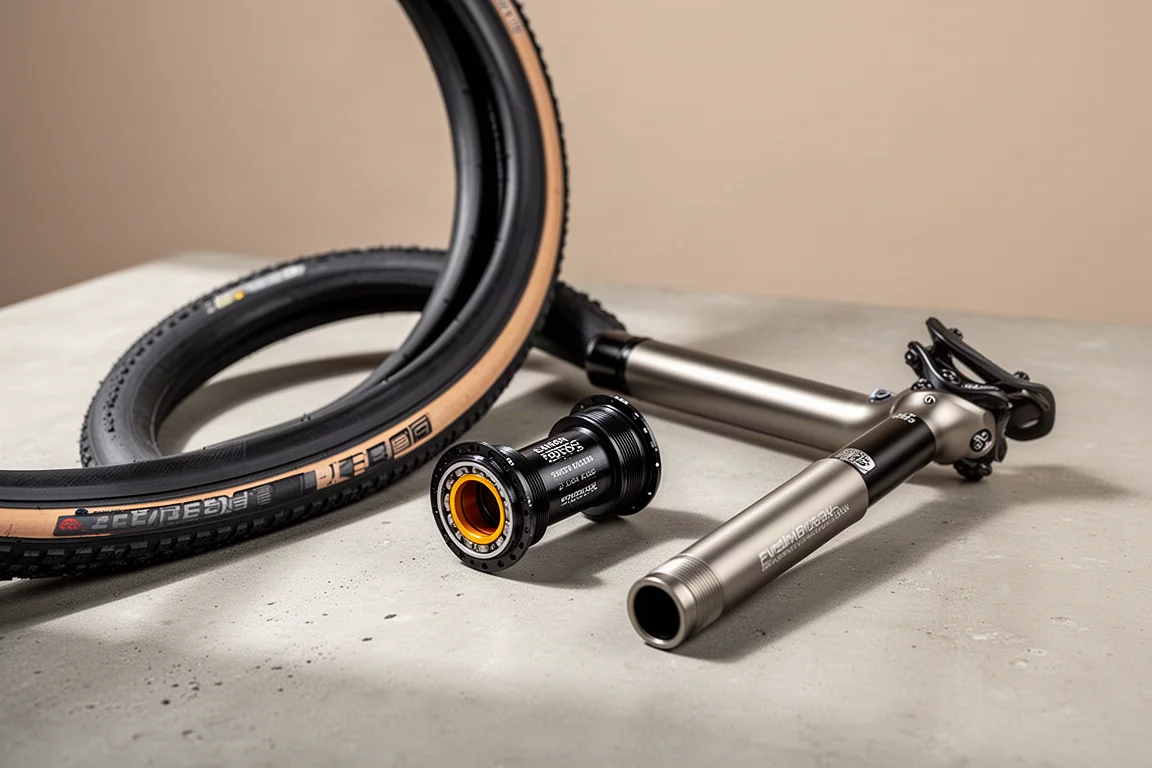
A supple race tire, a durable ceramic bottom bracket, and a suspension seat post each offer distinct benefits and trade-offs.
Cycling Upgrades
Cheap Road and Gravel Bike Upgrades: Five Budget Picks Worth Buying
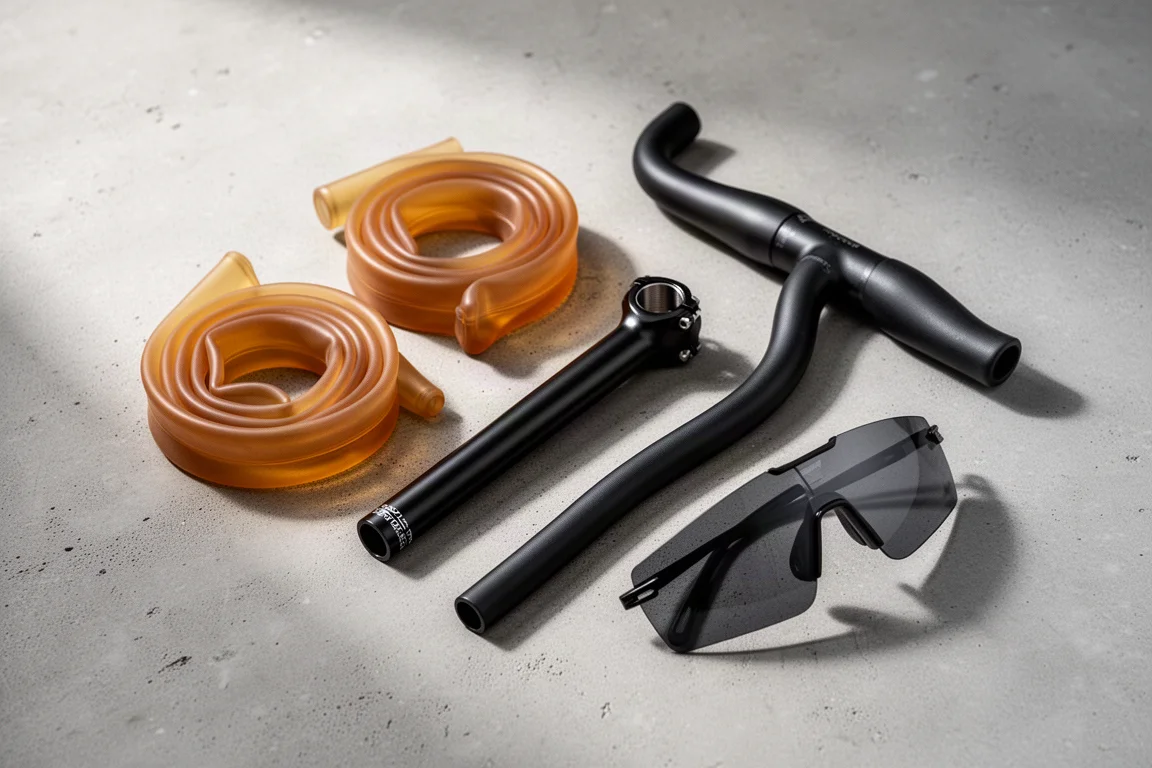
Five low-cost upgrades for road and gravel bikes, from latex inner tubes with a measurable speed gain to budget stems, handlebars and sunglasses.
Cycling Upgrades
Best Value Bike Upgrades: Handlebars and Arch Support Insoles Worth Buying
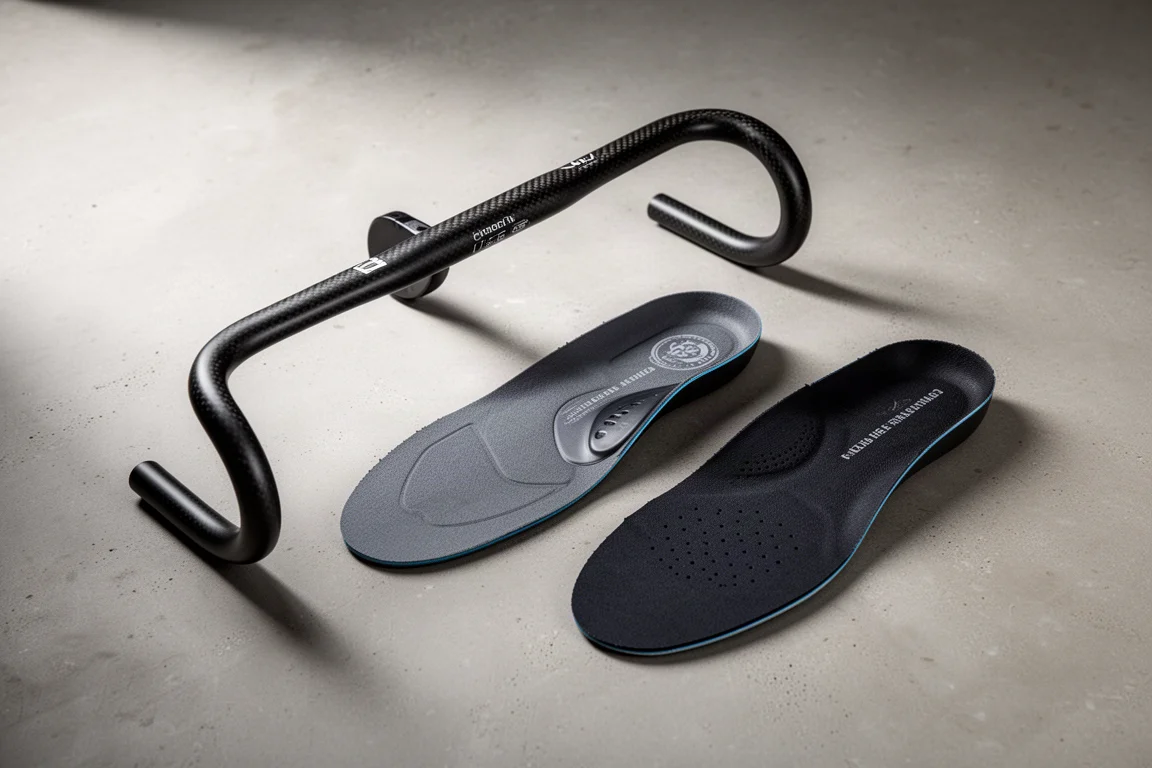
Three low-cost cycling fit upgrades that change how a bike feels: a narrow internally routed handlebar and two arch support insole options.