Running Shoes
The Biggest Running Shoe Wastes of Money: Four Releases We Regret Buying
Four running shoes that promised a lot and delivered little, from an unstable all-terrain trainer to an over-cushioned stack that saps energy on every run.
Introduction
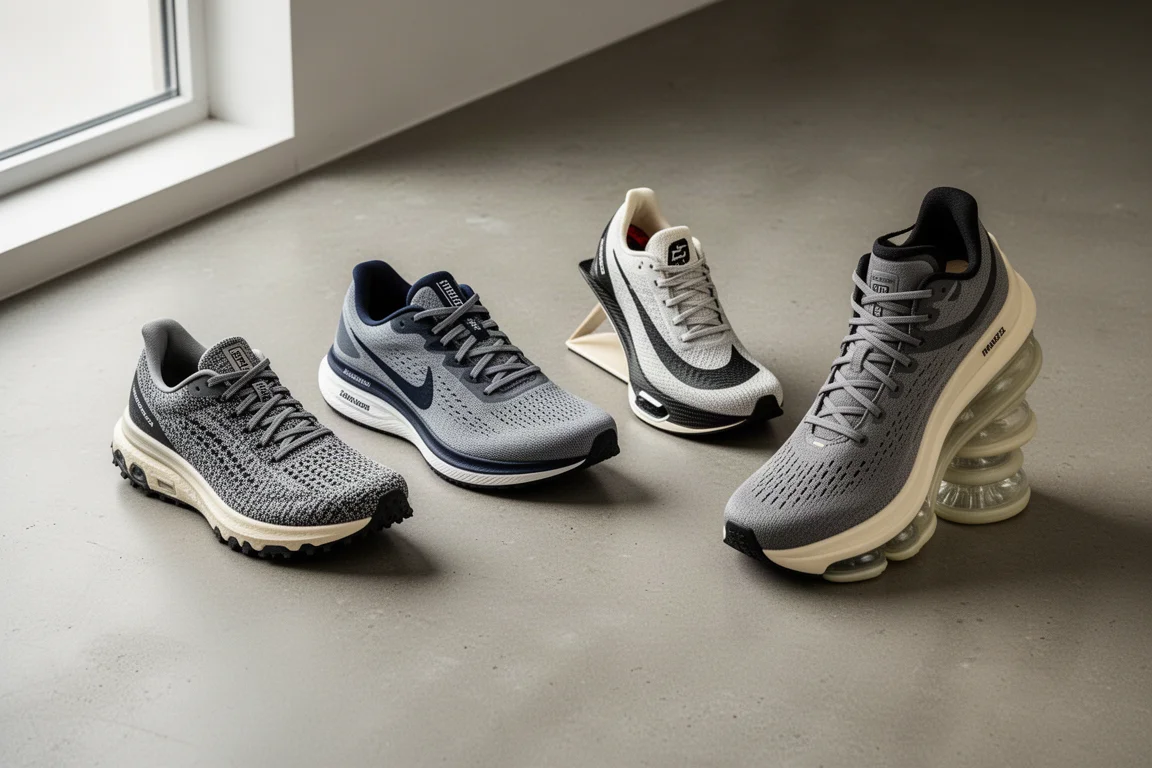
Not every hyped running shoe earns its spot in the rotation. Over the past year, a handful of releases looked promising on paper, sold well at launch, and still ended up barely worn, resold, or pushed to the back of the shoe rack. This roundup covers four of those purchases: what each shoe actually does well, where it falls short, and who might still get real value from it. If you are weighing any of these models before your next buy, the trade-offs below are worth knowing first.
Adizero Evo SL ATR
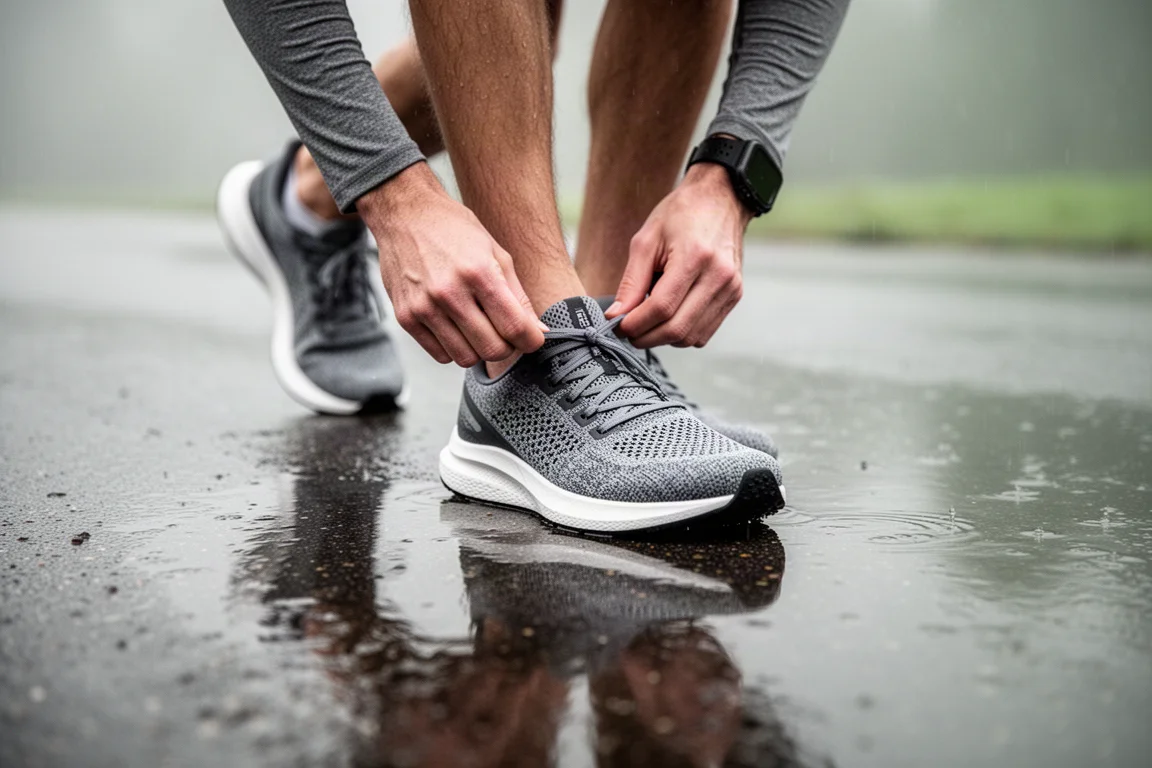
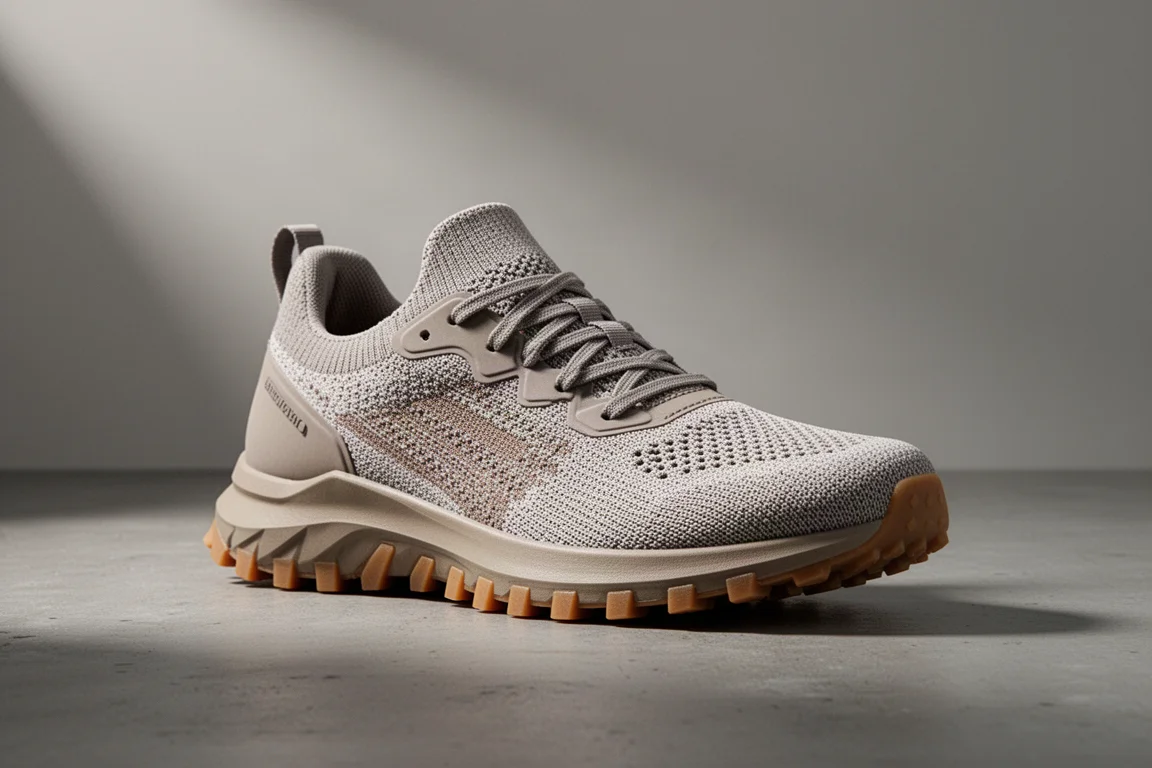
The Evo SL ATR is positioned as an all-terrain version of an already excellent shoe, but in practice it reads more like an all-weather upper paired with an outsole that causes problems. The extra lugs are not the issue so much for traction as for stability: the way the rubber interacts with the midsole makes the ride feel unstable, and that has led to persistent knee issues when running in this version. The standard Evo SL and the woven variant have been run for many miles without any of those problems, which makes the ATR’s behavior stand out even more.
There are genuine positives. The colorway is appealing, and some of the small issues with the original Evo SL have been addressed in this iteration. Comfort, however, does not come close to the woven version, and the traction gain is marginal unless you are running in very wet conditions. Since the ATR also costs a bit more than the standard or woven versions, the value case gets thin fast. This one has been relegated to short, wet-weather errands, and it is hard to justify running in a shoe that consistently causes discomfort when plenty of alternatives are on hand.
New Balance Rebel v5
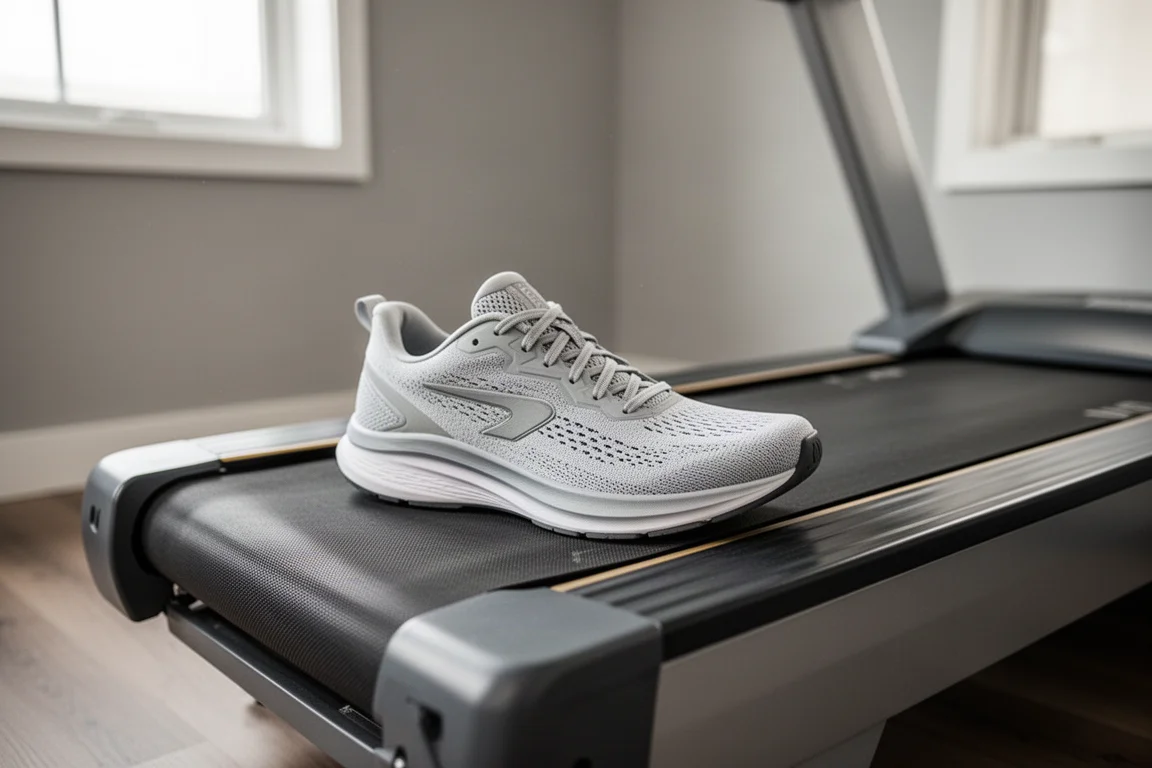
The Rebel v5 looked like a winner at first: a more refined upper, a better fit, and genuinely strong looks. Over time, though, the midsole proved flat. The EVA blend of the FuelCell material is cushioned and squashy, but it lacks the snappy return-to-form feel that rivals like the Velocity Nitro 4 or the Evo SL deliver on daily runs.
The bigger question is what the Rebel line has become. The original was almost a tempo shoe, built for faster paces over shorter distances, and the v5 has drifted away from that identity. It is reasonably light and comfortable, but it does not feel responsive, and it struggles to generate excitement next to the Novablast 5 or the Evo SL family. It was moved on entirely, and unless New Balance meaningfully differentiates a future version, it is hard to see a reason to return. A decent shoe, ultimately, but not one that gave back much of what was put in.
Nike Alphafly 2
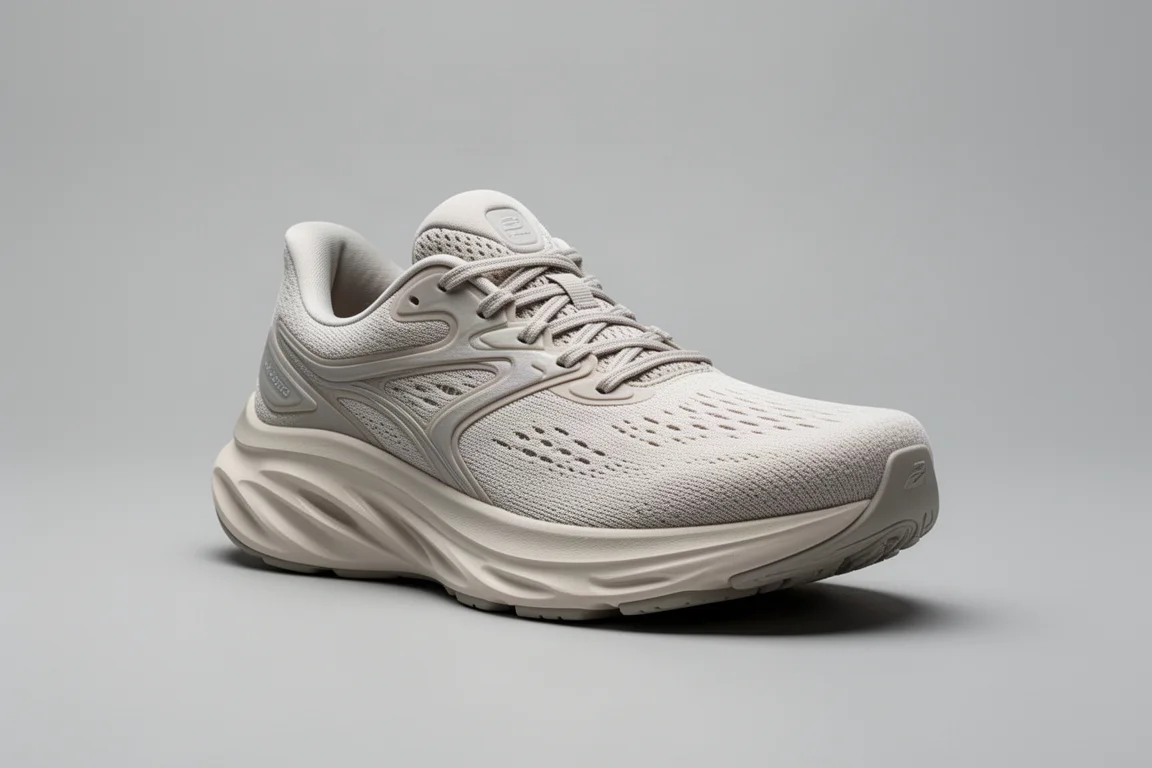
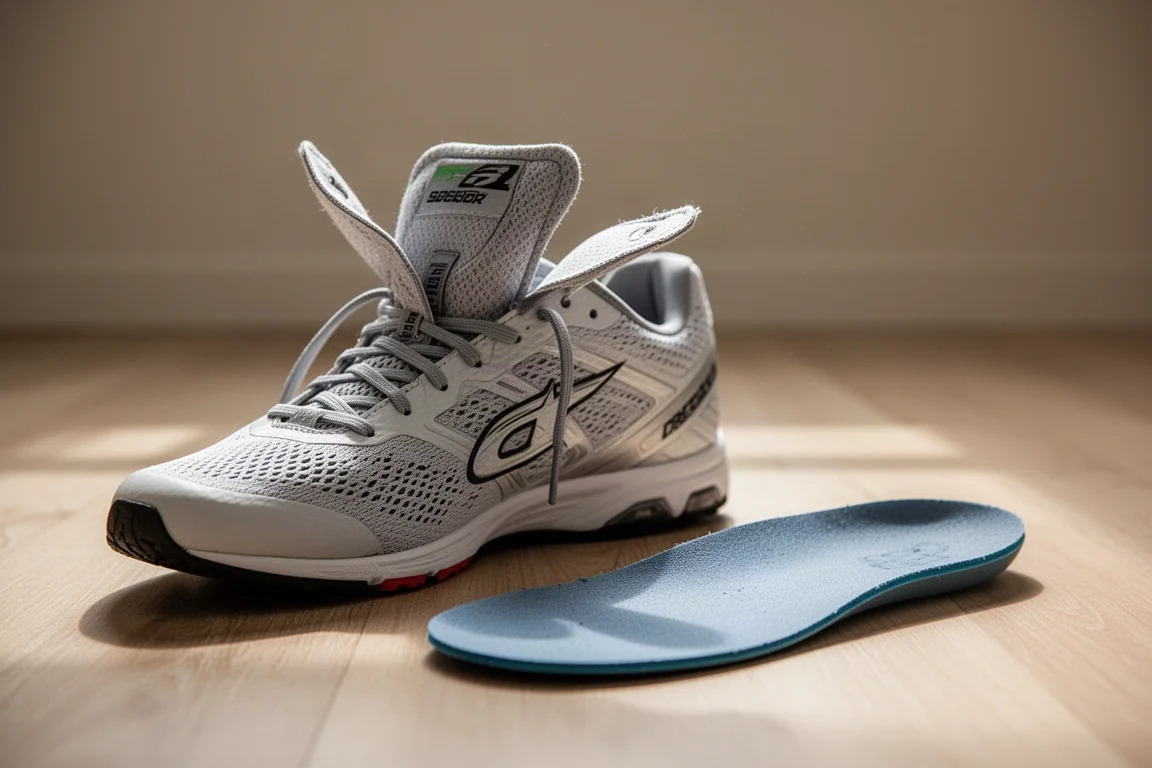
The Alphafly 2 is a shoe that was partly disassembled, re-soled, and still never quite worked. Overall it was neither comfortable nor exciting to run in, and it was quickly relegated to the sidelines. It was never a shoe worth racing in, which is a serious problem for a top-tier racing model, and it genuinely felt like a step backwards for the line.
That verdict comes with a caveat: the Alphafly 3 went on to become one of the favorite shoes of recent years, which makes the v2’s misstep all the more frustrating. Buyers considering this generation should know it did not deliver much fun or performance, and it earned its place on this list the hard way.
Nike Vomero Premium
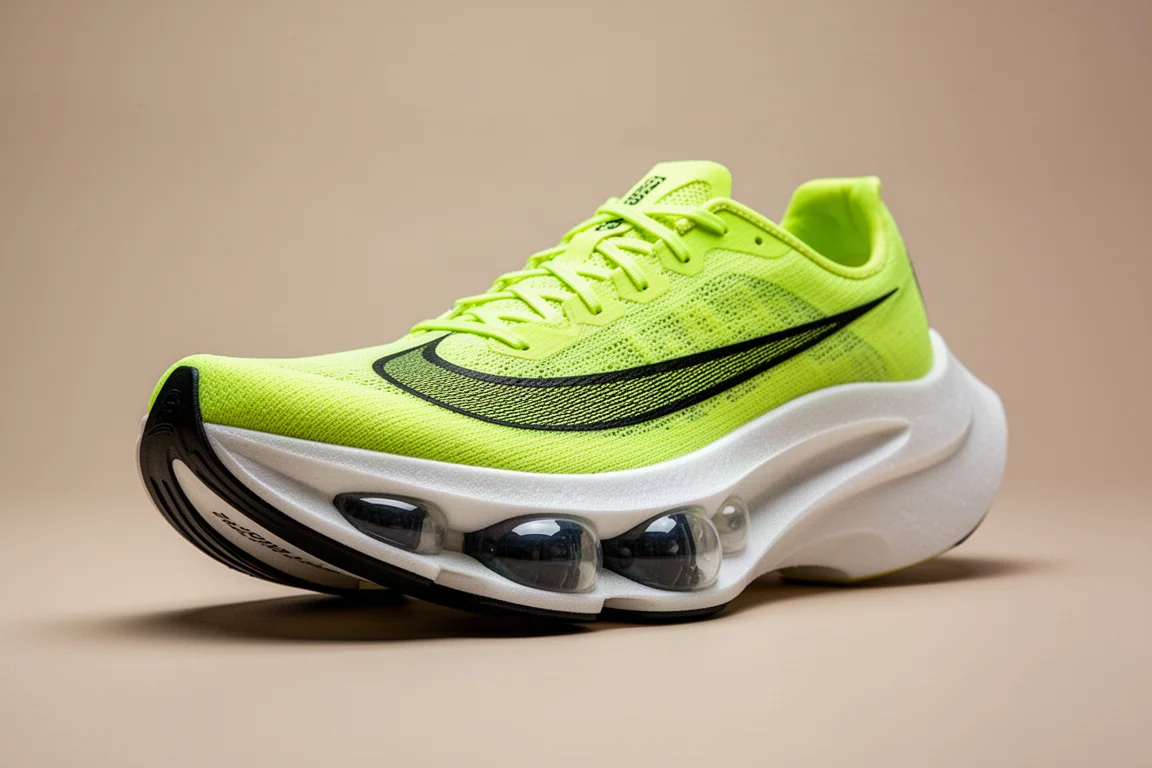
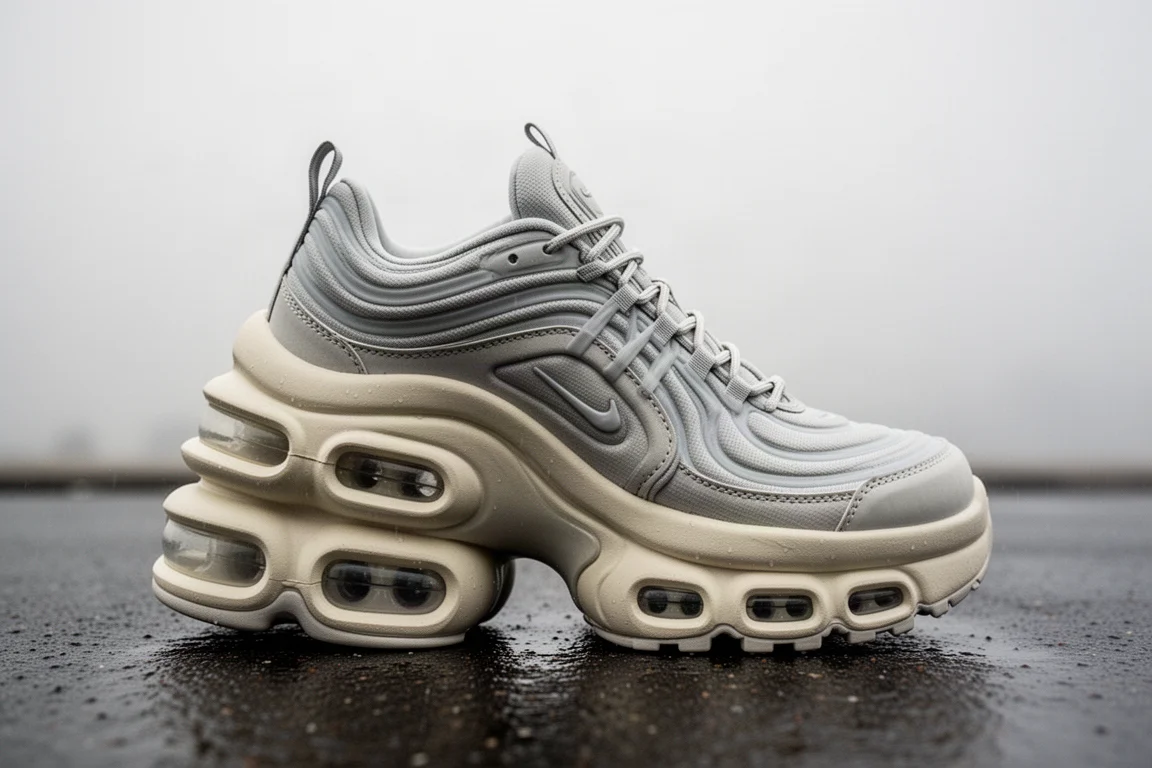
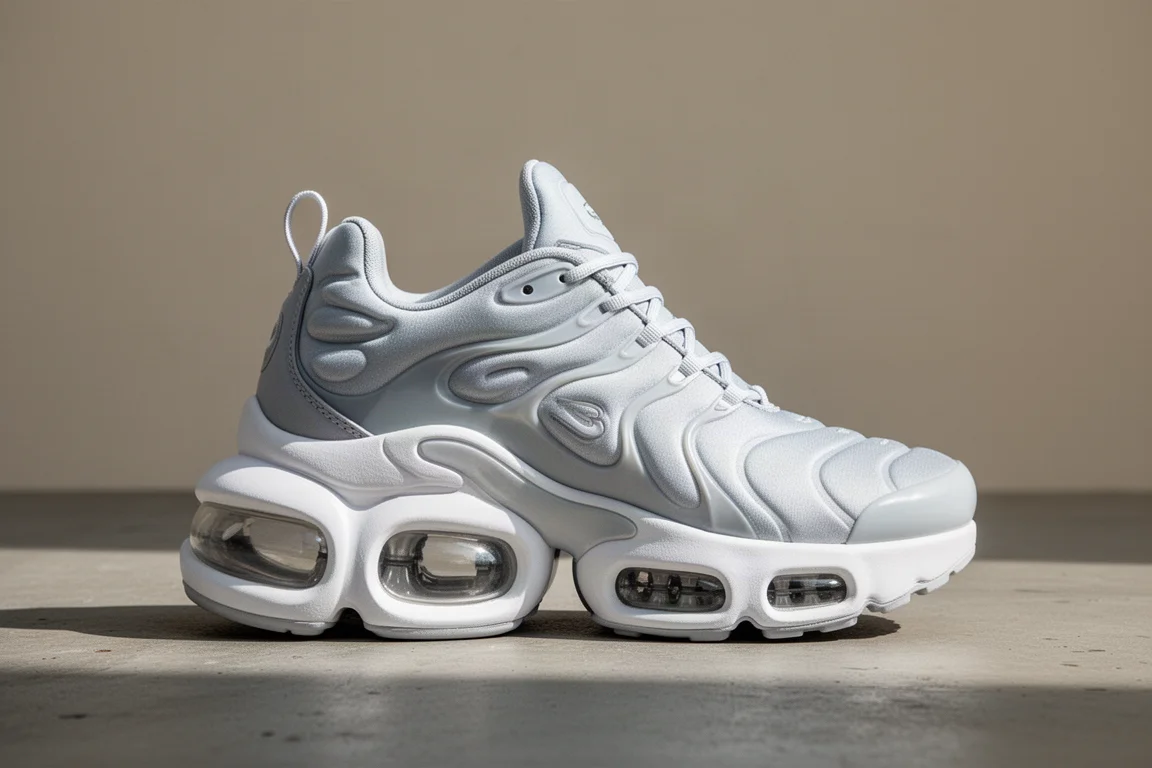
The Vomero Premium is Nike’s tallest and most cushioned shoe, and after testing it over real miles, it reads far more like a fashion-lifestyle release than a serious running tool. The midsole is ginormous, the big stretched-out air units are simply too much, and the ride feels unstable enough that longer runs seem impractical. The sensation is of barely compressing the foam and just impacting on the surface, like bouncing on a sponge that saps energy rather than returning it.
At around 400g in a tested size, it carries roughly double the weight of some super-light racing options. There are narrow use cases: a heavier-built runner who wants maximum padding and does not care about stability, or short recovery efforts after very long taxing runs. But even then, the question stands: why not simply take a recovery day? It has not helped with recovery in practice, and the urge is to take it off and put something else on. Initial batches sold out quickly, though later stock appears to have moved more slowly, and it is fair to wonder how much of the early demand came from resellers. For most everyday runners, this is overkill: enormous stack, no energy return, and little character despite all the tech.
Overall Buying Advice
The pattern across all four shoes is clear: the ones worth avoiding are those that drift away from a proven formula. The Evo SL ATR added hardware that hurt stability on an otherwise beloved platform. The Rebel v5 lost the identity that made the original interesting. The Alphafly 2 regressed where its successor excelled. And the Vomero Premium stacked every cushioning trick into one shoe and forgot that ride quality matters more than raw height.
Before buying any of these, ask what job the shoe needs to do and whether a proven alternative already covers it. Daily drivers and do-it-all trainers have repeatedly proven more reliable purchases than headline-grabbing extremes. If a shoe’s core appeal is its look or its stack height, treat that as a lifestyle purchase, not a running one.
Conclusion
Buyers remorse usually comes from paying a premium for a change that did not improve the running experience. All four shoes here have genuine strengths for narrow audiences, but each failed the basic test: wanting to be worn. The safer money, in most cases, is on the standard versions and proven daily trainers these models were derived from.
Further reading
Related Reviews

Running Shoes
Best Road-to-Trail Running Shoes: Three Versatile Options for Mixed Terrain
A practical guide to three road-to-trail running shoes that handle both pavement and mild trails, with clear strengths and trade-offs for different runner types.

Running Shoes
Best Running Shoes for Achilles Tendonitis: Three Options Explained
Three running shoes with different heel drops and support features designed to help reduce Achilles tendon pain during walking and running.

Running Shoes
Best Running Shoes for Women: Five Top Choices Ranked
A ranked guide to five women's running shoes, from versatile daily trainers to high-performance racing options, with real strengths and trade-offs for each.