Backpacking Tents
Three Big Agnes Ultralight Shelters Compared: Fly Creek UL2, Copper Spur HV UL2, and Tiger Wall UL1
A practical comparison of three Big Agnes ultralight backpacking shelters, covering weight, structure, weather protection, and the trips each one suits best.
Introduction
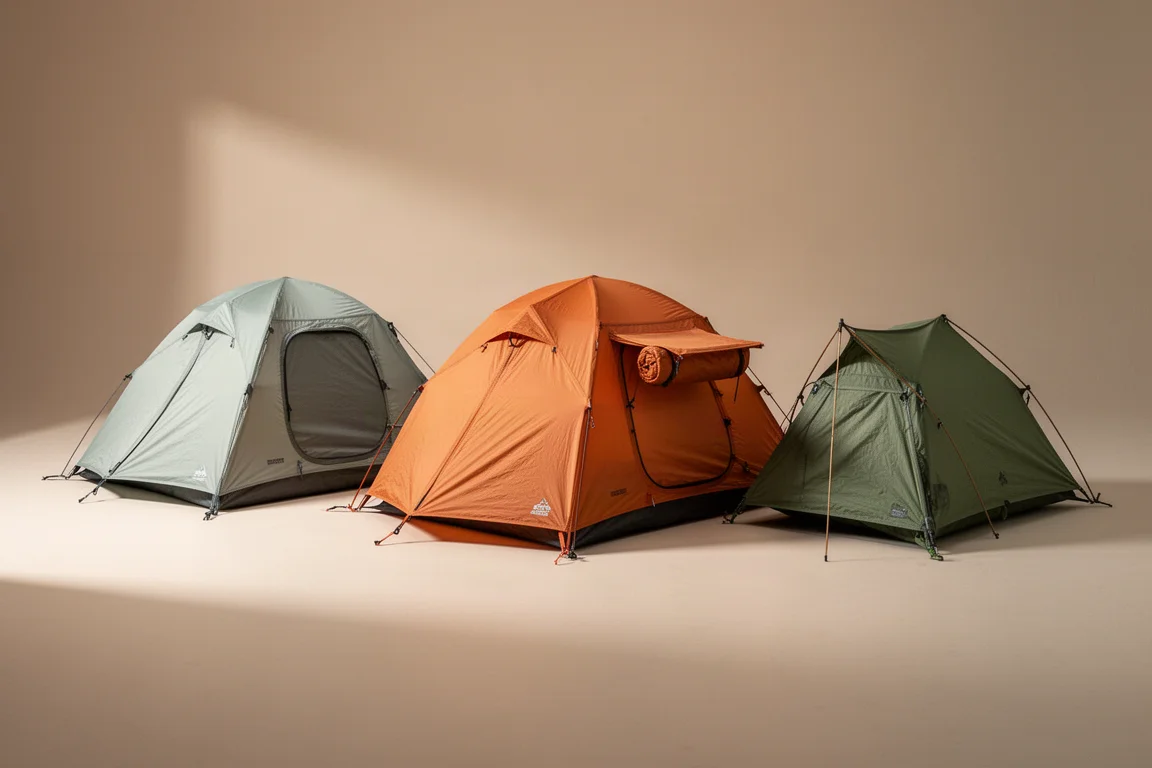
Big Agnes builds three ultralight shelters that come up again and again when backpackers compare lightweight tents: the Fly Creek UL2, the Copper Spur HV UL2, and the Tiger Wall UL1. They share a similar design philosophy, they all keep pack weight low, and they are all built for real trips rather than car camping. What separates them is how they handle wind, weather, interior space, and the way you actually live in them.
This comparison walks through what each shelter does well, where each one gives something up, and which type of trip each one fits. All three are genuinely good tents, but they are not interchangeable, and the differences matter more than a spec sheet suggests.
What Separates These Three Shelters
Weight is the first dividing line. The Fly Creek UL2 is a two-person shelter that comes in at just over 2 pounds, which is remarkable for the category. The Copper Spur HV UL2 weighs just over 3 pounds packed as a two-person shelter, which is still light for a fully freestanding design with two doors and two vestibules. The Tiger Wall UL1 is a one-person shelter with a different structural approach altogether.
Structure and weather protection are the second dividing line. The Copper Spur is fully freestanding with more pole structure and higher fabric sidewalls. The Tiger Wall is semi-freestanding and uses a brow pole for extra rigidity. The Fly Creek relies on a simpler frame with a lot of mesh, which keeps it light but leaves it more exposed to splashback and wind.
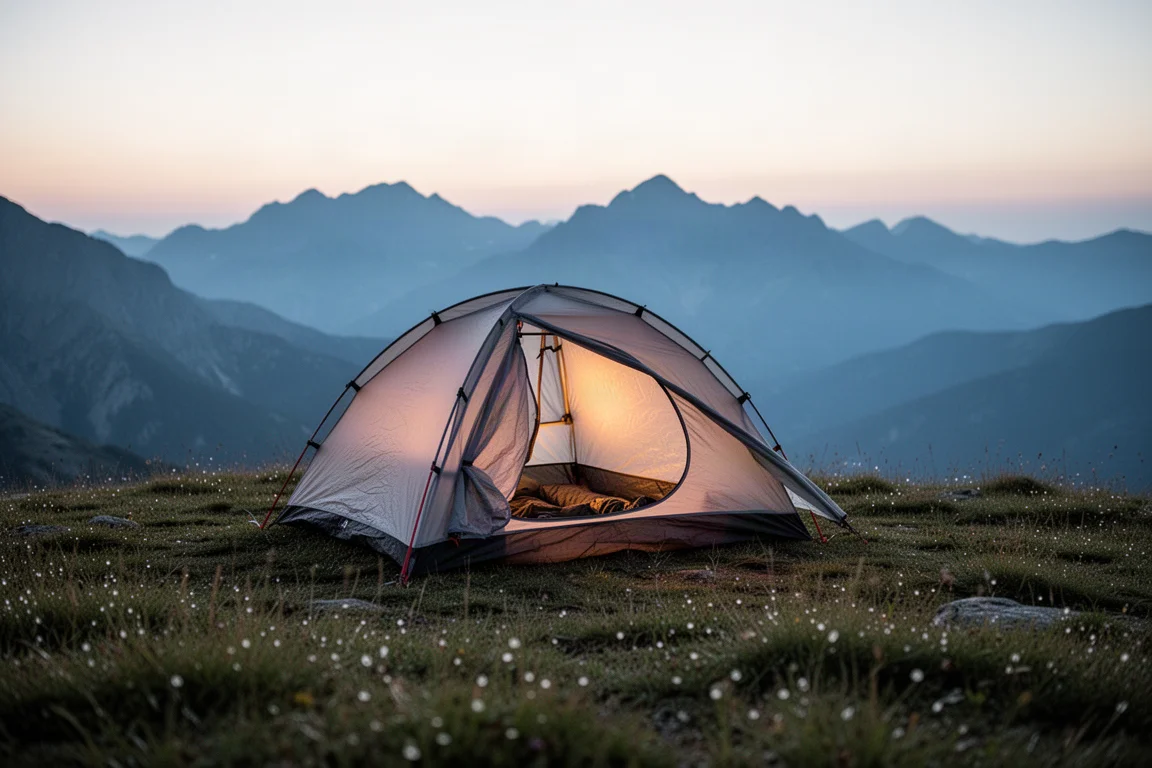
Doors and vestibules follow from those choices. Two doors and two vestibules make a two-person shelter far easier to share, while a single door trims weight but limits how much gear you can stash outside the sleeping area.
Big Agnes Fly Creek UL2: The Lightest Two-Person Option
The Fly Creek UL2 is the lightest of the three, and it earns that weight saving with a simple, single-door design. At just over 2 pounds it is a two-person shelter that will feel very roomy for one person and tight but workable for two. The single door and modest vestibule cut a meaningful amount of weight compared with a two-door layout.
The trade-off is structure. This shelter collapses on itself fairly easily, and it lacks the side pull-outs that firm up a tent in higher winds. The rainfly does not attach to the tent body, so guying it out does not add much stability when wind pushes against the side rather than straight over the pole.
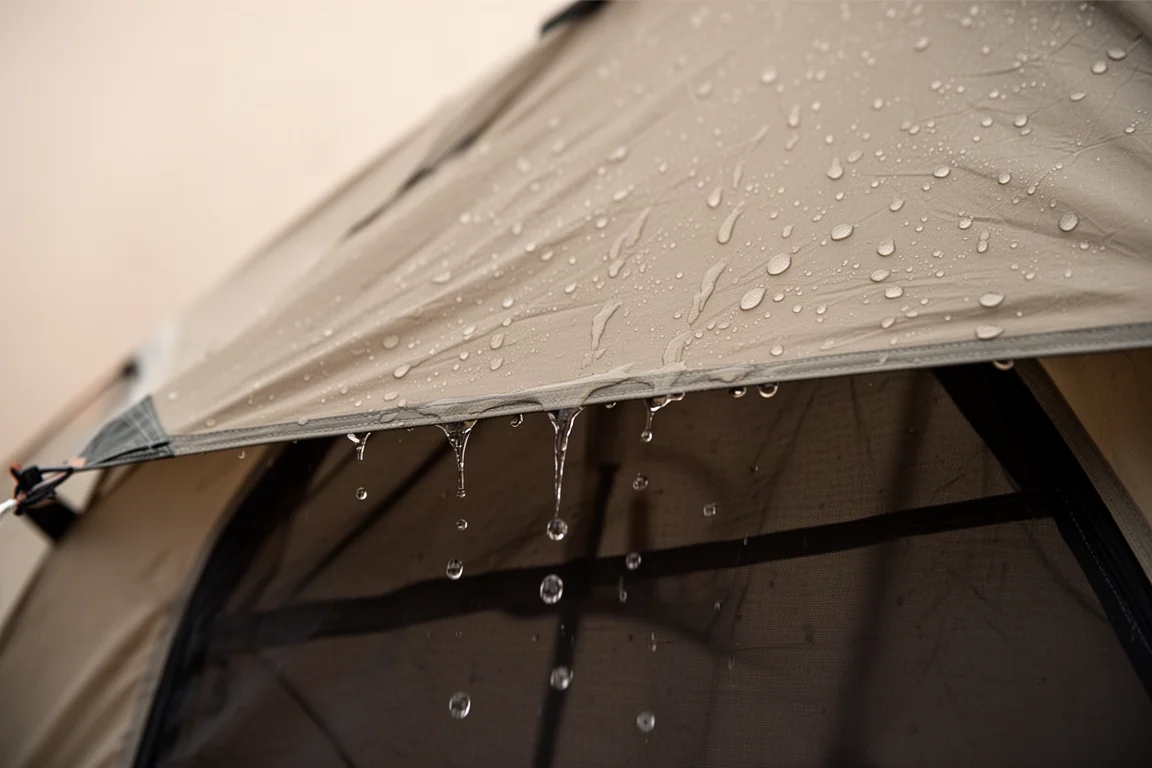
There is also a lot of mesh in the body. That is excellent for ventilation, but in heavy angled rain it lets splashback through, and in windy conditions dust and fine debris can blow in under the fly. The higher fabric sidewalls on the Copper Spur and Tiger Wall do more to block that.
Two things still make the Fly Creek appealing. First, the solution-dyed fabric, an environmentally focused choice that reduces water use in production. Second, the simplicity: it pitches quickly, it is easy to live with, and as a semi-freestanding design it is far less fussy than a fully non-freestanding shelter at roughly similar weight. It is available in one and two person sizes.
Big Agnes Copper Spur HV UL2: The Most Fully Featured
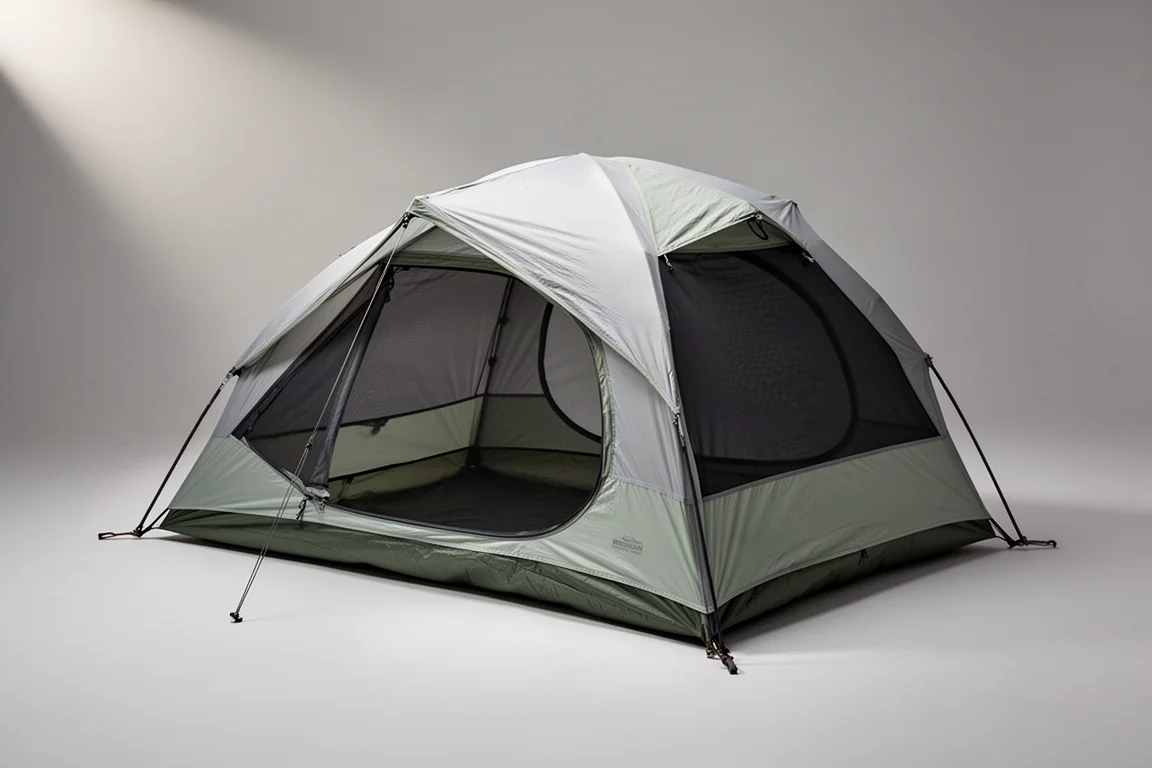
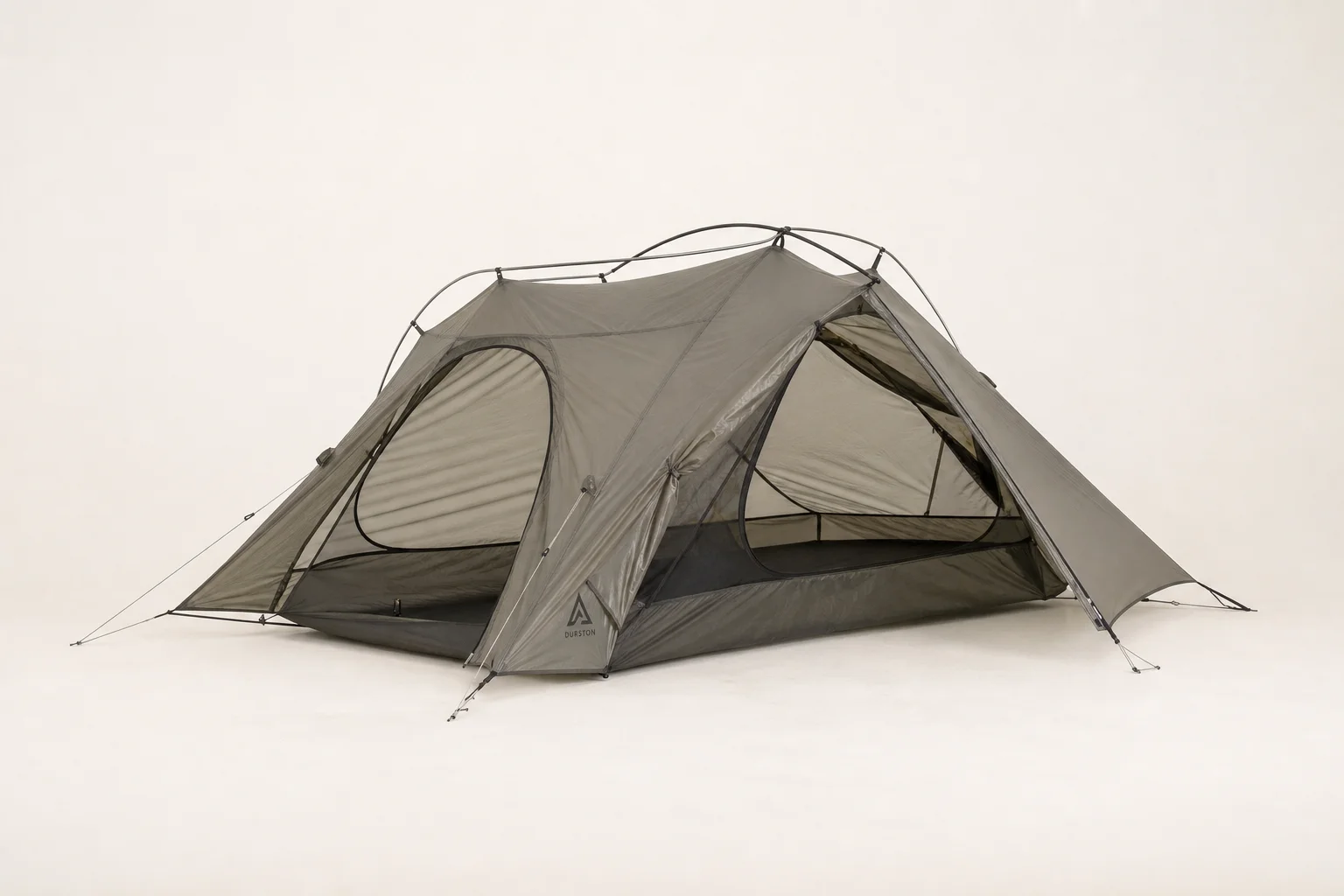
The Copper Spur HV UL2 is the most complete shelter of the three. It is fully freestanding with more pole structure than the other two, a comfortable peak height, and an interior clearly designed around two people sharing the space. Packed weight for the two-person version is just over 3 pounds.
Storage is where it pulls ahead. There are plenty of pockets and plenty of places to get gear off the ground, which makes a real difference over a long trip. The door design is unusually flexible: each door can be rolled fully back, or unzipped into an awning that gives you a small covered area outside the sleeping space. The same arrangement exists on both sides, so a two-person model effectively gives you two doors, two vestibules, and two awnings. Toggles on both sides hold the doors open for ventilation.
Small details add up too. Dual zipper sliders let you open a door from either end, and the door can be pulled through an interior loop so you can reach outside without fully unzipping it. Higher fabric sidewalls around the lower body help keep splashback and blown debris out, while the mesh upper keeps airflow moving. This is a long-running model in the Big Agnes line that keeps getting refined, and it shows in how well the interior is put together.
Big Agnes Tiger Wall UL1: A Semi-Freestanding One-Person Shelter
The Tiger Wall UL1 is the one-person version, with a single side-entry door. It is a semi-freestanding design, which means you need to stake out the two foot corners to pull the shelter tight and get a clean pitch. In exchange you get a lighter structure than a fully freestanding tent of similar size.
The structure itself is a step up from the Fly Creek. A brow pole runs perpendicular to the length of the tent and adds rigidity in heavier wind, snow, and driving rain, though it is not as strong as the Copper Spur’s full frame. The guy lines attach to the tent body with velcro, so the fly and body move together instead of separating when wind shifts. That reduces the collapsing behavior that shows up on the Fly Creek.
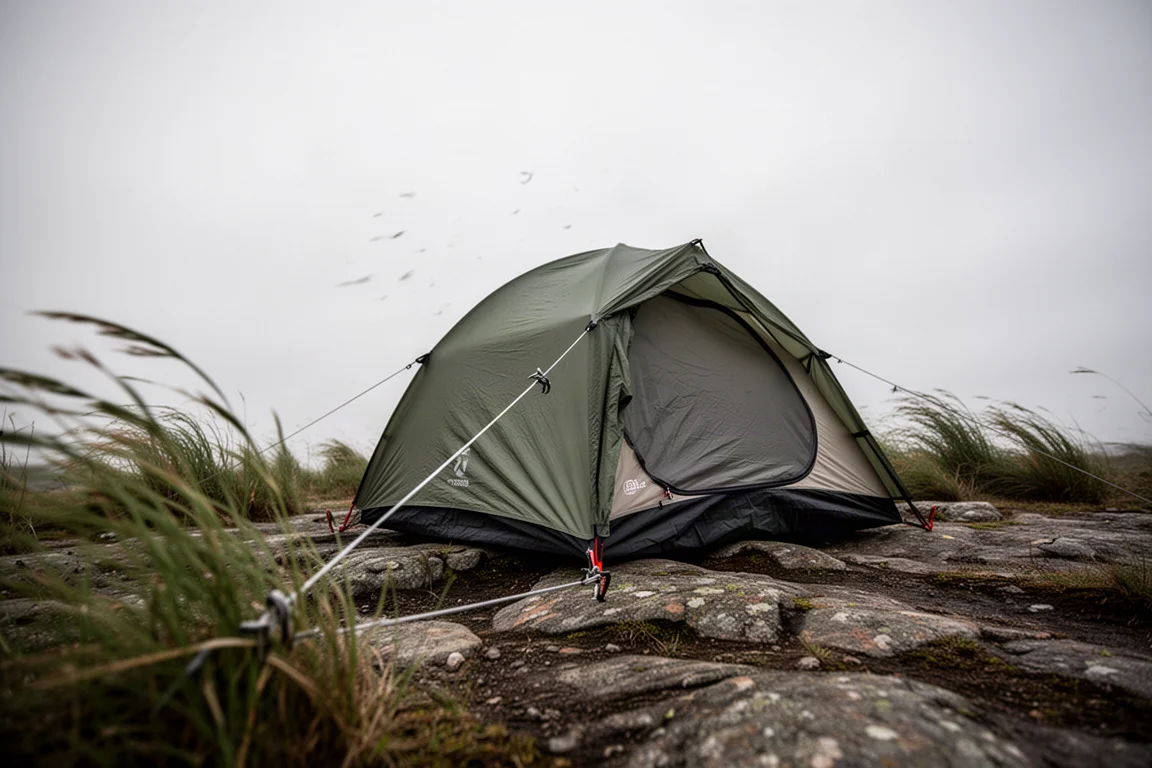
Day to day, the side entry is easier to use than an end entry, since you do not have to swing your legs around to get in and out. There is also extra fabric beside the door, which cuts down on splashback reaching the sleeping area. For one person it is a genuinely spacious shelter, and the same design is available in two and three person versions. Big Agnes places this shelter in the $350 to $450 range.
Weight, Structure, and Weather Protection Compared
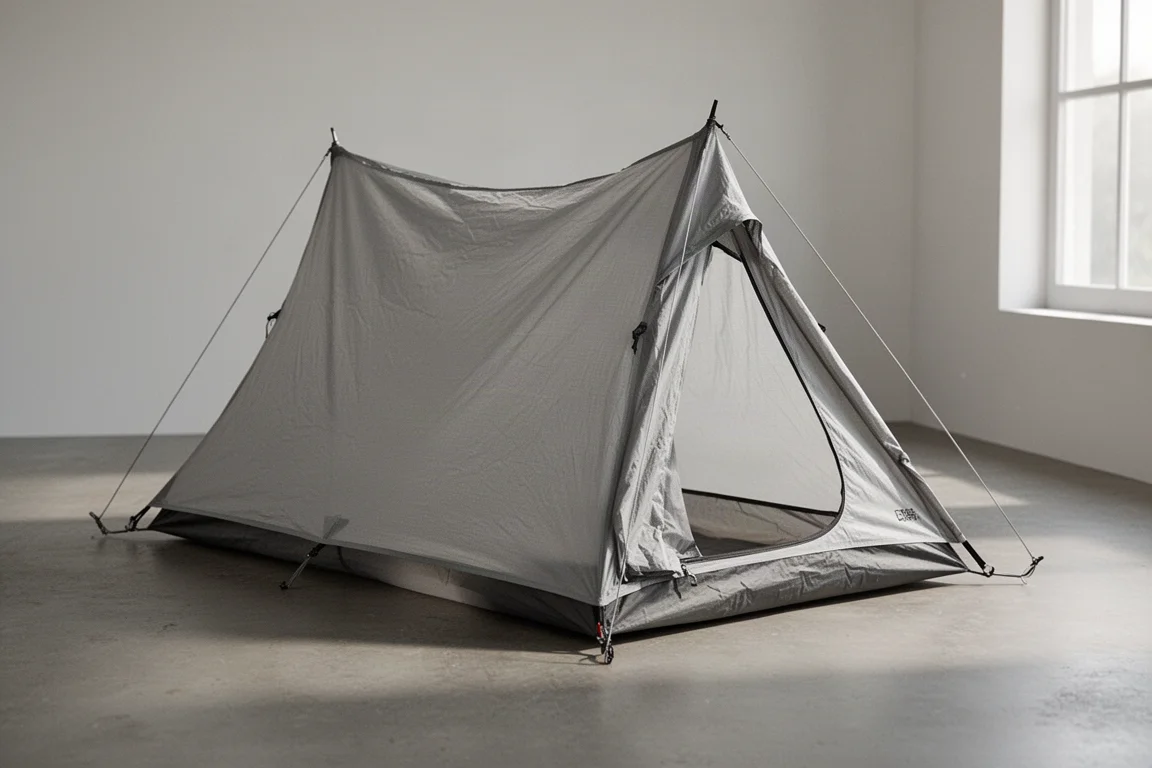
On weight, the order is clear: the Fly Creek UL2 is the lightest, the Tiger Wall UL1 sits in the middle as a one-person semi-freestanding shelter, and the Copper Spur HV UL2 carries the most weight in exchange for the most features. The Copper Spur is the only fully freestanding option of the three, which matters on rocky ground or platforms where staking out corners is difficult.
On structure, the Copper Spur is the strongest, the Tiger Wall is a solid middle ground thanks to its brow pole and attached guy lines, and the Fly Creek is the most flexible in wind. On weather protection, the higher fabric sidewalls on the Copper Spur and Tiger Wall give them an edge over the mesh-heavy Fly Creek when rain comes in at an angle or wind drives dust under the fly.
Size options differ as well. The Fly Creek comes in one and two person versions, the Tiger Wall in one, two, and three person versions, and the Copper Spur in one, two, three, and four person versions. That range makes the Copper Spur the easiest of the three to match to a group size.
Overall Buying Advice
Choose the Fly Creek UL2 if weight is the priority and you mostly sleep solo or with a partner who does not mind a snug fit. It is the lightest way into a Big Agnes two-person shelter, and its simple pitch makes it a low-effort option for fast, light trips. Accept that it gives up structure and sidewall coverage to get there.
Choose the Copper Spur HV UL2 if you want a shelter that feels fully featured. It is the best of the three for two people sharing a tent, for carrying more gear, and for basecamp-style backpacking where you are not counting every gram. It is not the tent a dedicated thru-hiker or a very weight-conscious backpacker would reach for first, but at just over 3 pounds packed it is far from heavy, and the space and livability are worth the trade.
Choose the Tiger Wall UL1 if you want a one-person shelter that handles wind better than the Fly Creek without stepping up to a fully freestanding frame. The side entry, the brow pole, and the attached guy lines make it a practical solo shelter, and the same design scales up if you need a two or three person version.
Conclusion
All three of these Big Agnes shelters are worth considering, and they fit different styles of backpacking rather than competing directly. The Fly Creek UL2 wins on weight, the Copper Spur HV UL2 wins on features and comfort for two, and the Tiger Wall UL1 sits between them as a one-person semi-freestanding shelter with better wind behavior than the lightest option. Match the shelter to the trip you actually take, and any of the three will serve you well.
Further reading
Related Reviews
Backpacking Tents
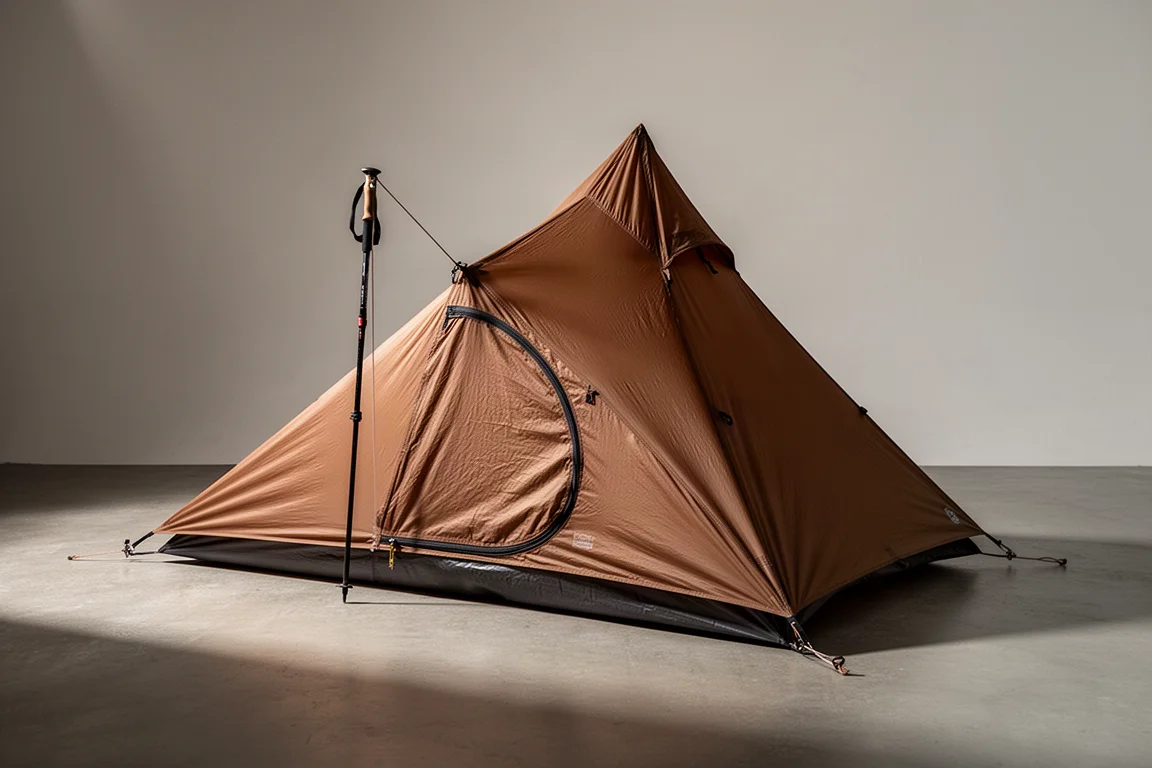
3F UL Lanchan Pro 1 Review: A 1 lb 8 oz Single-Wall Trekking Pole Tent
A practical look at the 3F UL Lanchan Pro 1, a single-wall trekking pole shelter with a 1 lb 8 oz weight, 20D silnylon fabrics, and a roomy 90 x 31 x 49 inch interior.
Backpacking Tents
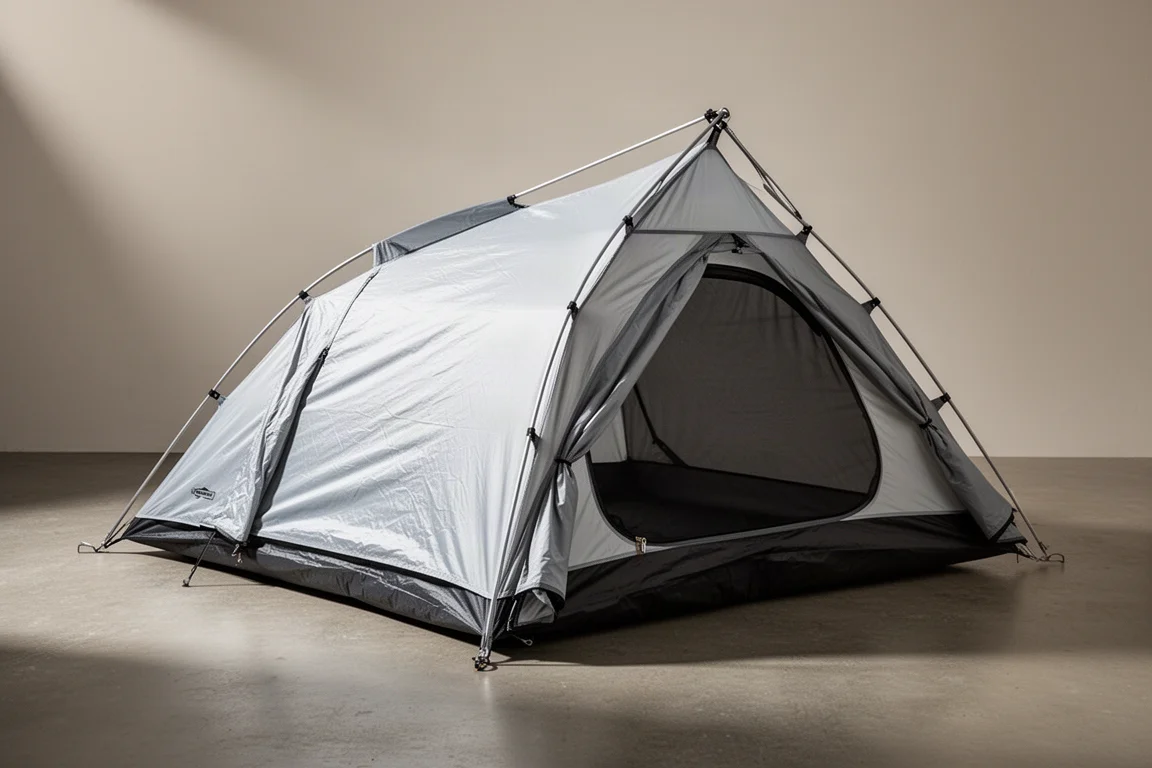
3F UL Taiji 2-Person Tent: A Convertible Backpacking Shelter Worth a Closer Look
A practical look at the 3F UL Taiji two-person tent, covering its materials, true two-person interior, fly-first pitching, and the seasonal inner swap that lets one shelter cover more of the year.
Backpacking Tents
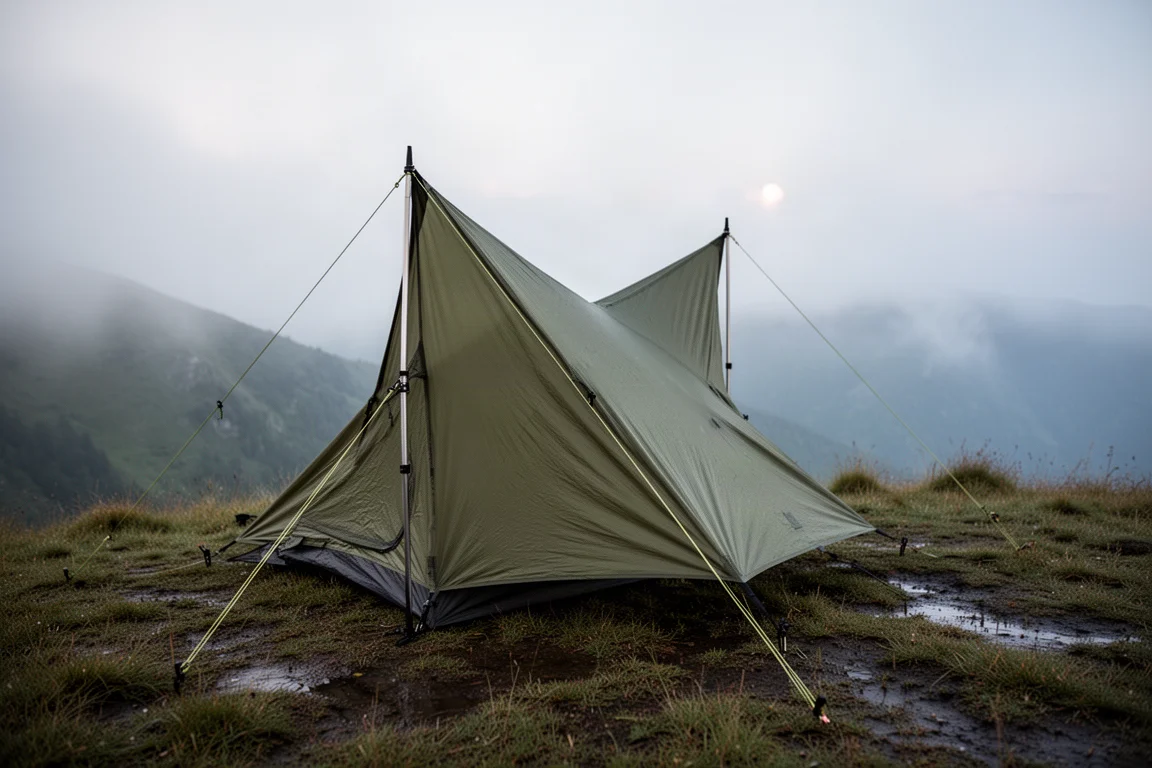
3FUL Lanshan Twoerson Pro Review: A Light Trekking Pole Shelter That Struggled in Rain
A two-person trekking pole shelter with a 2026 redesign, pitched with sticks and put through a night of steady rain. Here is what worked, what did not, and what to check before buying.