Backpacking Tents
Three Big Agnes Ultralight Shelters Compared: Fly Creek UL2, Copper Spur HV UL2, and Tiger Wall UL1
A practical comparison of three popular Big Agnes ultralight backpacking shelters, covering packed weight, structure, living space, and the kind of trips each one suits best.
Introduction
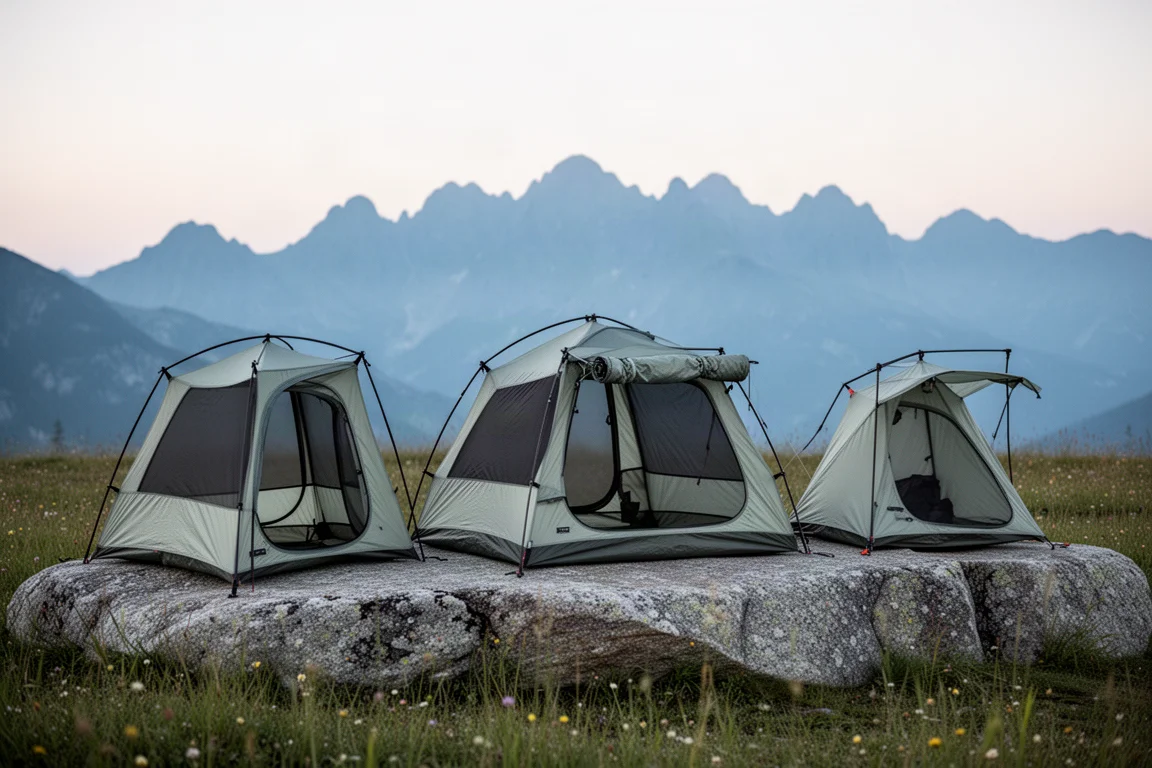
Big Agnes has built a strong reputation for ultralight backpacking shelters, and three models come up again and again: the Fly Creek UL2, the Copper Spur HV UL2, and the Tiger Wall UL1. All three are light for their capacity, all three are designed to be carried rather than wheeled to a campsite, and each one makes a different set of trade-offs between weight, structure, and living space.
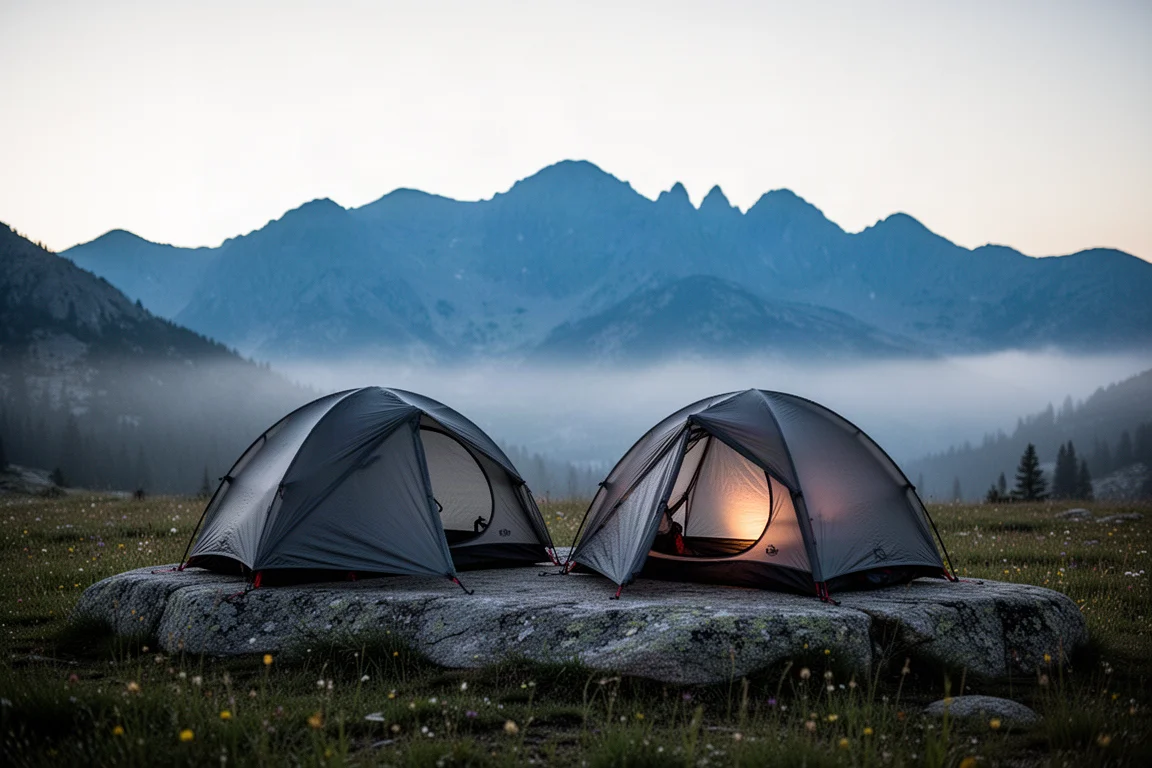
Choosing between them is less about crowning a single winner and more about matching a shelter to the way you actually travel. A solo hiker counting grams will judge these tents very differently from someone heading out for a weekend with a partner and a full pack. The sections below cover what each shelter does well, where it falls short, and which style of trip it fits.
Big Agnes Fly Creek UL2: The Lightest of the Three
The Fly Creek UL2 is the weight leader of this group. As a two-person shelter it comes in at just over 2 lb, around 2 lb 4 oz, which is impressive for a tent that can hold two sleeping pads. In practice it feels very roomy for one person and tight with two.
That low weight comes from simplification. There is a single door and a single vestibule, which cuts fabric and hardware compared with a two-door design. The shelter is semi-freestanding and pitches quickly, which is a large part of why it has stayed popular for so many years. It also uses a solution-dyed fabric, a production approach that saves a significant amount of water.
The compromises show up in structure and weather protection. The Fly Creek collapses on itself fairly easily, and it lacks the side pull-outs that stiffen a tent in higher winds. Because the fly does not attach to the body of the shelter, guying it out does little to stop back and forth movement when wind pushes against the side, so the pitch holds up best when wind comes straight over the pole.
The body is also heavily mesh. That keeps weight down and ventilation high, but it means splashback from heavy rain, along with blowing dust and spindrift, can find its way inside, since there is less solid fabric along the sidewalls. Storage is minimal as well, with a pocket on each side and one at the top, and the side pockets are triangle shaped rather than the more useful rectangular style.
Big Agnes Copper Spur HV UL2: The Most Fully Featured
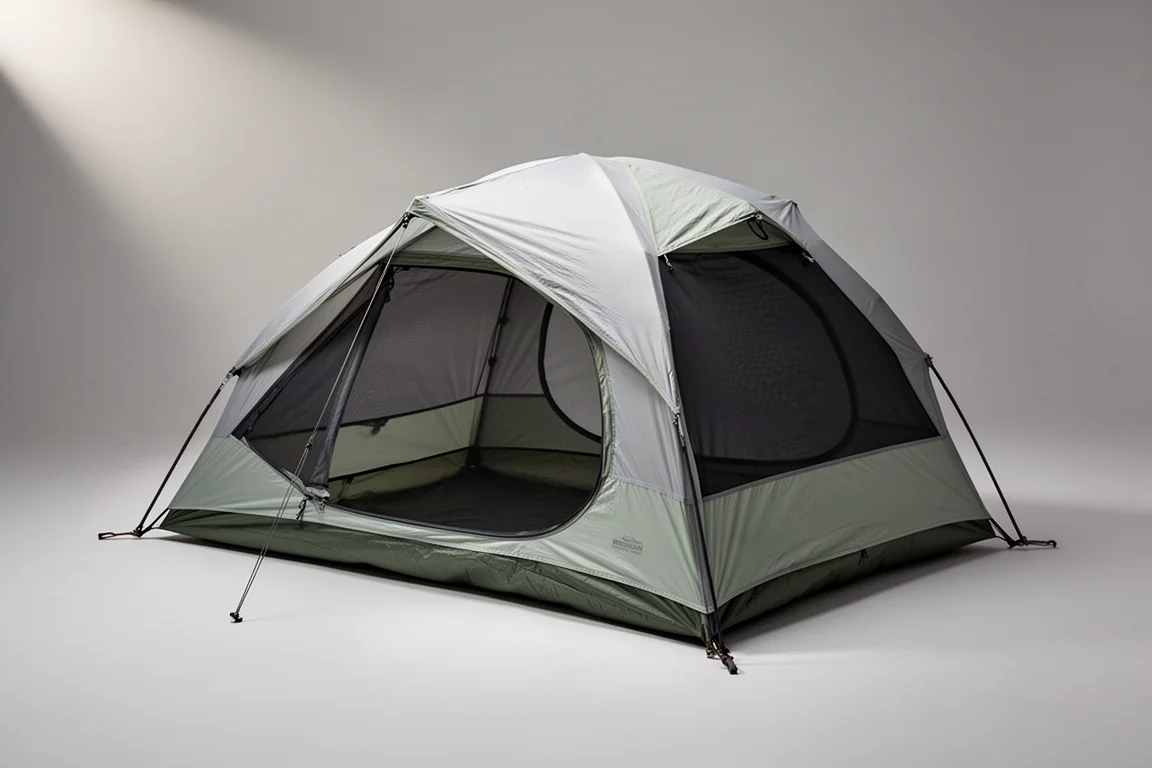
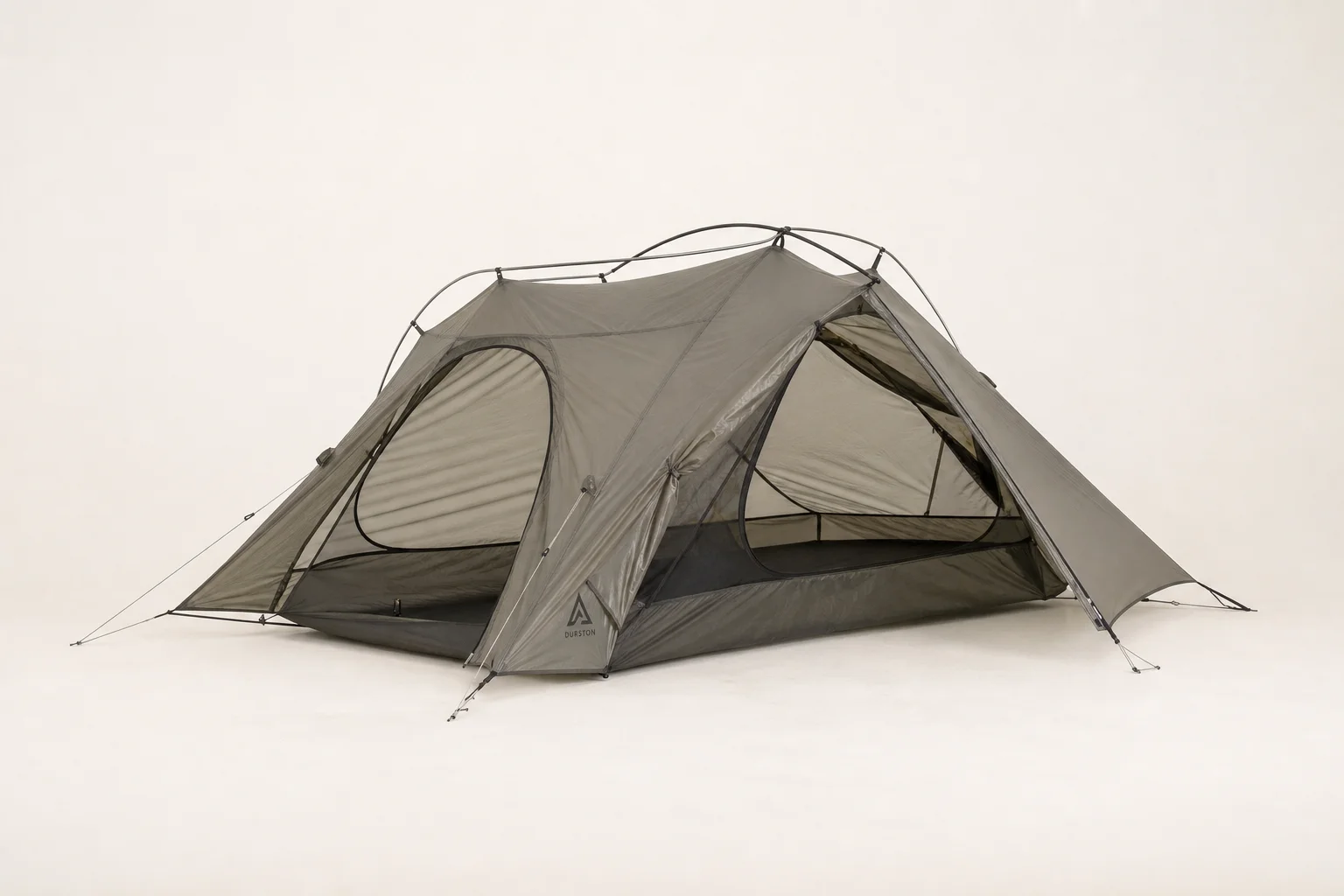
The Copper Spur HV UL2 is the most complete shelter of the three. As a two-person tent it has two doors and two vestibules, and either door can be set up as an awning for a little covered space at the entry. The doors roll back and are held with toggles on both sides, which opens up ventilation and views, and dual zipper sliders let you pull a door back through an interior loop so you can reach gear without fully opening the tent.
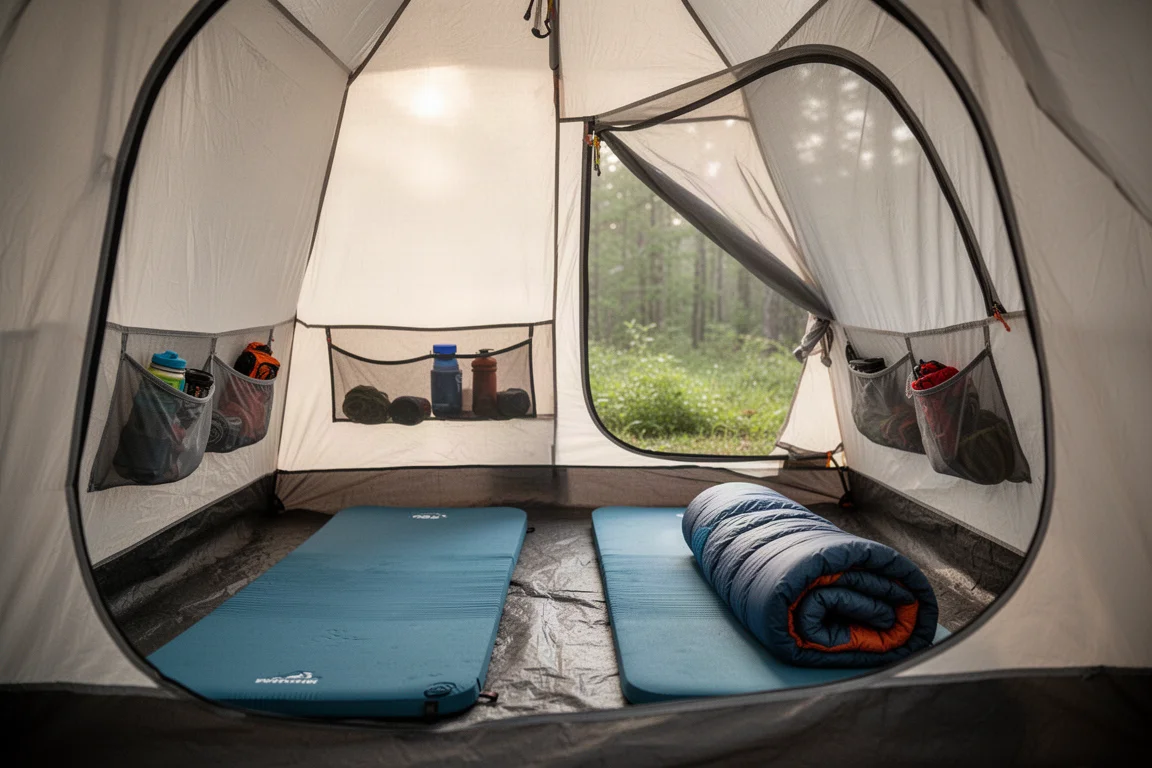
Inside, the layout is built around two people living in the space rather than simply sleeping in it. There are far more storage pockets than on the Fly Creek, so gear can stay off the floor, and peak height is generous for a shelter this light. The tent is fully freestanding, which means more pole structure and a stiffer, more planted pitch.
That structure is why it handles weather better than the other two, and it is also why it weighs more. Packed weight for the two-person version is just over 3 lb, and bulk is the other trade-off to accept. For a long-standing model that Big Agnes keeps refining, that is still a modest figure for a fully freestanding two-person shelter. It is available in one, two, three, and four person sizes.
Big Agnes Tiger Wall UL1: The Spacious Solo Shelter
The Tiger Wall UL1 is the one-person version of the line, with a single side-entry door. It is semi-freestanding, so the two foot corners need to be staked out to pull the body tight for a clean, taut pitch.
Its structure sits between the other two. A brow pole runs perpendicular to the length of the tent and adds rigidity in heavier wind, snow, and rain, though it is not quite as strong as the fully freestanding Copper Spur. Where it clearly improves on the Fly Creek is the connection between fly and body: the guy lines attach to the shelter with a strip of hook and loop, so the fly and body move together and the tent resists the collapsing behaviour that the Fly Creek shows in side winds.
Day to day use is easier as well. The side entry means you do not have to swing your legs around to get in and out, and there is extra fabric behind the door that blocks the kind of splashback a mesh-heavy design lets through. For one person it is a genuinely spacious tent, and it is also available in two and three person versions. It sits in the 350 to 450 dollar range.
How the Three Compare: Structure and Weather Protection
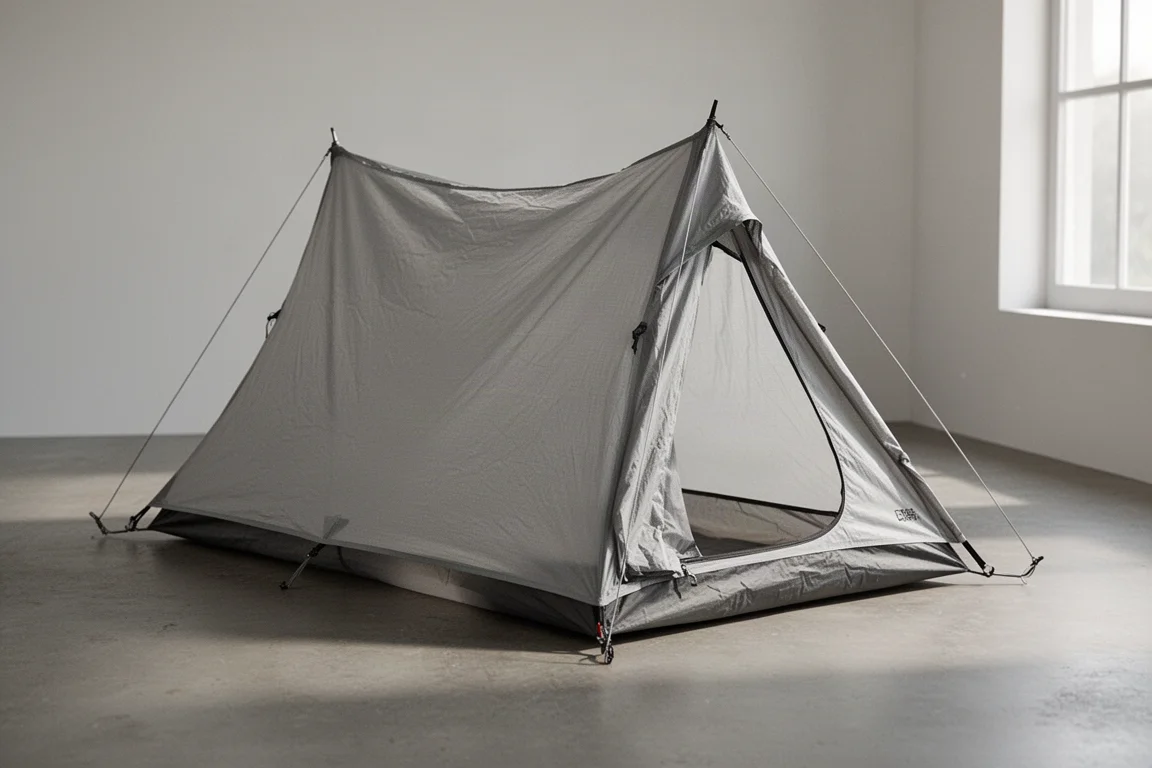
The clearest dividing line between these shelters is how they are held up. The Copper Spur is fully freestanding, with the most pole structure of the three, and it stands firm without much fiddling. The Tiger Wall is semi-freestanding and needs its foot corners staked, but the brow pole and the fly-to-body guy line attachment give it meaningful resistance in wind and heavy rain. The Fly Creek is also semi-freestanding and pitches easily, yet its fly is not attached to the body, so guying out does not add much stability when the wind hits the side of the tent.
Fabric coverage matters just as much once the weather turns. The Copper Spur and the Tiger Wall both use higher fabric sidewalls, which shield the interior from angled rain and the dirt it kicks up. The Fly Creek relies on a mostly mesh body, so it vents beautifully in warm conditions but lets more splashback, dust, and spindrift through.
It is worth saying plainly that none of these three is the ideal shelter for every situation. Non-freestanding tents can save additional weight, but they are more finicky to pitch and demand more attention to site selection and staking.
Who Each Shelter Suits Best
The Fly Creek UL2 makes the most sense for a solo backpacker, or a pair willing to sleep close, who puts low weight and simple setup above storm performance. It suits moderate conditions and trips where every gram in the pack is accounted for.
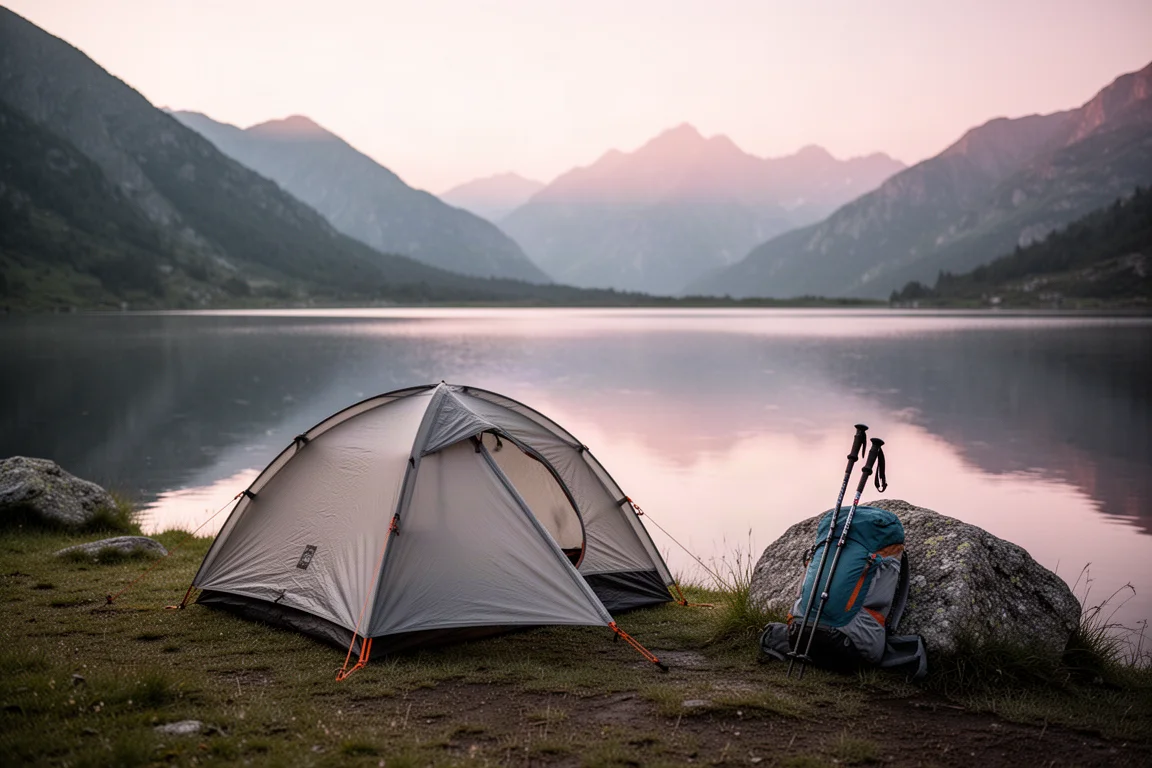
The Copper Spur HV UL2 is the natural pick for two people travelling with a lot of gear, or for base camp style backpacking where you settle in somewhere and explore from there. It is also the easiest of the three to share with a partner or with kids, because the two-door layout keeps everyone from climbing over each other. It is not the first choice for thru-hikers or anyone whose priority is the lowest possible weight.
The Tiger Wall UL1 fits the solo backpacker who wants space, an easy side entry, and more weather structure than the Fly Creek offers, without stepping up to the weight and bulk of the Copper Spur. Its one, two, and three person sizing means the same design logic scales across different group sizes.
Weight, Storage, and Packed Size Trade-offs
Weight differences between these shelters come from a few specific decisions. The Fly Creek saves the most by using a single door and a single vestibule, which is exactly why it lands at just over 2 lb for a two-person shelter. The Copper Spur carries the extra weight of a second door, a second vestibule, two awnings, and more pole structure, which is how a two-person shelter ends up just over 3 lb packed. The Tiger Wall keeps to a single side-entry door and a lighter pole set, sitting between the two approaches.
Internal storage follows the same pattern. The Copper Spur is the clear winner here, with enough pockets that two people can keep gear off the floor overnight. The Fly Creek is at the other end of the scale, with a side pocket on each wall and one at the top, and the triangle shape of those side pockets limits what they will actually hold.
Packed bulk is the quieter trade-off. The Copper Spur takes up more room in a pack than either of the others, which matters if you are carrying a smaller volume pack or splitting the load on a long trip.
Buying Advice and Price Expectations
If the lightest possible shelter is the goal and you mostly travel alone, the Fly Creek UL2 is the obvious starting point, provided you accept that it is a fair-weather friend in strong side winds and heavy splashback.
If you want a shelter that feels fully featured for two people, with two doors, two vestibules, awnings, and plenty of storage, the Copper Spur HV UL2 is the one to choose, and the extra weight and bulk are the price of that comfort. If you are a solo backpacker who wants a spacious interior, an easier side entry, and better structure than the Fly Creek without the Copper Spur’s weight, the Tiger Wall UL1 is the middle path, and it sits in the 350 to 450 dollar range.
Whichever way you lean, it helps to decide first how you camp most often: fast and light on your own, settled in with company, or somewhere between the two.
Conclusion
These three shelters share a design philosophy but not a purpose. The Fly Creek UL2 chases the lowest weight and rewards simple, fair-weather trips. The Copper Spur HV UL2 trades weight and bulk for the most complete, most liveable two-person layout of the group. The Tiger Wall UL1 lands between them, giving solo backpackers a roomy interior, easier access, and more stability in wind and rain. Match the shelter to the trip you actually take, and any of the three will serve you well.
Further reading
Related Reviews
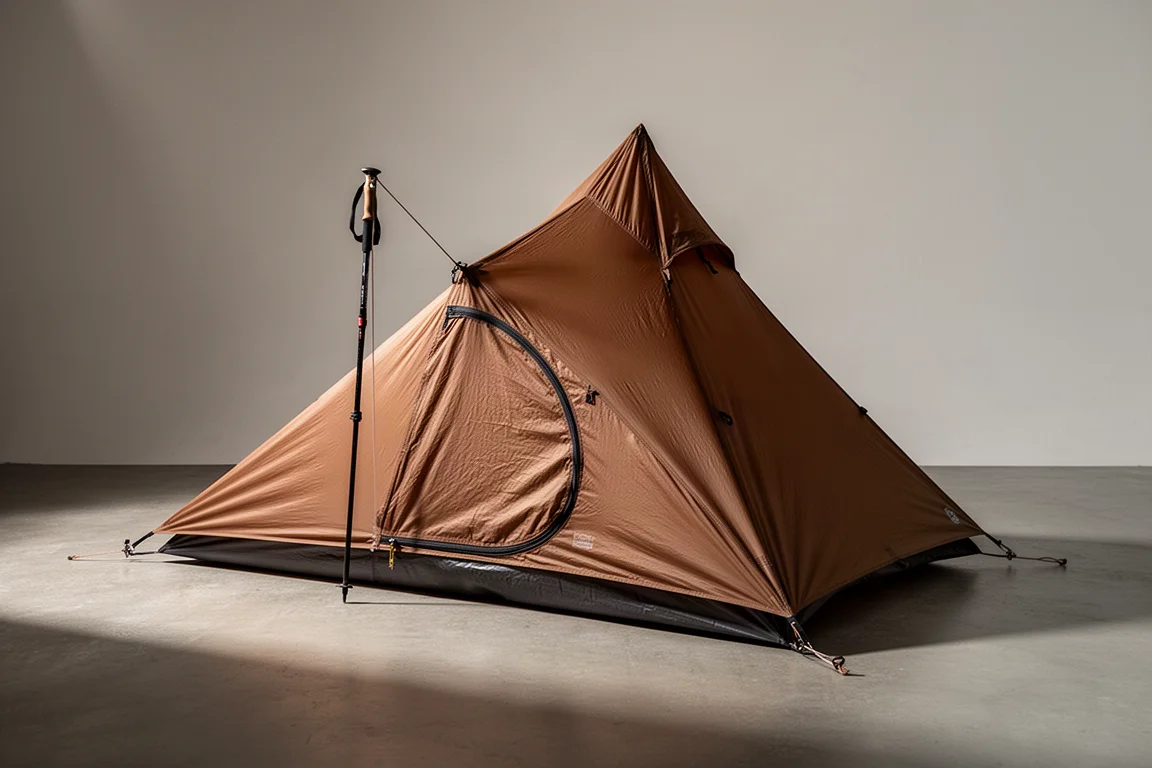
Backpacking Tents
3F UL Lanchan Pro 1 Review: A 1 lb 8 oz Single-Wall Trekking Pole Tent
A practical look at the 3F UL Lanchan Pro 1, a single-wall trekking pole shelter with a 1 lb 8 oz weight, 20D silnylon fabrics, and a roomy 90 x 31 x 49 inch interior.
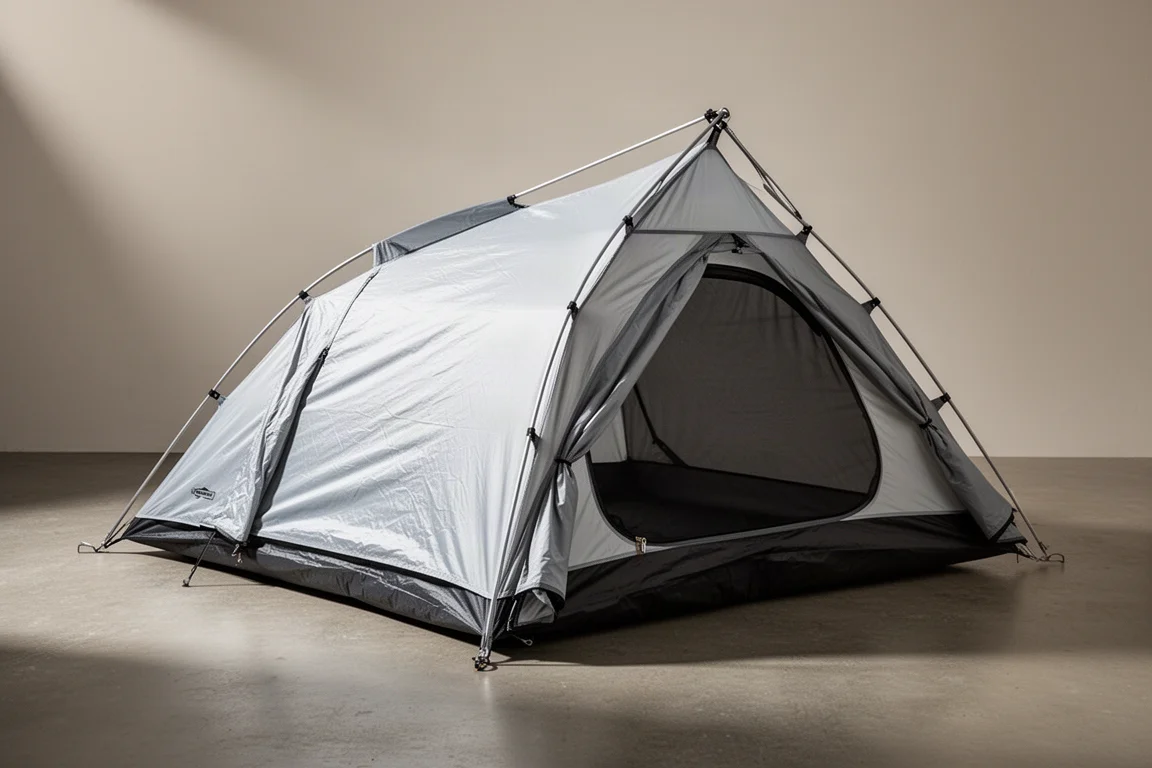
Backpacking Tents
3F UL Taiji 2-Person Tent: A Convertible Backpacking Shelter Worth a Closer Look
A practical look at the 3F UL Taiji two-person tent, covering its materials, true two-person interior, fly-first pitching, and the seasonal inner swap that lets one shelter cover more of the year.
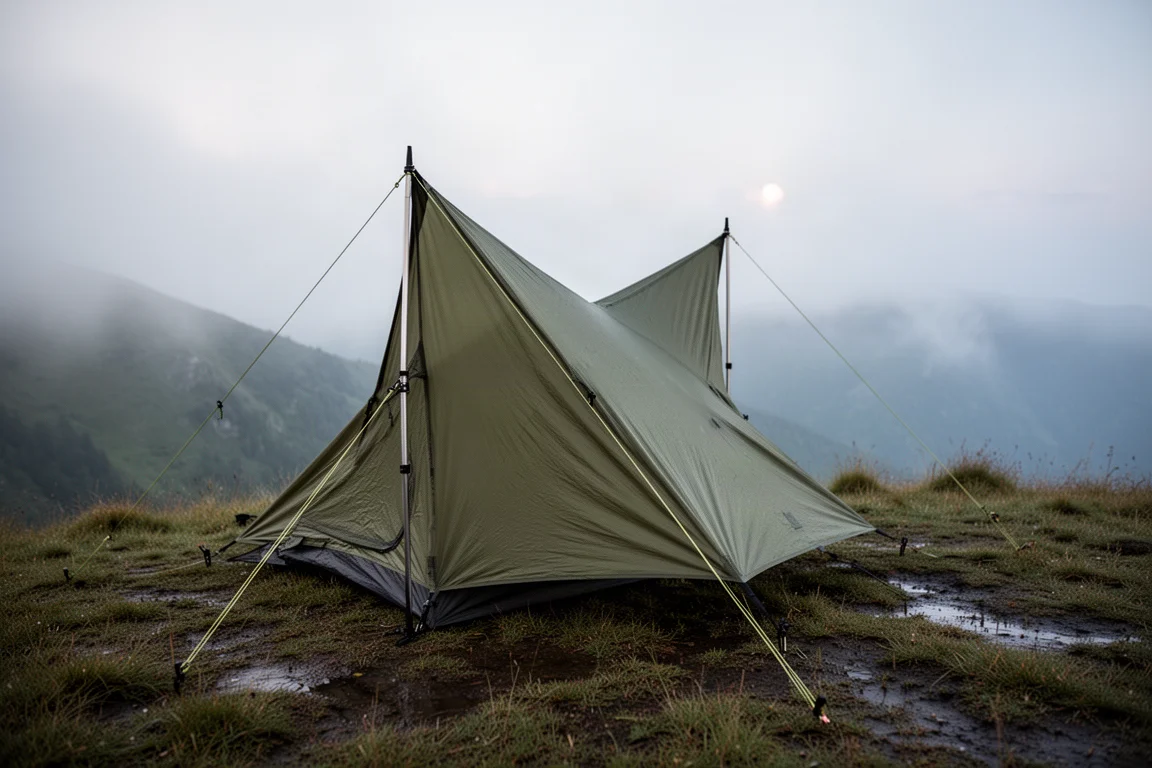
Backpacking Tents
3FUL Lanshan Twoerson Pro Review: A Light Trekking Pole Shelter That Struggled in Rain
A two-person trekking pole shelter with a 2026 redesign, pitched with sticks and put through a night of steady rain. Here is what worked, what did not, and what to check before buying.