Backpacking Tents
Big Agnes Pitch Pine VST 1.5 vs TarpTent Rainbow: A $366 Difference Explained
Two single-wall polyester backpacking tents, one at $650 and one at $284. A practical comparison of construction, interior space, weather behaviour, weight, and value.
Introduction
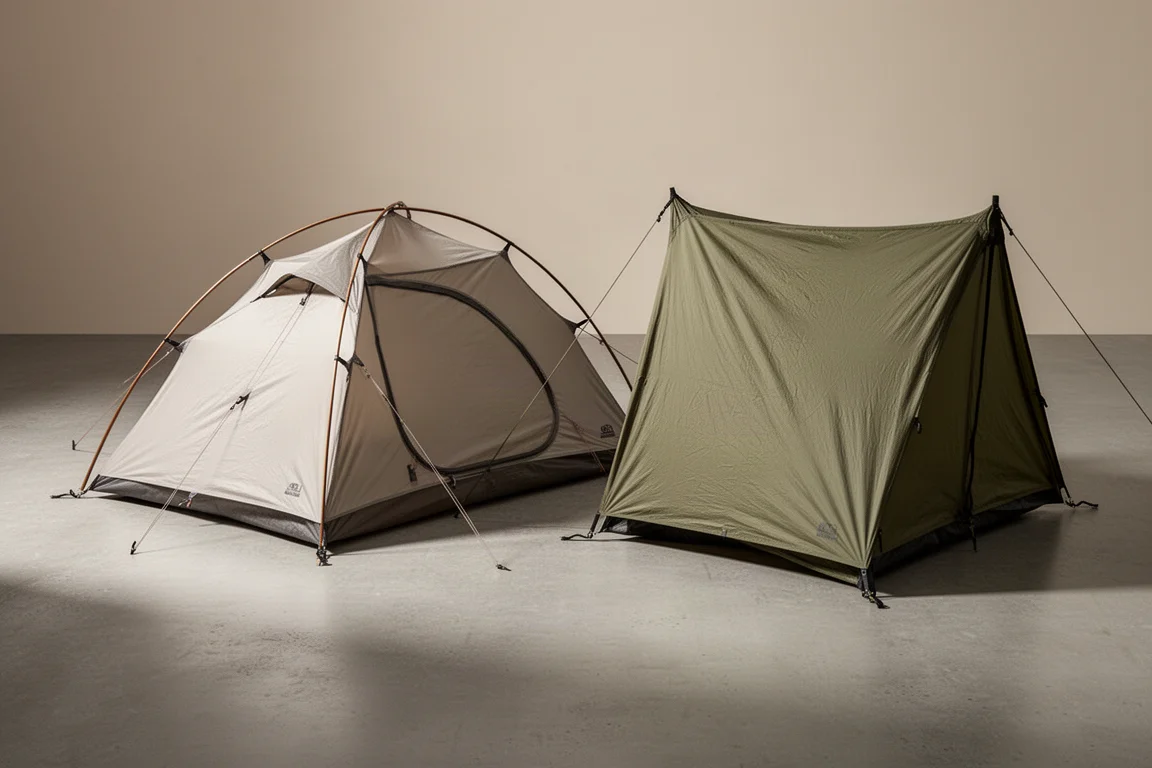
Two single-wall polyester one-person backpacking tents sit at the centre of this comparison. One costs $650. The other costs $284. The design language is close enough that the $366 gap is the first thing most shoppers want explained before they decide anything else.
The Big Agnes Pitch Pine VST 1.5 and the TarpTent Rainbow share a great deal: a single-wall build, a polyester body, a brow pole spreading the peak, and a semi-freestanding pitch. The differences live in the details, and those details are where the money goes. This comparison works through construction, interior space, weather behaviour, weight, and price so you can work out which shelter fits the trips you actually take.
What Separates a $650 Tent From a $284 Tent
Both are single-wall shelters built around a polyester body, and both land near the two-pound mark once the lightest pole option is chosen. The Rainbow has been on the market for years and exists in a wide range of versions, including the standard single-wall model, a double version, double-wall versions, and Dyneema options. The Pitch Pine VST 1.5 is a newer design that competes on interior volume and construction method rather than on price.
Four things drive the gap: how the seams are joined, how much usable interior space each tent creates, how each one handles wind and rain, and how much flexibility you get in pole choice and pitching style. Those four categories are the ones worth weighing carefully.
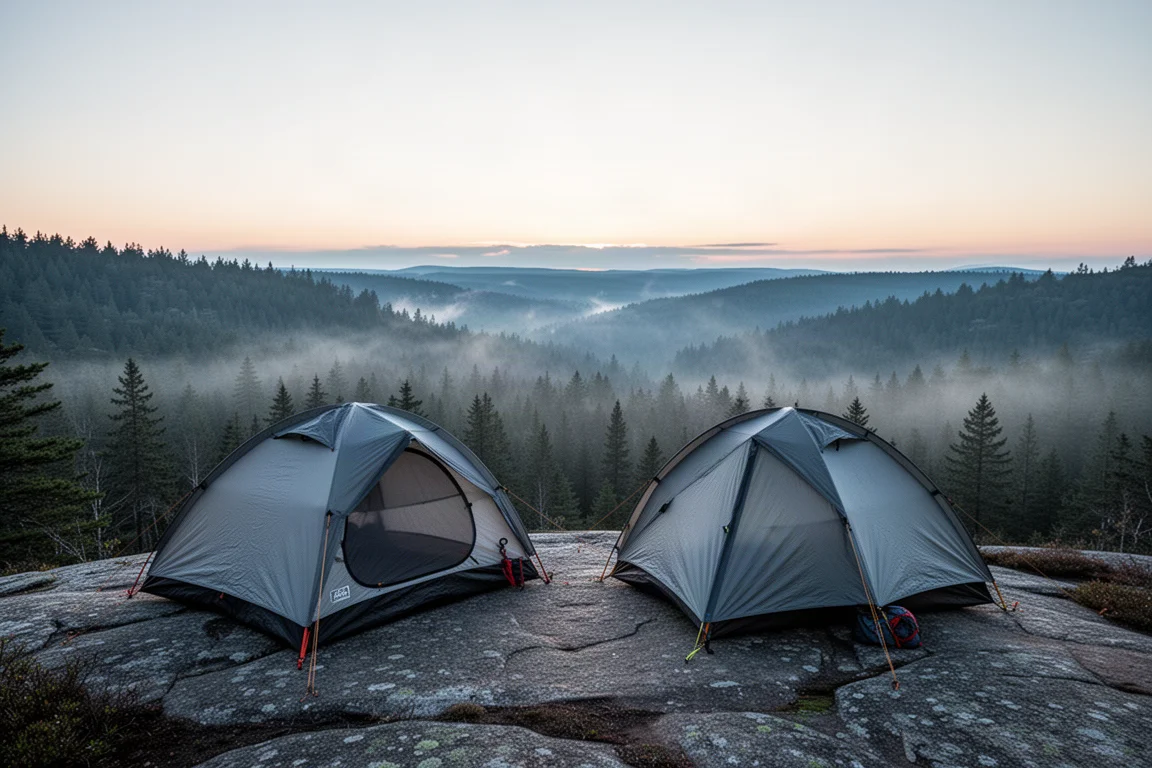
The price difference does not come down to fabric alone. Both tents use a 20 denier polyester body, so the cost sits in how the panels are assembled, how the poles are configured, and how the interior is shaped.
Big Agnes Pitch Pine VST 1.5: Design and Materials
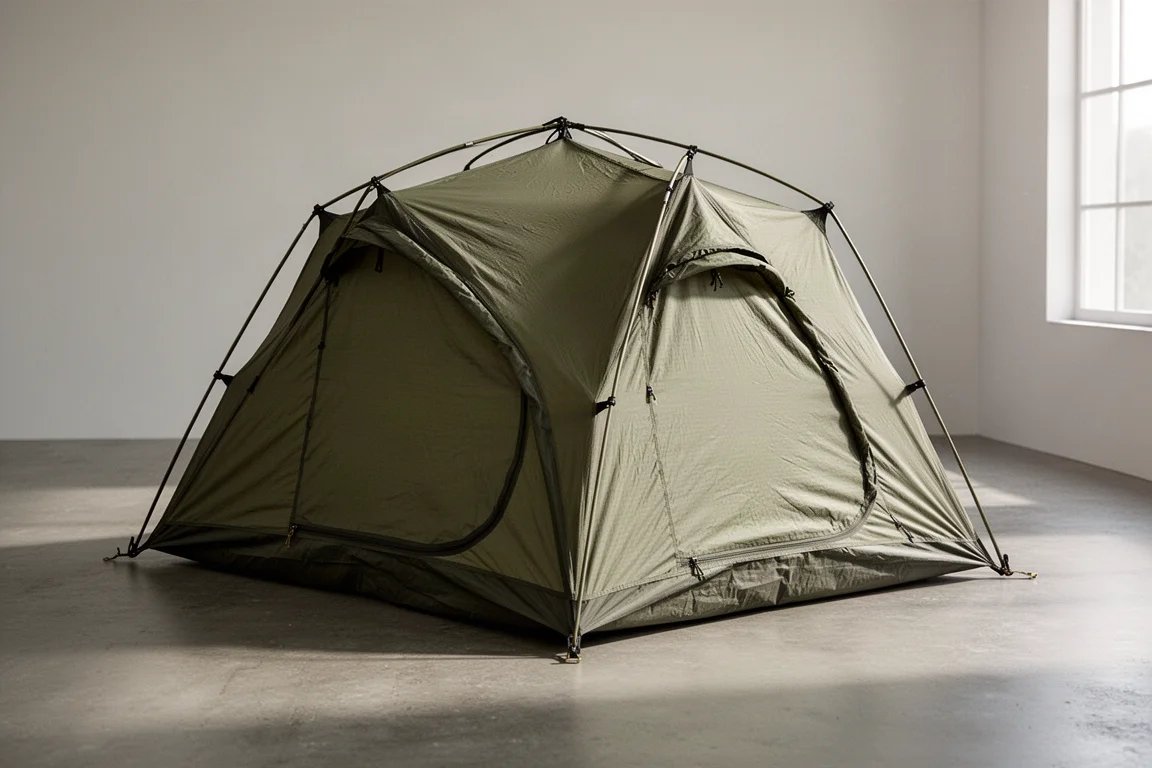
The Pitch Pine VST 1.5 is sized as a 1.5-person shelter. The floor measures 28 inches wide by 88 inches long with a 40 inch peak height, and an extra 0.5 of space pushes out at the rear to add roughly 16 inches of storage area in that corner. That extra volume matters more than the numbers suggest. A tent that holds a strict 28 inch rectangle through its whole length can feel tight, while the added corner makes the interior feel considerably more open and gives you somewhere to stack a pack.
It is a single-wall tent with one door and one vestibule. The main zipper is a watertight design rather than a coated zipper, and there are vents at the peak that run through the top of the shelter so rain cannot blow straight in. A brow pole crosses the centre of the peak to spread the canopy and create headroom, and the body attaches with clips instead of a pole sleeve. The main pole arcs from one corner to the opposite corner, which makes the Pitch Pine semi-freestanding.
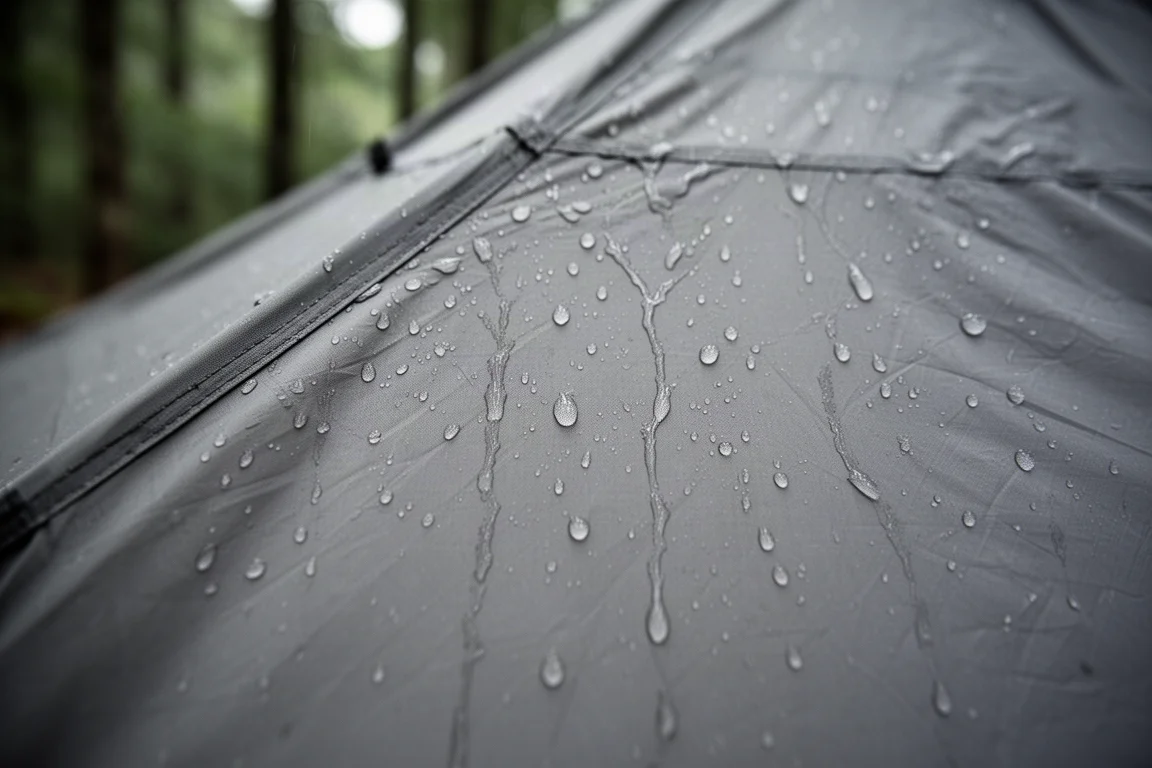
Small construction details are clearly deliberate. The grosgrain webbing at the tie-out points is twisted so it does not flutter or vibrate in wind. The body uses Big Agnes Hyper Bead fabric, which here is a 20 denier polyester with a polyester ripstop rather than a nylon, a distinction that shows up in how the canopy behaves: no stretching, no sagging, and steady performance in sustained rain.
The headline cost driver is the seams. Every panel joint on the Pitch Pine is welded rather than sewn, a process that takes more time and adds production cost. Welding also removes many of the stitch holes that would otherwise need seam tape or sealant. Whether welded seams prove more durable than well-sealed sewn seams over many seasons of use is an open question, and long-term field experience will settle it.
Big Agnes Pitch Pine VST 1.5: Living Space and Storm Performance
Ventilation is a strong point. The peak vents are covered, and the perimeter around the bathtub floor is mesh, so air can move through the shelter while the sleeping area stays protected. Total packed weight is 31 ounces, which is competitive for a shelter this roomy.
The trade-offs show up in use. Because the floor is 28 inches wide and the extra space sits off to one side, sleeping at a slight angle is the natural way to maximise room, and the front panel drops close enough to the face that condensation can build up there. The main pole runs corner to corner, so the most usable headroom sits where that arc crosses. Two small pockets, one low and one at the head end, leave a lot of gear without a dedicated home. The mesh door also tucks into a sleeve rather than rolling and toggling out of the way.
In wind, the Pitch Pine is strong without being the most stable option available. It handled sustained overnight winds in the 35 to 45 mile per hour range, which is a real test for a shelter this light. It is not a tent to choose for fully exposed high-altitude campsites, where a more wind-resistant structure makes more sense.
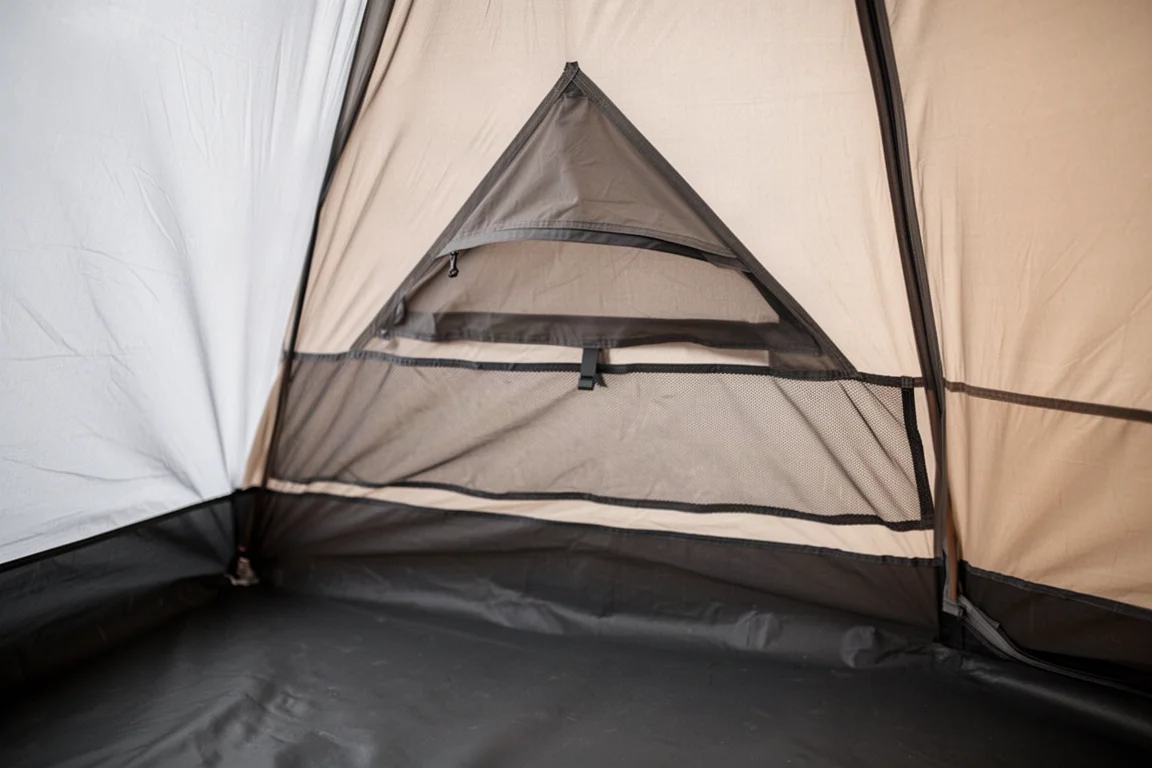
For most three-season trips in moderate terrain, the combination of low weight, generous interior volume, and a well-shaped vestibule covers what a one-person shelter needs to do.
TarpTent Rainbow: Design and Materials
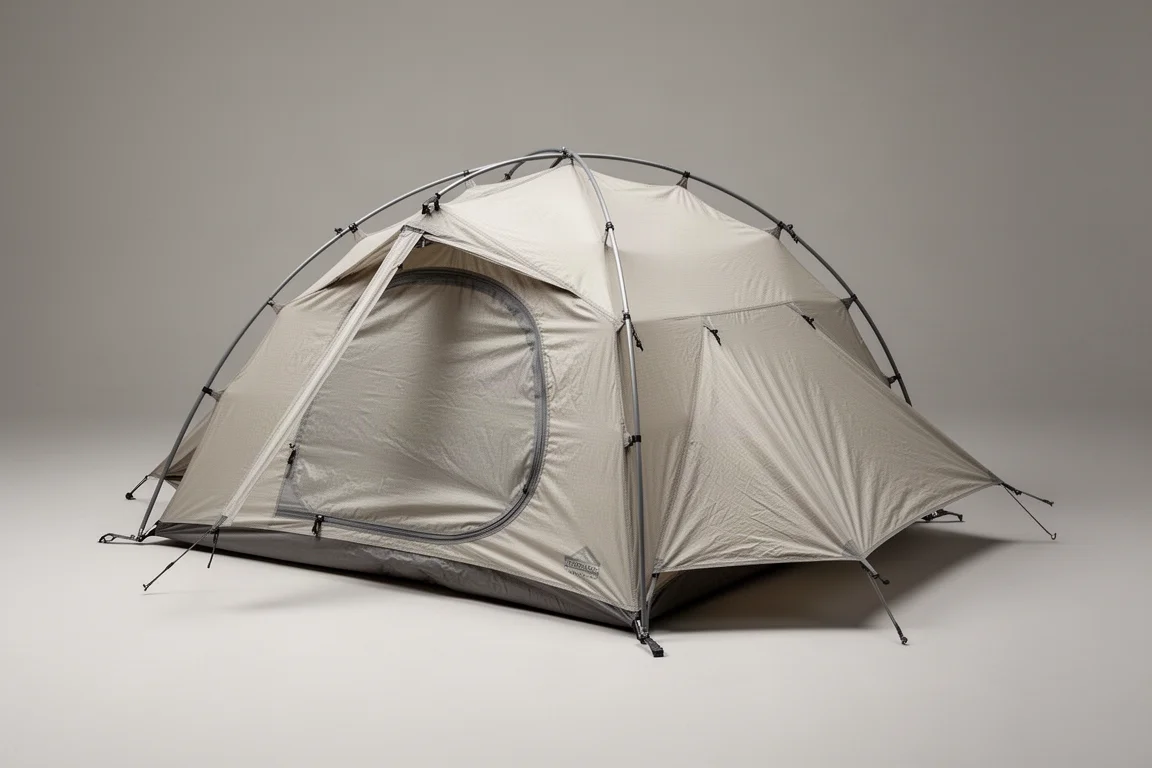
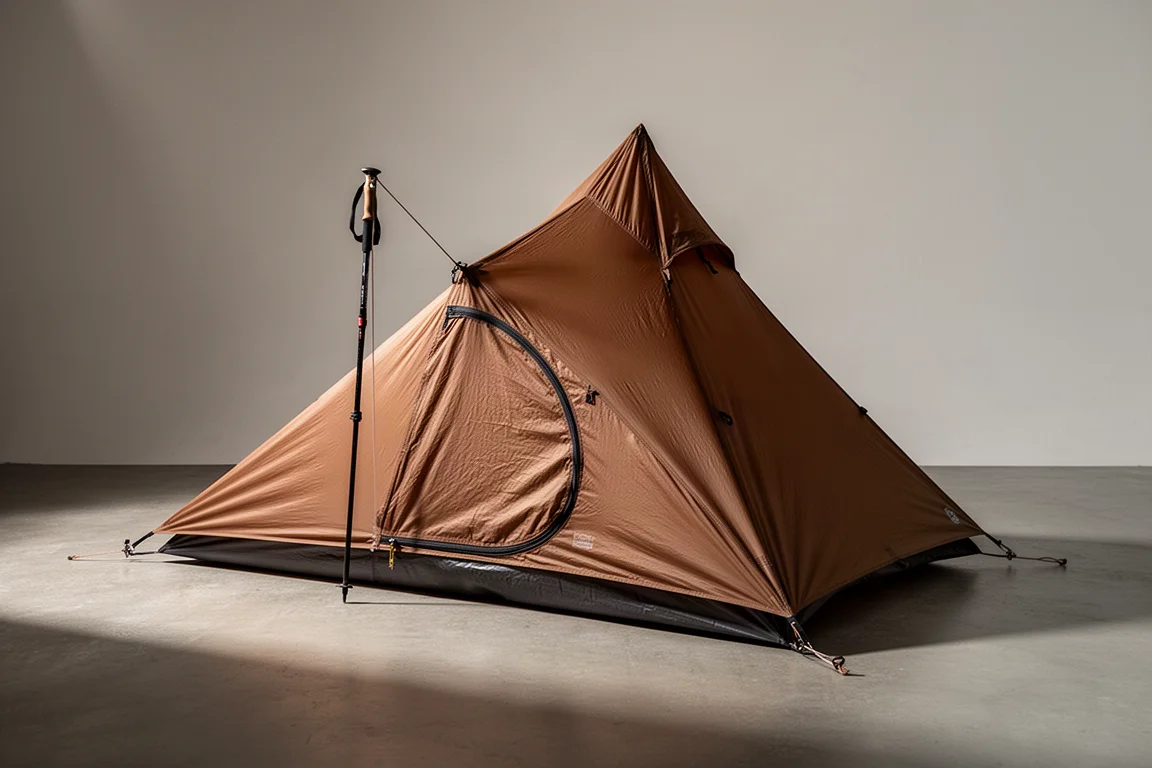
The Rainbow is a long-running design and one of the more familiar lightweight backpacking shelters. The 2026 version changed the dimensions: width is now 36 inches, down from the 40 inches the tent carried for years, which brings it in line with the width of the Dyneema version. Floor length stays at 88 inches and peak height is 42 inches. The single-wall body is a 20 denier nano polyester ripstop, and the floor is a 30 denier double ripstop nylon with a high hydrostatic head for durability.
The main pole runs through a sleeve rather than attaching with clips. That sleeve is what gives the Rainbow its dimensional stability: the structure resists wind from the direction it is pitched into, and the tent feels planted rather than reactive. Choosing a thicker aluminium pole adds stiffness again.
Pole choice is one of the Rainbow’s best features. The standard version can be ordered with a carbon fibre pole or one of two aluminium pole sizes, so you can trade a little weight for a lower price or the other way around. The carbon pole keeps total weight just under 33 ounces, close to the Pitch Pine, and the whole tent stays under $300 even with that upgrade.
TarpTent Rainbow: Living Space and Versatility
The most noticeable advantage over the Pitch Pine is at the ends. The Rainbow’s head and foot ends are far more vertical, which adds usable volume where your head, sleeping bag, or quilt would otherwise brush the wall. TarpTent also shapes the lower body so that usable length holds up roughly 12 inches above the floor, which matters for anyone who shifts position at night. The full 36 inch width runs the length of the tent, so there is no need to sleep on a diagonal, and a 25 inch wide pad fits in both tents without trouble.
The Rainbow is semi-freestanding, but it can be turned into a fully freestanding shelter using the accessory pieces included with the tent. Those pieces attach at the head and foot ends and accept trekking poles, which opens up pitching options the Pitch Pine does not offer, including hard ground where staking out a semi-freestanding design is difficult.
Two weaknesses are worth knowing about. The peak vents are small and frequently collapse in on themselves, so they do not move much air. The carbon pole also relies on aluminium ferrules, and one of those ferrules can shift out of position, which is a durability question to keep an eye on over time.
Even with those caveats, the interior feels open for a one-person tent, and the space is easy to live in.
Price and Value: Where the Extra Money Goes
The Pitch Pine VST 1.5 costs $650, the TarpTent Rainbow costs $284, and the gap is $366. The Pitch Pine’s price lands in the same territory as many Dyneema shelters, which is the hardest part of its value story. Dyneema carries an established reputation as the material you pay a premium for, and a polyester tent at the same price has to justify itself on construction and design instead.
The justification Big Agnes offers is welded seams, which raise both production time and cost. That is a genuine difference in how the shelter is built, and welded construction does remove the stitched points where leaks commonly start. It is also a difference whose long-term benefit is still unproven against a sewn and taped seam that has served backpackers well for decades.
The Rainbow makes the opposite argument: a proven design, a choice of poles, a durable floor, and a fully freestanding option, all for well under $300. The carbon pole adds cost and still leaves the tent below that threshold.
Which Tent Should You Choose?
Choose the Big Agnes Pitch Pine VST 1.5 if interior volume in a very light package is your priority and you want welded seam construction, a well-shaped vestibule, and strong ventilation from a covered peak vent system. It suits three-season backpackers who camp in moderate exposure and want a shelter that feels roomy for its weight. Budget for the price, and accept that the pocket layout and the mesh door tie-back are the least polished parts of the design.
Choose the TarpTent Rainbow if you want the most shelter per dollar and value flexibility. The choice of three poles, the option to pitch it fully freestanding with trekking poles, the more vertical ends, and the durable nylon floor make it an easy recommendation for backpackers who want a lightweight one-person tent without spending premium money. The ineffective peak vents and the pole ferrule question are the main things to weigh.
If you camp in exposed, high-altitude terrain, neither tent is the ideal answer. Both are light single-wall designs that trade some wind resistance for weight, and the Pitch Pine in particular is better suited to more protected sites.
Conclusion
Both shelters stand on their own. The Pitch Pine VST 1.5 is a well-built, impressively roomy ultralight tent whose price reflects welded construction and careful detailing, and it becomes more appealing the more time you spend in it. The Rainbow is a classic that still delivers the better value, especially once you factor in pole options and the freestanding conversion. If the $366 gap matters, the Rainbow is the straightforward pick. If you want the extra interior volume and the welded build, the Pitch Pine earns its place.
Further reading
Related Reviews
Backpacking Tents
3F UL Lanchan Pro 1 Review: A 1 lb 8 oz Single-Wall Trekking Pole Tent
A practical look at the 3F UL Lanchan Pro 1, a single-wall trekking pole shelter with a 1 lb 8 oz weight, 20D silnylon fabrics, and a roomy 90 x 31 x 49 inch interior.
Backpacking Tents
3F UL Taiji 2-Person Tent: A Convertible Backpacking Shelter Worth a Closer Look
A practical look at the 3F UL Taiji two-person tent, covering its materials, true two-person interior, fly-first pitching, and the seasonal inner swap that lets one shelter cover more of the year.
Backpacking Tents
3FUL Lanshan Twoerson Pro Review: A Light Trekking Pole Shelter That Struggled in Rain
A two-person trekking pole shelter with a 2026 redesign, pitched with sticks and put through a night of steady rain. Here is what worked, what did not, and what to check before buying.