Camping Gear
Big Agnes Lost Ranger 3-in-1 Sleeping Bag Review: One System for Every Season
A modular inner and outer sleeping bag system that covers roughly +10°C down to -9°C, with the comfort of a rectangular quilt and the security of a pad-connected design.
Introduction
The Big Agnes Lost Ranger 3-in-1 is a modular sleep system built around a straightforward idea: rather than owning several sleeping bags for different seasons, you own one system that adapts to the conditions. It combines a lightweight inner bag with a rectangular outer bag that behaves much like a quilt, and either piece can be used on its own or paired together.
The result is a setup that covers a wide temperature span while staying comfortable enough for year-round camping. It is not the lightest option on the market, and it does not pretend to be. The appeal here is versatility and comfort, delivered at a cost that keeps the whole system accessible.
Who the Lost Ranger 3-in-1 Is For
This system suits campers who sleep out across the year and would rather not maintain a shelf of different bags. If you camp in spring, summer and autumn, and occasionally push into colder nights, the modular design means you can dial in warmth instead of guessing.
It also appeals to side sleepers. The inner bag uses a hood configuration drawn from an award-winning design in the range, shaped to fit around the head rather than over it, which makes side sleeping noticeably more natural. Anyone who has woken up with a hood dragged across their face will understand why that matters.
The inner bag alone is a realistic option for fast, light summer trips, while the outer bag suits milder nights on its own.
Comfort-focused campers get the most from it. The rectangular outer bag gives you the room to move that a mummy bag rarely allows, which is a meaningful difference over a full night’s sleep.
How the Three-in-One System Works
There are three usable configurations. The lightweight inner bag is rated by the brand for use at around 4°C, making it a viable standalone option for ultralight summer adventures. The outer bag, used alone, is rated to roughly 10°C. Combined, the system is rated down to around -9°C.
Treat those figures as a guide rather than a guarantee. Real-world warmth depends heavily on humidity, how cold you sleep, and what you wear, so the ratings are best read as approximate anchors.
The practical upshot is a system that spans roughly +10°C down to -9°C, with plenty of middle ground. If you are too warm with both bags combined, you can lay the outer quilt over you without doing up the sides, letting warm air escape more easily. Zip it fully for maximum warmth and draft protection. You can also vent just the feet, or open a single side.
There is further flexibility in the pairing itself. Because the inner bag is a separate component, you can use any sleeping bag you already own as the inner layer to boost the system or push it warmer.
Main Strengths: Comfort and Versatility
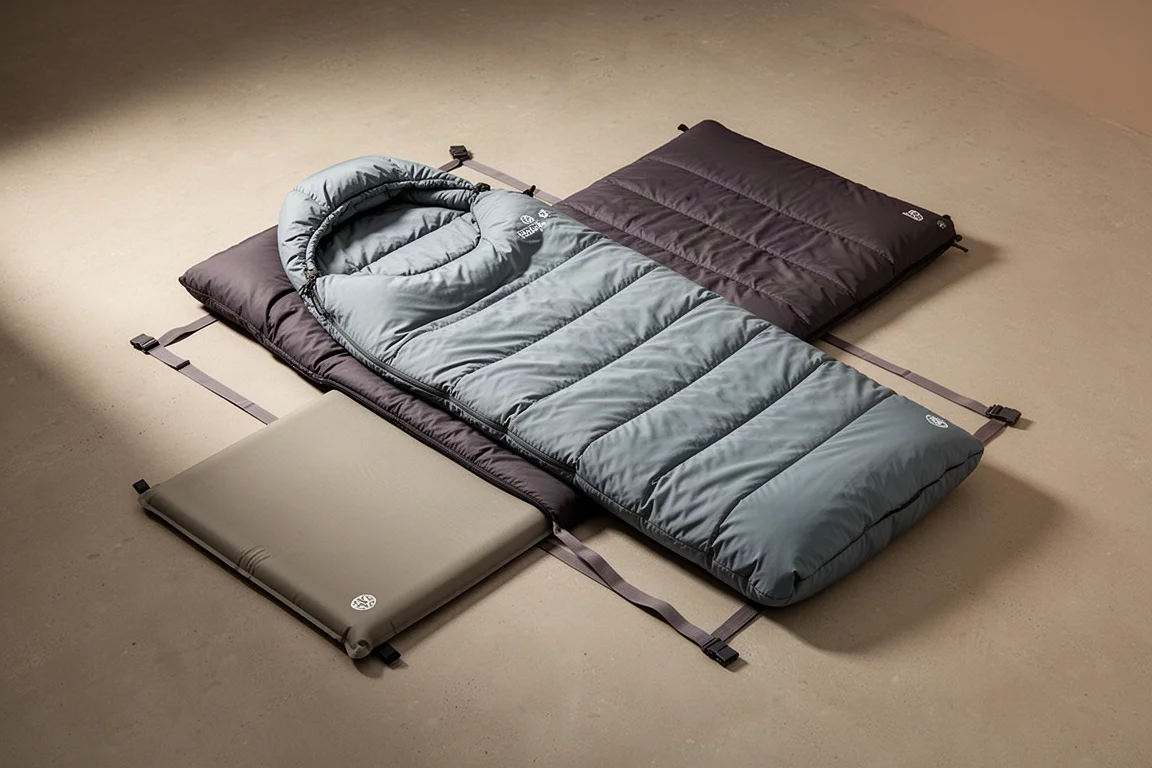
The outer bag is the most interesting part of the design. It works like a quilt, but it avoids the classic quilt problem of sliding off in the middle of the night. The bottom edge connects to your sleeping pad, which keeps the whole thing anchored so you are not chasing warmth at 3am.
The rectangular shape is a large part of the comfort story. It feels closer to sleeping in a bed at home than in a technical bag, and the matching rectangular pad underneath reinforces that. Two full-length anti-snag zippers, one on each side, mean you can shuffle and roll without dragging the bag out of position. Both zippers are two-way, so you can vent your feet from either side.
Hand corner pockets are a small touch that makes a real difference. You can tuck your hands in and pull the bag snug around your shoulders, which is exactly the feeling of pulling a quilt up at home.
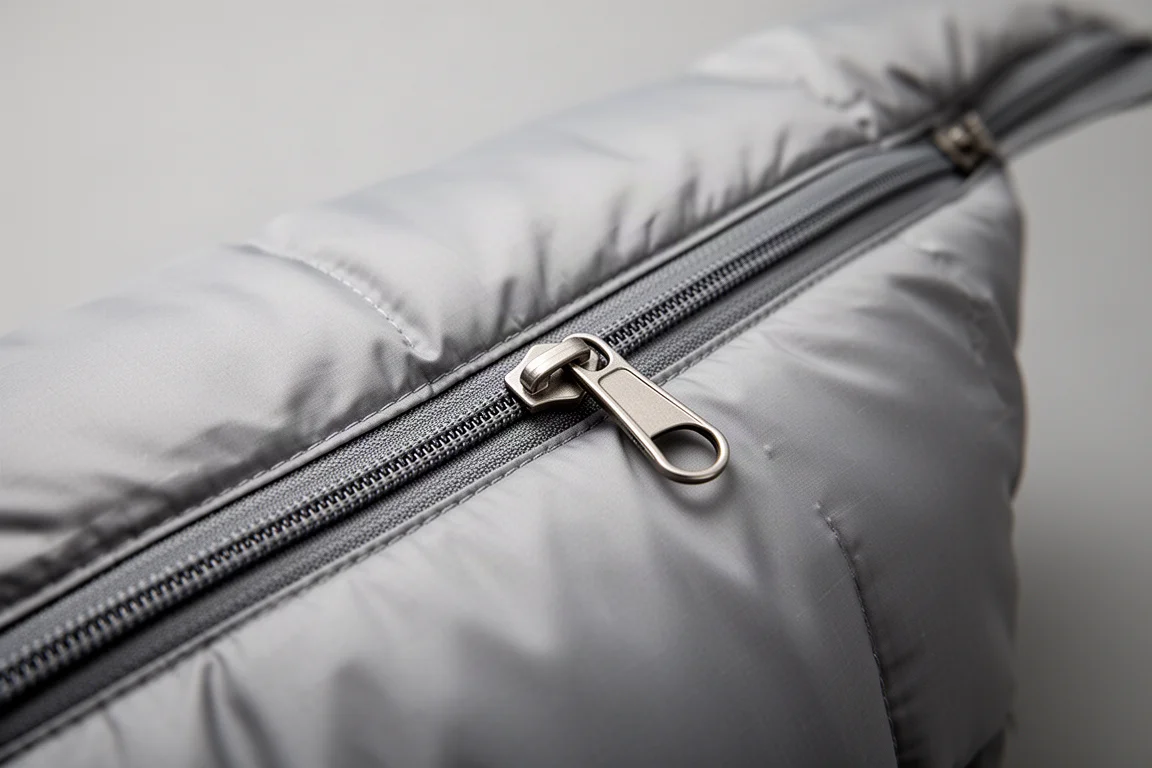
The inner bag holds its own as a standalone piece too. It uses thinner, lighter zippers rather than the chunky anti-snag hardware of the outer bag, and those zippers are also two-way, so you can vent at the feet and at the top.
Fabric, Fill, and Moisture Resistance
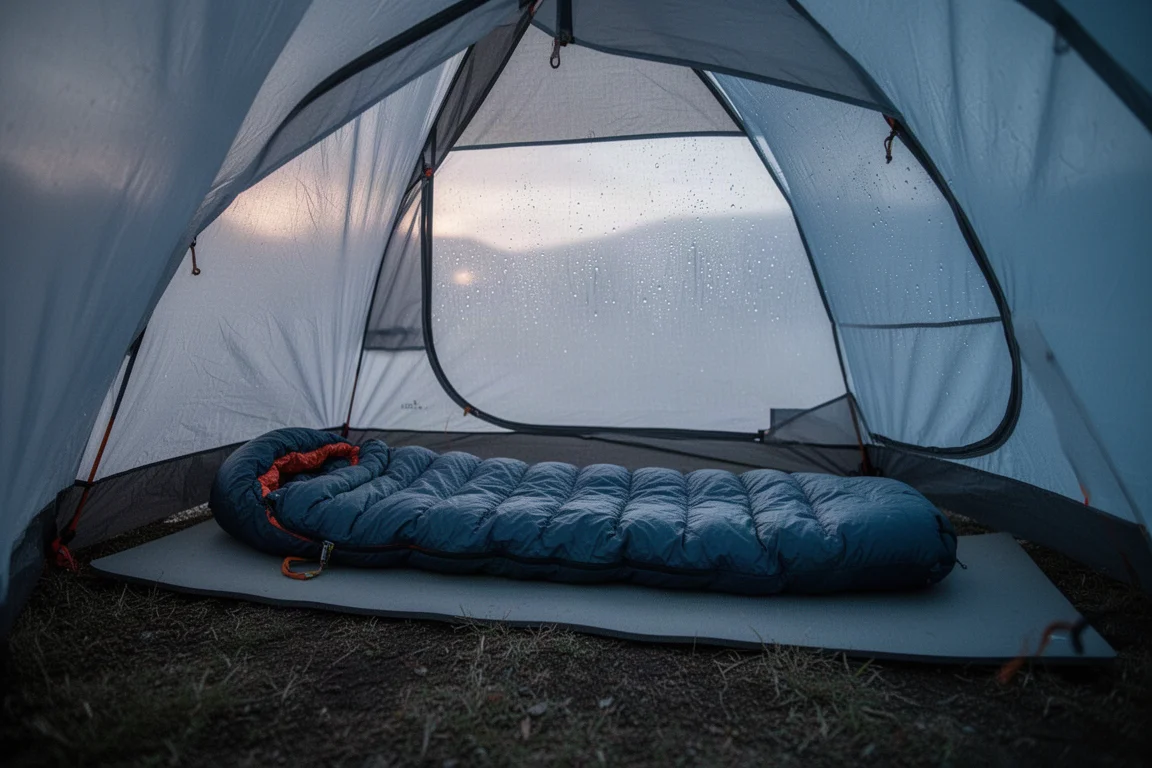
Both bags use 20 denier recycled polyester throughout. It feels soft against the skin where you lie on it, and it offers enough weather protection to cope with condensation dripping inside a tent.
The fill is a 650 down, treated to be hydrophobic so it handles moisture better than untreated down. It is not the highest down rating available, and that is deliberate. The trade-off buys a well-rounded sleep system that performs reliably while keeping the price within reach.
Things to Consider Before Buying
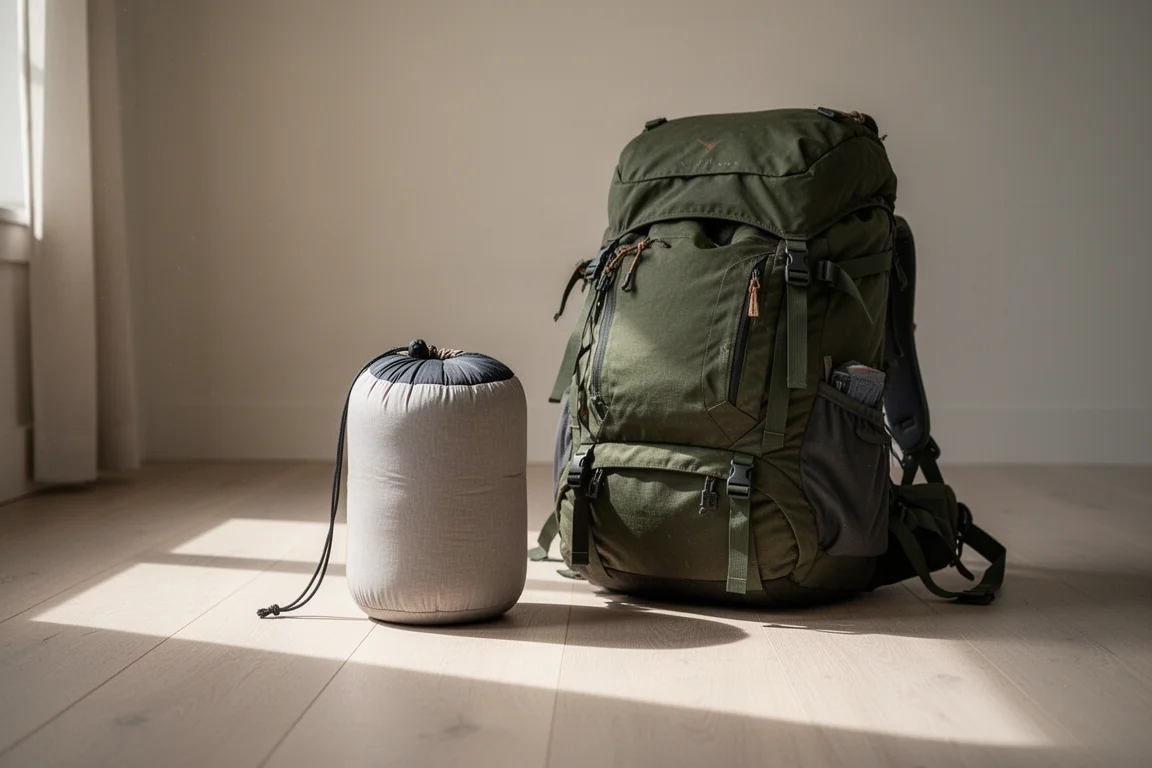
Weight is the first thing to weigh up. The full system comes in at roughly 1.2 kg, with the outer bag around 700 g and the inner around 500 g. That is not the lightest on the market, and gram-counting backpackers will notice. What you get in return is a lot of versatility and comfort from a single packed system.
The outer bag is designed to attach to a sleeping pad, so it works best as part of a complete setup rather than as a loose bag. Check that your pad is compatible before committing, although the attachment is built to fit a wide range of pads.
Temperature ratings, as always, are approximate. Cold, damp conditions will feel different from a dry, still night, so plan with a margin rather than relying on the headline numbers.
Finally, consider how you camp. If you mostly take short summer trips and count every gram, a single lightweight bag may serve you better. The value of this system shows up when you camp across multiple seasons.
Choosing the Right Pad and Setup
The outer bag connects to the pad using a strap-and-loop attachment system. In practice, setup is simple: slide one end of the pad in, then the other, and before pulling anything tight, work the middle pinch point into place. Once everything is seated, pull it snug.
One detail worth attention during setup is the upper section where your pillow sits. If you drag it across to the wrong side while tightening, your pillow can slide off during the night. Keep it oriented correctly and the fit stays secure.
That same upper section functions as a pillow barn, so you can use your own pillow or simply stuff spare clothing in and know it will stay put. Once tightened, the outer bag stays firmly in place with no shifting while you sleep, and it fits a broad range of pads.
Buying Advice
Buy the Lost Ranger 3-in-1 if you want one system that covers the year, you sleep on your side, and you value the roominess of a rectangular bag over the minimal bulk of a mummy. It is a strong fit for campers who would otherwise buy two or three bags, and for anyone who has grown tired of a quilt sliding off in the night.
Look elsewhere if your priority is the lowest possible weight, or if you need a bag for genuinely extreme conditions. This is a comfort-first, versatility-first design, and it is at its best across the broad middle of the year.
The combination of an affordable price, a wide usable temperature range and a genuinely comfortable night’s sleep is what makes this system worth considering. Pair it with a compatible rectangular pad and it becomes a complete, year-round sleep setup.
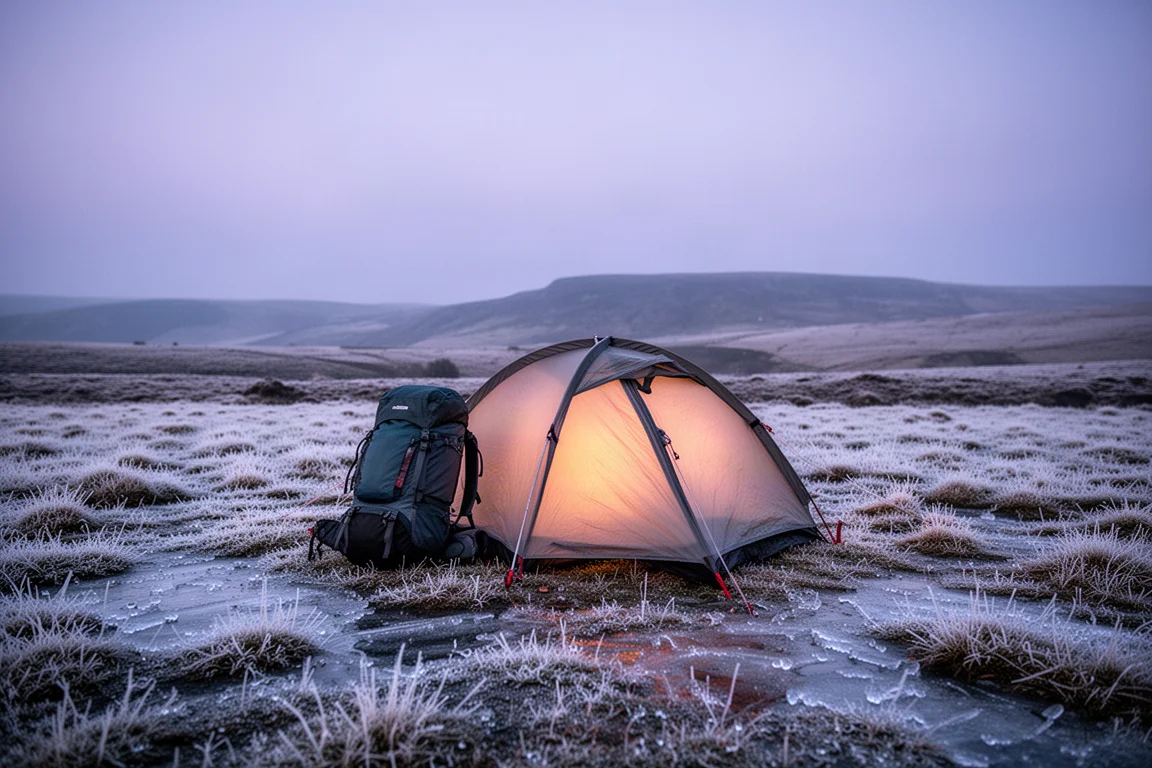
If you already own a sleeping bag you like, you can still use it as the inner layer, which extends the system further without buying anything else.
Conclusion
The Big Agnes Lost Ranger 3-in-1 does something genuinely useful: it replaces a cupboard full of seasonal bags with one adaptable system. The inner bag handles warm summer nights, the outer quilt handles milder ones, and together they reach down to around -9°C. Add in the pad attachment, the two-way anti-snag zippers and the hand corner pockets, and you have a sleep system that prioritises comfort and flexibility over minimum weight.
For campers who go out year-round and want to sleep well while doing it, that trade-off makes a lot of sense.
Product link
View more details for Big Agnes Lost Ranger 3-in-1 Sleeping Bag
This product is mentioned in the review. Check the specifications, options, and compatibility before buying.
View more details for Big Agnes Lost Ranger 3-in-1 Sleeping BagFurther reading
Related Reviews
Camping Gear
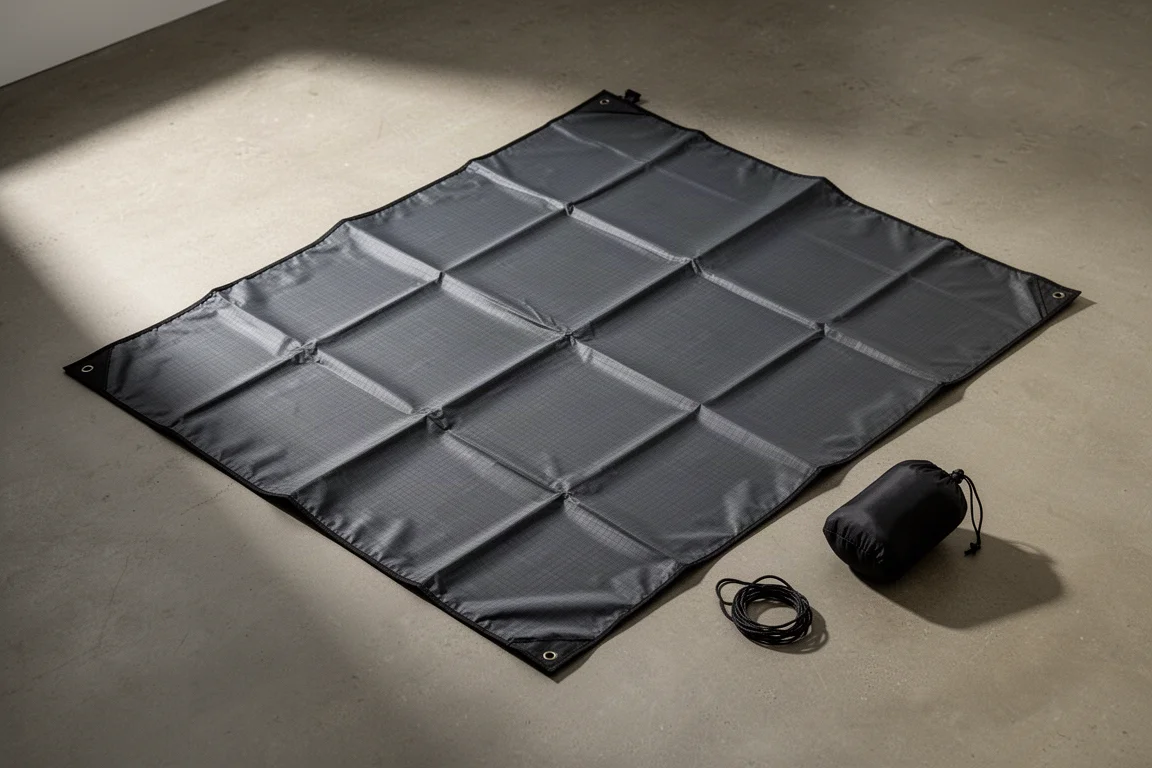
3FUL Ultralight Ground Sheet Review: A Two-Person Footprint Worth Packing
A 6.7 oz two-person ground sheet in ripstop silnylon, priced around $30. Here is what it protects, what it does not do, and who should pack it.
Camping Gear
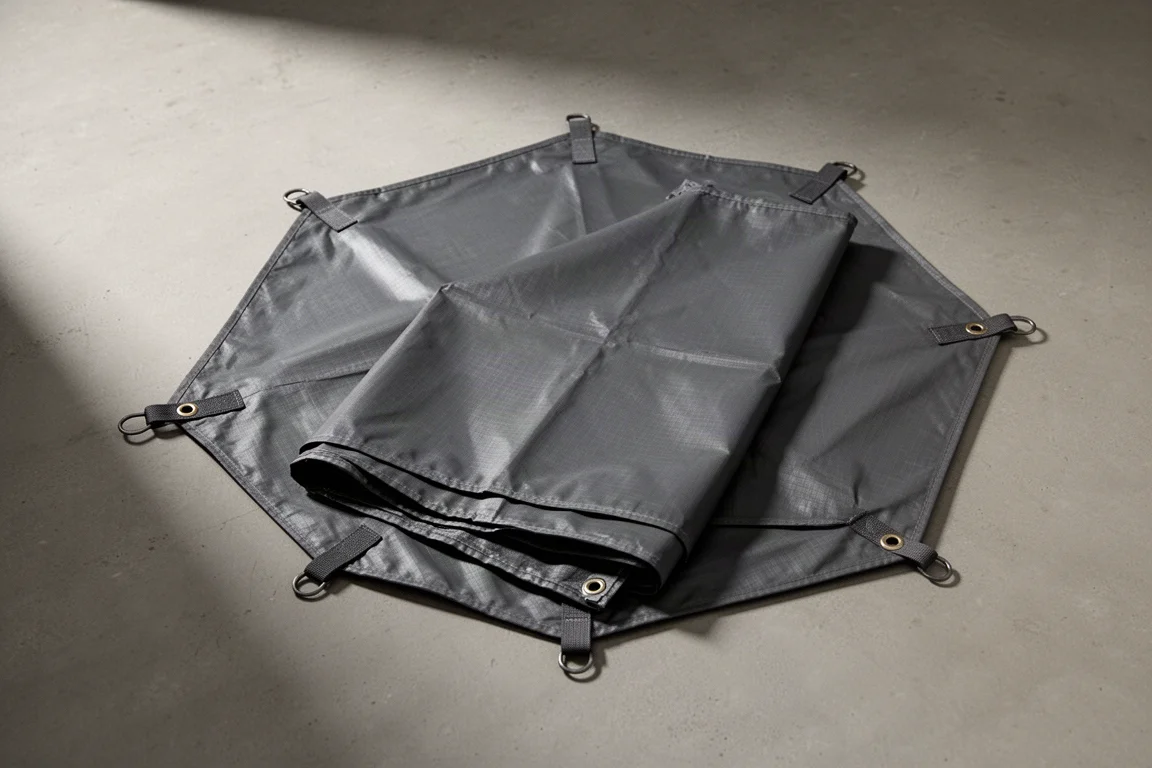
Backcountry Light Dual-Function Tarp and Floor Review: A Footprint First
A dual-purpose tent floor and tarp that keeps falling rain off you, but cannot block wind. Here is where it works and where it does not.
Camping Gear
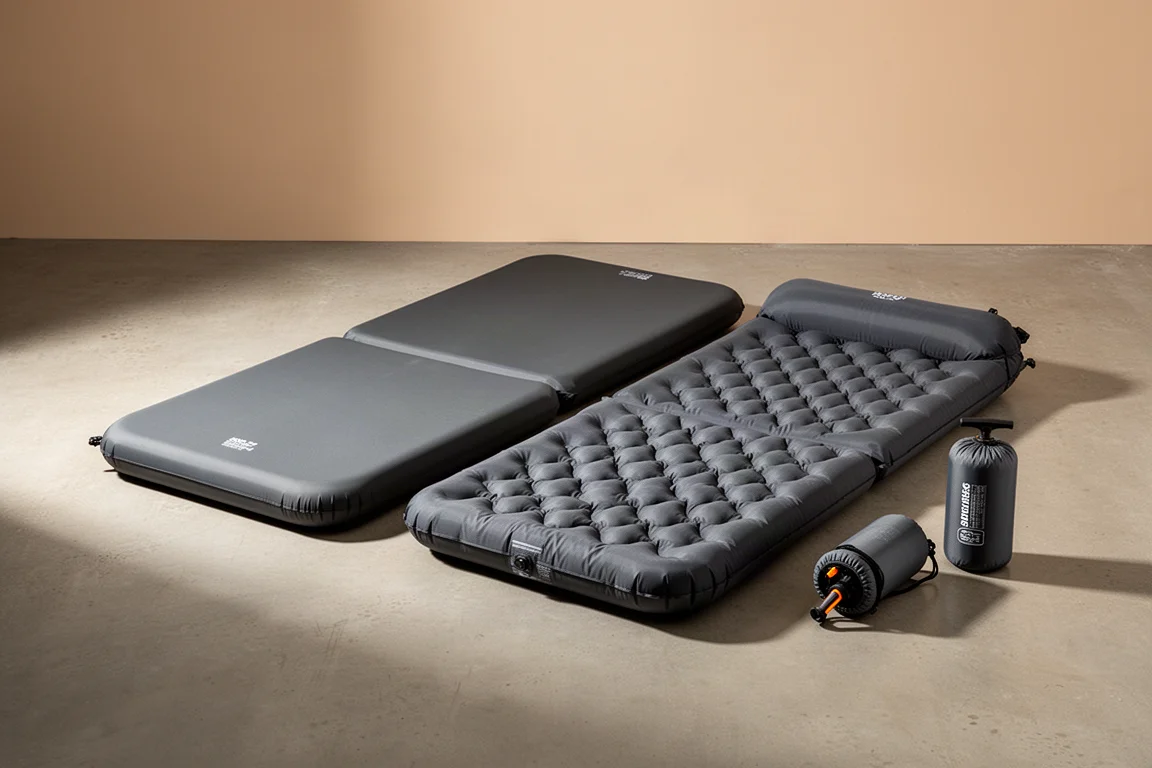
Best 2-Person Camping Mattresses for Couples: 10 Options Compared
A practical comparison of ten two-person camping mattresses, covering self-inflating pads, air pads and air mattresses for couples.