Backpacking Tents
Big Agnes Fly Creek Review: A Freestanding Backpacking Tent Explained
A practical look at the Big Agnes Fly Creek, covering freestanding pitching, double wall condensation control, weight, budget, and wind limits.
Introduction
Choosing a backpacking shelter comes down to five practical factors: the size you need, the weight you are willing to carry, your budget, the features that matter for your trips, and the environment you will actually camp in. None of these can be judged in isolation, and a tent that looks ideal on a specification sheet can feel wrong the first time it is pitched on slickrock in a stiff breeze or left holding a night of condensation in a humid forest.
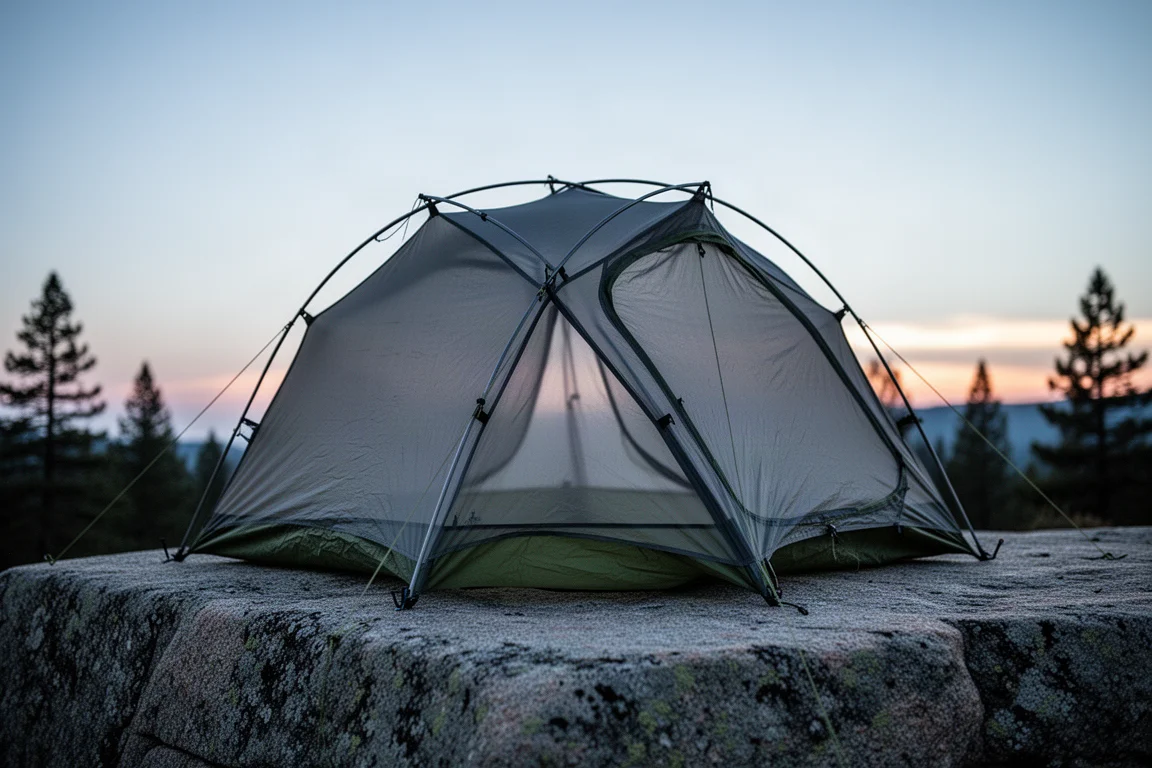
The Big Agnes Fly Creek sits squarely in the middle of that conversation. It is a freestanding backpacking tent rather than the lightest possible option, and it is not built for the worst weather a mountain can produce. What it does answer is a very common set of needs: quick pitching, a reasonable packed weight, and a design that works where staking out a non-freestanding shelter is difficult or unreliable.
Who the Big Agnes Fly Creek Is For
This shelter makes the most sense for backpackers who want a freestanding tent as their primary option. Freestanding designs hold their shape through the pole structure, which means they pitch reliably on surfaces where stakes do not bite well, including sand, slickrock, and hard-packed ground.
If you are the kind of backpacker who hikes long days and simply wants a dependable, dry place to sleep at night, a freestanding shelter in this weight class is a sensible default. Most backpackers settle on a two-person size, because it leaves room for one person plus gear without feeling cramped when a storm keeps you inside, and the same shelter can be shared and its weight split when you are not travelling alone.
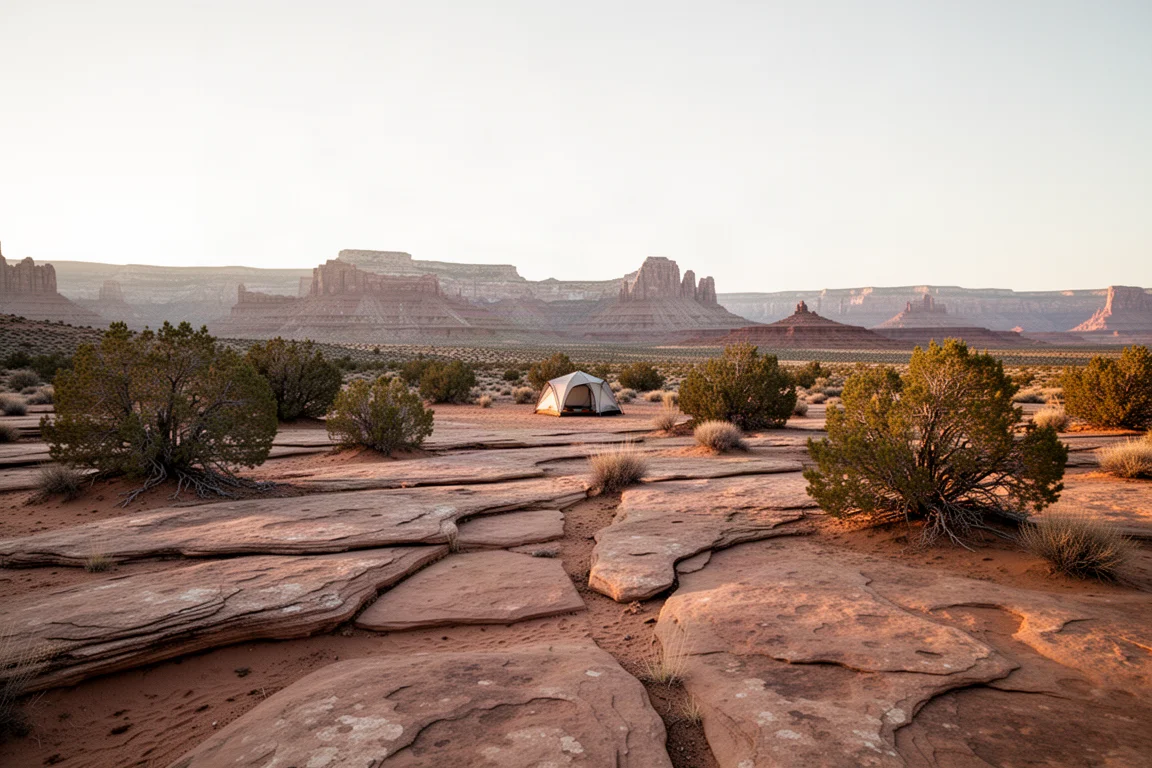
Where the Fly Creek is a weaker fit is at the extremes. Anyone chasing the absolute lowest possible base weight, or planning to camp on exposed ground in sustained high winds, will want to look closely at lighter non-freestanding shelters and at sturdier four-season designs instead.
Main Strengths of the Big Agnes Fly Creek
Freestanding Structure and Easy Pitching
The defining advantage is the pole structure. A freestanding tent stands up on its own before you tension a single stake, which shortens setup time, makes it easy to reposition the shelter if you pick a bad spot, and removes the dependency on perfect stake placement that non-freestanding shelters have.
That matters most in environments where the ground fights back. On slickrock, in loose sand, or on thin alpine soil, a non-freestanding shelter needs a great deal of tension on its stakes to pitch correctly, and if those anchors fail the whole pitch suffers. A freestanding design keeps its shape regardless.
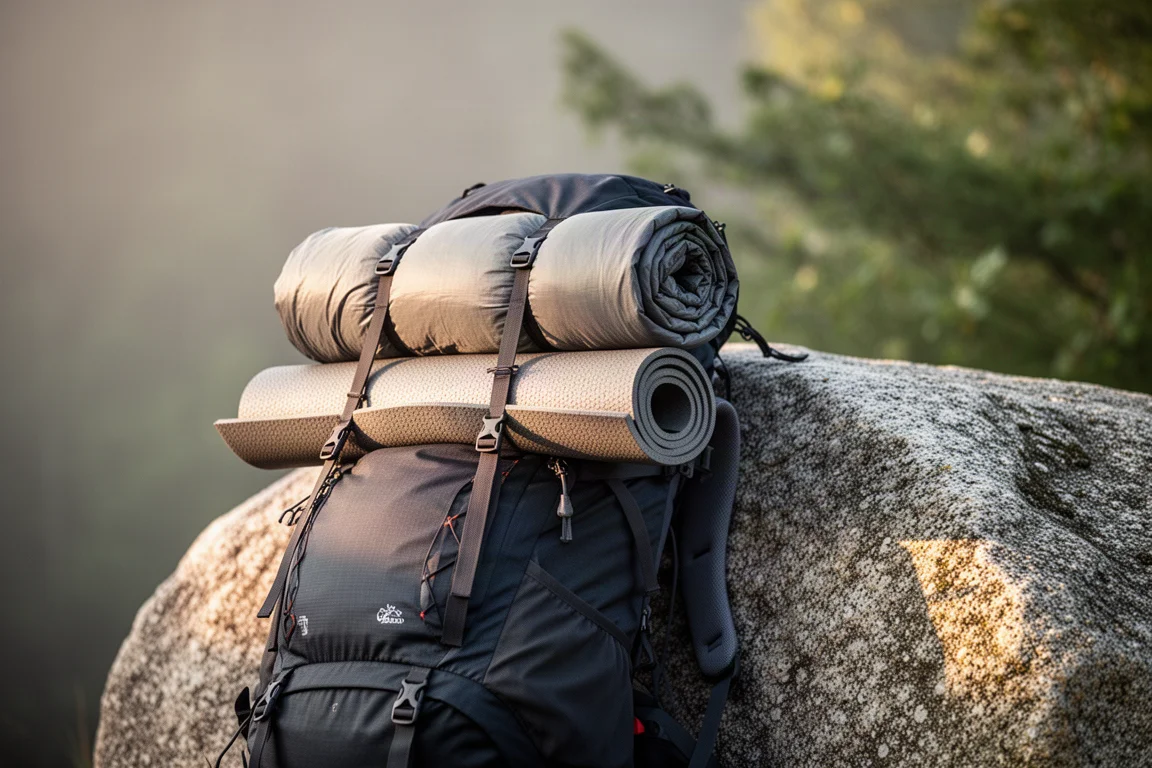
The trade-off is weight. Pole structure and the associated hardware add grams that a trekking-pole-supported shelter simply does not carry, which is why freestanding options like this one generally land in the two and a half to three pound range rather than below two pounds.
Double Wall Construction and Condensation Control
The Fly Creek is a double wall shelter, and that is a meaningful feature rather than a marketing detail. In humid or wet environments, condensation forms on the inner surface of a shelter no matter how it is designed. A double wall separates the outer fly from the inner body, which reduces the amount of contact between that moisture and your sleeping bag.
If you frequently camp in damp conditions, that separation is worth more than the weight it costs. A single wall shelter can save real weight in your pack, but it places the condensation layer much closer to your gear, and the practical result is a wetter sleeping bag more often than not.
What to Consider Before Buying the Fly Creek
Wind Performance and Structure Limits
High wind is the clearest limitation. In a severe windstorm, this shelter did not have enough structure to hold itself up and maintain its integrity, which becomes a genuine problem when the weather turns and you are already committed to an exposed campsite.
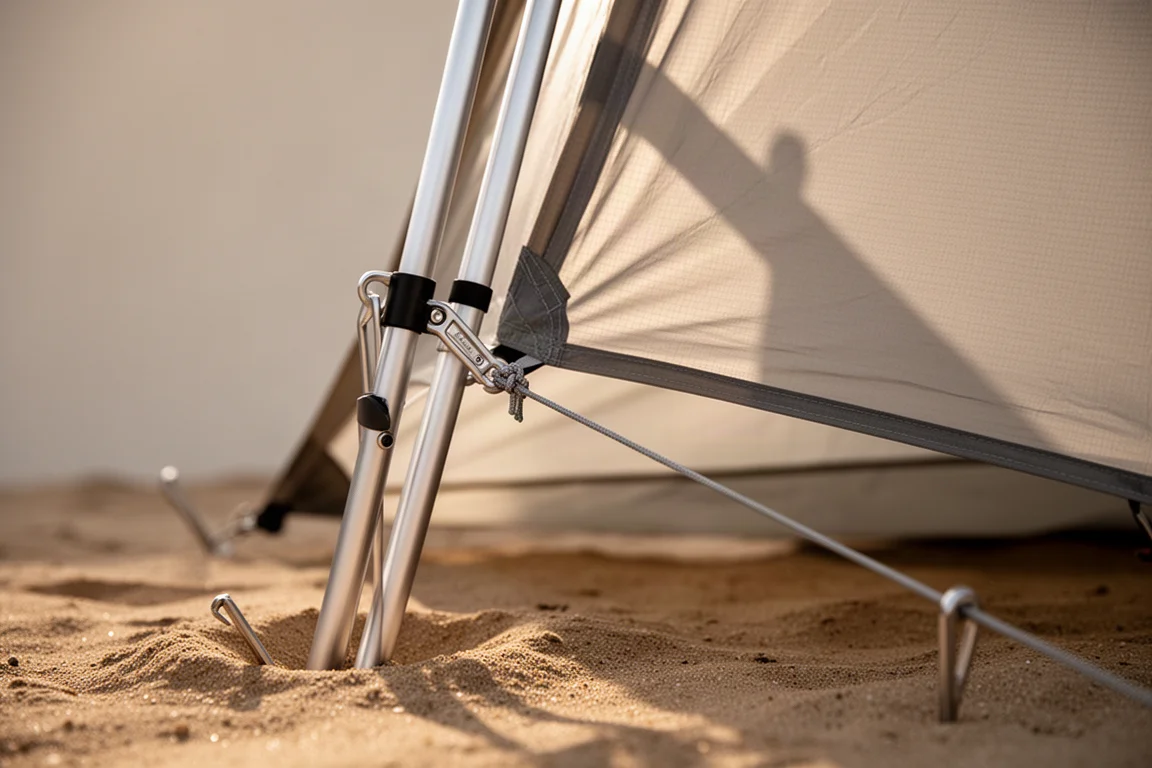
You can pitch a tent at an angle to change how wind moves across the pole structure, and that helps in moderate conditions. It does not guarantee good performance in genuinely severe wind, and the failure modes are unpleasant: broken poles, stakes pulling out, and a shelter that stops protecting you at the moment you need it most. If your trips regularly involve exposed ridgelines or storm-prone seasons, plan for a stronger shelter or choose a more protected campsite.
Weight, Budget, and Feature Trade-offs
Weight is the factor that is easiest to overthink. Modern fabrics and tent designs mean most backpacking shelters now come in under four pounds in total weight, so the real question is whether you need to be under two pounds. That threshold is where non-freestanding shelters become the obvious choice, and where specialist fabrics push prices sharply higher.
Budget follows the same logic. A backpacking shelter from a larger brand such as Big Agnes typically falls in the three to four hundred dollar range, which buys a lightweight, well-performing design. At the other ends of the market, a Dyneema composite fabric shelter can approach a thousand dollars, while a heavier fabric tent can be found for around one hundred and fifty dollars and still perform well, just at a higher packed weight.
Feature choices matter just as much. Decide whether you need a front entry or two doors, whether your rain fly needs a higher hydrostatic head for a wet climate, and how much internal storage, vestibule space, and interior height you actually want. Those details are the difference between a shelter that simply works and one that quietly annoys you for an entire season.
Buying Advice: Matching the Fly Creek to Your Trips
The honest answer is that no single tent covers every trip. If you were only ever going to buy one shelter, a freestanding two-person design is the safest general-purpose choice: enough room for one person and gear, shareable when you hike with someone else, and reliable to pitch on awkward ground.
The Fly Creek fits that brief well, provided you accept its limits. Treat it as a solid freestanding option for trips where pitching ease and condensation control matter more than shaving the last few hundred grams, and look elsewhere when sustained high winds or deep winter conditions are on the agenda.
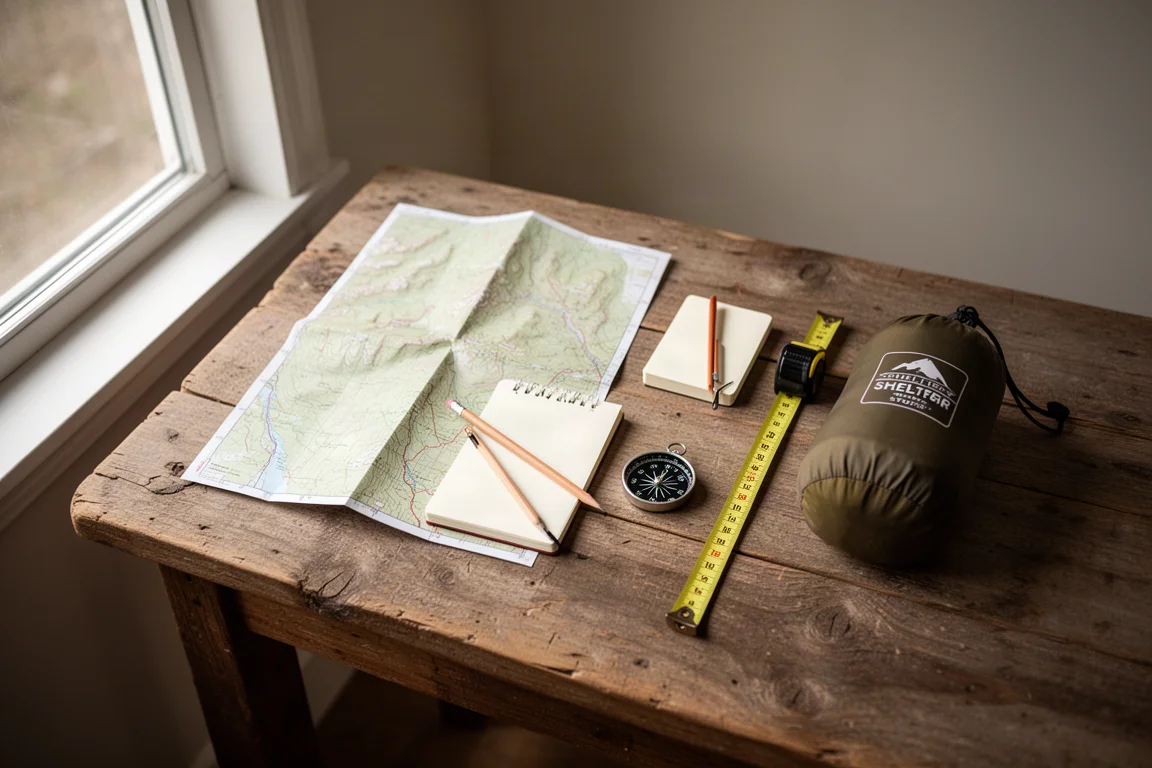
If weight is your top priority, compare it against non-freestanding shelters before committing. If budget is the constraint, remember that the three to four hundred dollar band is the standard price of admission for a lightweight shelter from an established brand, and that spending less usually means carrying more.
Conclusion
The Big Agnes Fly Creek earns its place as a practical freestanding backpacking tent. It pitches quickly, handles condensation better than a single wall design, and fits the way most backpackers actually travel. Its weaknesses are equally clear: the structure is not built for severe wind, and freestanding convenience costs weight compared with trekking-pole shelters.
Match it to the environment and conditions you really camp in, and it is a confident purchase. Expect it to handle everything, and the first big storm will tell you otherwise.
Product link
View more details for Big Agnes Fly Creek
This product is mentioned in the review. Check the specifications, options, and compatibility before buying.
View more details for Big Agnes Fly CreekFurther reading
Related Reviews
Backpacking Tents
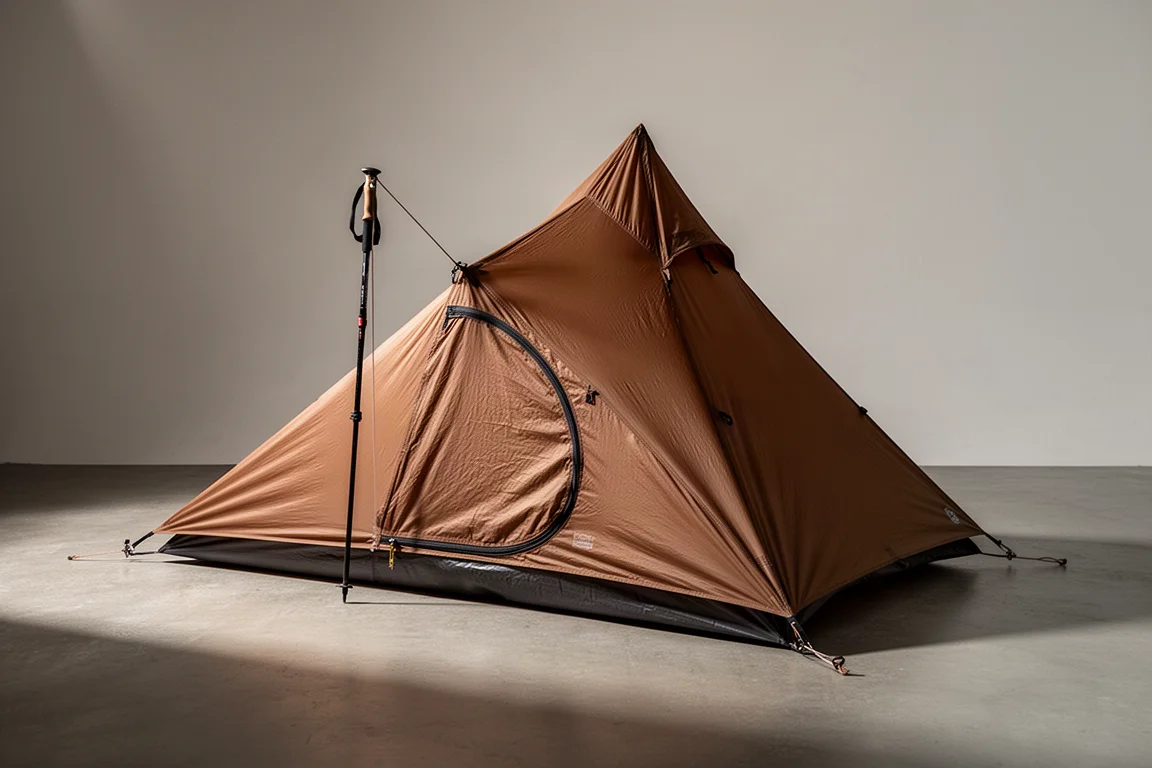
3F UL Lanchan Pro 1 Review: A 1 lb 8 oz Single-Wall Trekking Pole Tent
A practical look at the 3F UL Lanchan Pro 1, a single-wall trekking pole shelter with a 1 lb 8 oz weight, 20D silnylon fabrics, and a roomy 90 x 31 x 49 inch interior.
Backpacking Tents
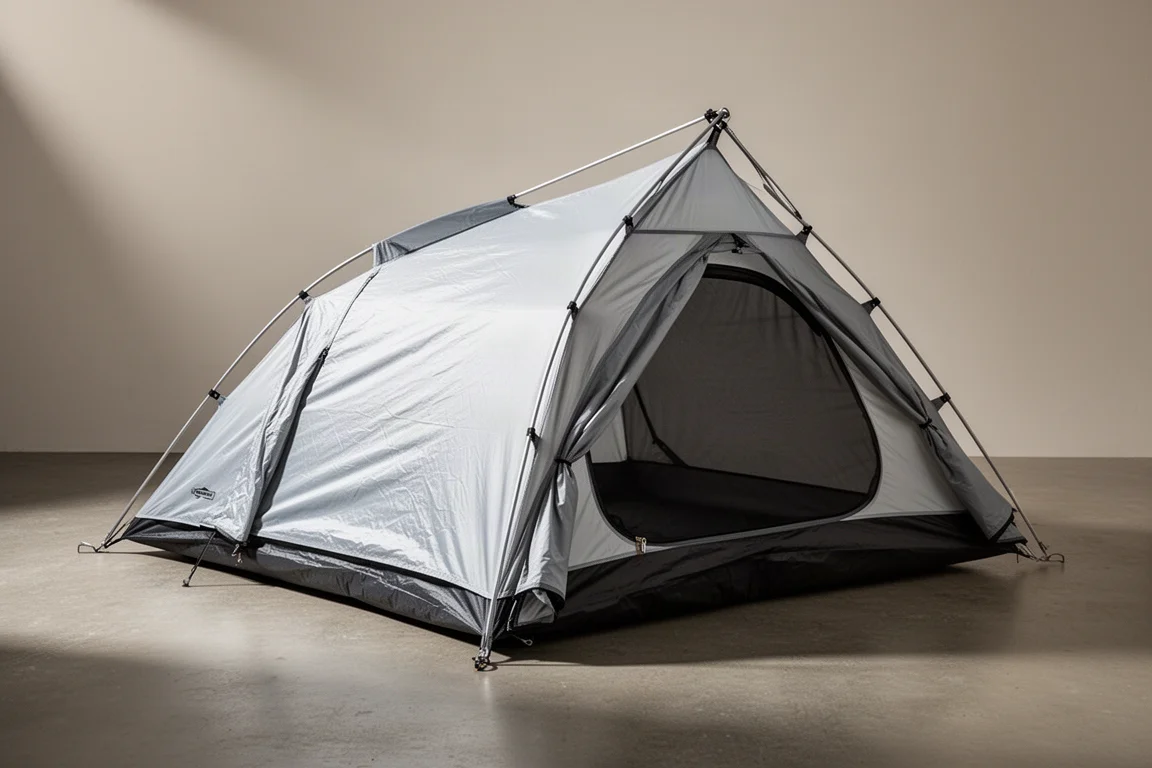
3F UL Taiji 2-Person Tent: A Convertible Backpacking Shelter Worth a Closer Look
A practical look at the 3F UL Taiji two-person tent, covering its materials, true two-person interior, fly-first pitching, and the seasonal inner swap that lets one shelter cover more of the year.
Backpacking Tents
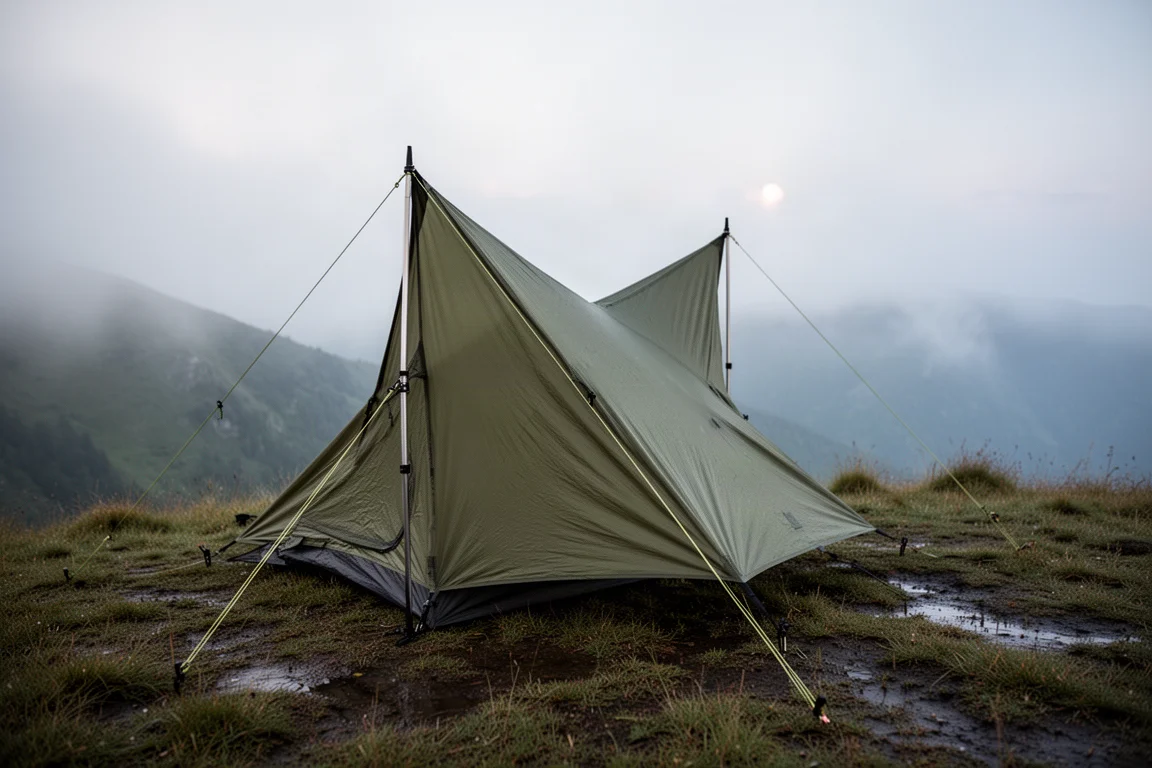
3FUL Lanshan Twoerson Pro Review: A Light Trekking Pole Shelter That Struggled in Rain
A two-person trekking pole shelter with a 2026 redesign, pitched with sticks and put through a night of steady rain. Here is what worked, what did not, and what to check before buying.