Cycling Bikes
Bianchi Mega Pro XL vs Pinarello F9: Two Climbing Bikes, Two Seconds Apart
A 1998 team-issue Bianchi Mega Pro XL meets a modern Pinarello F9 on a four-kilometer climb, and the gap between them is smaller than expected.
Introduction
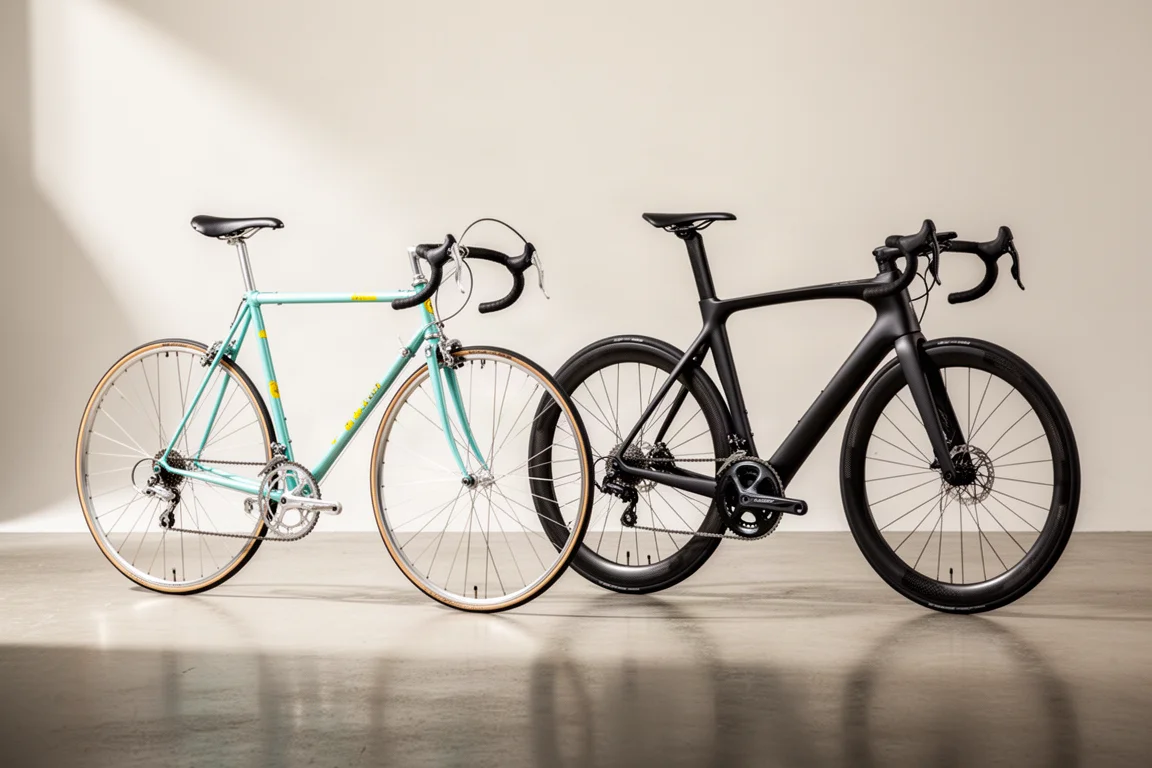
Two climbing bikes, twenty-five years apart, and one question: does a light aluminum race frame from the late 1990s still hold its own against a modern carbon aero road bike when the road tilts upward? The pairing here is a 1998 Bianchi Mega Pro XL, a team-issue aluminum frame from the year Marco Pantani won both the Giro and the Tour, and a Pinarello F9 running a Shimano Dura-Ace Di2 12-speed wireless groupset. On a four-kilometer climb, the modern bike finished two seconds ahead.

A two-second gap is small enough to make the comparison genuinely interesting rather than a formality. Both bikes exist to go uphill quickly, but they reach that goal from opposite directions: one through minimal weight and simple construction, the other through modern carbon layup and electronic shifting.
What Sets These Two Climbing Bikes Apart
In 1998, aluminum was still the default material at the top of the sport, and carbon only cemented its position the following year. That makes the Bianchi a snapshot of the last great aluminum era, built by hand around individual riders rather than produced in one uniform layup.
Modern road bikes moved in the other direction. Oversized carbon tubes, wider tires, disc brakes and electronic groupsets all arrived to make bikes faster overall, though not always lighter. Climbing remains the purest test of that trade-off, because on a steep gradient weight and the rider’s power matter more than aerodynamic efficiency, and a simple, pared-back machine can still make a great deal of sense.
Bianchi Mega Pro XL: 1998 Aluminum, Team Issue
The Mega Pro XL was a custom-made Bianchi frame built for the team’s best riders, with 7000-series aluminum tubing selected for each individual. Team frames of that period were rumored to weigh under 1,000 grams, which is only around 50 grams more than a modern Pinarello F9. That lightness came at a cost: the team leader reportedly went through roughly 30 frames during the 1998 season. The welding on this particular frame is functional rather than elegant. The down tube is shaped with aerodynamics in mind, which is where the “Mega Pro” part of the name comes from, and the fork is a team-issue carbon unit.
This example is a team-issue machine ridden by a climbing teammate in both the Giro and the Tour that season. It runs Campagnolo Record, a nine-speed group in 1998, with 54-44 chainrings and an 11-23 cassette on the leader’s build. A Selle Italia Flite saddle sits on top, and the stem is an ITM Big One. The complete bike was rumored to weigh 6.96 kilograms, just shy of the UCI weight limit. The superlight climbing wheels of that era were fragile enough to break spokes in regular use, so this bike runs the aero option instead.
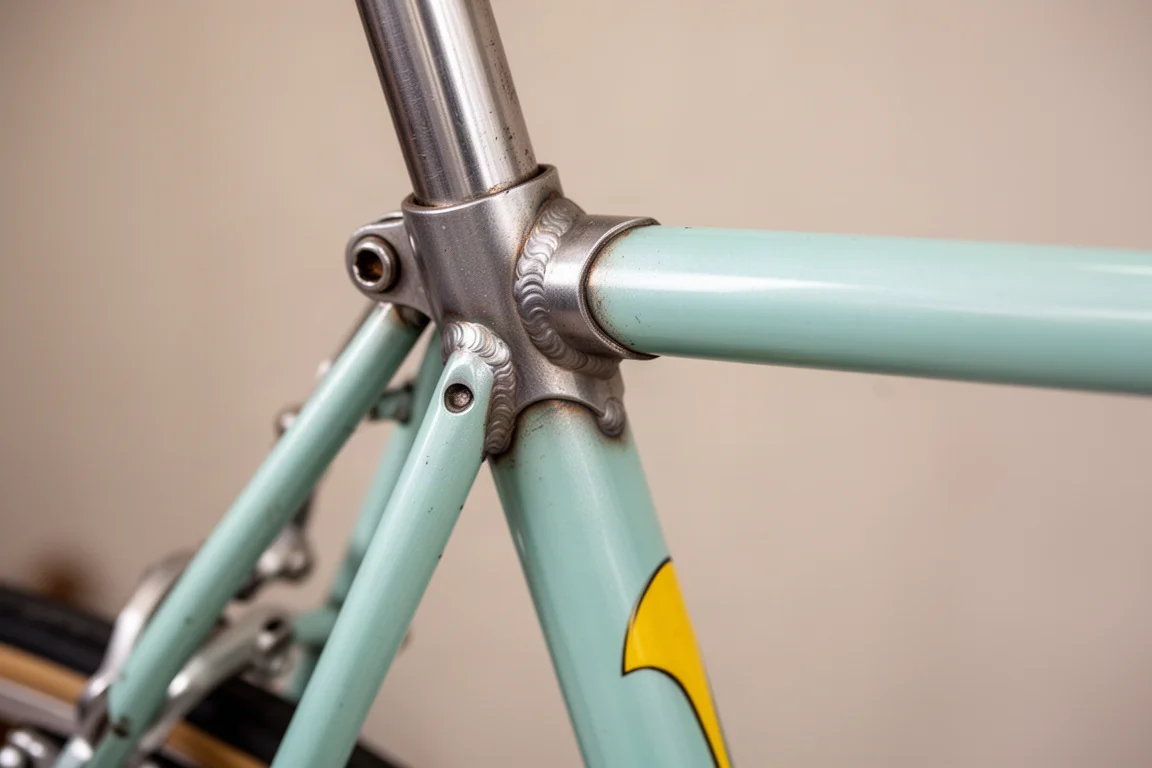
In celeste with yellow detailing, the Mega Pro XL is a striking machine in person: slender, pared back and visibly simple next to a modern carbon frame. This example is in near-perfect condition, which is unusual for a race bike of its age.
Pinarello F9: Modern Carbon and Wireless Shifting
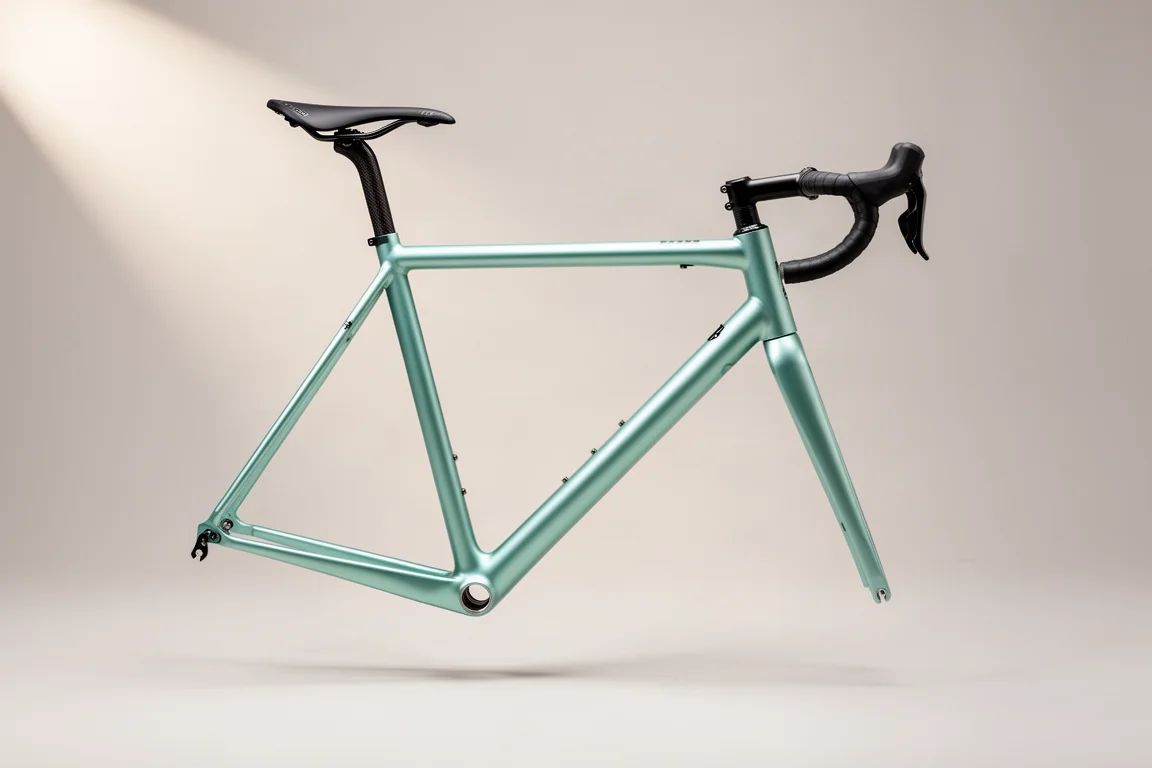
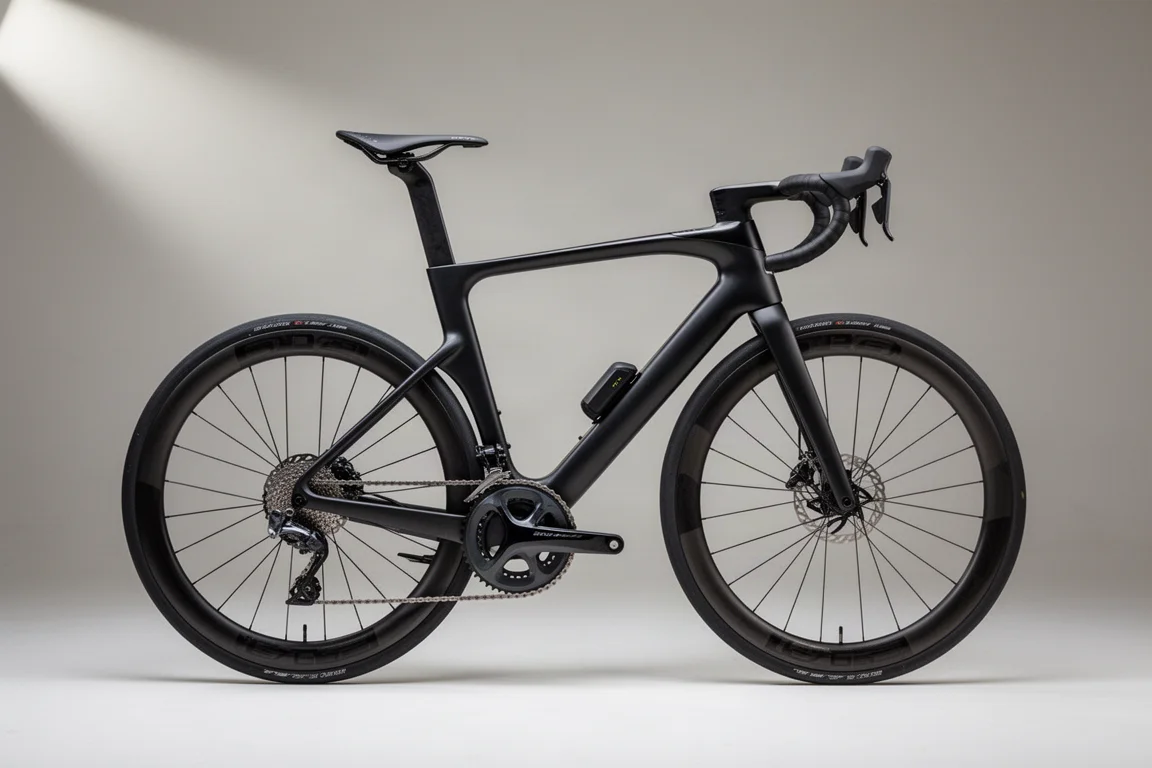
The F9 is a current-generation carbon aero road frame. It differs from the top-tier Dogma F through a different grade of carbon fiber, a change that adds a claimed 85 grams. Otherwise it is a modern race bike through and through, with deep tube profiles, a Shimano Dura-Ace Di2 12-speed wireless drivetrain and no shift cables to route through the frame.
Climbing Performance: Two Seconds Apart
The comparison climb runs roughly four kilometers toward a summit of around 320 meters, and effort was held near five watts per kilogram on the steadier gradients so that both bikes were ridden at a comparable intensity.
The outcome was closer than expected. The Pinarello was two seconds faster, and that gap deserves context: the Bianchi run averaged about 10 watts more power, with heart rate around five beats higher. Read plainly, the modern carbon bike was quicker, but not by a margin that makes the older machine look slow.
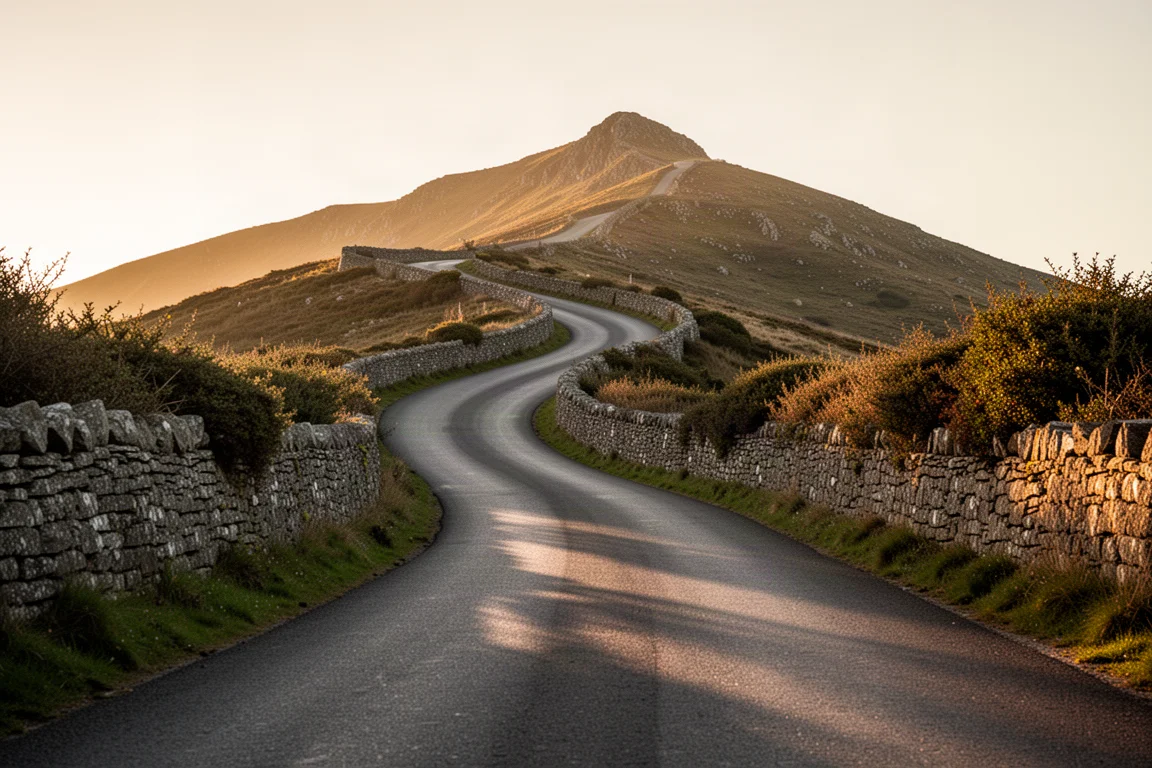
What the stopwatch cannot measure is how the older bike feels. A sub-1,000-gram aluminum frame with thin tubing and nine-speed mechanical shifting gives a very direct sense of the road surface, and on a long climb that character counts for as much as the final time.
Fit, Condition, and Ownership Reality
Sizing is the biggest practical hurdle with a vintage team bike. It was built around one rider’s measurements, so finding a Mega Pro XL in your size and in good condition is a search rather than a purchase. Longevity is the other consideration, since frames of that era were built for lightness first and durability second.
On the modern side, the F9 is a current bike with current standards: 12 speeds, wireless shifting, and a carbon layup that sits just below the top of the range. That makes it easier to live with day to day, and it means parts and servicing follow familiar modern practice.
Buying Advice
Choose the Bianchi Mega Pro XL if you want a genuine piece of 1998 racing history that still climbs beautifully, and you accept rim brakes, nine speeds, aluminum tubing and the effort of tracking down a good example. It suits collectors, and riders who value feel and provenance over outright speed.
Choose the Pinarello F9 if you want a modern carbon race bike with wireless 12-speed shifting and the knowledge that it was the faster of the two on this climb. The two-second margin is real, but it is not the kind of gap that makes a well-built aluminum frame from another era feel obsolete.
Conclusion
Two bikes from two eras, separated by two seconds on a four-kilometer climb. The Bianchi Mega Pro XL shows that a well-made 1998 aluminum frame with minimal weight and simple construction remains an excellent climbing machine. The Pinarello F9 shows what modern carbon and wireless shifting add: a small but measurable edge, plus the convenience of current standards. Which one belongs in your garage depends on what you want from a climb, history and feel or the newest technology.
Further reading
Related Reviews
Cycling Bikes
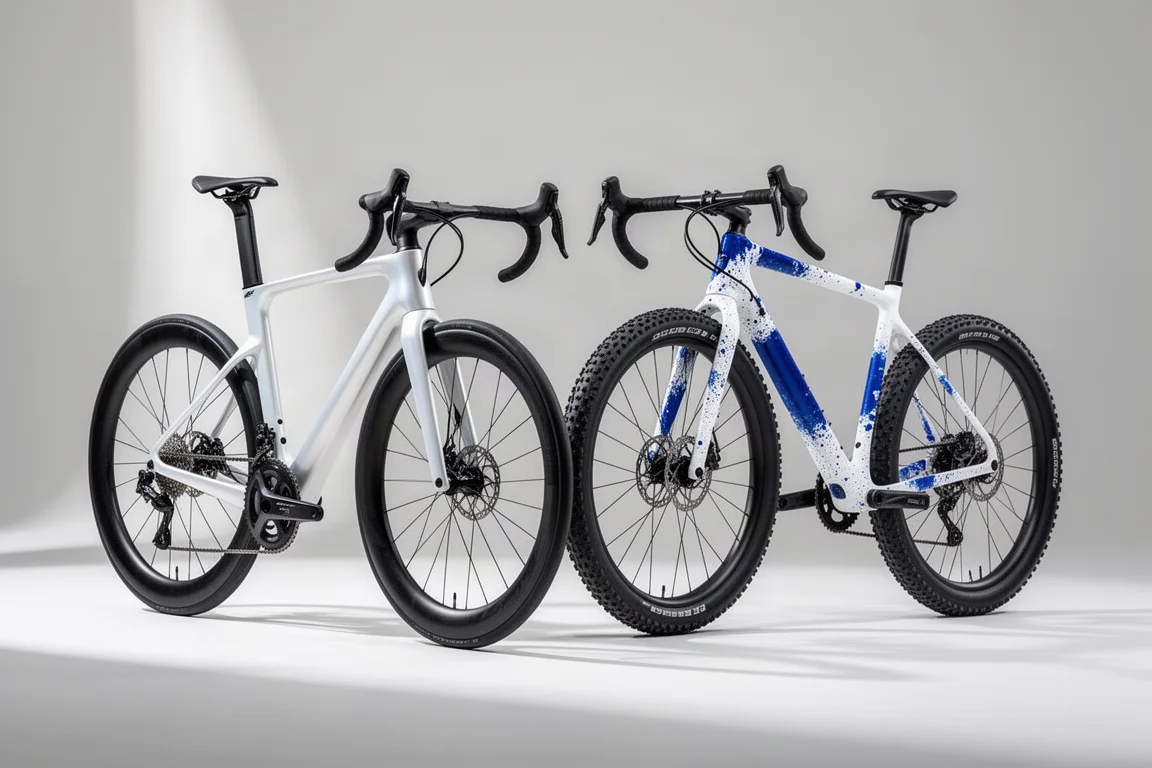
Best Bikes by Budget 2026: What £1,000, £3,000 and £5,000 Buys
A practical guide to the bikes worth considering at three price points, from aluminum gravel bikes to carbon road machines, with the trade-offs explained.
Cycling Bikes
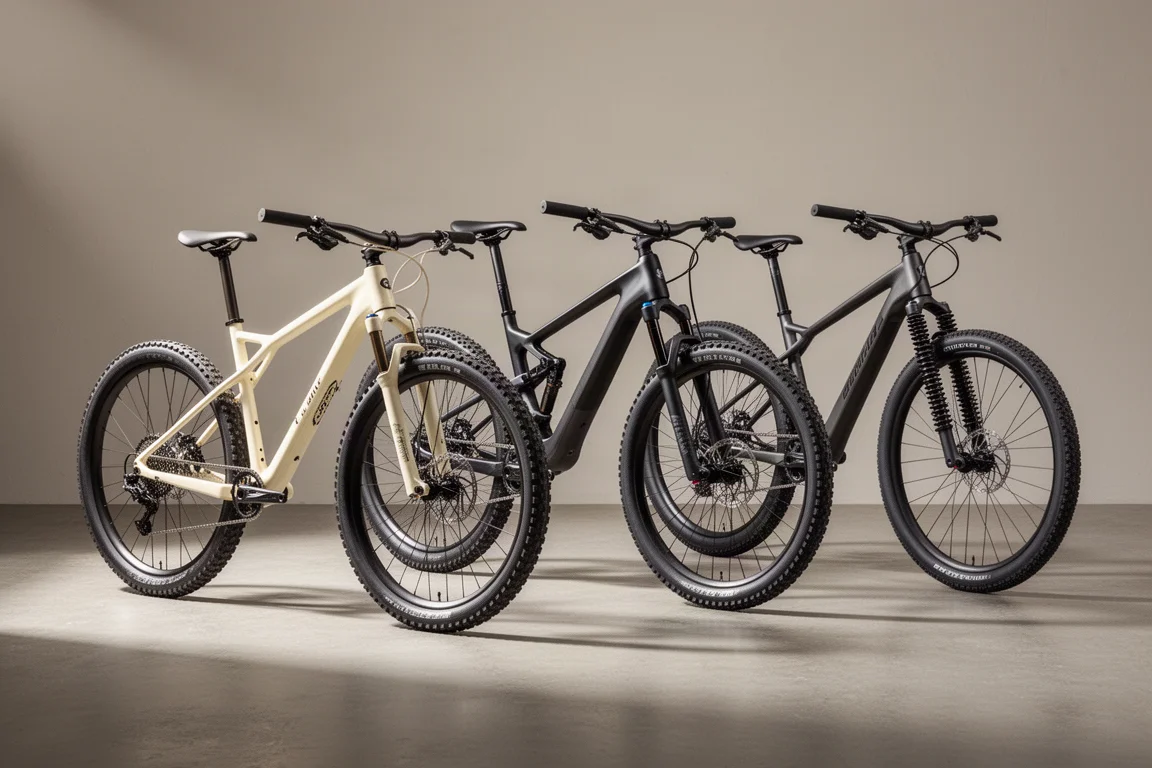
Best Bikes for Mixed Off-Road Terrain: Three Approaches Tested
A steel cross-country hardtail, a lightweight full suspension cross-country bike, and a mountain-bike-leaning gravel bike compared for long mixed off-road days.
Cycling Bikes
10 Road and Gravel Bikes Worth Knowing: Workshop Favorites
Ten road, gravel and all-road frames that hold up in daily workshop use, from Italian stainless steel to titanium, steel and hand-woven carbon.