Work Gloves
Best Work Gloves for Jobsite Use: Makita, Milwaukee, Husky, Kobalt and DeWalt Compared
A practical look at cut level, impact rated and demolition gloves from Makita, Milwaukee, Husky, Kobalt and DeWalt, with tips on choosing the right protection level.
Introduction
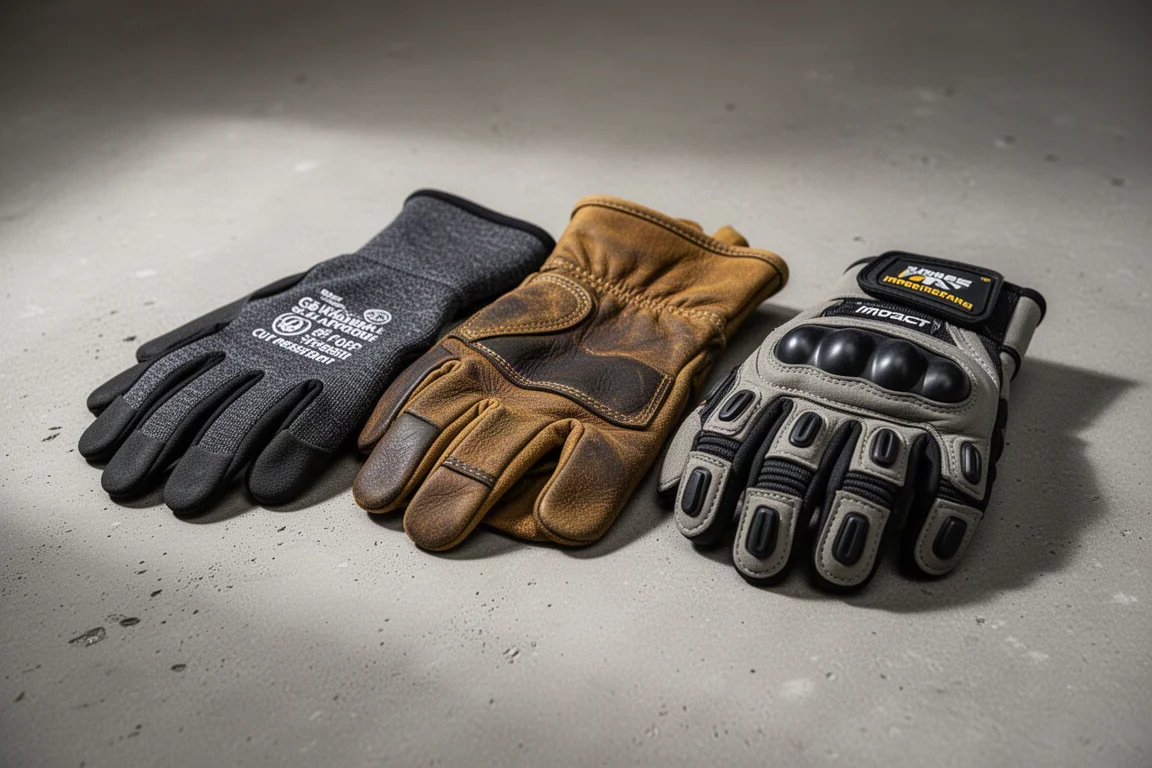
Good gloves are one of those purchases that seem trivial until you are midway through a job with rough edges, sharp material or a slipping wrench. The market has long been dominated by a handful of brands, and now Makita appears to be building out a full line of gloves of its own, including cut rated, leather and impact rated options. That kind of competition is good news for buyers: more choice, more availability and hopefully better pricing.
In this roundup we look at the standout options across Makita, Milwaukee, Husky, Kobalt and DeWalt, and explain which type of glove makes sense for which kind of work.
Why Cut Levels Actually Matter
Cut protection is rated on an ANSI scale from one to nine, and understanding it is the fastest way to narrow down your options. Cut Level 1 gloves are general purpose protection against sharp stuff and rough edges, and they are the workhorse choice for most people. They fit snugly, almost like a second skin, which makes them excellent for lifting and general handling where you still want precision.
Cut Level 7 gloves offer far higher protection. Between those extremes you will find levels three and five, which suit different tradeoffs between dexterity and defense. If you are unsure what to buy, pick up a couple of different types when they are on sale and see what works for your specific tasks.
Makita Cut Level 1 Gloves
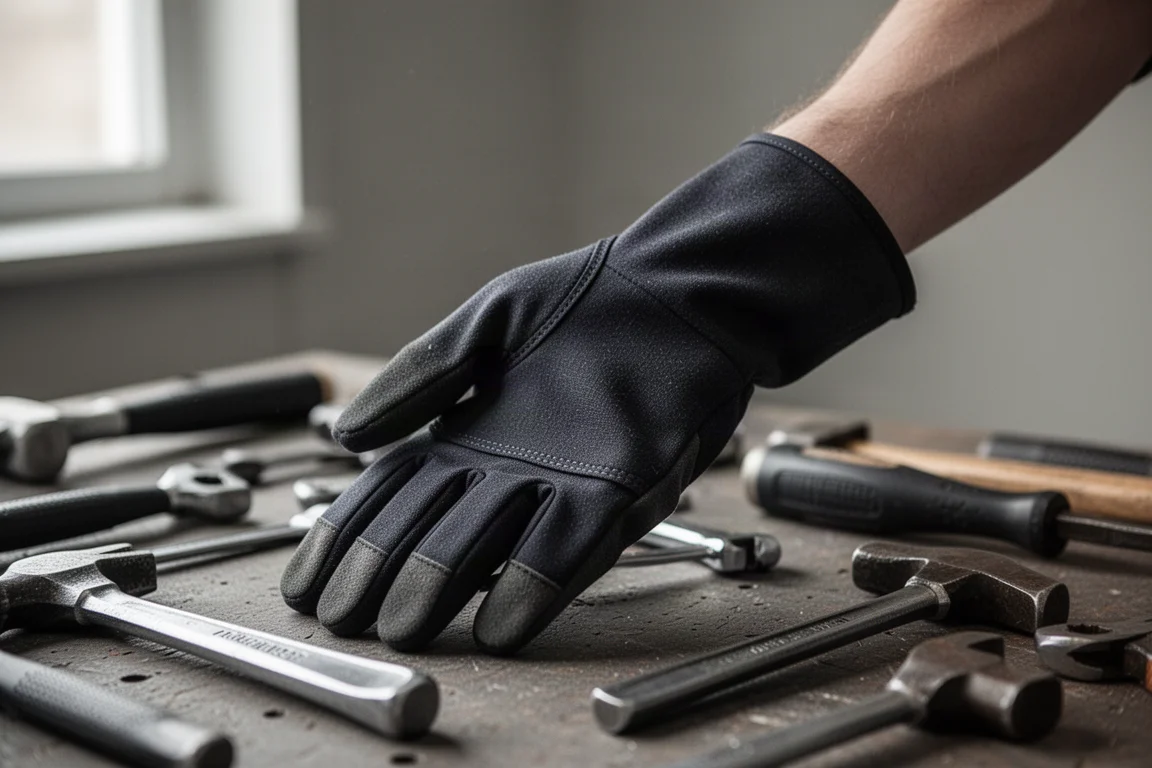
Makita’s Cut Level 1 gloves are aimed squarely at everyday jobsite work. They protect your hands from sharp material and rough edges while keeping enough feel for lifting and general handling, and they stay on the hand well during use.
For buyers who mostly need a comfortable daily glove rather than heavy duty protection, this is the most likely entry point into the new Makita line. Availability in stores will be the deciding factor, since gloves are typically an in-person, impulse style purchase.
Makita Cut Level 7 Gloves
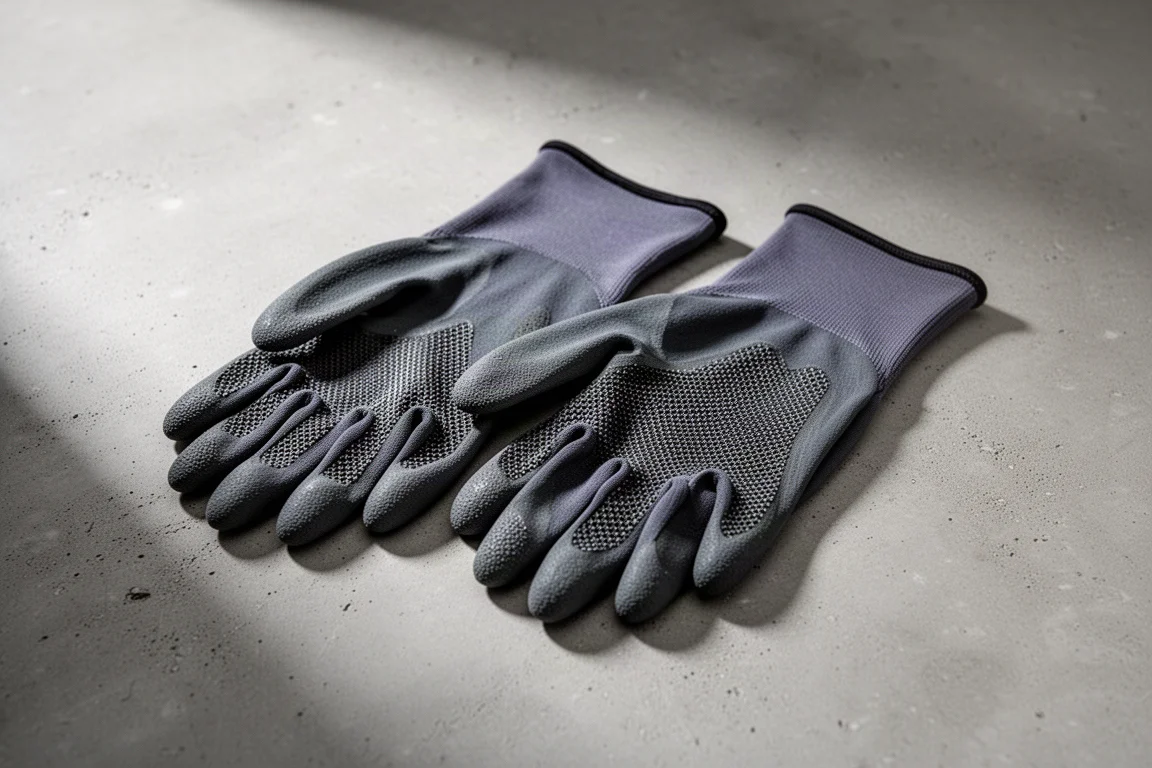
Makita also offers a Cut Level 7 glove, a notably high rating that goes beyond what is commonly found on store shelves. As far as we have seen, Milwaukee’s in-store range tops out around Level 5, so a Level 7 option from Makita is a meaningful step up in protection for high-risk cutting work.
If you handle very sharp material regularly and want maximum cut defense without jumping straight to specialized puncture rated gloves, this is the Makita model to watch.
Makita Impact Rated Demolition Gloves
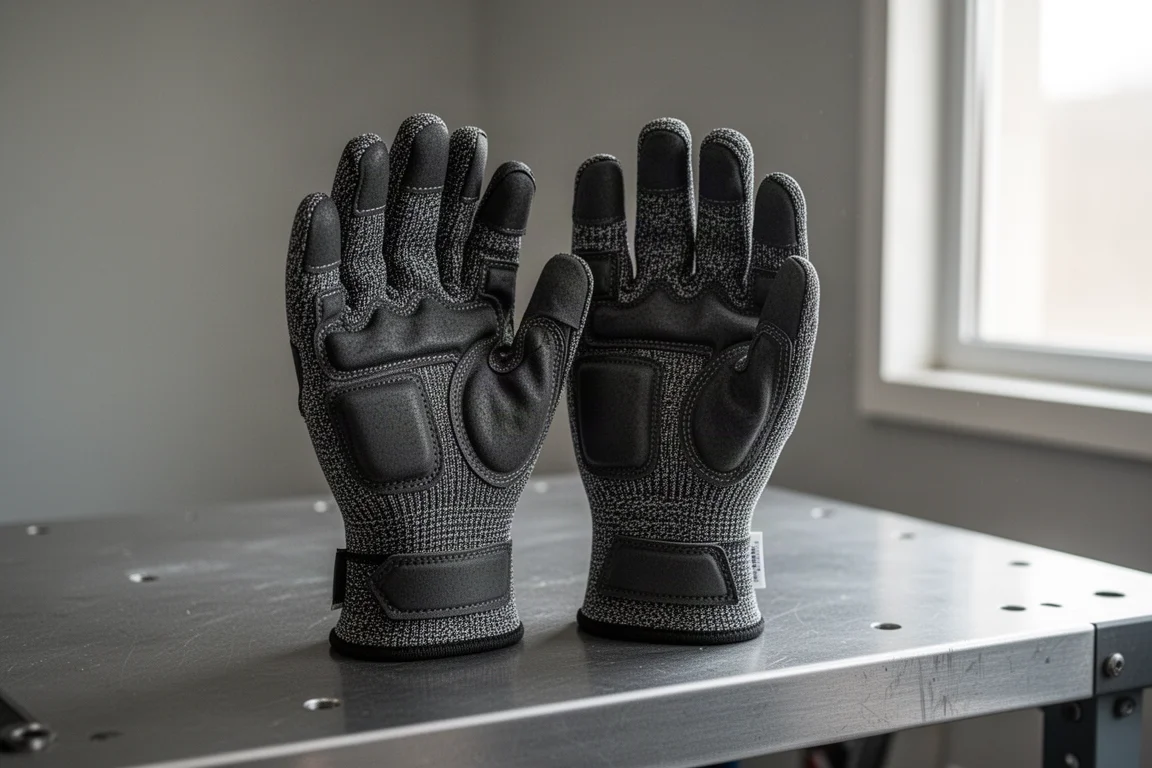
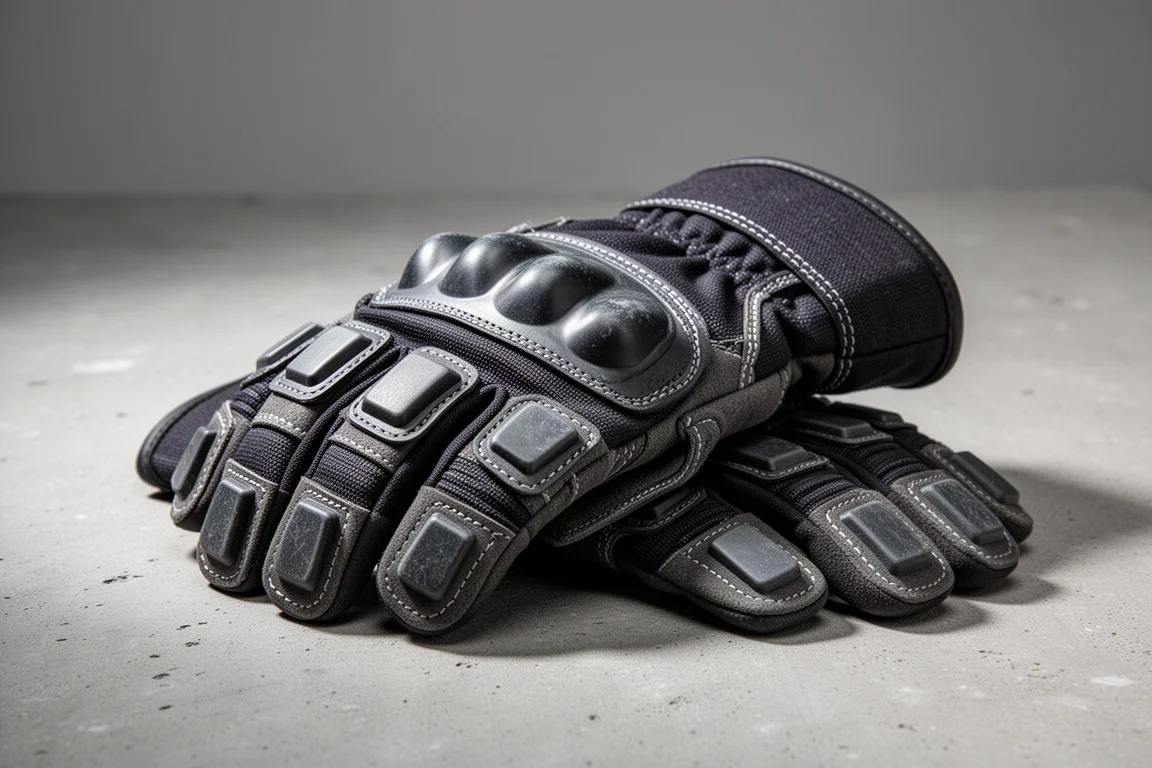
Impact rated demolition gloves add rubber bumpers across the back of the hand. That protection matters most when your hand might slip off a tool or material and strike something hard on the knuckle side.
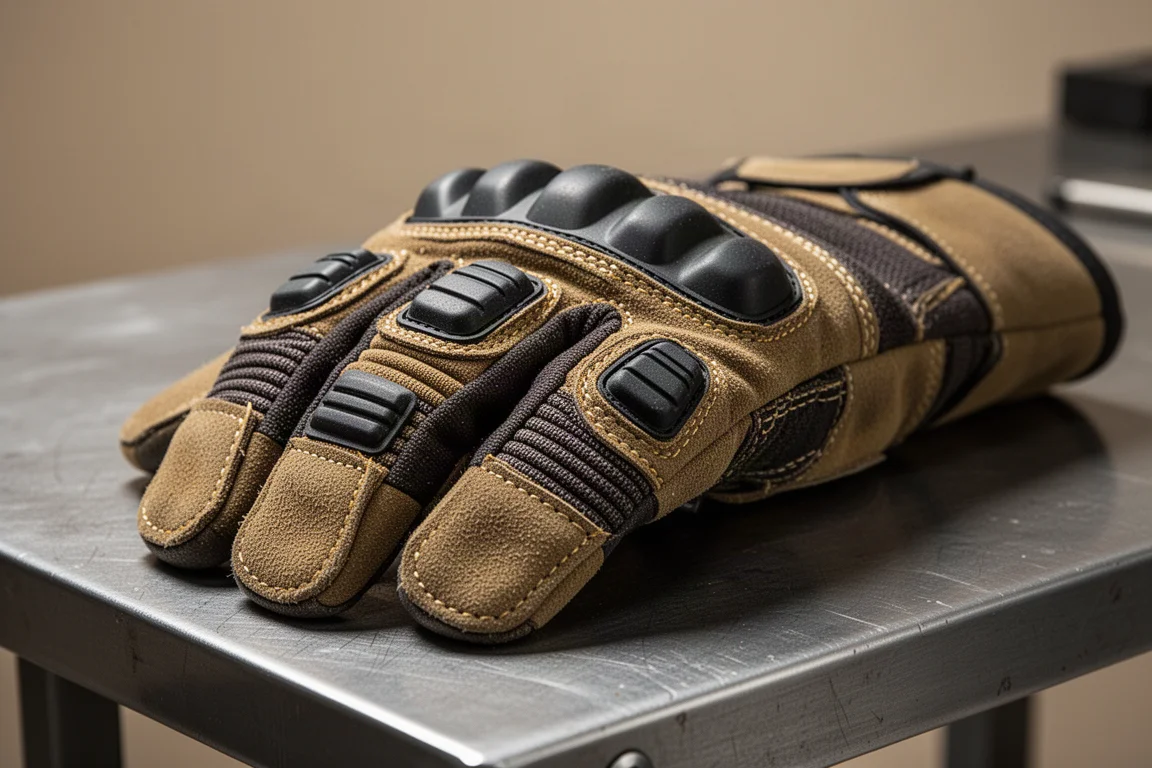
Makita also lists more advanced demolition gloves in the line that offer even more protection, alongside abrasion and puncture resistant options and an impact rating scale that goes up to Level 3. The main caveat with this category is value: impact gloves tend to be relatively expensive, and many people find themselves reaching for their simpler cut rated gloves most of the time anyway.
Milwaukee Cut Level 1 Gloves
Milwaukee has effectively owned the in-store glove market, and its Cut Level 1 gloves are the pair many workers buy again and again. They are widely available at Home Depot, deal pricing is frequent, and a pair typically holds up for about a month of regular work.
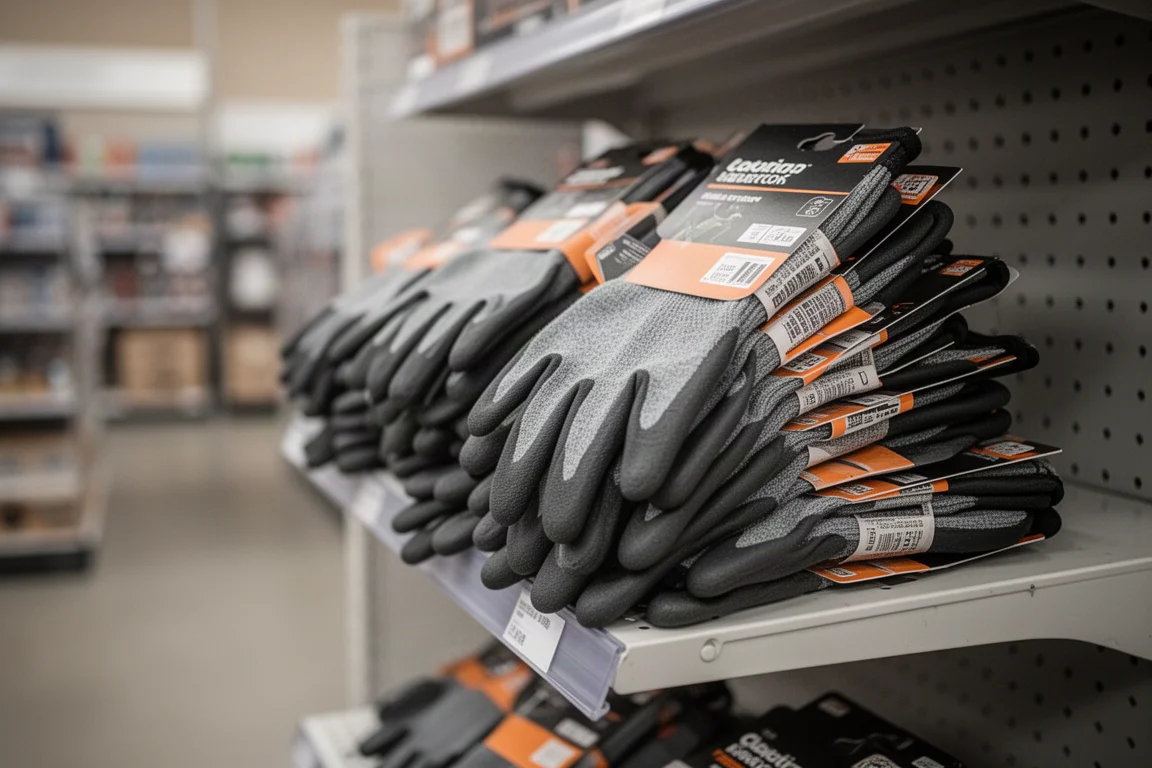
The six-pack multipacks that appear around holidays and on clearance can bring the effective cost down significantly, with a pack lasting roughly half a year of steady use. The tradeoff is that with limited competition, Milwaukee can price its gloves high between sales. That is exactly the dynamic a stronger Makita lineup could change.
Husky Cut Level Gloves
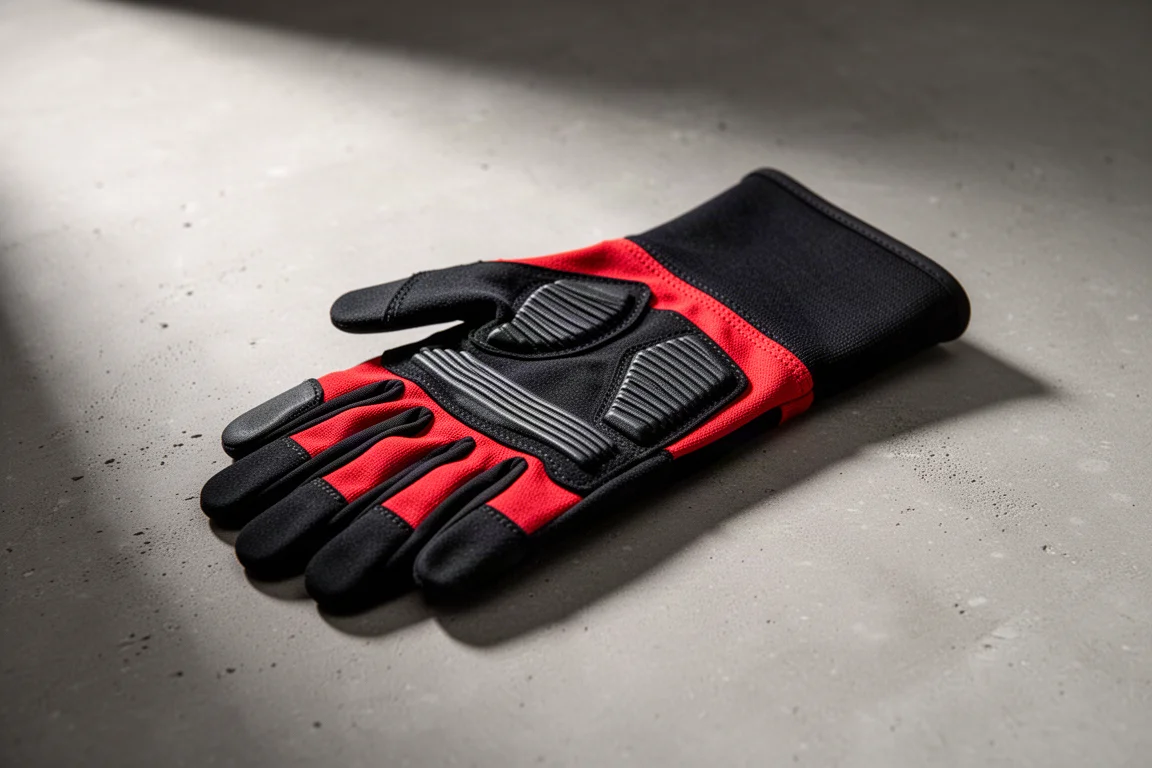
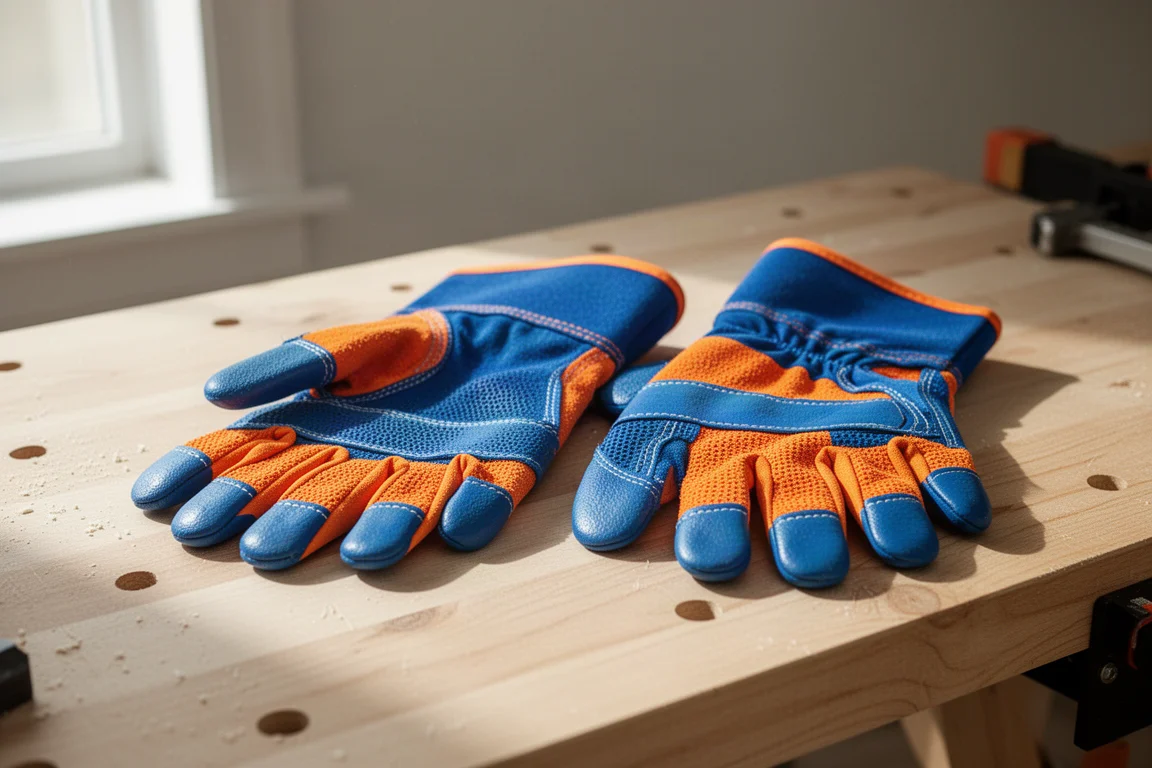
Husky’s colorful cut rated gloves are an underrated find. A little-known tip: you will usually find them in the plumbing tools section rather than the main glove display, so they are easy to miss. They hold up really well, and their cut rating is definitely higher than Level 5, likely in the six or seven range.
If you want high cut protection at a store-brand price and do not mind hunting for them, Husky is worth a look.
Kobalt Impact Gloves
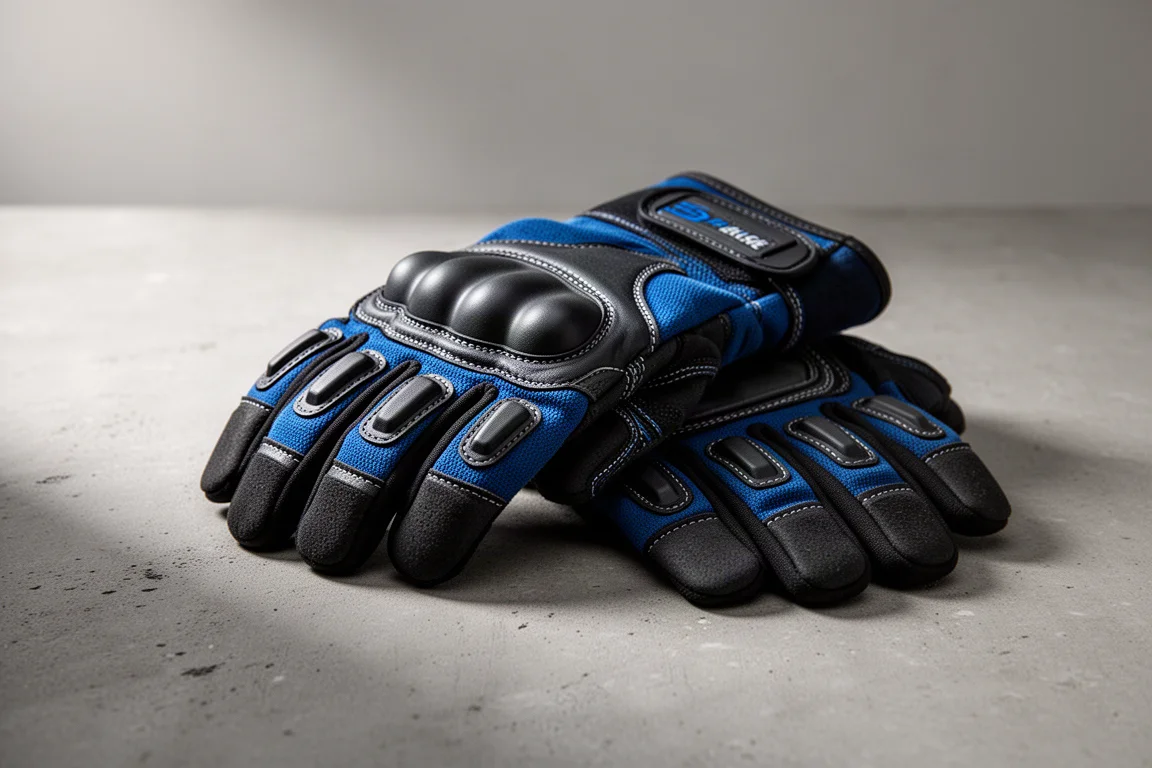
Kobalt’s impact gloves cover the same demolition-style protection concept as other impact rated pairs, with padding concentrated on the back of the hand. They are a reasonable alternative if you want knuckle protection without paying top-shelf prices.
The same overall caveat applies: if your work rarely puts the back of your hand at risk, a cut rated glove may serve you better day to day.
DeWalt Work Gloves
DeWalt gloves, along with options from other brands, have been seen around but tend to sit on the pricier side, and the cut rated versions people actually want have been hard to find in stores. That leaves a gap in the market that Makita’s new line could fill.
If DeWalt expands its cut rated offering and improves availability, it would add yet more competition in a category where buyers have had few real alternatives.
Buying Advice: How to Choose
Start with the protection rating you actually need. Most general work is well served by Cut Level 1, where you keep the most precision. Step up to Level 3 or 5 for rougher material handling, and consider Level 7 for serious cut hazards. Impact rated gloves only earn their cost when the back of your hand is genuinely exposed, such as demolition or heavy striking work.
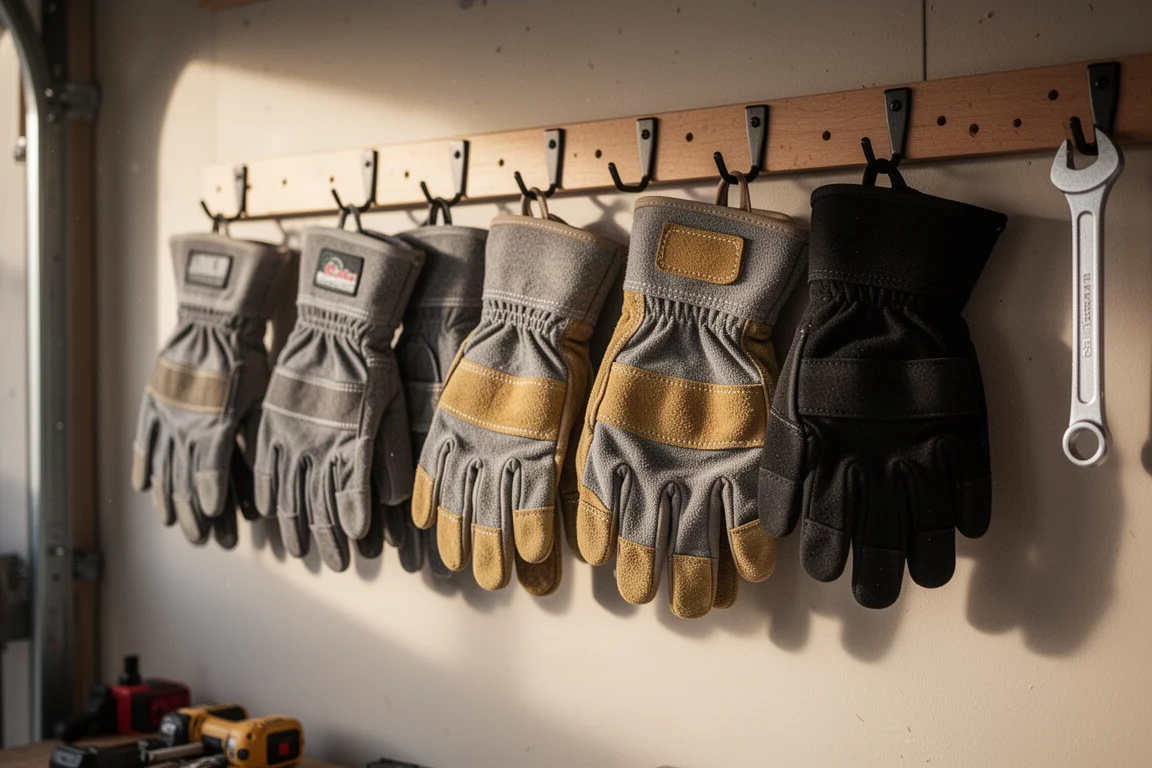
Also pay attention to sizing. Most store gloves cluster around Large and Extra Large, so if your hands fall outside that range, look for a brand that offers a proper sizing kit. Finally, buy gloves the way you actually use them: grab good deals on a couple of types, try them, and settle on what fits your work.
Conclusion
The glove market is finally getting some real competition, and that benefits buyers directly. Milwaukee remains the safest in-store bet with proven durability and frequent deals, Husky is the hidden gem for high cut ratings, and Makita’s new lineup, from Cut Level 1 through Cut Level 7 to impact rated demolition gloves, is the one to watch. If it reaches store shelves with competitive pricing, everyone wins.
Further reading
Related Reviews
Work Gloves
Best Work Gloves 2026: Tested for Cut, Impact, and Puncture Resistance
We tested 17 work gloves across cut, impact, puncture, grip, and durability to find the best value for every budget.
Work Gloves
AWP Goatskin Hybrid General Purpose Gloves: First Look and Honest Take
A genuinely soft goatskin work glove with a no-break-in claim, some thoughtful stitching choices, and one design trade-off that could be a dealbreaker depending on the job.

Work Gloves
Best Nitrile Gloves Showdown: 14 Brands Tested for Durability, Puncture and Chemical Resistance
We put 14 disposable glove brands through abrasion, puncture, tear, grip and chemical testing to find which ones actually hold up in the shop.