Kitchen Tools
Best Wooden Cooking Spoons: Two Standout Picks for Everyday Stirring
After hands-on testing of 13 wooden spoons, two winners emerged: the Jonathan's Spoons Spootle and the FAAY 13.5 inch Teak Cooking Spoon.
Introduction
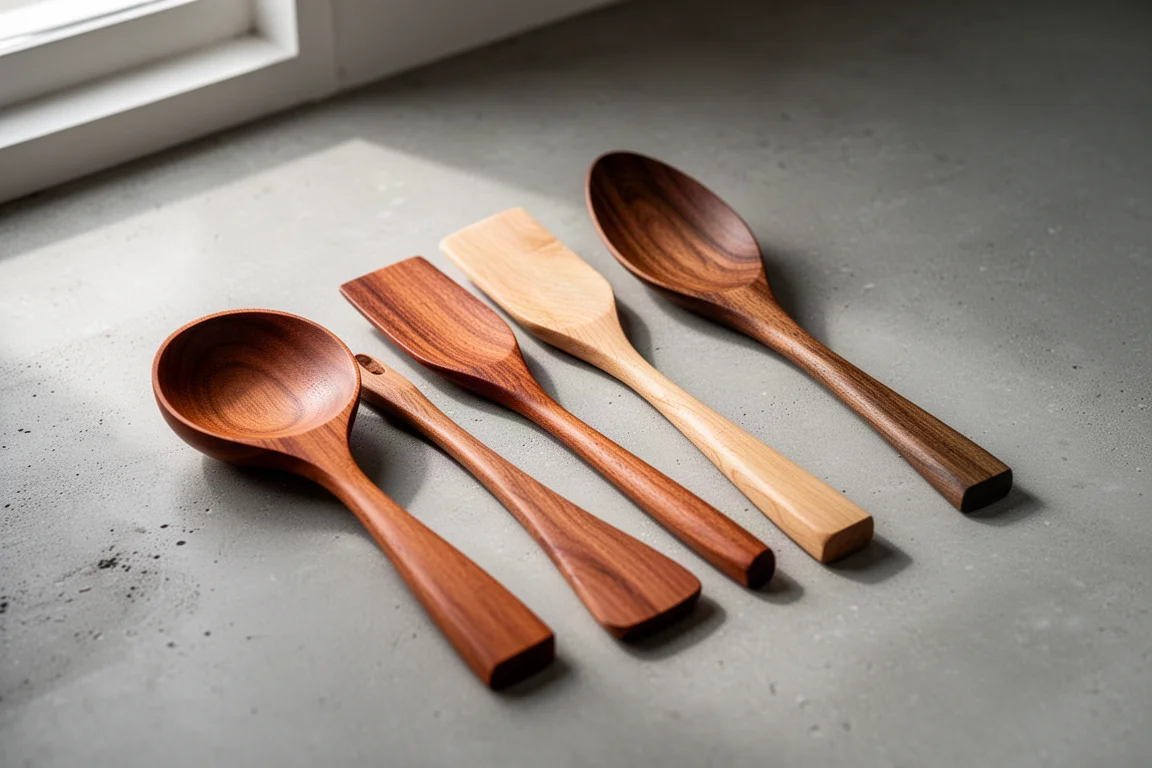
Wooden spoons seem like the simplest kitchen equipment there is. But put thirteen of them side by side, spanning prices from about $4 to $36, and the differences become obvious: different types of wood, different head shapes, different handle designs, and very different feels in the hand. After hands-on testing, two spoons rose to the top as co-winners, and they suit two different tastes.
What We Learned From Testing Wooden Spoons
The lineup covered classic rounded spoons, straight-edged stirrers, tools with an offset corner for getting into the corners of a pan, a Scottish spurtle designed specifically for stirring porridge, and even a “lazy spoon” with a notch that rests on the edge of your pot.
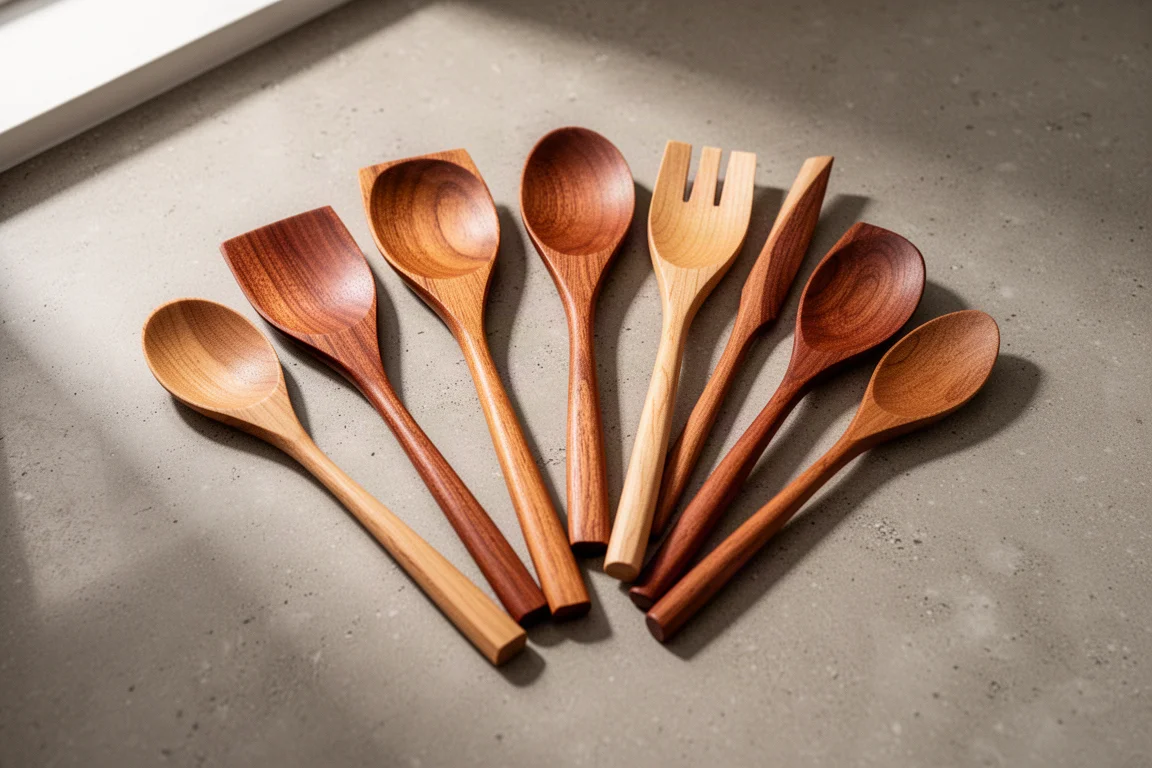
Prices ranged from roughly $4 at the low end to $36 at the high end, and lengths spanned about 10 to 13.5 inches. Despite the variety, a few clear patterns emerged about what actually matters in daily use.
Wood Type Matters Less Than You Think
With five different types of wood plus bamboo in the mix, you might expect wood choice to be the deciding factor. Testers found it was not. What mattered far more was the finish. Polished spoons felt slick in the hand, while rough-sanded ones offered grip but felt uncomfortable. The sweet spot was a handle sanded smooth: comfortable to hold, but still with enough texture for a secure grip.
Handles: Where Comfort Actually Comes From
Longer handles won testers over almost universally. They felt more comfortable and gave better leverage when stirring a heavy pot.
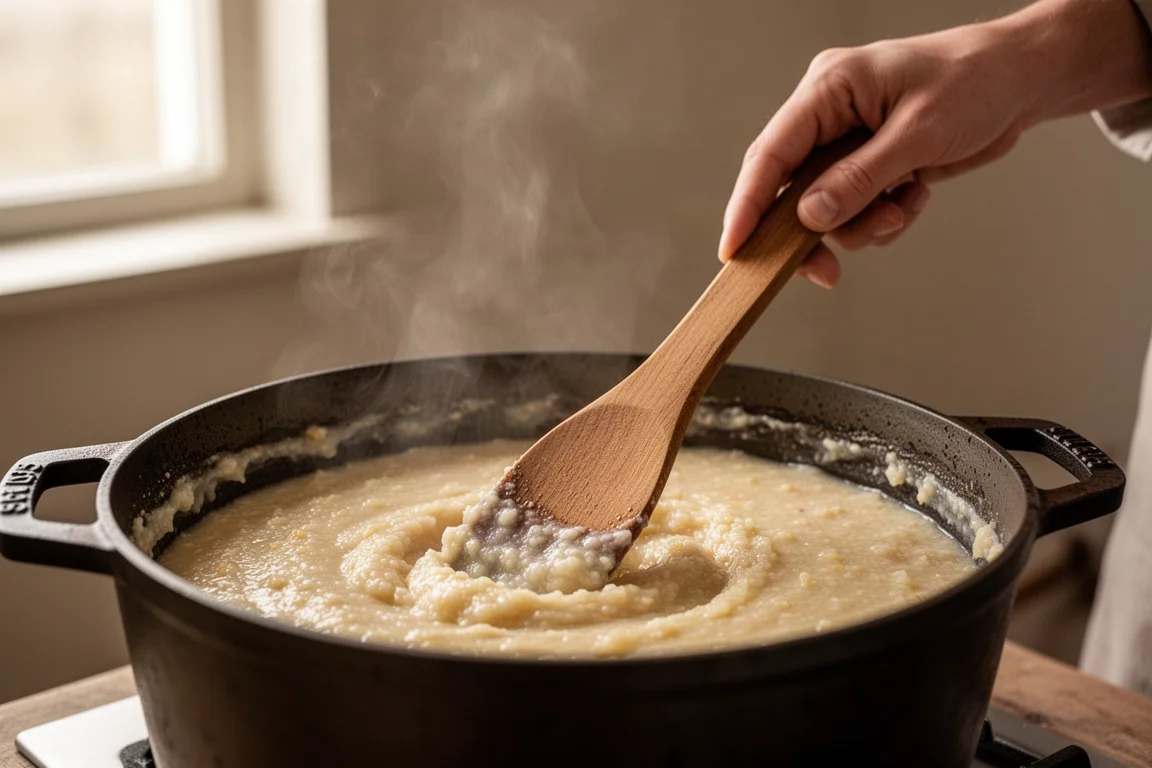
Simple handle shapes also scored well: rounded underneath, slightly flat on top. That kind of shape accommodates many hand sizes and both left- and right-handed cooks in a range of grip positions. Ergonomists call this affordance: a simple design that works comfortably for many people. By contrast, a handle with a big swoop, like the lazy spoon, interrupts your ability to hold it in multiple positions.
Heads: The Business End Matters Most
Testers gravitated toward heads with a straight edge. A thin leading edge made it easy to slip under food and scrape along the bottom of a pan. Wider, blunter heads worked, but felt clumsier.
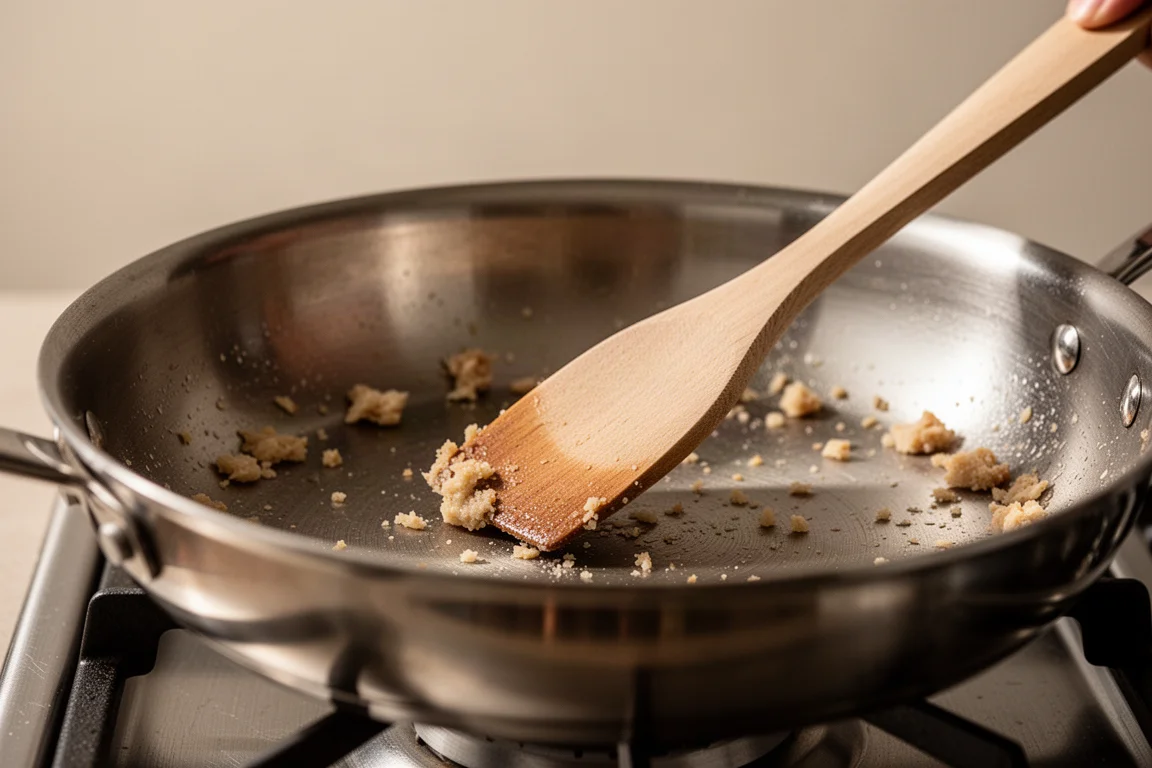
Edge width also made a real difference. Most spoons had a head of two inches or less, which meant more passes to move food around the pan. A slightly wider head, around two and a quarter inches, moved food more efficiently with fewer strokes. Testers noticed and appreciated the difference.
Our Two Picks
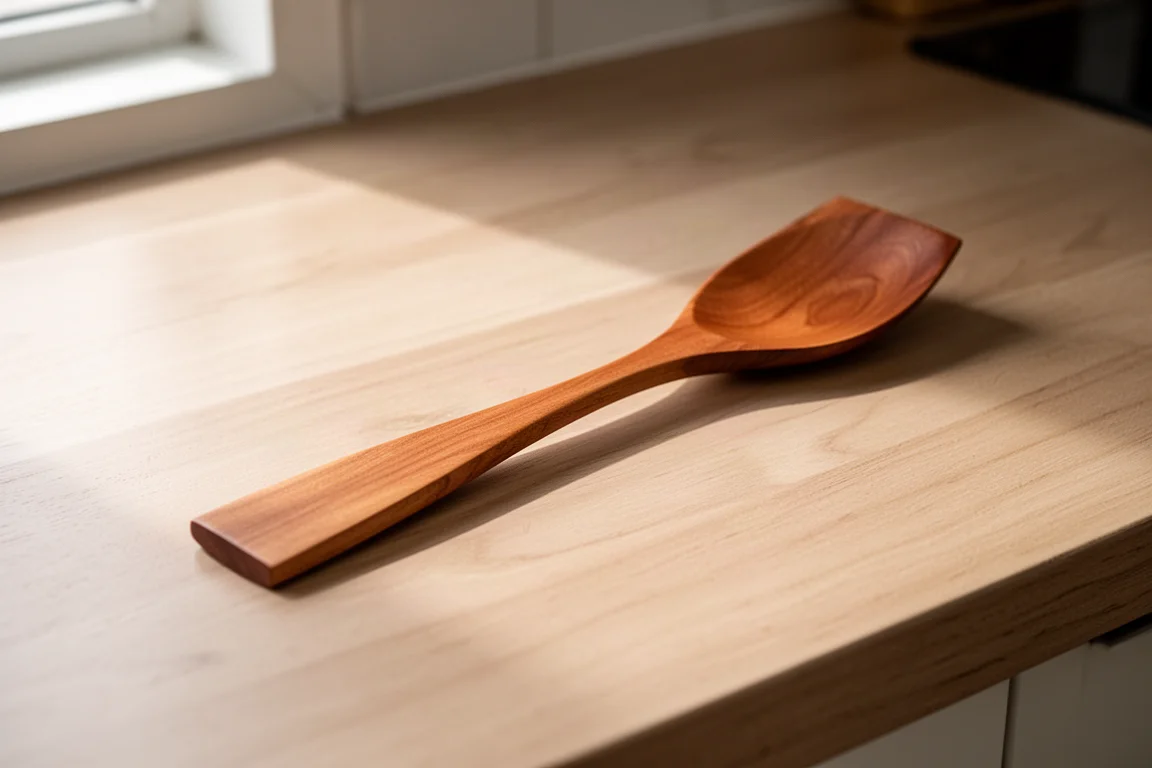
If you lean toward a straight edge, the Jonathan’s Spoons Spootle is the first co-winner. It has a nice, thin leading edge, a comfortable handle, and works as a great overall spoon. It is not cheap at $28, but it earns its spot.
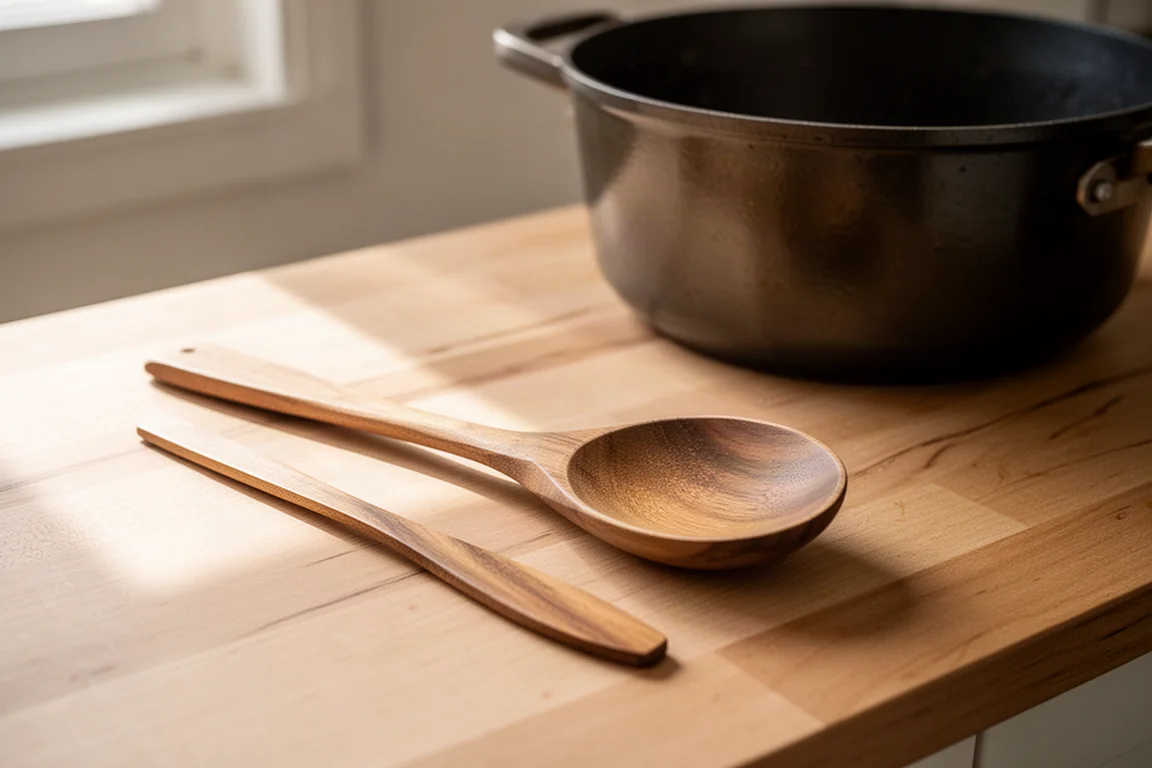
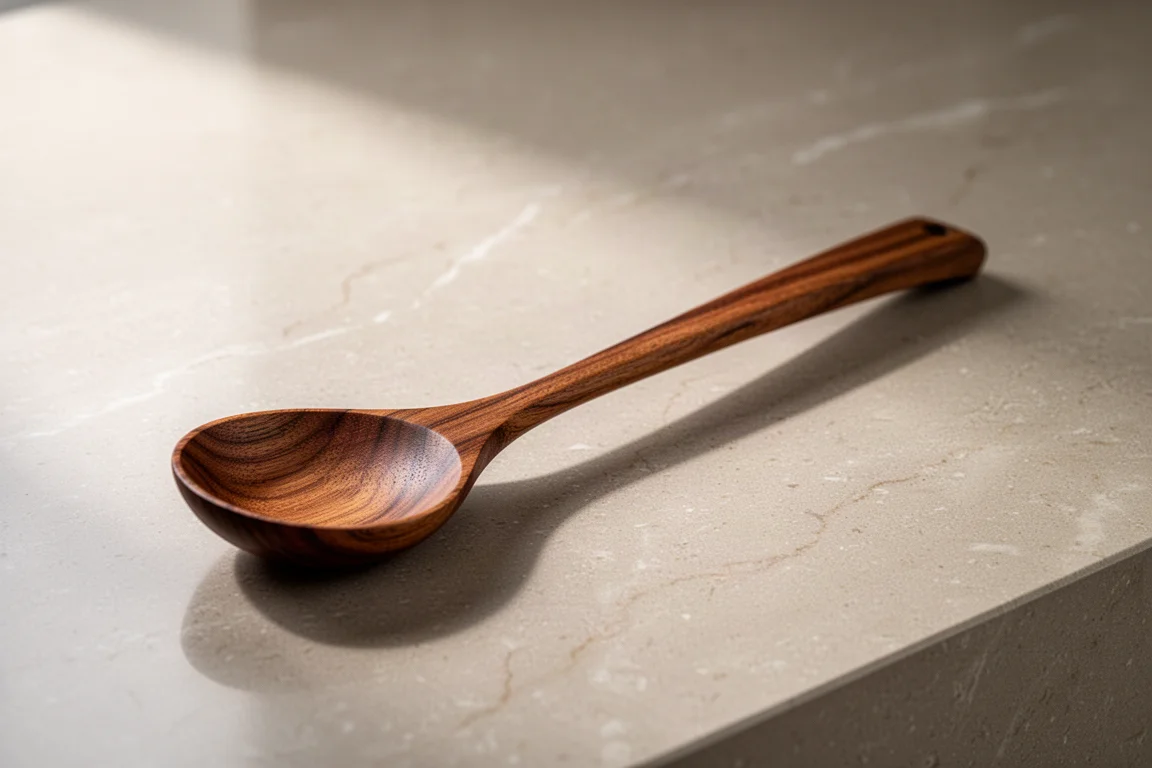
If you prefer the classic rounded design, the FAAY 13.5 inch Teak Cooking Spoon is the second co-winner. Its head has a different shape, but it shares many of the same strengths, and at just $11 it is outstanding value.
Conclusion
A great wooden spoon comes down to feel, not wood type: a smooth-but-grippy handle, a longer shaft for leverage, and a thin, appropriately wide head that moves food efficiently. The Jonathan’s Spoons Spootle is the straight-edge choice for $28, while the FAAY 13.5 inch Teak Cooking Spoon delivers the classic shape for $11. Either one will help you stir up something great in your kitchen.
Further reading
Related Reviews
Kitchen Tools
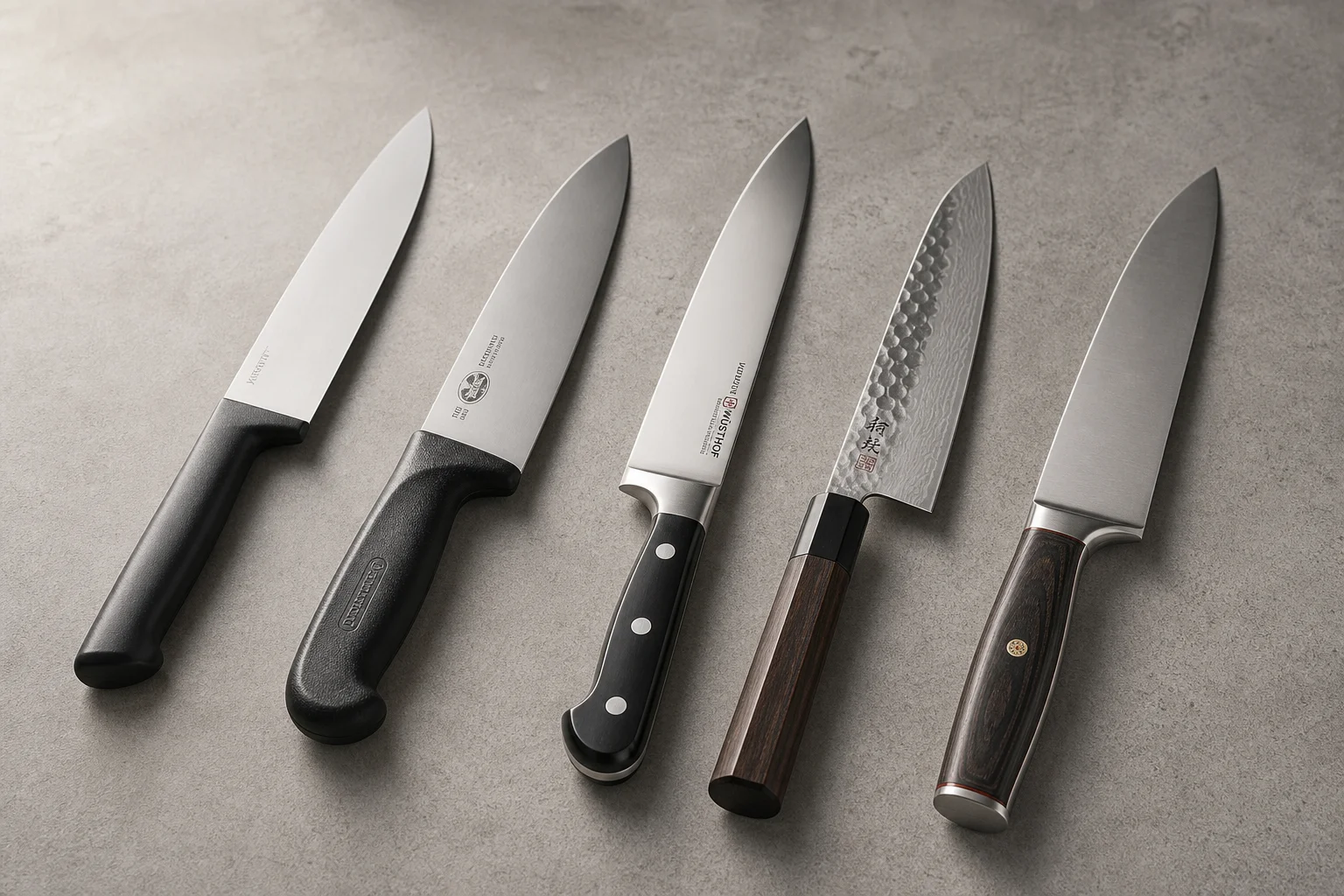
Amazon's Top-Rated Chef Knives Tested: Five Models from £11.50 to £200
We tested five of Amazon's highest-rated chef knives across sharpness, comfort, and versatility to see which delivers the best value and real-world performance.
Kitchen Tools
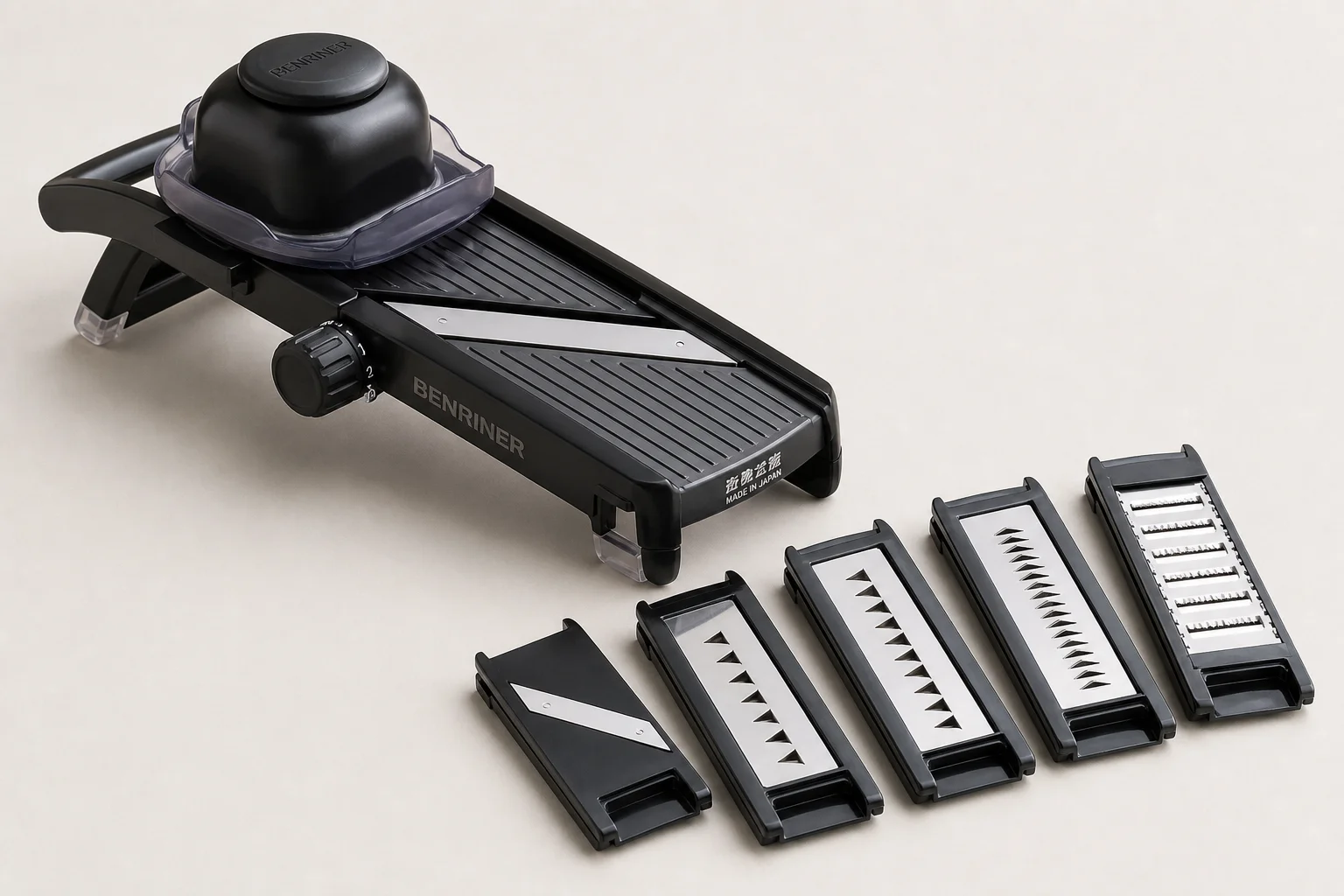
Benriner Japanese Mandoline Review: A Sharp Tool for Precise Vegetable Slicing
A practical guide to using a Japanese mandoline safely and effectively, with tips for achieving consistent, crisp results in the kitchen.
Kitchen Tools
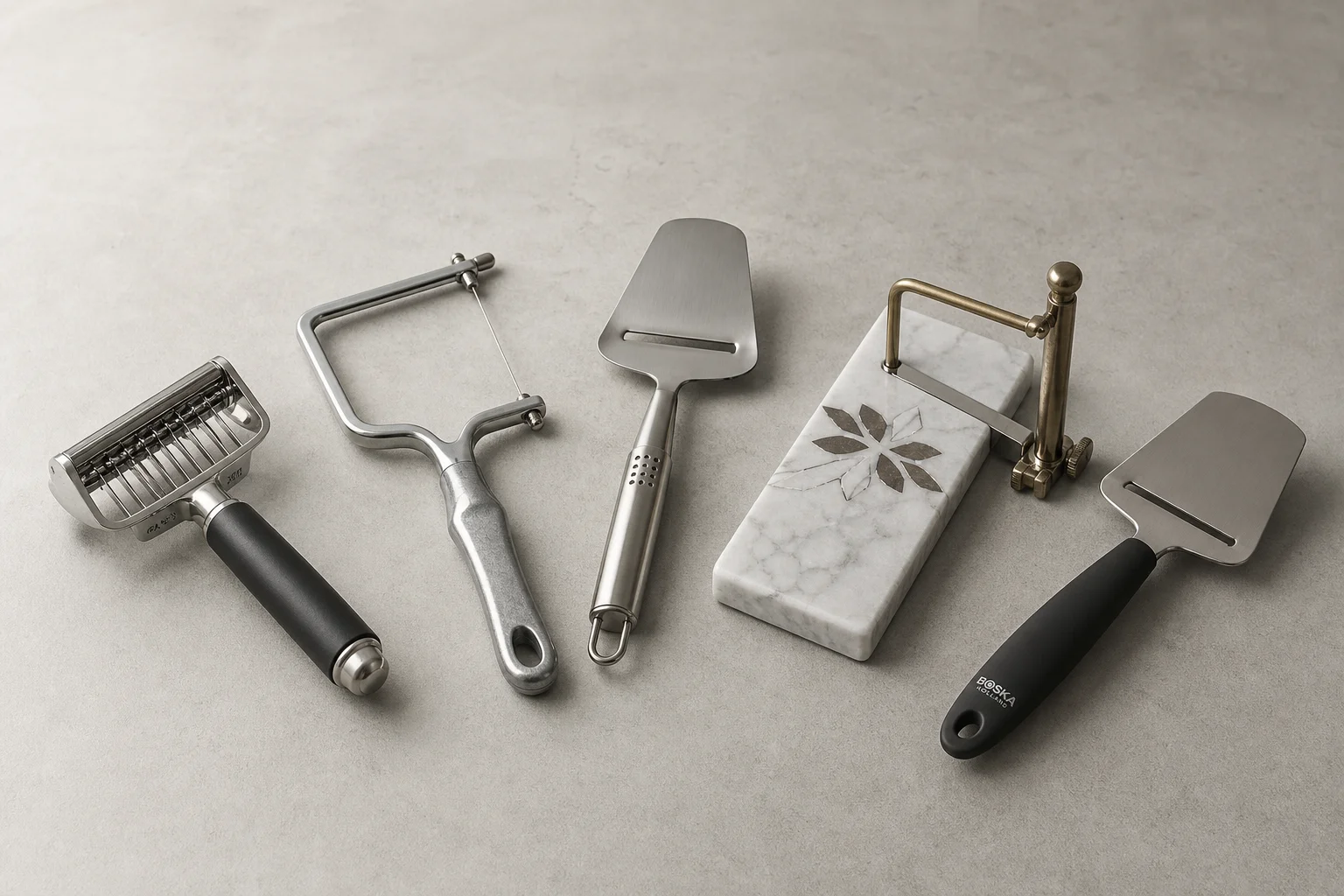
Best Cheese Slicers: Five Practical Options for Consistent Slicing
Five cheese slicers with different designs and features, from multi-blade versatility to wire-based precision, each suited to different kitchen needs and cheese types.