Ski Gear
Best Women's All-Mountain Skis 88 to 92 mm: 21 Models Compared
A practical look at 21 women's all-mountain skis between 88 and 92 mm underfoot, from light carbon carvers to metal-backed chargers, with clear guidance on who each one suits.
Introduction
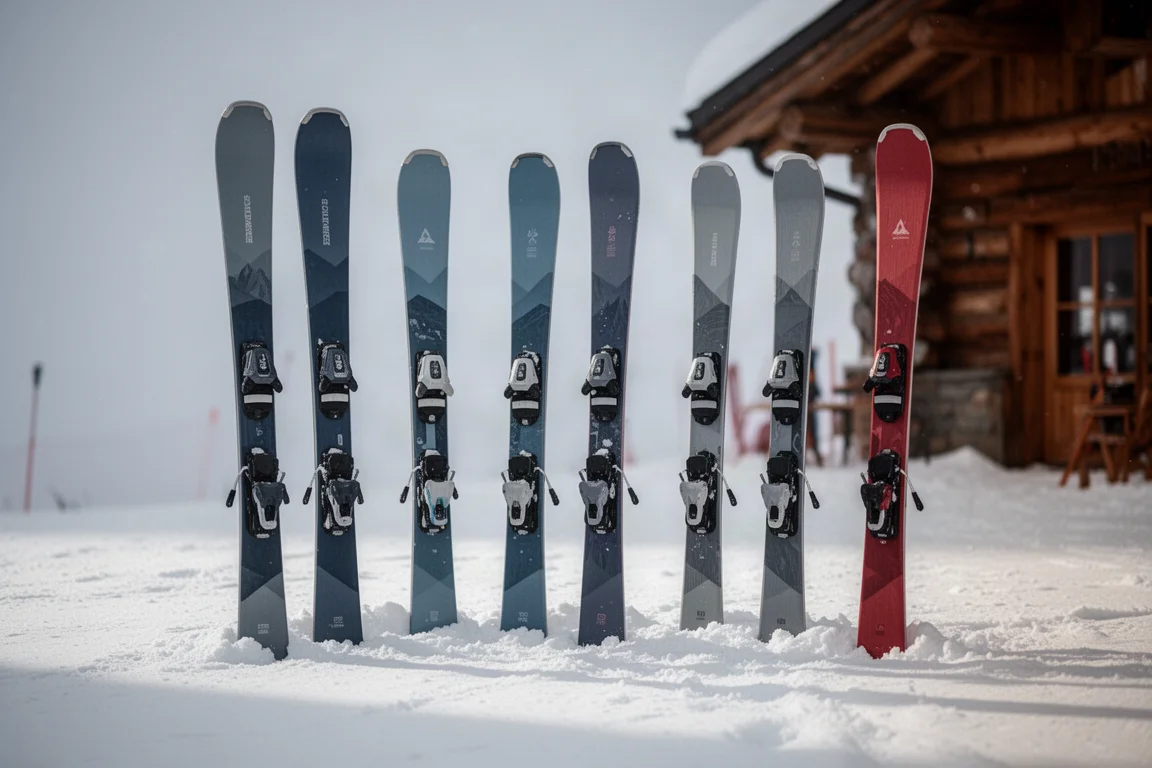
The 88 to 92 mm waist band is the busiest part of the women’s all-mountain market, and for good reason. It is wide enough to handle soft snow, narrow enough to feel quick on groomers, and varied enough that a dedicated park twin tip and a metal-backed carving ski can sit side by side on the same wall. This comparison covers 21 models, including several brands that offer two or even three very different constructions within a couple of millimetres of waist width. If you are a general all-mountain skier who wants one ski to cover most days, this is the range to shop in.
How These Skis Were Compared
Each ski was assessed on waist width, weight, core construction, the type and placement of metal or carbon, rocker and camber profile, turn radius, and how much input it asks of the skier. Weights in this group run from around 1,260 g to around 1,760 g, which is a bigger spread than the four millimetres of waist width suggests.
Construction is where the differences really show. Carbon stringers, carbon tubes, spectral braiding, curved carbon laminates, full metal sheets, metal frames, vertical metal struts, and titanal top sheets all appear here, and each one changes how the ski feels on snow. Turn radius matters too, and radii in this group range from a tight 11 m to 13 m in the sizes discussed.
Armada ARW 88: Park-First, All-Mountain Ready
The ARW 88 is the most park-focused ski in Armada’s ARW series. Compared with the wider 94 and 100, it is narrower, carries the most camber, and has a stiffer flex, while staying light at around 1,580 g. That combination keeps it very maneuverable without feeling like a toy.
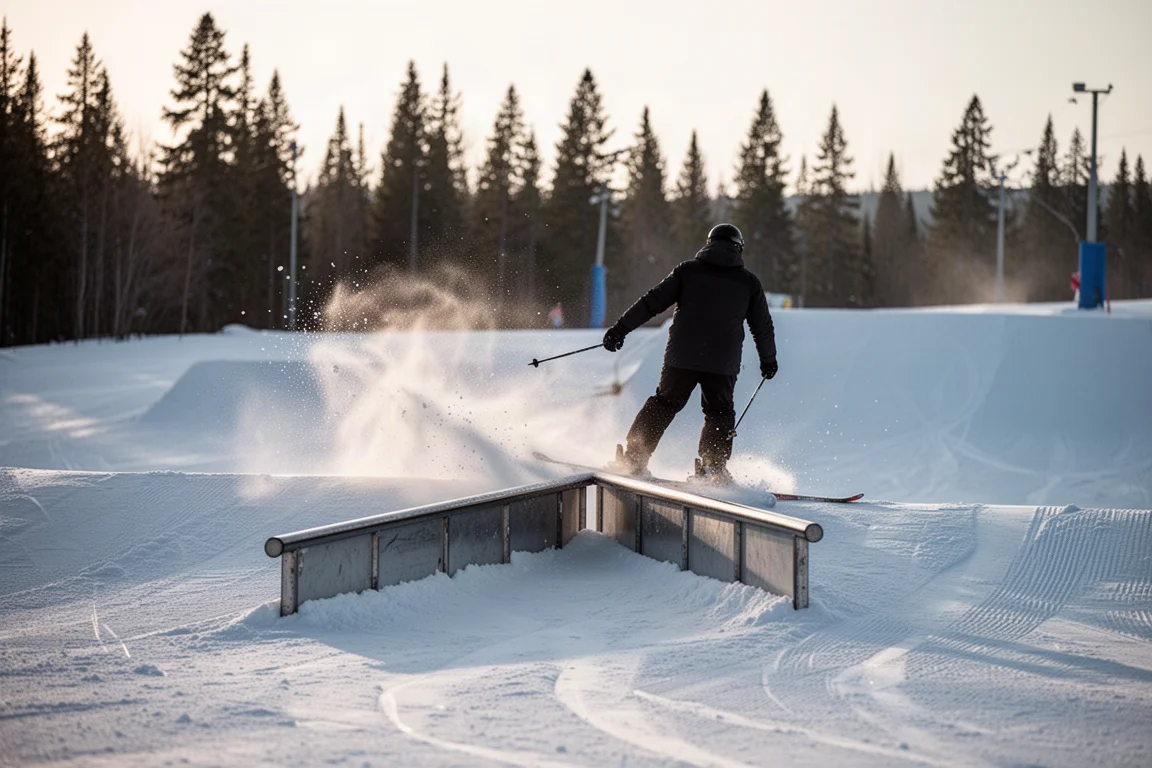
This iteration uses a poplar wood core in place of the heavier ash layup used previously, plus Armada’s wedge wall sidewall construction, a molded injection pressed into the ski in a tongue-and-groove fashion. The result is more unity between the sidewall and the core, which matters when you are hitting rails and boxes, and it helps the ski stay energetic and poppy despite the low weight. It also works well as a bump and tree ski for anyone who wants a playful twin tip to explore the whole mountain on.
Armada Reliance 88C: Light and Energetic
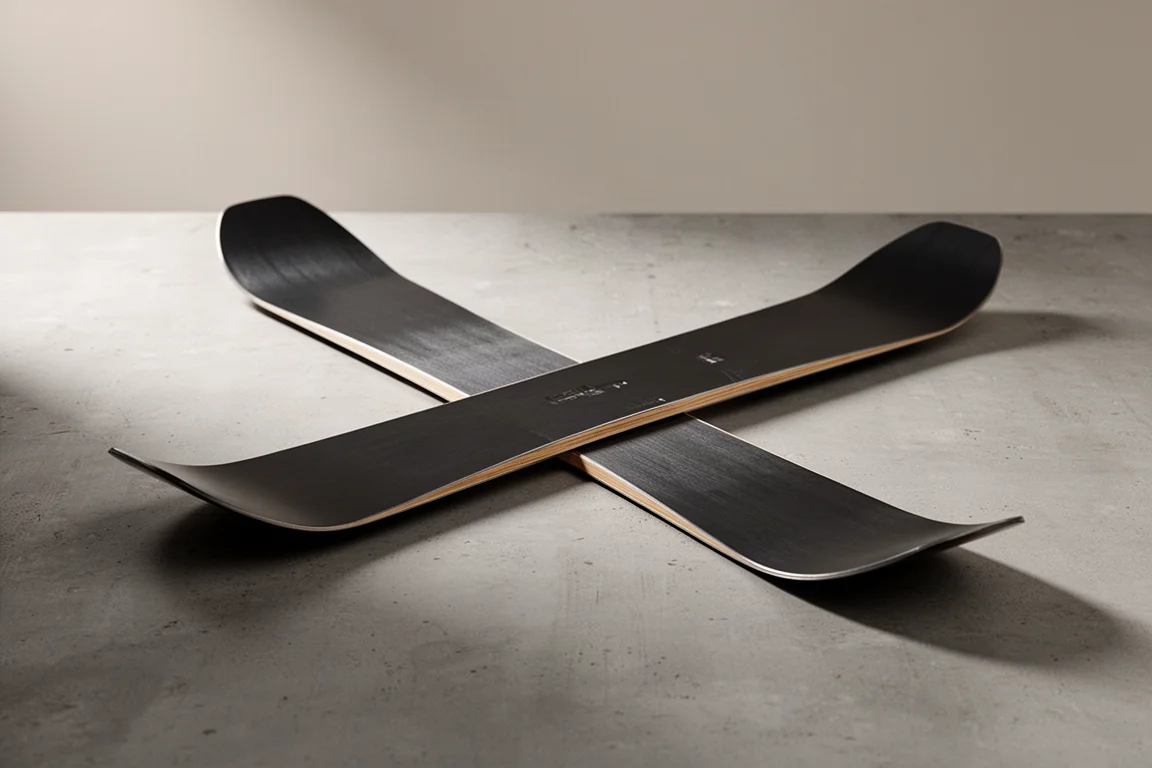
At 88 mm underfoot with a lightweight karuba wood core and carbon stringers running through it, the Reliance 88C delivers an amount of energy and stiffness that is surprising for its build. It comes in at around 1,543 g, which makes it lightning quick and very easy to ski, with excellent grip. The shape is more directional than the ARW, and the ski is happiest at slower to moderate speeds.
That does not mean a low ceiling. The flex is lively and responsive, and it suits a wide range of skiers. The trade-off is simply that it does not have the dampness of the metal version for anyone who wants to push the speed limit.
Armada Reliance 92Ti: Metal Dampness for Higher Speeds
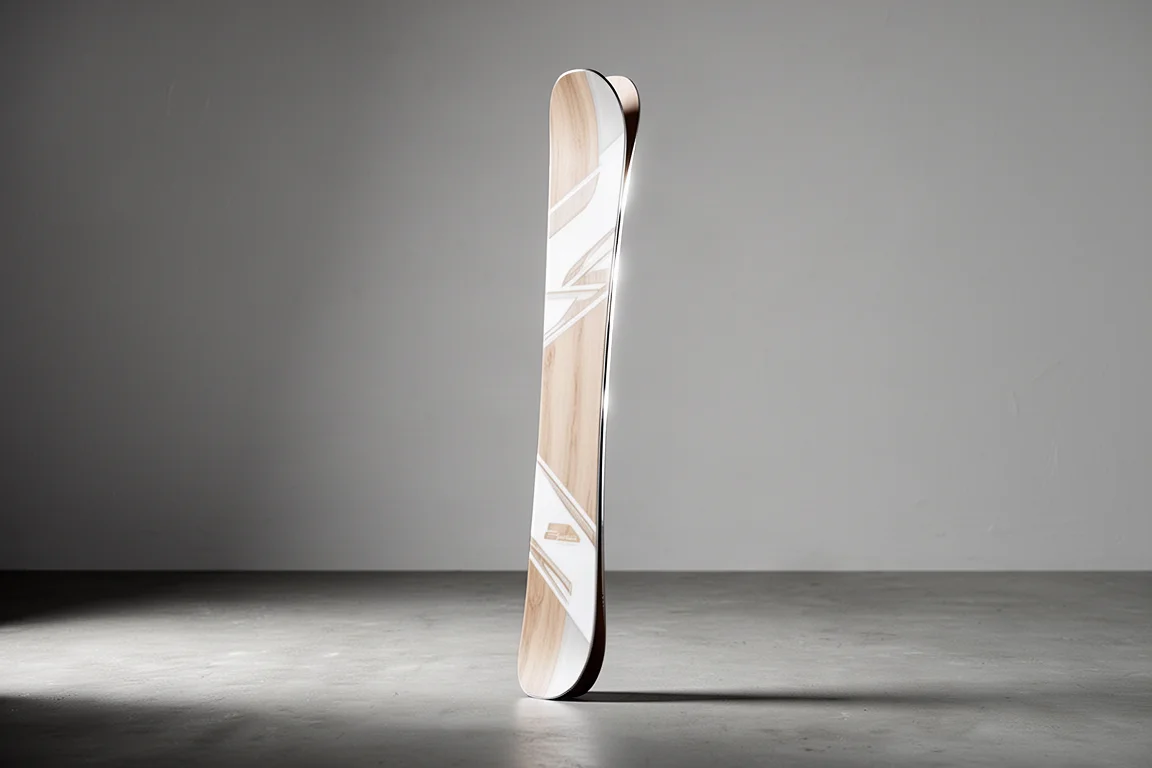
The Reliance 92Ti takes everything about the 88C and adds an articulated titanal band. The metal is full width underfoot and extends wide and long into the tail, but in the forebody it is slit to remove material, which gives the ski a smoother, more effortless turn initiation.
That articulation also lets the ski flex torsionally so more of it stays on the snow, which is where the extra smoothness and plant come from. The trade-off is roughly 100 g of weight and a little less immediate playfulness, in exchange for better soft snow performance from the wider waist and much more stability at speed.
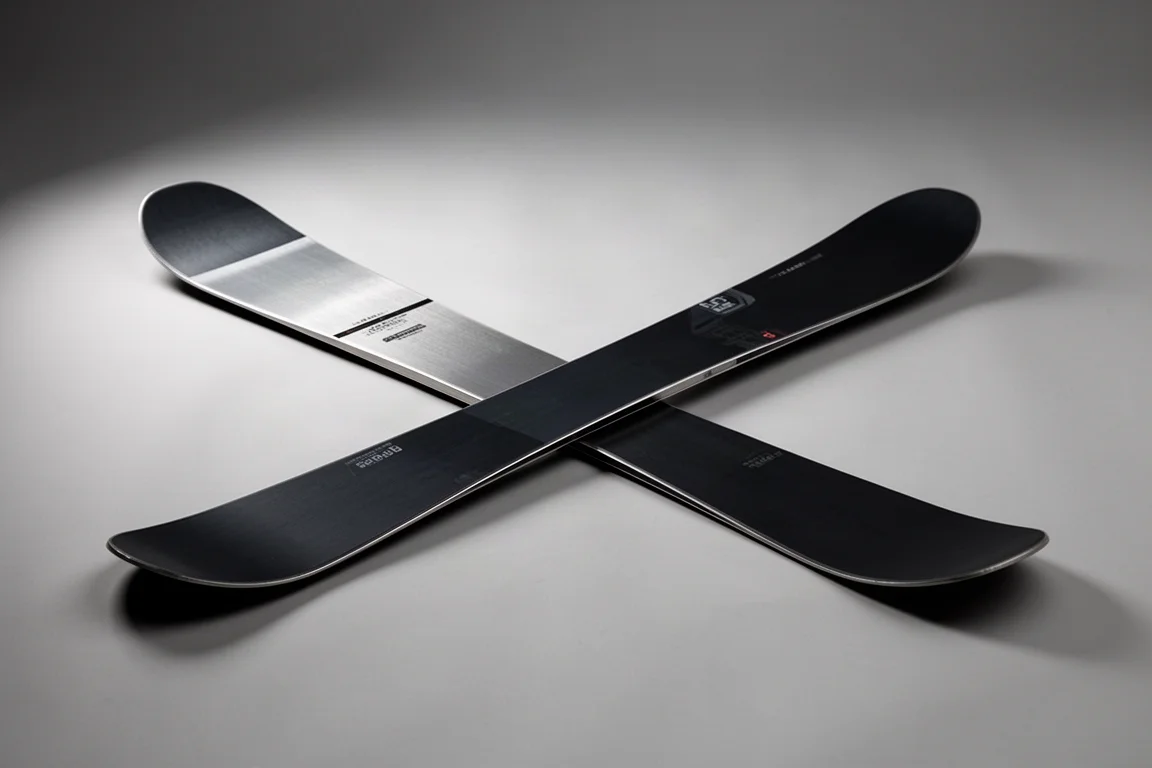
Atomic Bent 90: The Lightweight Freestyle Benchmark
The Bent 90 is a light, easy-to-use 90 mm twin tip that has earned a following for its manners in moguls and trees. It is genuinely fun and forgiving, and it is a useful reference point when looking at other playful all-mountain skis in this range.
Its limits show up in energy and edge hold rather than in ease of use. A ski like the Captis Birdie builds more energy out of the camber and offers a longer effective edge, which is worth knowing if you want more performance without giving up the light, friendly character.
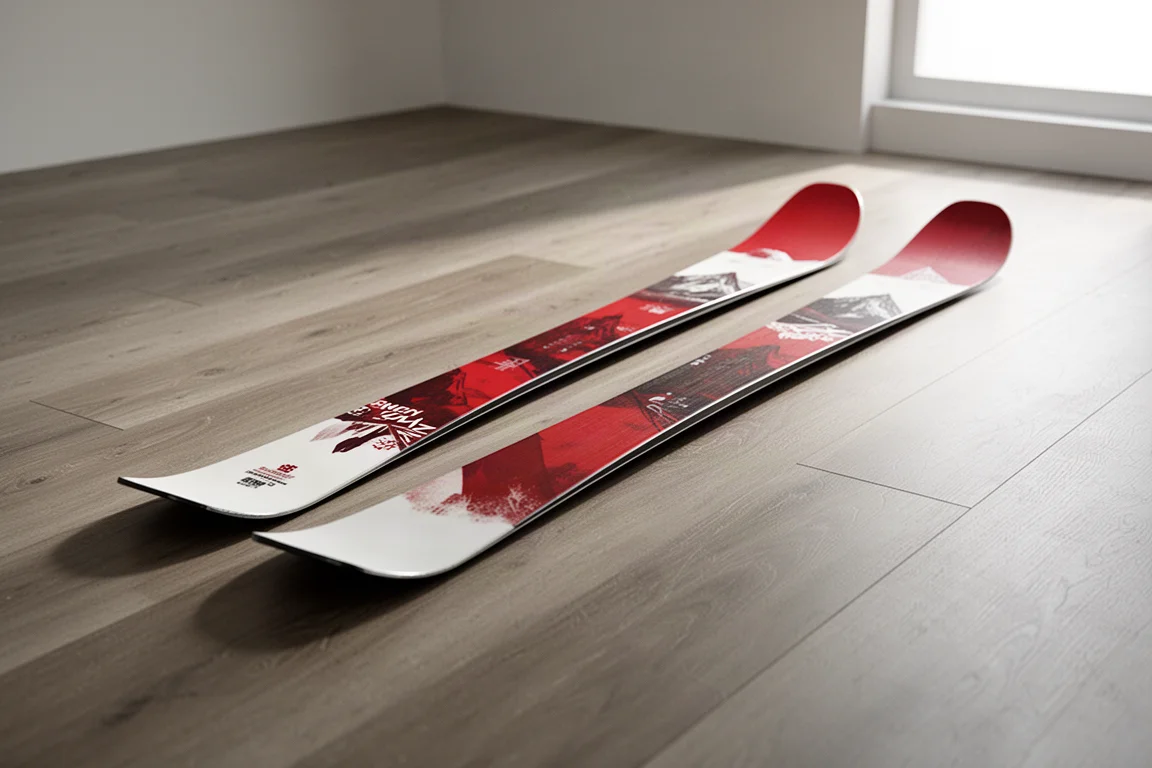
Black Crows Captis Birdie: Shape Over Spec Sheet
The Captis Birdie keeps its build simple: a poplar wood core with fiberglass laminates. What sets it apart is the shape and profile. There is plenty of positive camber underfoot, which builds energy into the ski, and not a great deal of rocker, so the effective edge stays long and you can drive into it hard.
The flex is progressive and consistent from tip to tail, and the fiberglass adds a useful amount of stiffness. A directional sidecut means it is not limited to the quick, energetic turns it loves in bumps and trees; it can open up into longer arcs on piste as well. At around 1,600 g it has some substance, which keeps it from feeling like a featherweight, and it still works as a park ski when you want one.
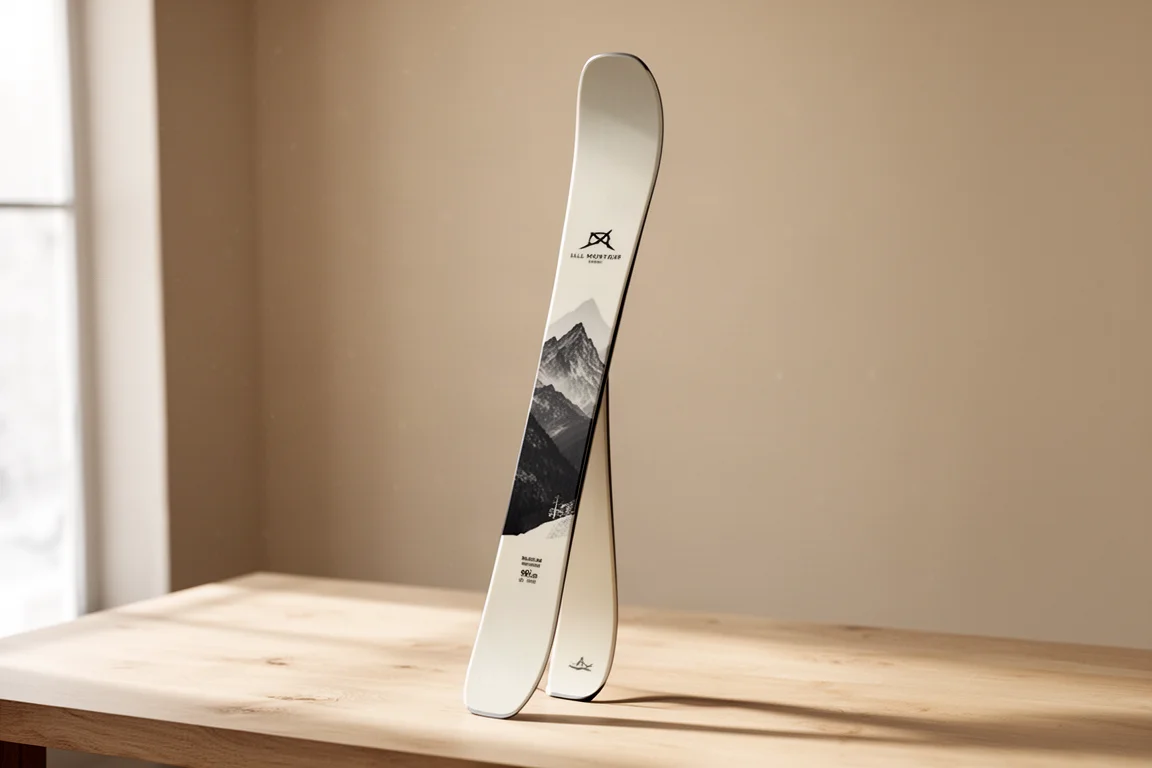
Blizzard Black Pearl 88: The Long-Standing All-Rounder
The Black Pearl 88 has been a fixture in this category for years, and it is often described as the black dress of the ski world: the ski you can bring anywhere. Its two-blend wood core gives a predictable, intuitive flex from tip to tail, and a Titanal plate underfoot, extending just past the binding zone, adds dampness, edge grip, and torsional stiffness without changing how the extremities feel.
The shape is traditional and directional, with an abrupt splay, modest rocker, and camber that starts high up the ski. That produces a long effective edge and a flatter tail that cuts through crud and chop. It is happiest on trail, and it remains one of the easiest recommendations in this roundup for skiers who want one dependable ski.
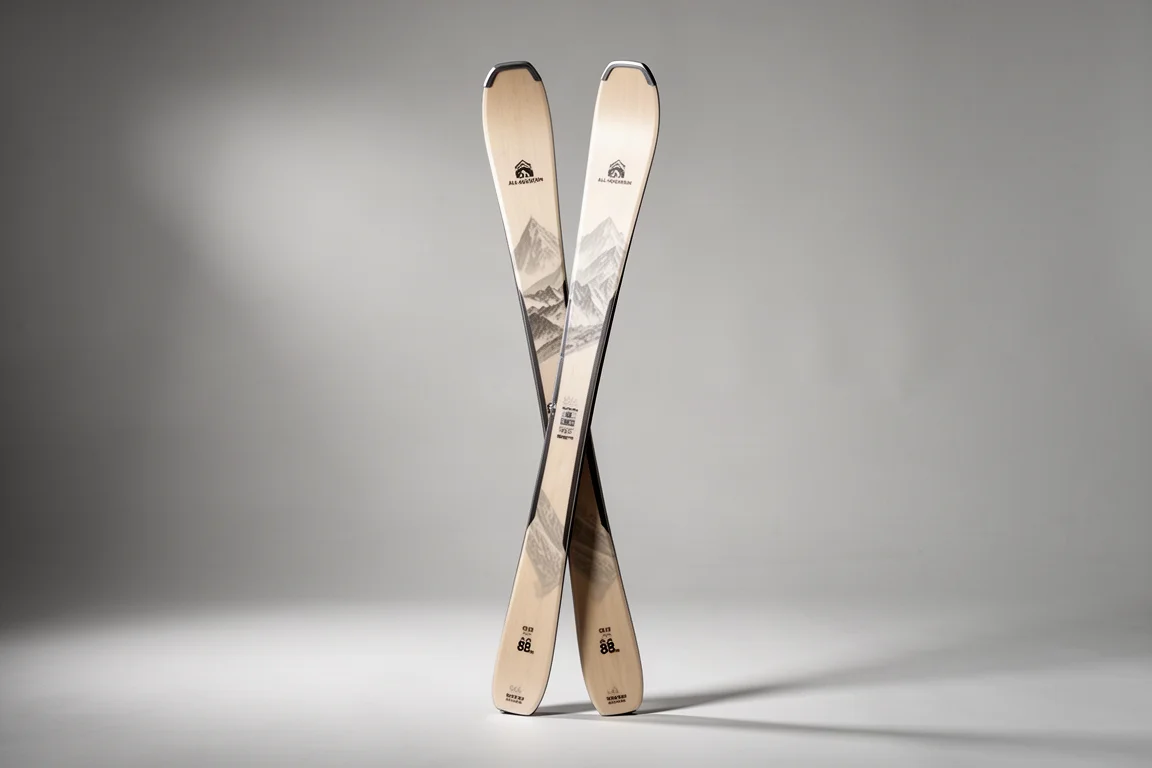
Dynastar E Cross: A Tight-Radius Carver With a Wide Shovel
The E Cross shares its build with the men’s M Cross and introduces a distinctive shape: a wider shovel, a narrower tip, and a narrower tail. Turn initiation is direct and precise, and the tail finishes with a short arc. The shovel makes it look like a soft snow ski, but it is a crisp turner with an 11 m radius.
The hybrid core keeps polyurethane along the sides, with more of it in the shovel and tail, and the wood core is built from a horizontal laminate plus two milled sections pressed together. That approach reduces the amount of adhesive in the ski and lowers its environmental impact. Two layers of metal in an H-shaped laminate sit underfoot and extend into the forebody and tail, keeping that zone planted and powerful while the tip stays able to float and smear.
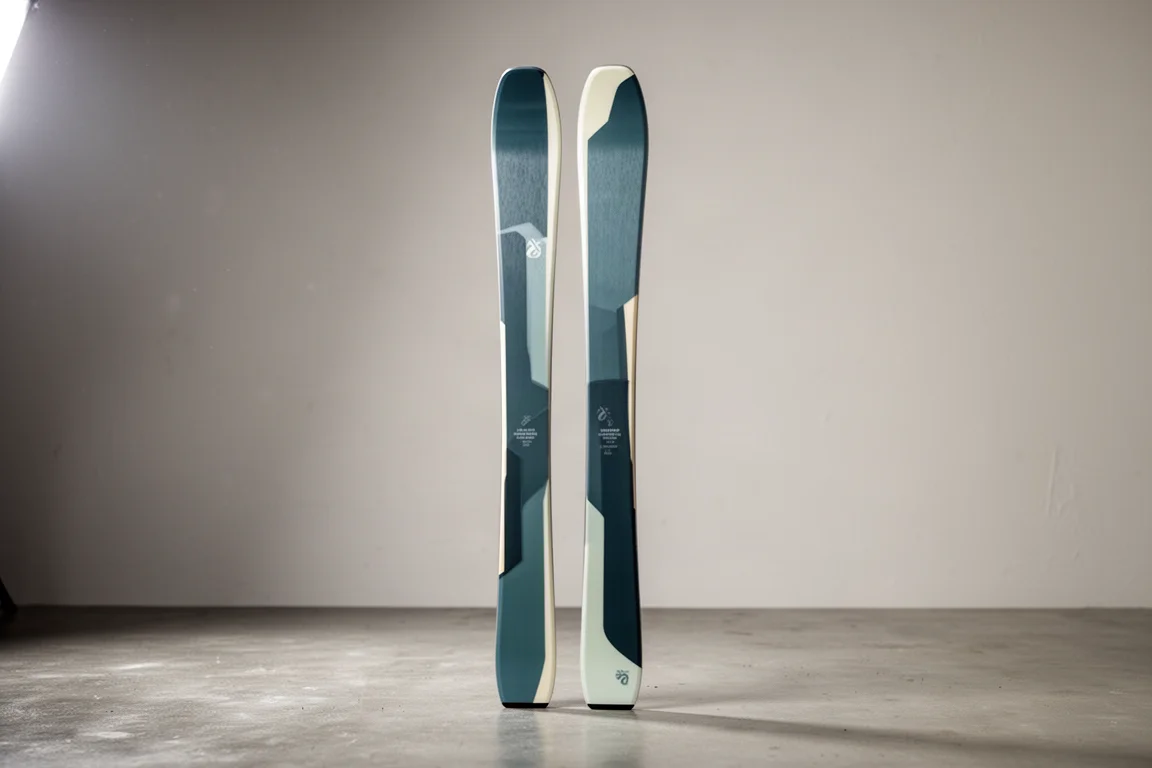
Dynastar E Pro 90: Power for Confident Skiers
The E Pro 90 is the counterpart to the E Cross, and the differences are deliberate. The shovel is narrower and the taper starts earlier, so the ski asks more of the person driving it. There is full metal underfoot and more metal in the tail, which makes for a stiffer flex, and the tip rocker is long and dramatic.
A poplar wood core sits inside the same hybrid polyurethane construction, and the titanal rocket frame runs through the middle of the ski and widens into the tail, leaving the forebody maneuverable. The payoff is power and feedback from the midsection back, and a level of stability that suits skilled skiers who like to work a ski.
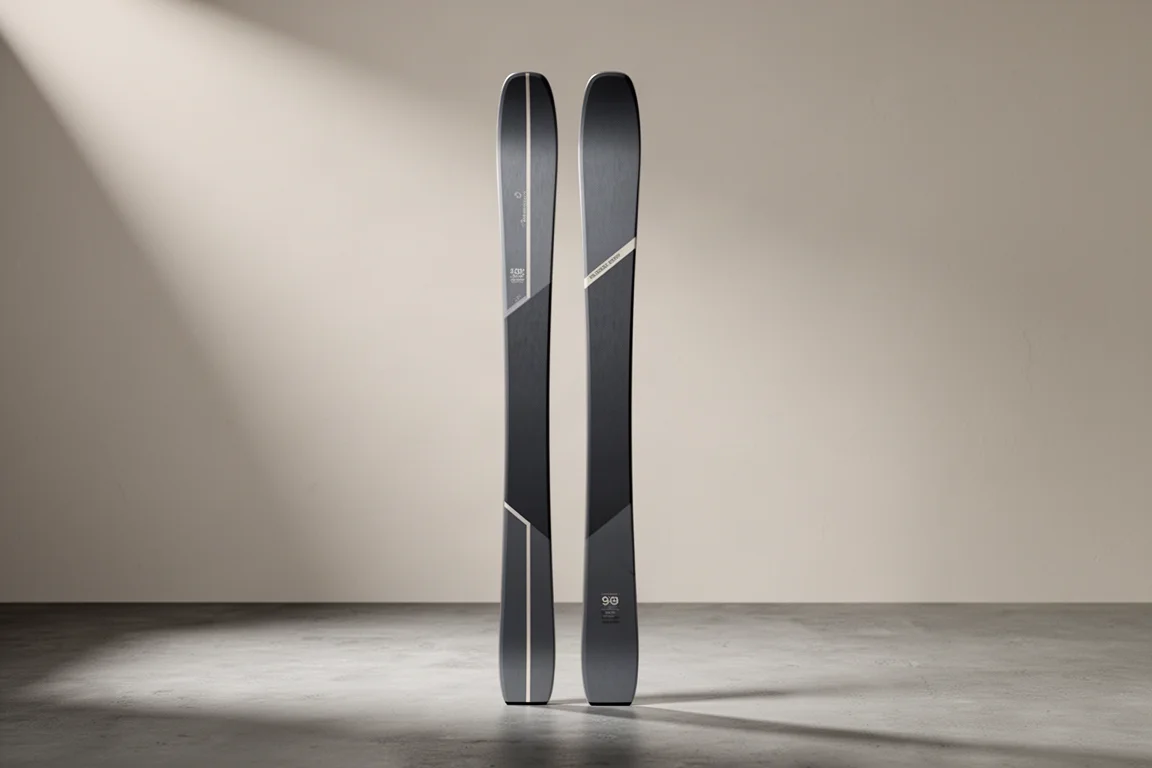
Elan Ripstick 88: Carbon Tubes and the Amphibio Profile
The Ripstick 88 uses a tube light wood core with carbon tubes set along the sidewall, following the shape of the ski and pressed in under pressure so the energy is preloaded. Elan’s Amphibio profile adds camber on the inside edge and rocker on the outside edge, which lets you lean in and drive the downhill ski while the uphill ski stays looser and more forgiving.
It is a light ski at around 1,450 g with one of the softer shovels in this group, yet it grips well without feeling locked into a turn. The left and right skis work together almost like one unit, which makes it natural and intuitive. It shares its build with the men’s Ripstick 88 and is a blast on piste.
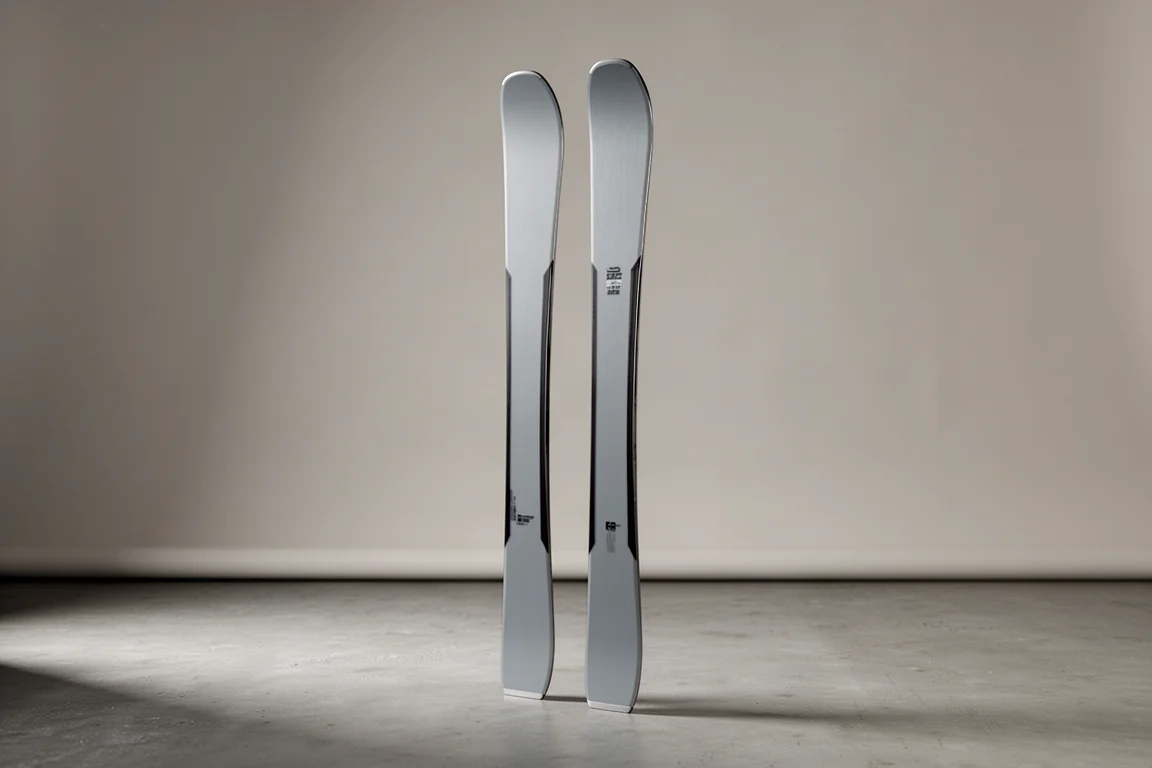
Head Core 91: Stiff, Light, and Reactive
Head takes a different route to the same goal. Instead of carbon tubes, the Core 91 uses two full carbon laminates, one on the bottom and one on top, with the top laminate curved. Curving carbon in three dimensions adds structural integrity, so the ski ends up very stiff while the karuba wood core keeps the weight at around 1,500 g. Stiff, light carbon translates into reactivity.
How much you get out of it depends on the skier. Stronger skiers can bend it and get stability at speed in a carved turn; lighter skiers tend to get agility, precision, and quickness instead, and may notice some carbon chatter in the middle of the range. Damping layers have been added over the years to soften that, and the light, agile character makes it a standout in bumps and trees.
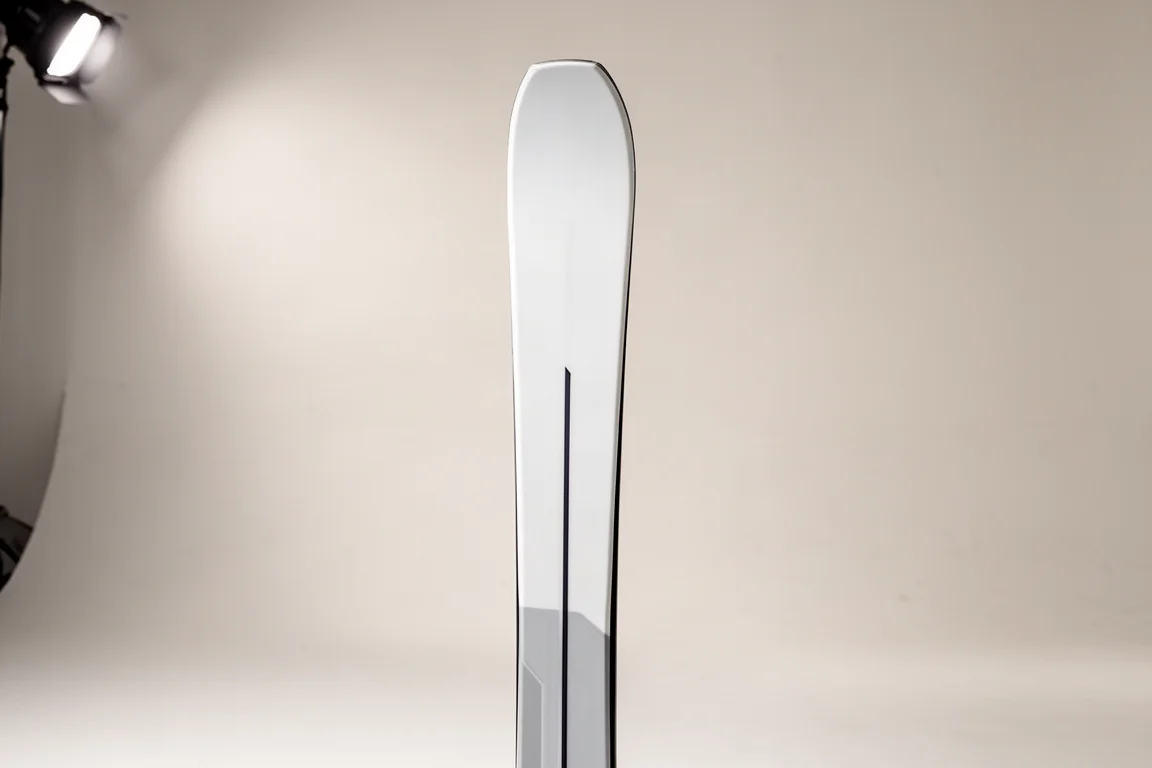
K2 Mindbender 89 Ti: Precision and a Strong Turn Finish
The Mindbender 89 Ti is a strong performer with excellent precision on piste and a maneuverable, responsive personality. Its Y-beam metal laminate is wider in the forebody, full width underfoot, and tapered in the tail, the opposite approach to the E Pro 90’s rocket frame. More rocker in the tips and tails, and metal moved lower in the ski, add a freeride influence that keeps the forebody easy to bend.
The 13 m radius in the 164 is short for the category, and the tail finishes turns with a satisfying kick. At around 1,714 g it is one of the heavier skis here, and it rewards a skier who drives it rather than rides it.
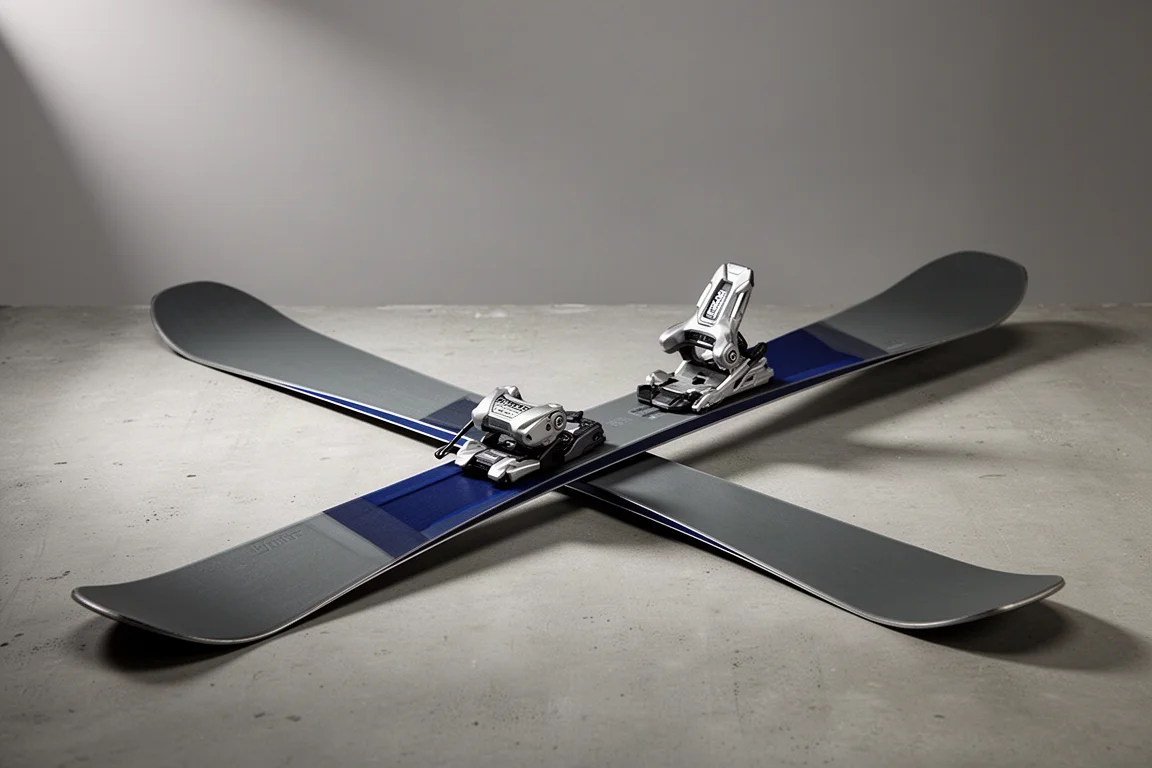
K2 Mindbender 90C: Carbon Braiding for Easy Versatility
The 90C swaps the Y-beam for carbon spectral braiding, which is woven tighter in the shovel than in the tail. That makes the tip more torsionally stiff and the tail more longitudinally stiff, following the same front-loaded character as the Ti but with carbon instead of metal. It weighs around 1,500 g, roughly 200 g less than the 89 Ti.
The flex is even and the ski is easy to ski, with a better float than the metal version and a friendlier exit from the turn. For progressing intermediates and anyone who wants an accessible ski with a genuinely high performance ceiling, it is one of the easiest recommendations in this roundup.
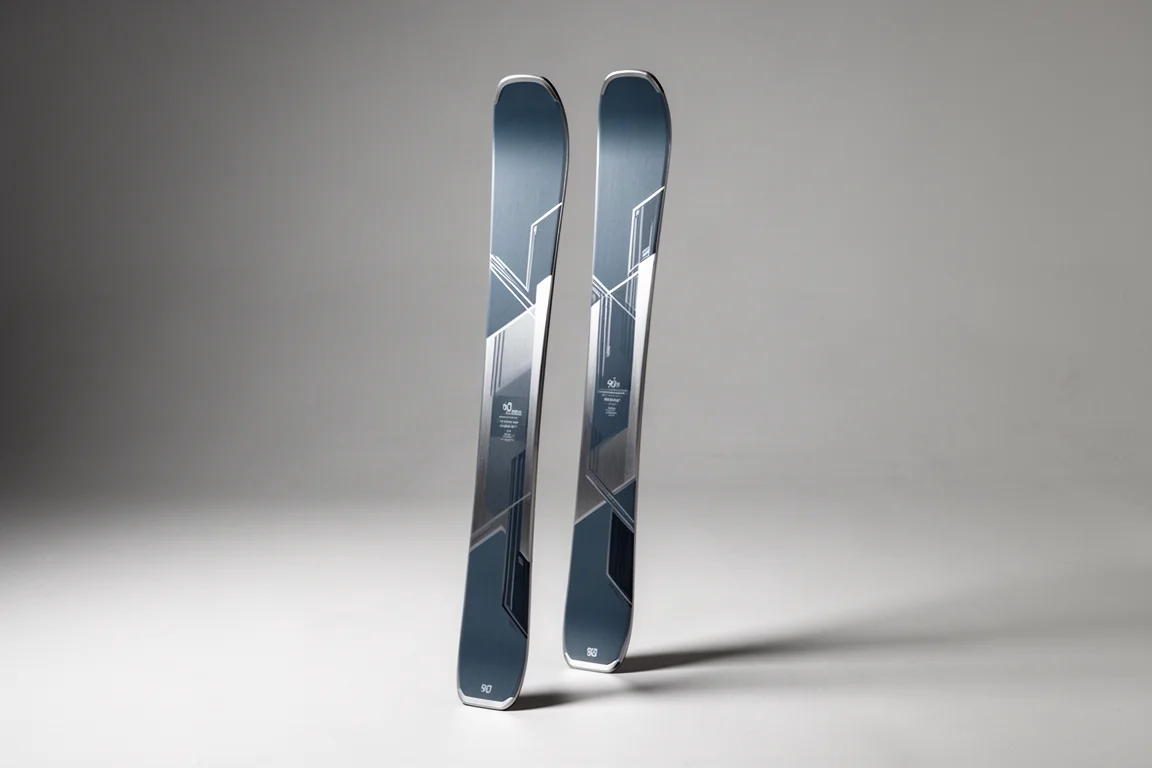
Kästle Obsidian 92: Freeride Influence in a Narrow Waist
The Obsidian 92 is new, and it is the women’s introduction to Kästle’s metal-free freeride line, sharing its build with the ZX 92. The core blends poplar and beech with fiberglass layers, and there is no metal anywhere. It is also positioned as a more accessible way into the brand, rather than a full metal carving ski.
The energy out of the tail is the standout, and the ski is damp and stable enough to take up to speed. At 92 mm with a long tip rocker it is one of the better soft snow options here, while the directional, low-profile tail stays direct and reactive. At around 1,580 g, with a skin notch on the tail, it is efficient enough for uphill travel too, even if Kästle does not market it that way.
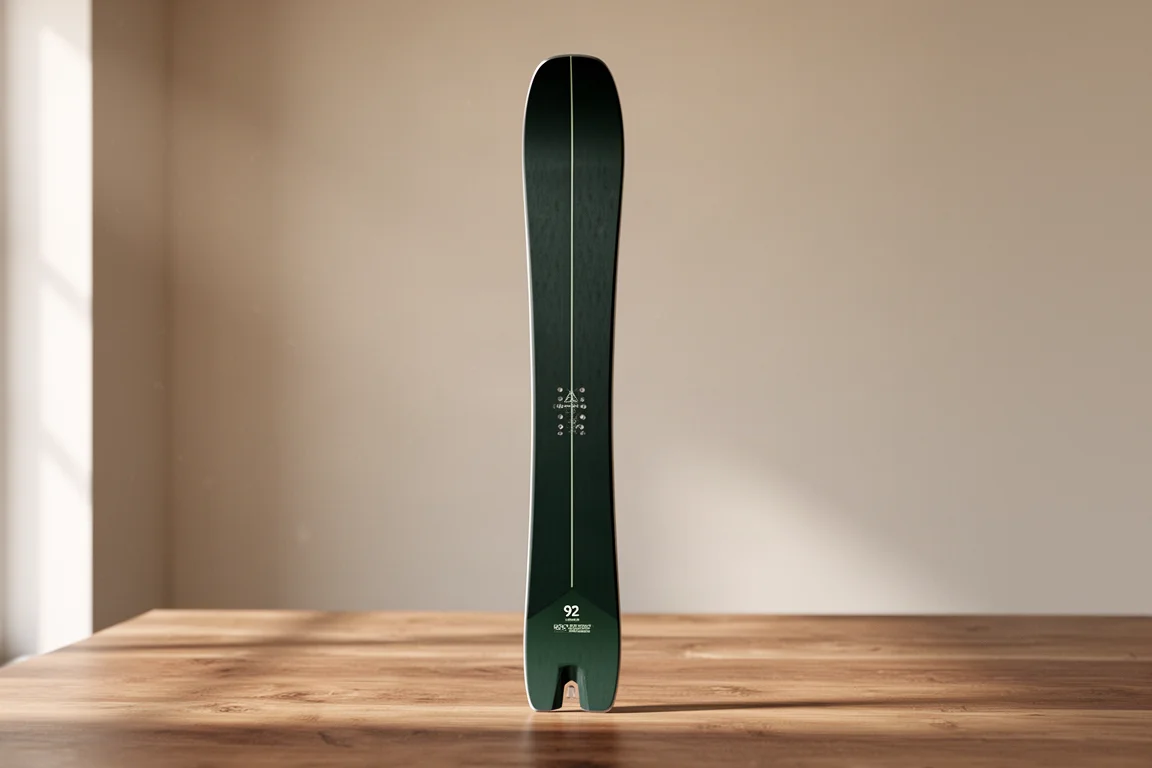
Liberty Genesis 90: Vertical Metal and a Playful Shape
The Genesis 90 leans freeride, with more rocker and taper than a directional carver. Its party trick is a single vertical metal strut running through the center of the ski instead of a horizontal sheet, which does an excellent job of absorbing vibration and adds torsional stiffness and strength at speed.
The flex is consistent, which keeps the ski on the snow with very little deflection, and it feels well connected and confidence inspiring in bumps, trees, and shorter turns. It is a strong choice for someone who wants a freeride-oriented all-mountain ski that can still handle firmer on-piste conditions.
Nordica Santa Ana 88: A High-Performance On-Piste Build
The Santa Ana 88 is the narrowest of the Santa Ana series with this footprint, with a squared-off tail and a different shovel shape from the wider models. Nordica uses one shape of metal laminate across the whole series, but as the skis get wider the metal takes up less of the ski. On the 88, the metal sits closer to the edge, which is where its precision and power come from.
The laminate is full in the shovel, underfoot, and in the tail, with a little removed in the forebody and behind the binding zone to add mobility. At around 1,730 g it is one of the heavier skis here, and the flex is stiff, so it is not an intermediate ski. It is capable of very fast, aggressive turns, and it is more maneuverable in bumps than the weight suggests, but it is meant for skilled skiers who can access everything it offers.
Nordica Santa Ana 88 Unlimited: The Same Shape, Much Lighter
The Santa Ana 88 Unlimited uses the same footprint and shape as the Santa Ana 88 but drops nearly 500 g, down to around 1,260 g. The core uses a macro-block style of wood with thicker stringers, which requires less adhesive, and the metal is removed and replaced with carbon.
Nordica positions it as a hybrid touring version, which undersells it. The light weight brings quickness, energy, agility, and ease of use that plenty of resort skiers would enjoy, and it is not a dedicated uphill race ski. If you like the Santa Ana shape but do not want a metal ski, this is the version to look at.
Rossignol Rallybird 92: Quiet, Smooth, and Directional
The Rallybird 92 is one of the most damp, quiet, and stable skis in this group, and it manages that while still feeling responsive. Its shape is directional, so edge grip and carving are strong, and a polonia wood core does the work other brands hand to carbon: it is light but stiff. Rossignol’s Diago fiber construction adds to the smoothness, and Air Tip technology and Damp Tech round out the build at around 1,550 g.
It is light enough that a progressing intermediate can access it, and strong enough that advanced skiers can raise the bar. It handles crud and firmer snow well, and it is good in soft snow too. The wider 104 Ti sits at the top of the series. This is a genuinely complete ski that tends to get overlooked.
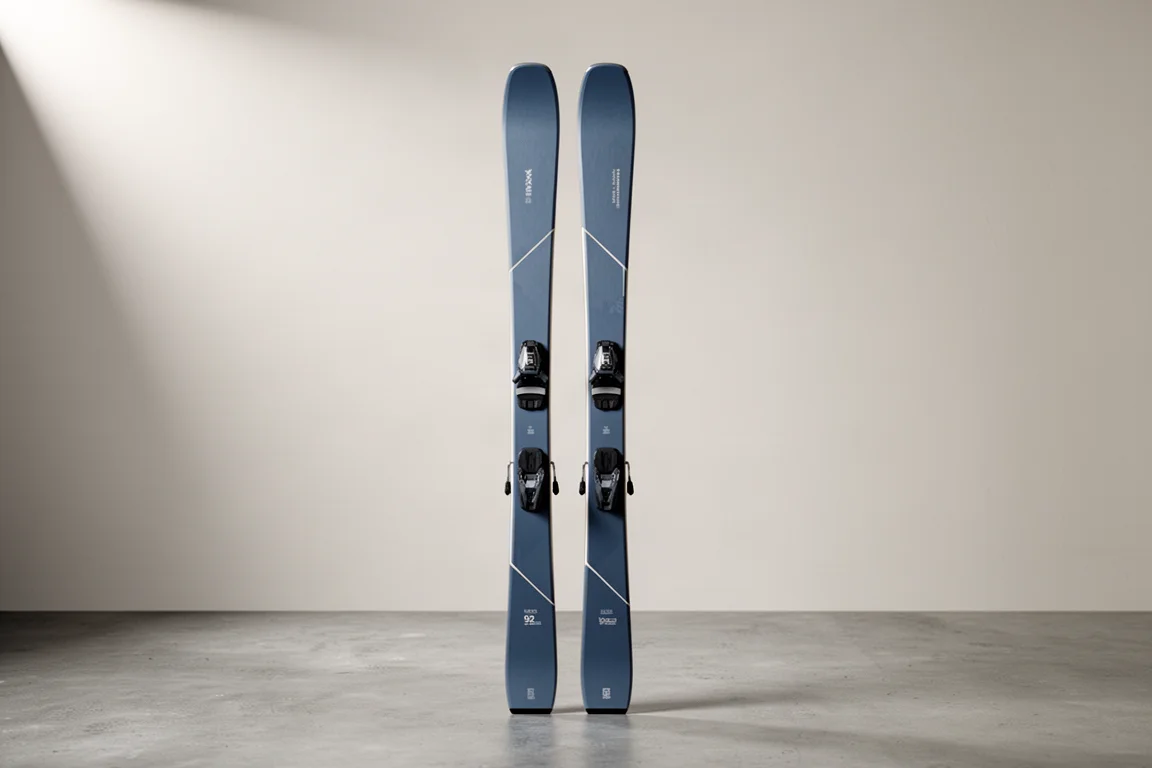
Salomon QST Lux 92: The Versatility Pick
If you have read this far and still cannot decide, the QST Lux 92 is the safest bet. It does everything reasonably well rather than one thing exceptionally. It is not the best carver here, but it floats well, with plenty of rocker and a dramatic taper shape that brings the widest point further down the ski for lift in the front.
A poplar core is paired with a carbon flax blend that gives immediate feedback and a poppy, playful feel, and double sidewall technology adds bulk underfoot to compensate for the shorter effective edge. The result is a surprising amount of grip for the shape. It handles bumps, trees, groomers, steeps, and powder, and it is accessible for intermediates while still rewarding for advanced skiers.
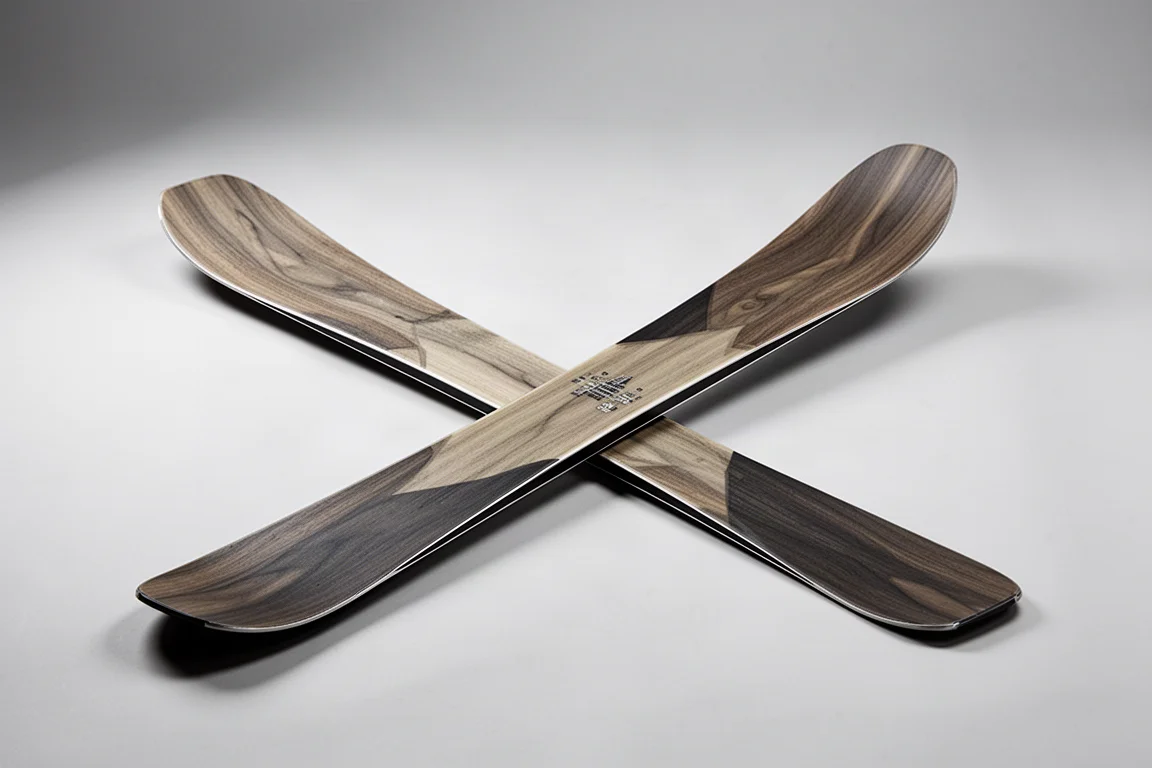
Salomon Stance 88: Directional Grip With Metal Frames
The Stance 88 is Salomon’s more directional option, and it has a distinctly different feel from the QST Lux 92. A full-width metal frame with cutouts in the shovel and tail adds energy and pop while keeping weight down, and a blend of karuba and poplar wood plus a thinner core profile helps further. Two sheets of metal at this kind of weight is a good result.
The ski also borrows articulated titanal banding from the Reliance line, applied along the shovel outside the window, which adds mobility. This year’s version feels sprightlier and more playful than before while keeping the strong, rewarding on-trail performance. It is a directional ski that deserves more attention than it gets.
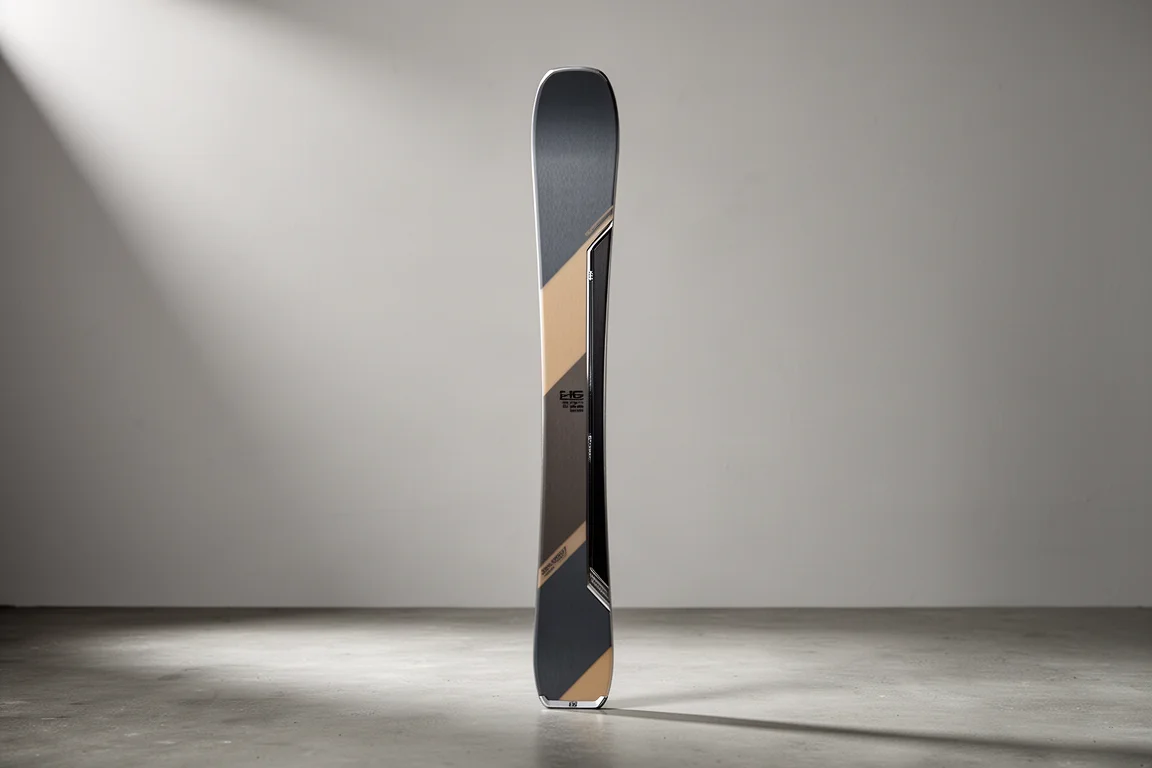
Stöckli Nela 88: Dampness and Quietness at the Top End
Nothing else here is as quiet as the Nela 88. Its titanal top sheet sits above a lighter wood core, and because metal on top is the first thing the boot, binding, and ski combination engages, it makes the ski more responsive while also acting as the last stage of vibration filtration. The result is an exceptionally smooth, quiet ride at around 1,550 g, which is competitive for a ski this robust.
Performance is high and the on-piste behavior is predictable and stable, helped by minimal camber, a flat tail, and plenty of metal. It is a premium ski at a premium price, in a market where many skis sell for $600 to $700 and this one sits closer to $1,100, but it is worth getting on if you can demo it.
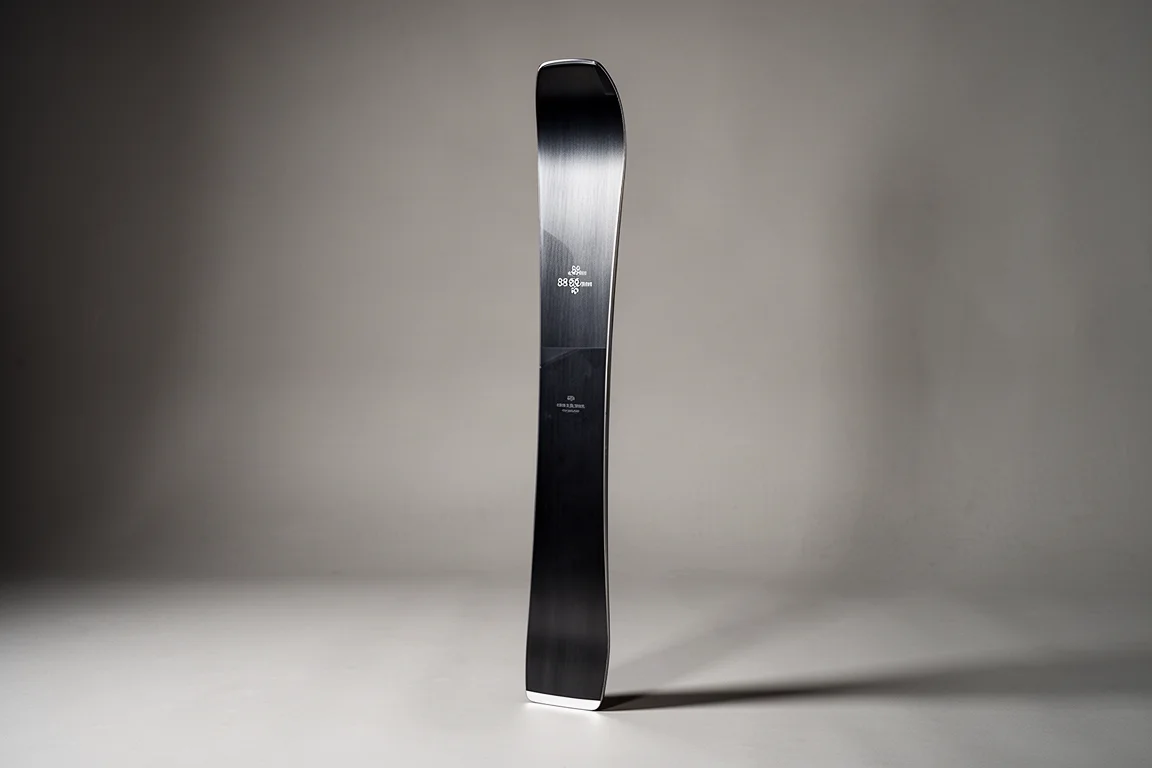
Völkl Kenja 88: A Charger’s Ski
The Kenja 88 is the louder, more aggressive end of this comparison. At around 1,760 g it is the heaviest ski here, and you feel the terrain through it, but the ski does not care: it goes straight through. Tailored carbon tips make turn initiation crisper and easier, and the titanal frame puts power to the edges.
There are two sheets of metal, with the top frame in three pieces. The middle portion extends into the frame in the tips and tails but leaves gaps so the ski can flex properly, which is how the 3D radius works. It is a skier’s ski with a learning curve, and this year’s updates make it more reactive and lively without giving up stability. For strong skiers and former racers who want all-mountain versatility, it can produce some of the cleanest, deepest turns around.
Overall Buying Advice
Two questions decide most of this. First, how much input do you want to give? Metal skis such as the Santa Ana 88, Kenja 88, and Mindbender 89 Ti are damp, stable, and rewarding, but they ask for skill, intent, and a bit more energy. Carbon skis such as the Reliance 88C, Mindbender 90C, Core 91, and Ripstick 88 are lighter and easier to ski, and they give back agility, quickness, and precision instead of maximum high-speed calm.
Second, where do you actually ski? If you spend most of your time on groomers and want predictability, the Nela 88, Santa Ana 88, and Stance 88 make sense. If you want one ski for bumps, trees, and soft snow, the Genesis 90, QST Lux 92, and Obsidian 92 are the more natural fits. If you want a light, easy ski that will not wear you out, the Santa Ana 88 Unlimited, Ripstick 88, and Mindbender 90C are the friendliest options here.
Weight is the other number worth watching. This group runs from around 1,260 g to around 1,760 g, and that spread matters more than the few millimetres of waist width between them. Lighter is not automatically better, and heavier is not automatically more capable. It is about matching the ski to how you ski.
Conclusion
Twenty-one skis between 88 and 92 mm underfoot, and the range of feels is wider than the numbers suggest. There are park twin tips, light carbon carvers, metal-backed chargers, freeride-influenced shapes, and a premium on-piste option that is quieter than anything else here. The category earns its reputation as the most useful place to shop for a single all-mountain ski, and most skiers will find something that fits how they actually ski rather than how they would like to.
Further reading
Related Reviews
Ski Gear
2023 Blizzard Hustle vs Rustler: Six Freeride Skis Compared
Blizzard's 2023 Hustle collection rebuilds the Rustler shape with a lighter core and no metal. Here is how all six skis differ, and which one suits your riding.
Ski Gear
2023 Skis of the Year: Atomic Maverick 88 TI, Salomon QST 106, and Look SPX 12 Pro
Three standout ski picks for all-mountain carving, powder days, and reliable binding performance, with practical buying notes for 2023 models.
Ski Gear
2025 Nordica Enforcer 104 Review: A Directional Charger Replaces the 104 Free
The 2025 Nordica Enforcer 104 drops the Free name and the twin-tip personality, gaining weight, stiffness and composure in rough snow. Here is what changed and who it suits.