Ski Gear
Best Women's All-Mountain Skis: 22 Models in the 88 to 94 mm Range Compared
A brand-by-brand comparison of 22 women's all-mountain skis between 88 and 94 mm underfoot, covering construction, weight, rocker profile, and the skier each model suits.
Introduction
The 88 to 94 millimeter waist range is where most women’s all-mountain skis live, and it is also where the hardest decisions happen. A ski in this band is expected to hold an edge on morning corduroy, stay composed when the surface turns icy, and still be manageable when the day ends in bumps, trees, or a few inches of fresh snow.
This comparison covers 22 models from 14 brands, grouped by brand so the differences inside each lineup are easy to see. Every ski here measures between 88 and 94 millimeters underfoot.
One thing worth knowing before you shop: women’s skis are not built the same way across the industry. It varies by manufacturer. In this group, more of the skis share their construction with the men’s version of the same model than not, and in several cases the only differences are the topsheet graphic and the length run. A few brands have moved toward a unisex approach where you simply pick a color and get the same ski. Others, including some of the most popular models here, keep a genuinely separate women’s construction. It is worth checking which approach a given ski uses before assuming anything about how it will feel.
How to Read This Comparison
Each entry below covers the same handful of things: waist width, core and reinforcement materials, the layout of any metal, measured weight at the length tested, rocker and taper profile, and the type of skier the ski seems built for.
A few terms come up repeatedly. Metal in a ski is not one thing. It can be a full sheet underfoot, two sheets running edge to edge, a narrow vertical strip, a Y-shaped beam, or a laminate that tapers away before the tip and tail so the extremities can flex and release. Where that metal sits changes how a ski behaves far more than the fact that it contains metal at all.
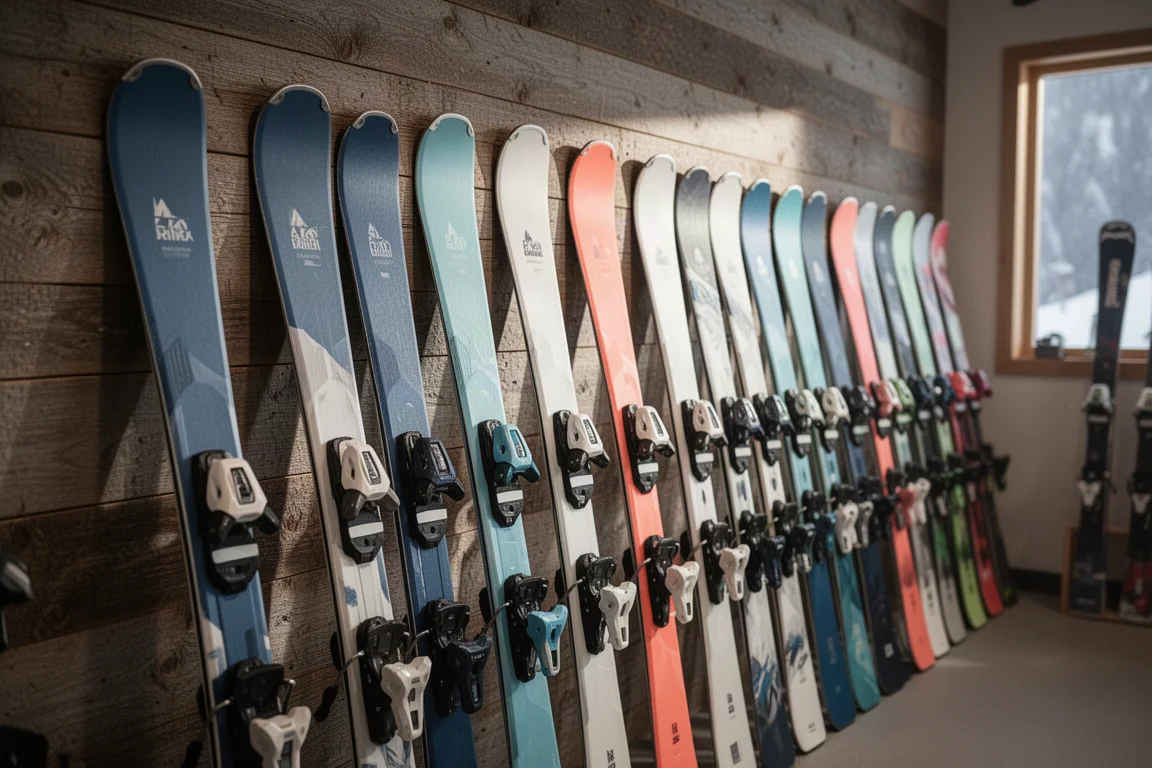
Rocker and taper matter just as much. A long, tapered tip paired with a flatter tail produces a directional ski that finishes a carved turn cleanly but asks the skier to unweight the tail in soft snow. A ski with substantial tail rocker and splay releases the tail almost on its own, which is why it feels looser and more playful in trees and moguls.
Weight figures are given for the specific length measured, so treat them as a relative guide rather than an absolute specification. Two skis of the same waist width can differ by several hundred grams, and that difference shows up as stability at speed on one side and reduced fatigue over a full day on the other.
Armada Reliance 88C
The Reliance 88C pairs a slightly lighter wood core with carbon stringers and comes in just under 1,600 grams in the length measured. The shape is straightforward: mostly camber underfoot with a modest amount of tip rocker and very little early taper or splay, which keeps the effective edge long and predictable. On snow it feels smooth and stable at speed without turning chattery, and it is light enough underfoot that a full day does not wear you down the way a heavier ski can. It carves firm groomers, handles bumps, and does a little of everything without specializing. The men’s version uses the same construction, so the graphic and the length run are the main differences.
Armada Reliance 92 Ti
The Reliance 92 Ti steps up to a denser wood core and adds Armada’s articulated titanal banding, a metal layer that is slit toward the tip so the front of the ski can twist into a turn more easily while staying stiff and supportive underfoot. In the length measured it comes in around 1,650 grams. The shape is shared with the 88C, so the two skis feel related, but the Ti version has noticeably more edge grip on hard snow and a firmer platform. Choose between them on aggressiveness rather than terrain: both are versatile, and the Ti simply asks for more input. Same construction as the men’s version.
Atomic Maven 93C
The Maven 93C is part of a new Atomic collection and contains no metal at all. A lightweight wood core is paired with carbon stringers, and the ski lands under 1,500 grams, in the 1,450 range in the length measured. It has a longer tip rocker and a smooth early taper, with less rocker and taper in the tail, though the tail is still shaped for release. Atomic’s Horizon technology in the tips and tails uses a surfboard-inspired outline that adds float and reduces catchiness when the ski is pivoted in soft snow. It is a resort ski first, more so than the Backland line, though it could be toured. Best for a skier who spends more time off trail than on it.
View more details for Atomic Maven 93C
Blizzard Black Pearl 88
The Black Pearl 88 has been the best-selling women’s ski in the world for years, and it earns that with breadth rather than specialization. It uses a TrueBlend wood core, where each length is tailored to suit the skier likely to choose it, along with carbon. Weight sits near 1,700 grams, which shows up as stability at speed and a smooth, damp feel on ice. It is approachable enough for a wide range of abilities: confident on groomers, responsive in the woods, and happy in a few moguls. There is no men’s version of this ski, and the men’s Brahma uses a different construction with two sheets of metal.
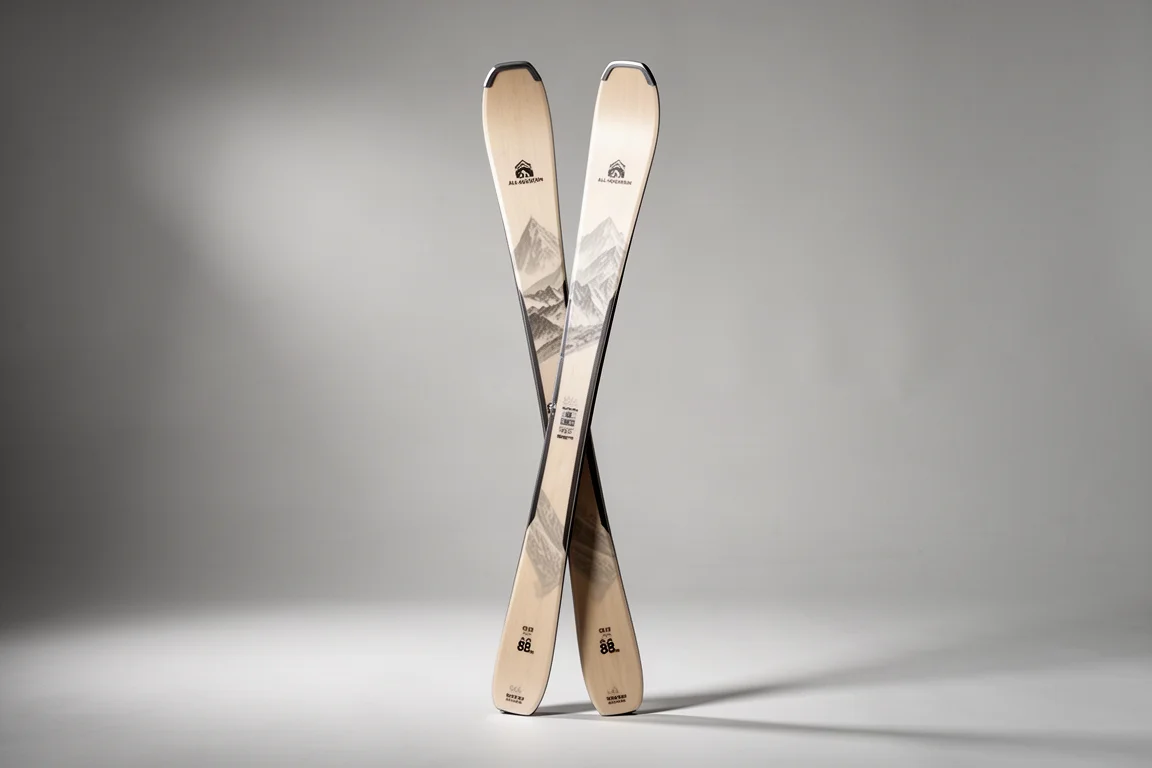
Blizzard Sheeva 9
The Sheeva 9 is a very different ski from the Black Pearl 88 despite sharing a brand. It carries a great deal of tip and tail rocker, especially in the tail, and it uses metal in the form of Carbon Flipcore DRT, where a laminate tapers and ends before the tip and tail so the tail edge can release cleanly. Weight is close to 1,800 grams, so the ski is heavier than its shape suggests, but the profile is playful. It floats well through the tips and pivots easily in trees and moguls. The natural fit is a skier with a freestyle background or a snowboarder’s instinct for swishing turns, someone who wants to slow things down in the woods. The men’s Rustler uses the same construction.
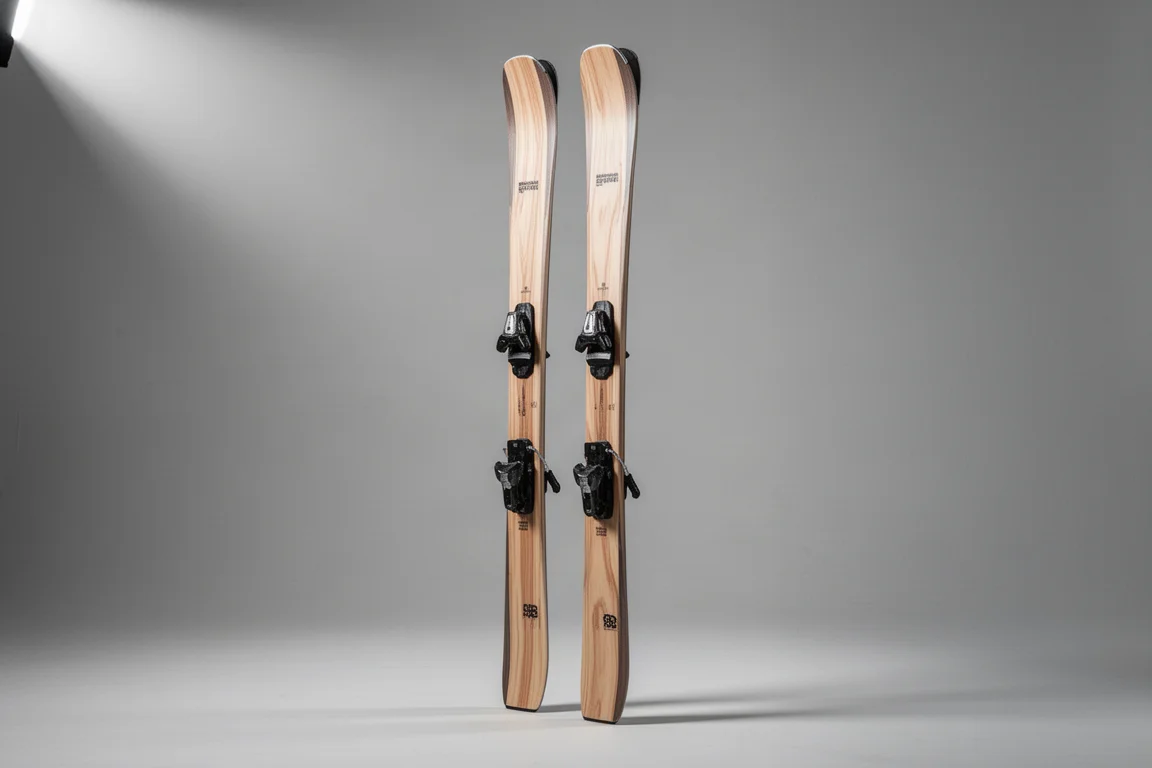
Dynastar M-Pro 90 W
The M-Pro 90 W uses a Titanal Rocket Frame: metal in the forebody tapers into a rocket shape, while the metal in the tail widens rather than tapering, so there is far more metal behind the foot than in the Sheeva 9. Tail rocker is minimal, which makes this a directional ski with a lot of tip rocker and a firm, squared-off finish. The core blends poplar with a polyurethane material that adds vibration damping. It comes in just over 1,500 grams at 154 centimeters, so it is light for what it does. This is a strong skier’s ski. The tail has to be told what to do, and turns have to be completed rather than swished. Same ski men’s and women’s.
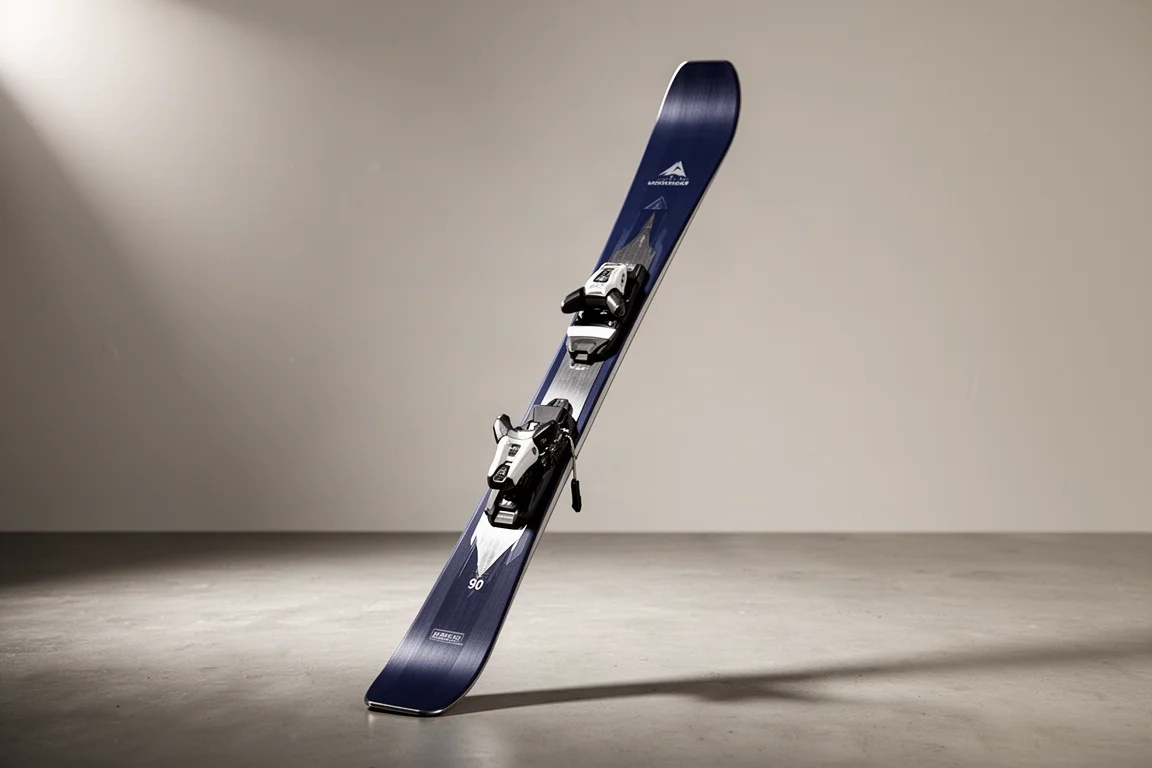
Elan Ripstick 88 W
The Ripstick 88 W is built the same for men and women, and the 88 is the only Ripstick that shares its waist width across both. Elan’s TubeLight core places two three-dimensional carbon rods lengthwise just inside the sidewalls, with additional carbon on the inside edge. The Amphibio profile creates a dedicated left and right ski, with more rocker along the outside edge and more camber along the inside edge, so the inside edge of the outside ski grips in a hard carve while turn entry stays smooth and intuitive. It weighs just over 1,500 grams at 170 centimeters, yet it is impressively damp and stable for a ski with no metal. It suits intermediate through advanced skiers, is more aggressive and more playful than the Black Pearl 88, and takes a few runs to get used to the left and right designation.
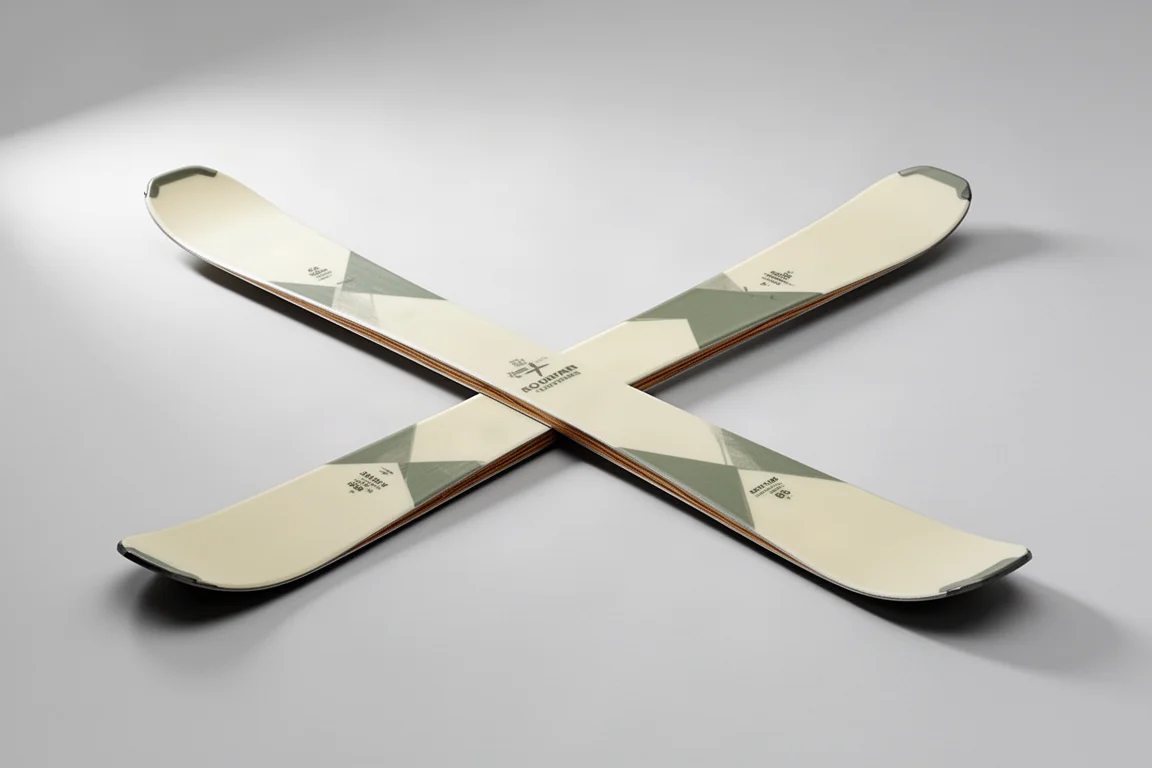
Fischer Ranger 92 Ti
The Ranger 92 Ti uses a wood core and Fischer’s carbon nose, an extremely thin carbon tip that connects directly to metal. That metal tapers thin through the center of the ski and then widens out to the edges underfoot, which is visible through the topsheet. Weight is just over 1,600 grams. The tail is stiff and squared off with very little splay, so there is real power behind the foot, and the tip rocker is generous enough for a few inches of fresh snow. This is a ski for upper-level, aggressive skiers. It is an excellent resort choice where firm snow is common and two to four inch days are the norm. Same construction men’s and women’s.
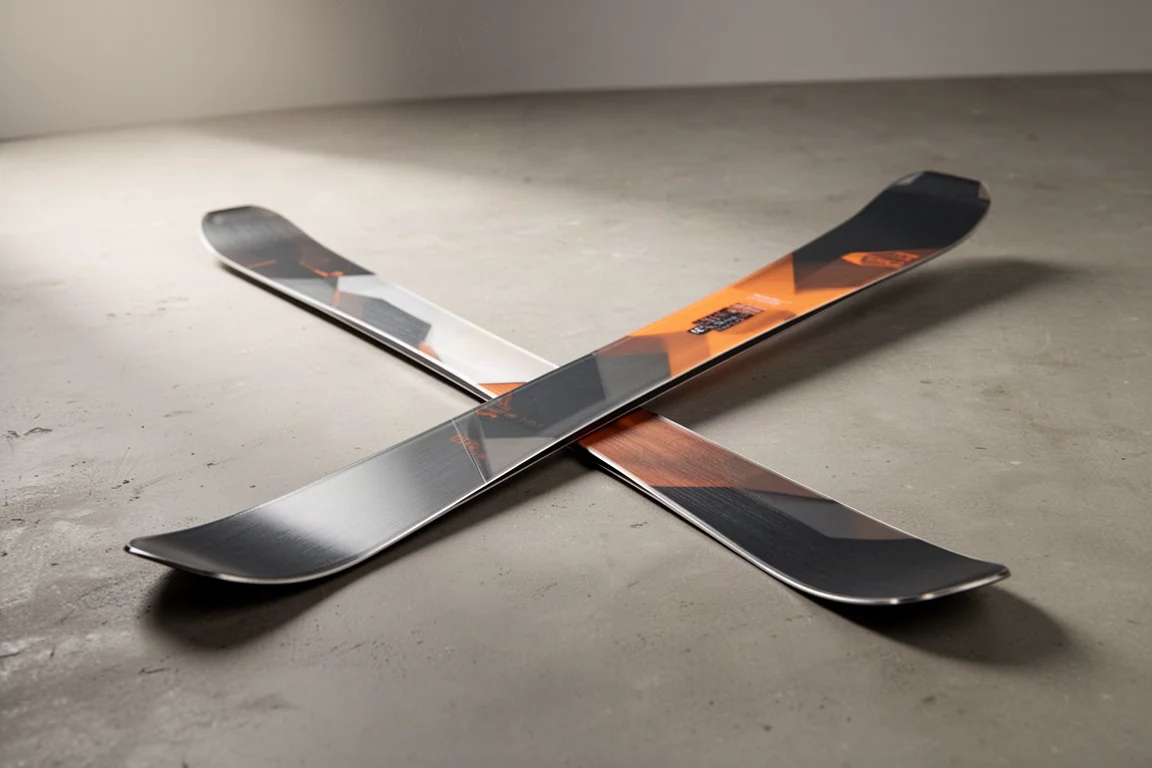
Fischer Ranger 94 FR
The Ranger 94 FR inverts the pattern: its carbon nose does not connect to metal, and the two metal sheets inside exist mainly for binding retention, so the metal contributes little to performance. That brings weight down to 1,450 grams. The tip rocker profile is close to the 92 Ti, but the tail has much more rise and splay, nearly reaching twin tip territory. The result is a lighter, softer, more smearable ski that still has precision up front from the carbon nose. It is built for a skier who spends more time off piste, in woods and moguls, and who wants the tail to release without a fight. Same construction men’s and women’s.
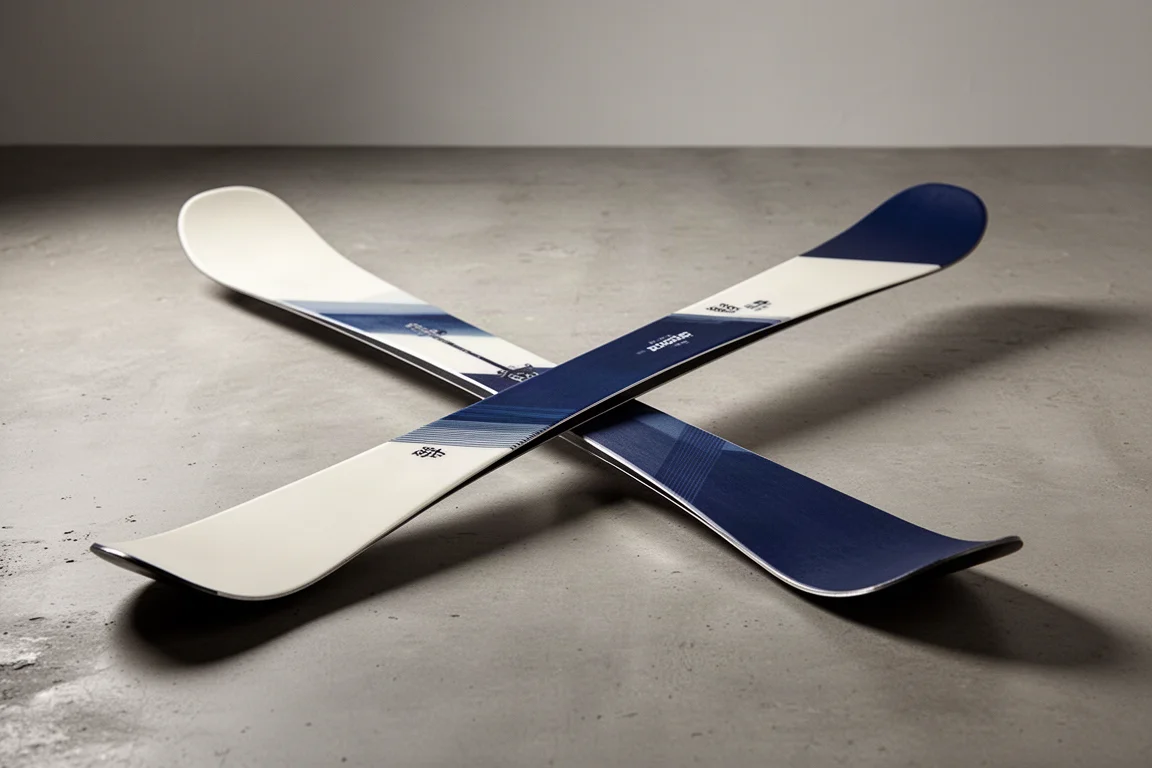
Head Kore 91 W
The Kore 91 W is unusual in its material mix, combining a lightweight wood core with carbon and graphene. Graphene is exceptionally light and stiff, and the ski comes in around 1,500 grams at 163 centimeters while being the stiffest model in this comparison. Light and stiff together means immediate response to skier input, which some skiers love and others find demanding. The shape is versatile: a modest amount of tip rocker, pronounced early taper, plenty of camber underfoot, and a little tail rocker. The taper is what keeps the stiffness from feeling catchy. There is very little forgiveness in the tail, so it rewards an engaged, skilled skier. It is also a reasonable candidate for an alpine touring binding, particularly for in-resort touring.
That combination of low weight and high stiffness is the whole point of the ski, and it is also the reason it divides opinion. If you like a ski that answers instantly and holds a line without being pushed around, it will feel precise and quick. If you prefer a ski that flatters a relaxed stance, it will feel like it is skiing you.
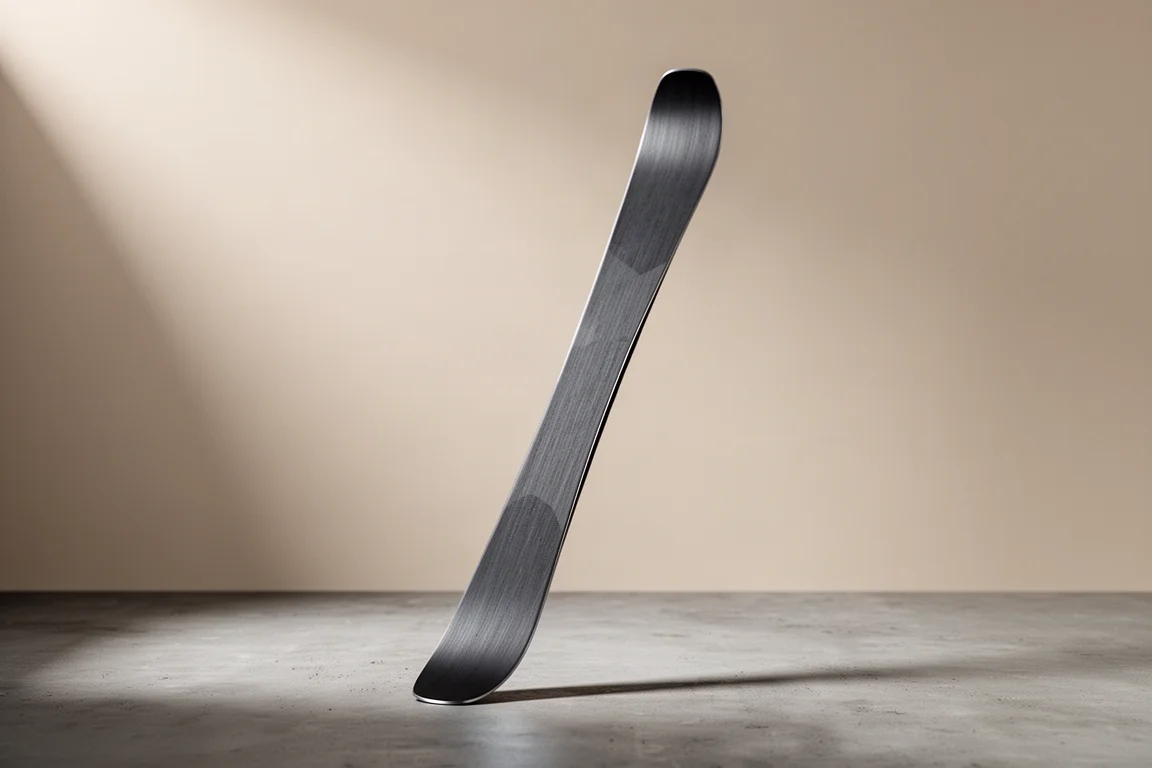
Liberty Evolv 90 W
The Evolv 90 W keeps a carryover shape but moves to a new construction that uses three vertical strips of metal, up from two. It is a fully directional ski with a good amount of tip rocker and a flat, squared-off tail that finishes a carved turn cleanly. The vertical struts create a strong flex pattern and a counter-flexing effect, so the ski stays connected to the snow instead of bouncing around, which preserves edge contact and smooths out the ride compared with earlier versions of the same idea. It is a strong frontside ski for an aggressive high-intermediate or advanced skier, and more approachable than some of the stiffer metal skis here. If you tried Liberty in the past and found it chattery, this construction is worth a second look.
Liberty Genesis 90
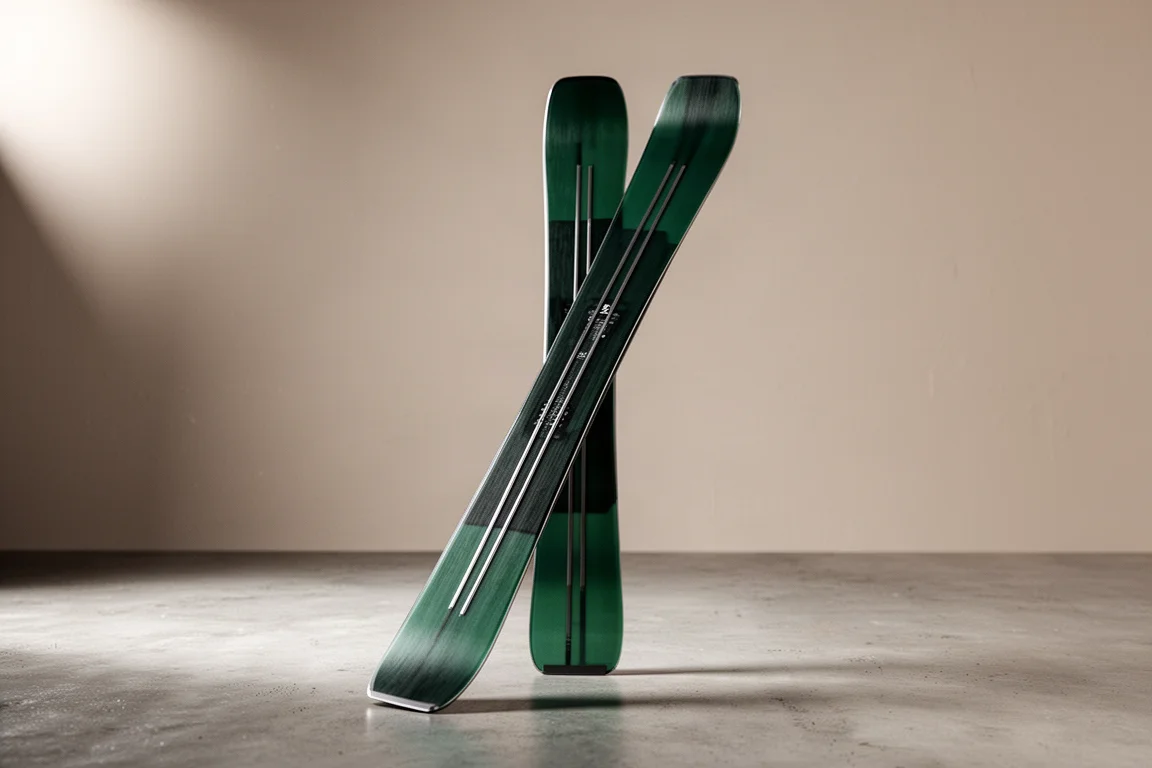
The Genesis 90 uses a lighter wood core and, new for this season, a single vertical strip of metal where the ski previously had none. That addition adds some stability without changing the ski’s character. It is still directional, but it carries more rocker and more taper than the Evolv 90 W, and the tail approaches a twin tip, which makes edge release much easier. It is extremely light, quick, and easy to maneuver, and it is the more forgiving of the two Liberty models. If your day is mostly moguls and woods, the Genesis 90 is the better pick. If you carve groomers for most of the day and only duck into the trees occasionally, the Evolv 90 W makes more sense.
K2 Mindbender 88 Ti
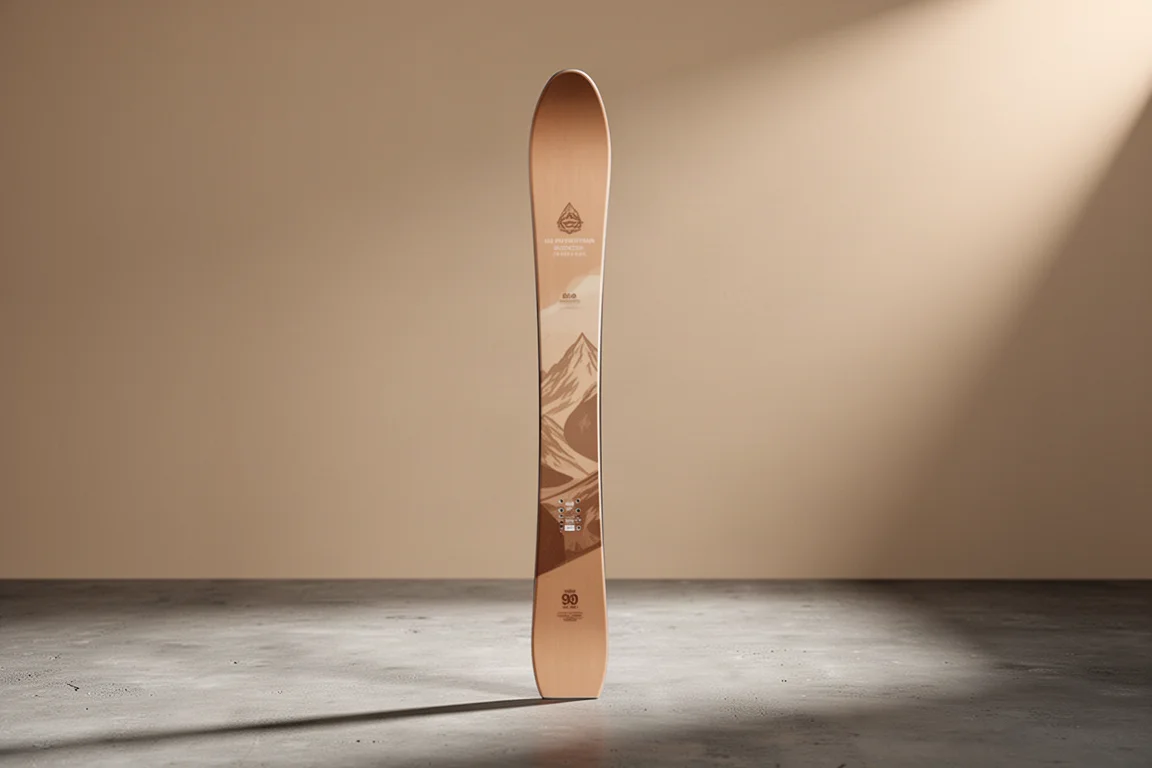
The Mindbender 88 Ti is built around K2’s Titanal Y-Beam, a Y-shaped metal piece that runs along the edges in the forebody, spans the full width underfoot, and tapers in the tail. That layout puts metal on the snow through a carved turn for strength and vibration damping, while reducing torsional stiffness behind the foot so the turn can be released easily. Weight is around 1,500 grams, which is reasonable for a ski with metal. The shape is directional all-mountain: plenty of tip rocker, much less tail rocker, and good camber underfoot. Topsheets are bold, so it stands out on the rack. It is the more aggressive of the two Mindbender options here.
K2 Mindbender 90C
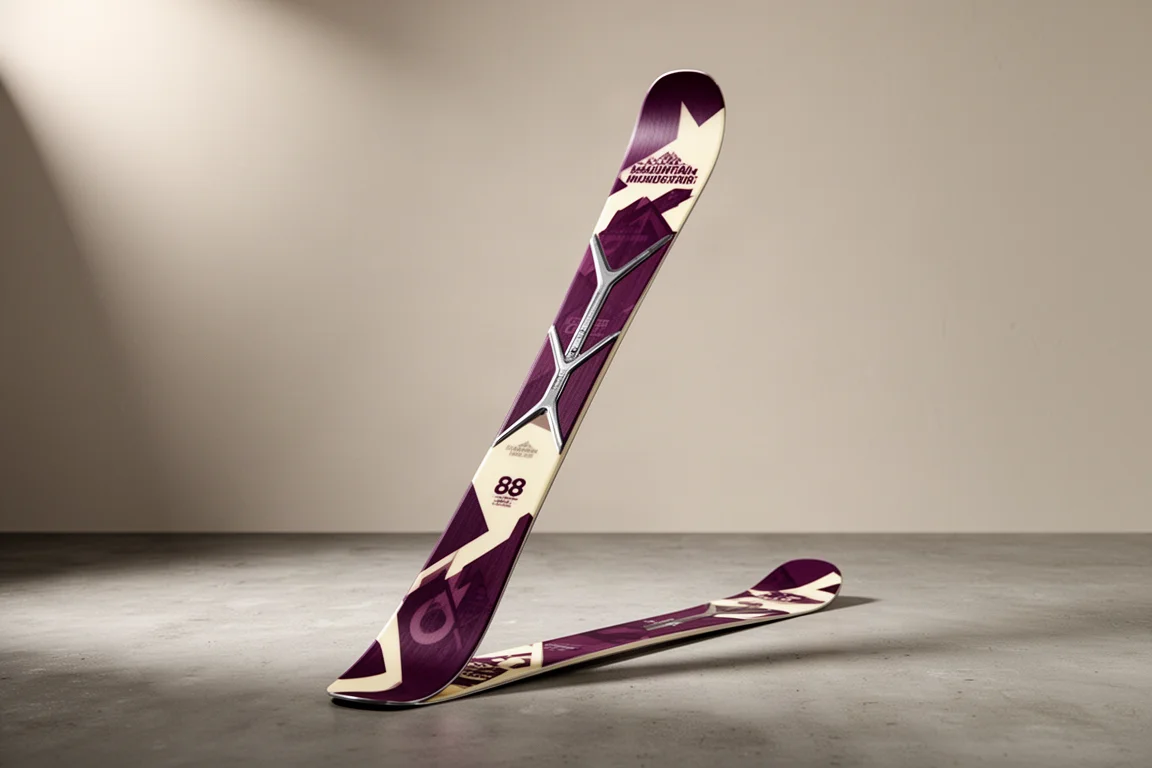
The Mindbender 90C shares its shape with the 88 Ti and weighs a little under 1,500 grams. Instead of a Y-beam, it uses K2’s Carbon Spectral Braid, a cross-hatched carbon weave that is tighter in the forebody and looser in the tail, achieving the same goal of a strong tip and an easier release. It feels lighter on the snow than the Ti, and although the tail is still fairly stiff, it is more forgiving without offering the immediate release of the Sheeva 9. It is a good choice for a skier who spends roughly 70 percent of the day on groomers and the rest in the trees, and for anyone who wants a less fatiguing ride.
K2 Pandora 94
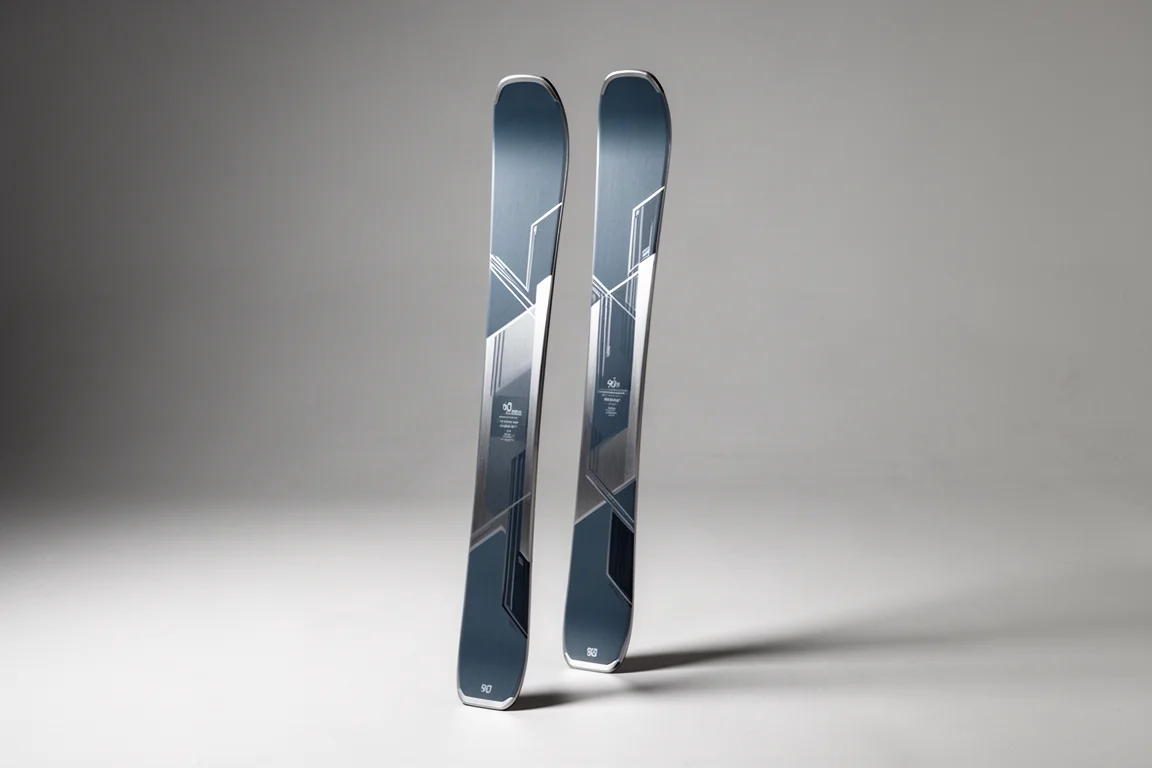
The Pandora 94 is closely related to the men’s Sick Day 94. It combines a light wood core with carbon stringers, measures 94 millimeters underfoot, and is the widest ski in this comparison. It comes in at roughly 1,440 grams at 165 centimeters. The flex is soft but bouncy, so the ski carries a lot of energy. The shape is directional, with a good amount of tip rocker and far less tail rocker. This is one of the strongest soft-snow skis here, and it blurs the line between all-mountain and freeride. It is also light enough to pair with an alpine touring binding. Its closest match in this group is the Atomic Maven 93C.
Nordica Santa Ana 88
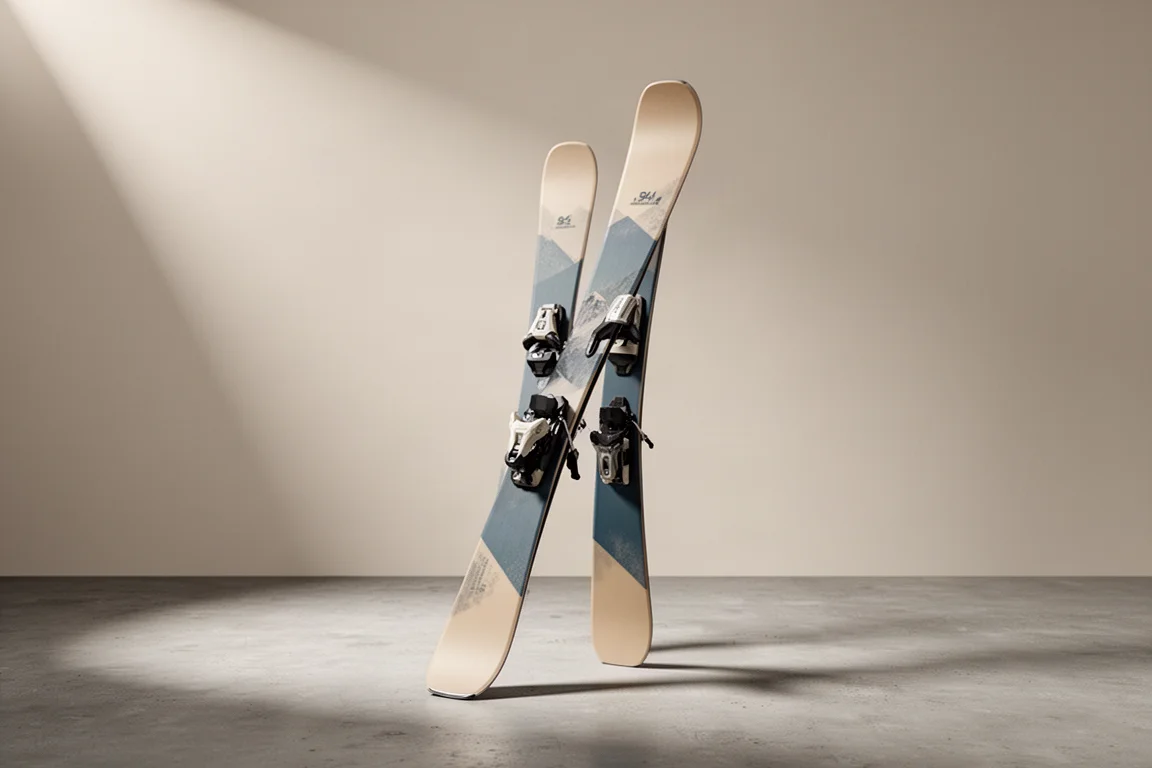
The Santa Ana 88 uses a wood core with Nordica’s terrain-specific metal and weighs almost 1,800 grams, making it the heaviest ski in this comparison or tied for it. Because the metal is the same thickness and width throughout the Santa Ana line, a narrower waist means a greater proportion of metal to surface area, which makes the 88 the strongest ski in the family. The shape is long tip rocker with a smooth early taper and a decent amount of tail rocker, without extreme splay. It is smooth, stable, and capable of going through just about anything. Its turn radius is shorter than the Kenja 88, and its tail releases more easily than the M-Pro 90 W or the Evolv 90 W, trading a little on-trail precision for off-trail forgiveness. A strong one-ski quiver for firm-snow regions.
Worth noting for anyone shopping this family: the same recipe appears in wider Santa Ana widths, and those wider versions tend to feel lighter underfoot simply because each ski carries a smaller proportion of metal relative to its width. If firm-snow performance is the priority, the 88 is the one to look at.
Rossignol Black Ops Stargazer
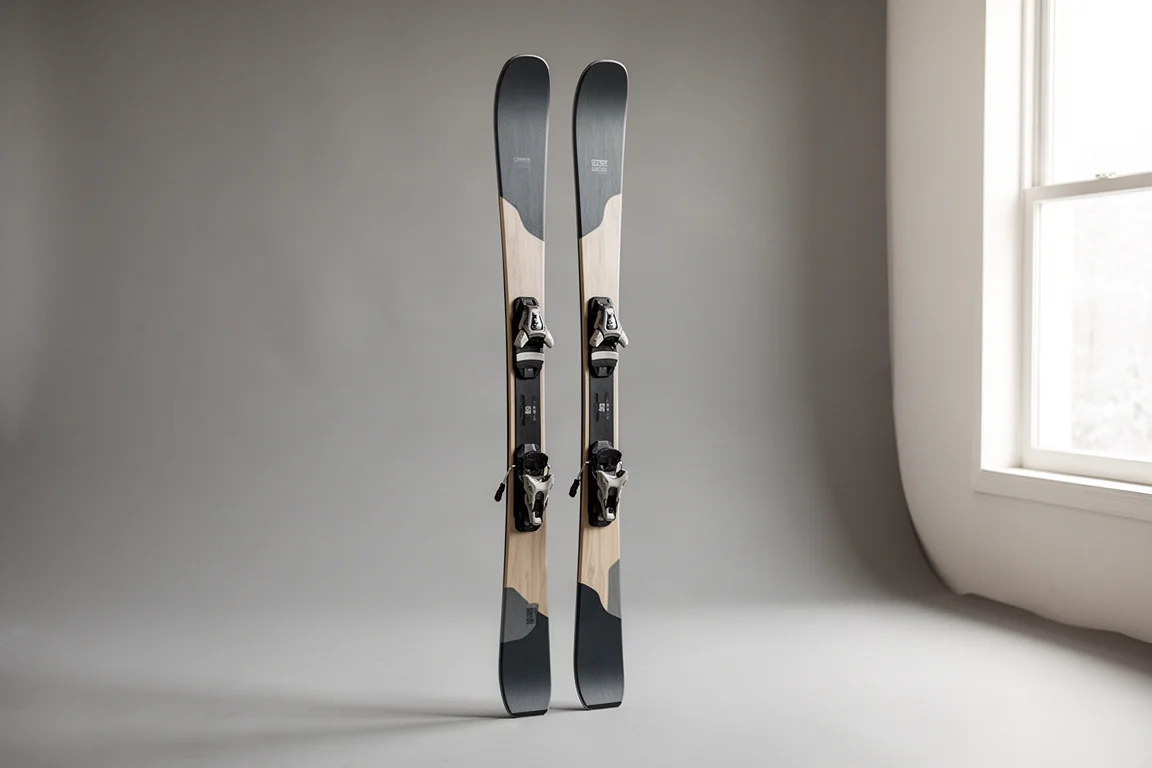
The Stargazer is essentially the women’s version of the Escaper, and at 170 centimeters it weighs around 1,650 grams. The build combines a wood core with Damp Tech rubber in the tip, an air tip, and Diago fiber cross-hatching that manages torsional stiffness. The shape echoes the Santa Ana 88, with long tip rocker that avoids drastic splay and a similar taper, so tipping the ski further engages more of the tip and the ski becomes more stable the harder it is driven. It is fully directional with limited tail rocker, though enough for maneuverability. Waist widths in the line run from 90 to 94 millimeters. The flex is even, neither stiff nor soft. It was often marketed as a free touring ski, but most skiers will get more from it with an alpine binding in the resort. It is a genuine one-ski quiver candidate.
Salomon Stance W 88
The Stance W 88 is close to the men’s Stance 90, with a slightly lighter wood core. It uses a Metal Twin Frame, two sheets of metal with windows removed in the forebody and tail and replaced with CFX material. That sheds weight and swing weight while keeping metal along the edges, so vibration damping and stability survive the diet. The shape includes a good amount of tip rocker, noticeably early taper, and a decent amount of tail rocker for playfulness and easy release. It is a strong ski with a freeride flavor to its shape and feel. It suits the frontside carver who wants stability at speed. Compared with the Head Kore 91 W, it is heavier, smoother, and less reactive, and more forgiving underfoot.
Salomon QST Lux 92
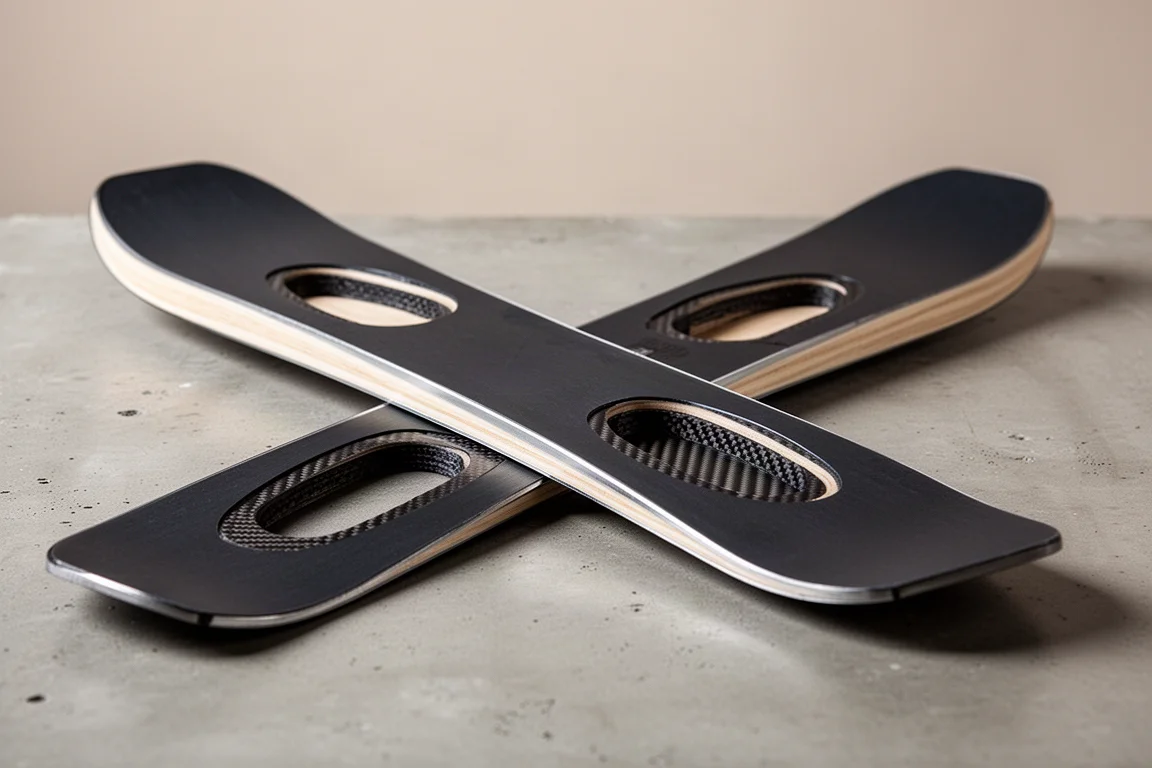
The QST Lux 92 weighs over 1,700 grams and uses a wood core with CFX, a carbon and flax combination, and no metal. It is more energetic than the Stance W 88 and has less vibration damping. Its tip rocker and tail rocker are both much longer, and it has the widest tip in this comparison even though its waist is not the widest. That makes it excellent in soft snow, trees, and moguls. It is more approachable than the Stance for a wider range of skiers, and it works well as a one-ski quiver. A shift-style binding lets you travel uphill occasionally without giving up downhill performance; it is not the lightest option for that, but a lighter binding turns it into a reasonable package.
Stockli Nela 88
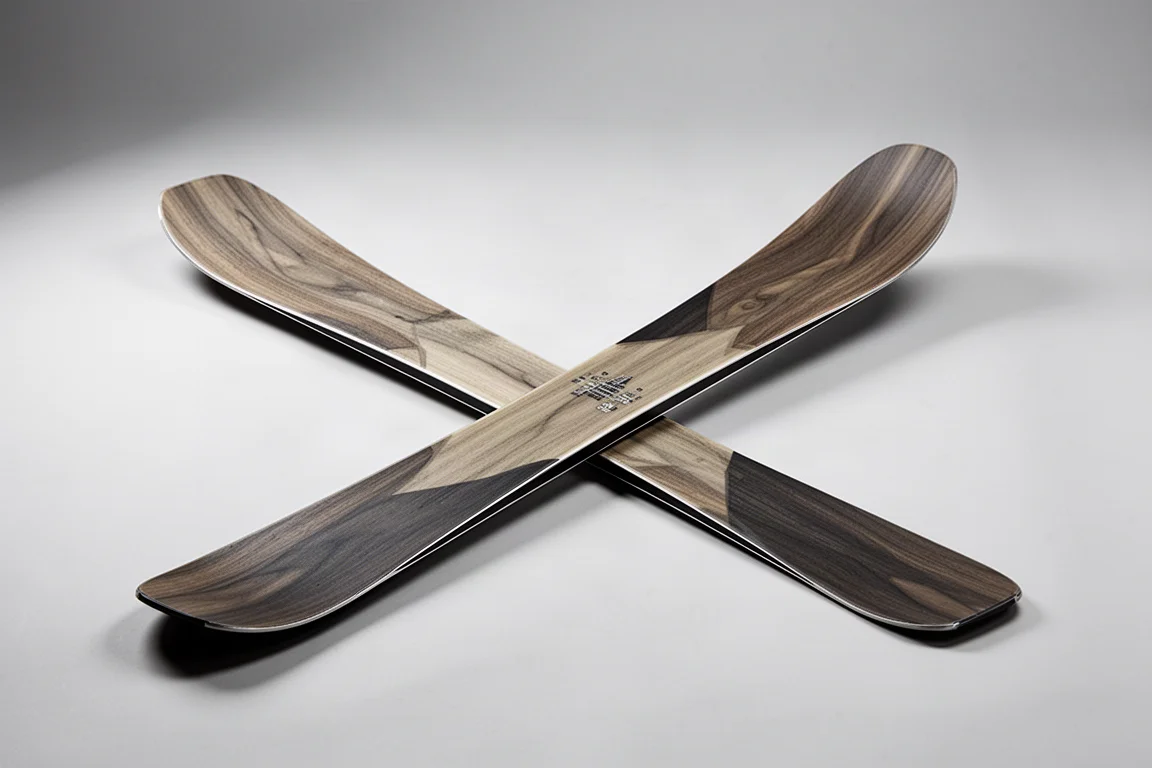
Every Stockli is handmade, with more labor hours and limited production, and the Nela 88 is the most expensive ski in this comparison by a considerable margin, roughly 500 more than the closest comparable model. A very light wood core is combined with two sheets of metal, one of which is the topsheet itself, a construction that removes a layer and allows the graphic to be printed directly into the metal. Despite two sheets of metal it weighs just over 1,500 grams. The shape is on trail: very little tip rocker, lots of camber underfoot, and almost no tail rocker with a squared-off finish. It is smooth, precise, and holds on ice. Refined enough that an intermediate can enjoy it, and capable enough for an expert. Off piste it demands a skier who can unweight the tails.
Volkl Blaze 94
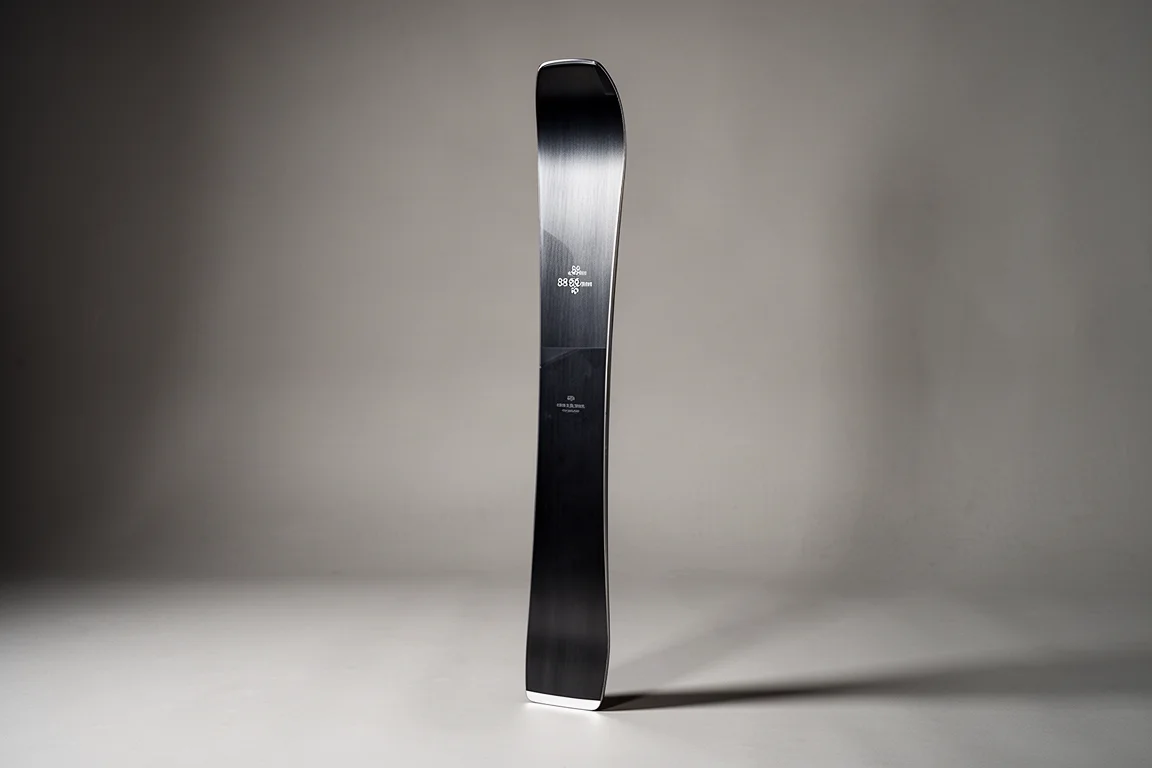
The Blaze 94 uses a hybrid multi-layer wood core with a strip of synthetic material through the center that helps keep weight down and adds some vibration damping, plus a rubber insert in the tip. The graphics are translucent, so the internal layers are visible. A metal sheet underfoot extends to the edges, which adds stability under the binding platform rather than only holding screws. Weight is around 1,450 grams, and the ski has a great deal of tip rocker and tail rocker. Volkl’s 3D Radius gives it very long radii in the tip and tail, which makes it extremely maneuverable and catch-free. It is excellent in trees and soft snow, very quick edge to edge, and a good candidate for an alpine touring binding. It is roughly 300 grams lighter than the Kenja 88 and considerably more forgiving.
Volkl Kenja 88
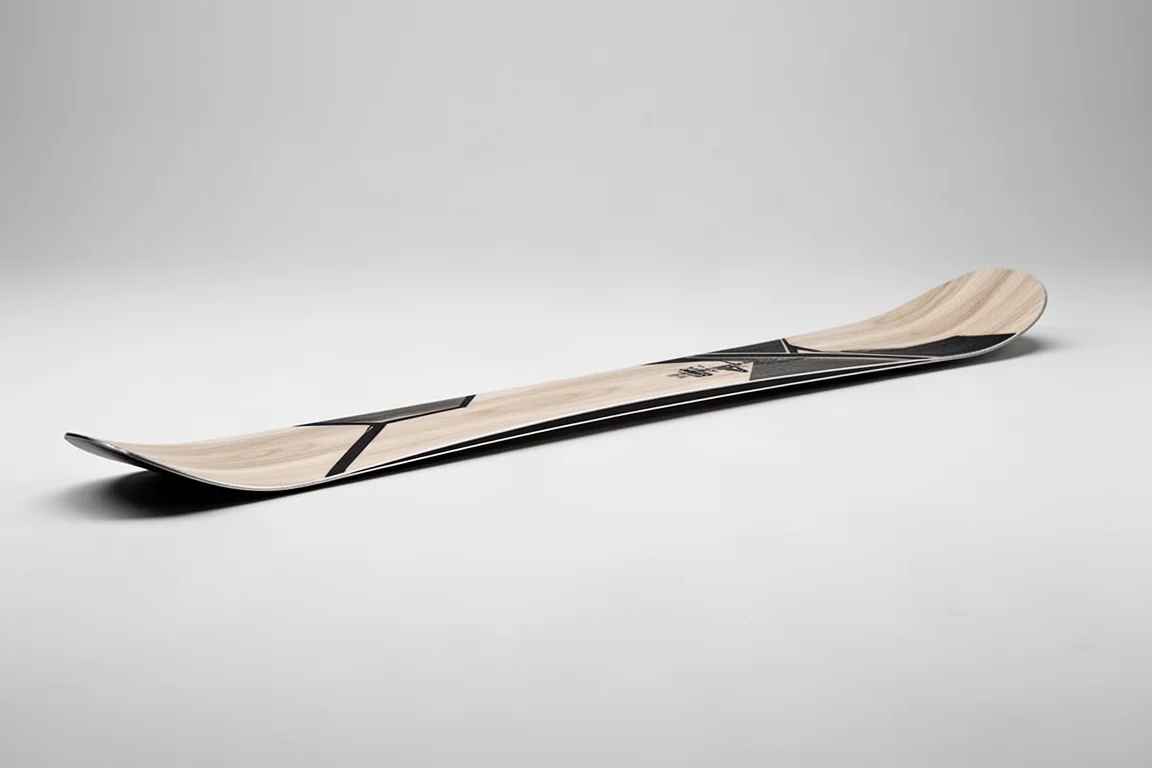
The Kenja 88 uses a Titanal Frame, a denser multi-layer wood core, and far less tip and tail rocker than the Blaze 94. Its 3D Radius is tighter through the tip and tail. Weight is over 1,700 grams. The payoff is precision on firm snow, more strength, and better vibration damping, at the cost of maneuverability and quickness compared with the Blaze. It has long been a favorite for groomers: it holds an edge on ice, stays smooth rather than chattery, and feels powerful underfoot. It is among the least forgiving skis in this comparison, which is exactly what it is designed to be. It suits aggressive, upper-tier skiers. A wider Secret version exists for anyone who wants more of an all-mountain feel.
Buying Advice: Matching Ski to Skier
Start with where you actually ski. If most of your day happens on groomed runs, an 88 millimeter waist with metal in the construction will give you the edge grip and stability you want, and skis like the Kenja 88, the Santa Ana 88, the Stance W 88, and the Evolv 90 W all sit in that space. If you gravitate toward trees, moguls, and soft snow, wider and more rockered options such as the QST Lux 92, the Pandora 94, the Blaze 94, the Maven 93C, and the Sheeva 9 will feel more natural underfoot.
Then think about how you like to finish a turn. Skis with limited tail rocker and a firm tail, including the M-Pro 90 W, the Ranger 92 Ti, the Kore 91 W, and the Nela 88, give back a rhythmic push that drives you into the next turn, but they require you to unweight the tail in soft snow. Skis with substantial tail rocker and taper, such as the Sheeva 9, the Ranger 94 FR, the Genesis 90, the QST Lux 92, and the Blaze 94, release the tail almost automatically and reward a more skidded, varied turn shape. Neither approach is better. They simply suit different styles.
Weight deserves the same attention as shape. A heavier ski is generally smoother and more planted, and it takes less effort to stay balanced on it, but it costs energy to carry around and to swing from edge to edge. A lighter ski is quicker and less tiring over a long day, but it demands more from the skier and gives more immediate feedback. Several skis here, including the Kore 91 W, the Evolv 90 W, and the Blaze 94, are also realistic candidates for an alpine touring binding, which is worth considering if you want one setup to do both.
Finally, be honest about your level and your energy on the last run of the day. The Black Pearl 88, the Ripstick 88 W, the Mindbender 90C, the Genesis 90, and the Blaze 94 are all forgiving enough that a strong intermediate can ski them well. The Kore 91 W, the Kenja 88, the M-Pro 90 W, and the Nela 88 reward a more engaged, more experienced skier and will let you know when your weight drifts back.
Conclusion
Twenty-two skis in the 88 to 94 millimeter range is a lot of choice, but the category breaks down quickly once you know what you are looking at. Decide where you spend your time, how you like to end a turn, and how much weight you are willing to manage, and the list narrows to three or four models.
If you want one ski that does almost everything well, the Santa Ana 88, the Stargazer, the QST Lux 92, the Ripstick 88 W, and the Black Pearl 88 all make that case convincingly. If you already know you want a firm, precise carver, the Kenja 88, the Nela 88, the Kore 91 W, and the M-Pro 90 W are the ones to demo. And if your heart is in soft snow, the Blaze 94, the Pandora 94, the Ranger 94 FR, the Sheeva 9, and the Maven 93C are built for exactly that.
Demo if you can. A ski that measures perfectly on paper can still feel wrong underfoot, and the differences in this group are real enough to notice on the first run.
Further reading
Related Reviews
Ski Gear
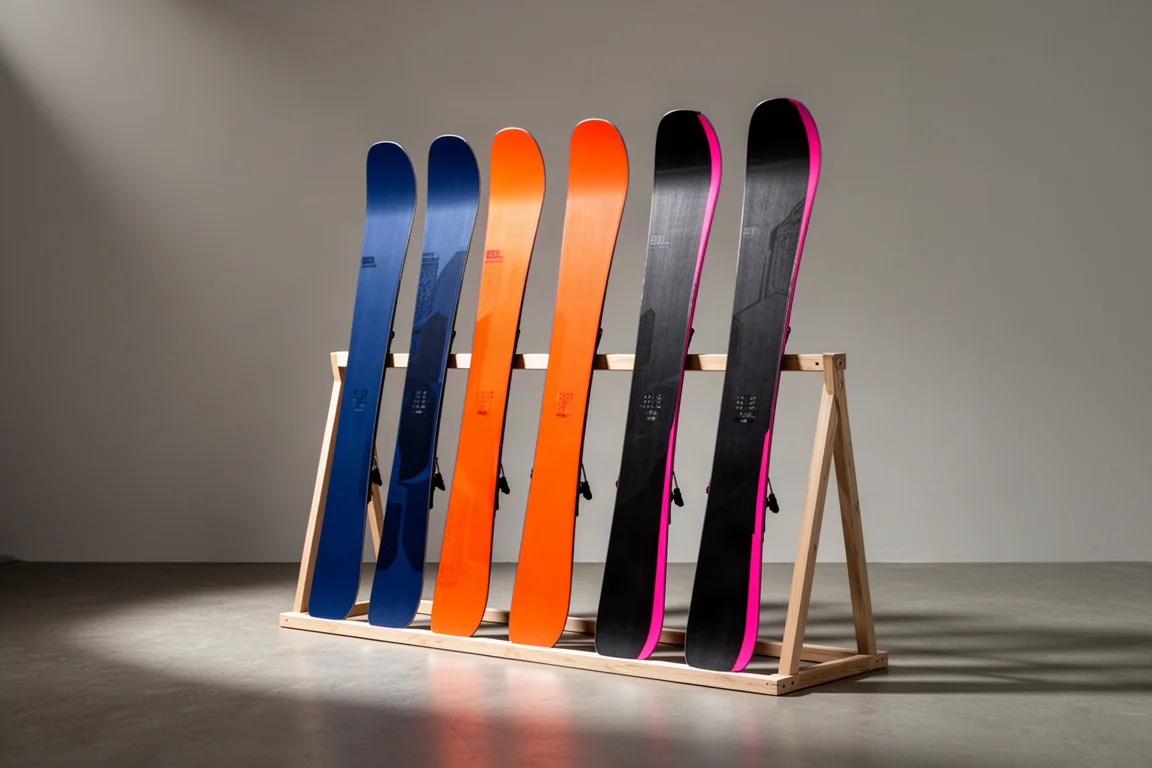
2023 Blizzard Hustle vs Rustler: Six Freeride Skis Compared
Blizzard's 2023 Hustle collection rebuilds the Rustler shape with a lighter core and no metal. Here is how all six skis differ, and which one suits your riding.
Ski Gear
2023 Skis of the Year: Atomic Maverick 88 TI, Salomon QST 106, and Look SPX 12 Pro
Three standout ski picks for all-mountain carving, powder days, and reliable binding performance, with practical buying notes for 2023 models.
Ski Gear
2025 Nordica Enforcer 104 Review: A Directional Charger Replaces the 104 Free
The 2025 Nordica Enforcer 104 drops the Free name and the twin-tip personality, gaining weight, stiffness and composure in rough snow. Here is what changed and who it suits.