Ski Gear
Best Women's All-Mountain Skis: 23 Options From 86 to 94 mm Underfoot
A practical guide to 23 women's all-mountain skis between 86 and 94 mm underfoot, covering construction, on-snow character, and who each ski suits.
Introduction
There is one waist width range that does more work than any other for women who want a single ski to cover the whole mountain: 88 to 94 mm underfoot. Go narrower and a ski leans toward frontside groomer duty. Go wider and it starts to favour soft snow over hardpack. In the middle, versatility is the entire point, and this category happens to span an unusually wide spread of ability levels, from confident intermediates through strong expert skiers.
This guide covers 22 models between 88 and 94 mm underfoot, plus one honorable mention at 86 mm. Each entry explains the construction, how the ski is intended to behave, and the kind of skier it suits. The one thing to accept up front is that there is no wrong ski in this group, only skis that match different conditions, different abilities, and different styles of skiing.
What to Look For in an 88 to 94 mm Women’s Ski
Metal is not the only route to a stable ski, but where it sits matters more than how much of it there is. A full-width sheet underfoot behaves differently from a central spine running through the forebody, and both behave differently from a Y-shaped beam that spreads toward the tail. Some brands skip metal entirely and rely on carbon stringers, carbon sheets curved to follow the edge, or simply a thicker wood core. A light wood such as paulownia, karuba, aspen, or bamboo can damp a ski when there is enough of it.
Tip shape and rocker decide how a ski behaves once the snow gets variable. A long, straight shovel with plenty of splay rises and floats; a rounder, lower shovel with more camber hooks up faster and carves harder. Taper and tail rocker control how easily the ski releases at the end of a turn. A useful rule of thumb in most constructions is that the metal ends where the rocker begins, and that is usually where the playful part of the ski starts.
Weight and stiffness matter just as much as geometry. Carbon responds to the energy you put into it, so a stronger skier gets more rebound out of the same ski, while a lighter skier gets something manageable. Core thickness has become a real variable in this category, and a thick profile can deliver damping without a single sheet of metal. Finally, sizing deserves care. A ski with a long effective edge or a stiff flex will build speed whether or not you want it, so sizing down rather than up is often the better call.
Armada Reliance 92 Ti
The Reliance 92 Ti pairs a poplar wood core with two sheets of metal, and the top layer is an articulated titanal banding: slits are cut into the metal and filled with an elastic elastomer material. That construction deadens vibration and allows the ski to twist without giving up stability, which makes this one of the more powerful options in the group.
The poplar core keeps weight and leg fatigue down, so edge hold lasts through a long day without exhausting you. The shape reads freeride at the tip with more business-like lines underfoot and through the tail, which makes it a genuinely strong carving ski with a quiet, high-quality feel. It is a useful reference point for anyone who wants the smooth, precise character of a handmade premium ski at a lower price.
Atomic Maven 93C
The Maven 93C takes the opposite approach to weight. The profile is noticeably thin, and a light wood core is reinforced with vertically placed carbon stringers, which adds stiffness without adding much mass. Horizon Tech in the tips helps the shovel plane up in soft snow, so a 93 mm ski ends up feeling light and maneuverable.
This is a more approachable ski than the metal-heavy options here, but it still holds an edge when you take it into variable terrain. There is no metal, so the benefit is reduced effort rather than heavy damping. At just under 1,500 g in the mid-160s lengths, it is light enough that adding skins for uphill travel is realistic, which makes it a genuine inbounds and out-of-bounds choice. Lighter skiers get the most out of it.
View more details for Atomic Maven 93C
Black Crows Birdie
The Birdie sits at the playful end of this group. A poplar core and fiberglass layup keep it consistent from tip to tail, and the turned-up tail makes it happy going sideways, popping off bumps, and pivoting through trees. It is not a freestyle-specific twin tip, but the shape leans that way.
At around 1,600 g it carries a little more mass than the Maven, which makes it feel more planted without losing its snap. It is stiff enough through the middle that a frontside carver will still enjoy it, and the price sits at the lower end of the brand’s range, which makes it a reasonable way into a freeride-leaning all-mountain ski.
Blizzard Black Pearl 88
The Black Pearl 88 has led this category for years, and the formula has stayed consistent: a directional shape with a simple wood core and a small amount of metal directly underfoot for grip and stability. The TrueBlend wood core keeps the ski light while preserving its power.
The result flatters an unusually wide range of skiers, from cautious beginners to former racers, and it does everything competently. Shorter lengths give a tighter turn radius for a more slalom-like feel. Blizzard also offers the wider Sheeva in this range for anyone who wants a more freeride-oriented personality.
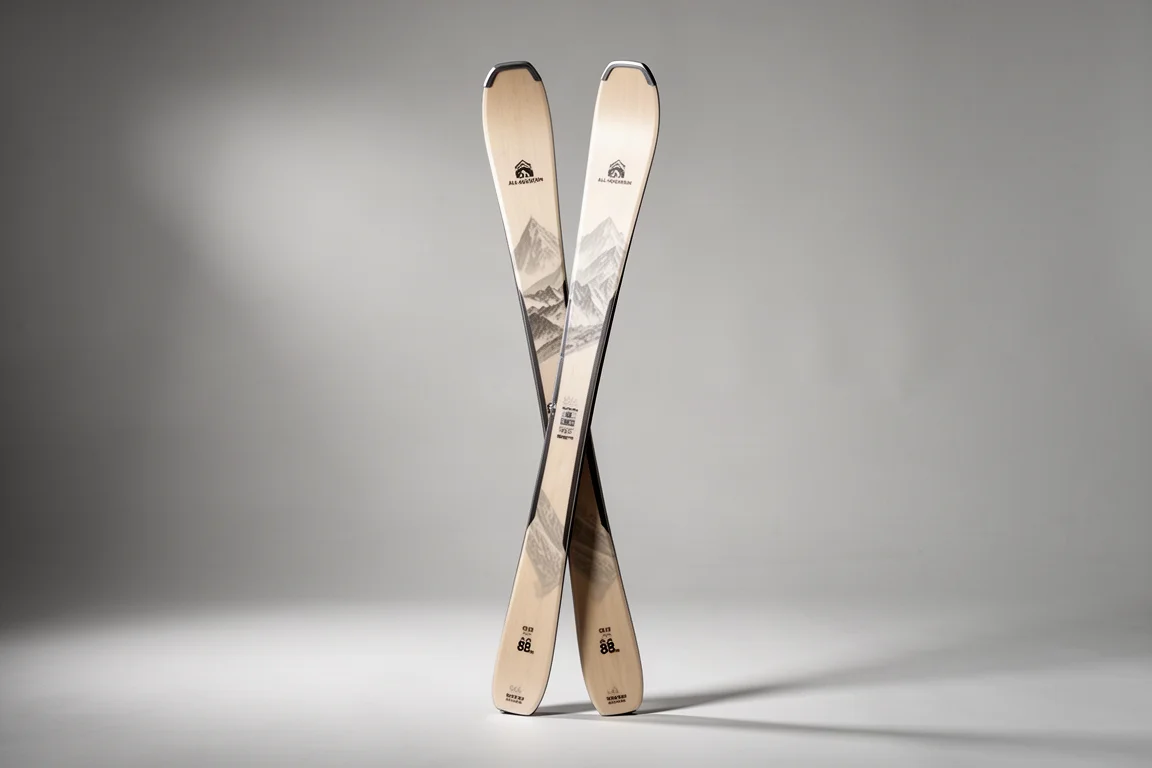
Blizzard Sheeva 92
The Sheeva 92 uses the DRT metal laminate idea differently. Rather than concentrating metal underfoot, Blizzard extends it toward the tips and repeats the process through the tail, then balances that with a more playful shape and a wider platform. The metal stops where the rocker begins, so the tail stays easy to release.
The upshot is a ski with more metal than the Black Pearl and a more aggressive, stable personality. It carries confidence through chopped-up snow and small piles of crud, smoothing out the vibrations that would otherwise reach your legs. Skiers who like to release the tail easily will prefer the Black Pearl; skiers who want grip and stability throughout the turn will prefer the Sheeva.
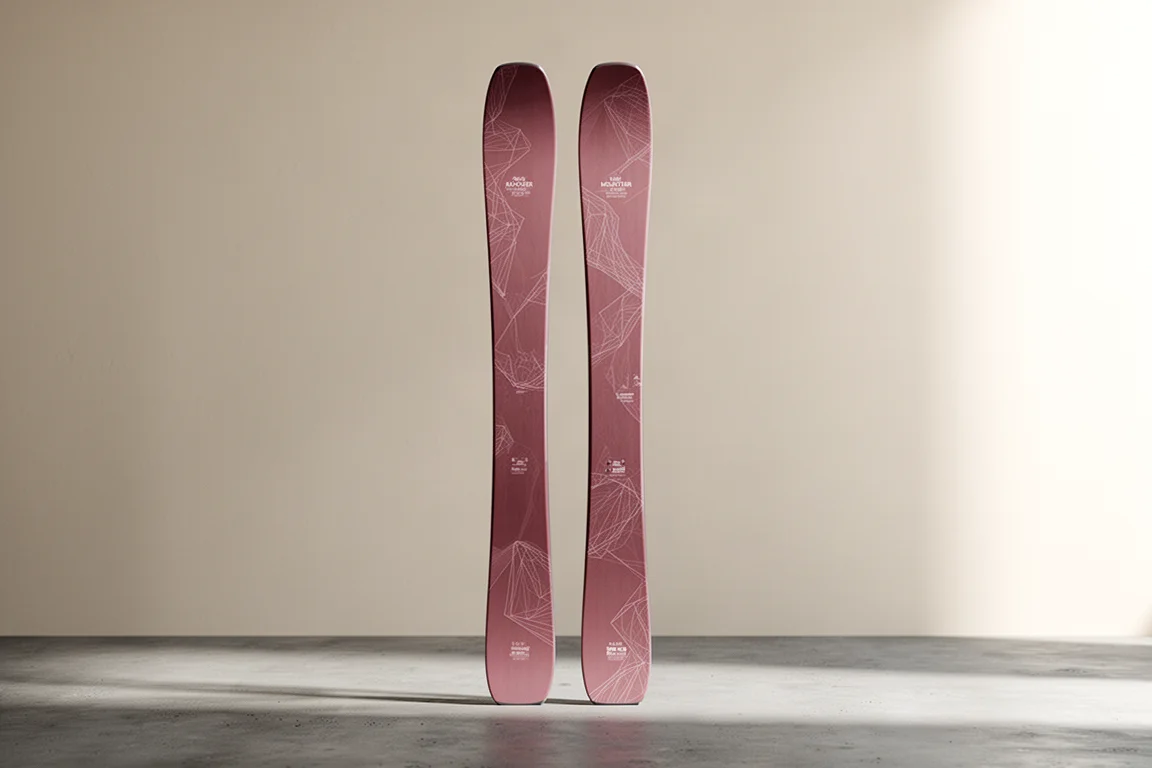
Dynastar E-Pro 90
Renamed from the M-Pro 90 W, the E-Pro 90 keeps a full-width metal sheet underfoot that extends into a central spine through the forebody, then widens again in the tail. That gives it more energy and stiffness in the tail than the Sheeva without making it rock solid.
The bigger story is the shovel. The tip is long, straight, and heavily rockered, producing a lot of splay. That shape rises on fresh snow and cuts through variable conditions, letting the skier dictate turn shape and duration. It takes about half a run to adjust to, and the graphics do not jump off the wall, which is part of why it gets overlooked. It is also one of the only skis here with that specific combination of a big shovel, a light tip, and a more stable tail.
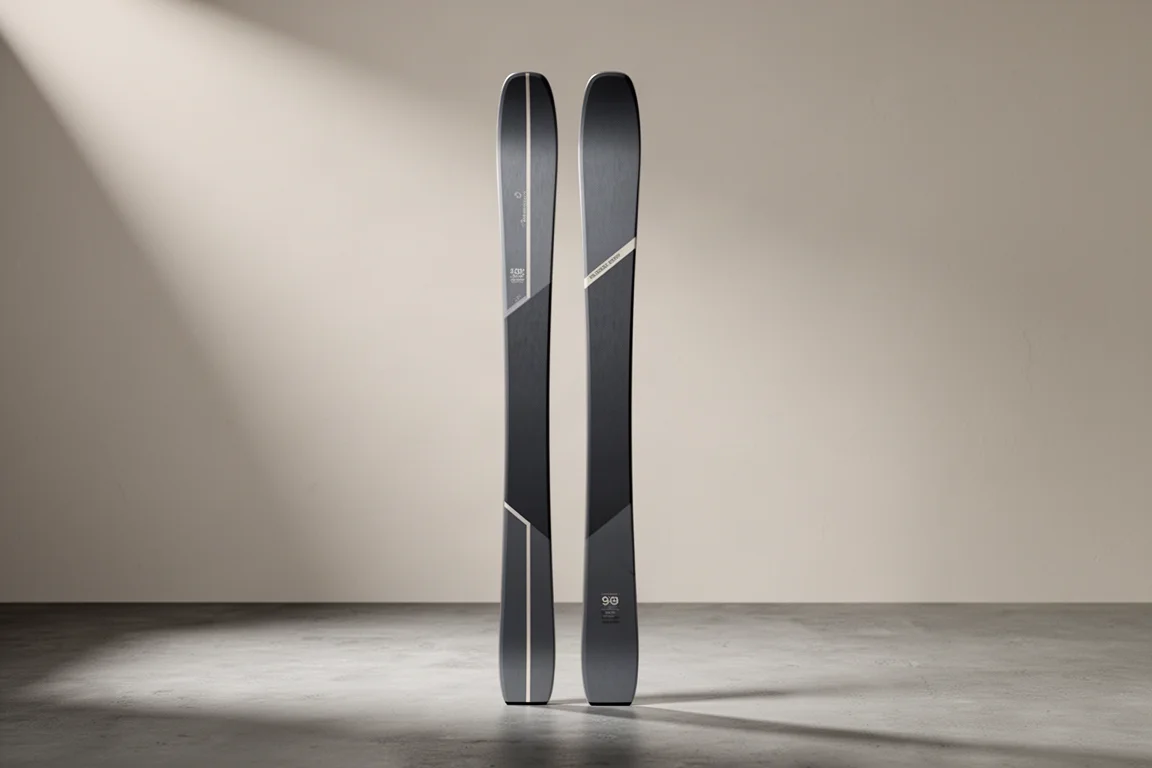
Elan Ripstick 88
At roughly 1,400 g, the Ripstick 88 is one of the lightest skis in this group and it contains no metal at all. Carbon runs through the construction to damp vibration, and the ski is built with a left and a right: the inside edge has a shorter effective edge for a direct hook into the turn, while the outside edge is longer to hold you in it. Camber sits on the inside edge and rocker on the outside.
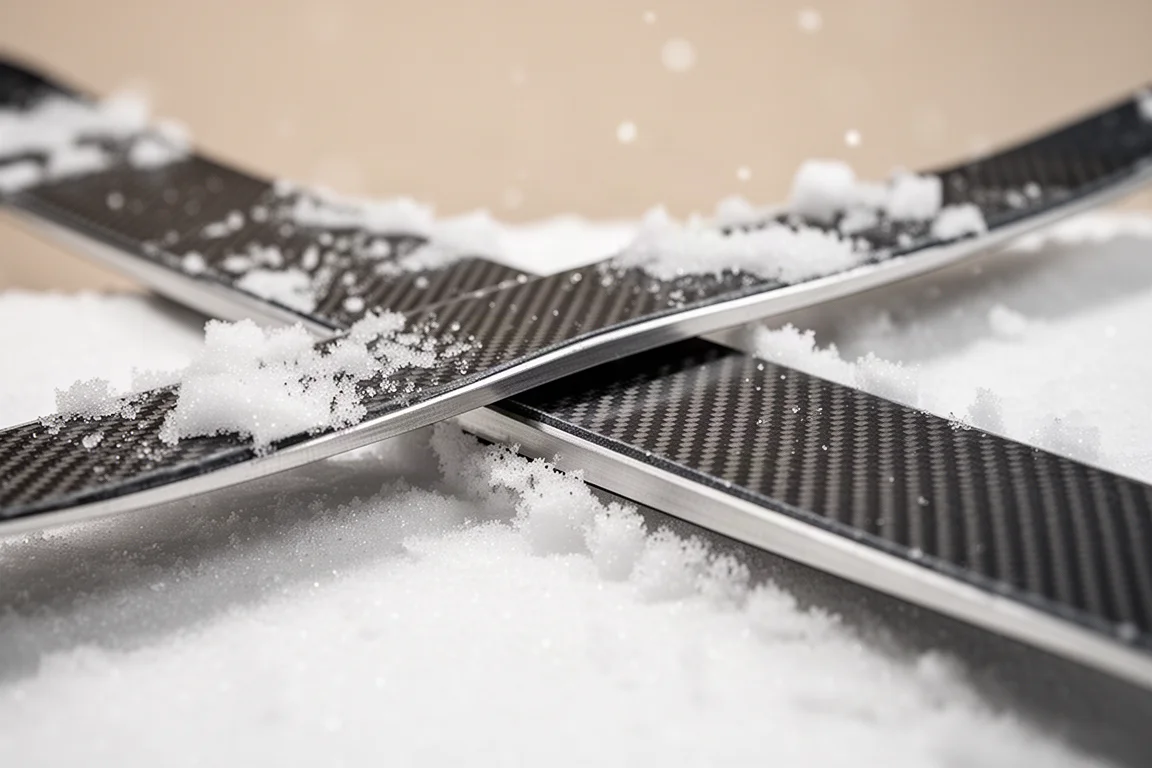
There is a short learning curve to the left and right design, and a cheat sheet on the ski shows where the camber and rocker sit. Once you are used to it, the effect is noticeable. Approachable flex in the shovel encourages higher edge angles, and the carbon responds to the energy you put in, so a stronger skier gets more rebound while a lighter skier gets an easy ride. A 94 mm version uses the same construction.
Fischer Ranger 90
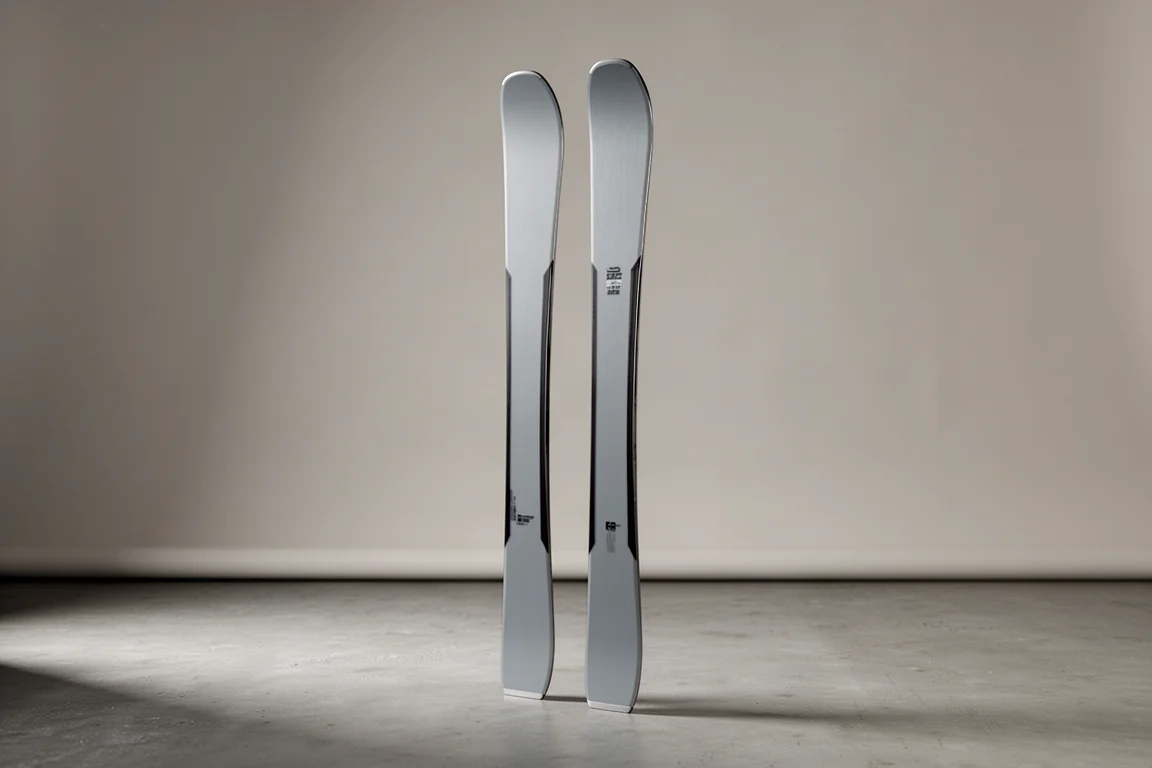
The Ranger 90 is new, and it simplifies the brand’s line. The previous men’s and women’s distinctions and the separate Ranger TI and FR series have been merged into one construction offered in two colorways and a range of lengths. A wood core carries a partial metal laminate: a full sheet underfoot that splits into two sections with a gap down the middle through the forebody and again in the tail, with a break at the mount point.
Metal along the sides adds edge precision, while the metal-free tips and tails and the central slit keep the ski versatile in soft snow and give it a playful punch. This is one of the more aggressive skis in the group, stiff underfoot with a softer tip that still initiates easily. It suits an advanced or expert skier.
View more details for Fischer Ranger 90
Head Kore 91
The Kore 91 gets a new top sheet material, which addresses two long-standing complaints: a chattery feel and top sheets that chipped and peeled. The new material makes the ski quieter, more stable, and more resistant to damage. A caruba wood core keeps weight low, and two sheets of carbon add stiffness, with the upper sheet curved to follow the curve of the edge.
At around 1,500 g it sits at the light end of the spectrum while remaining one of the stiffer skis here. It works for two kinds of skier: a less aggressive skier making shallower turns who wants quickness, maneuverability, and precision, or a larger, stronger skier with the power to bend it. Sizing matters, and oversizing works against the ski’s nimble character.
K2 Mindbender 89 Ti W
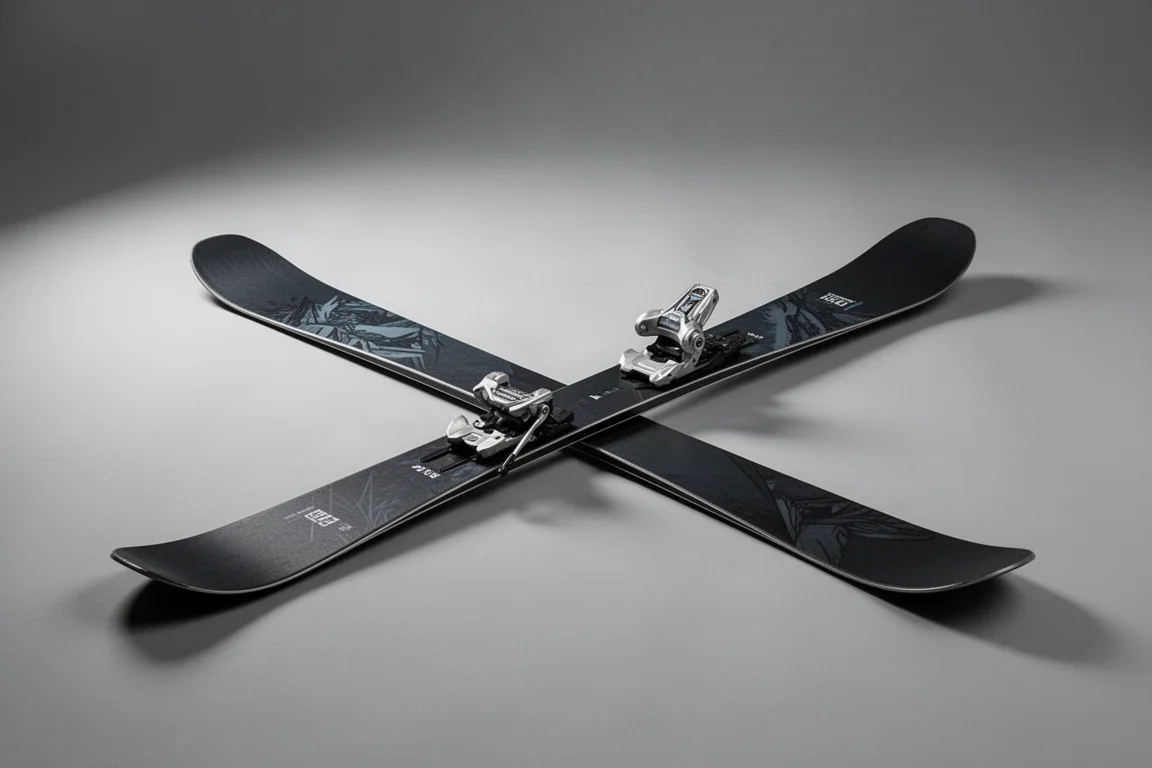
The Mindbender 89 Ti W replaces the Alliance naming and refines the titanal Y-beam. The metal has been brought lower in the tip, which reduces the grabby feel of the previous version and smooths turn entry, and the rocker has been lengthened. The beam is wider up front, full width underfoot, and spreads into a wider shape at the back.
A full sidewall replaces the previous half-cap construction, improving edge grip and control on firm snow, and the tail rocker is smoother than before. The metal is tapered so the tips stay manageable. It is aimed at a more aggressive skier, but the reduced tip hook makes it less demanding than some of the other metal skis here.
Liberty Evolv 90W
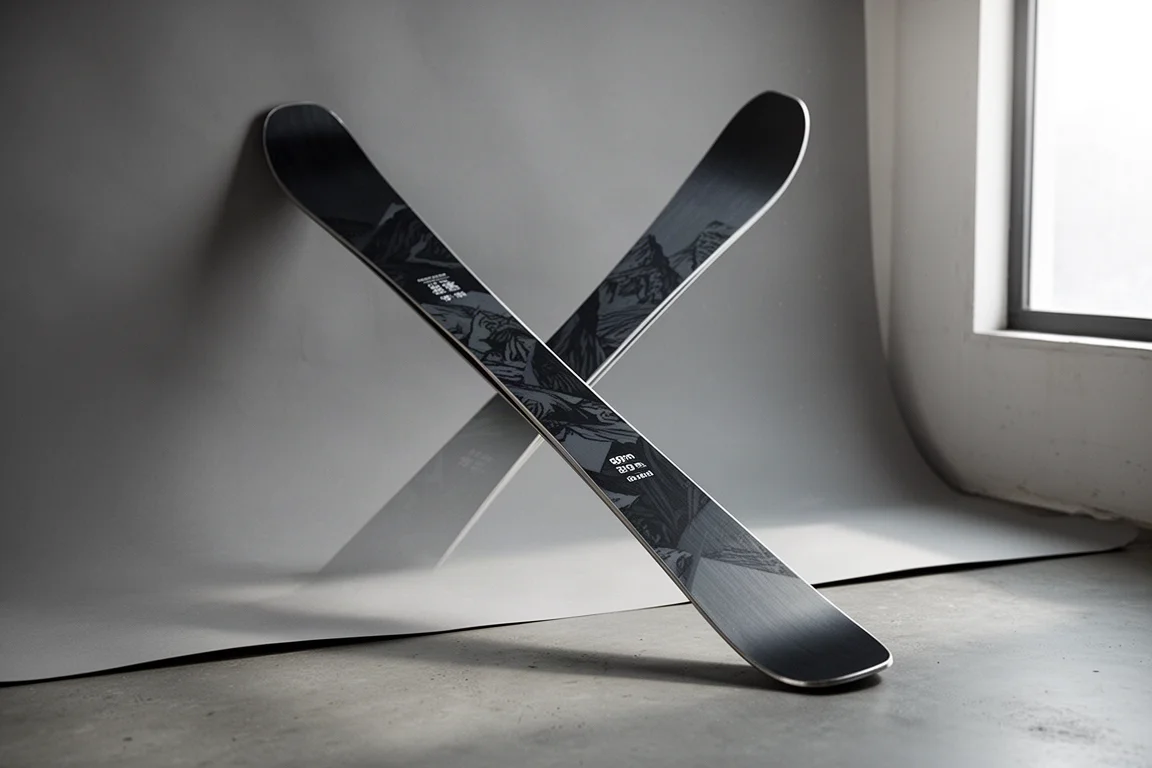
The Evolv 90W is what happens when a freeride brand builds a frontside ski. Rocker is minimal, splay is low, and taper is almost nonexistent: the widest point sits well forward and the tail is squared off with only a small amount of rocker to help you exit a turn.
The VMT 3.0 core blends bamboo and paulownia with three vertical metal strips running through the middle. Laminating metal vertically rather than horizontally prevents counter-flexing at the end of the turn, keeping edge-to-edge contact smooth, and it makes the Evolv one of the quietest skis in the group. It is a trail ski rather than an off-trail one, and because the effective edge is long, sizing matters.
Liberty Genesis 90
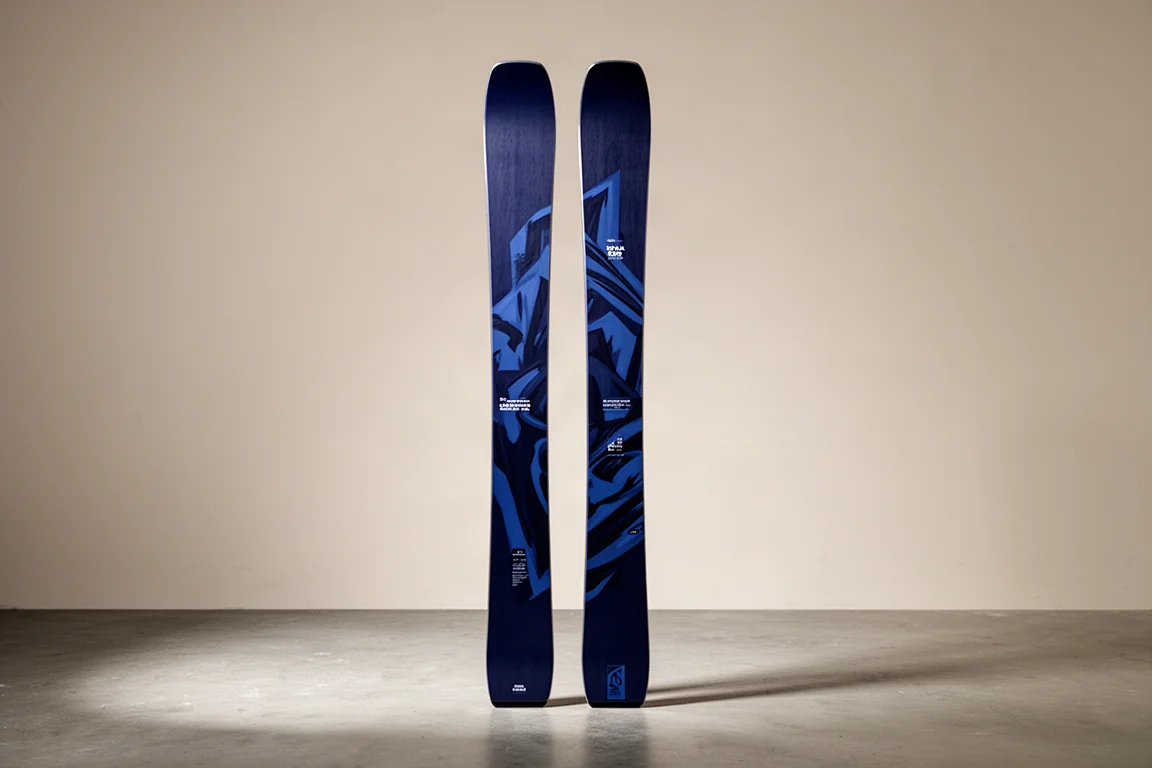
The Genesis 90 is the playful counterpart in Liberty’s range, and the difference shows in the shape: a rounder tip and tail, more rocker at both ends, and a thick core profile that damps the ski without metal. There is a single vertical metal strip rather than three.
Round shaping throughout translates into a smeary, forgiving ride that works well in soft snow and at shallower edge angles. With less metal it is even more approachable than the Evolv, and it is one of the best tree skis in this group: quick, agile, and easy to pivot into the next turn. It suits a skier who spends a good part of the day playing around the mountain rather than only on groomed terrain.
Line Pandora 94
The Pandora 94 keeps construction simple: an aspen wood core with vertical carbon stringers. At 1,420 g it is one of the lightest and most agile skis at this width, which makes a 50/50 uphill and downhill setup realistic. Combined with a wide, lightweight shovel, it is one of the best pure floaters here.
The carbon adds energy without much stiffness, so the ski feels poppy rather than demanding. A shorter effective edge makes it approachable and easy to bend into a turn, and the width does not force the wider stance that more aggressive 94s can require. It is priced as one of the better values in this category, and the graphics are a conversation starter on the lift.
Nordica Santa Ana 88
The Santa Ana 88 uses a terrain-specific sheet of metal: across the Santa Ana line, wider skis get less metal, so the narrowest version here carries the most metal per ski. That, plus a freeride-derived shovel nose and a carving-oriented tail, gives it a high-performance feel. It weighs around 1,700 g, roughly 300 g more than the Pandora.
The payoff for that weight is confidence. A single sheet of metal keeps it more approachable than some metal skis, the shovel nose floats better than its width suggests, and the tail is stiffer than most here, though still flexible enough to pop through trees. It suits an advanced skier who wants a dependable daily ski. A 93 mm version uses the same construction.
Rossignol Black Ops 92
The Black Ops 92 is new, and it is not simply a smaller version of the existing Black Ops shape. A lightweight paulownia core is paired with a playful tip and tail shape and a lot of camber underfoot, which stores energy and returns it when you load the ski.
That combination produces a stiff, energetic ski that rebounds out of turns, and it comes with system bindings at a strong price point. It is available in a broad range of lengths from 136 cm upward in 10 cm increments, which makes it a good fit for smaller skiers, progressing intermediates, teenagers, and parents who want something fun to chase their kids around the mountain on. Lengths above 166 cm are not offered.
Rossignol Rallybird 92
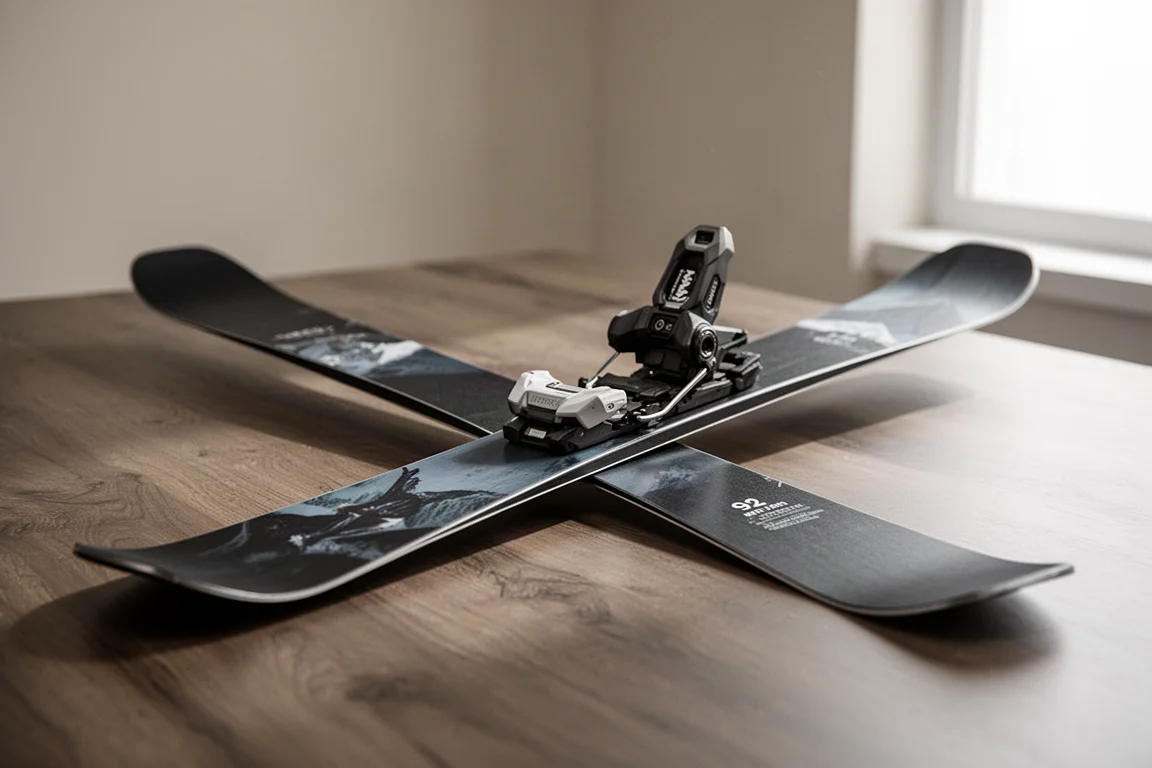
The Rallybird line has been condensed, and the 92 is the narrowest and most frontside-oriented of the group. A paulownia wood core keeps weight low, with Air Tip construction and dampening technology added. It comes in around 1,530 g yet feels stout and stable.
Compared with the Santa Ana, the Rallybird has a lower tip, a bigger shovel, and a stiffer tail, and it does without metal entirely. That gives it excellent grip and energy through the finish of a turn while keeping a floaty, confident front end for cruddy days. It is more of an on-piste resort ski than a playful one, but the shovel still guides you through mixed terrain.
Salomon QST 92
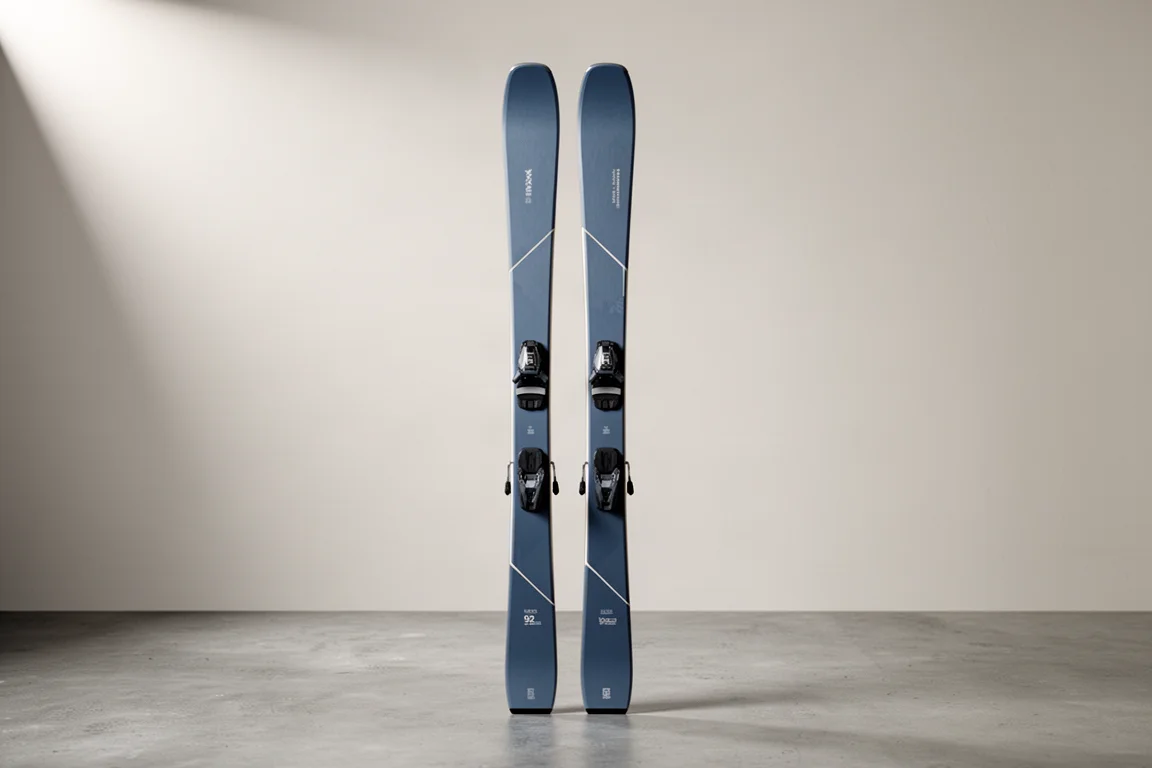
The QST 92 has not changed much in recent seasons because Salomon found a sweet spot. A poplar wood core is combined with carbon and flax, and the profile blends a pronounced camber underfoot with a long tail rocker, which makes it good in soft snow without losing edge grip.
It is about as well rounded as an all-mountain ski gets. Turn radius in a 160 cm is 13 m, so it moves edge to edge quickly and stays nimble. There are no obvious weaknesses, and it is the sensible answer for anyone who has compared a dozen options and still cannot decide. Sizing up is not recommended.
Salomon Stance W 88
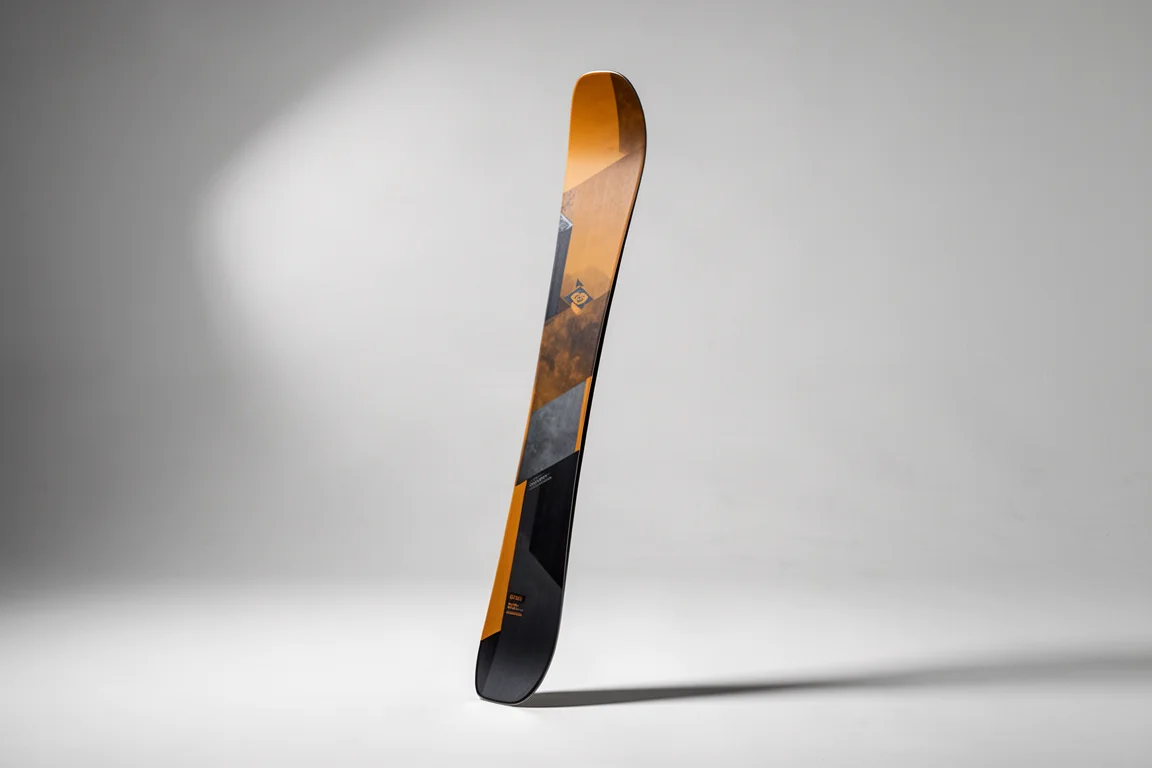
The Stance W 88 is the higher-powered, frontside-leaning counterpart in Salomon’s range. A poplar and karuba wood core keeps the weight reasonable, and a metal laminate is laid in an open window format, with carbon and flax material filling the windows in the tips and tails.
That mix blends the energy of carbon and flax with the damping and grip of metal, producing a smooth, energetic carver with plenty of camber underfoot. There is some tip and tail splay but not much rocker, and slightly more rocker in the tail. At just under 1,600 g in a 161 cm, it is light for a metal ski. It is a groomer-focused ski rather than a playful one, and a wider Stance W 94 is also available.
K2 Kenja 88
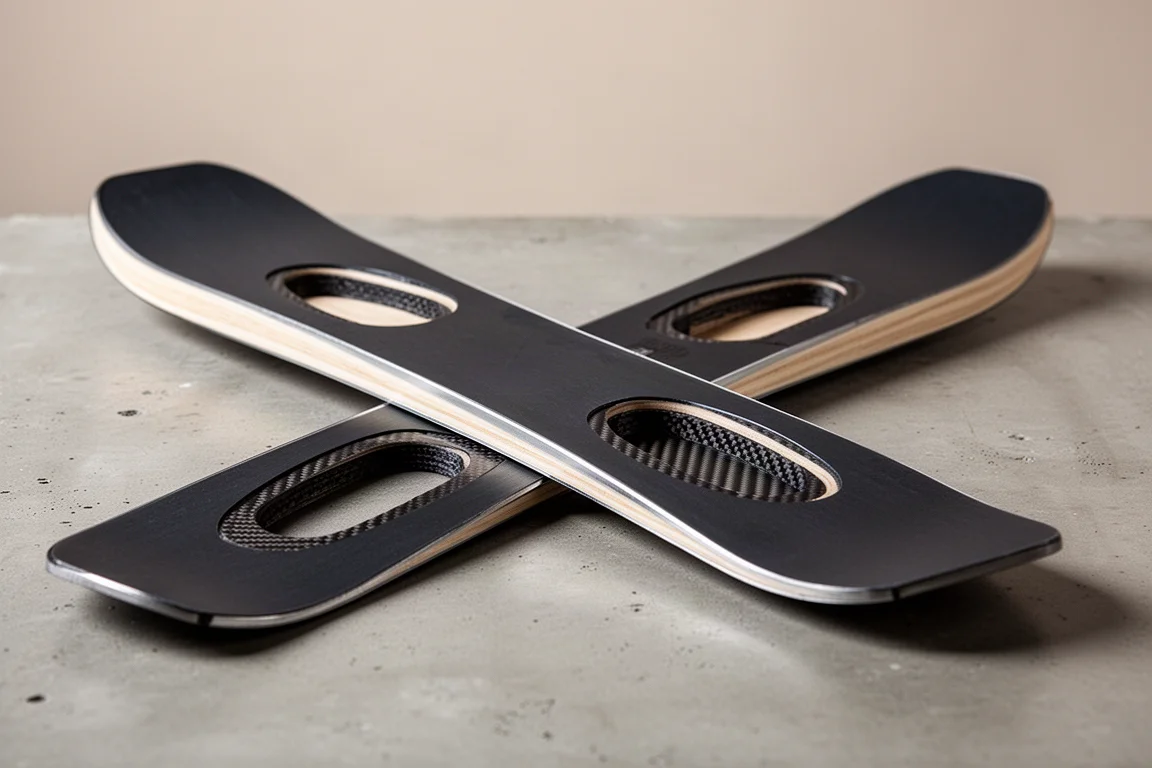
The Kenja 88 receives the same treatment the wider Secret received: tailored carbon tips and a tailored titanal frame, with larger gaps between the front, middle, and rear sections of the frame. Those bigger gaps allow more flex, which makes the ski more energetic and lively.
This remains a strong frontside groomer ski, and it is not for everyone. It rewards a skier with power and confidence, and it will push back if you are timid. Even so, the added liveliness helps late in the day when your legs are tiring. If you want to branch off trail, the QST 92, Ripstick 88, or Sheeva 92 are better suited to that job.
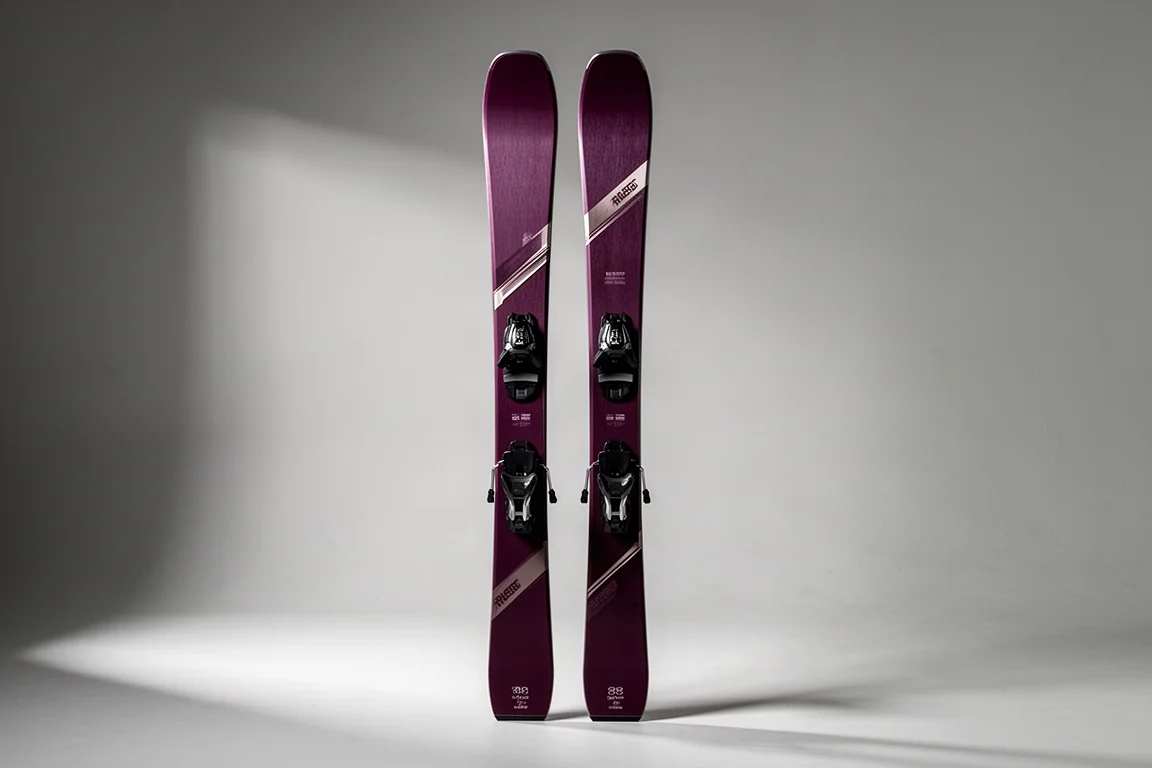
Scott Pure Free 90W
The Pure Free 90W is new, and it takes the thick-core approach to damping: a full poplar wood core and substantial sidewalls give it a smooth, stable, strong ride. The only metal is a plate underfoot, which serves binding retention and vibration damping rather than full-width edge grip.
A shovel nose provides flotation, though it is shorter than the Santa Ana’s or the Rallybird’s, and a small amount of tail splay helps release the end of the turn while keeping the effective edge long. It sits somewhere between the Rallybird and the Santa Ana in character, denser and a little more aggressive than the Rallybird. It is intuitive and easy to ski from the first turn, which makes it an easy recommendation.
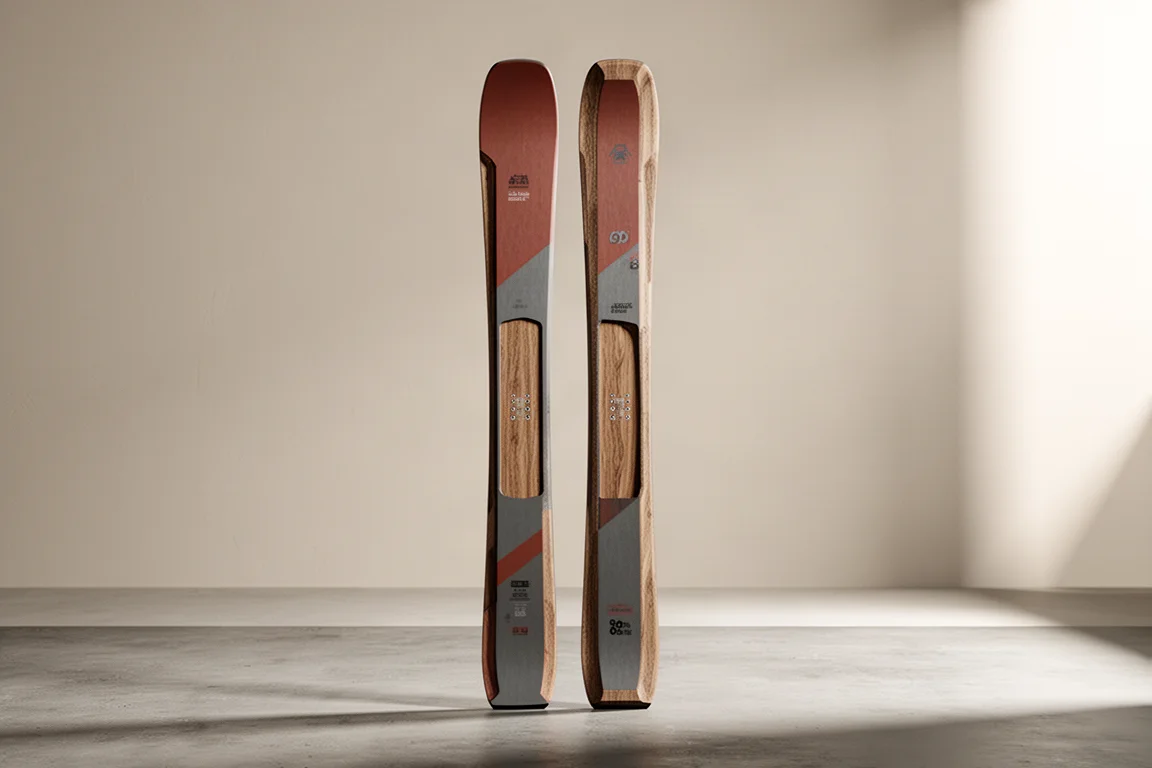
Stöckli Nella 88
The Nella 88 uses a paulownia wood core and two sheets of metal, with the top sheet itself serving as the second metal layer. That construction transfers movement directly from boot to binding to ski without an intervening top sheet, and it stays under 1,700 g in a 168 cm despite the metal.
It is directional, with little taper or tail rocker, a long effective edge, camber underfoot, and a freeride-oriented shovel. The result is one of the smoothest skis here and a genuine carver’s ski. It is handmade in smaller production runs, which makes it a boutique product and puts it at the top of the price range, though the gap to other brands has narrowed. If the price is out of reach, renting a pair for a day is worthwhile.
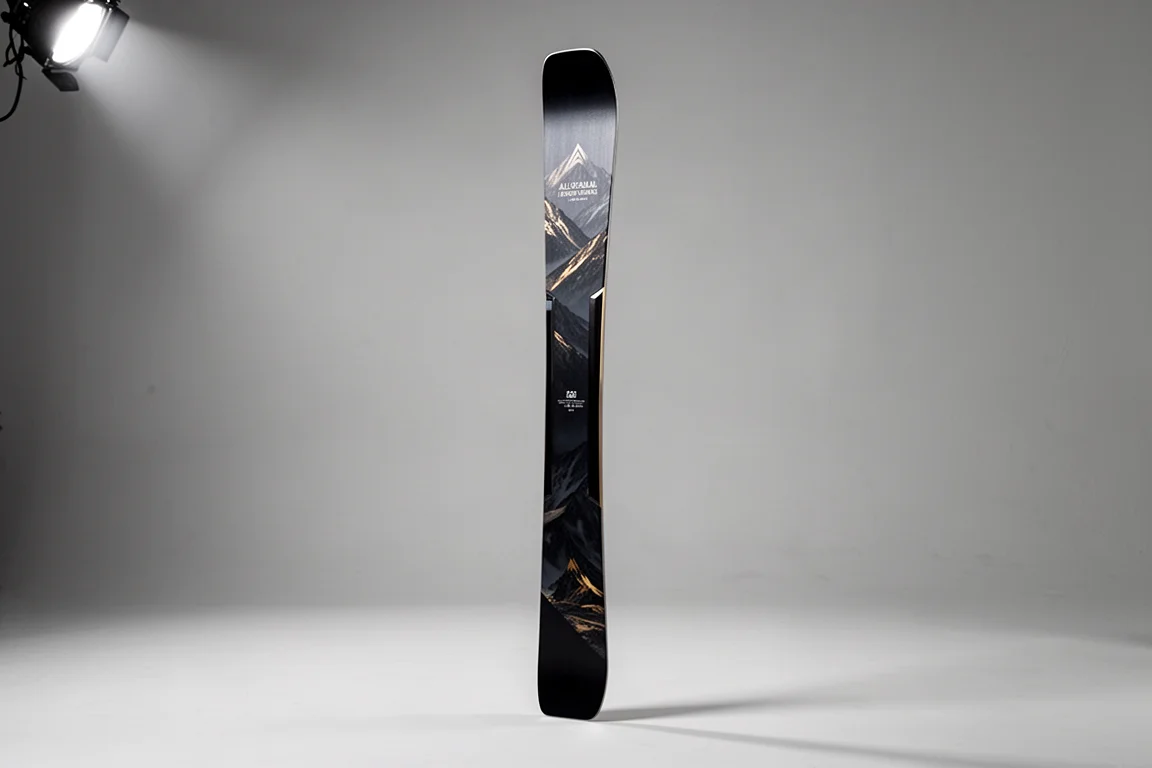
Völkl Blaze 94W
The Blaze 94W is the lightest ski in this group at roughly 1,465 g, and it has the most rocker per unit of surface area. The idea is a touring and freeride ski that also works as an all-mountain resort ski: the rocker starts far down the shovel, the middle decambers, and the tail rocker begins well back.
With minimal camber, the flat ski works well in trees and bumps, while a metal plate underfoot provides more edge-to-edge metal than the Scott and adds damping. It is playful, and it is a good option for skiers who find the Kenja or Santa Ana unapproachable. It pairs naturally with a frontside carver as a two-ski quiver, and it is at home in a 50/50 woods-and-trail or uphill-and-downhill role.
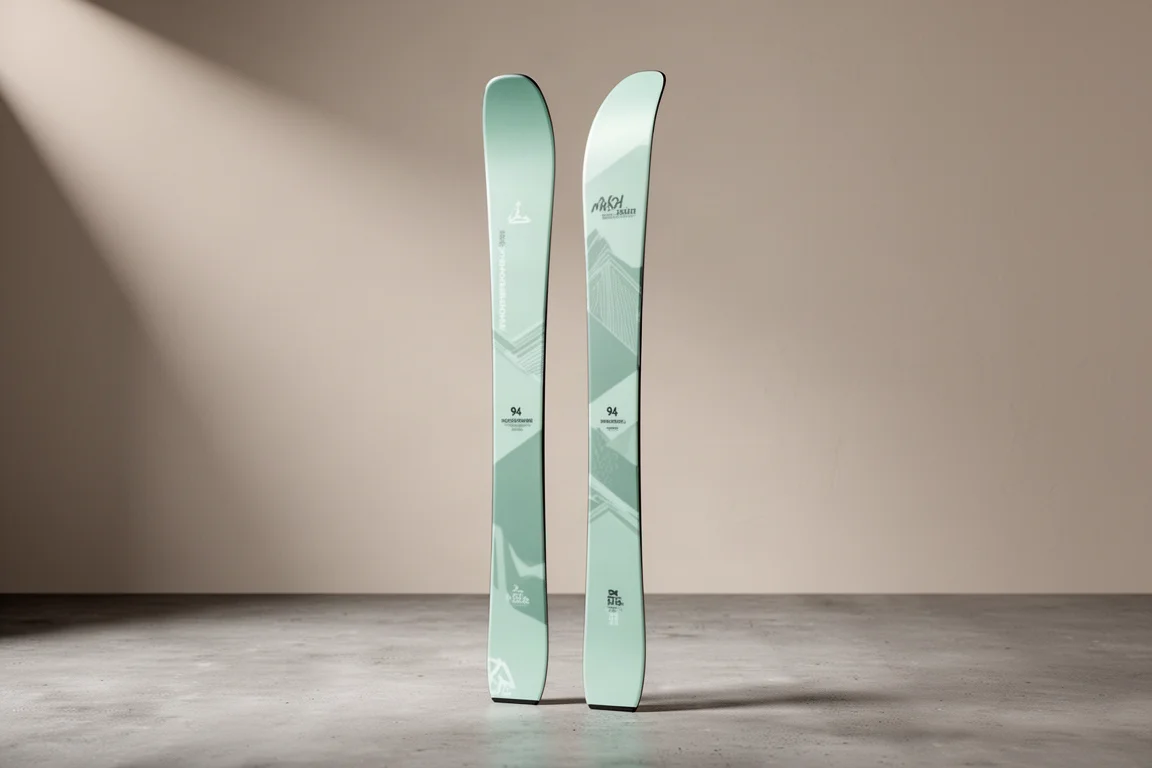
Faction Dancer 1X
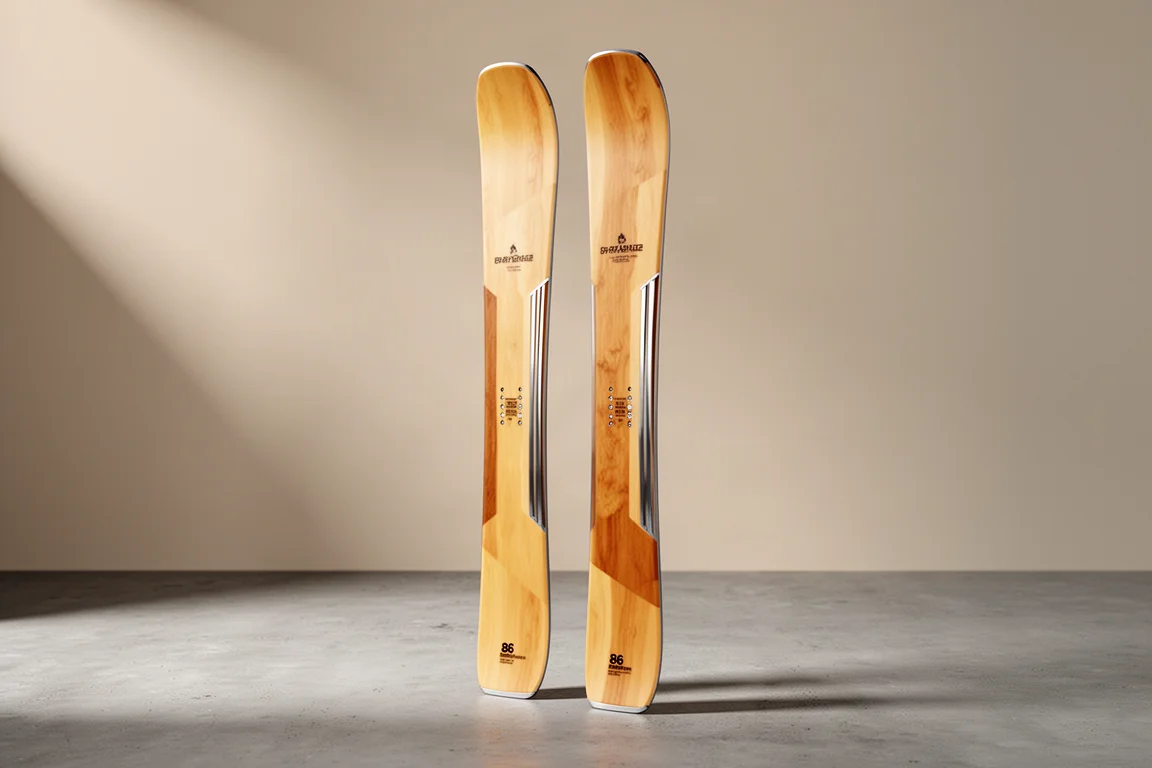
The honorable mention at 86 mm underfoot is the Faction Dancer 1X. It pairs a lightweight poplar wood core with two sheets of metal, which puts it in the same energy bracket as the Santa Ana, and it is a striking ski to look at.
Like the Liberty and Armada entries, it represents a freeride-focused brand building something more frontside-oriented, and it is a bouncy, energetic ski. It is narrower than everything else in this guide, which makes it a strong option for skiers who spend most of their time on groomed terrain.
Buying Advice
The honest answer to which one to buy is that there is no wrong ski here, only different skis for different conditions and different skiers. Two models with the same waist width can behave completely differently, so the deciding factors are where you ski, how much power you bring, and how much weight you are willing to carry.
Start with terrain. If most of your days are on groomed runs and you want a strong edge, look at the metal-forward options: the Stance W 88, Kenja 88, Santa Ana 88, Nella 88, and Reliance 92 Ti. If you split your time between trails and the trees, the QST 92, Ripstick 88, Genesis 90, Pandora 94, and Blaze 94W are more forgiving. If you want a genuine 50/50 uphill and downhill ski, the Maven 93C and Blaze 94W are light enough to tour, with the Pandora 94 close behind.
Then weigh stiffness against effort. Carbon and thin profiles reduce fatigue but ask less of you, while thick cores and metal return more energy but demand more input. If you are between sizes, size down rather than up on anything with a long effective edge or a stiff flex. And if you are still unsure after all of this, the QST 92 remains the safest all-round choice.
Conclusion
The 88 to 94 mm range earns its reputation as the most useful single-ski width for women, because it genuinely covers groomers, bumps, trees, and a few inches of fresh snow without a second pair in the quiver. What makes this particular group interesting is how differently each brand solves the same problem.
Pick by terrain first, then by weight and stiffness. A metal-forward carver such as the Kenja 88, Stance W 88, or Nella 88 will reward a strong skier on firm snow. A lighter, carbon-driven ski such as the Ripstick 88, Pandora 94, or Maven 93C will keep you fresh and stay playful. A versatile middle option such as the QST 92, Genesis 90, or Blaze 94W will handle almost anything without complaint. Match the ski to the way you actually ski, and the choice becomes much simpler.
Further reading
Related Reviews

Ski Gear
2023 Blizzard Hustle vs Rustler: Six Freeride Skis Compared
Blizzard's 2023 Hustle collection rebuilds the Rustler shape with a lighter core and no metal. Here is how all six skis differ, and which one suits your riding.

Ski Gear
2023 Skis of the Year: Atomic Maverick 88 TI, Salomon QST 106, and Look SPX 12 Pro
Three standout ski picks for all-mountain carving, powder days, and reliable binding performance, with practical buying notes for 2023 models.

Ski Gear
2025 Nordica Enforcer 104 Review: A Directional Charger Replaces the 104 Free
The 2025 Nordica Enforcer 104 drops the Free name and the twin-tip personality, gaining weight, stiffness and composure in rough snow. Here is what changed and who it suits.