Ski Gear
Best Women's All-Mountain Skis 82 to 86 mm: A 19-Ski Comparison Guide
A practical guide to 19 women's skis between 82 and 86 mm underfoot, from wider-bodied carvers with system bindings to lighter all-mountain shapes built for versatility.
Introduction
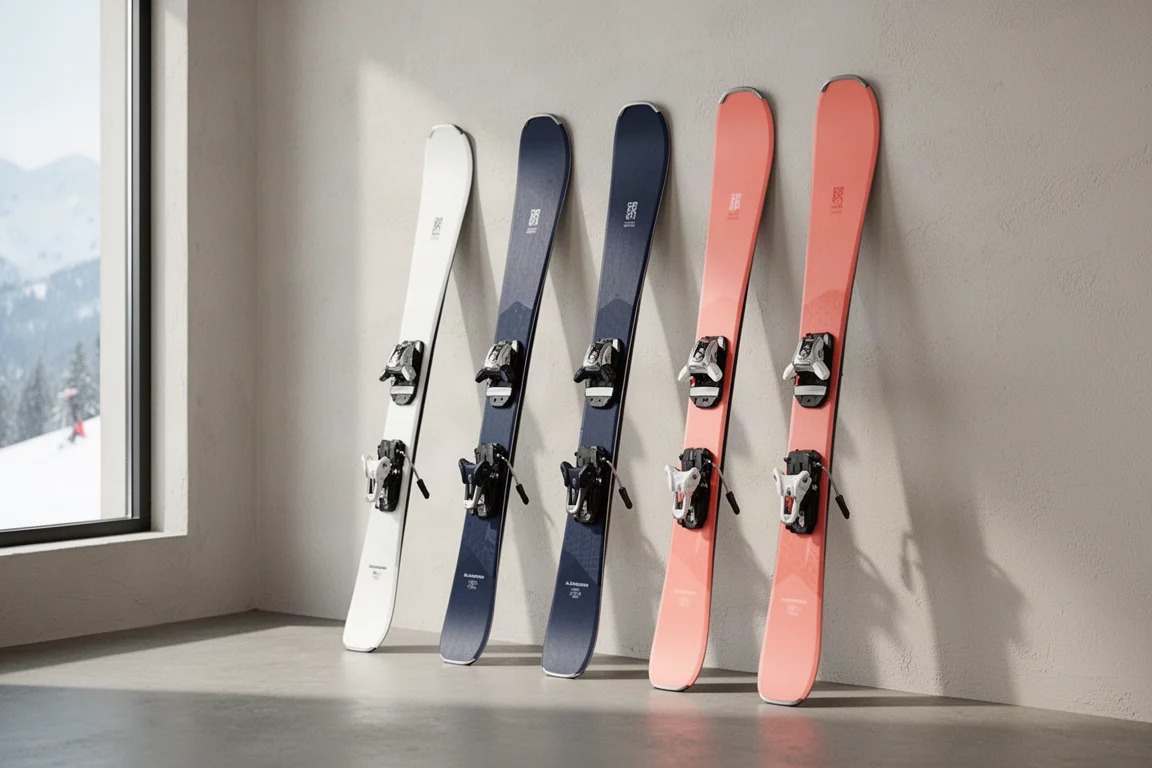
Women’s skis between 82 and 86 mm underfoot are one of the most useful and most overlooked corners of the market. This is the width where a ski still feels quick and light underfoot on groomed runs, yet carries enough surface area to handle soft snow, chopped-up afternoons, and the occasional venture off the piste.
The category splits in a fairly predictable way. Models sold with a system binding are generally aimed at frontside and groomer performance. Flat models, which arrive without a binding, tend to be more versatile and more all-mountain in character, and many of them are filtered down from wider freeride designs. Neither approach is better. They simply suit different skiers.
This guide covers 19 women’s skis in that width band, from wider-bodied carvers to narrow all-mountain shapes. Each entry describes what the ski is built to do and which skier tends to get the most from it.
If you already know roughly how much of your season happens on groomed terrain, you are most of the way to choosing. The sections below are ordered to make that comparison straightforward, and the buying advice at the end pulls the main decisions together.
Armada Reliance 82 Ti: Quiet Stability for Confident Carvers
The Reliance 82 Ti pairs a lightweight wood core with articulated titanal banding. Metal runs full width underfoot and through the tail, while slits cut into the forebody let the front of the ski twist and flex. The result is smooth turn initiation up front and precise, stable behavior through the midsection and tail. At around 1,540 g it stays light for a ski with metal, and the long camber with modest tip rocker makes it happiest producing short, energetic carve turns. It is the narrowest model in a series that runs up to 92 and 102 mm, and it has a reputation for a notably quiet, composed ride. Skiers who like to carry speed on groomed runs, and who still want something quick and manageable in the bumps, tend to get along with it immediately.
View more details for Armada Reliance 82 Ti
Atomic Cloud Q12: A Wider-Bodied Carver for Confident Edge Hold
The Cloud Q12 sits at the widest point of Atomic’s carving family at roughly 84 mm underfoot, and the higher number denotes a higher level of build within that family. A system binding, a power wood core, metal underfoot for torsional stiffness, and a carbon-based vibration damping system give it a planted, confident character. It is a true tip-to-tail cambered ski with no taper, so the widest point sits at the very end of the ski and the effective edge is long. The square, flat tail reinforces the frontside intent, and the turn radius is a tight 13.1 to 12 m in the 166 cm length. The payoff is a ski that feels agile and responsive rather than punishing, with the extra width underfoot providing a reassuring balance point for skiers who want to commit to the edge.
View more details for Atomic Cloud Q12
Atomic Maven 86: Light, Forgiving, and Built for Short Turns
Both Maven models share a lightweight wood core and an OMatic construction that is thicker underfoot and thinner toward the tips and tails. The Horizon Tech tip creates a boat-hull-like shape with the edges stopping short of the very front, which helps the ski plane up in soft snow while the tail stays more businesslike. Radius is 15 to 12 m and weight is around 1,440 g in the standard version. The shape suits short, skidded, z-shaped turns more than long drawn-out arcs, and it stays forgiving enough to work as a first serious ski purchase. It is also the more budget-conscious of the two Mavens.
Atomic Maven 86 C: The Same Shape with More Energy
The Maven 86 C keeps the same footprint and shape but adds longitudinal carbon stringers through the ski, along with the extra fiberglass and adhesive that usually accompany them. Weight lands around 1,533 g, so the difference between the two versions is felt in character rather than in heft. The C is stiffer, more reactive, and gives more feedback, which makes it the better pick for a skier who wants a livelier response from the same approachable platform. Skiers who want maximum ease of use will still prefer the standard Maven 86.
Black Crows Vertis Birdie: Simple Build, Surprising Energy
The Vertis Birdie pairs an 85 mm waist with a 15 m turn radius and a deliberately simple build: wood core, fiberglass, and a fully sidewalled construction that wraps all the way around the tips. That thicker core profile through more of the ski contributes to a substantial feel, and the 1,670 g weight reflects it. A long effective edge with only a little taper provides strong grip and stability on groomed terrain, while the shape stays lively and forgiving in bumps and trees. Rebound energy is a standout, and the ski rewards a skier who likes to push rather than merely cruise.
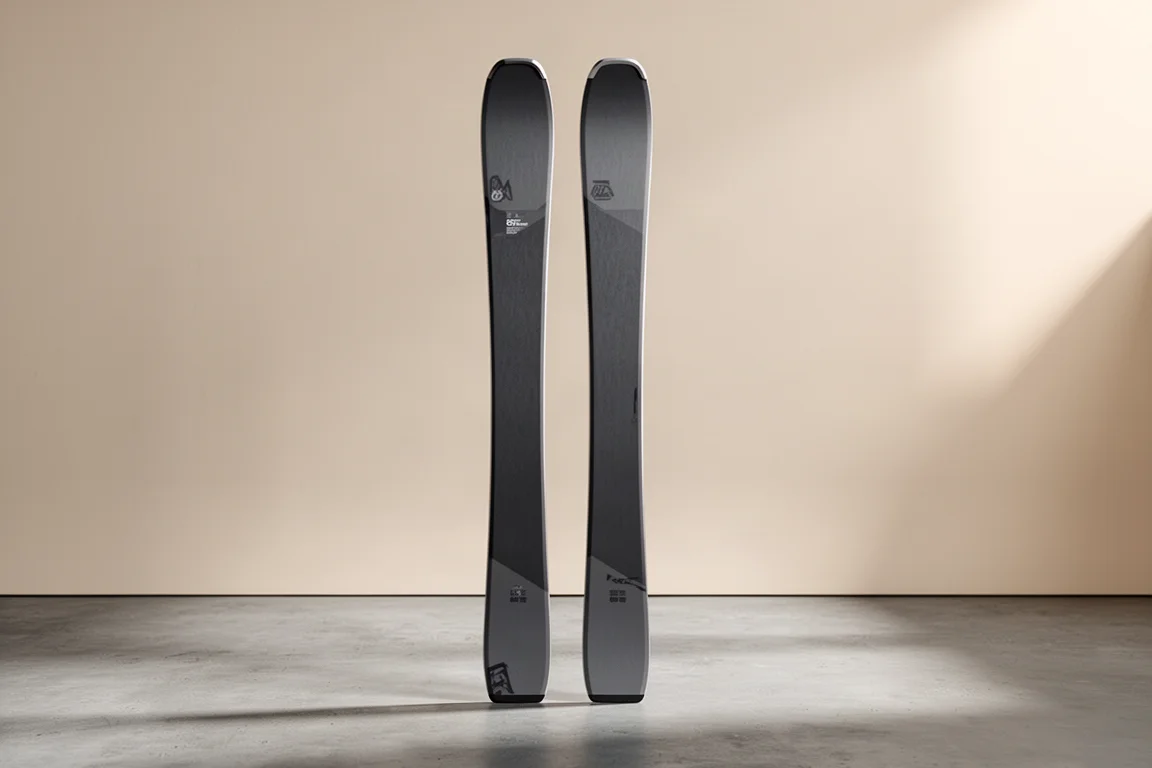
Blizzard Black Pearl 82: The Approachable All-Mountain Reference
The Black Pearl 82 carries a TrueBlend wood core, which places denser wood stringers through the middle of the ski and lighter material toward the edges. That keeps the tips and tails easy to move around while the middle stays strong. Metal underfoot adds torsional stiffness, and the 82 mm waist with a 13.5 m radius at 166 cm makes the ski turn very quickly. The tip shape is traditional, with a pronounced scoop, and the tail is fairly flat, a combination that cuts through crud rather than bouncing over it. Weight is around 1,620 g, and full sidewalls give it a solid feel. It is a strong candidate for a first pair that can still keep up as skills develop.
That mix of quick turning and crud-cutting stability is what makes the 82 such a practical daily choice for skiers who spend most of their time on groomed runs but want something that does not feel fragile when conditions soften up.
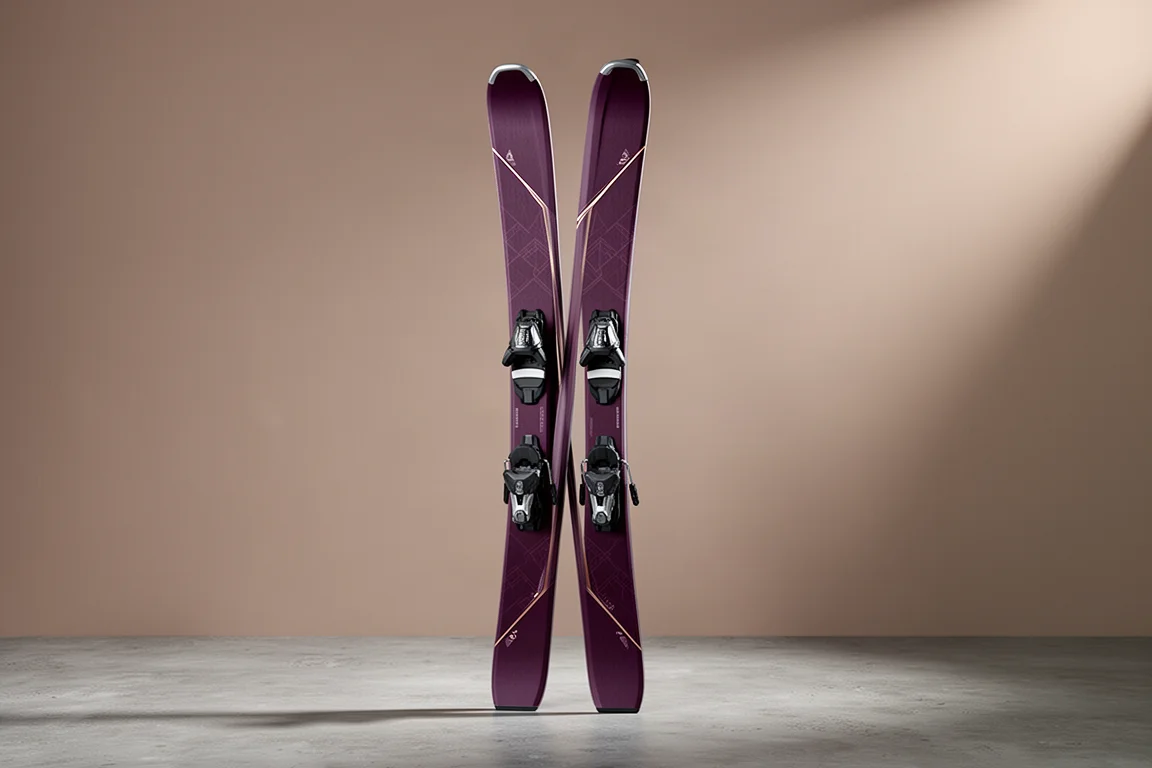
Dynastar E-Cross 82: A Crisp, Modern Frontside Shape
The E-Cross 82 is the narrowest ski in the E-Cross line and uses Hybrid Core 2.0: a poplar center with polyurethane along the sides, built from horizontal laminates joined by friction and joinery rather than adhesive, a step intended to lower the manufacturing footprint. An H-shaped metal layer runs full width underfoot and extends arms into the forebody, giving a strong and stable midsection. The shovel is noticeably wider than the 85 mm sibling, which makes the ski hook into turns more eagerly, and the 12 m radius at 167 cm keeps those turns crisp and round. It suits an advanced skier who wants clean, dynamic turns without a demanding ride.
Elan Wildcat 86 CX: Intuitive Edge to Edge
The Wildcat 86 CX is built around a TubeLite wood core with carbon running through the ski and a carbon laminate on top, and it is flat rather than sold with a system binding. Amphibio construction makes each ski left and right specific, with more material on the inside edge and less on the outside, which puts the emphasis on the downhill ski and lets the uphill ski track along. The tail follows the same asymmetric logic. The result is a ski that feels stiffer than expected and performs in a predictable, intuitive way, transferring input into the turn without requiring much forethought.
Elan Wildcat 86 Black Edition: A Sharper Version of the Same Shape
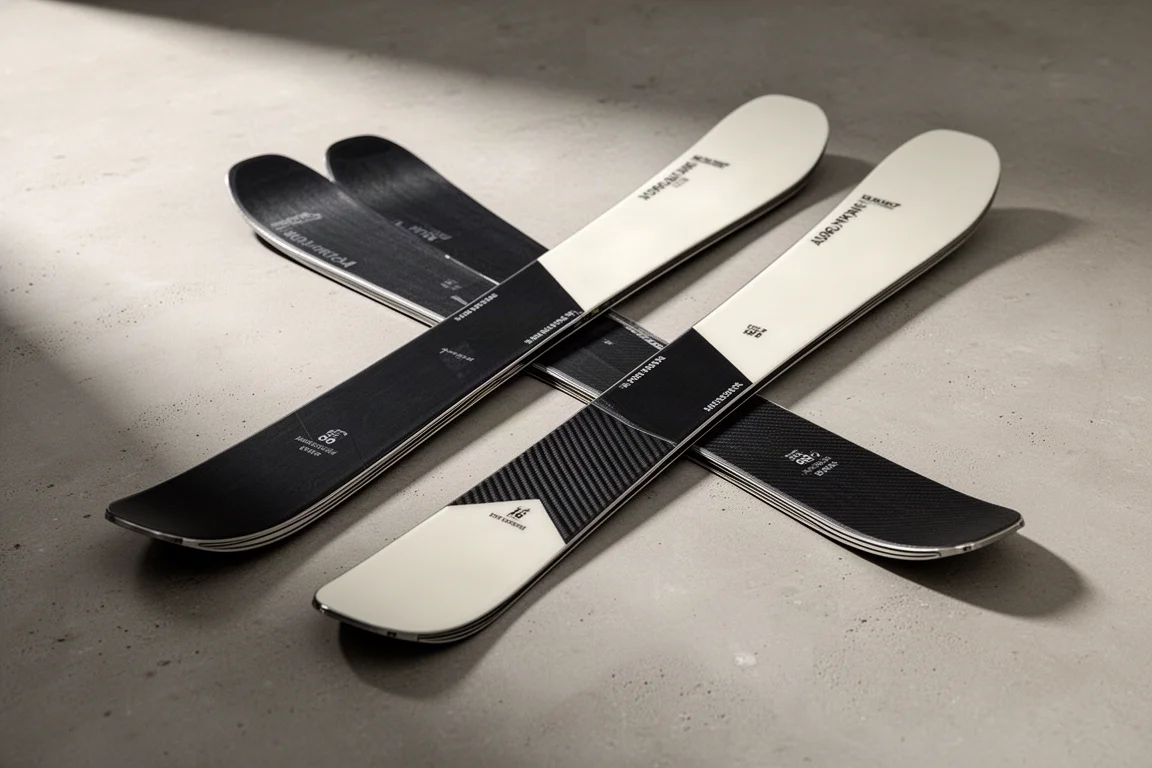
The Black Edition shares the footprint, shape, and profile of the CX but adds a system binding and a slightly different build. The practical difference is a step up in stiffness, energy, and edge grip, which suits a skier who wants to push harder and ski faster on the same geometry. Adding a system binding also puts weight into the underfoot zone. For most skiers the CX already offers more than enough performance, so the Black Edition is a stylistic and performance choice rather than a necessity.
Faction Dancer 1X: Metal, Pop, and Everyday Versatility
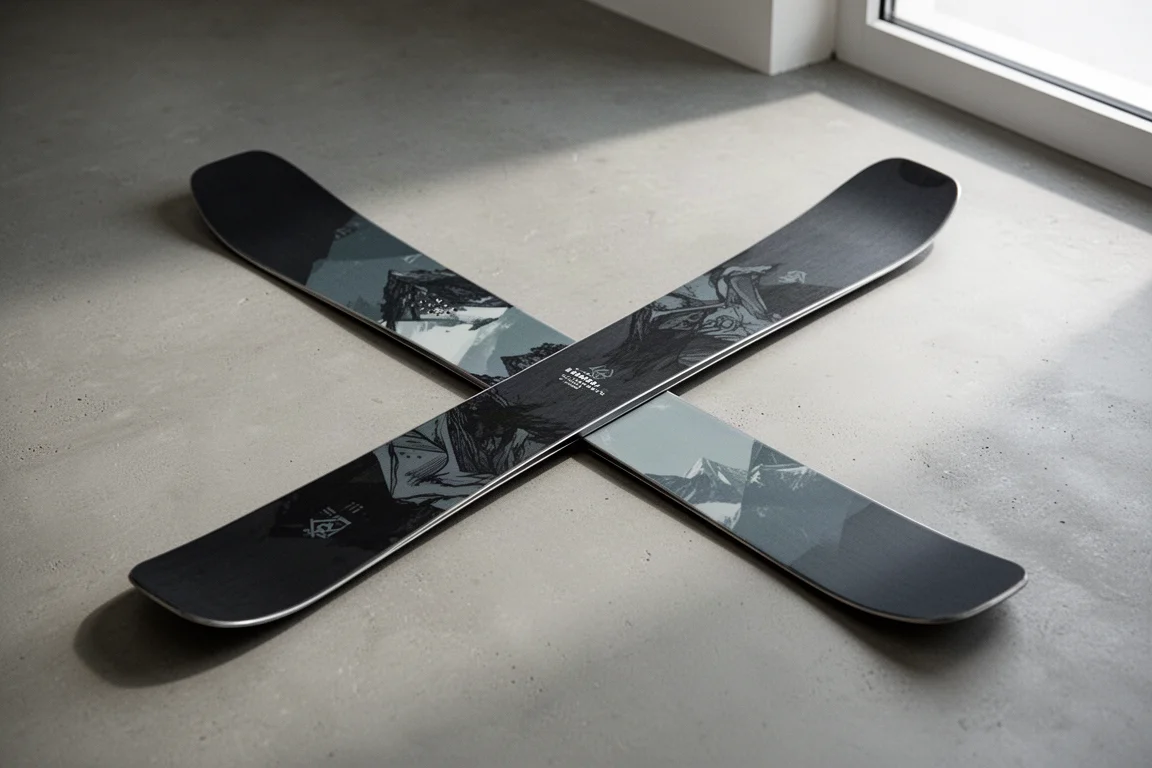
The Dancer 1X is an 86 mm ski with a poplar wood core sandwiched between two thin sheets of metal, and it manages to stay under 1,600 g. There is a generous amount of camber, which gives the ski its poppy, responsive feel. The tip shape echoes the scooped, traditional spatula seen on the Black Pearl 82, while the tail carries a little more rocker, making the Dancer more amenable to variable conditions. The sidewall ends short of the very tip and tail, and the rocker begins where the sidewall ends, so the capped extremities stay agile. The effective edge is long and the ride is smooth. It works well either as a stepping stone toward a metal ski or as a final destination.
Fischer Ranger 84: Substantial Feel Without Metal
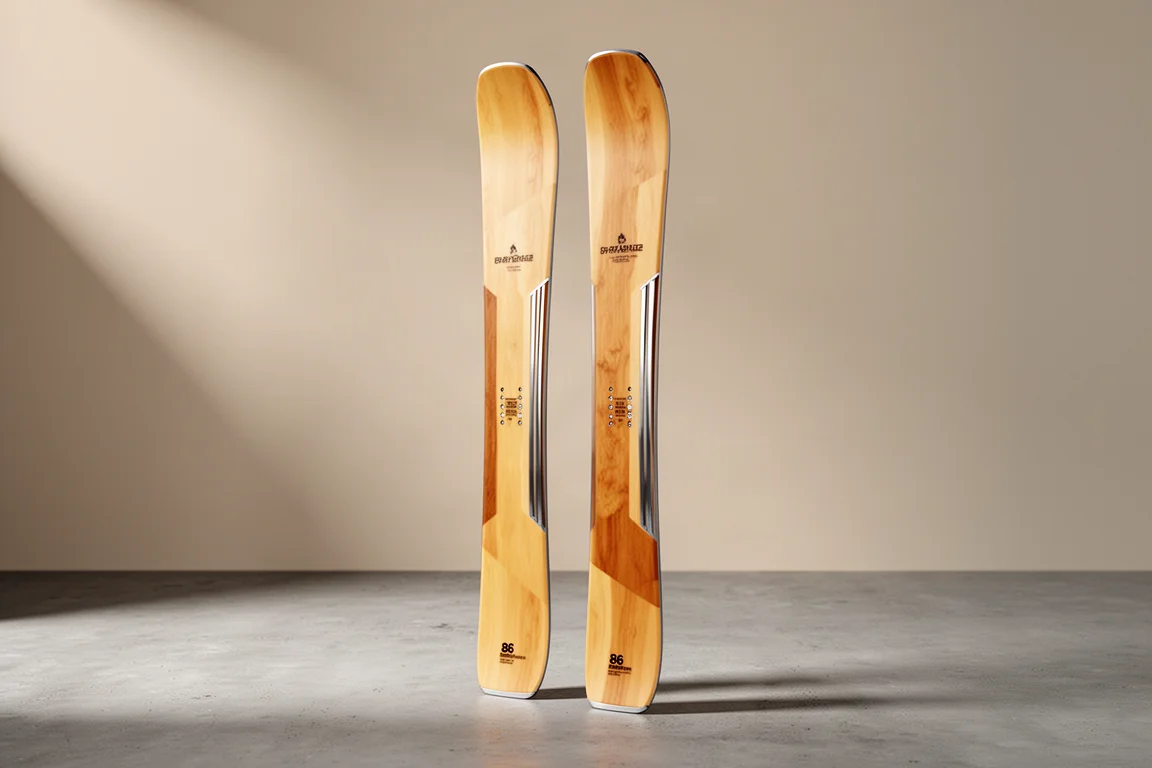
The Ranger 84 keeps the build simple: poplar wood core, fiberglass, and full sidewalls, with no metal at this width. That simplicity does not mean a soft ski. The thicker core profile through much of the length gives it a substantial, sturdy feel, and the weight reflects that. The forebody bends and flexes easily for strong responsiveness, and the tail offers an energetic finish without locking the skier into a turn. It is exceptionally quick edge to edge and a standout in bumps and trees. Heavier skiers may find the shovel flexes too readily, while lighter and more agile skiers get the most from it. It is the narrowest and arguably the most broadly useful ski in the Ranger line.
View more details for Fischer Ranger 84
Head Total Joy: High-End Technology in an Accessible Package
The Total Joy has been reworked with a lighter wood core plus carbon and graphene, and it carries the Energy Management Circuit technology found in Head’s higher-end models. It comes with a system binding. The sidecut has been lengthened, which opens up a wider range of turn shapes at a 14.7 m radius and an 85 mm waist. The result is a ski that feels light and agile yet still delivers plenty of feedback, with enough sophistication to satisfy an intermediate or advanced skier without demanding constant input. That combination of accessible character and high-end construction is unusual at this level.
View more details for Head Total Joy
Liberty Evolv84 W: Smooth, Quiet, and Strong on Edge
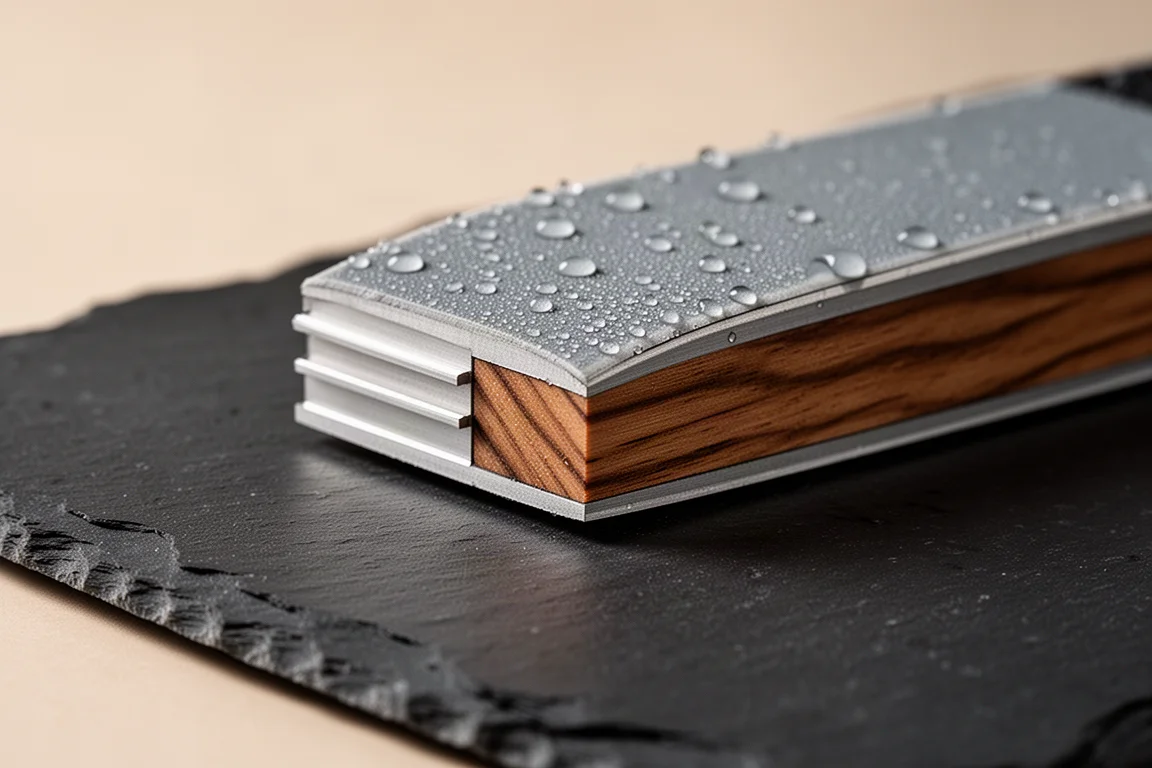
The Evolv84 W uses a blend of poplar, bamboo, and paulownia, all lighter woods, and compensates with a thicker core profile. Metal is applied vertically rather than horizontally: three vertical struts act in an I-beam fashion, using less metal overall while still delivering stiffness. The 84 mm waist, long effective edge, and generous camber make it a genuinely strong carving ski, and the low-profile tip with minimal early taper produces a smooth, gradual engagement. The ride is remarkably quiet and vibration-free. It handles chop well for its width and rewards a skier who wants to drive the ski rather than nurse it.
Skiers who want a carving-focused ski but are not looking for a race-room build will find the width here useful, since 84 mm provides a little more surface area for soft snow and chopped-up groomers without giving up edge grip.
Nordica Santa Ana 84: A Strong Carver with a High Ceiling
The Santa Ana 84 takes the shape of the narrower 88 mm version in the same family and adds terrain-specific metal plus a lighter wood core. The tail is more squared off with less rocker than the rest of the line, while the forebody keeps the long, elongated rocker that gives the Santa Ana family its floaty character. Turn radius is 15 m and weight sits around 1,500 g. On groomed terrain it is a strong carver with a high performance ceiling, and the metal is applied thoughtfully rather than generously, so the ski stays manageable. It is more demanding than lighter options at the same width, but skiers who can access its ceiling are rewarded with edge grip, stability, and power.
View more details for Nordica Santa Ana 84
Nordica Wild Belle 84: Planted and Smooth on Firm Snow
The Wild Belle 84 is the ski where Nordica’s double core technology first appeared, and it has since spread across the brand’s frontside line. Two horizontal wood core laminates are separated by an elastomer Pulse Pad layer, which gives the ski an unusually smooth and supportive feel. A raised section runs through the forebody and tail, functioning a little like the H-shaped metal on the E-Cross, though there is no metal here. The shovel is wide with less taper, and the edge runs all the way to the end of the tail, backed by a deeper 13.7 m sidecut at 162 cm. With a system binding it feels planted and is happiest carving on groomed and firm snow.
View more details for Nordica Wild Belle 84
Rossignol Experience 82 Ti W: A Powerful Carver for Strong Skiers
The Experience 82 Ti W is one of the more demanding skis in this width band. A full poplar wood core is paired with two sheets of metal, and weight is around 1,645 g. The sidewall ends where the rocker begins, with a longer, lower rocker profile than the Dancer and very little tail rocker. Powerful camber underfoot makes it a genuinely strong carver that holds an edge with authority. The build is shared with the men’s version at the same width. Heavier and more powerful skiers unlock its versatility more easily, while lighter skiers may experience some pushback when working it through bumps. For high-performance carve turns, it is one of the most capable options here.
Salomon Stance 84: One of the Best Value Blends Here
The Stance 84 pairs metal underfoot with full-length carbon stringers that run from where the metal ends toward the tips and tails, stiffening the shovel and tail while the middle provides grip. That recipe produces energetic turns, strong edge grip, and enough stability to ski at speed, yet the extremities stay playful and forgiving enough for bumps and trees. At 84 mm it is a well-rounded all-mountain width, and the wider versions at 88 and 94 mm share the approach. It is positioned as a value-oriented option that performs well above its price point, and the graphic has been updated. It is one of the most complete blends in this comparison.
Völkl Blaze 86: Light, Drifty, and Genuinely Versatile
The Blaze 86 is a light wood core ski with no metal, a raised binding platform, and rubber suspension tips and tails that help control chatter in a ski this light. The 3D radius measures 25, 13, and 21 m, so the tips and tails support longer arcs while pressure through the middle brings the ski around almost like a slalom ski. It is sold with a system binding for convenience and value, though a flat version exists, and the higher stand height adds leverage in a carve. The profile is notably flat, with very little camber and low rocker, which makes the ski drifty and easy to move sideways. It is one of the most versatile options here.
Völkl Yumi 84: An Everyday Ski with a Predictable Feel
The Yumi 84 uses a fiberglass frame rather than a Titanal frame, plus a Titanal binding platform that runs full width underfoot and extends into the forebody and tail. That gives underfoot stiffness where it matters while the glass frame stays responsive and energetic. The 3D radius measures 19, 14, and 17 m, which is less dramatic than the Blaze and produces a more predictable feel. Weight is around 1,400 g. Camber is relatively flat and the rocker is long and low, so the ski breaks free of a turn easily. It sits at a high level of performance while remaining affordable, and it suits a skier who prefers the energy of a carve.
Buying Advice
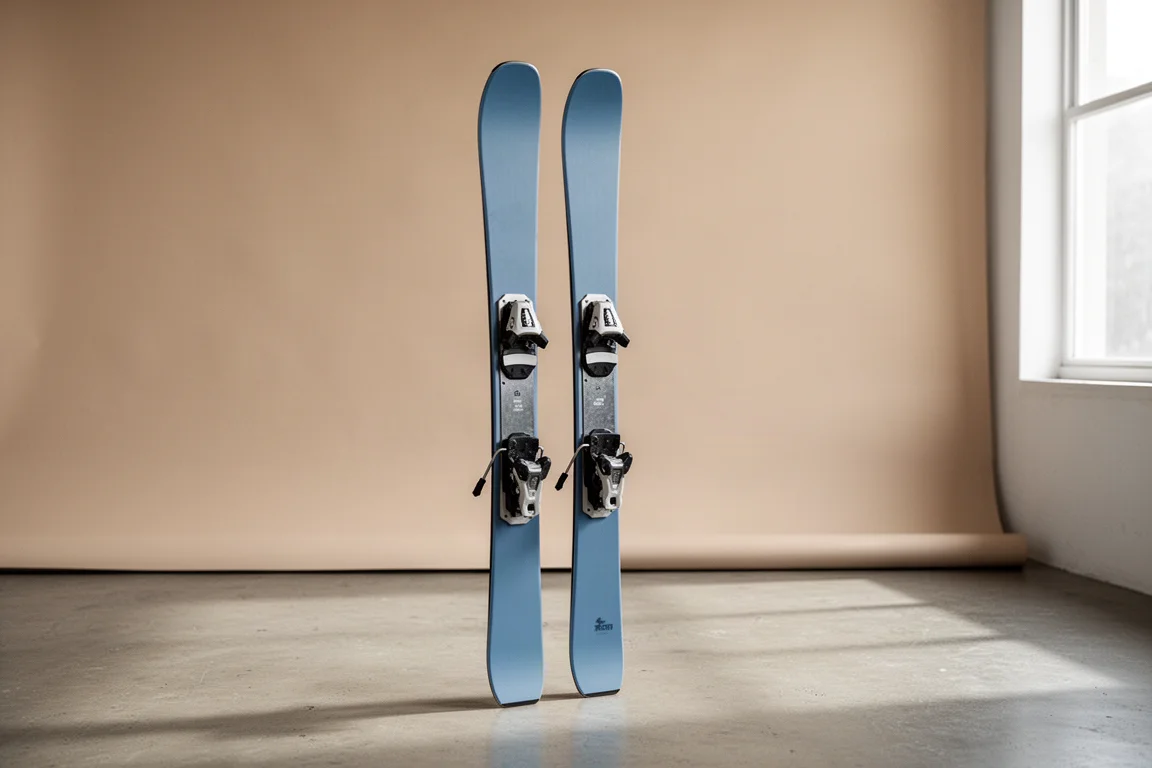
The first decision is how you actually spend your days. If the majority of your skiing happens on groomed runs with the occasional soft-snow day, a model with a system binding and metal in the build will deliver the edge grip and stability you are looking for. If your time is split more evenly between groomed terrain and softer or chopped-up conditions, a flat ski in this width is usually lighter and more versatile, and many of these shapes are derived from wider freeride designs.
The second decision is weight versus stability. Lighter skis are quicker, easier to maneuver, and less tiring over a full day, while heavier skis with more metal hold an edge with more authority and feel more planted at speed. Neither approach is better. They reward different styles and different body types, and heavier or more powerful skiers often find more metal easier to manage while lighter skiers frequently get more from a simpler build.
Finally, keep the width in perspective. Between 82 and 86 mm there is enough surface area for soft snow and chopped-up groomers, yet the ski still feels immediate underfoot on piste. For most skiers who spend their time on groomed runs and blue-square terrain and above, this is a width worth putting at the top of the list rather than treating as a compromise.
Conclusion
This category is worth taking seriously. Nineteen skis between 82 and 86 mm underfoot cover an enormous range: wider-bodied carvers built for edge hold, light all-mountain shapes that move easily from groomed runs into bumps and trees, and metal-free options that prioritize ease of use over raw power.
The right choice comes down to matching the build to the way you ski. Skiers who spend most of their time on groomed terrain will find almost everything here useful, and the narrower all-mountain models deserve more attention than they usually get.
Further reading
Related Reviews
Ski Gear
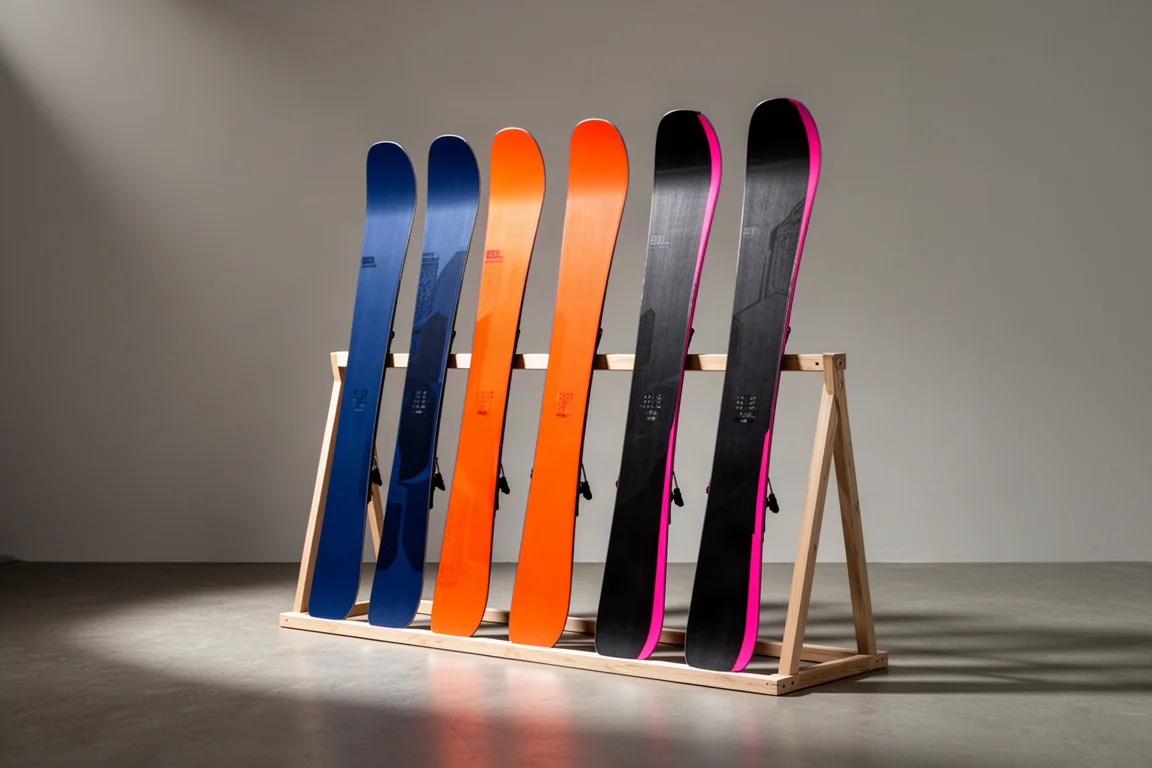
2023 Blizzard Hustle vs Rustler: Six Freeride Skis Compared
Blizzard's 2023 Hustle collection rebuilds the Rustler shape with a lighter core and no metal. Here is how all six skis differ, and which one suits your riding.
Ski Gear
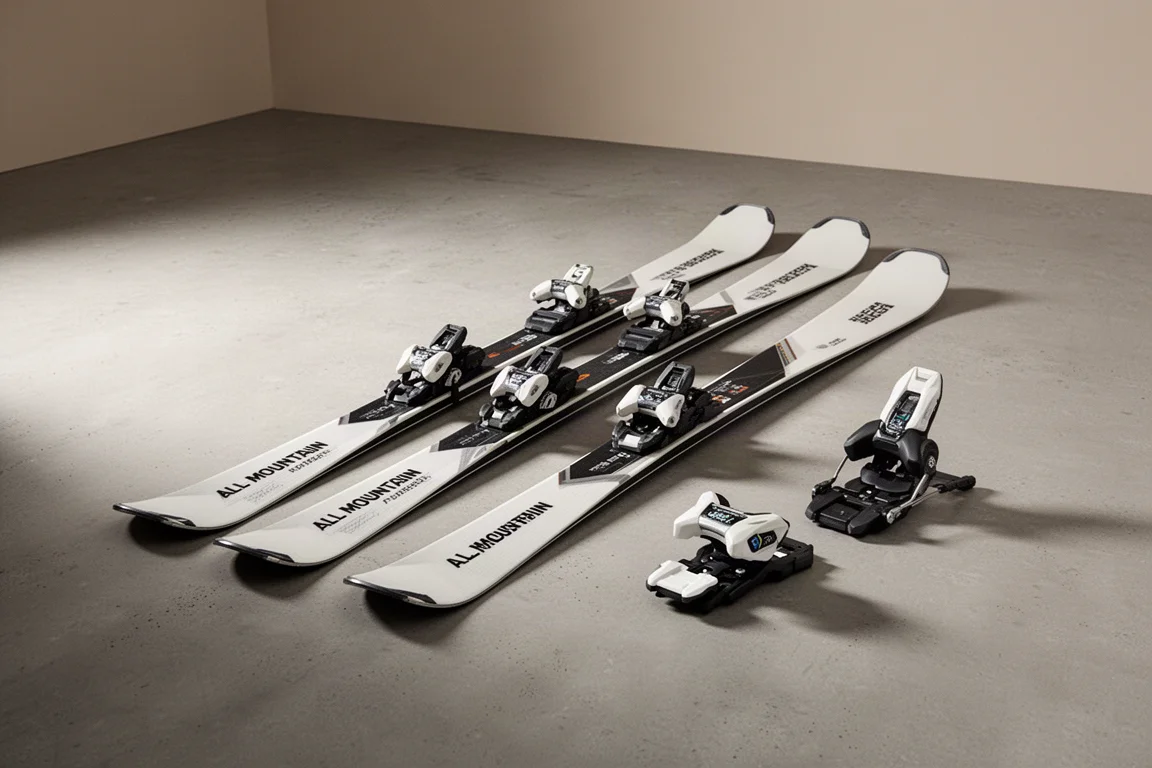
2023 Skis of the Year: Atomic Maverick 88 TI, Salomon QST 106, and Look SPX 12 Pro
Three standout ski picks for all-mountain carving, powder days, and reliable binding performance, with practical buying notes for 2023 models.
Ski Gear
2025 Nordica Enforcer 104 Review: A Directional Charger Replaces the 104 Free
The 2025 Nordica Enforcer 104 drops the Free name and the twin-tip personality, gaining weight, stiffness and composure in rough snow. Here is what changed and who it suits.