Snowboarding Gear
Best Women's All-Mountain Freestyle Snowboards 2022-2023: Eight Boards Worth Considering
A ranked look at eight women's all-mountain freestyle snowboards for the 2022-2023 season, with profile notes, real strengths, trade-offs, and buying advice for riders who want one board for everything.
Introduction
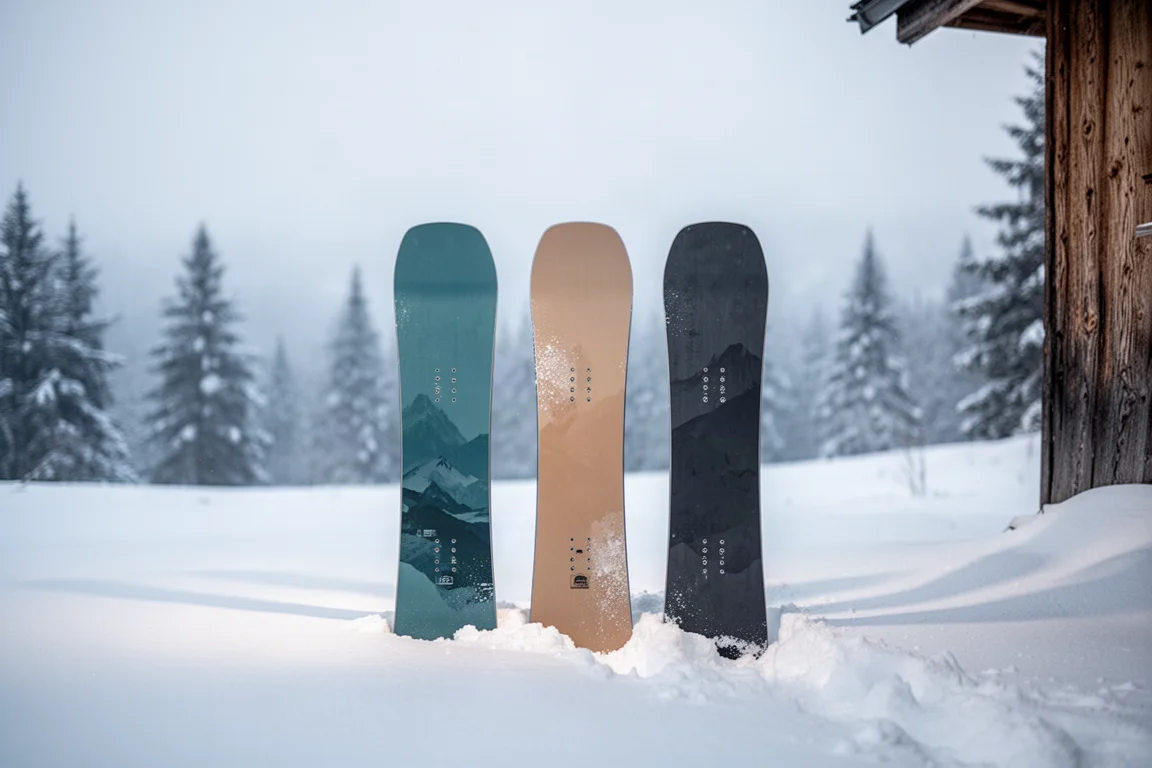
An all-mountain freestyle snowboard has to do several jobs well to justify its place in a quiver. It needs to hold an edge on groomed runs, stay predictable when you press and butter, float when the snow gets deep, and feel lively enough to keep park laps interesting. That range is exactly what the boards below were chosen for.
This list covers eight women’s all-mountain freestyle models for the 2022-2023 season. The top five are ranked in order, and the three that follow narrowly missed the cut but are still worth a look. Every pick is judged on the same handful of things: profile, edge hold, float, playfulness, and how the board is built.
What Makes a Strong Women’s All-Mountain Freestyle Board
Most boards in this category fall into two profile families: camber with rocker in the tip and tail, and hybrid designs that reshape the base itself. Understanding the difference makes the rest of the list much easier to read.
Camber underfoot is what gives a board its load and snap. It is the part of the profile you drive against when you ollie, press, or hold a carve, and it is the main reason a camber-heavy board feels energetic instead of vague. Rocker in the tip and tail changes how the board meets the snow. It eases entry and exit through turns, helps the nose stay up in powder, and makes buttering and pressing more forgiving because there is less edge to catch.
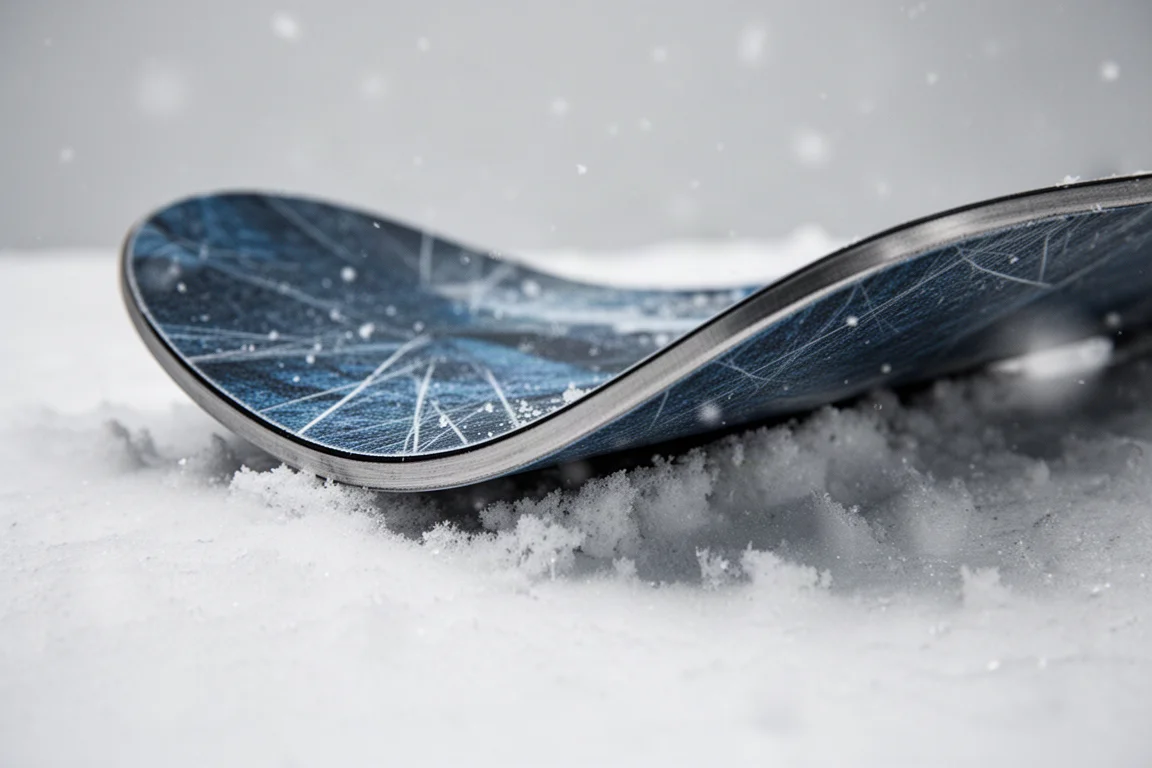
A few construction details separate otherwise similar boards. Triple base technology, or 3BT, shapes the base so snow funnels out to the sides and the nose scoops upward. That is a real advantage in soft snow, slush, and powder, but it gives up grip on ice and hardpack compared with a conventional base profile. Sidecut features such as UnderBite, which adds shaping at the insert pack, help the board dig in and carve harder. A topsheet brought down to form a thin ridge around the board, or a carbon layup, changes how much power and pop you feel when you are on edge. Base finishing matters too, and a stone ground finish runs faster on cat tracks and flat approaches.
Shape plays a role as well. A directional twin has a slightly longer nose than tail, which improves float without giving up much switch-friendly versatility. If you ride mostly forward and want stronger soft-snow performance, that small setback is a benefit rather than a compromise.
Capita Equalizer: The Top Pick for All-Mountain Freestyle
The Capita Equalizer takes the top spot. Its camber profile delivers the load and snap that make a board feel responsive, and specific zones in the profile are tuned for pressing and playing around, so it never feels like a one-note carver.
Capita’s construction keeps the core relatively light, and the base comes with a high-end tune that makes the board quicker on cat tracks and long approaches. That combination is what gives the Equalizer its range: a street rail session, a day in the park, and a backcountry line are all realistic uses for the same board.
Ride Compact: Camber-Dominant Snap and Pop
The Ride Compact is a directional twin with a mostly camber-dominant profile and a little more rocker in the nose than in the tail. That asymmetry opens up better sweet spots for pressing while giving the nose extra lift for powder float.
Ride’s Roll In construction brings the topsheet down to create a thin ridge around the board, and the effect is a noticeable gain in power and dynamic feel when you are on edge. The board locks in rather than washing out. With the camber profile and a carbon layup behind it, the Compact has a lot of snap and pop, and the stone ground finish helps it run faster on cat tracks.
Yes Hello: Cam Rocker With UnderBite Edge Hold
The Yes Hello is a cam rocker design, so it keeps camber underfoot for load and pop while using rocker in the tip and tail for easier turn entry and exit, better powder float, and more forgiving buttering. In practice that means you can drive the board hard through a turn and still play with it when the terrain softens.
What separates the Hello is UnderBite on the sidecut at the insert pack. That shaping adds grip right where you need it, helping the board dig in and carve a little harder than the profile alone would suggest.
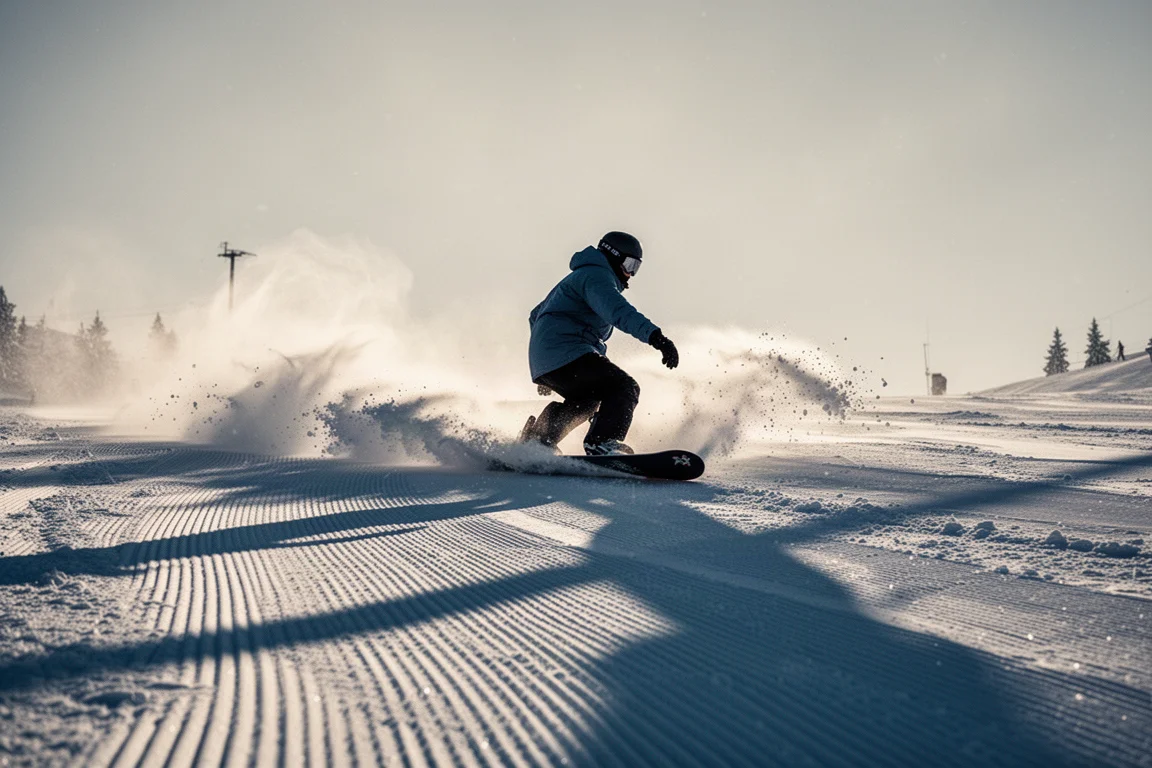
It is also a directional twin, with a slightly longer nose than tail. The extra nose improves float, and the small setback is not enough to make park riding feel awkward.
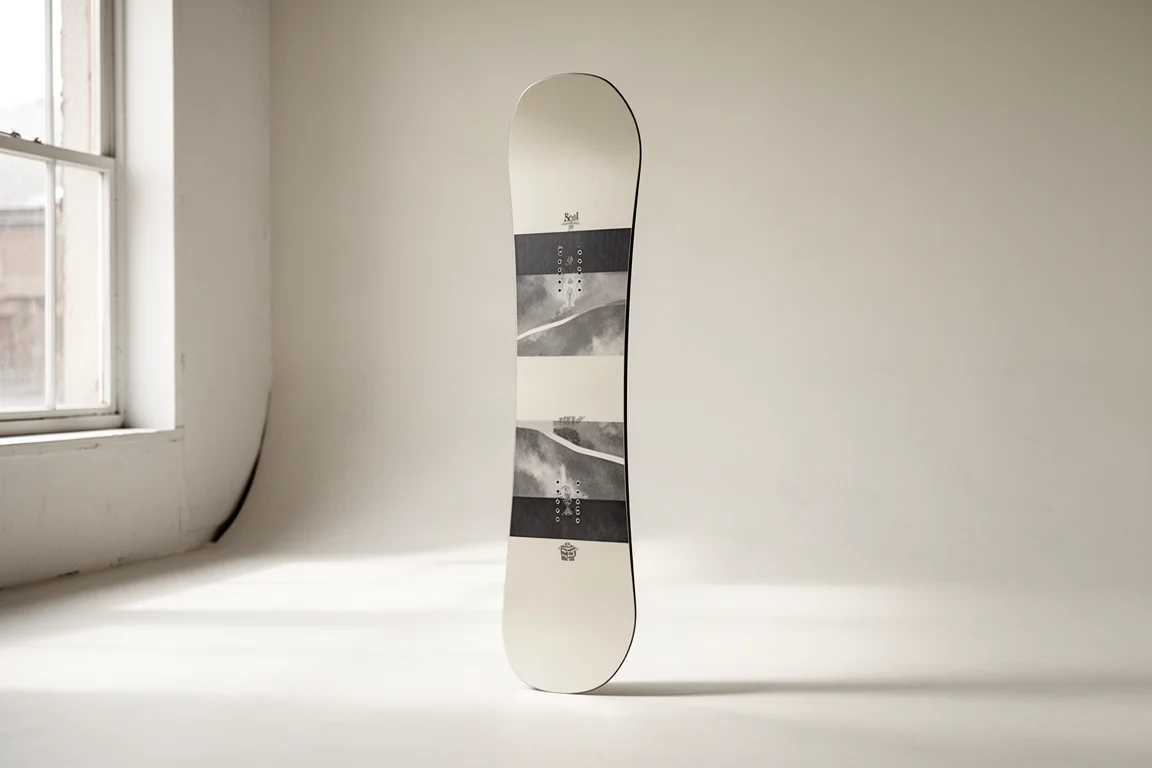
Jones Twin Sister: Camber Underfoot, Rocker at the Tips
The Jones Twin Sister uses a cam rocker profile: camber underfoot for the load and snap that make a board feel responsive, with rocker in the tip and tail handling everything else.
That rocker does a lot of quiet work. It makes turns easier to start and finish, helps the board float in powder, and softens the contact points enough that pressing and buttering feel natural rather than forced. The result is a board you can drive through a carve and still enjoy in softer snow.
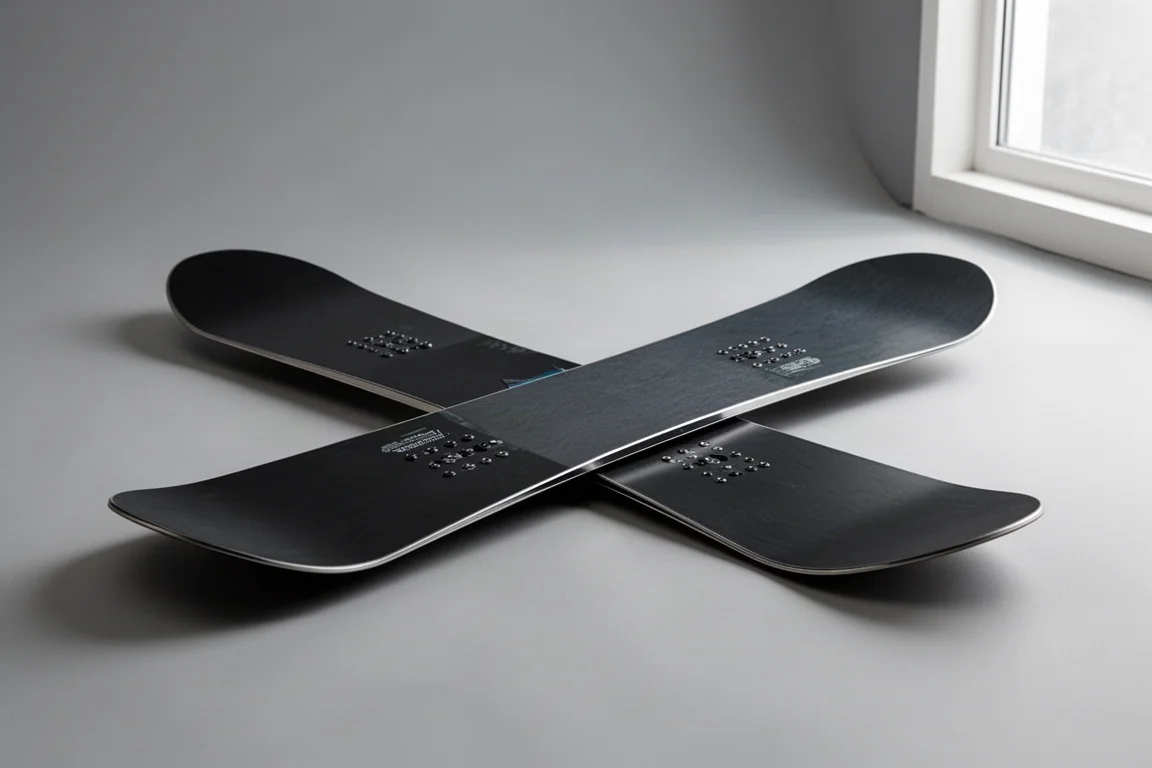
Bataleon Push-Up: 3BT Tuned for Soft Snow
The Bataleon Push-Up is a directional twin built around 3BT. Instead of a flat base edge to edge, the base is shaped so snow funnels out to the sides, and the nose is scooped upward as well. In soft snow, slush, and powder that shaping is a genuine advantage, and the raised nose makes the board less likely to catch when you are buttering or jibbing.
The trade-off is worth stating plainly: 3BT is not the strongest choice on ice or hardpack, where a conventional base profile keeps more grip. Everywhere else the Push-Up offers solid snap and a decent sidecut, so it still turns cleanly when you are cruising around the mountain.
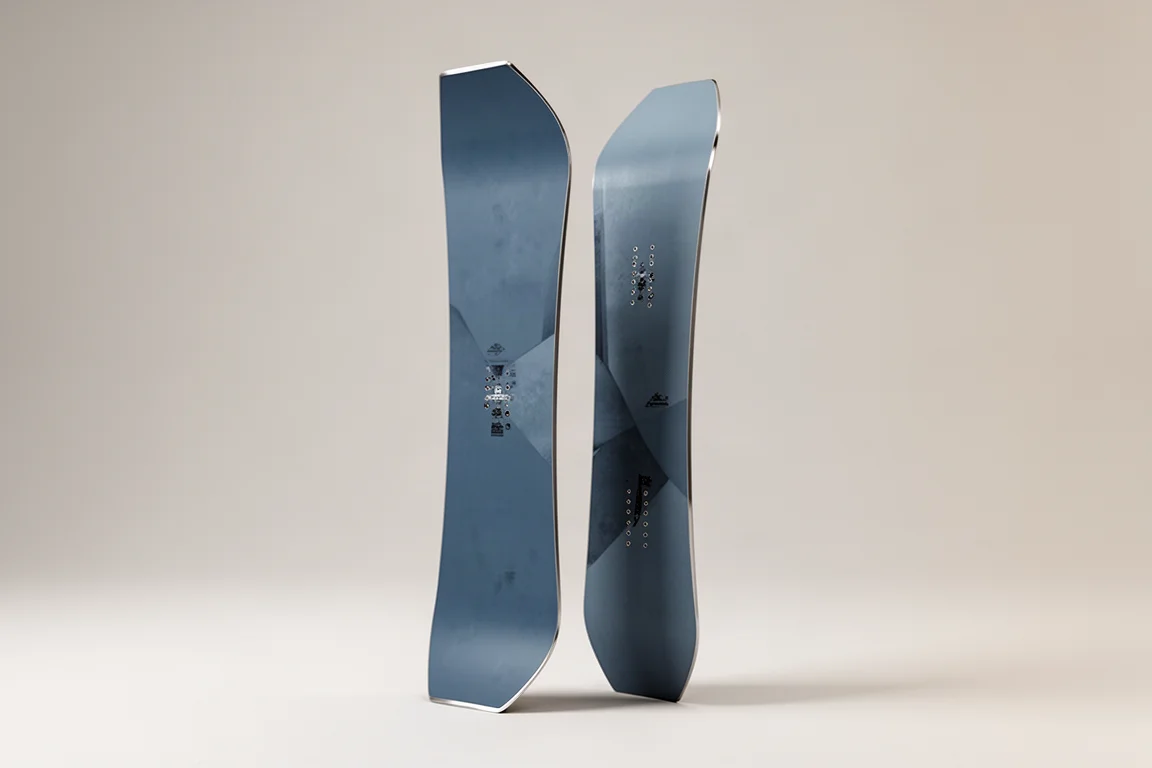
Salomon Rumble Fish
The Salomon Rumble Fish is a women’s all-mountain freestyle option that came close to making the top five for this season. It narrowly missed the cut in a strong field, which makes it a reasonable board to shortlist alongside the ranked picks if you are weighing up a few options before you buy.
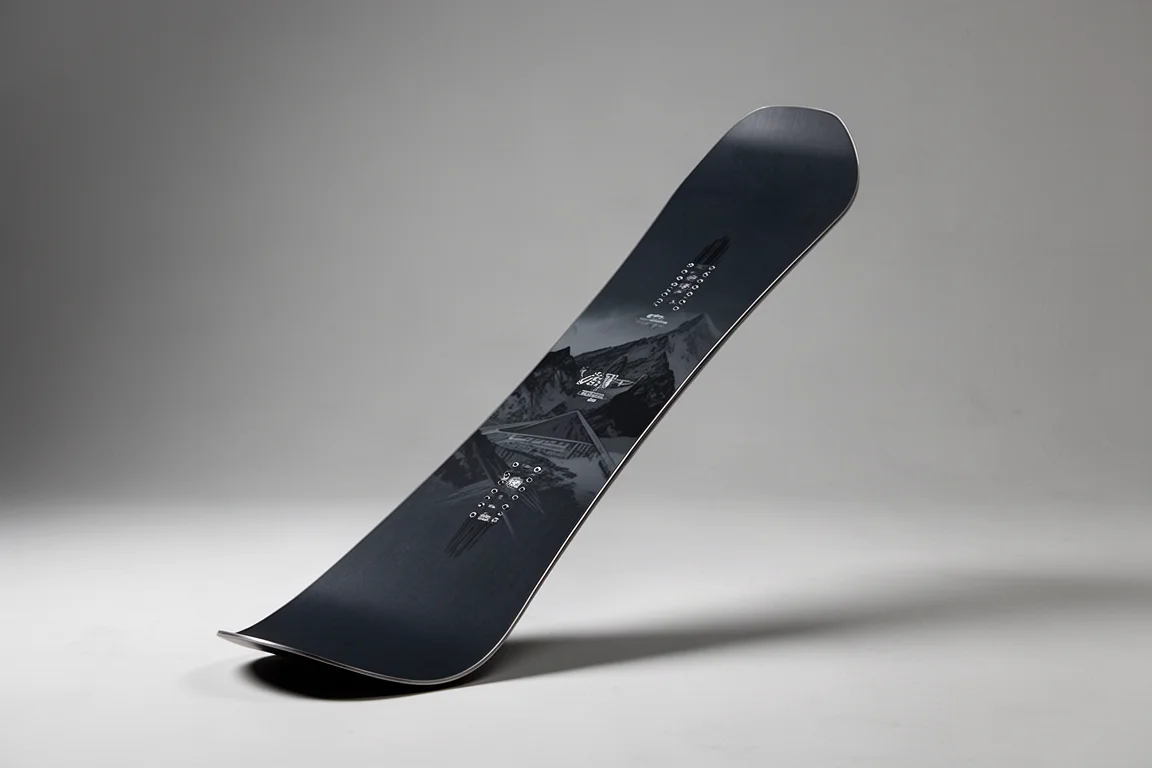
Lib Tech Cortado
The Lib Tech Cortado landed just outside the top five as well. The gap between the honorable mentions and the ranked boards is small, so the deciding factor is usually which shape and profile suits the terrain you ride most often.
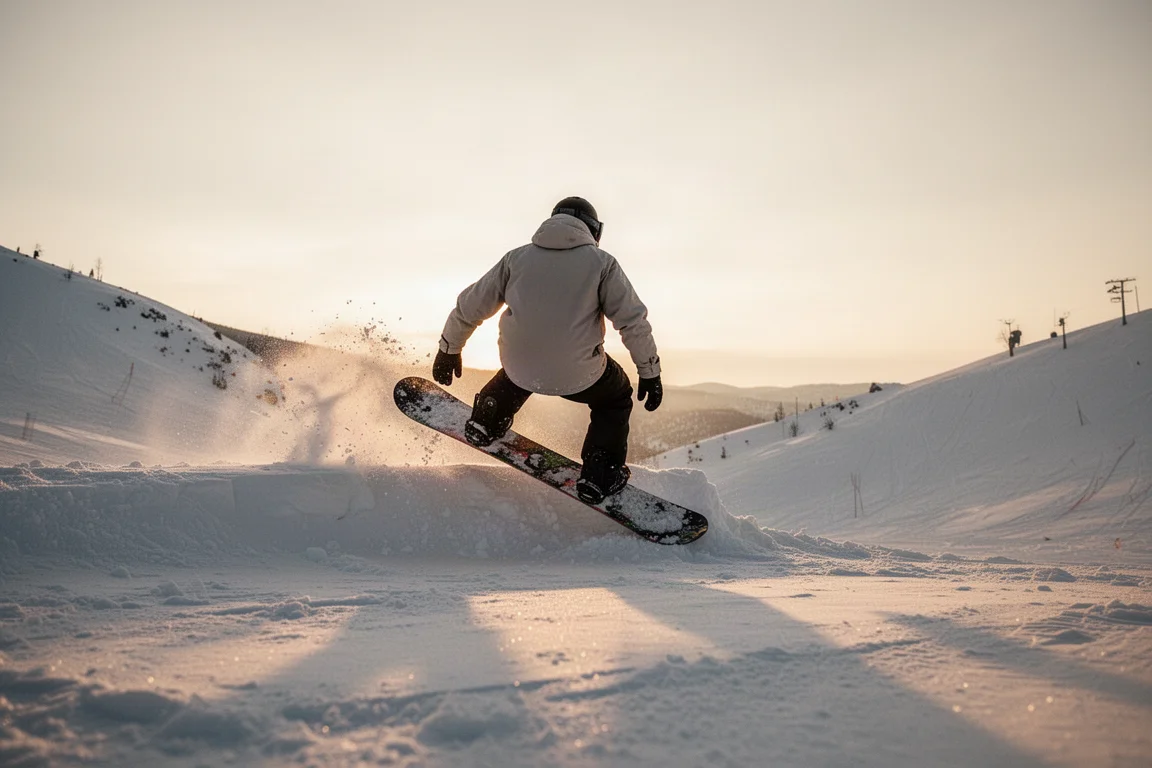
If you are building a shortlist of versatile all-mountain freestyle boards, the Cortado belongs in the comparison.
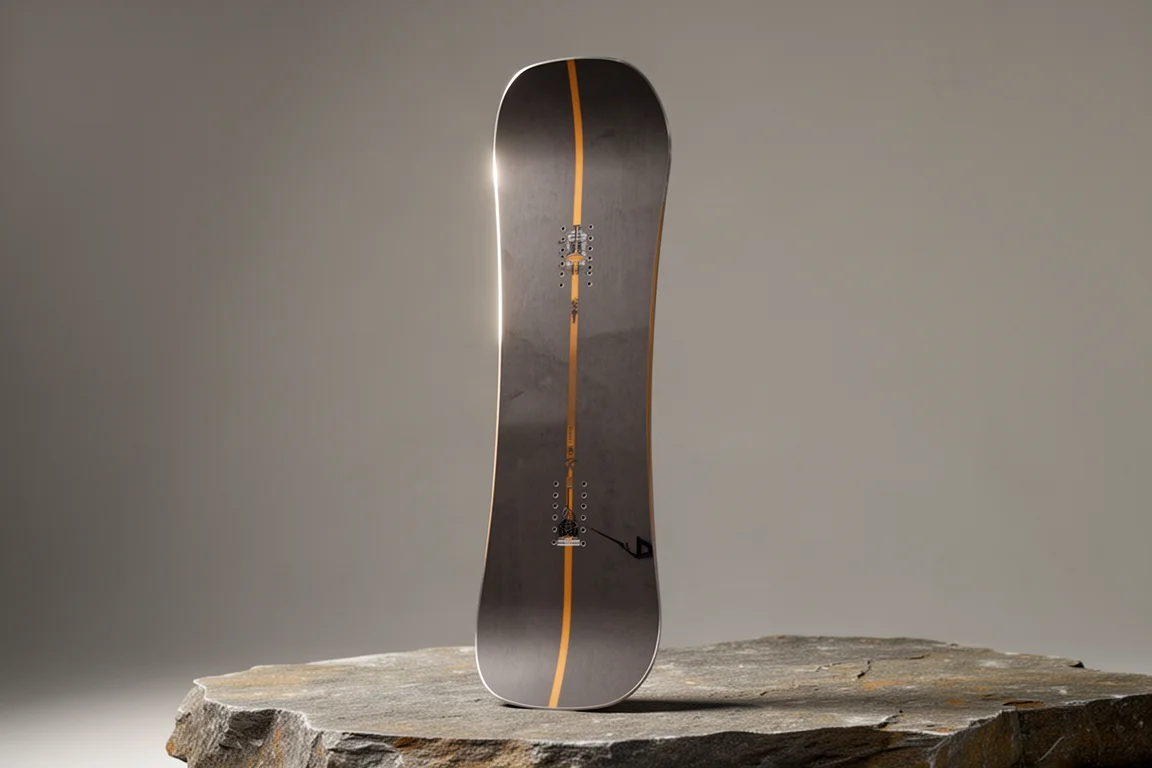
Nitro Decker Venus
The Nitro Decker Venus completes the honorable mentions. Like the Rumble Fish and the Cortado, it was in the conversation for the top five and missed out only because the field was deep.
Buying Advice: Matching the Board to Your Riding
Choosing between these boards comes down to matching the profile to the snow you ride most often. Start with the conditions you see in a typical season, not the trip you take once a year.
If your days are mostly soft snow, slush, and powder, and you like to butter and jib, the Bataleon Push-Up’s 3BT shaping is a real asset, as long as you accept the compromise on ice.
If you want the most well-rounded board on the list, the Capita Equalizer is the top pick, with a lighter core, a fast base tune, and a camber profile that still leaves room for pressing and playing around.
For riders who want camber drive with more forgiveness at the contact points, the Ride Compact, Yes Hello, and Jones Twin Sister all deliver that combination in slightly different ways. The Compact leans hardest into snap and pop. The Hello adds UnderBite edge hold at the insert pack for carving. The Twin Sister balances camber response with a playful tip and tail. None of the three is a specialist, and that is the point.
Conclusion
The best women’s all-mountain freestyle board is the one whose profile matches how you actually ride. Camber underfoot gives you load and snap. Rocker in the tip and tail gives you easier turn entry and exit, better float, and more forgiving presses. Boards that combine the two cover the widest range of terrain, which is why the Capita Equalizer leads this list and why the Ride Compact, Yes Hello, and Jones Twin Sister follow close behind.
If you ride mostly soft snow, the Bataleon Push-Up’s 3BT base is the more interesting choice, with a clear trade-off on ice. And if none of the ranked picks feels quite right, the Salomon Rumble Fish, Lib Tech Cortado, and Nitro Decker Venus are all strong enough to deserve a place on your shortlist.
Further reading
Related Reviews
Snowboarding Gear
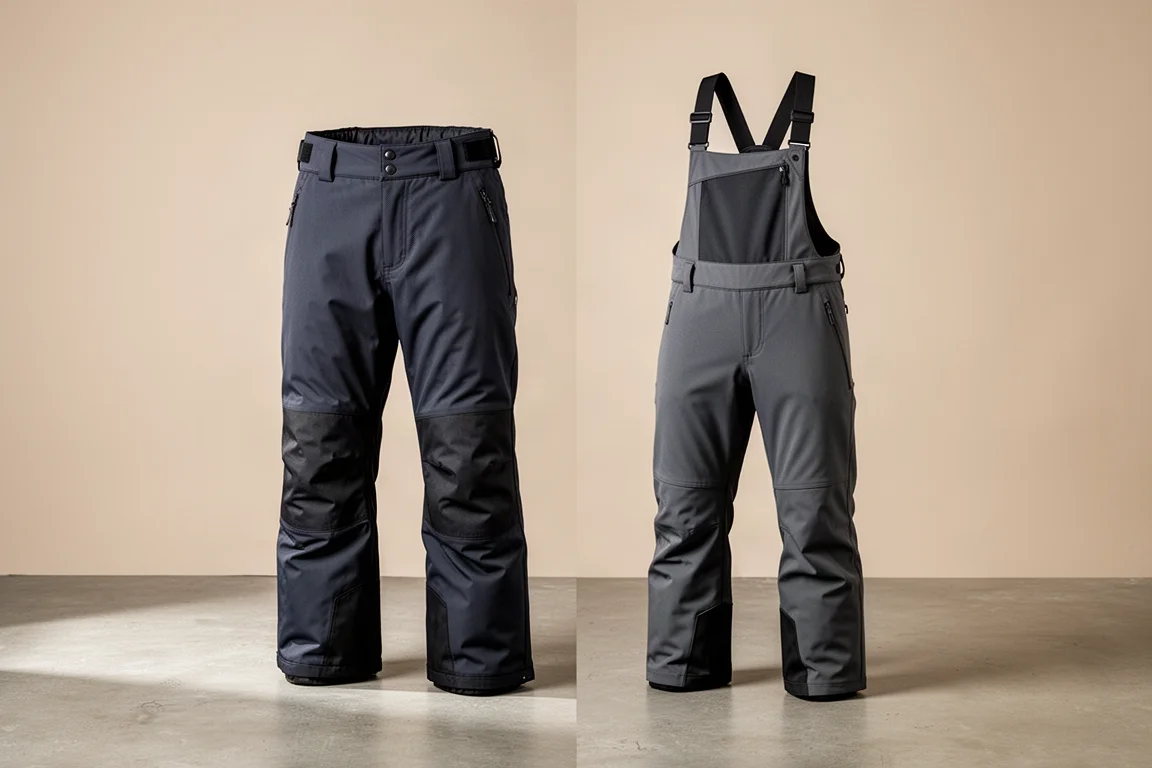
686 Smarty Pants vs 686 Dispatch Bib: Traditional Pants or Bib Pants?
A head-to-head look at two 686 snow pants, weighing warmth, comfort, durability, and breathability to help you pick the right style for your riding.
Snowboarding Gear
Bataleon Thunderbolt Review: A Powerful All-Mountain Freeride Snowboard
A deep-camber freeride snowboard with 3BT and SideKick shaping, tested in powder, chop, ice and soft groomers. Here is who it suits and what to weigh up.
Snowboarding Gear
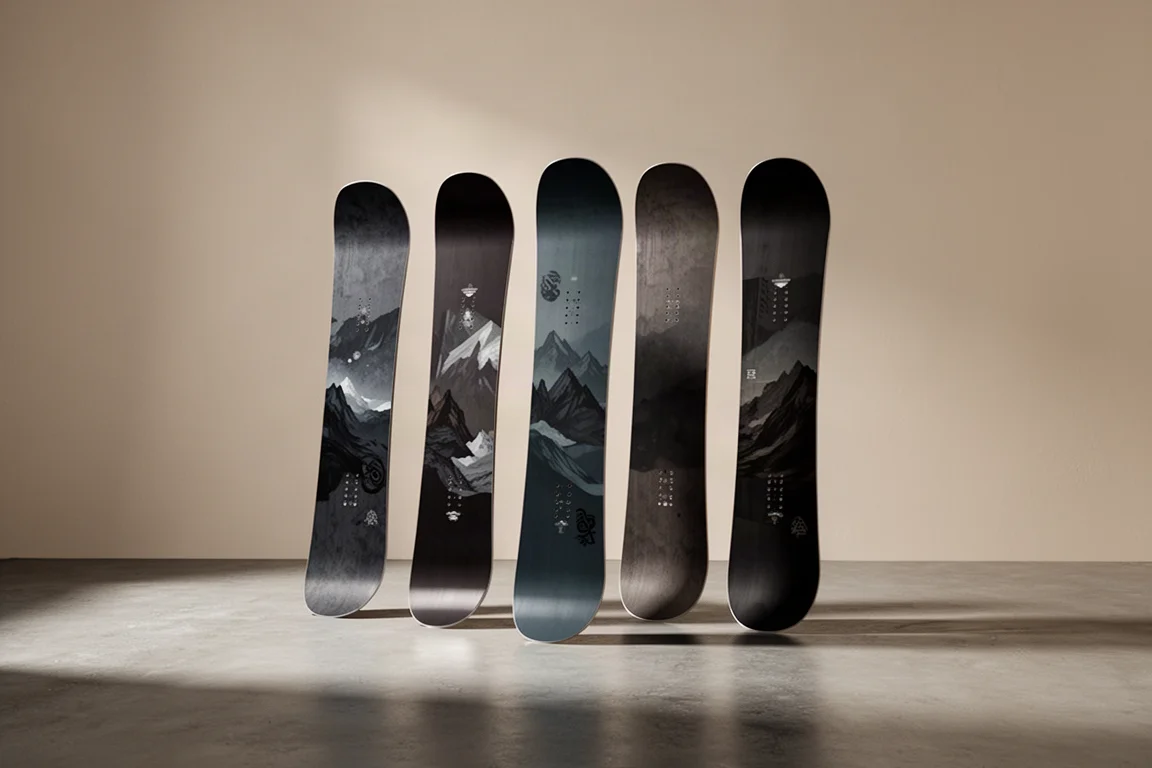
Best All-Around Park Snowboards: Five Balanced Freestyle Picks
Five park snowboards that balance jumps, rails, and everyday freestyle riding, plus three honorable mentions worth a closer look.