Snowboarding Gear
Best Women's All-Mountain Freeride Snowboards: Five Standout Picks
A practical look at five women's all-mountain freeride snowboards worth considering, plus three near-misses and the trade-offs behind each pick.
Introduction
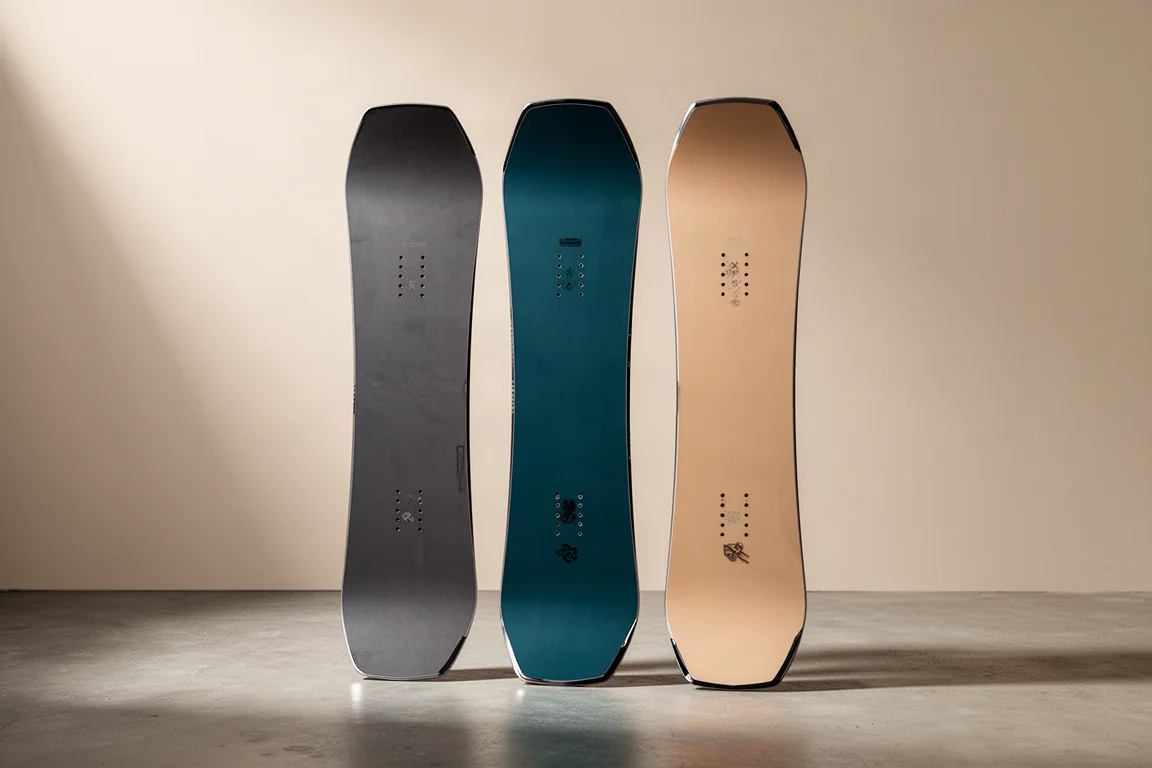
Women’s all-mountain freeride snowboarding covers a lot of ground. A good board in this category has to float when the snow is deep, hold an edge when the groomers have been scraped down to ice, and still feel lively enough that you want to pop off the natural features you find along the way. Those demands pull in different directions, which is why the boards that stand out tend to be the ones that balance them rather than chase a single trait.
This roundup covers five women’s all-mountain freeride boards that handle that balancing act particularly well, followed by three more that came close. Each section explains what the board is built to do, who it suits, and what you give up in exchange.
What Makes a Strong Women’s Freeride Board
Most of the boards here are directional or only slightly directional, and several are tapered. A tapered tail sits lower in fresh snow, which lets the nose stay up without you having to lean back and burn out your back leg. Directional shapes also tend to drive harder out of a turn, because the effective edge is longer toward the nose.
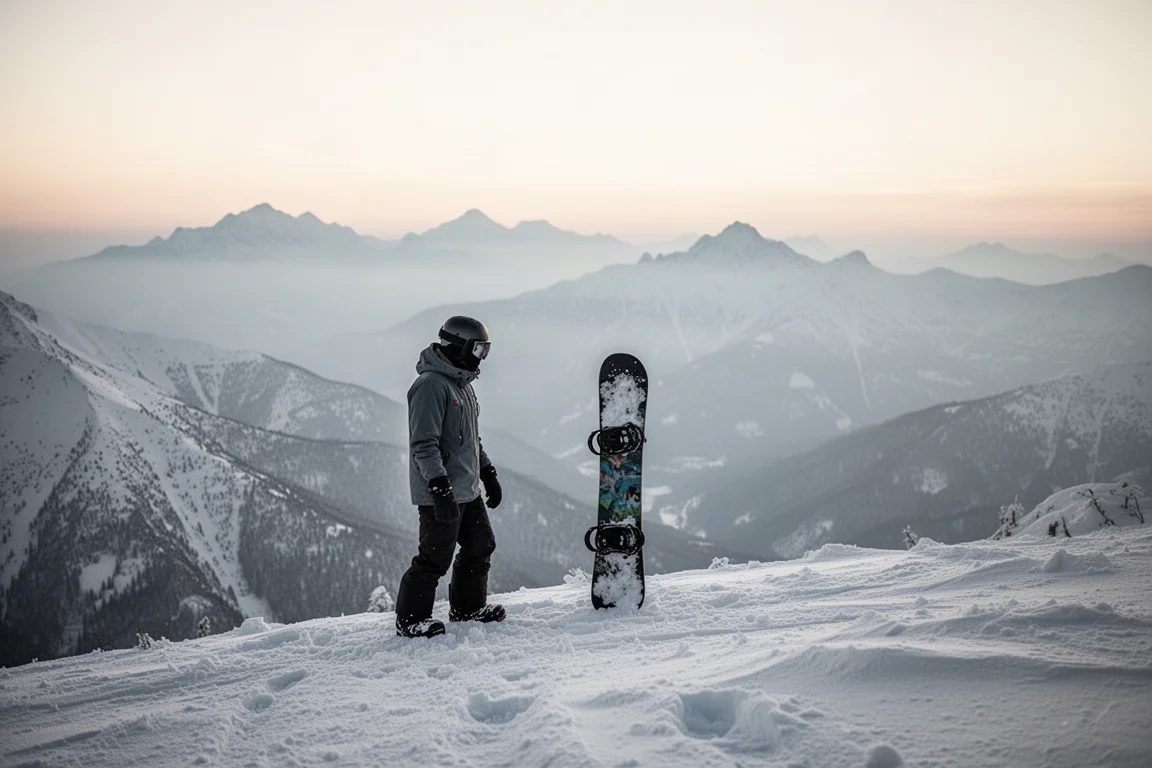
Profile matters just as much as shape. Camber underfoot is what gives a freeride board its pop and its grip through a carved turn, while rocker in the nose adds float in powder. Some boards add a flatter section toward the tip and tail, which keeps the contact points engaged for drive and pop instead of washing out.
Damping is the other variable worth understanding before you buy. A damp board absorbs chatter and stays composed when the snow underneath you is firm and inconsistent. A livelier board feels more playful but passes more of that chatter back through your legs. Neither is automatically better. It comes down to whether you would rather have calm or energy underfoot.
Rome Ravine: Playful, Directional, Powder-Friendly
The Rome Ravine is only slightly directional, and that is deliberate. It keeps enough playfulness that you are not locked into ripping hard turns and hauling at full speed all day. When the snow gets deep, you can sink the tail and let the nose come up, which is exactly what you want from a board in this class.
Camber underfoot gives it pop and drive, so it still feels responsive when you are carving on firmer snow rather than floating through powder. The result is a board that covers a lot of terrain types without asking you to commit to one style of riding.
Ride Magic Stick: Snappy and Responsive
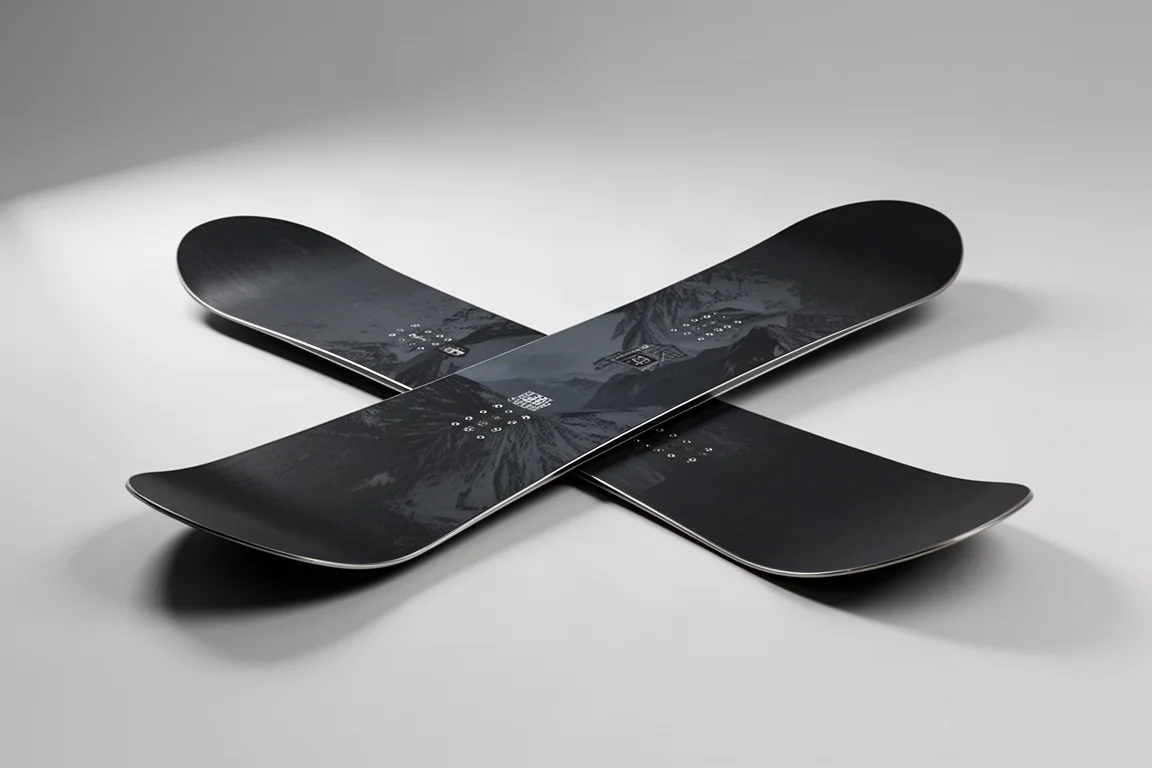
The Ride Magic Stick is a tapered hybrid directional board, and it reads as an all-mountain freeride shape from the first turn. Ride builds its boards with carbon arrays, and that construction is why this one feels so snappy and responsive underfoot. If you like a board that lets you pop hard and drive harder through a carve, this is the shape to look at.
That reactivity is the whole point of the Magic Stick. It rewards riders who want a lively, engaged feel and who are happy to stay on top of a board that reacts immediately to input, rather than a damp cruiser that smooths everything out.
View more details for Ride Magic Stick
GNU Barrett: Damp, Grippy, and Heritage-Informed
The GNU Barrett carries 25 years of women’s heritage into its shape. It uses a C3 camber profile, essentially a modern take on camber with a flatter section through the tip and tail. Those flat zones help with the drive and pop of the board without giving up the grip of the camber section underfoot.
Magne-Traction edge technology is the other headline feature. The serrated contact points let you set an edge even on scraped-off sheet ice, which matters on the days when you spend the morning in the trees and come out onto a groomer that has been polished smooth. Because it is a Mervin-manufactured board, it is also the most damp option on this list, absorbing chatter better than anything else here.
K2 Cold Shoulder: Versatile Camber Dominance
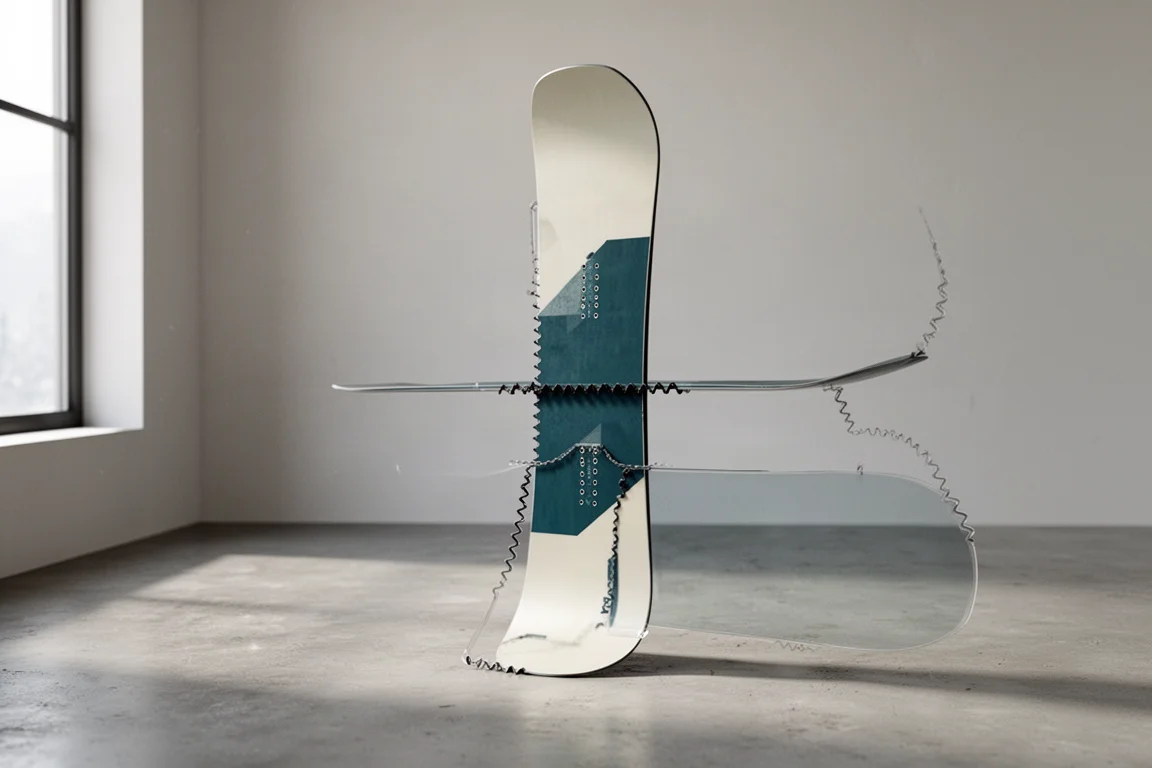
The K2 Cold Shoulder is camber-dominant underfoot with rocker in the tips, a combination that works across a wide range of conditions. The nose uses a longer rocker zone for better float in powder, while the tail uses a shorter rocker zone so it sinks a little more readily. That asymmetry is what makes the board feel planted in soft snow without giving up edge hold.
K2 boards are known for how they rail turns once you get them on edge, and that trait carries over here. It is a highly versatile all-mountain freeride board rather than a one-trick powder shape.
Burton Story Board: The Top Pick for Hard Charging
The Burton Story Board tops this list because of how completely it is tuned for hard charging. Burton puts more resources into its women’s line than any other brand, and the Story Board shows it: the shape, the camber profile and the flex pattern are all worked out to support laying trenches, slashing powder and popping off whatever is in front of you.
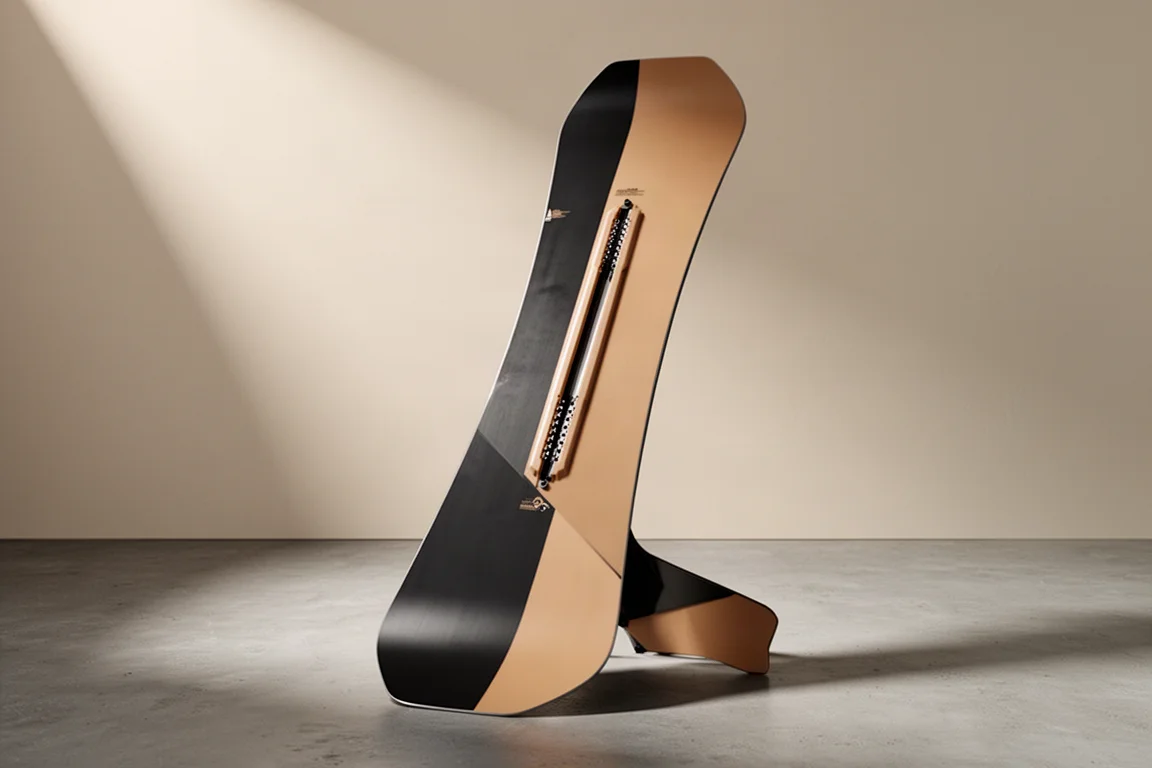
It uses a channel mounting system that gives virtually infinite stance options. That is genuinely useful if you like to fine-tune your setup, though it is a matter of personal preference rather than a universal win, and it will not appeal to every rider.
The Story Board is aimed at riders who want to charge. If you are looking for a board you will ride for years and tell stories about, this is the one the rest of the list is measured against.
Honorable Mentions
Three more women’s all-mountain freeride boards came close to making the cut.
Arbor Vida
The Arbor Vida is a women’s all-mountain freeride option that just missed the final five. It is worth a look if you are comparing a wider set of shapes before committing.
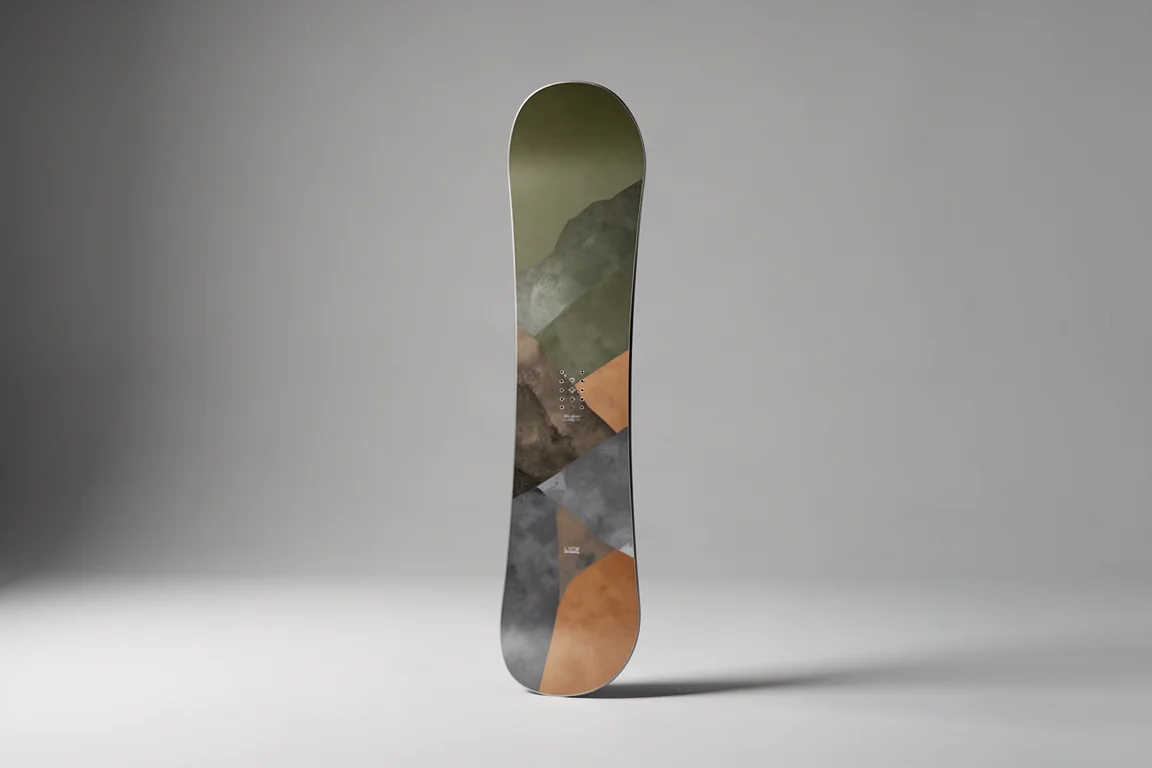
Salomon Rumblefish
The Salomon Rumblefish is another strong women’s option that narrowly missed this list.
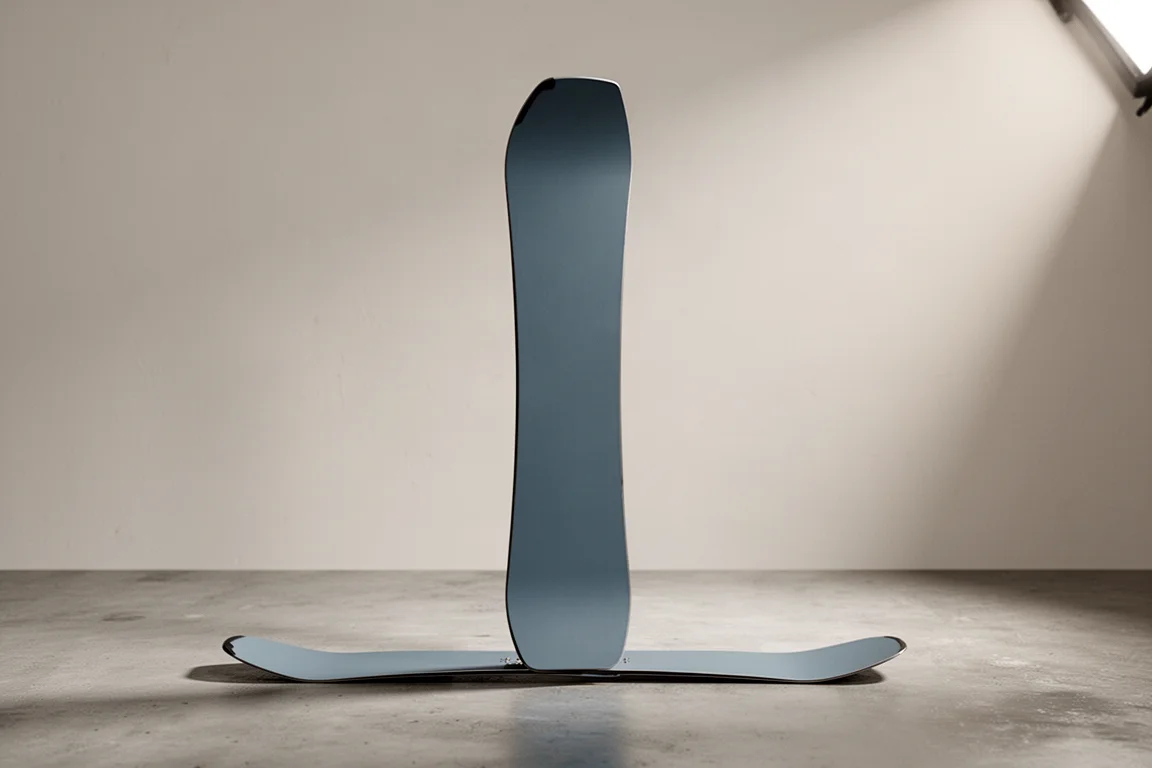
Jones Stratus
The Jones Stratus rounds out the near-misses. Like the other two, it is a capable women’s board that simply did not edge out the picks above.
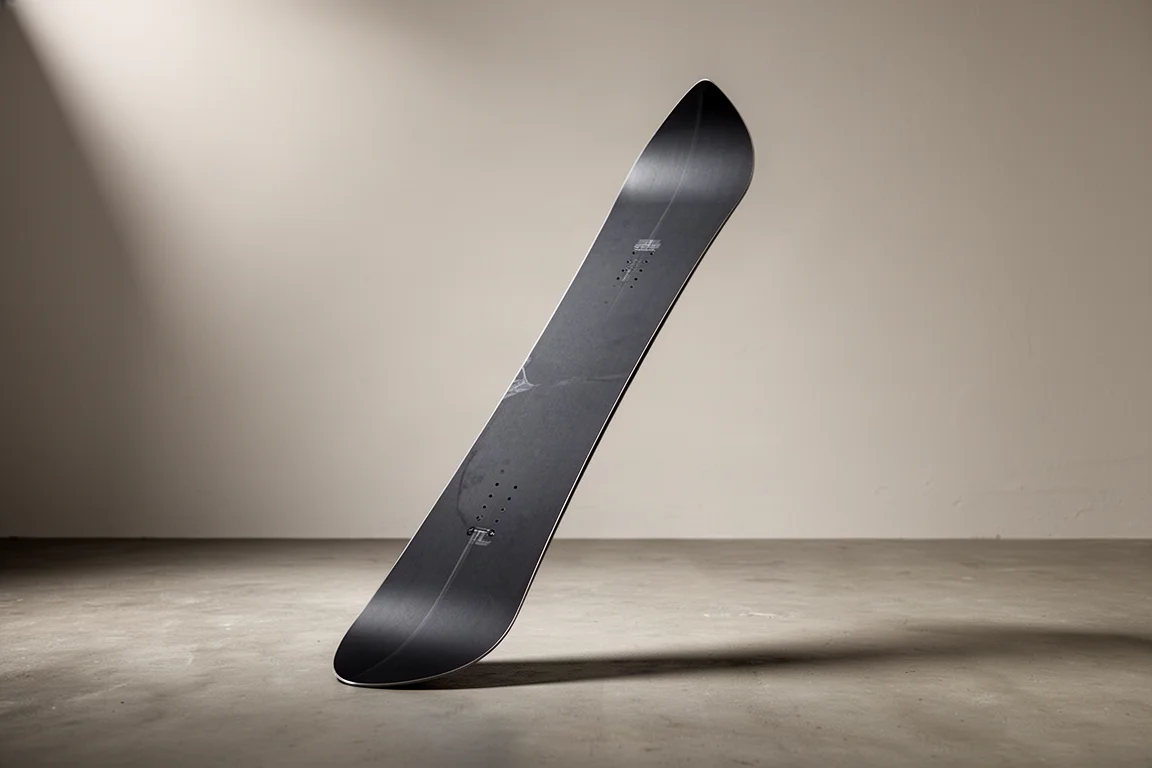
Buying Advice for Women’s Freeride Snowboards
Start with where you actually ride. If your season involves a lot of powder and soft snow, prioritise a directional shape with rocker in the nose and enough taper to keep the nose up. If your mountain spends most of the winter firm and scraped off, edge technology and a camber-forward profile matter more than float.
Then decide how much damping you want. The most damp board here, the GNU Barrett, will feel calm and composed when conditions are rough, while a livelier shape like the Ride Magic Stick gives more back in pop and drive. Riders who spend long days on mixed terrain usually end up preferring one feel over the other, and it is worth being honest with yourself about which one that is.
Finally, think about how adjustable you want your setup to be. Channel mounting on the Burton Story Board offers near-limitless stance options, while a traditional insert pattern is simpler and more familiar. Neither changes how the board rides, but it does change how much fine-tuning you can do.
Conclusion
The best women’s all-mountain freeride board is the one that matches the terrain you ride most and the feel you enjoy. The Rome Ravine is the playful, versatile choice. The Ride Magic Stick is the snappy, carve-hungry one. The GNU Barrett is the damp, grippy option for hard and icy days. The K2 Cold Shoulder balances powder float with confident edge hold, and the Burton Story Board is the hard-charging pick at the top of the list. If none of those fits, the Arbor Vida, Salomon Rumblefish and Jones Stratus are all worth a closer look.
Further reading
Related Reviews
Snowboarding Gear
686 Smarty Pants vs 686 Dispatch Bib: Traditional Pants or Bib Pants?
A head-to-head look at two 686 snow pants, weighing warmth, comfort, durability, and breathability to help you pick the right style for your riding.
Snowboarding Gear
Bataleon Thunderbolt Review: A Powerful All-Mountain Freeride Snowboard
A deep-camber freeride snowboard with 3BT and SideKick shaping, tested in powder, chop, ice and soft groomers. Here is who it suits and what to weigh up.
Snowboarding Gear
Best All-Around Park Snowboards: Five Balanced Freestyle Picks
Five park snowboards that balance jumps, rails, and everyday freestyle riding, plus three honorable mentions worth a closer look.