Running Shoes
Best Winter Running Shoes: What Actually Matters When the Temperature Drops
Seven shoes for cold-weather running, compared on upper warmth, outsole grip, and how the midsole feels when the snow arrives.
Introduction
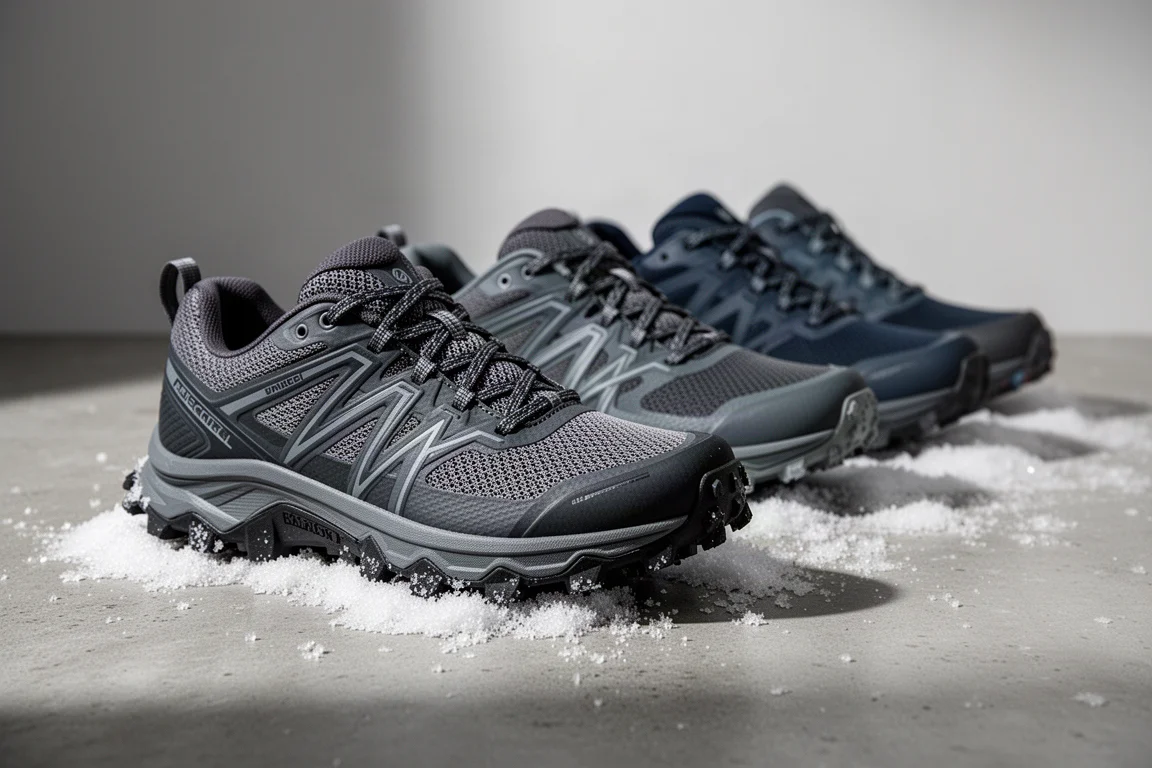
Winter running does not always require a dedicated winter shoe, but it does require thinking about three things: how warm the upper keeps your feet, how much rubber the outsole puts on the ground, and how firm the midsole feels once the temperature drops. Some runners get through winter with a regular trainer that happens to have a thicker upper and a textured outsole, while others find that a purpose-built cold-weather model earns its place. This guide looks at seven shoes that came up in that conversation, with the strengths and trade-offs of each.
Uppers: Warmth and Wind Protection
The single biggest comfort factor in cold weather is the upper. If it is very thin, your feet will freeze, no matter how good the rest of the shoe is. Anything with more than one layer of material, even an open mesh design, tends to keep feet surprisingly warm. Water resistance also helps, not because it keeps water out entirely, but because a denser upper is almost impervious to wind.
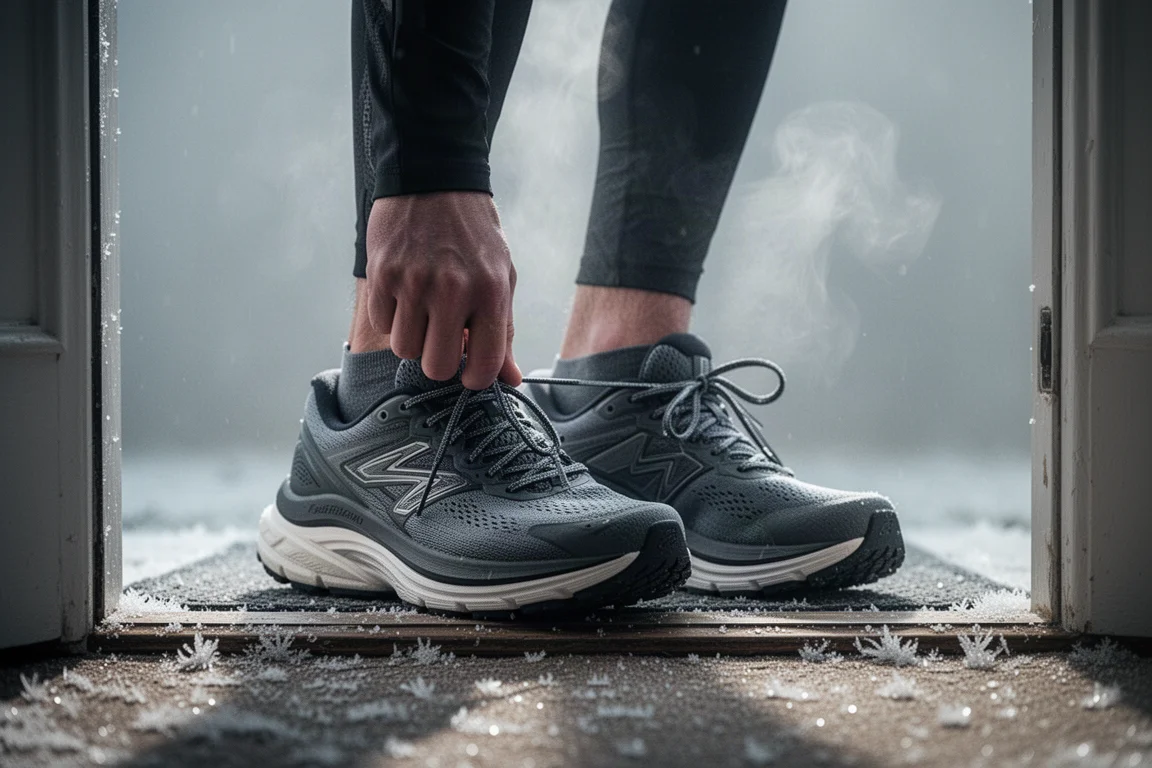
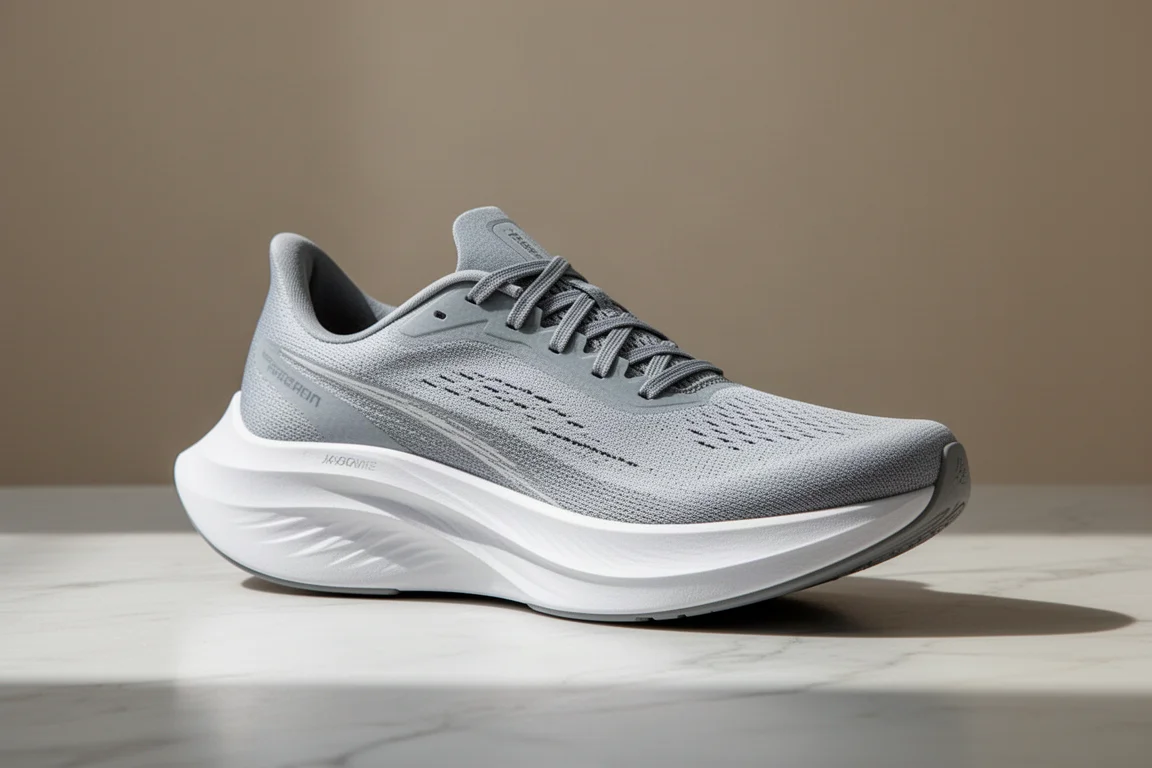
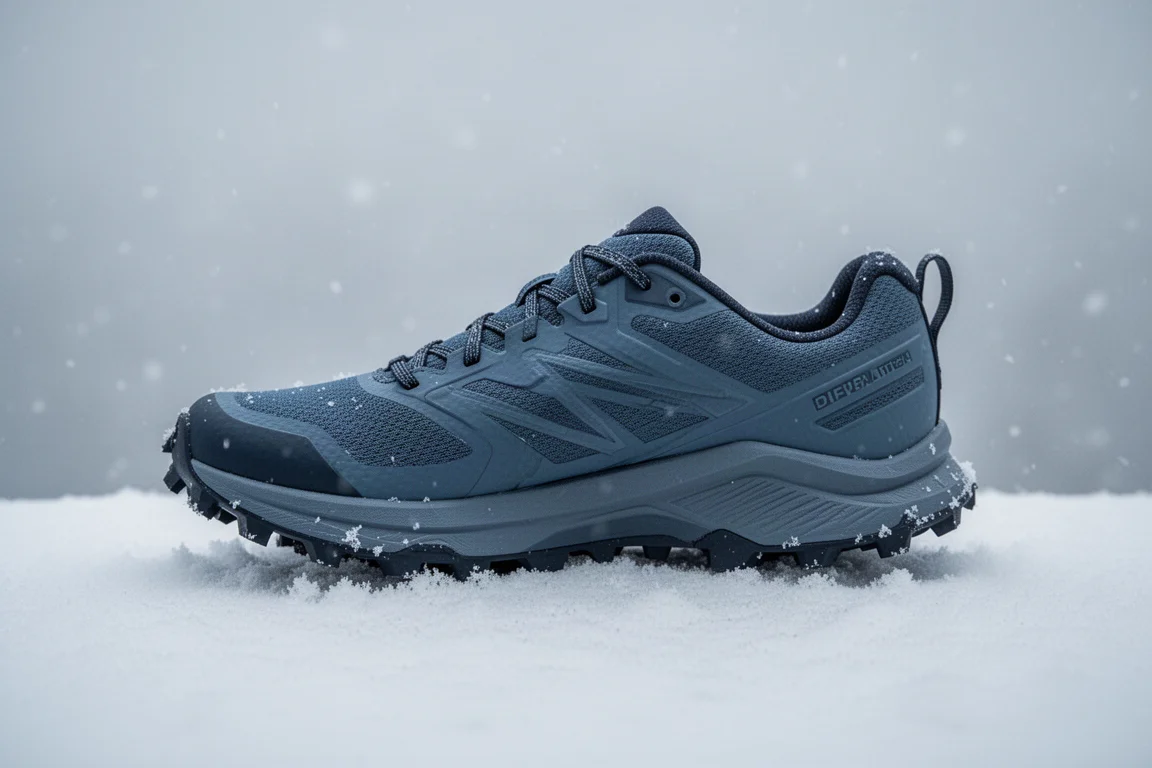
The Saucony Speed 3 RunShield is the standout here. Worn on a 30-minute tempo run in around 18 degrees with unavoidable wind, the thick RunShield upper kept feet warm the entire time, and the water-resistant treatment blocks wind effectively. The outsole also carries generous rubber coverage, which has proven excellent on wet roads and sand-treated pavement. Notably, a runner using the same shoe in California in the 70s has had no overheating issues, and the fit is an improvement over the original Speed 3, so this is a shoe you can potentially wear year-round rather than a winter-only purchase.
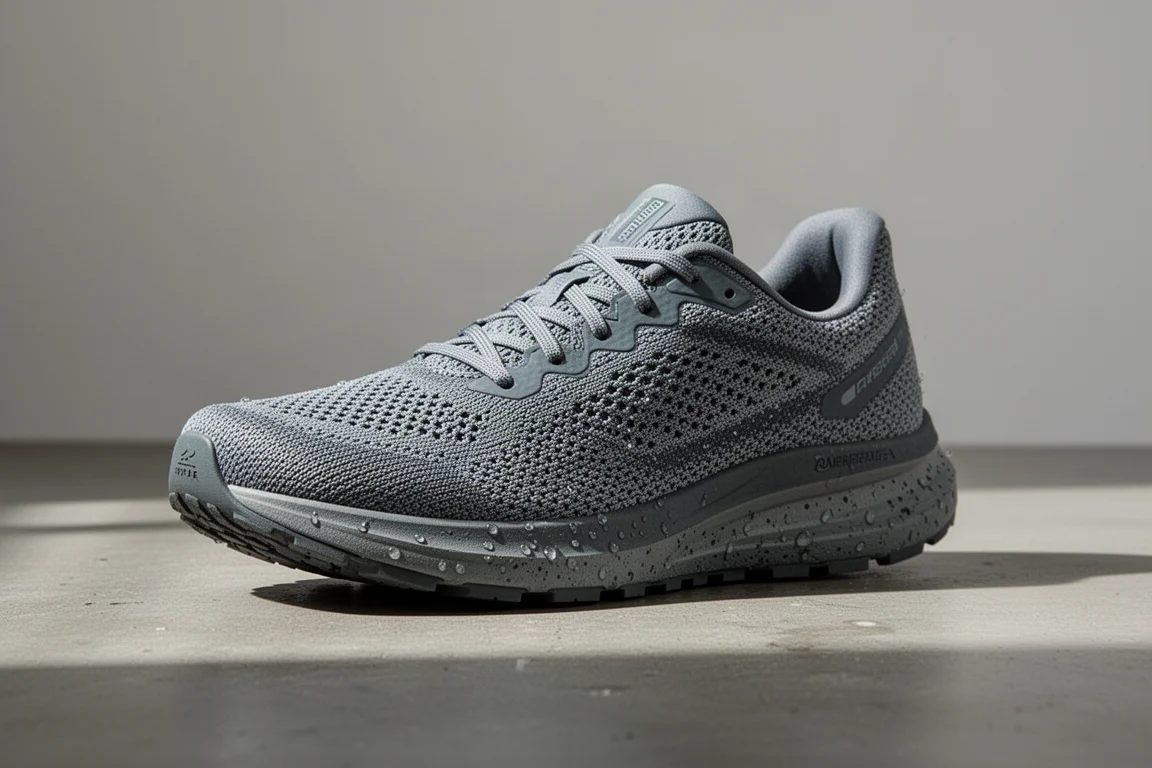
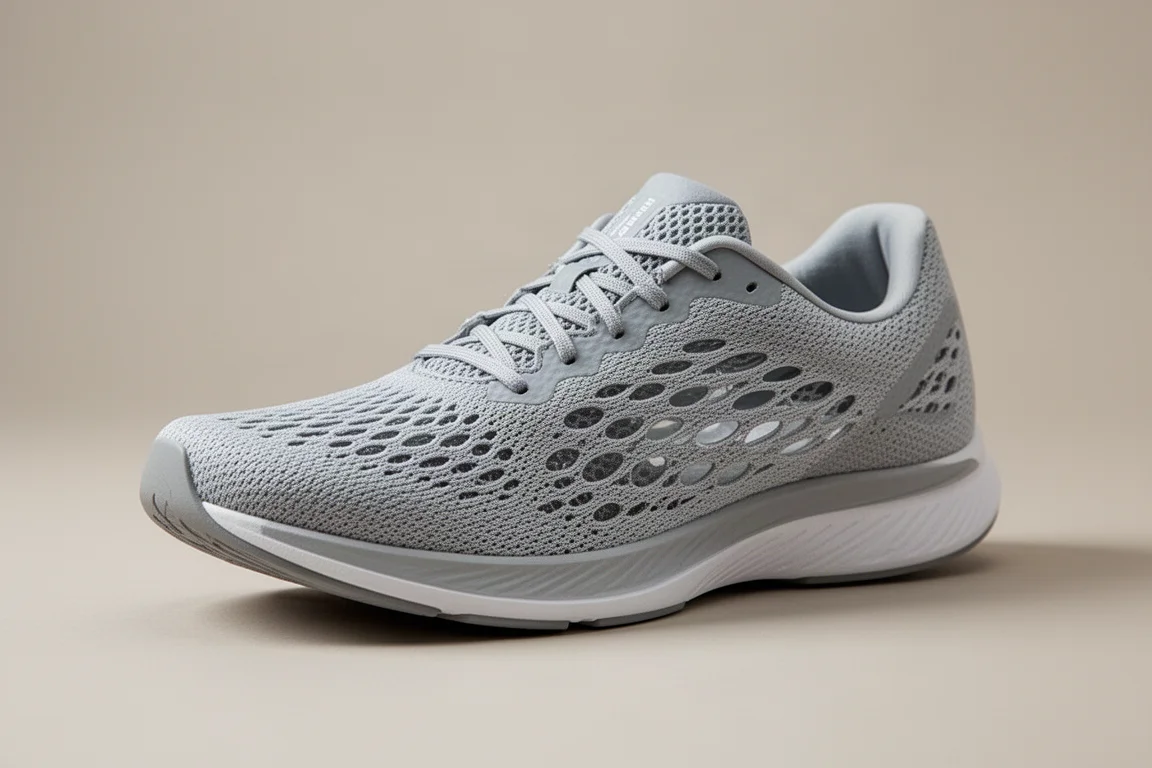
At the opposite end of the spectrum are shoes with very open uppers. The Saucony Endorphin Pro 3 is so breathable that feet get cold in the teens and below. The New Balance Pacer is similar: the mesh is open enough that you definitely feel the wind. The Brooks Hyperion Max goes further still, with a single layer of thin mesh and holes that are completely see-through, so expect cold feet in winter conditions. None of these are bad shoes; they are simply fair-weather options.
Outsoles and Traction
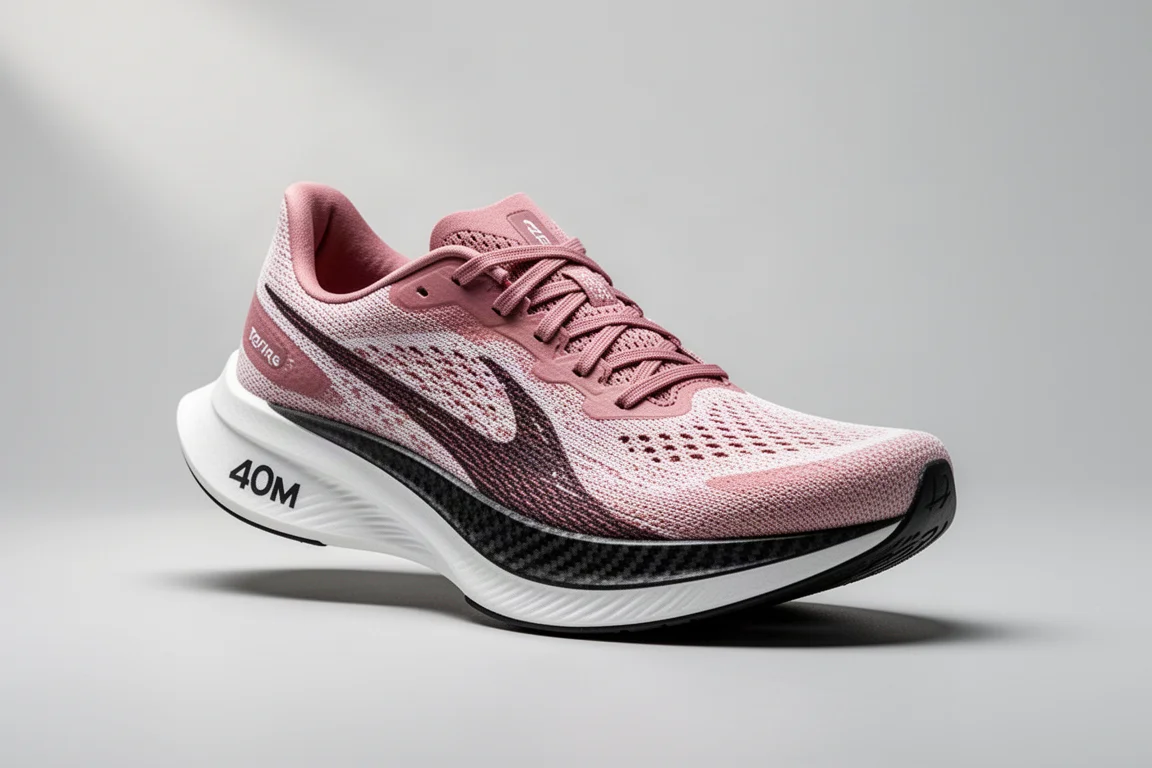
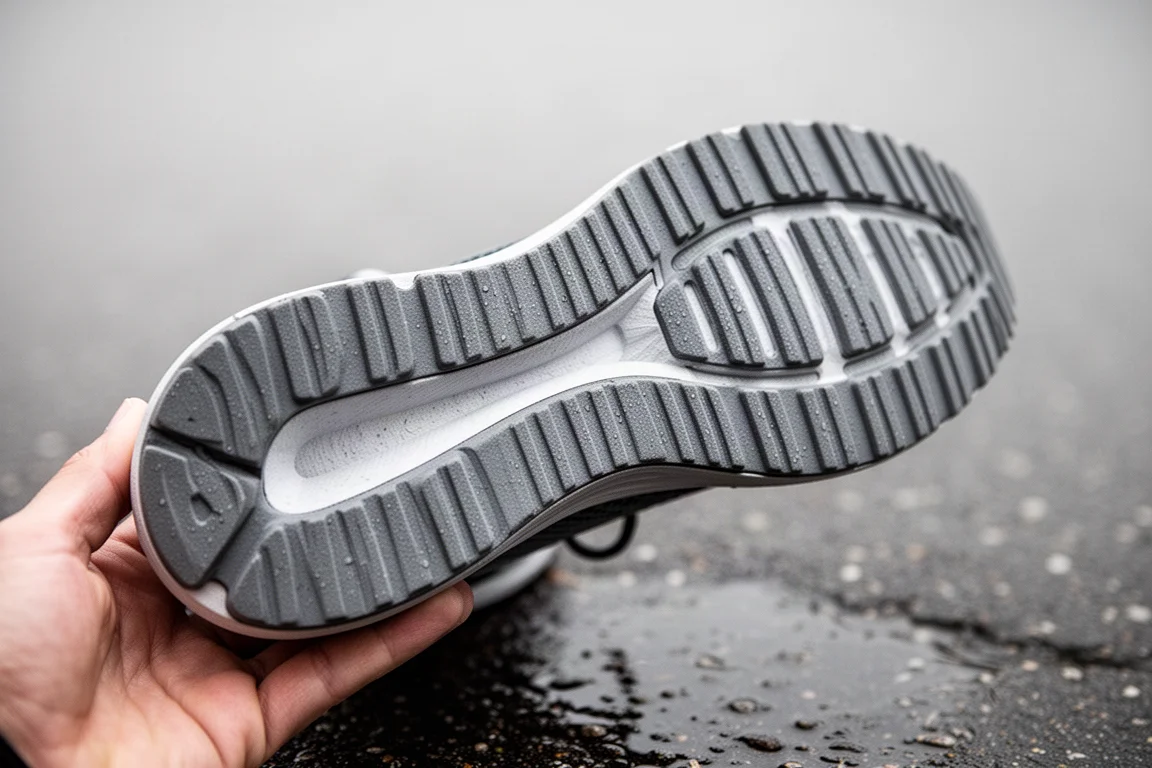
Upper composition matters for warmth, but outsole composition makes the biggest difference in traction. The key detail to look for is ribbing in the rubber: the more ribs, the better. A flat, flush outsole gives the rubber nowhere to latch onto. Some shoes in popular daily trainer lines have outsoles that are notoriously brutal in this respect, with little texture to bite into sand, slush, or wet pavement.
You do not necessarily need a specialty winter shoe, though. A regular trainer with a premium, thicker upper combined with heavily ribbed outsole rubber can carry you through most winter conditions without buying anything special.
Trail Shoes for Snow
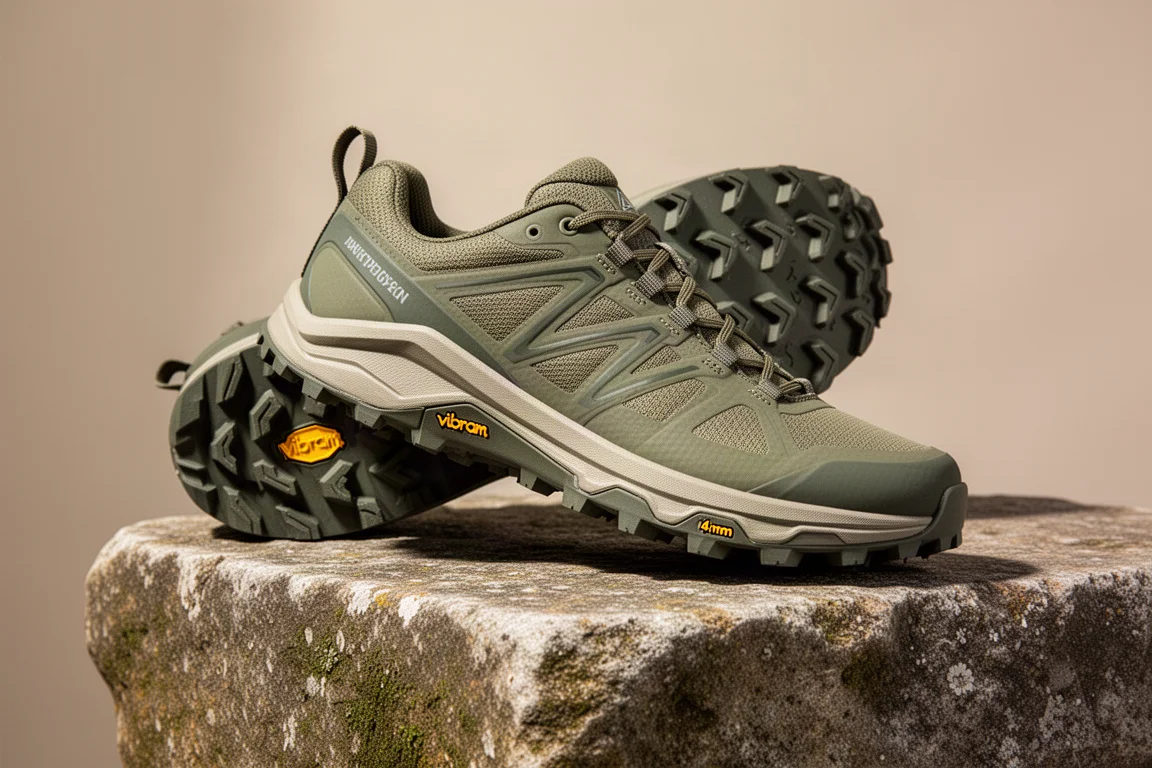
When snow starts accumulating, trail shoes come out. Moderate lugs work better than very deep ones for most winter use; four millimeters is plenty, and going up to six is the usual ceiling.
The Hoka Tecton X fits that brief well with its four-millimeter lugs. It is not a dedicated winter shoe, but it has earned a place in the rotation for snowy days because the lug depth is sensible rather than excessive.
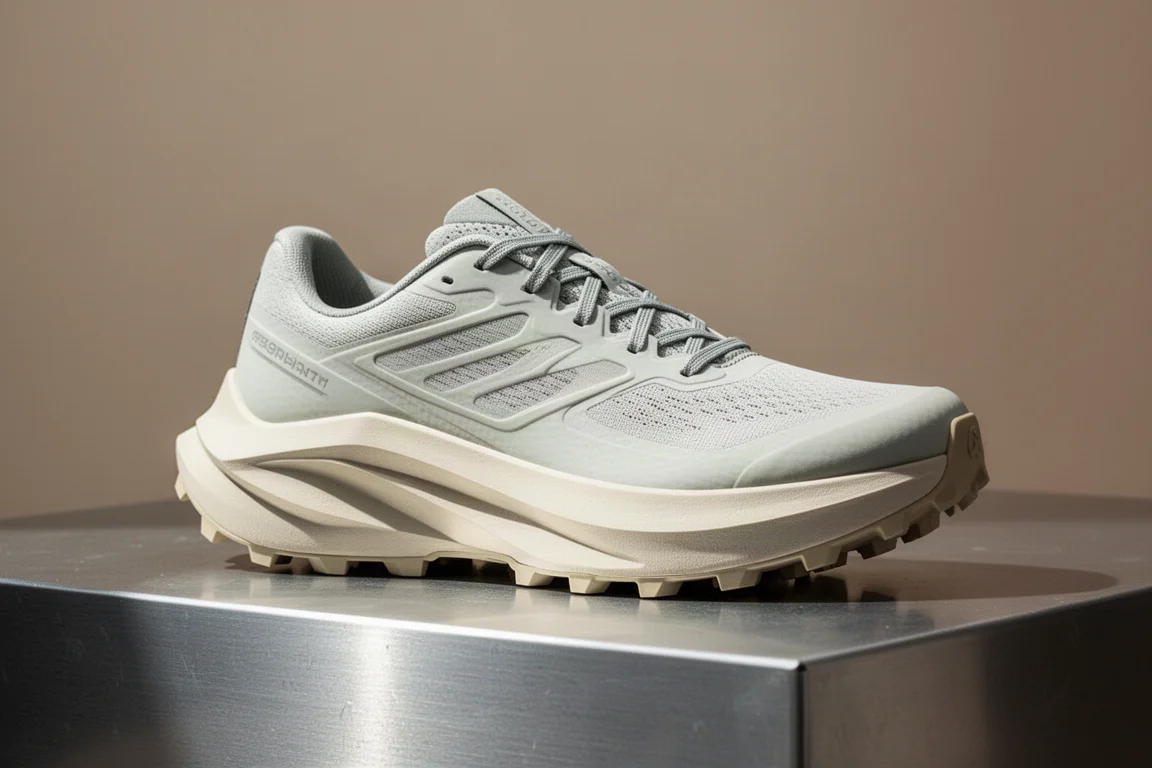
For genuinely severe conditions, the La Sportiva Cyclone GTX is about as complete a winter running shoe as you can find. It has a built-in gaiter with a semi-permeable membrane on the top, a Gore-Tex upper, and very sharp-edged lugs that grip firmly packed snow, slush, and icy patches particularly well. The waterproof upper means no heat escapes, so feet stay warm even in deep cold, and the gaiter keeps snow from falling into the top of the shoe, which solves the soggy-sock problem that comes with slushy thaw days. The honest caveat: it costs over 200 dollars, and it is hard to justify that unless you will genuinely use it for serious winter mileage. It also has a very firm midsole with rigid plastic pieces inserted, which is exactly what you want on top of snow.
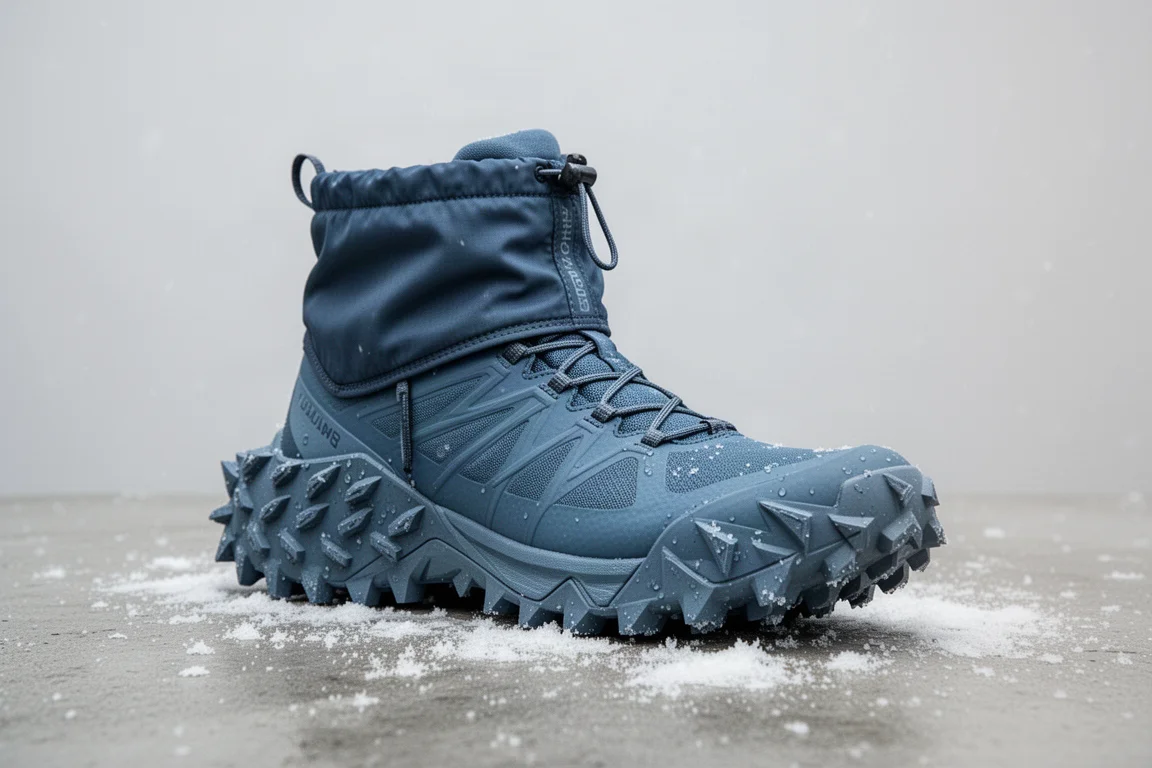
For a more accessible option, the Saucony Peregrine has proven itself repeatedly on snow. In four or five inches of fresh snow on trail runs, it delivered such confident grip that runners were able to move at pace where hikers were struggling. The regular version uses roughly six-millimeter lugs. There is also an Ice+ variant, which flattens some of the forefoot and midfoot lugs into wider pads with a fine sandpaper-like surface and a material designed to melt and grip ice as you run across it. The Ice+ upper uses the same RunShield-style construction, so it is warm and comfortable, though the ice-specific outsole material has not yet been fully tested in real icy conditions.
Midsole Firmness in Cold
Midsole feel changes in winter. On snowy surfaces, firmer is better: snow is already an unstable, cushioned layer, so stacking a soft shoe on top of soft snow removes your ground feel. A firmer midsole lets you sense what is happening under your foot. That is why a soft-shoe design like the Speed 3 is less appealing on deep snow even though it excels on cold pavement.
Foam also firms up when it sits in the cold too long, so the same shoe can feel noticeably different between summer and winter. That is not a flaw; it just means the shoe you love in July may feel even better in January, or the reverse. Trial and error is the only real answer.
Conclusion
Winter running shoes come down to fit and conditions. If cold pavement and wind are your enemies, a thick, water-resistant upper with solid outsole rubber, like the Saucony Speed 3 RunShield, covers most days. If slush, deep snow, and ice are in the forecast, a sharp-lugged trail shoe or a fully protected option like the La Sportiva Cyclone GTX earns its keep. And if you only get occasional snow, a regular trainer with a layered upper and a ribbed outsole may be all you need. Match the shoe to the weather you actually run in, and winter becomes a lot more manageable.
Further reading
Related Reviews

Running Shoes
Best Road-to-Trail Running Shoes: Three Versatile Options for Mixed Terrain
A practical guide to three road-to-trail running shoes that handle both pavement and mild trails, with clear strengths and trade-offs for different runner types.

Running Shoes
Best Running Shoes for Achilles Tendonitis: Three Options Explained
Three running shoes with different heel drops and support features designed to help reduce Achilles tendon pain during walking and running.

Running Shoes
Best Running Shoes for Women: Five Top Choices Ranked
A ranked guide to five women's running shoes, from versatile daily trainers to high-performance racing options, with real strengths and trade-offs for each.