Home Appliances
Best Window and Portable Air Conditioners Tested: 8 Units Compared for Noise, Cooling and Efficiency
Eight budget-to-premium air conditioners tested for noise level, coldest air output, energy use, sealing and build quality, with clear winners for every budget.
Introduction
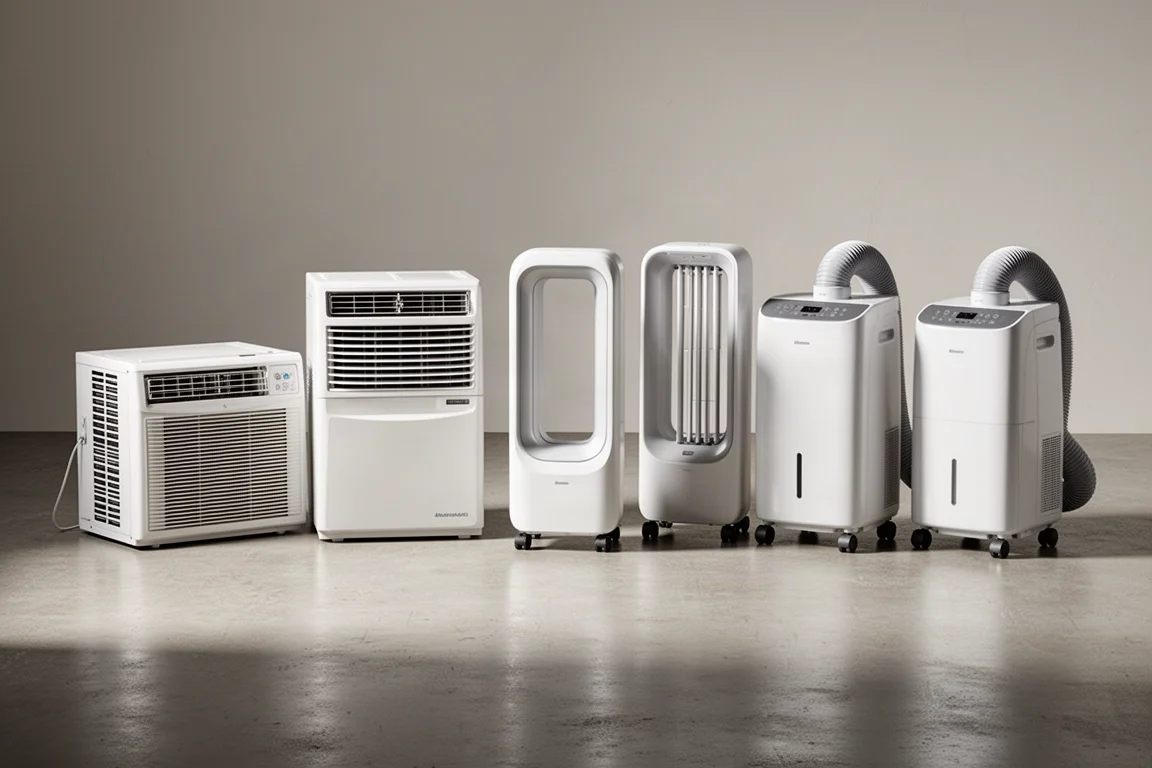
With summer heat pushing indoor temperatures to uncomfortable levels, we set out to find out which budget and mid-range air conditioners actually deliver. Eight units went head to head: five traditional window units, two U-shaped window units, and two portable machines on wheels. Every unit arrived by mail without shipping damage, and each one was installed, measured and scored under the same conditions.
How We Compared the Units
Each air conditioner went through the same battery of tests: measured energy draw in fan and cooling modes, air speed at the vent, indoor noise level at roughly 4 feet, outdoor noise behind the window, and the coldest air temperature at the cooling vent using a calibrated thermometer. We also assessed the seal quality around each installation using a simple airflow check, along with build quality, insulation and fitment.
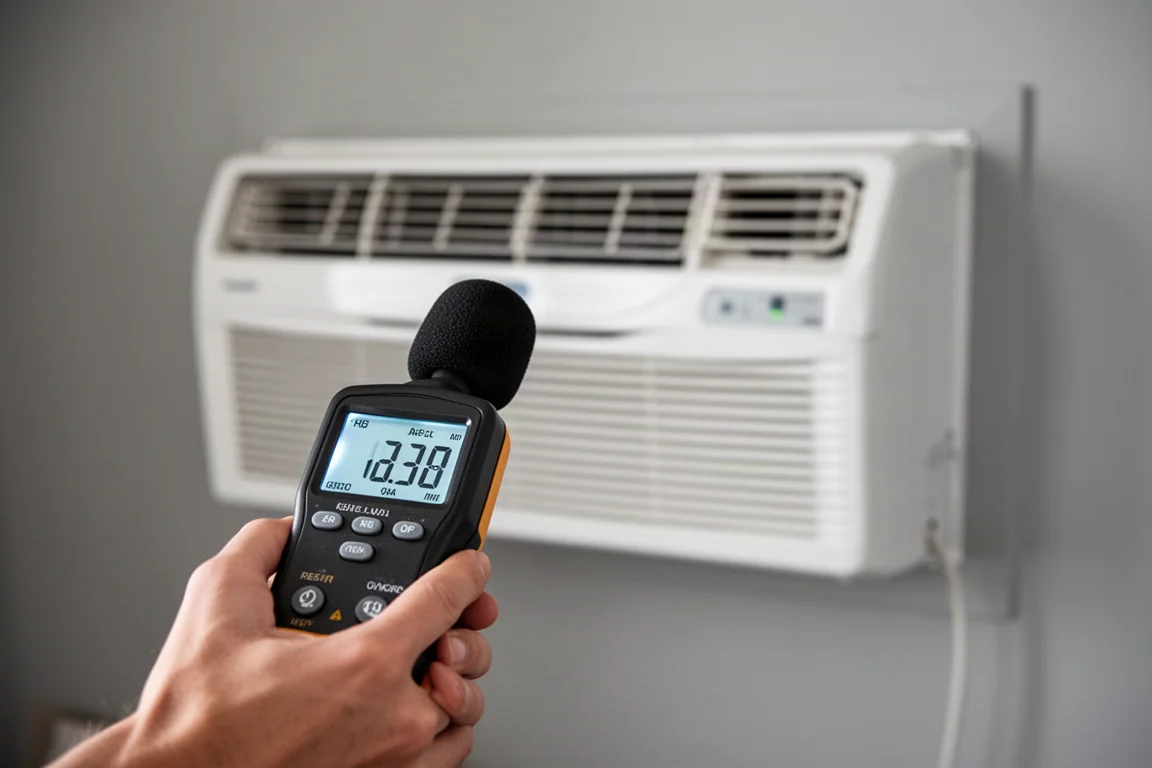
One thing worth knowing before reading the numbers: decibels are logarithmic. Every 3 dB increase roughly doubles the physical sound energy, so the difference between 58.4 dB and 51.7 dB is not a small one. It is a major reason why two similarly priced window units can feel completely different in a bedroom.
Amazon Basics 5,000 BTU Window Air Conditioner
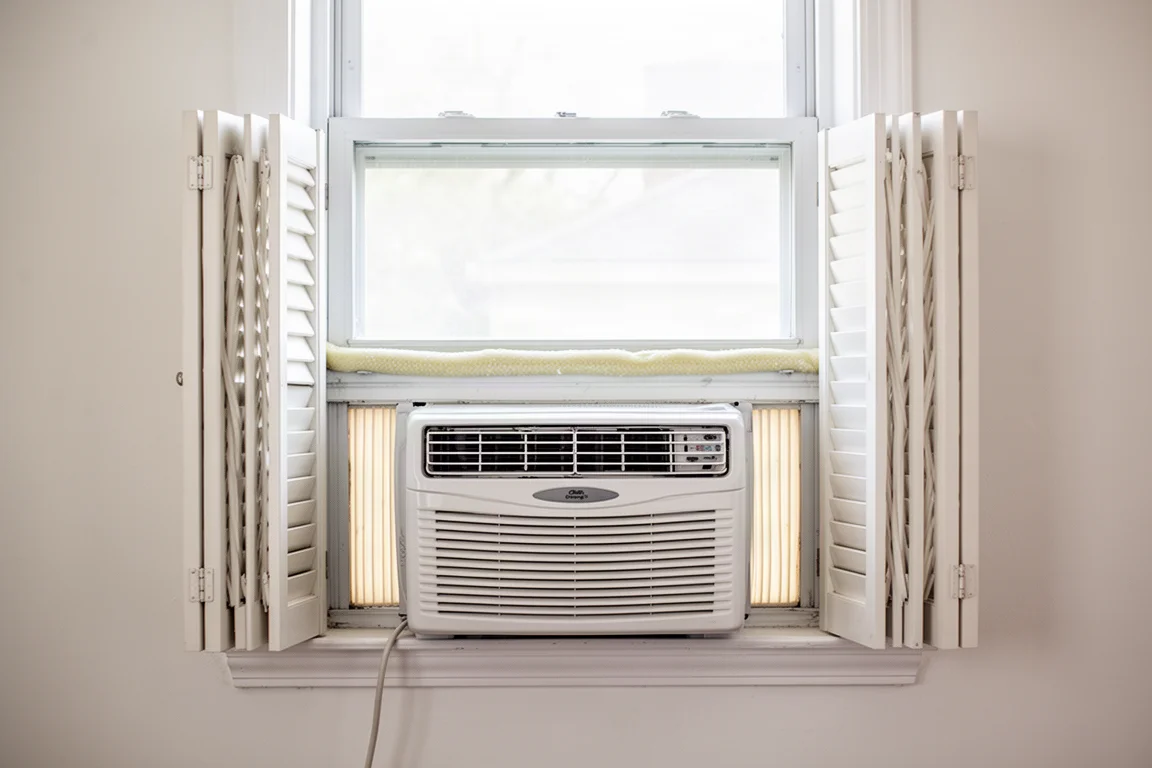
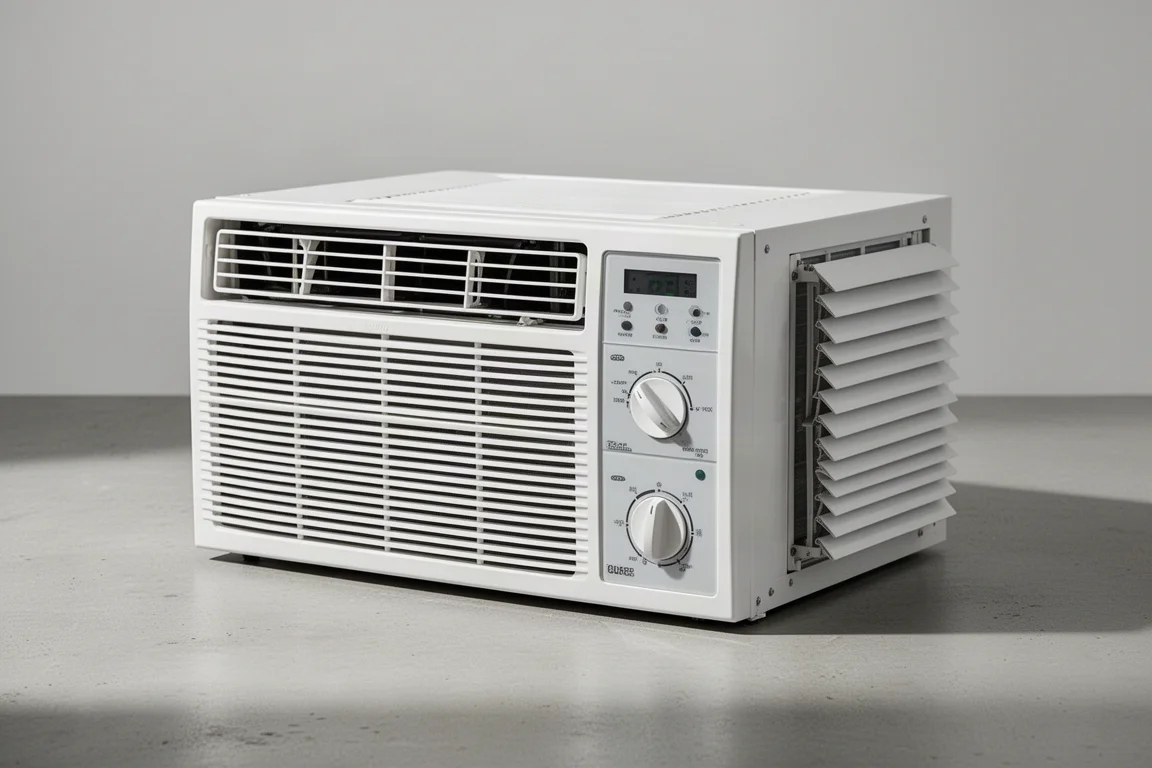
At $125, the Amazon Basics 5,000 BTU window unit is the cheapest machine in the group. It offers seven temperature settings, two cooling modes and two fan speeds, and it can aim air left or right but not up or down. It fits windows 23 to 36 inches wide with at least 13 inches of height, cools up to 150 sq ft, and the estimated energy cost is $44 per year. No remote control is included.
In testing, it drew about 315 watts in cooling mode and pushed air at up to 8.1 mph on high fan. It weighs roughly 33 lbs and assembled in about 5 minutes. Noise was its weak point: 58.4 dB on low cool and 59.8 dB on high cool, with 63.6 dB measured outside. The accordion shutters also let a surprising amount of air leak past, and the vent air bottomed out at 50.8°F, the warmest of the group.

LG 5,000 BTU Window Air Conditioner
The LG 5,000 BTU unit costs $169 and immediately felt like a step up. It includes a remote control, fits windows 21 to 35 inches wide, and uses a washable dust filter. Energy draw came in at around 304 watts on low cool and 315 watts on high cool, with notably strong air speeds of 10.8 mph on low and 14 mph on high.
The big story is noise. The LG measured 51.7 dB on low cool and 56.1 dB on high cool, over 3.7 dB quieter than the Amazon Basics on high, which is a substantial real-world difference. Its shutters also sealed with a much smaller gap, and its vent air reached 49.2°F, the coldest window-unit reading at that point in testing. At around 32 lbs, it is slightly lighter too.

Garvey 5,000 BTU Window Air Conditioner
Priced at $158, the Garvey is another 5,000 BTU window unit rated for rooms up to 150 sq ft, with seven temperature settings, two cooling levels, two fan speeds, two-way air direction and an estimated $44 per year in energy. It fits windows 23 to 34 inches wide with a minimum height of 14.5 inches, and no remote is included.
Performance was middling. Energy draw sat around 317 to 319 watts in cooling, air speeds were decent at up to 12.3 mph, and the vent air was genuinely cold at 47.8°F. But noise hurt it: 55.9 dB on low cool, 59.4 dB on high cool, and the loudest outside reading of the group at 65.6 dB. The foam window gasket quality lagged behind the others, and the shutters left noticeable air gaps.
Portable Picks: Black & Decker 8,000 BTU and Dreo 8,000 BTU
Portable air conditioners trade some efficiency for flexibility: they roll on wheels, need only a window adapter and exhaust hose, and move between rooms easily. The Black & Decker costs $260 and is rated 8,000 BTU (5,000 BTU SACC, which reflects realistic cooling after accounting for the heat its own machine and exhaust hose generate). It claims cooling down to 61°F, up to 350 sq ft of coverage, 50 pints of moisture removal per day, an estimated $80 per year in energy, and a very handy remote.
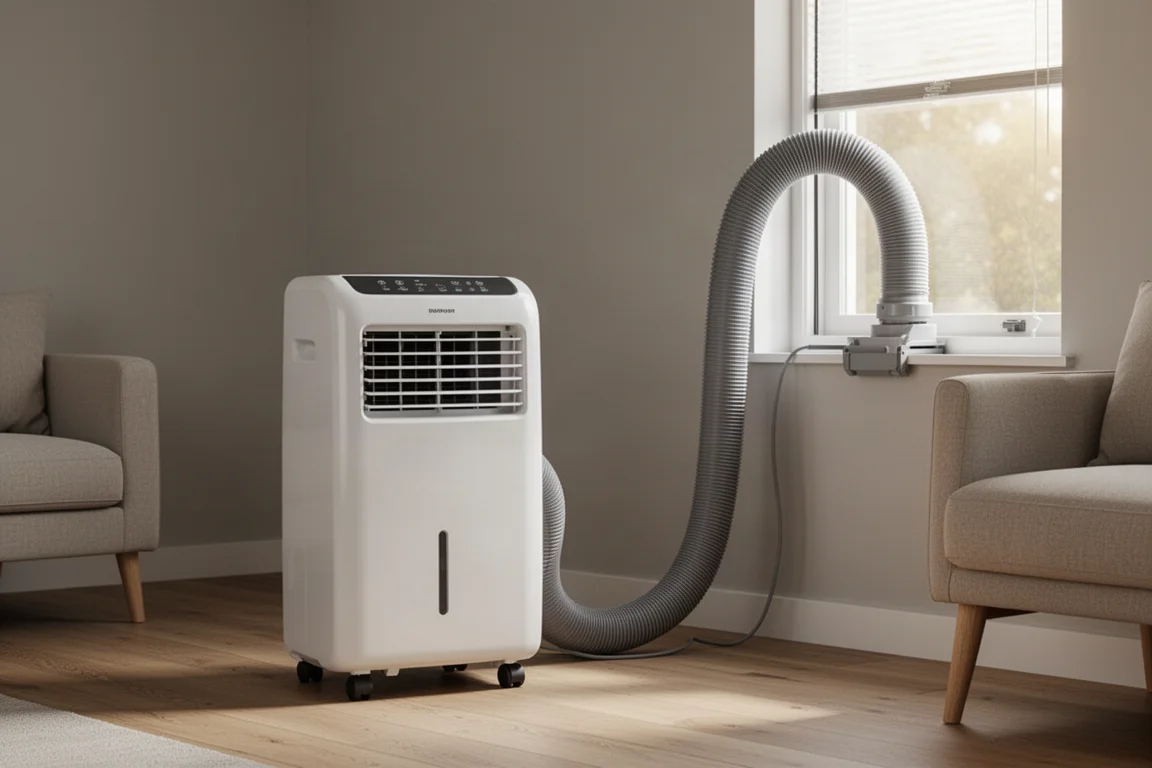
In testing, the Black & Decker was the quietest unit of the entire comparison on low cool at 49.2 dB, and also produced the coldest air at 47.2°F. The trade-off is energy thirst: roughly 719 to 732 watts in cooling mode. Installation also proved fiddly because the slider kit did not offer enough clearance around the window casing, though the gasket itself sealed well.

The Dreo portable costs $389 and shares the 8,000 BTU (5,000 BTU SACC) rating. It keeps temperatures between 61 and 86°F, claims self-evaporating operation, includes a drain hose for humidity above 90%, and has a hardware kit that felt a cut above the cheaper units. It drew just over 700 to 720 watts cooling and moved air at up to 16.4 mph.
Noise came in at 50.9 dB on low cool and 55.2 dB on high cool, with the quietest exhaust-side reading at 53.9 dB. Vent air measured 53.8°F, not as cold as the Black & Decker, and the slider kit fit suffered from the same casing clearance issue. Its saving grace: portables are quick to uninstall and relocate, which no window unit can match.

Smart and U-Shaped Picks: Windmill, Midea and GE Profile
The Windmill 6,000 BTU smart window unit costs $340 and stands out for installation. Its shutters come pre-attached, its insulation kit is the best of the group (it even includes scissors to trim it), and foam panels add extra insulation around the shutters. It is Wi-Fi compatible, includes a remote, cools up to 250 sq ft, blows air up and out at a 45-degree angle, and has an estimated $67 per year energy cost.
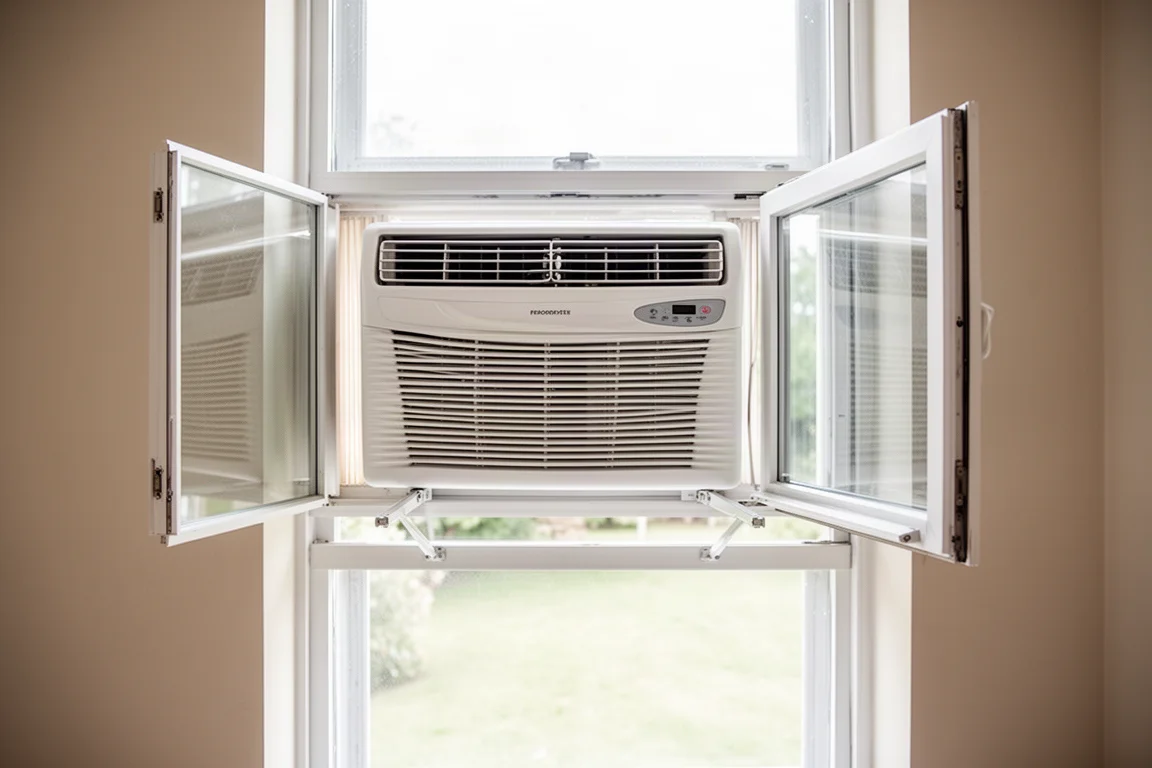
Testing showed 385 to 400 watts in cooling, 9.6 to 12.7 mph air speeds, and a 49 lb frame. Noise was its weak spot: 52.4 dB on low cool and 58.9 dB on high, one of the loudest inside readings. On the plus side, vent air hit 48.4°F and its insulation ran about 5 degrees cooler than the other brands.
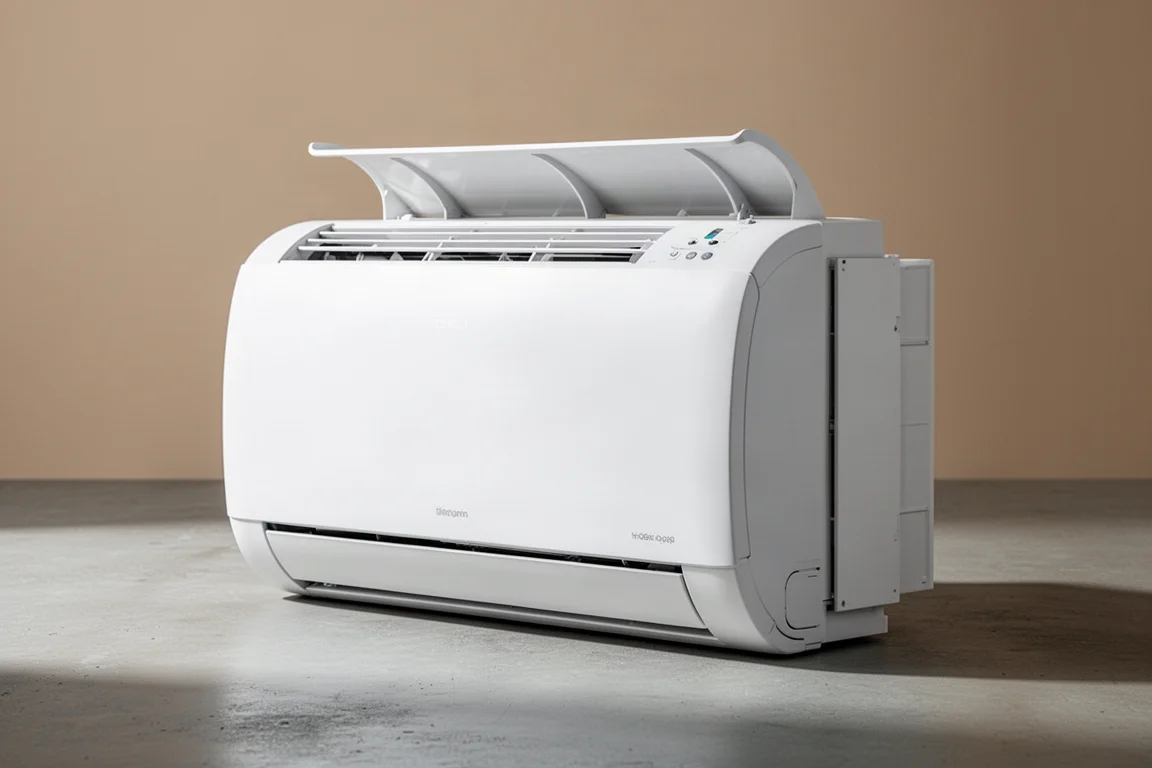
The Midea U-shaped 6,000 BTU unit costs $350 and was the standout of the entire comparison. The U-shaped design lets the window close onto the unit itself, so the window can still open for fresh air and your view stays largely intact. It claims 32 dB of ultra-quiet operation, 37% energy savings via advanced DC inverter technology, Wi-Fi control from anywhere, and coverage up to 250 sq ft. Installation took about 25 minutes with a customizable support bracket, and the result looks far cleaner than a traditional window unit.
The numbers backed the hype: 37.8 dB on low cool, 45.8 dB on high cool, and 56.7 dB outside. Fan-only power draw was a remarkable 6 to 14 watts. Vent air measured 48.4°F, and the indoor portion of the chassis stayed cooler overall thanks to the design. It finished first overall with an average second-place finish across graded categories.
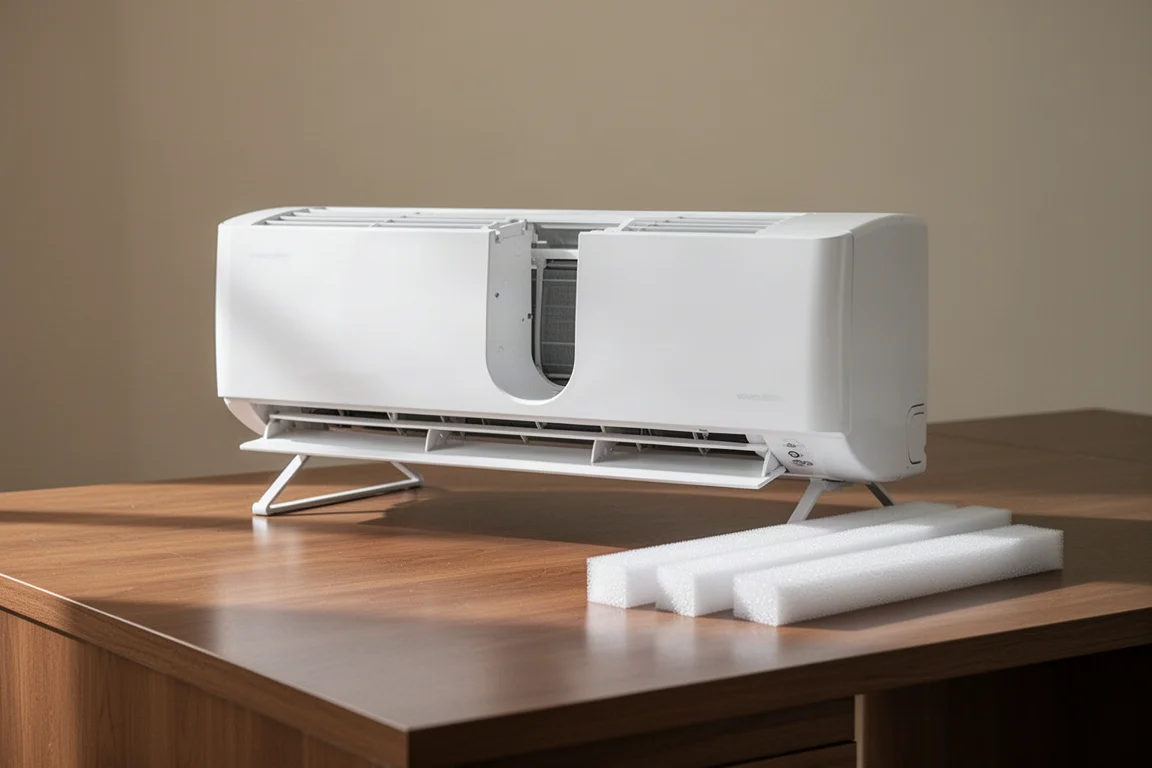
The GE Profile 6,100 BTU U-shaped unit costs $397 and finished second overall. Its adjustable chassis accommodates wall thicknesses between 4.5 and 13.75 inches, fits windows 20 to 40 inches wide, and supports hands-free voice assistants and Wi-Fi-connected smart devices. It claims 41 dB quiet operation and coverage up to 250 sq ft. It is heavy, though, at 70 lbs, the heaviest of the group, and installation took about five extra minutes versus a traditional unit.
Performance was excellent: 433 to 454 watts in cooling, only 25 to 50 watts in fan modes, 37.8 dB on low (a two-way tie with the Midea) and 43.4 dB on high cool, the best high-cool reading of all eight units. Vent air was 47.3°F, nearly matching the portables for coldest output. Outside noise was higher at 66.8 dB, worth noting if the exterior side faces a patio or neighbor.
Which Air Conditioner Should You Buy?
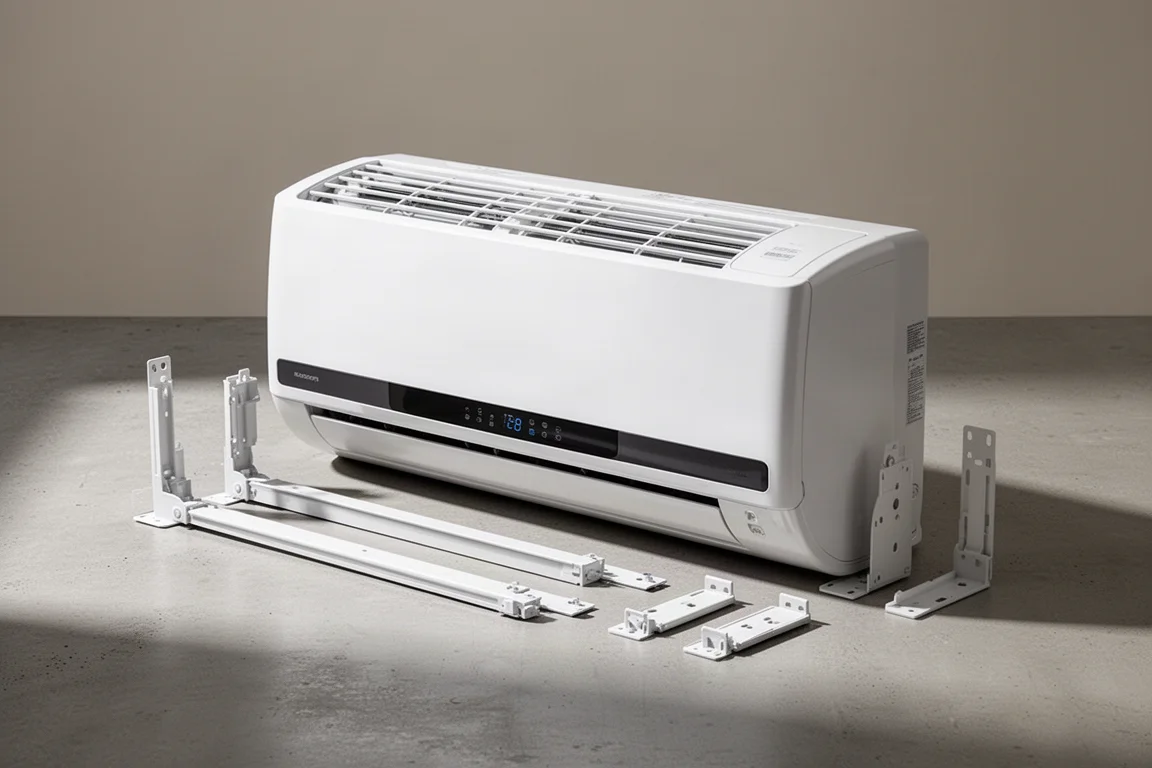
After ranking every unit across noise, cooling output, energy use, sealing and build quality, clear winners emerged for different needs. If you want a window unit and the U-shaped design fits your window, the Midea is the top pick thanks to excellent build quality, outstanding quiet operation and strong efficiency. The GE Profile is a very close runner-up with the best high-setting noise result and near-portable-level cooling output.
For portable cooling, the Black & Decker is extremely hard to beat at under $300: it was the quietest machine tested, produced the coldest air, and costs far less than the Dreo. And for pure affordability, the LG is the easy recommendation at $169. It outperformed the other two sub-$200 competitors on noise, airflow, sealing and cooling output, and it even includes a remote control.
Conclusion
The 8-unit comparison showed that price does not always predict performance. The budget LG embarrassed similarly priced rivals, the U-shaped Midea and GE Profile redefined what a window unit can sound like inside a room, and the Black & Decker proved a portable can be both quiet and cold. Match the design to your window, your noise tolerance and your budget, and any of these four picks should keep the heat at bay.
Further reading
Related Reviews

Home Appliances
Best Upright Vacuums 2026: Top Picks for Every Budget
We tested 23 plus upright vacuums to find the best performers across cleaning, sealing, usability, and value. These are the models worth considering.

Home Appliances
Best Vacuums 2024: Top Picks for Every Floor Type and Budget
A data-driven roundup of the best upright, cordless, and robot vacuums of 2024, with performance scores and buying advice for every budget.

Home Appliances
Best Vacuums 2026: Budget to Premium Roundup
Eight vacuums tested across carpet, hard floors, hair wrap, crevice cleaning, and air filtration. Find out which budget model beats the premium flagships.