Camping Gear
Best Wild Camping Gear 2026: Five Four-Season Essentials
Five pieces of four-season wild camping kit that cover cold, wind and rain, from a true winter down sleeping bag to the right pack size for the season.
Introduction
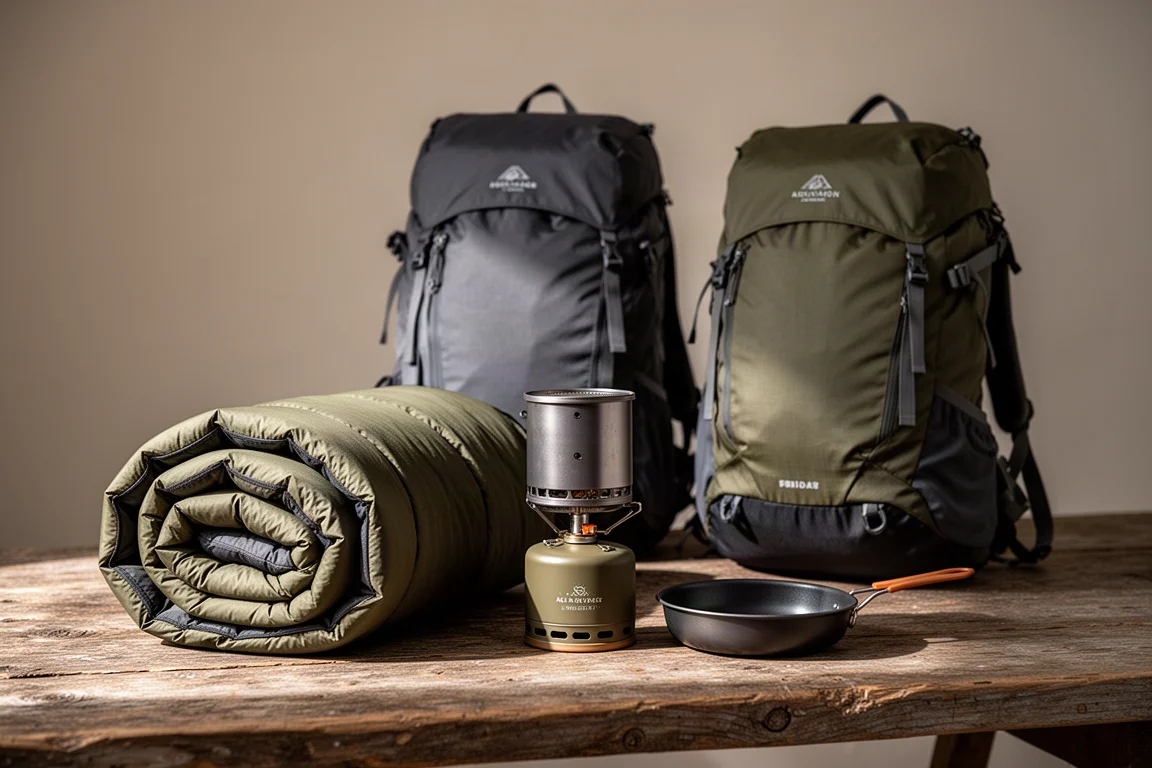
Wild camping through strong wind, freezing temperatures and proper rainstorms is mostly a gear problem, and most of it is solved before you leave the house. The shelter, the sleeping system, the stove and the pack do the heavy lifting. Everything else is detail.
The five pieces of kit below cover the parts of a four-season setup that are hardest to improvise: a sleeping bag built for genuine winter use, two compact cooking options, and two pack sizes that between them handle summer loads and the much longer winter kit list.
What Matters Most in Four-Season Wild Camping Gear
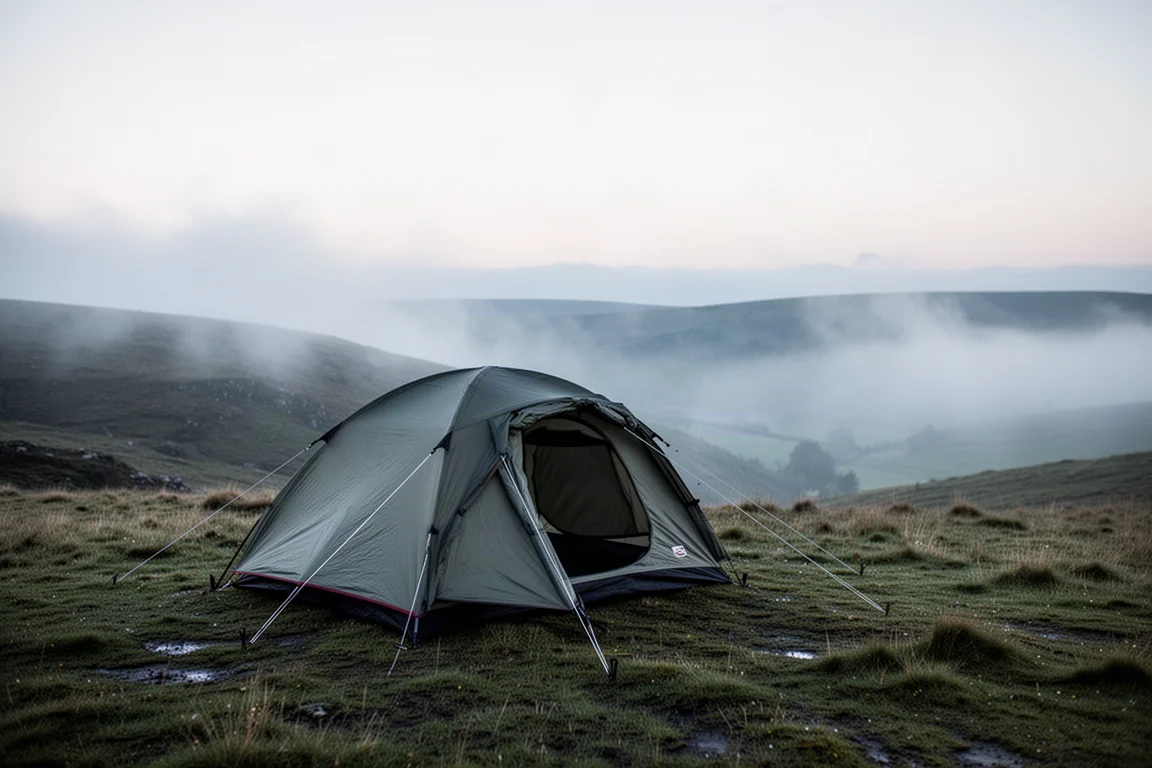
Two things decide whether you sleep well in bad conditions. The first is insulation, and the second is how much weather the system keeps out.
On sleeping bags, a four-season label is not a guarantee. Ratings on bags that claim year-round use are often optimistic, and it is worth building in a few degrees of headroom on top of the stated comfort level before you trust one on a freezing night. Down insulation is the usual choice for cold-weather camping because it lofts up to trap warmth and still packs down small and light.
Wind and water are the real enemies. Anything that lets a draught through, or that soaks through over a long wet night, will undo good insulation. An insulated sleeping mat is worth the extra weight and cost, because cold ground will pull warmth straight out of a bag that is otherwise perfectly adequate.
Cooking matters too, because a hot meal and a hot drink are what make a cold camp bearable. A compact all-in-one stove that copes with wind is far easier to live with than a bare burner, and four-season gas is the sensible fuel choice once temperatures drop.
Rab Ascent 1100: A True Winter Sleeping Bag
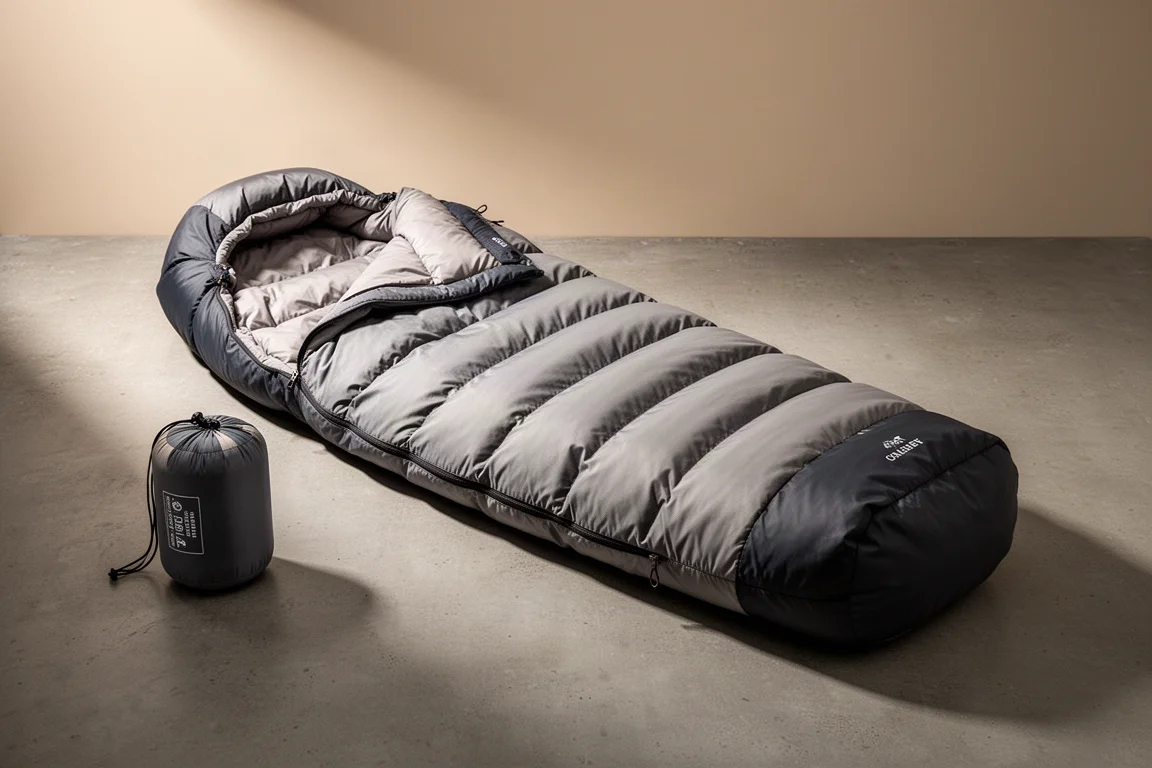
The Rab Ascent 1100 is a down sleeping bag with a serious amount of insulation, aimed at campers who want a genuine four-season bag rather than a three-season bag with ambitious marketing. That insulation is the whole point: it is the layer that stops a freezing night from turning into a long, sleepless one.
Because it is down-filled, it lofts up to trap warmth and still compresses down small and light for the warmth it delivers. That combination is what makes it practical to carry on a multi-day cold-weather trip rather than leaving it at home in favour of something lighter and colder.
It suits campers who are committing to winter trips and want one bag that covers them properly, instead of a bag they have to second-guess every time the forecast drops.
Jetboil MiniMo: All-in-One Cooking in Bad Weather
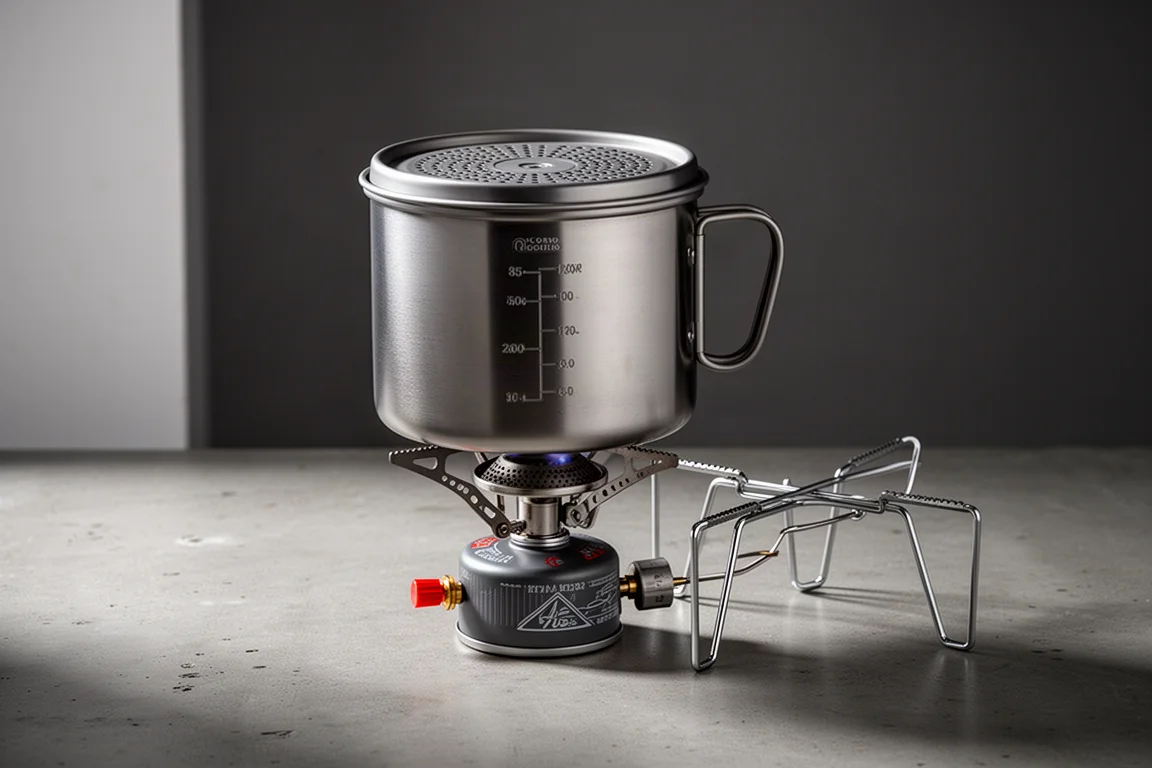
An all-in-one cooking system is a natural fit for wild camping because everything nests together, which keeps packed size small and weight low. The Jetboil MiniMo follows that approach, and it performs well in wind, which is often the condition that decides whether a stove is usable at all.
The one thing to plan around is fuel. Four-season gas is the sensible match if you are cooking in low temperatures, and it is worth sorting that out before a winter trip rather than discovering the problem at camp.
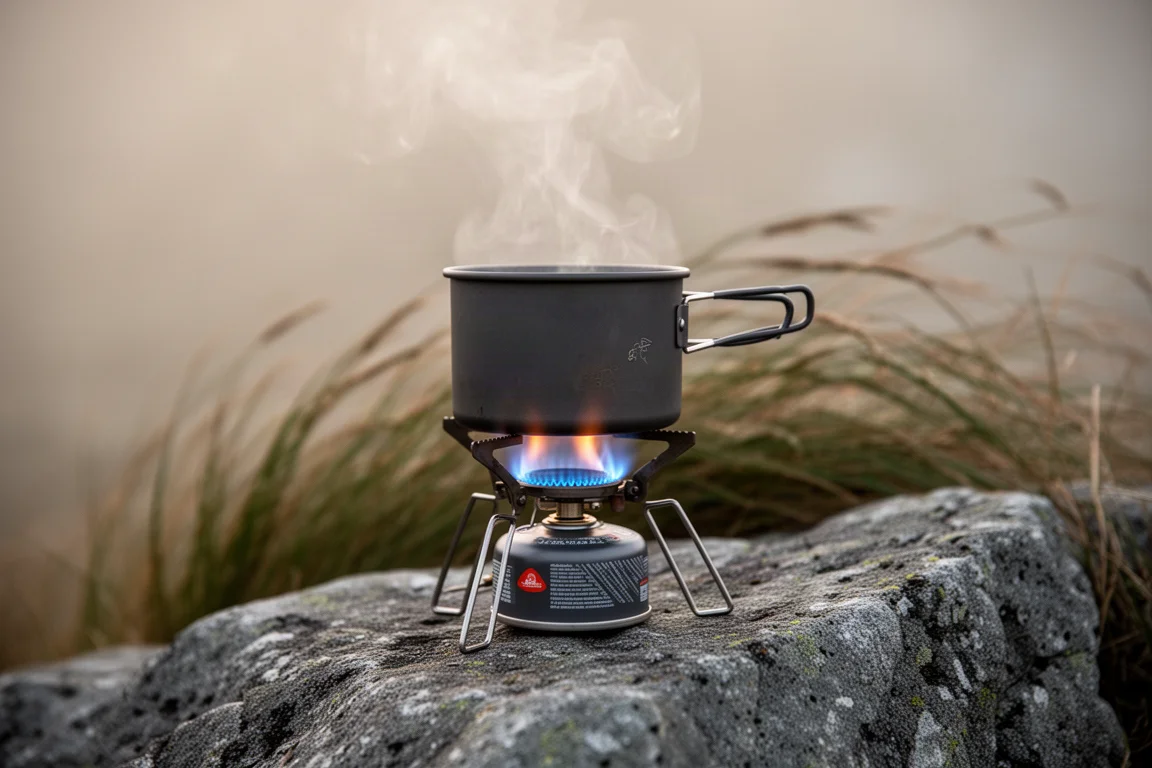
For anyone who wants a single simple, compact cooking setup that works across conditions, this is a straightforward pick.
Jetboil Summit Skillet: Taking Camp Cooking Further
Camp cooking does not have to stop at rehydrated meals. The Jetboil Summit Skillet is a compact pan with a ceramic coating, which means food releases cleanly instead of sticking and burning onto the surface.
That matters more than it sounds on a cold trip. A pan that cooks real food and cleans up easily gives you far more options than a packet-only diet, and it is the kind of item that turns a functional camp kitchen into an enjoyable one.
It is still worth carrying an emergency packet meal as well, since they are compact, light and deliver plenty of nutrition when plans change.
Osprey Kestrel 48: A Pack for Three-Season Loads
A proper backpack decides how the whole load feels on a long day. The Osprey Kestrel 48 is built around a comfortable back system with ventilation that lets air move between the pack and your back, so you are not finishing the day as a sweaty mess.
At 48 litres it suits the lighter end of the year, when your sleeping bag, shelter and clothing list is at its most compact.
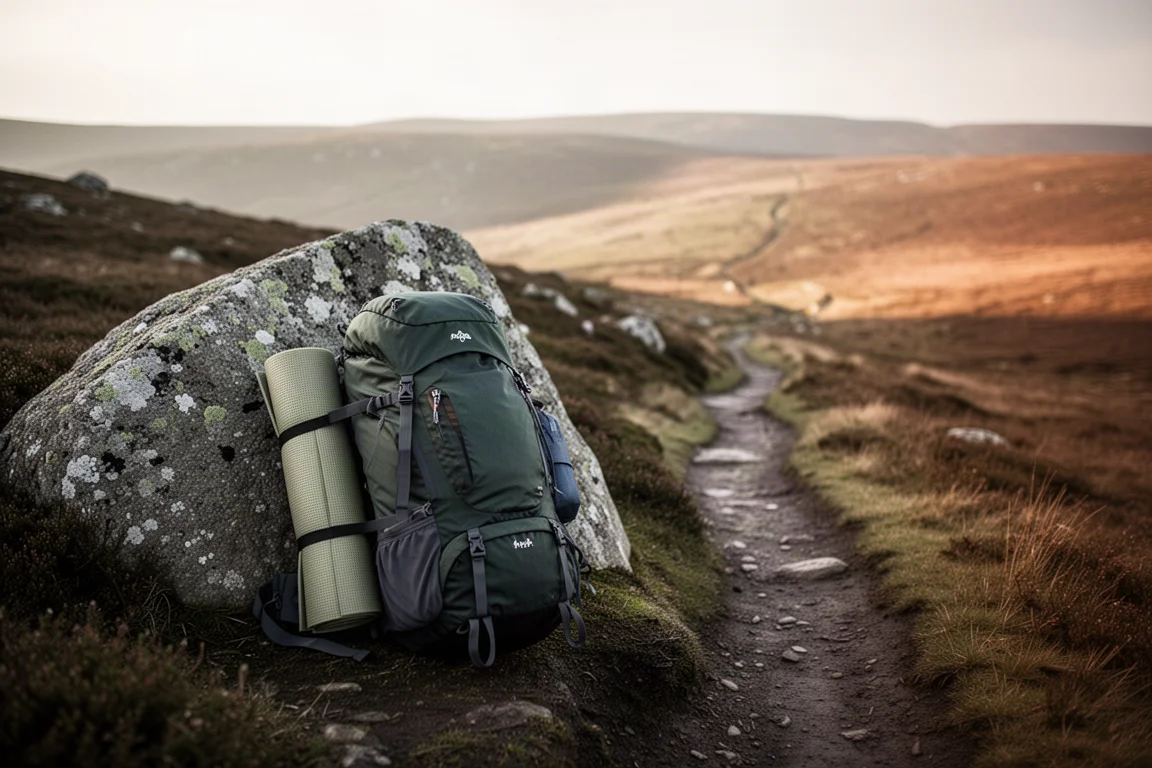
If you are carrying a moderate load and want the pack to disappear on your back, this is the size to start with.
Osprey Kestrel 68: The Winter Option
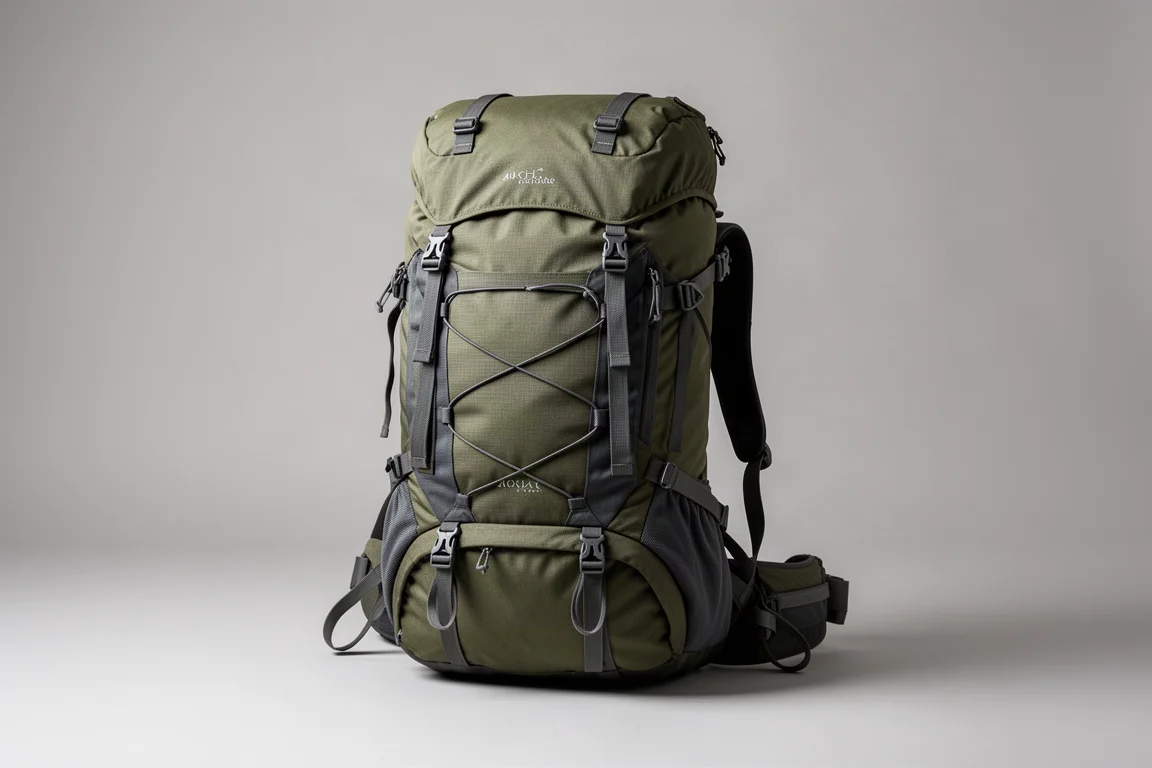
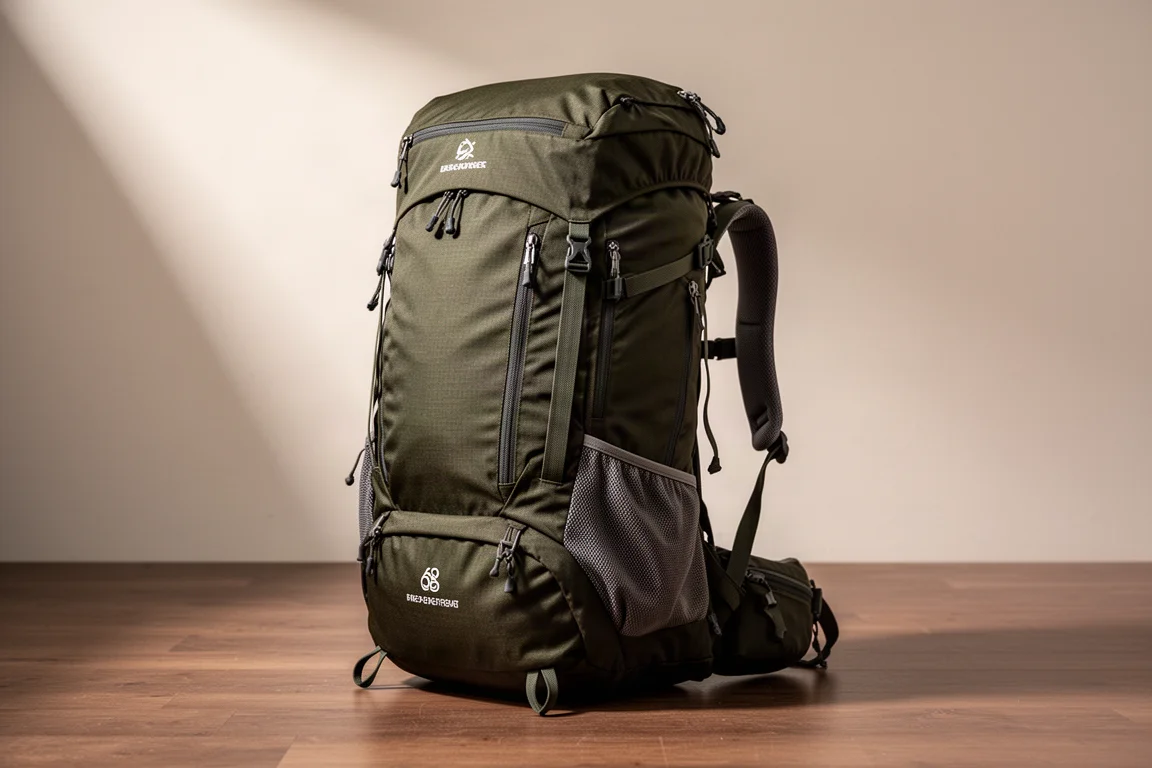
Winter changes the maths. A bigger sleeping bag, a bigger shelter and considerably more clothing all add volume, and a 48-litre pack will not swallow that comfortably. The Osprey Kestrel 68 uses the same comfortable, ventilated back system as its smaller sibling, with the extra capacity to take a full cold-weather kit list.
If you camp all year round, running two pack sizes is a sensible approach: the smaller one for the warmer months, and the 68 for winter, when you are inevitably carrying more.
Buying Advice: Matching Kit to Conditions
The right way to build a four-season setup is to match each item to the conditions you actually camp in, rather than buying everything at once.
Start with the sleeping system, because it is the hardest thing to fix once you are out there. A genuinely warm bag, plus an insulated mat underneath it, will do more for a cold night than almost anything else. Then look at cooking, where an all-in-one stove covers most trips and a small ceramic pan is the upgrade that makes real food possible. Finally, size your pack to your winter load rather than your summer one, and keep a second, smaller pack for the rest of the year.
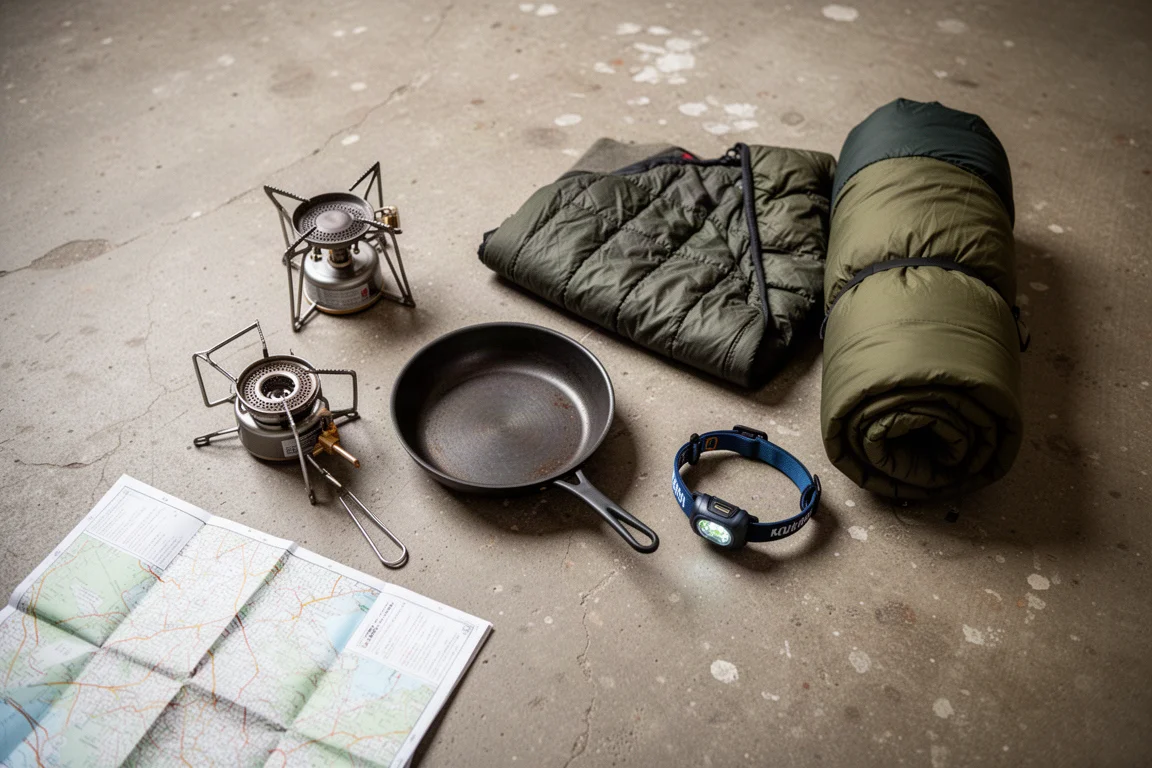
Buying in that order means every purchase solves a problem you have actually had on a trip, and nothing ends up sitting unused in a cupboard.
Conclusion
Four-season wild camping is not about owning more gear, it is about owning the right gear. A true winter down sleeping bag, a compact stove that handles wind, a small ceramic pan and the correct pack size for the season will cover the conditions that make or break a trip.
Get those four areas right and the rest of the kit list becomes a matter of preference rather than survival.
Further reading
Related Reviews
Camping Gear
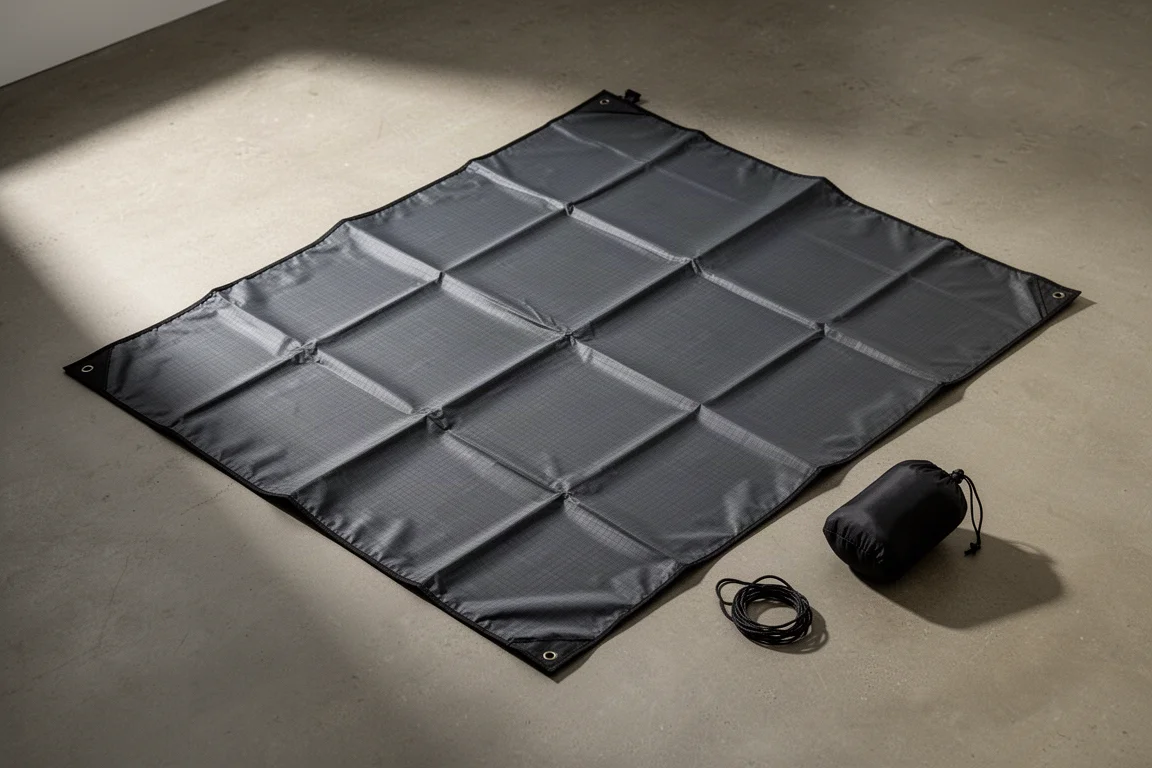
3FUL Ultralight Ground Sheet Review: A Two-Person Footprint Worth Packing
A 6.7 oz two-person ground sheet in ripstop silnylon, priced around $30. Here is what it protects, what it does not do, and who should pack it.
Camping Gear
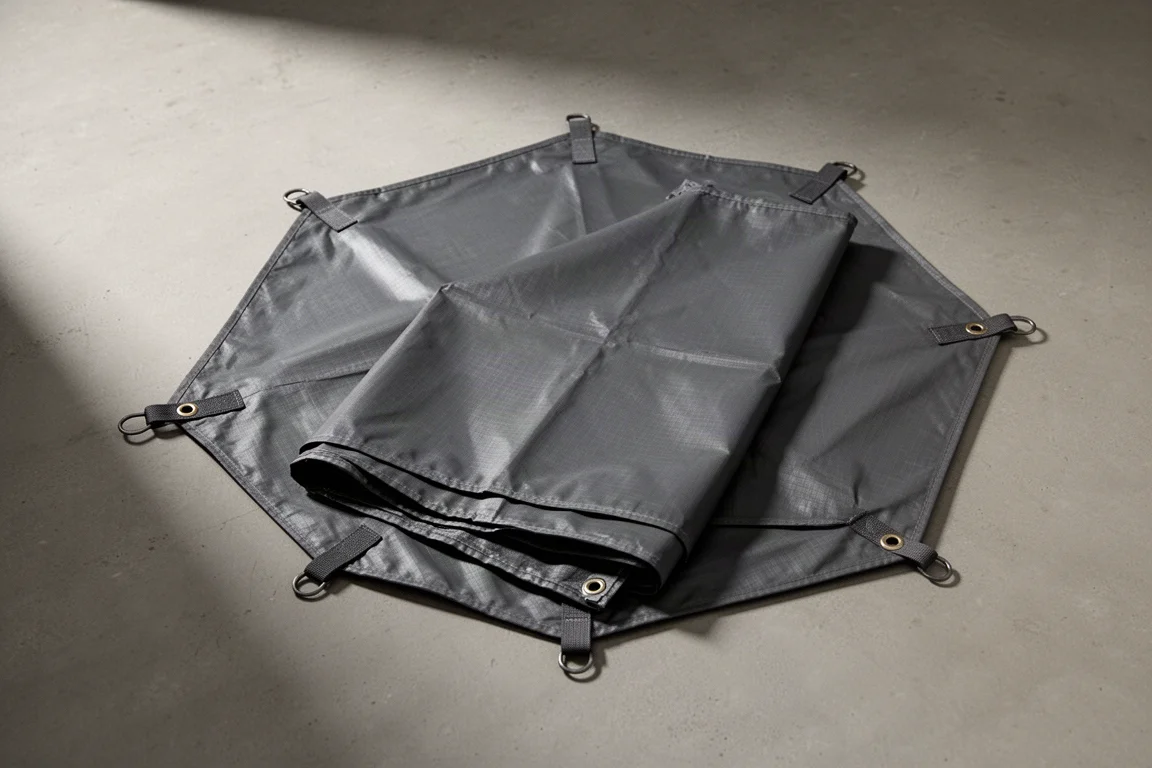
Backcountry Light Dual-Function Tarp and Floor Review: A Footprint First
A dual-purpose tent floor and tarp that keeps falling rain off you, but cannot block wind. Here is where it works and where it does not.
Camping Gear
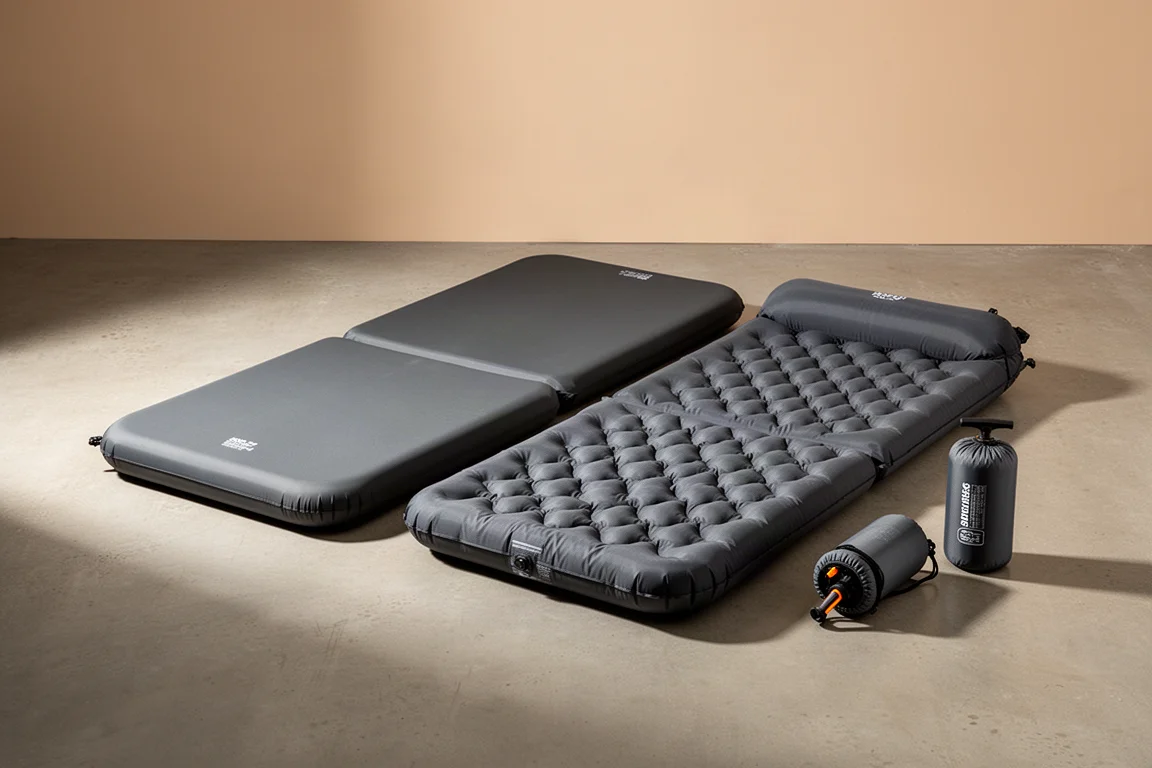
Best 2-Person Camping Mattresses for Couples: 10 Options Compared
A practical comparison of ten two-person camping mattresses, covering self-inflating pads, air pads and air mattresses for couples.