Ski Gear
Best Wide Freeride Skis 2026: 18 Skis From Most Approachable to Most Demanding
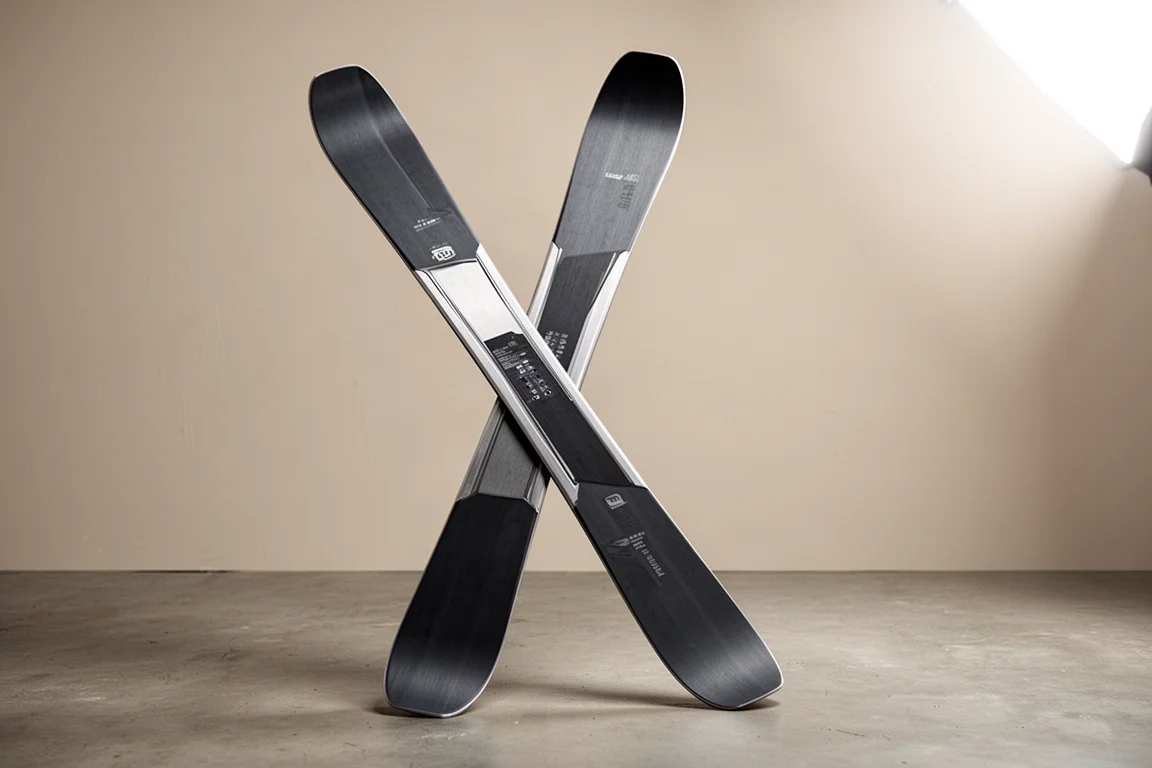
A practical guide to 18 wide freeride skis in the 108 to 112 mm range, ordered from the easiest to handle to the most demanding, with the strengths and trade-offs that matter before you buy.
Introduction
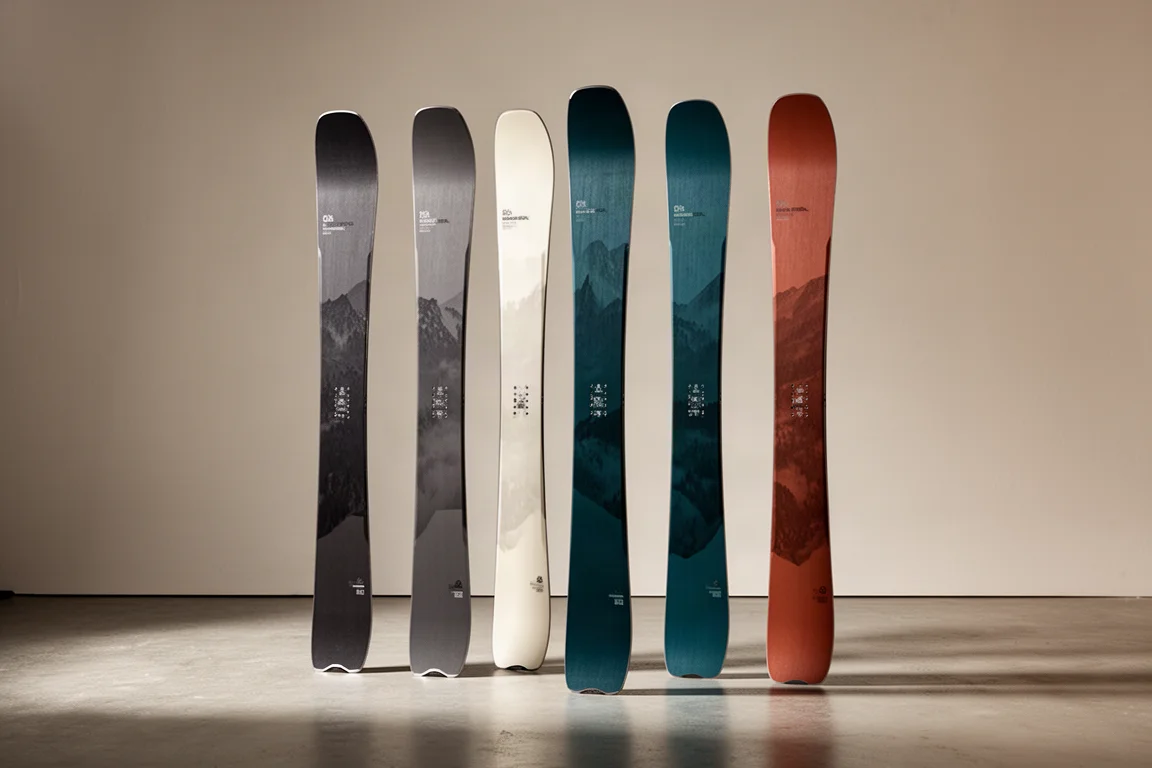
Wide freeride skis in the 108 to 112 mm range occupy a genuinely useful middle ground. They are wide enough to float through fresh snow, soft chop and adventurous off-piste terrain, but most of them can still be tipped on edge and driven back to the lift when the day ends on a groomer. That combination is a large part of why this width band has become so popular for skiers who want one ski to cover a lot of ground.
The category is also far more varied than its numbers suggest. Two skis measuring within a few millimetres of each other can feel like completely different tools once construction, flex, rocker, taper, turn radius and weight are factored in.
This guide covers 18 skis in the category, ordered from the most approachable to the most demanding. None of them are beginner skis. Anyone new to powder and soft snow will need time to get a ski this wide up on edge and turning, so the ordering here is relative rather than absolute.
What Defines the 110 mm Freeride Category
The skis here range from roughly 108 mm to 112 mm underfoot in the lengths most skiers buy, with a few longer options measuring 114 mm. Nearly all of them combine a rockered tip, some camber underfoot and a rockered tail, but the proportions vary enormously. Tip rocker length, tail rocker length, the amount of splay, the depth and height of camber, and the aggressiveness of the taper all change how a ski behaves.
Weight is another major dividing line. Some skis in this group sit near 1,800 g, while others climb past 2,300 g. Heavier builds generally bring more damping and stability at speed, while lighter builds are quicker to pivot and easier to manage in tight terrain.
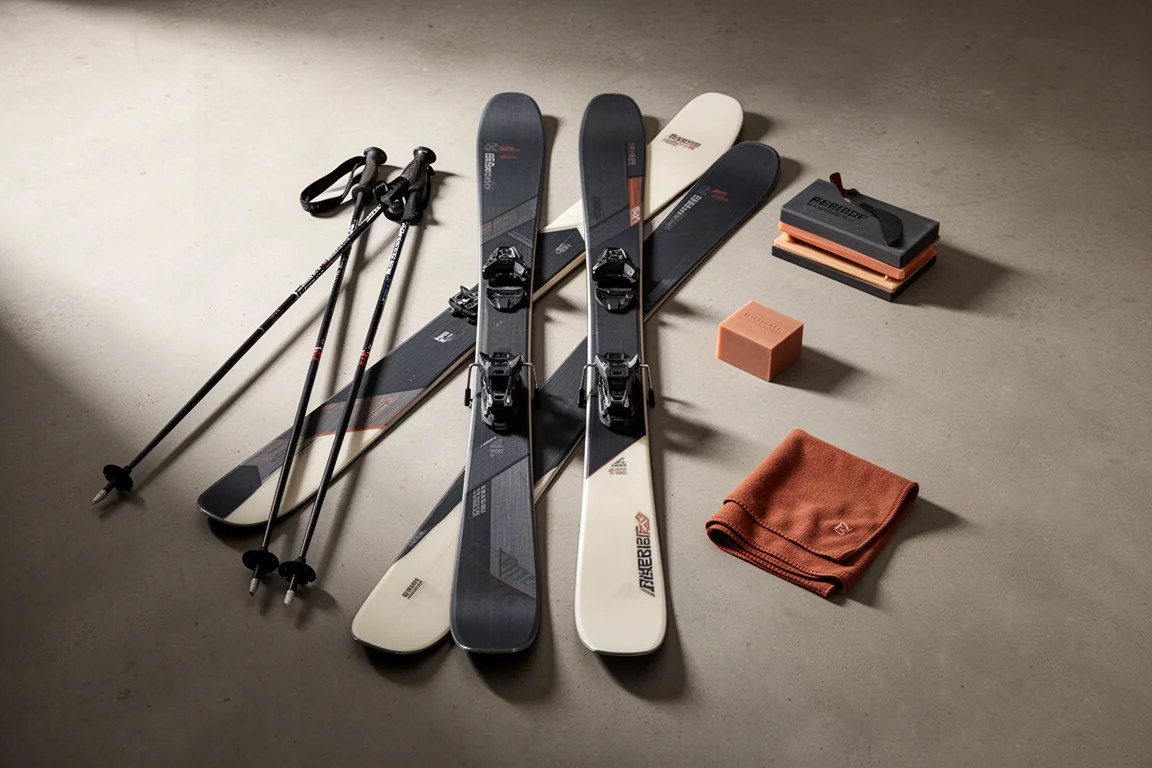
Flex matters just as much. A soft, forgiving flex can make a wide ski feel playful and easy to bend into a turn, while a stiff flex with a lot of camber underfoot asks for a more active and precise skier. Neither approach is better on its own. What matters is matching the ski to the terrain you actually ski and the style you actually use.
Metal is the other recurring theme. Some skis use full sheets, some use partial sheets or plates, and some use none at all. More metal usually means more damping, more edge grip on firm snow and more weight. Less metal usually means a livelier, more playful feel and less support when conditions turn rough.
Elan Playmaker 111
The Playmaker 111 is a very approachable wide ski. It shares its build with the narrower Playmaker 91 and 101: a tube light wood core that keeps weight down, plus carbon rods that are shorter than the ones used in the Ripstick line and focused underfoot rather than running toward the shovel. In the 188 cm length it lands around 1,940 g, which is light for a ski this wide.
The shape is what Elan calls surf rocker: a very long tip rocker, a long tail rocker that is slightly shorter than the tip, modest camber height and pronounced early taper. The result is a ski that pivots easily, feels quick edge to edge and stays responsive. It is soft, though not the softest ski in this group, and it is happiest in tight trees and slashy, surfy soft snow. It can be skied hard if you stay balanced and bring the right technique, but without metal in the build it will get deflected in firm or chopped-up conditions. The mount point sits far enough forward that skiing and landing switch is realistic, which makes it a reasonable choice for skiers who want a wide ski with a more central stance.
Liberty Scope 110
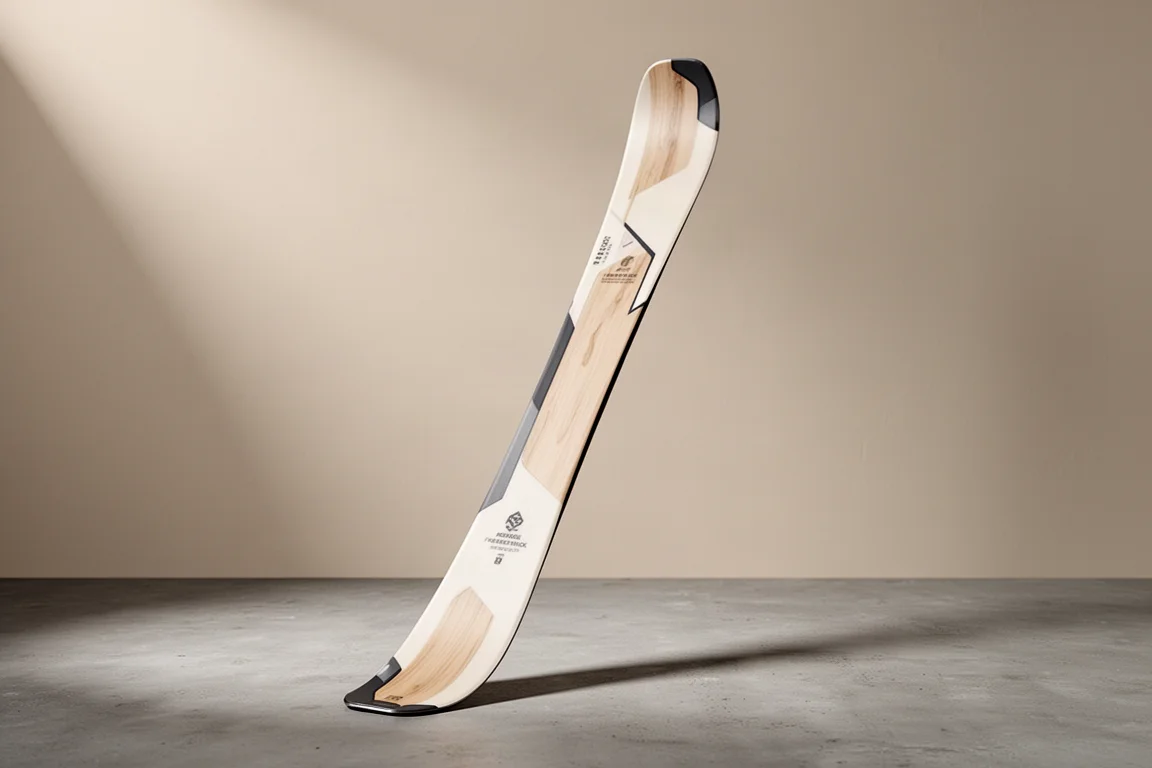
The Scope 110 is in its second year with Liberty’s current construction, and it delivers a smooth, quiet ride thanks to poured urethane sidewalls. A poplar wood core with a phenolic plate underfoot adds stability through the middle of the ski. In the 182 cm length it weighs around 1,944 g, which is heavier than the Playmaker at a shorter length.
The profile is a twin tip with a fairly symmetrical rocker shape, a long tip rocker and a similarly long tail rocker, plus a notably soft tail. That soft tail is the one thing to be aware of, but it holds up better than its flex suggests and does not wash out easily. The ski performs well in junky and heavier snow, which makes it a good fit for regions that rarely see light, dry powder. It is also a reasonable candidate for uphill use with a touring binding. Compared with the Playmaker, it has less early taper, which means longer contact points and slightly less quickness.
View more details for Liberty Scope 110
Atomic Bent 110
The Bent 110 has been unchanged since it was introduced roughly four or five years ago, while the Bent 100 and Bent 120 have both been updated since. It uses a lightweight poplar wood core with Horizon tips and tails, though not the updated Horizon construction found on the 100 and 120. It weighs about 1,800 g and flexes softly, especially in the tail, though not quite as softly as the Liberty Scope 110.
It is the most symmetrical ski in this group in terms of tip and tail rocker, and it is deliberately not a directional design. The mount range is roughly 6 cm and all positions sit fairly close to centre. This is the easiest ski here to butter, and it is happiest in soft snow, including softer groomers and packed powder. On firm snow at speed it offers very little to rely on and can feel vague. It suits lighter skiers particularly well, and skiers who are heavier or very powerful may get more out of a ski with more mass. A special graphic version is available.
K2 Reckoner 110
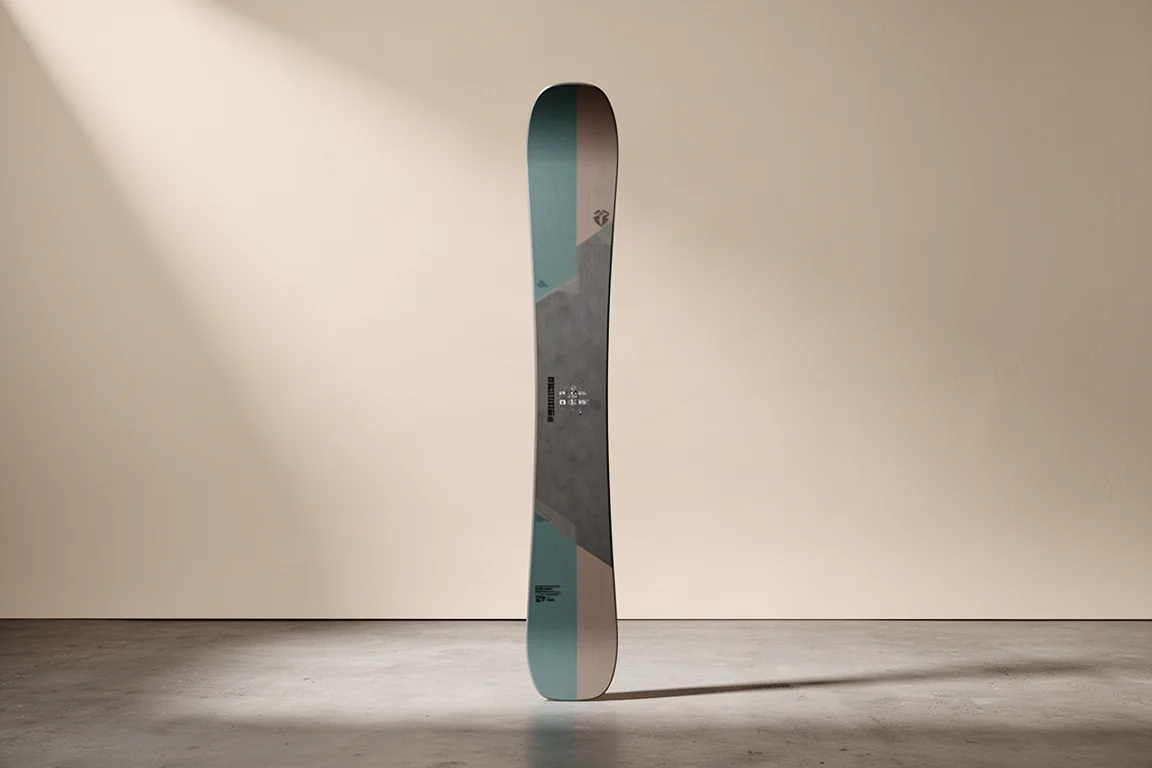
The Reckoner 110 replaces the previous Reckoner 112, which had been left in an awkward spot by the introduction of the wider Reckoner KF 115. The updates mirror those applied to the Reckoner 102: a denser, slightly heavier feel, an aspen wood core, a carbon spectral braid and a stepped-down top sheet that should help durability. At around 2,150 g it is not a light ski.
The flex is the softest in this comparison, and the ski bends progressively rather than popping back. What it gives up in snap it makes up for in predictability: there is a baseline stability here that the lightest skis in the group do not offer. Tip rocker is generous, camber underfoot is a little lower than on the Bent 110 and there is a lot of tail rocker. It is best used at moderate speeds with a loping, gradual rhythm that takes advantage of the flex. It is not built for fall-line charging, and its torsional rigidity and edge grip sit well below something like the Nordica Unleashed 108.
DPS Kaizen 112
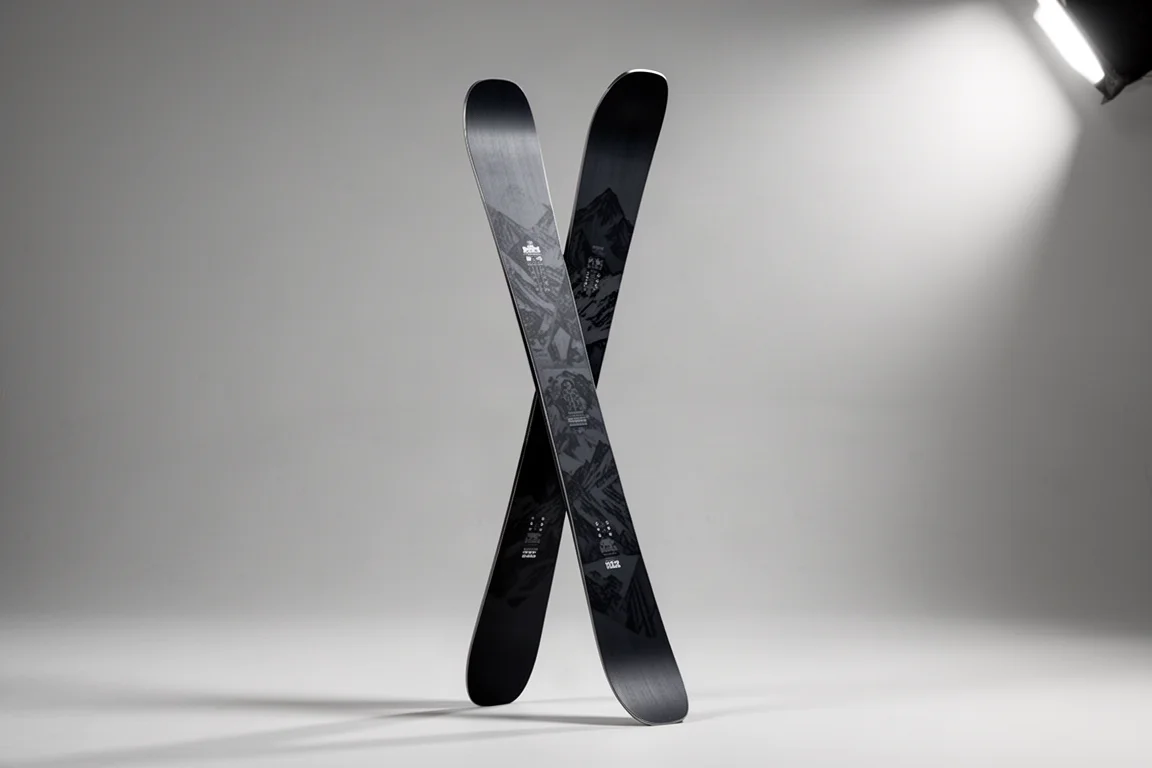
The Kaizen 112 is the first non-twin-tip in this group. It uses a split core of poplar and ash with two layers of carbon, and at around 1,900 g in the 184 cm length it stays light. It is also the stiffest ski in this comparison so far, and it is genuinely hard to decamber by hand.
The defining number is its 15 m turn radius, paired with an extremely long tip rocker, a lot of splay and heavy early taper. On firmer snow that combination leaves a very short effective edge, which makes the ski feel dramatically different from anything else here. There is a decent amount of camber underfoot, and the tail has less rocker than the tip but still plenty of taper. The result is a ski that is incredibly agile and turns constantly. It is not a fast ski in the fall-line sense; it wants to turn rather than run. Two kinds of skiers tend to love it: someone fairly new to powder, for whom it is a genuinely helpful tool, and a highly technical skier hunting the tightest lines on the mountain. At just under $1,700 it is also one of the most expensive options in this group.
Armada ARV 112
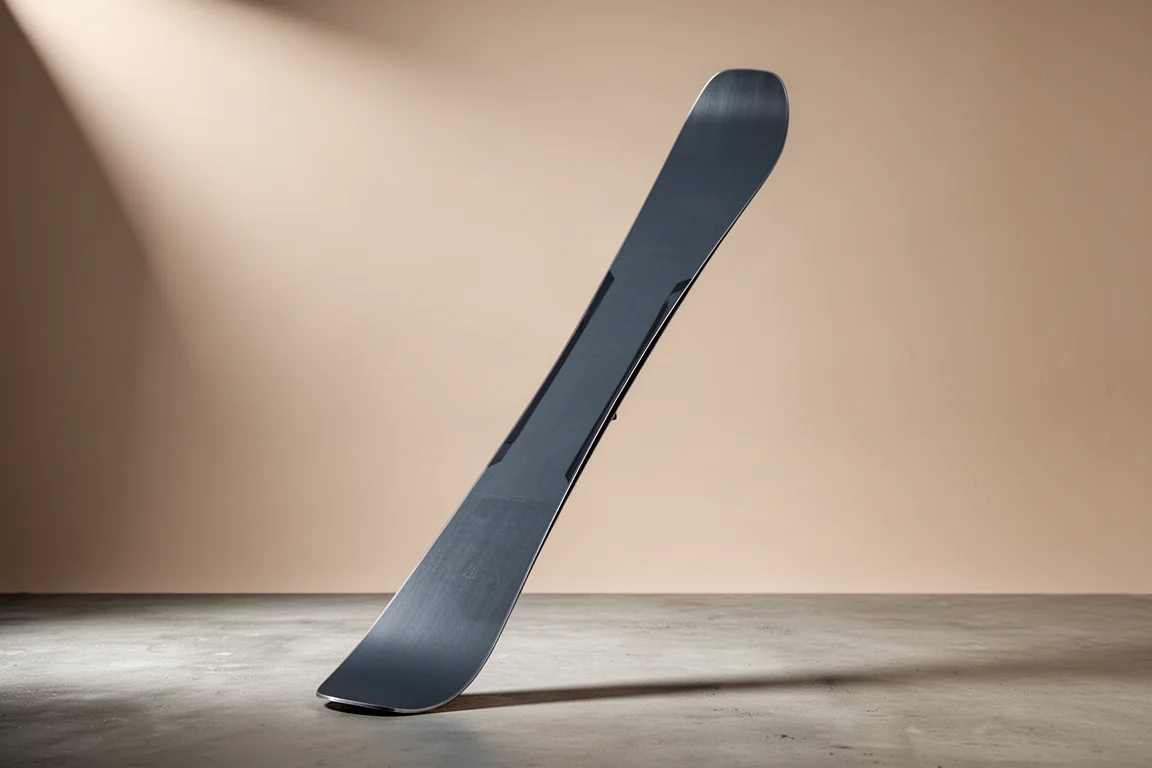
The ARV 112 carries the same poplar wood core and wedge wall construction used elsewhere in the ARV line, where a sturdier sidewall material is embedded into the core for a more cohesive feel. In the 185 cm length it weighs around 2,200 g, which is a step up from the lightest skis here.
Everything about the shape is more dramatic than the narrower ARV 106, and the ski is a little flatter overall, which pushes it further toward a drifty, smeary feel while keeping the freestyle character intact. Tip-to-tail width difference is only about 5 mm, so the platform feels balanced and symmetrical, and the early taper gives the shovel a spoon-like shape that stays on top of soft snow. Splay is moderate rather than extreme. The ski is smooth and supportive despite having plenty of flex, and it pushes back with more feedback than a Playmaker while returning to shape just as quickly. It suits playful, creative skiers who still want support, and strong, fast, active skiers will get the most out of its performance ceiling. There are only two mount points and both are fairly close to centre.
Fischer Ranger 108
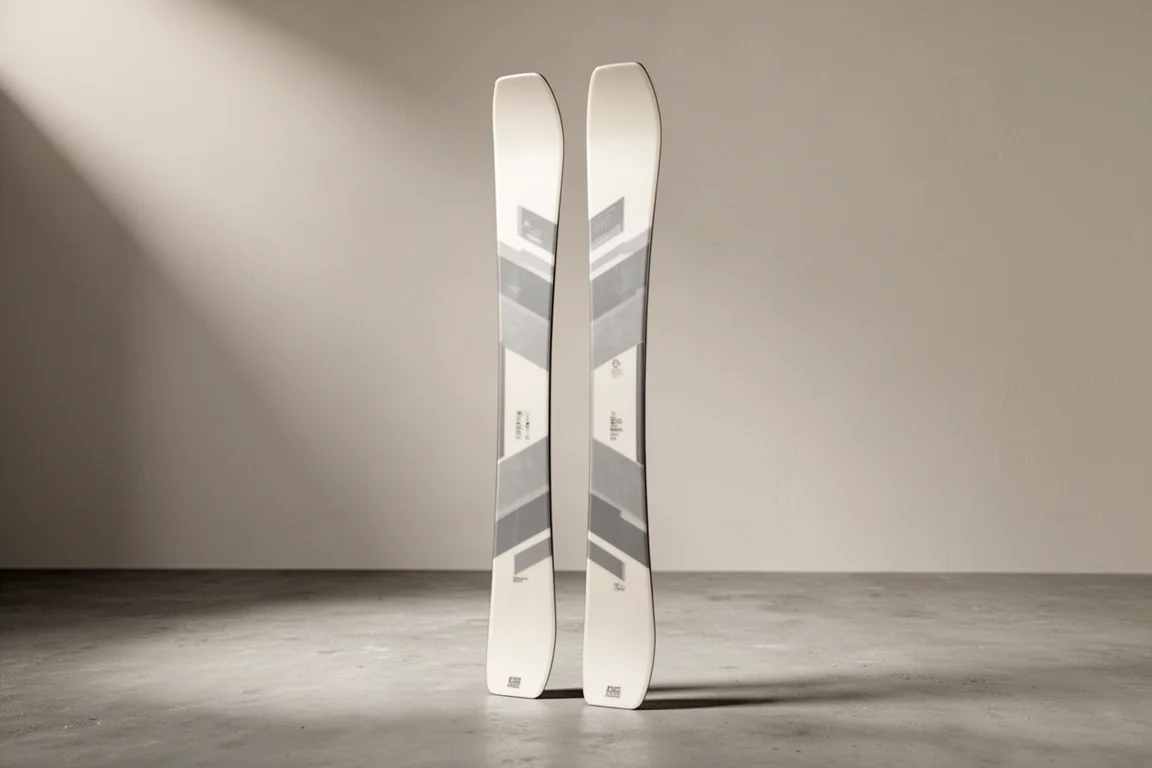
The Ranger 108 has been in its current form for several seasons, with a carry-forward graphic. It uses a poplar and beech wood core with a shaped titanium laminate that includes a flex cut: the wider the ski, the shorter the metal application and the larger the cut, which is intended to keep the ride softer and more compliant as widths increase. In the 180 cm range it weighs about 2,130 g.
The stated 18 m turn radius is misleading. On edge, the ski behaves like it wants a much longer arc, closer to 30 m, while short turns tend to be skidded rather than carved. The soft tips and straight taper mean the front of the ski does not pull you into a turn. In tight terrain that becomes a real limitation, and this is a ski that performs far better in wide open bowls and at speed. There is a lot of tip rocker and a good amount of tail rocker, which makes it easy to shut down and gives it a forgiving, damp and smeary character. The blocky core adds support for landings and aggressive skiing but does not deliver crispness or precision. How it performs also depends noticeably on skier weight.
Kastle ZX 108
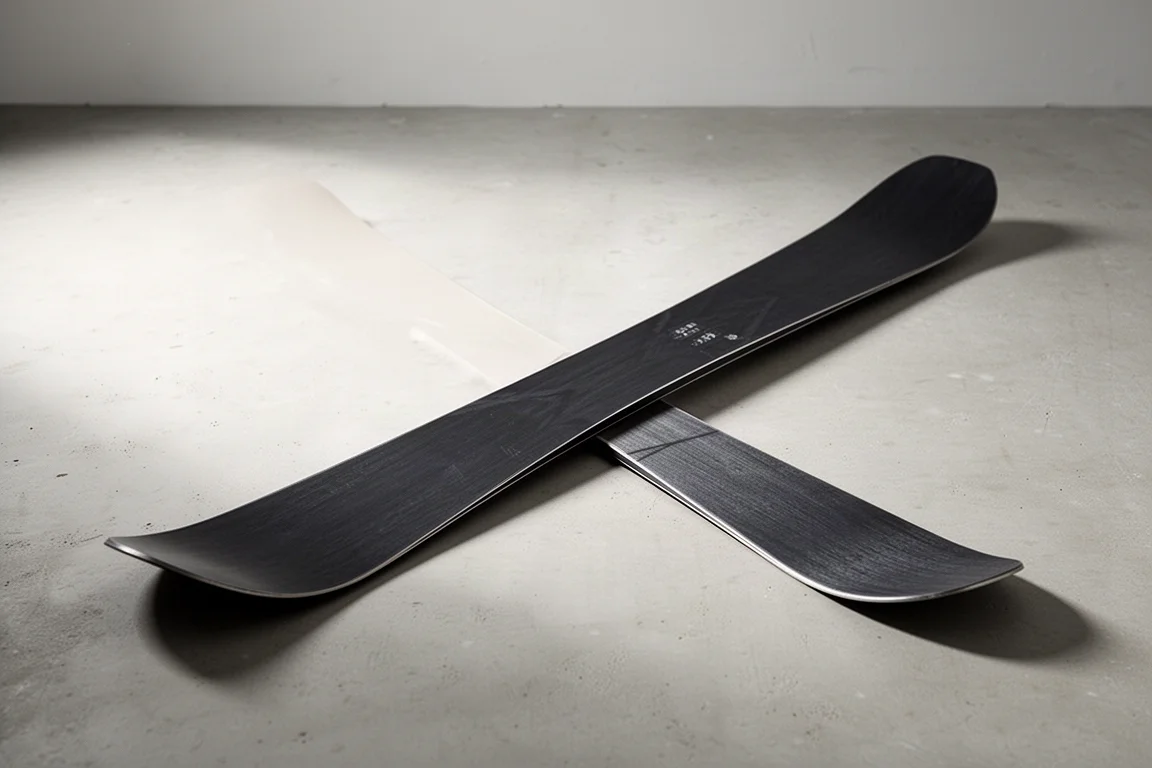
The ZX 108 is a non-metal directional ski that has had an outsized influence on Kastle’s range. The same rocker profile and taper shape have since been filtered down through the ZX 100, ZX 92, Obsidian 92, Paragon 107, 101 and 93. In the 184 cm length it comes in at about 1,939 g, just under the 2,000 g mark.
The tip has a moderate amount of rocker with a wide platform and generous taper, while the tail is the flattest seen in this group, with very little rocker and only a small amount of taper. A poplar and beech core adds a denser feel and some energy, and the shovel is flexible with a hollow tip construction that removes mass. It is easy to throw sideways, and when it is tipped on edge the full side cut engages for an engaging turn feel. The flex lets it ride and surf in soft snow, and the flat tail cuts cleanly through crud and chop where a more twin-tipped shape would get pushed around. It is a good fit for skiers who want proper flotation and a clean turn exit without the power and stiffness of a metal-laminate ski.
Salomon QST Blank
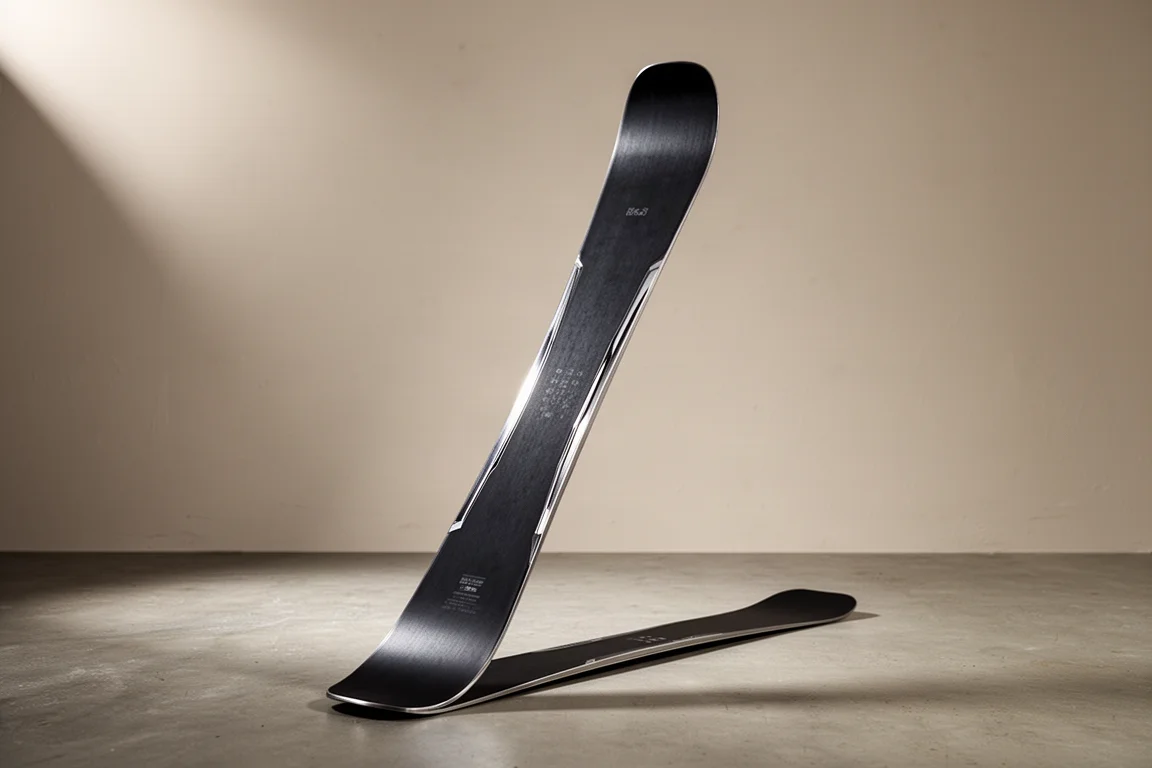
The QST Blank is part of a completely new QST line for 2026, and it has shifted slightly toward big mountain territory while the QST X handles the deepest days. It uses a poplar wood core with basalt stringers woven into the fiberglass layers and a cork damplifier visible in the sidewall. In the 186 cm length it weighs about 2,200 g and flexes fairly stiffly.
The biggest change is the turn radius, which moved from 17 m to 19 m. The ski is more comfortable running a little straighter than the previous version, though it still turns willingly. The tip shape is similar to before, with a spoony finish and a straightforward camber-to-rocker transition. The tail is where the design diverges most: it uses much less early taper and a blockier, nearly squared-off shape shared with the new QST 94. The intent is landing stability, and the added strength in the tail gives the ski more support for big drops and mistakes. Overall it remains easy to control, but it has more power on tap. Skiers who liked the old Blank will still recognise it, and skiers who wanted more stability and speed from it now have it.
Dynastar M-Free 108
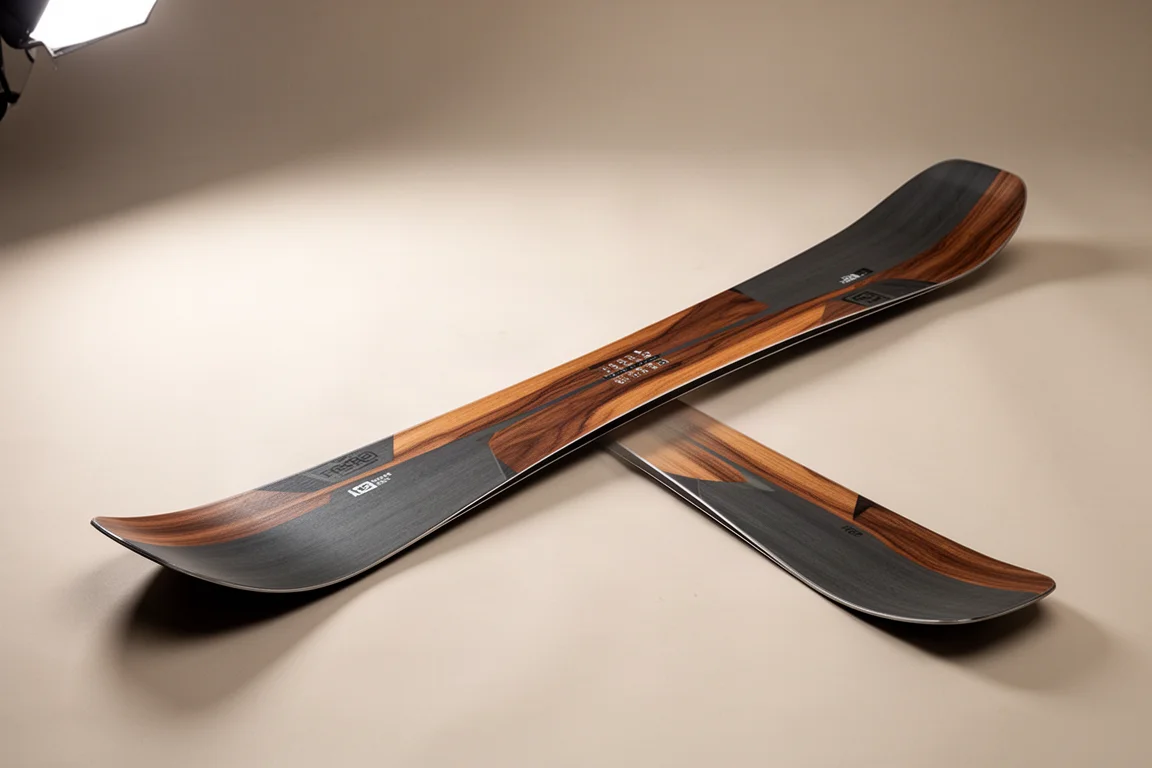
The M-Free 108 uses Dynastar’s hybrid 2.0 wood core, which combines three layers of poplar with polyurethane along the sides. The polyurethane adds smoothness, quietness and energy, while the interlocking wood layers deliver a lot of pop. In the 185 cm length it weighs around 2,158 g.
The underfoot zone is stiff with a tall camber profile, which is what places this ski on the more demanding side of the category. Tips and tails are more compliant, and the shape is notably round and slightly pintailed at both ends, which helps steering. The payoff is energy: load the ski into a turn and it places you into the next one. It is one of the more versatile skis here, capable across powder, crud, chop and groomers, and the balanced twin tip shape gives it a freestyle component. The stated 18 m turn radius feels accurate, and shortening the turn takes real effort against the camber. Compared with the Rossignol Sender Free 110, the M-Free is sharper and wants to dig in more.
Blizzard Rustler 11
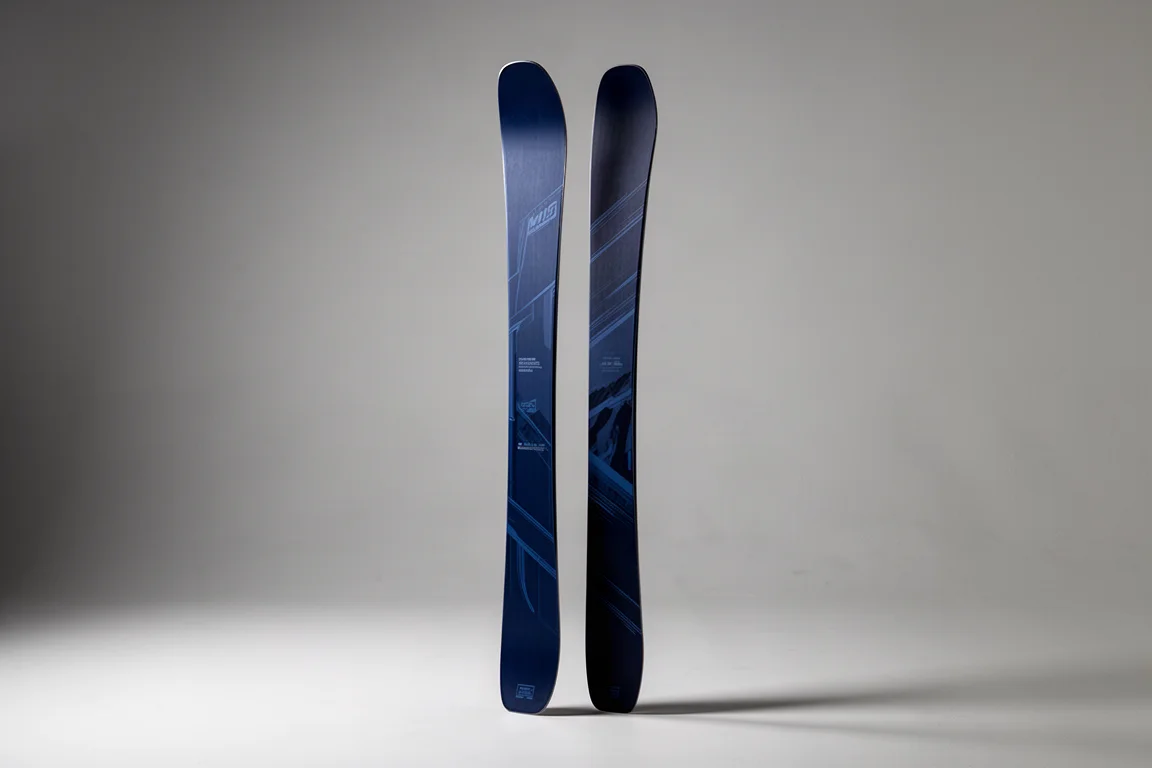
The Rustler 11 is arguably the most well-rounded ski in this group, and it is one that a very wide range of skiers can enjoy. It uses a True Blend Free wood core with paulownia worked in to bring weight down, plus a FluxForm metal application that runs along the edges and underfoot in three separate pieces. Added up, that is less than a single full sheet of metal, and it is a very different approach from the FluxForm used in the Anomaly skis. In the 186 cm length it weighs just over 2,000 g, light enough that a hybrid or alpine touring binding is a realistic option.
The shape has a good amount of tip rocker with enough splay to bring the ski back to the surface in soft snow, camber underfoot that is easier to push through than the M-Free, and less tail rocker than tip rocker, which gives some support from the back of the ski. It feels damp and stable at speed without chattering or getting deflected, yet the tail releases easily for slashing and smearing. Despite being the widest ski on this list, it is not the best pure floater, and skis like the DPS Kaizen 112, the QST Blank and the ARV 112 float better in deep snow. What the Rustler 11 does instead is handle changing conditions, steep terrain and chalky snow with unusual composure. The same broad appeal carries through the Rustler 9 and Rustler 10.
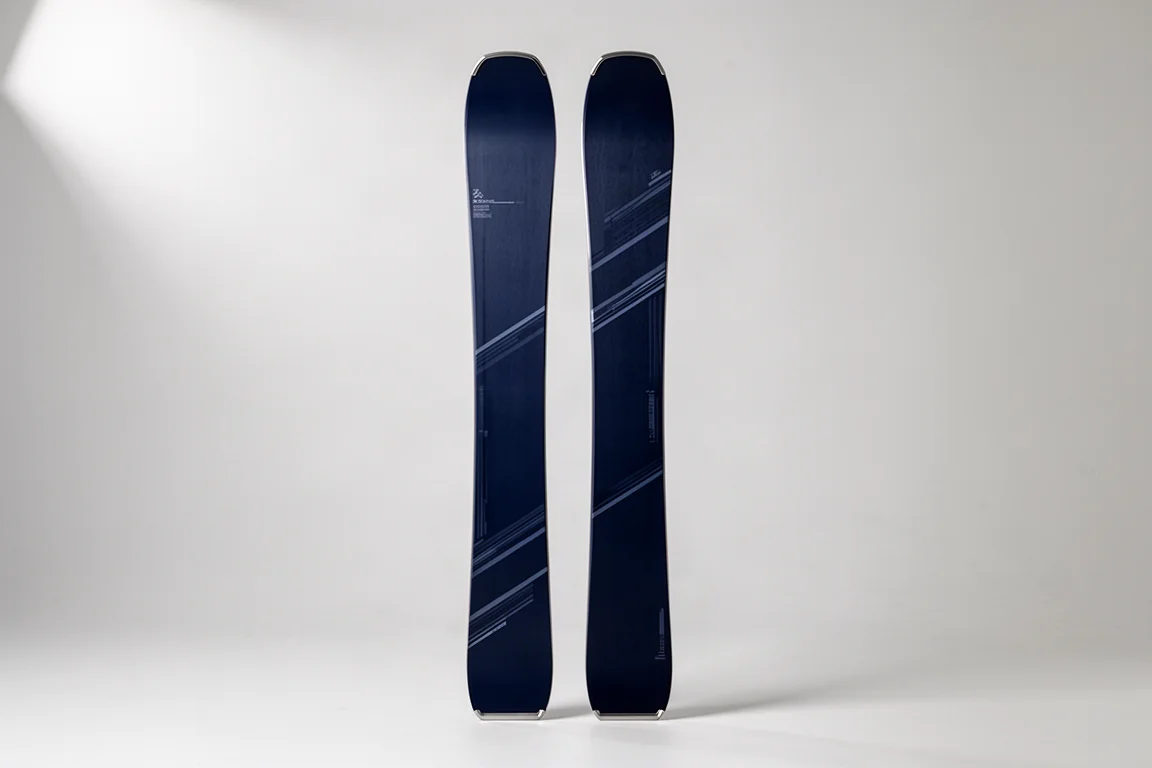
Rossignol Sender Free 110
The Sender Free 110 is built with a full poplar wood core, a carbon alloy matrix and a metal plate underfoot. In the 191 cm length it weighs just shy of 2,400 g, which is around 400 g more than the Rustler 11 at a slightly longer length. That mass shows up as damping and stability, particularly at higher speeds.
The shape reads as freestyle, but the ski behaves in a much more fall-line oriented way than that suggests. There is more carbon relative to basalt than in the Sender Free 100, and the carbon sits above the core, which is part of where the added strength comes from. The ski has a clear speed sweet spot and very little slow-speed compliance, so it rewards skiers who let it run. It is excellent in the air and very solid on landings, which is why it shows up in freeride competition where jumps are part of the course. It is not as fall-line focused as the Black Crows Corvus, the Dynastar M-Pro 108 or the Volkl Mantra 108, but it is still a ski that advanced and expert skiers will have room to grow with.
View more details for Rossignol Sender Free 110
Armada Declivity X 108
The Declivity X 108 is part of a redesign of Armada’s wider Declivity skis. It uses a poplar wood core with ATBX metal laminates that run roughly two thirds of the ski length in two layers, and the forebody of that metal has articulated slits cut into it to reduce torsional stiffness and add compliance. It weighs about 2,150 g and flexes stiffly.
The headline number is a 24 m turn radius, and the ski looks nearly straight when you hold it. The tip rocker is long but very low, which means most of that length still functions as effective edge at normal edge angles, so the ski does not ski short despite the rocker. The tail is one of the flattest in this group. Together those traits make it behave like a directional charger rather than a playful wide ski. It planes through fresh snow, crud and chop, and it attacks the fall line with intent, but it asks for attention and a long turn shape. It is noticeably easier to ski than the Dynastar M-Pro 108. Armada also offers the ARV 106 Ti, which shares the construction but uses a shorter turn radius and considerably more tail rocker.
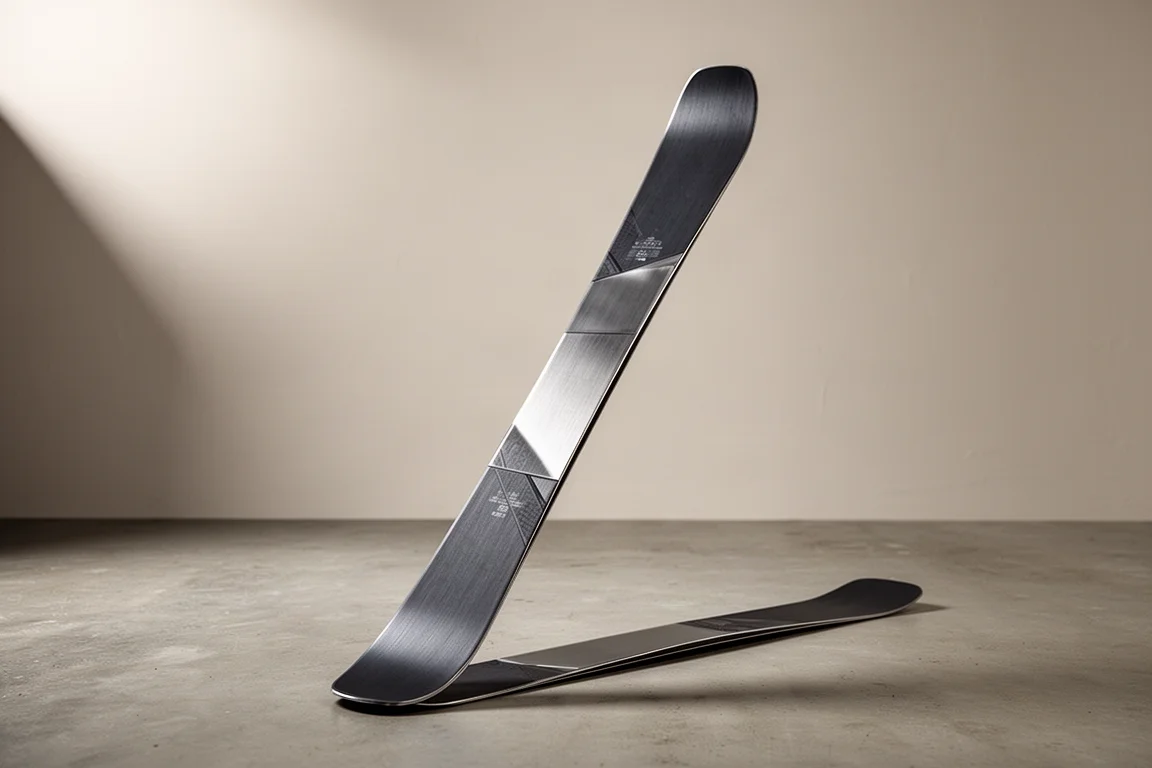
Nordica Unleashed 108
The Unleashed 108 uses a multi-layer wood core with a single full-length sheet of terrain-specific metal. That metal starts at full width, tapers in through the forebody, returns to full width underfoot, tapers again and finishes at full width in the tail. The effect is more compliance along the sides of the midbody, which is the opposite of how the FluxForm metal in the Rustler 11 is arranged. In the 186 cm length it weighs about 2,159 g.
It is one of the better carving skis at this width. A long camber profile and a long effective edge give it a lot of edge contact, and it has the least early taper of anything in this group, which makes it the most classically shaped ski here. Fore and aft it feels damp, while the Rustler feels slightly more directly connected on edge. There is some twin tip play in the tail, but this is not a drifty or smeary ski. It cuts through crud and chop and wants to find the bottom, which suits regions where fresh snow usually hides a firm base. In deep snow the long camber and lack of taper make it more demanding to manipulate. The newer Unleashed 120 and 114 show a different, more modern shaping direction.
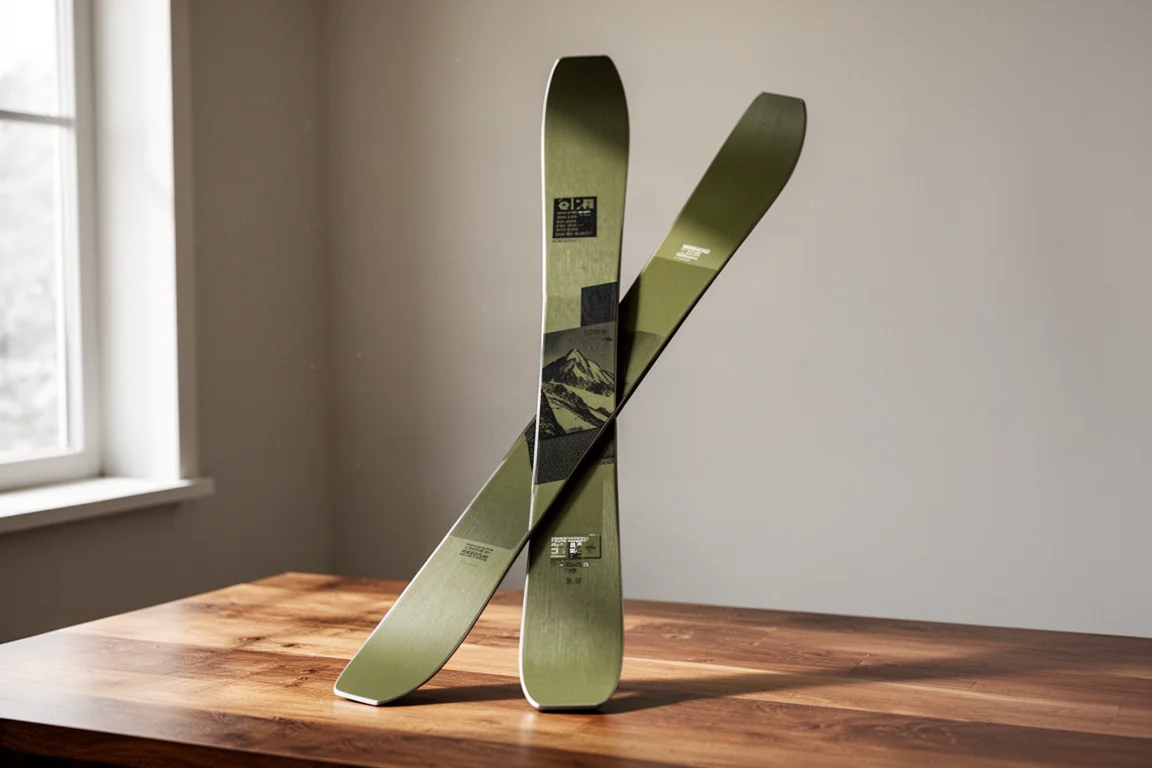
Head Kore 112 Ti
The Kore 112 Ti mixes beech and karuba in the wood core to keep overall weight reasonable, and it now carries two full sheets of metal along with graphene and flax. That combination lands it around 2,150 g. A full beech core with the same metal would likely push it well past 2,300 g. The ski is still pretty stiff, though it is much damper than the carbon-built Kore 111, which demanded an active skier who was willing to work. Here the metal does more of the work and the ski is happy to be stood on.
The turn radius is 21 m, which is long but not extreme, and there is a good amount of camber underfoot, so you have to push through it. The tip has a familiar tapered shape with a decent amount of rocker, and the tail has rocker but very little taper, which contributes to the straighter turn shape. Some quickness has been traded away compared with earlier Kore models, and the ski does not generate much energy of its own; you bring it. It is predictable and should appeal to a broader range of skiers than the carbon versions, though some will find it lumbering. It carries more race DNA than any previous Kore.
Black Crows Corvus
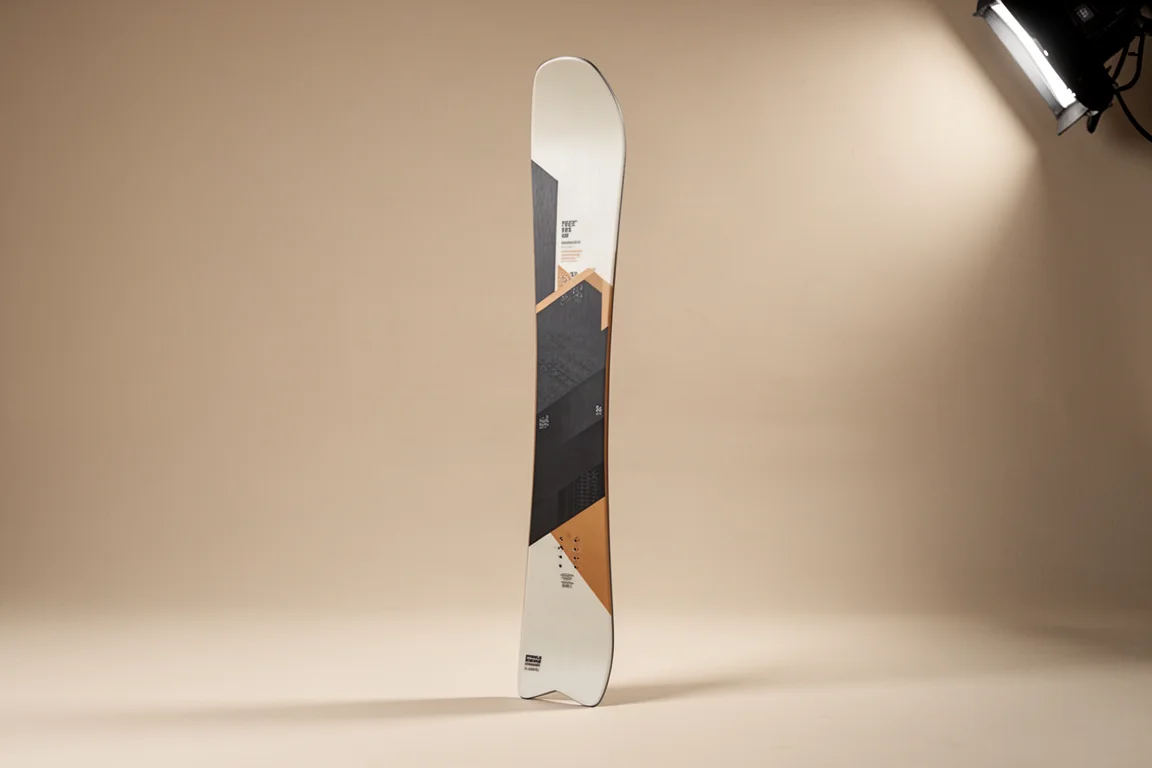
The Corvus uses a wood core with a metal plate underfoot rather than full sheets of metal, and its flex is energetic without being overly stiff. At about 2,028 g in the 186 cm length it is lighter and more flexible than the Dynastar M-Pro 108. The 25 m turn radius is one of the straightest cuts here, and it is the main reason the ski sits toward the demanding end of this group.
That said, this generation is far more user friendly than the original Corvus, which was an extreme ski. The freeride rocker is playful, and the widest point of the ski is brought well down the length, which gives it a floaty shovel. The tail is completely different from the old version: longer, with more dramatic splay, lighter, and flexible enough to bend through. That gives it at least a hint of round-turn capability and makes it easier to throw sideways in softer snow. Reaching its potential still requires speed, a longer turn shape and deliberate input. It works best in big, open mountain terrain, and it ships with a factory wax.
Dynastar M-Pro 108
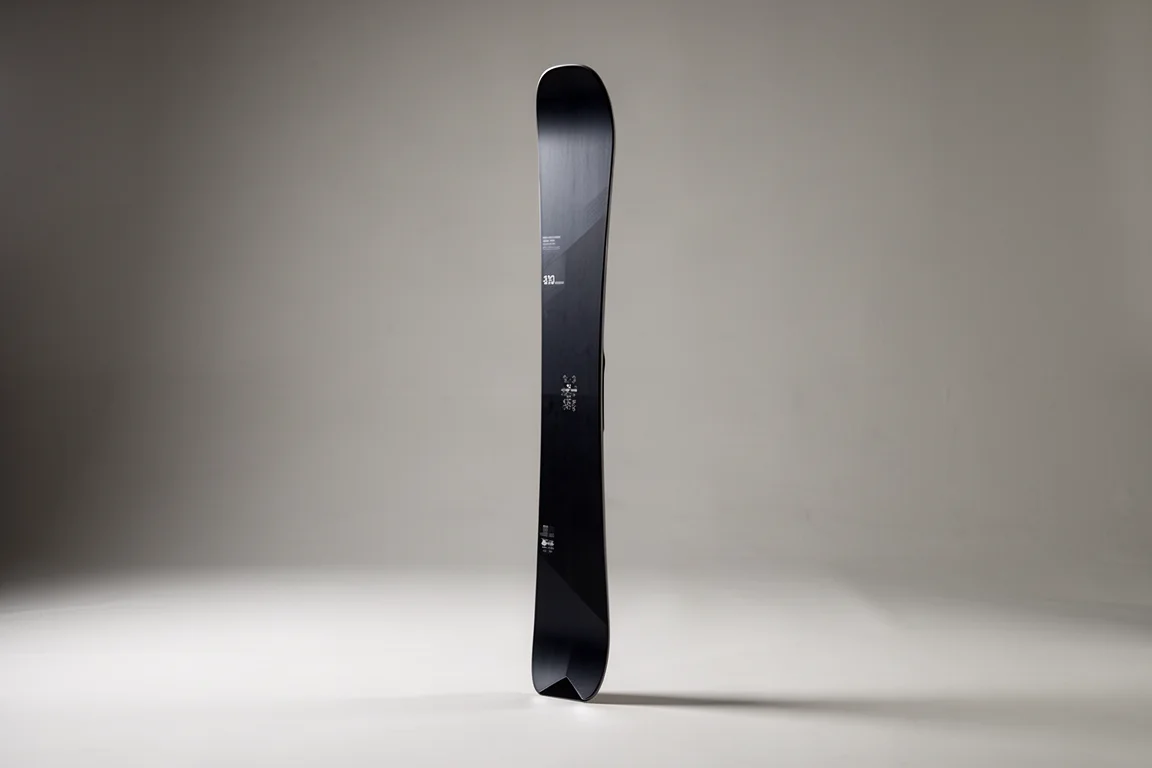
The M-Pro 108 is a specialist. It uses a beech and polyurethane core with the polyurethane concentrated along the edges, plus a Titanal rocket frame, and it is built on the previous generation M-Pro platform rather than the more approachable construction used in the current M-Pro 94 and 100. In the 192 cm length it weighs about 2,400 g, one of the heaviest skis in this group, and it feels solid and immovable at any speed.
The stated turn radius is 22 m, but getting there takes real effort. The tip has a good amount of rocker and a pointed early taper shape that does nothing to help initiate a turn; it is designed to cut through soft and variable snow and stay glued to the surface. The ski is stiff with a good amount of camber underfoot, and the tail is very flat with little taper, so it does not release easily. Most skiers will end up skiing it straight and fast. It is largely an athlete ski, and it is not widely available at retail. It aligns with speed-oriented freeride competition runs and big mountain terrain where the goal is getting down fast.
Volkl Mantra 108
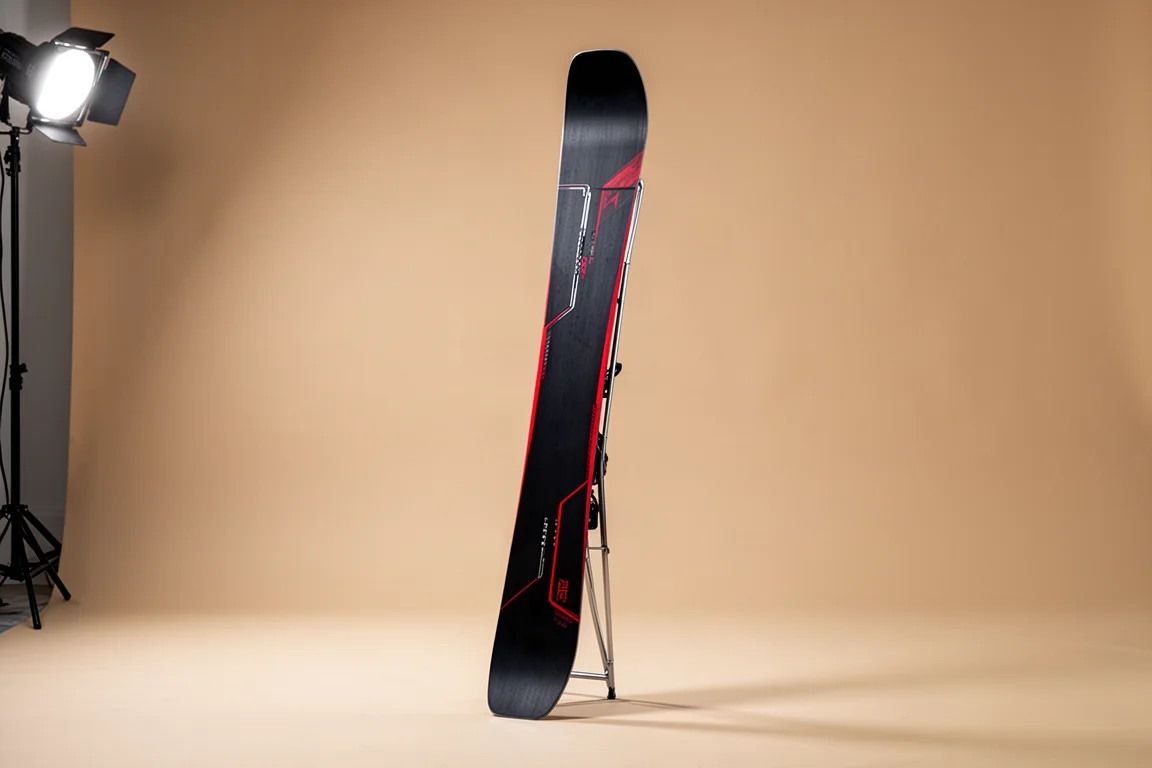
The Mantra 108 is unchanged from the previous season and does not receive the advanced Titanal frame or carbon tip updates applied to the M7 and narrower Mantra models. It uses a poplar and beech wood core with a Titanal frame and a thicker gauge of metal, and at about 2,330 g in the 184 cm length it has the old-school Volkl feel.
Its 3D radius side cut lists 39 m in the shovel, 19 m at the waist and 34 m in the tail, and in practice it behaves closer to a 30 m average. The ski is extremely damp, so it moves through adverse snow without transmitting much back to the skier, though it does produce an audible metallic sound that most skiers stop noticing quickly. On firm snow and ice it is the most supported ski in this group, with very predictable outcomes. It is not a strong floater; in dry snow it wants to find the bottom, and it dives once it is put on edge. It is demanding in a technical sense rather than a speed sense, and it rewards a skier who wants to cut through everything in front of them.
How to Choose Among These Skis
Start with the terrain you ski most, not the terrain you dream about. If most of your days involve tight trees, chutes and quick turns, the lighter and more agile skis in this group will serve you better, and something like the Kaizen 112 or the Playmaker 111 will feel more natural than a stiff, long-radius charger. If you spend your time in wide open bowls and at speed, the Ranger 108, Declivity X 108, M-Pro 108 and Corvus make far more sense.
Weight and metal content are the next filters. Heavier skis with more metal are more damp and more stable, and they hold up better when conditions turn firm or variable. Lighter skis are quicker, easier to pivot and easier to manage on the way up, but they give up some support.
Turn radius deserves more attention than it usually gets in this width band. A 15 m ski and a 25 m ski can measure within a few millimetres of each other underfoot and still feel like different sports. Be honest about how many turns you actually want to make.
Finally, think about how often your snow actually delivers. In regions where fresh snow usually hides a firm base, a ski with a longer effective edge and more resistance to taper will feel far more confident than a pure floater.
Conclusion
Every ski in this group is capable, and none of them are beginner-friendly simply by virtue of their width. The differences come down to how much support they offer, how quickly they turn, how much they weigh and how much input they ask for. Approachable options like the Playmaker 111, the Scope 110 and the Bent 110 make soft snow easy and fun, while the Rustler 11, the QST Blank and the Sender Free 110 sit in a practical middle ground that most skiers can grow into. At the far end, the Declivity X 108, the Corvus, the M-Pro 108 and the Mantra 108 are specialist tools that reward a specific style and a specific kind of terrain. Match the ski to the way you actually ski, and this width can cover a remarkable amount of ground.
Further reading
Related Reviews
Ski Gear
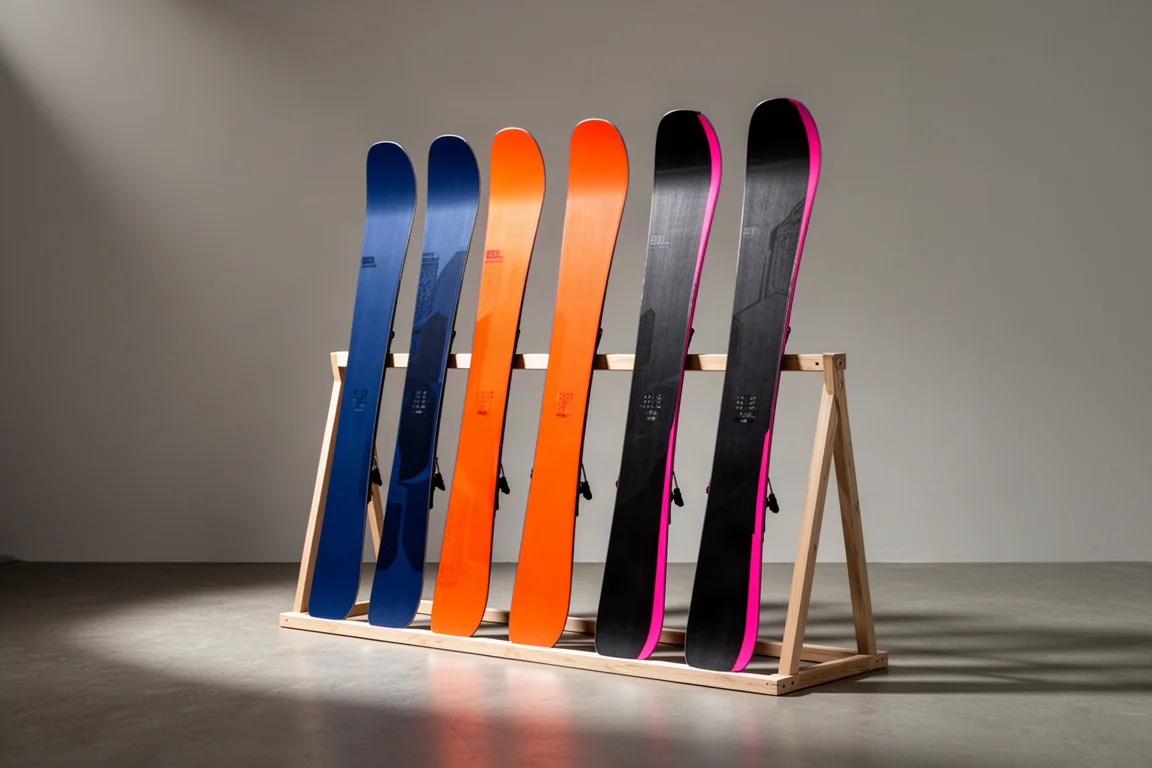
2023 Blizzard Hustle vs Rustler: Six Freeride Skis Compared
Blizzard's 2023 Hustle collection rebuilds the Rustler shape with a lighter core and no metal. Here is how all six skis differ, and which one suits your riding.
Ski Gear
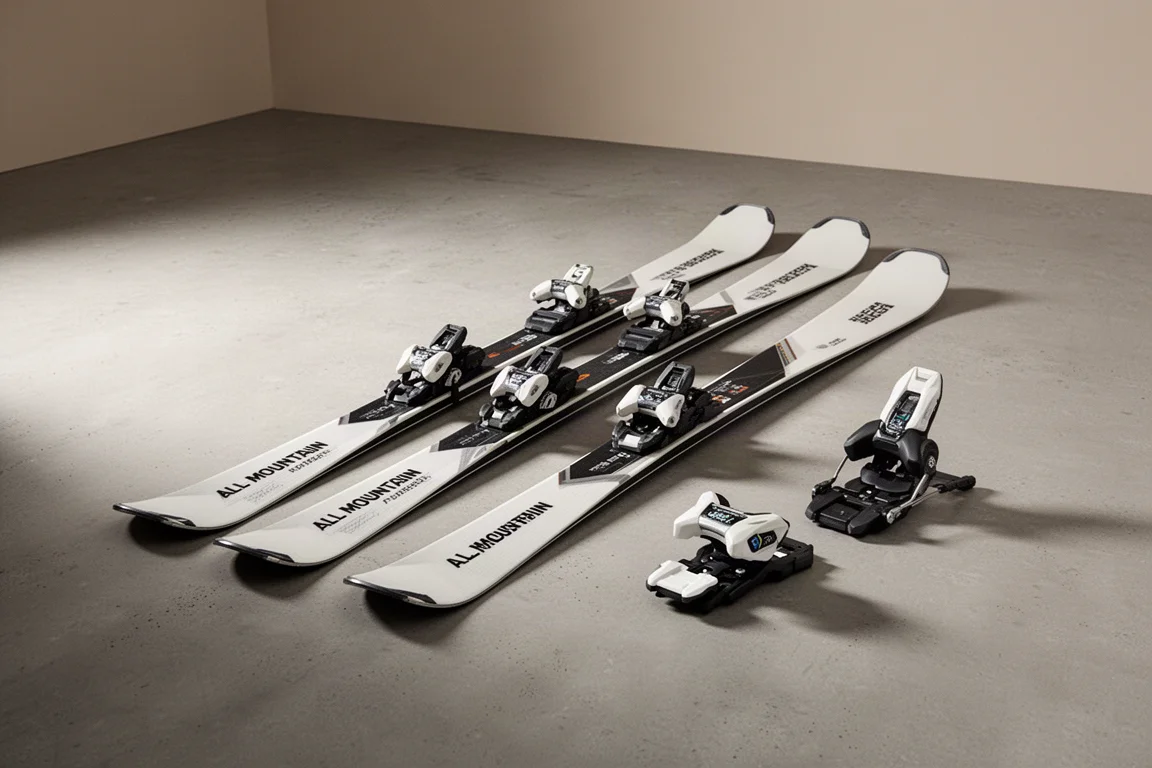
2023 Skis of the Year: Atomic Maverick 88 TI, Salomon QST 106, and Look SPX 12 Pro
Three standout ski picks for all-mountain carving, powder days, and reliable binding performance, with practical buying notes for 2023 models.
Ski Gear
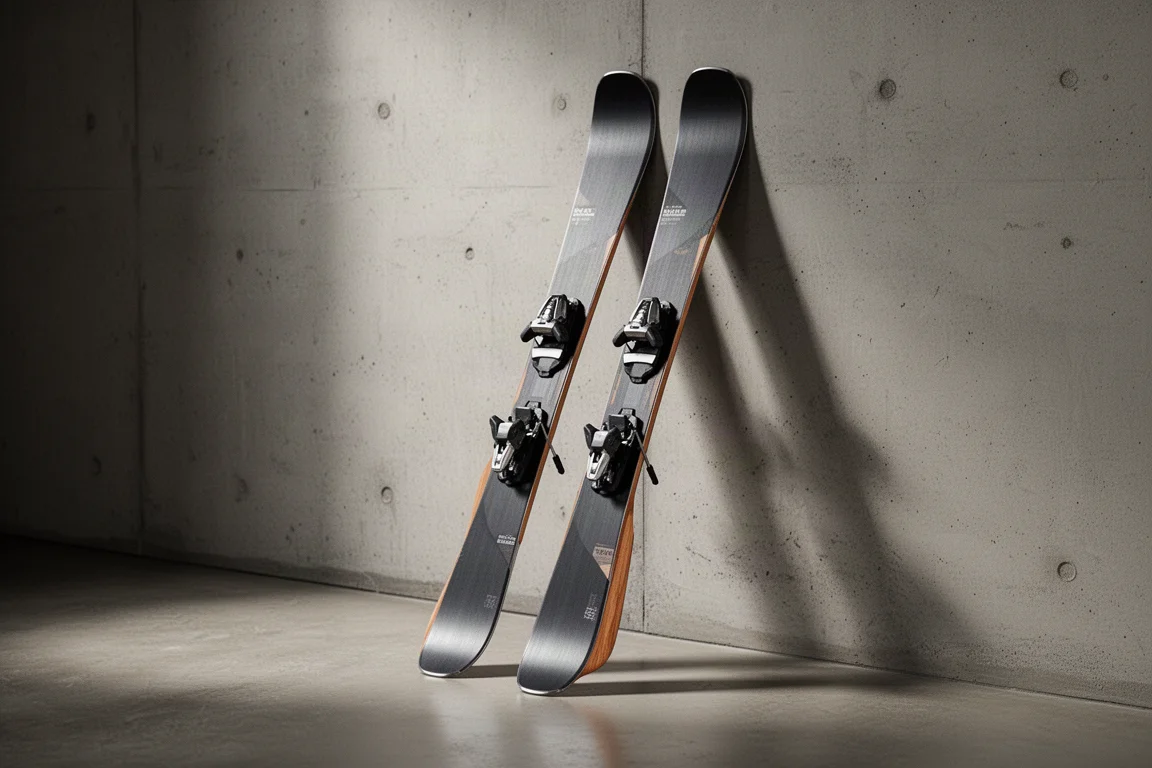
2025 Nordica Enforcer 104 Review: A Directional Charger Replaces the 104 Free
The 2025 Nordica Enforcer 104 drops the Free name and the twin-tip personality, gaining weight, stiffness and composure in rough snow. Here is what changed and who it suits.