Running Shoes
Best Wide Foot Friendly Running Shoes of 2025
Six running shoes that give wide feet real room to breathe, from a max-cushion tank to a genuinely accommodating carbon racer.
Introduction
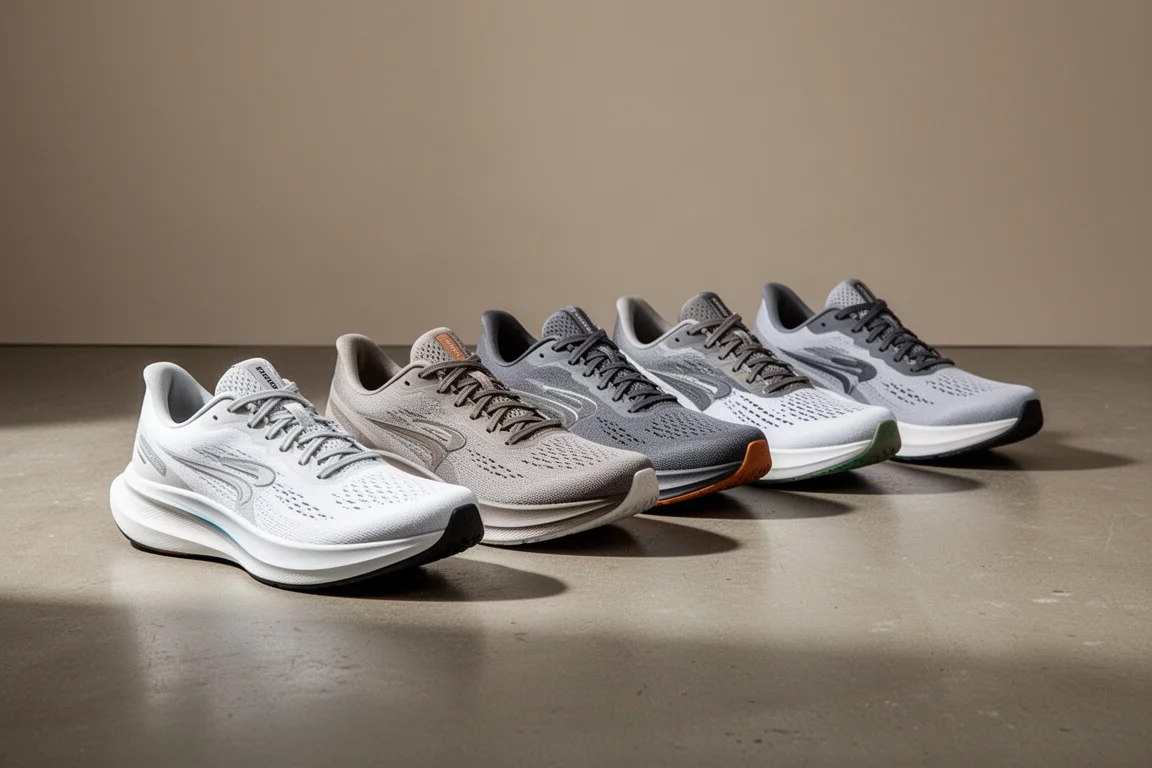
Most mainstream training shoes technically come in wide widths, but that usually means settling for a limited colorway of a shoe like the Nimbus, the 1080, or the Clifton. This list takes a different approach. Instead of pointing you toward 2E or 4E versions of standard trainers, it highlights standard-fit shoes that are naturally roomy enough for wide feet out of the box.
These are the standout wide-foot-friendly examples from each category of 2025: speed daily trainer, max cushion recovery, dedicated long run shoe, and carbon racer. Some categories have plenty of spacious options, others have almost none, so each pick here is the best the year had to offer.
Honorable Mention: Puma Magma X 2
The Puma Magma X 2 arrived in December 2025, which is why it lands as an honorable mention rather than a full entry. It simply has not been battle-tested enough yet, and there are not enough miles on it to rank it confidently against the rest of the year.
What has been encouraging so far is the fit. One of the most common complaints about Puma running shoes has always been that they run too narrow, and Puma clearly listened: the Magma X 2 has been widened noticeably in the front. So far it has proven a very wide-foot-friendly option for true slow-day recovery miles, the chill, relaxed running you do when your legs are beat. It may well earn a bigger place in future rankings once it has more miles behind it.
Speed Daily: Tier Maverick
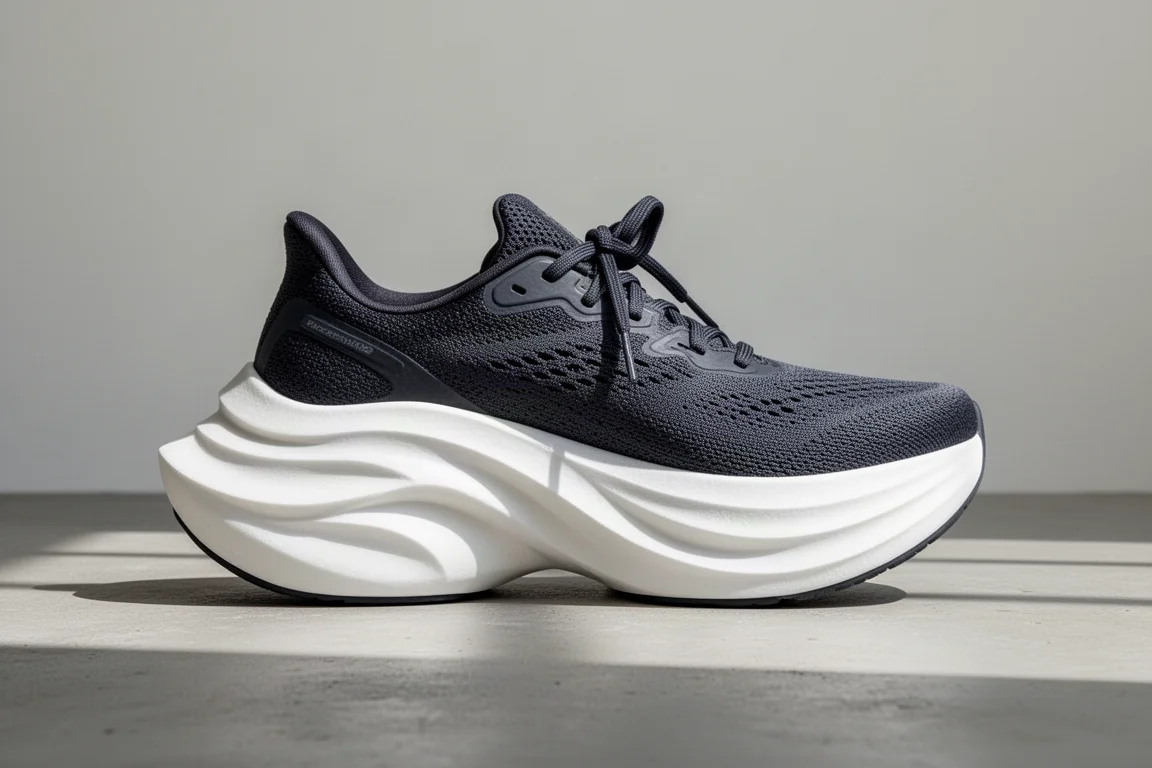
The Tier Maverick is the closest thing on this list to an Altra or Topo experience. It has a secure heel with solid lockdown in the back, then broadens out dramatically in the forefoot with a genuinely anatomical toe box. Viewed from above, it has that classic platypus shape, and it is noticeably wider through the front than most shoes on this list, including the racer pick further down.
The ride is an EVA and PEBA blend that feels poppy and peppy, in the same family as the Evo SL. If you like the Evo SL, you will very likely enjoy this. The foam sits in that Goldilocks zone, softly bouncy without being mushy, and it rewards a faster pace. It works for workouts but also shines on steadier aerobic miles, making it ideal if you are in a training phase where your everyday miles are trending quicker.
The main downside is comfort. The upper is a scratchier, more performance-oriented fit, and the step-in feel leaves something to be desired. Swapping the stock insole for something plusher helps. On the plus side, it is the cheapest shoe on this list and can often be found on sale for around $100, which is an outstanding deal.
Speed Daily: Adidas Evo SL
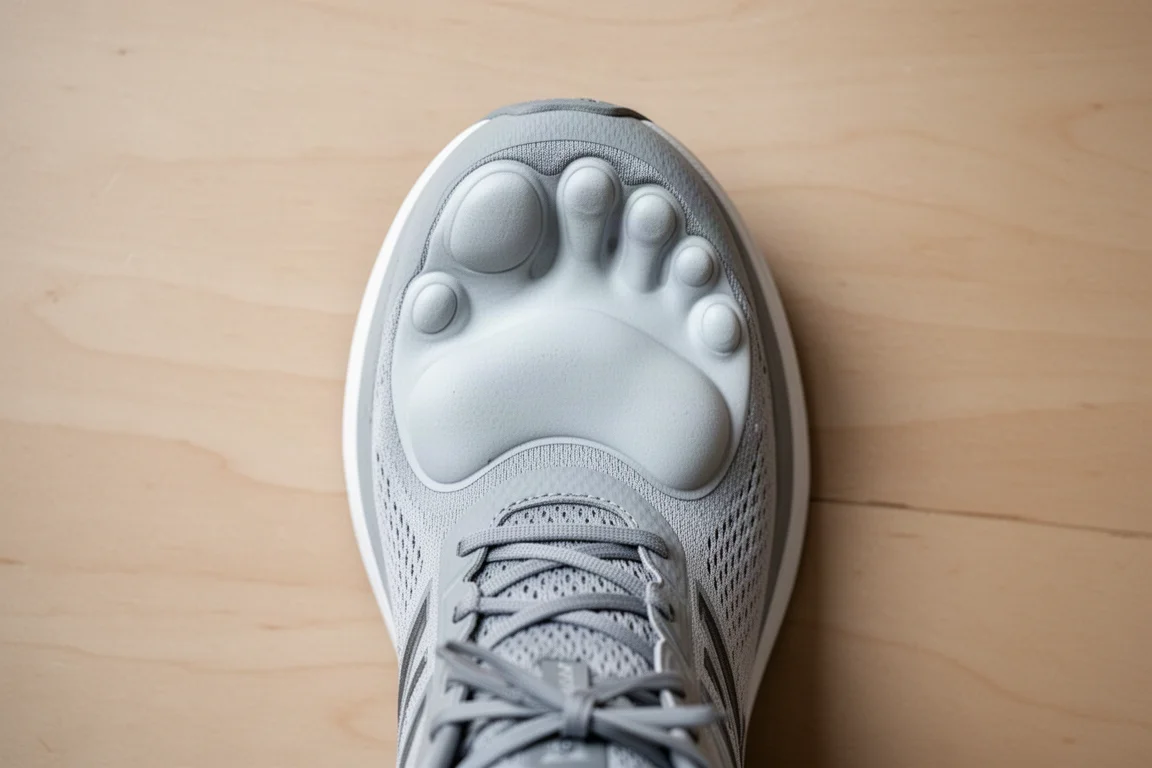
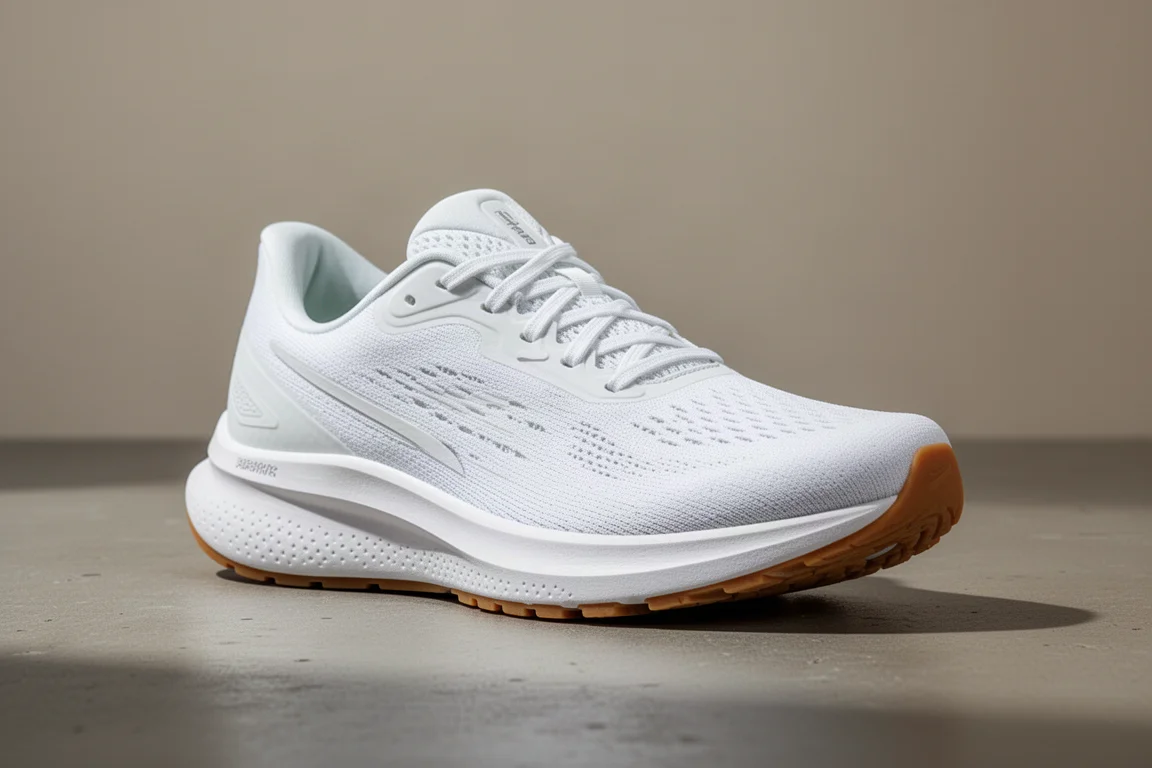
The Adidas Evo SL might surprise you as a wide-foot pick, since it is a speed training shoe, but the standard version has a very high-volume toe box with plenty of extra material and decent width in the forefoot. One important note: this applies to the standard version only. The newer woven version was made noticeably narrower and more streamlined, so stick with the original if roominess is the priority.
In terms of ride, it is a very speedy shoe with 100% race foam that wants you to run fast. It rewards landing up on the forefoot with a higher cadence or driving power through the shoe. It is not a good option for recovery miles or hanging back, but for budget race-day use, fast days, and workouts in the six, seven, eight, or nine minute mile range, it is an excellent pick.
Pricing is friendly too, with many colorways currently on sale around $110 to $120, making it one of the better deals among speed-oriented daily trainers.
Max Cushion Recovery: Nike Vomero Premium
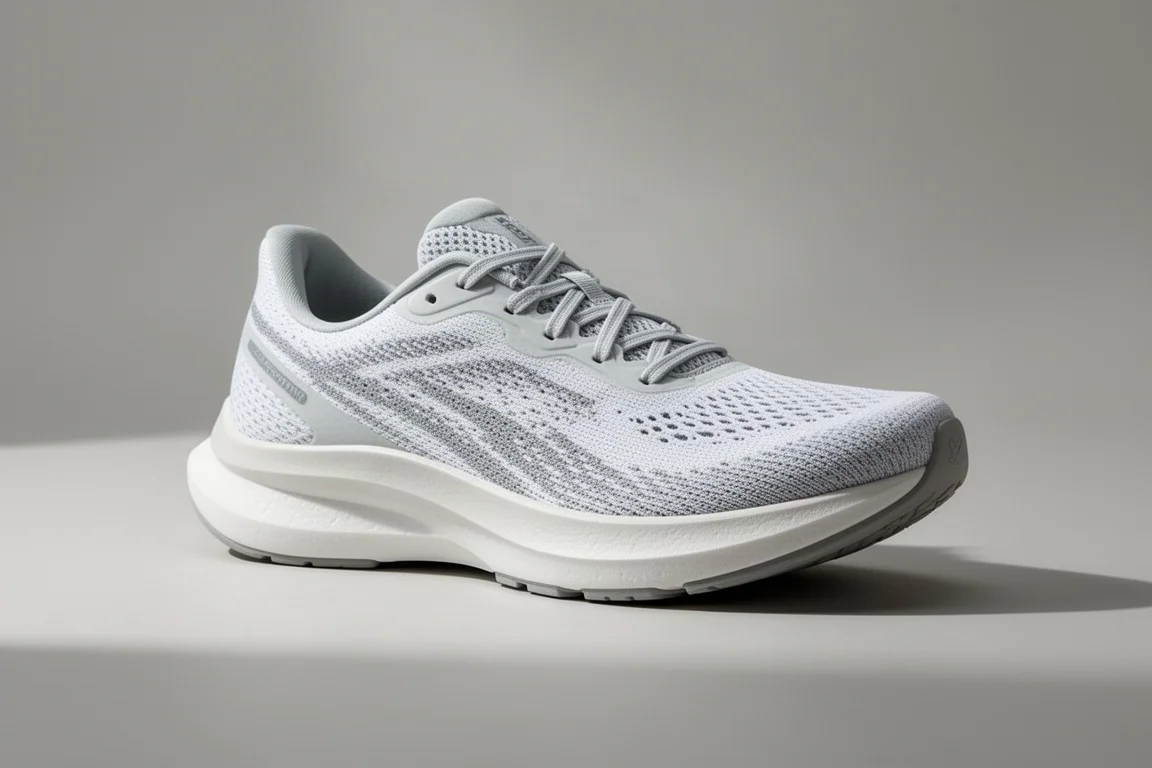
The Nike Vomero Premium is the biggest shoe here by a wide margin, with 55 millimeters of foam in the heel built around Zoom X foam and an air unit. It is innovative, fun, and an absolute tank. It is also a very specific tool rather than an all-rounder.
Its purpose is recovery and chill miles, taking impact off the legs. It was designed to mimic the experience of an anti-gravity treadmill, and it was refined with input from athletes using it to return from injury. If you want maximum protection, are a bigger runner, or simply want a shoe that deletes the pounding from easy days, this is the cream of the crop.
The upper is cavernous. Unless you have truly enormous feet, you should not have any fit problems at all. There is one quirk worth knowing: the shoe seems to feel better the bigger or faster you are. At very slow shuffle paces it can feel like too much shoe, while at quicker paces it delivers that signature super-bounce feel, though at those paces many runners would rather use something more streamlined.

At $230 it is expensive, but the tech and protection justify the price if you genuinely need what it offers. If you do not, the Vomero Plus is the more usable daily alternative, and the whole Vomero family is decently accommodating in standard width for wide feet.
Long Run Pick: Mizuno Neo Vista 2
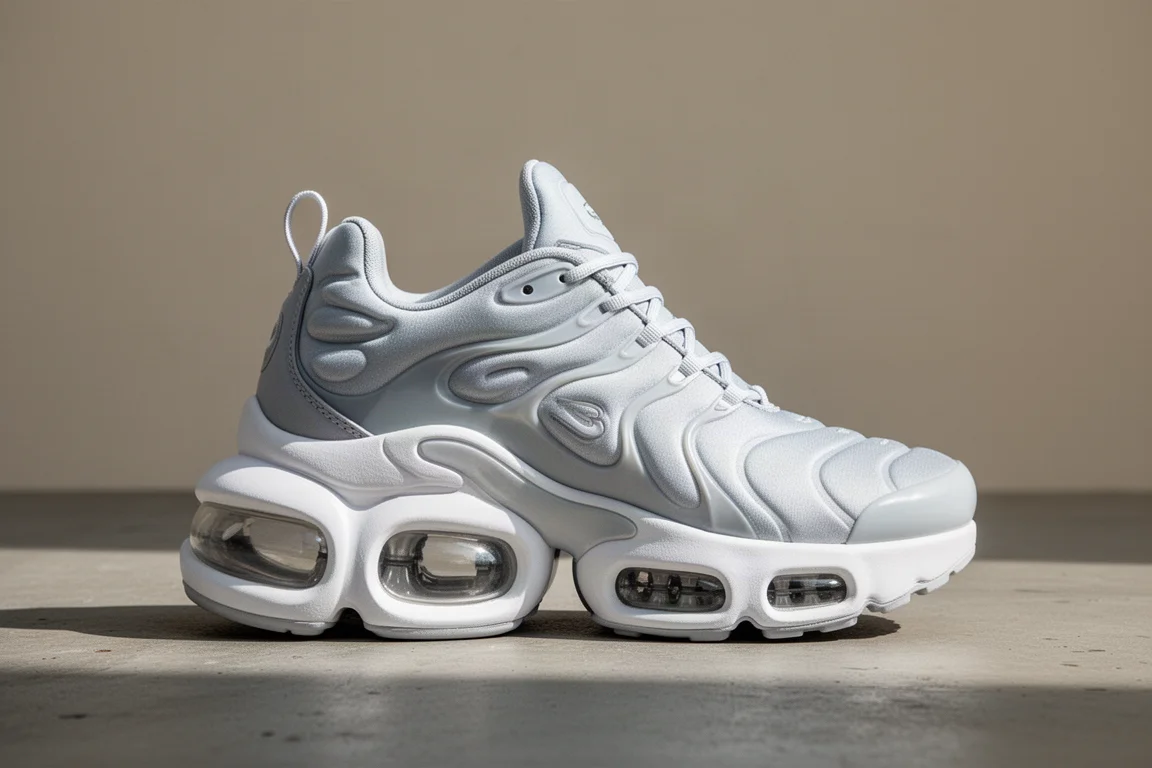
The Mizuno Neo Vista 2 may have the most voluminous, cavernous upper of anything on this list. Some runners find it fits a half or even a full size big, but for wide feet, that means zero issues. One fit tip: wear a full-length crew sock, because the heel collar was the one spot that caused some irritation.
At $200, it is a purpose-built long run shoe, engineered to be the best possible option for going out and running a long time at a steady pace. The ride combines a bottom layer of impact-absorbing foam, a top layer of peppier supercritical foam, and a plastic plate for snap, all wrapped around a pronounced rocker that encourages forward movement. Mizuno calls the system Smooth Speed Assist, which is a fittingly accurate name.
This is a true zone 2 cruiser. It feels best when you are running with good form and pushing some sort of pace, not all the way relaxed, though it can handle that too. If you have wide feet and want a dedicated long run shoe, this is the pick.

Wide Foot Friendly Racer: Hoka Rocket X 3
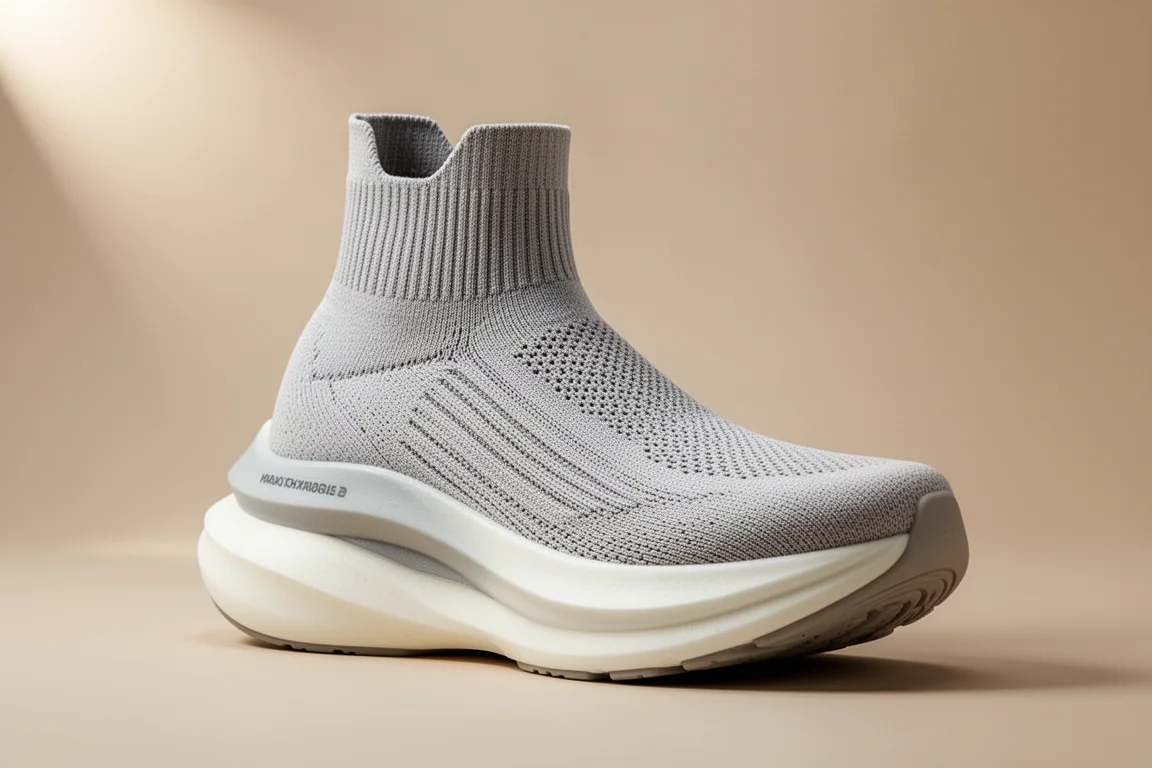
Carbon racers are usually the hardest category for wide feet, since most race uppers are snug and dialed in. The Hoka Rocket X 3 is the exception. It was designed to be a stable, supportive, four-hour-marathon kind of shoe, and that philosophy carries through to a fit that is one of the most approachable and accommodating in the entire race shoe category.
The build uses dual PEBA foam with a carbon fiber plate and a good rocker. Underfoot, it feels almost like a daily trainer, with a decent amount of comfort and protection from the PEBA foam. The heel is very secure, with a locked-in feel in the back and a forefoot that, while not as anatomical as the Tier Maverick, still offers one of the more generous fits you will find in a carbon shoe.
One honest caveat: for runners doing their fast paces in the fives, driving hard off the forefoot, the shoe can feel like it is fighting you. It is tailor-made for sevens, eights, nines, and tens instead, where it feels stable and comfortable. If you are chasing a fast PR and want the absolute sharpest carbon experience, other options exist, but if you want a racer you can actually fit into comfortably, this is the one.
Overall Buying Advice
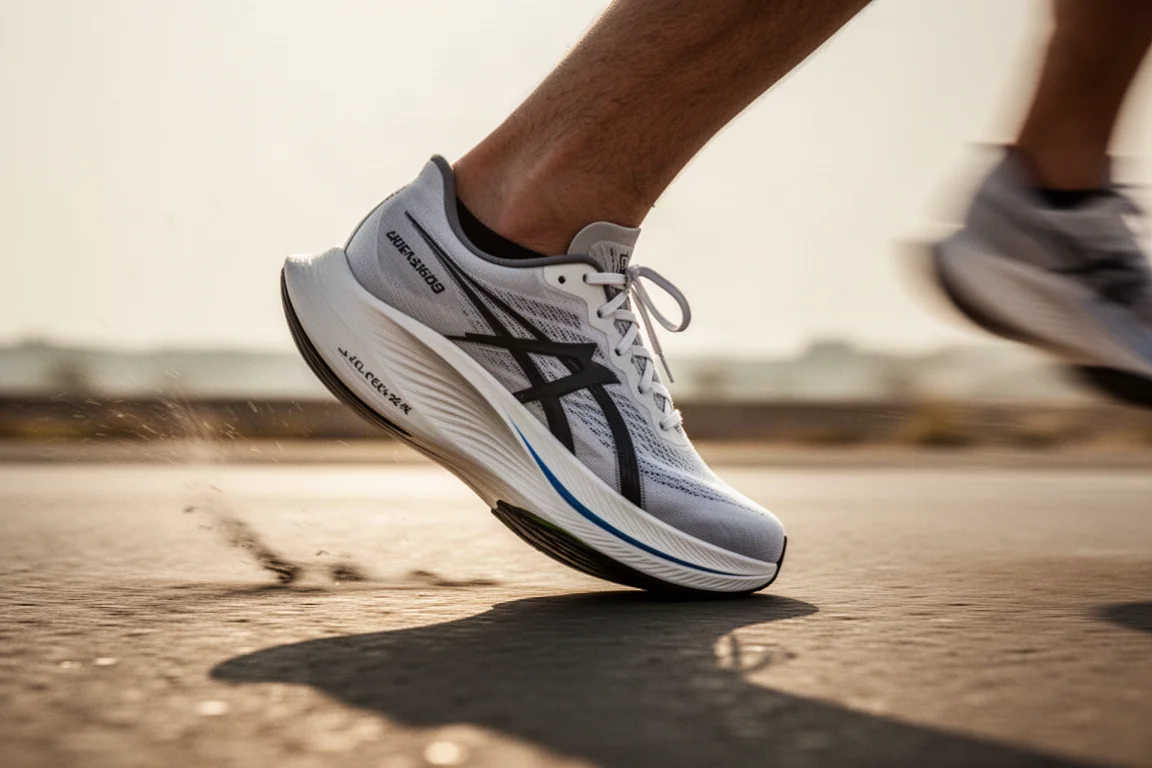
Match the shoe to the run, not the other way around. For fast everyday miles on a budget, the Tier Maverick and Adidas Evo SL are the strongest choices, with the Maverick offering the roomiest toe box and the Evo SL offering pure race-foam speed. For genuine impact protection on easy days, the Vomero Premium is unmatched, though it is a big investment for a specific use case. For long, steady efforts, the Neo Vista 2 is the clear specialist. And if you need a carbon racer that does not squeeze your feet, the Rocket X 3 stands nearly alone in the category.
Conclusion
Wide-foot runners have more good options in 2025 than the narrow defaults of mainstream trainers suggest. Each of these shoes earns its place by fitting naturally roomy while still performing at a high level in its category, and any one of them can save you from compromising between fit and performance.
Further reading
Related Reviews

Running Shoes
Best Road-to-Trail Running Shoes: Three Versatile Options for Mixed Terrain
A practical guide to three road-to-trail running shoes that handle both pavement and mild trails, with clear strengths and trade-offs for different runner types.

Running Shoes
Best Running Shoes for Achilles Tendonitis: Three Options Explained
Three running shoes with different heel drops and support features designed to help reduce Achilles tendon pain during walking and running.

Running Shoes
Best Running Shoes for Women: Five Top Choices Ranked
A ranked guide to five women's running shoes, from versatile daily trainers to high-performance racing options, with real strengths and trade-offs for each.