Running Shoes
Best Wet Weather Running Shoes 2026: Four Options for Rainy-Day Miles
The Nike Pegasus Trail 5 GTX leads a four-shoe lineup for wet pavement, light trails, and winter comfort miles.
Introduction
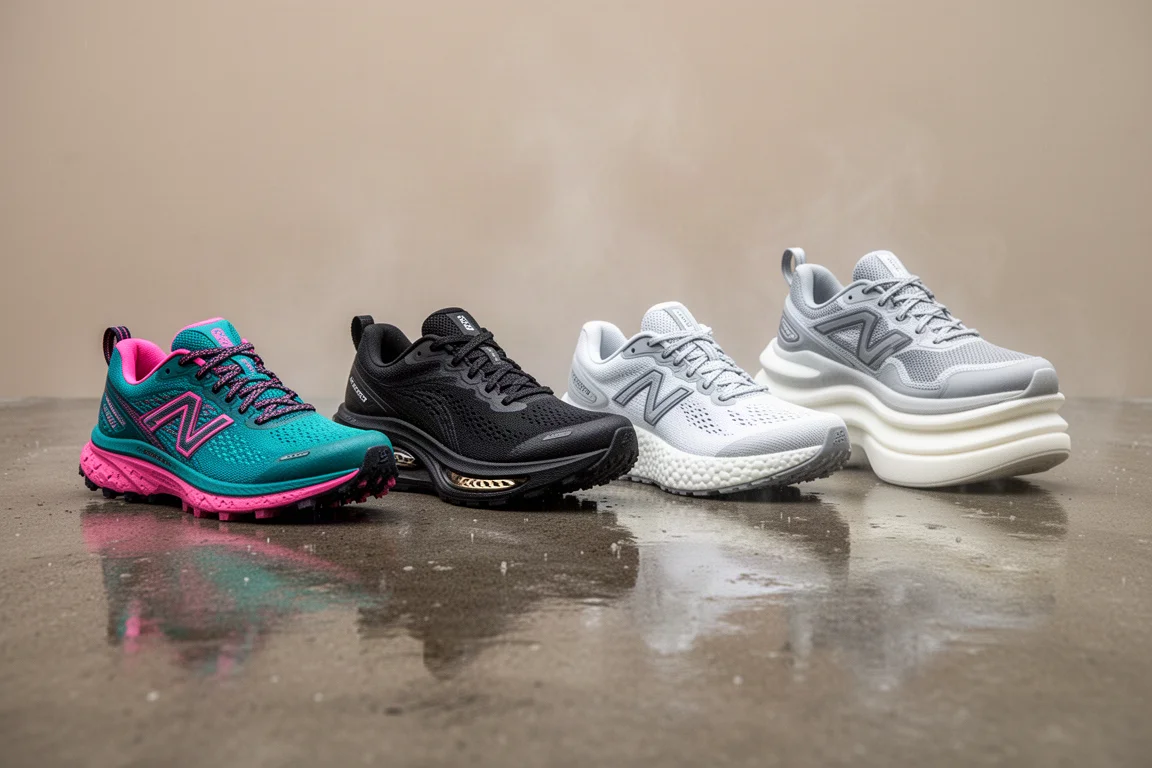
Wet pavement changes everything about how a running shoe feels. Grip matters more, cushioning behaves differently, and a shoe that feels great on dry roads can turn slippery the moment the surface darkens with rain. Four shoes stood out in recent testing on exactly those conditions: the Nike Pegasus Trail 5 GTX, the Puma Deviate Nitro 3, the Adidas Ultraboost, and the Brooks Glycerin Max. Each takes a different approach to wet-weather and cold-season running, and each suits a different type of runner.
Nike Pegasus Trail 5 GTX
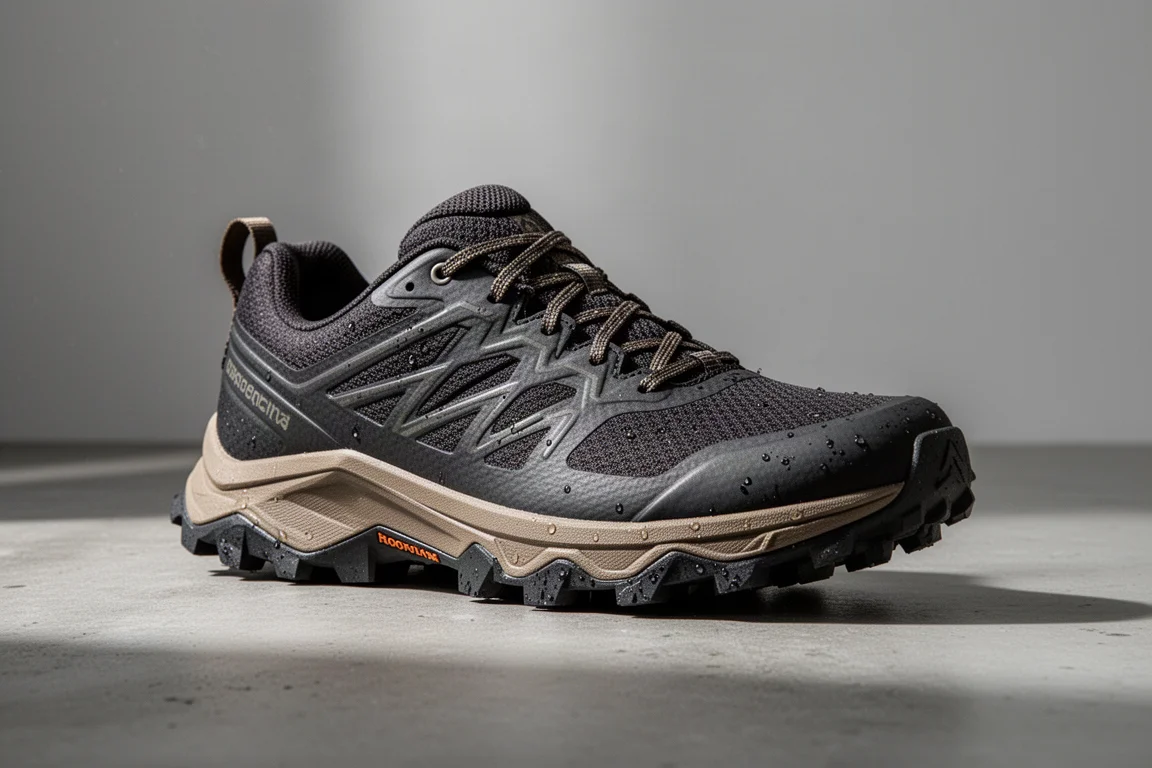
The Pegasus Trail 5 GTX is the road-to-trail version of the Pegasus, combining a road-style midsole with a trail outsole that adds grip, thicker lug depth, and a fully waterproof GORE-TEX upper. The tested pair came in at about 310 g, slightly lighter than the Pegasus Trail 3 at roughly 320 g, thanks to the updated ReactX foam. The midsole is a complete slab of ReactX with no air unit, and the outsole uses Nike Trail All-Terrain Compound rubber with slightly more aggressive lugs than previous versions.
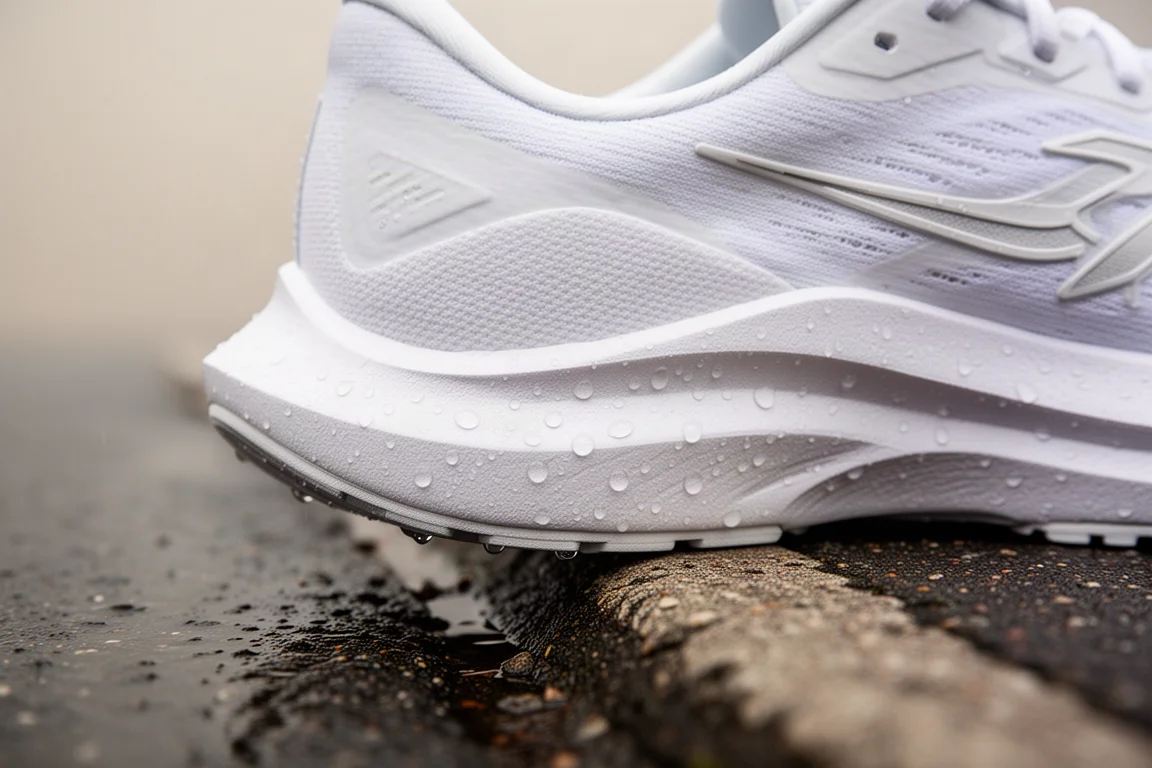
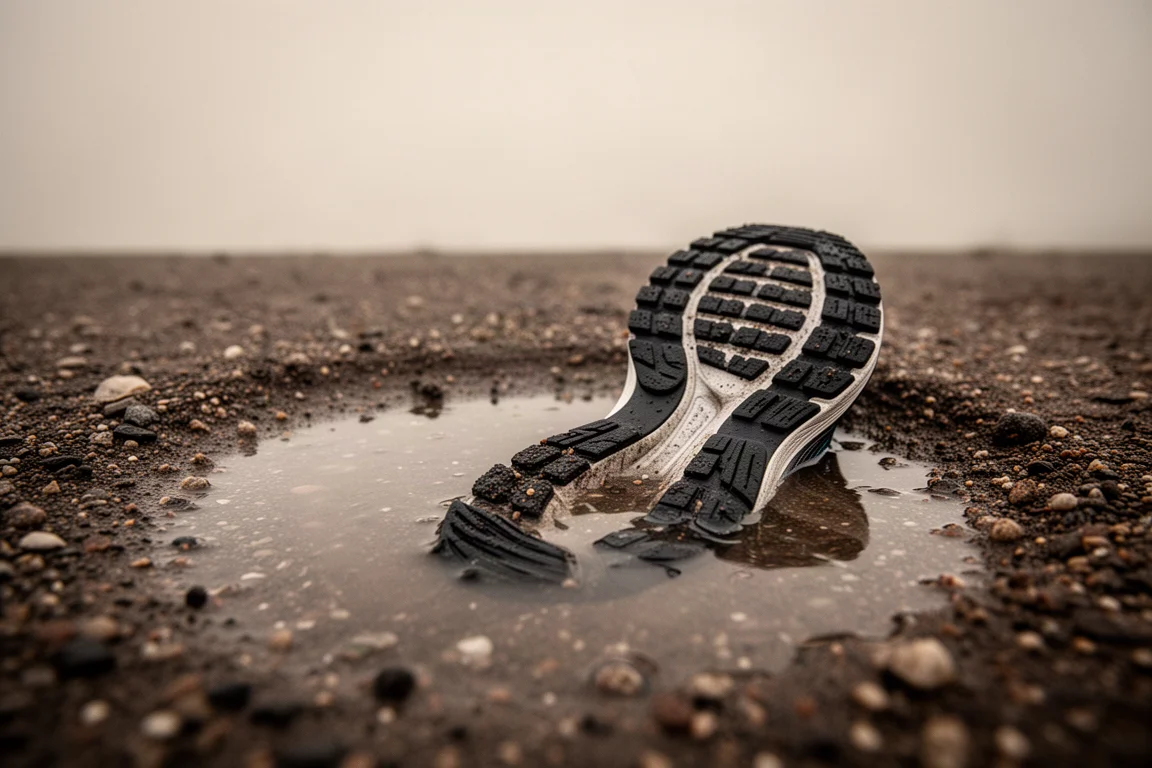
On wet suburban roads, the grip was genuinely impressive. The ATC compound stuck to slick blacktop scattered with leaves at a level that compared favorably with Puma and Adidas wet-weather outsoles, and a big step up from Nike’s road shoes. The ReactX foam felt softer, bouncier, and more stable than the standard Pegasus, with no bottoming-out sensation in the forefoot. Over 10 miles the shoe stayed comfortable, and an 18-mile double-run day confirmed it can handle high mileage without collapsing, though the relatively narrow base becomes noticeable as fatigue sets in. The GORE-TEX upper kept feet completely dry, the fit runs true to size with a wider toe box than the standard Pegasus, and the forefoot ground feel that comes with the 10 mm drop will appeal to Nike fans. The main trade-offs: a slightly loose feel at the heel that some runners may want to lace out through the top eyelet, a thin forefoot platform, and a design meant for light trails rather than muddy or technical terrain. At sale prices around $90 to $100, it is one of the most versatile do-it-all shoes available, and one of the few GORE-TEX road-to-trail hybrids on the market.

Puma Deviate Nitro 3
The Deviate Nitro 3 brings race-day energy to the winter lineup. Its Pumagrip outsole proved to be one of the stickiest in this comparison on wet surfaces, and the shoe carries a carbon plate with livelier race foam than anything else here. Puma also offers a completely weatherproof version in a WTR colorway, making it a strong pick if you want a true speed shoe for wet-weather workouts. At 283 g, it is the lightest shoe in this group, and it works best for runners who want to keep tempo work going through the wet months rather than just logging easy miles.
Adidas Ultraboost
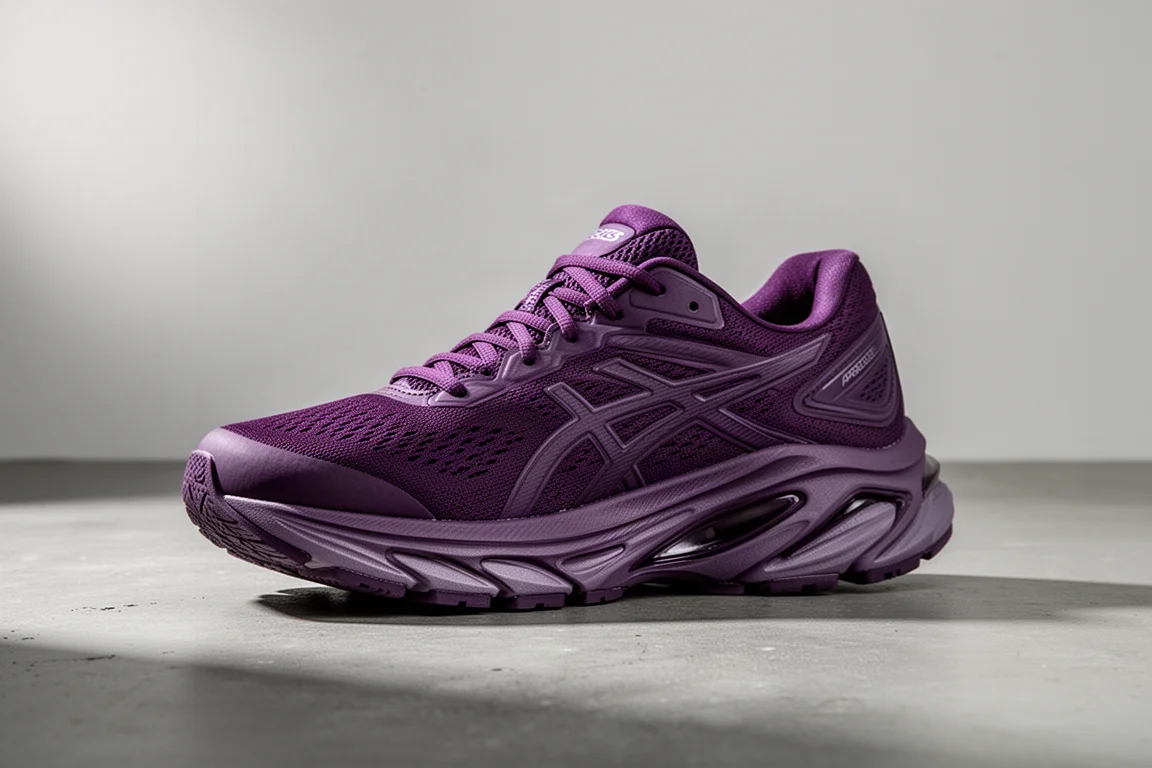
The Ultraboost remains a durable do-it-all option for winter, and at around $135 it competes most directly with the Pegasus Trail 5. The Boost foam is known for lasting a very long time, and the tested pair weighed in at about 295 g, a touch lighter than the Nike with more foam underfoot. One detail worth checking: the Continental rubber outsole is the grippy part, and on the tested pair only one side used it, which made a real difference in the slip test. With the Continental rubber down, wet-pavement grip was excellent. This is the pick for runners who want a shoe that will hold up season after season without much thought.

Brooks Glycerin Max
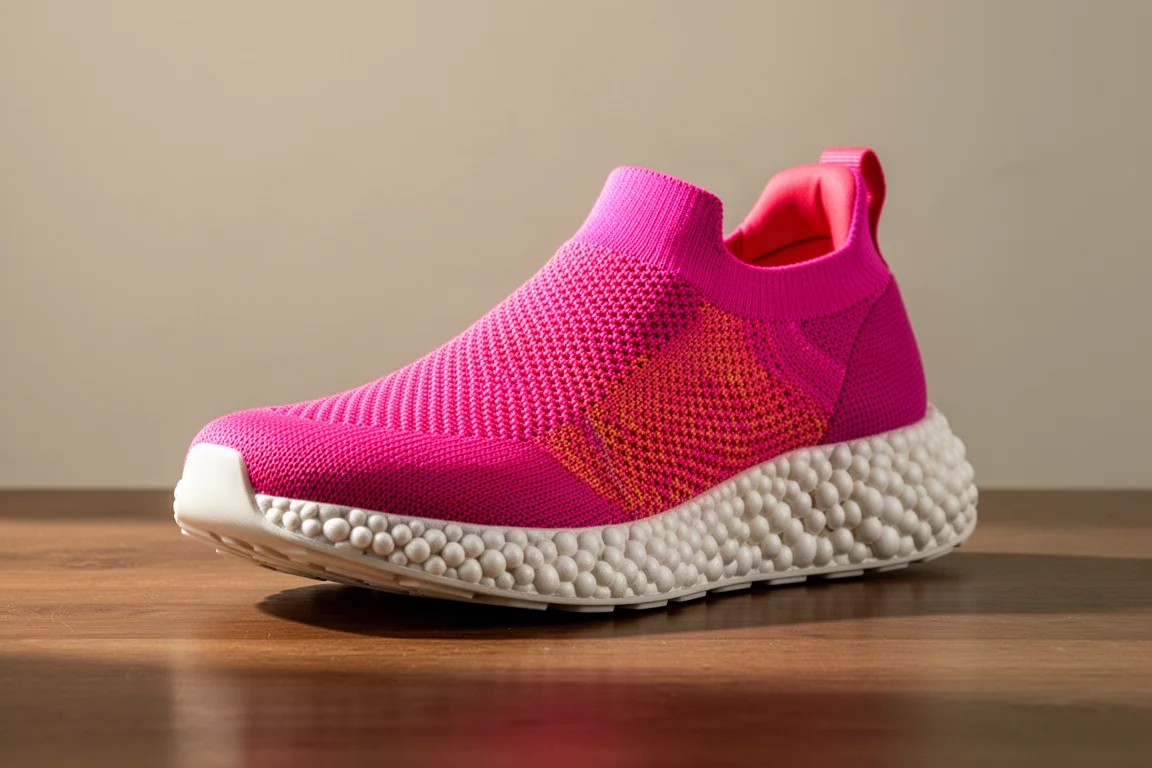
The Glycerin Max is the comfort option, and it surprised with its wet-weather ability. Lots of runners have praised its grip, and in this comparison it held up well, sitting just a slight notch below Puma and Adidas on the slipperiest surfaces. At about 332 g, it is an absolute tank, more of a max-stack cushioning shoe designed for the utmost in comfort than a lightweight trainer. It also weighed in slightly lighter than its size might suggest. This is the Lincoln Navigator of the group: big, protective, and unapologetically comfort-first. If your priority is soft, easy miles through wet winter days, this is the one.
Overall Buying Advice
How you choose between these comes down to your winter running habits. If you want one waterproof do-it-all shoe that can run roads, dabble in light trails, and still look good for everyday wear, the Pegasus Trail 5 GTX is hard to beat, especially below $100. For wet-weather speed sessions, the Deviate Nitro 3 with its carbon plate and WTR version is the pick. For long-term durability and steady everyday cushioning, the Ultraboost with Continental rubber is a safe bet. And for maximum comfort on easy and recovery miles, the Glycerin Max delivers. One caution for the Nike: if muddy or technical trails are your main use case, look at dedicated trail shoes with deeper lugs instead, as the Pegasus Trail 5 is built for light trail duty, not serious off-road work.
Conclusion
Wet-weather running does not require a compromise. The Pegasus Trail 5 GTX sets a high bar for waterproof versatility, the Deviate Nitro 3 keeps speed alive in the rain, the Ultraboost offers dependable durability, and the Glycerin Max provides maximum comfort. Match the shoe to your main winter use case and the rainy days become something to look forward to.
Further reading
Related Reviews

Running Shoes
Best Road-to-Trail Running Shoes: Three Versatile Options for Mixed Terrain
A practical guide to three road-to-trail running shoes that handle both pavement and mild trails, with clear strengths and trade-offs for different runner types.

Running Shoes
Best Running Shoes for Achilles Tendonitis: Three Options Explained
Three running shoes with different heel drops and support features designed to help reduce Achilles tendon pain during walking and running.

Running Shoes
Best Running Shoes for Women: Five Top Choices Ranked
A ranked guide to five women's running shoes, from versatile daily trainers to high-performance racing options, with real strengths and trade-offs for each.