Outdoor Gear
Best Water Filters for Hiking and Backpacking: What to Carry and Why
A practical guide to hollow fiber filters, UV purifiers and full water purifiers for backcountry water, including what each one removes and where the limits sit.
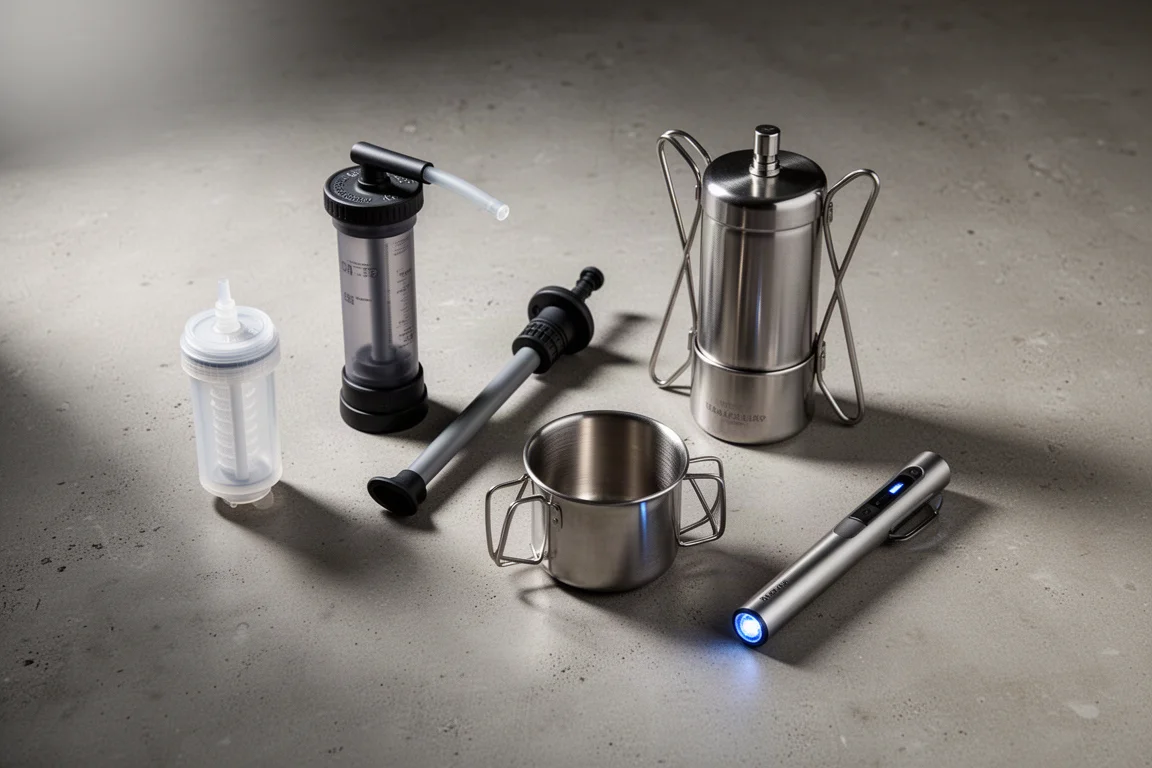
Introduction
Clear water is not automatically safe water. A stream running through a national park can sit just downstream of a combined sewage overflow, an intensively farmed field, or the remnants of old mining works, and the contaminants that reach it are not the ones you can see. Filtering or boiling every litre is the simplest way to reduce that uncertainty.
This guide looks at the water treatment options that have earned a place in a pack, what each one actually removes, and where the trade-offs sit. It also covers the two failure modes that catch people out: a hollow fiber filter that has been allowed to freeze, and a filter that has been asked to do a job it was never designed for.
How to Choose a Water Filter for the Backcountry
Most lightweight backpacking filters are hollow fiber drink-through designs. Water is scooped or squeezed through a bundle of fine tubes with pores around 0.1 micron, which captures bacteria, cysts such as cryptosporidium, and sediment. They are quick, simple and forgiving in the field.
What they generally will not remove is the other half of the problem: viruses, heavy metals and pesticides. That gap matters far more in a lowland river that has already passed through a town, or in an area with a history of mining, than it does on a hillside stream high above any settlement.
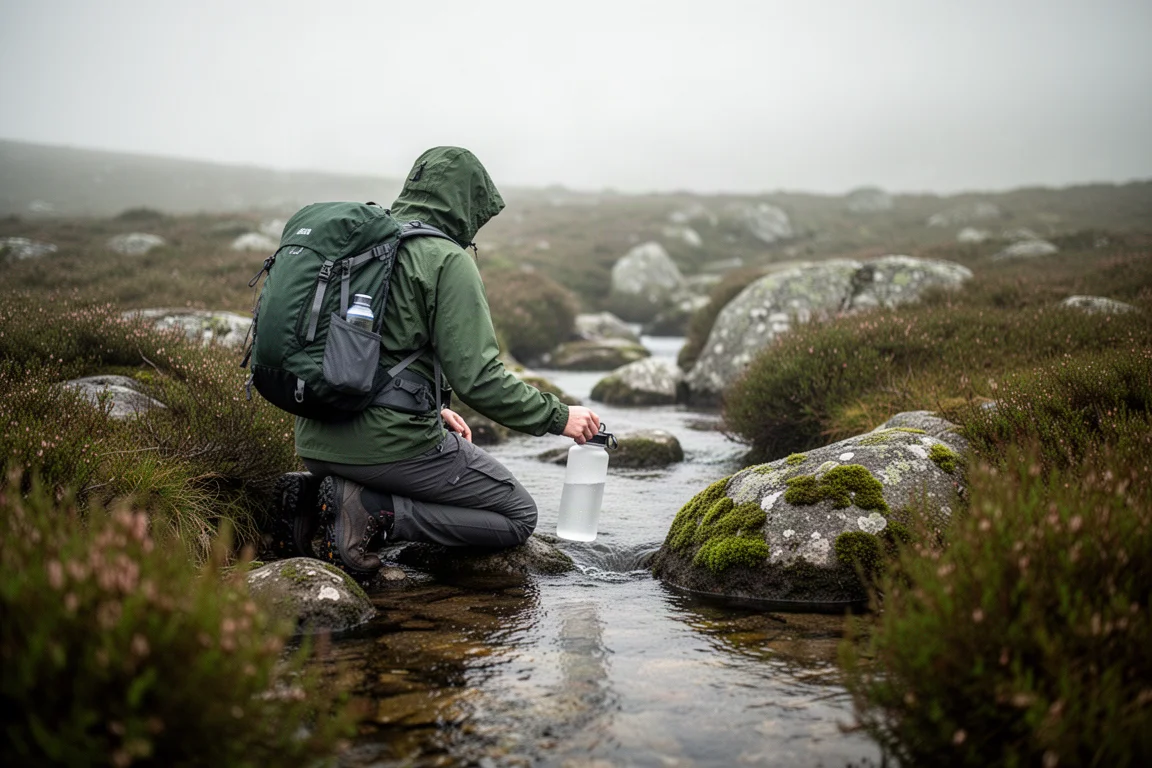
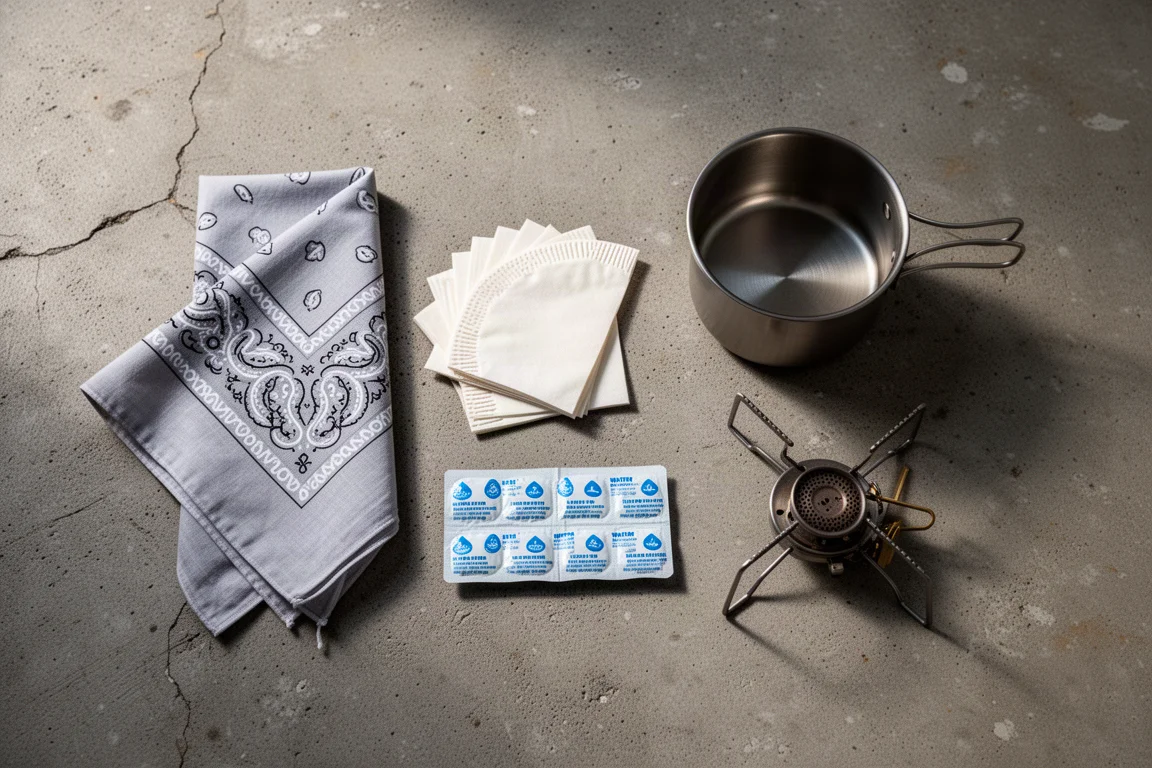
Three practical rules apply to almost everything here. Freezing damages the hollow fiber element inside a filter, so one that has spent a night below zero should be treated as compromised. Pre-filtering cloudy water through a bandana or a paper coffee filter slows clogging. And a rolling boil remains a dependable backup, though particulates can shelter parasites, so it is worth pre-filtering before boiling as well.
Sawyer Mini
The Sawyer Mini is a common first filter: a small hollow fiber unit that screws onto a bottle or bladder and produces drinking water with very little ceremony. It is light, it is straightforward, and it is the model many people buy before they know what they want from a filter.
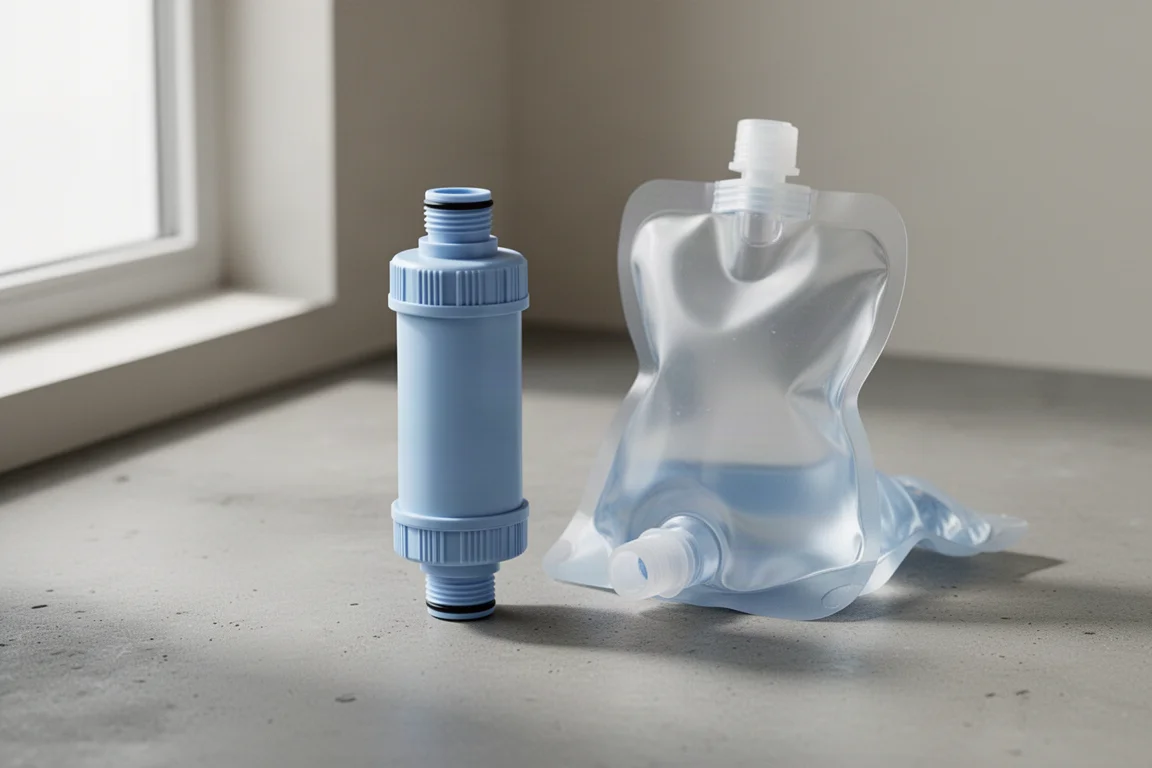
Its limits are the limits of the category. Bacteria, cysts and sediment come out; viruses, heavy metals and pesticides do not. On a clean upland stream with nothing obvious upstream, that is usually an acceptable trade for the weight and the simplicity.
Sawyer Squeeze
The Sawyer Squeeze applies the same hollow fiber approach at a slightly larger scale, which makes filling and squeezing less fiddly over a long day on the move. It is the natural next step for anyone who has used a Mini and wants a little more flow.
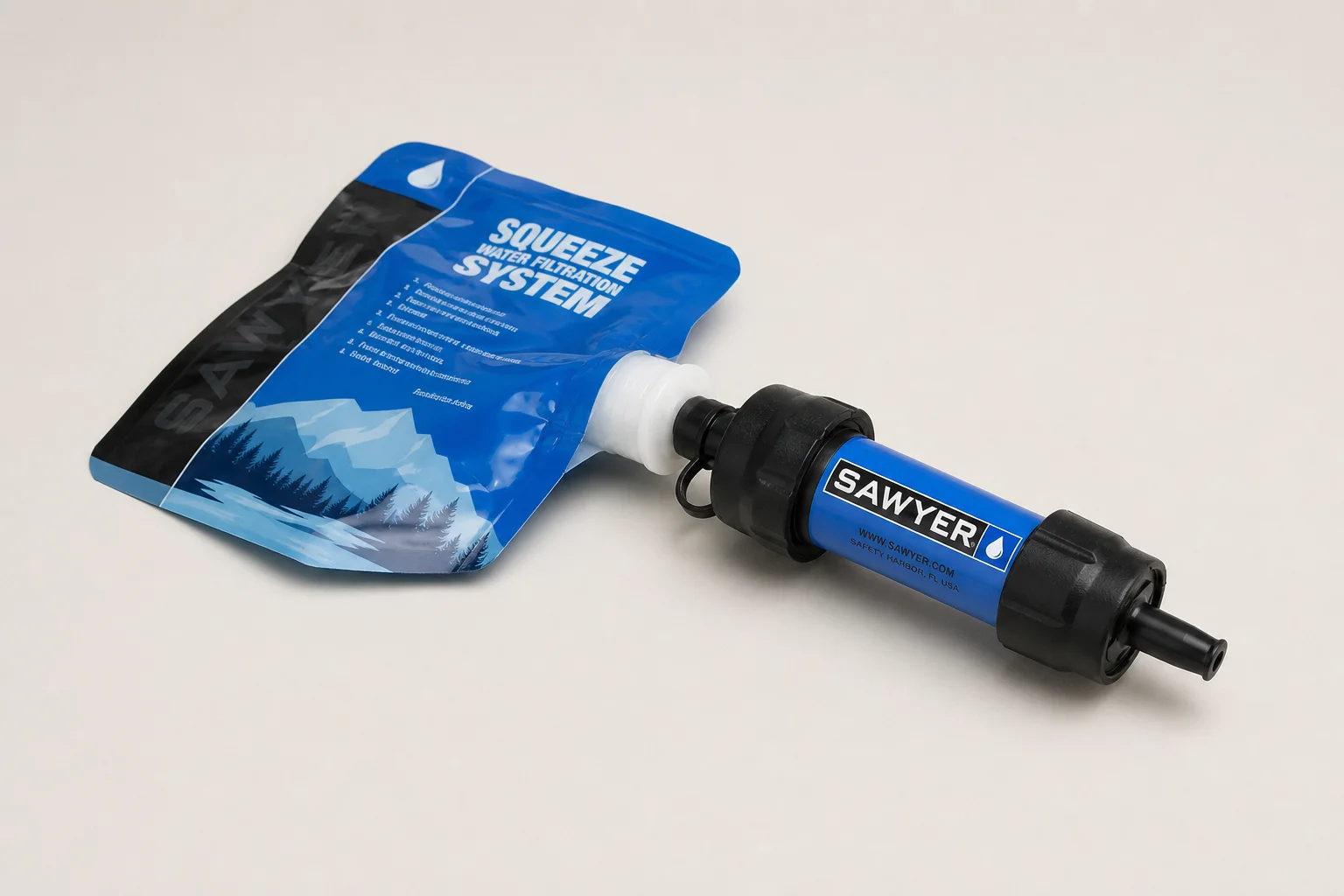
The same caveats carry over. It is a filter rather than a purifier, it will not deal with chemical contamination, and it should never be allowed to freeze.
Platypus QuickDraw
The Platypus QuickDraw is another hollow fiber drink-through filter, rated at around 0.1 micron and targeted at bacteria, cysts and sediment. It is one of the models in this class that states its removal claims clearly, which makes it easy to understand exactly what you are and are not getting.
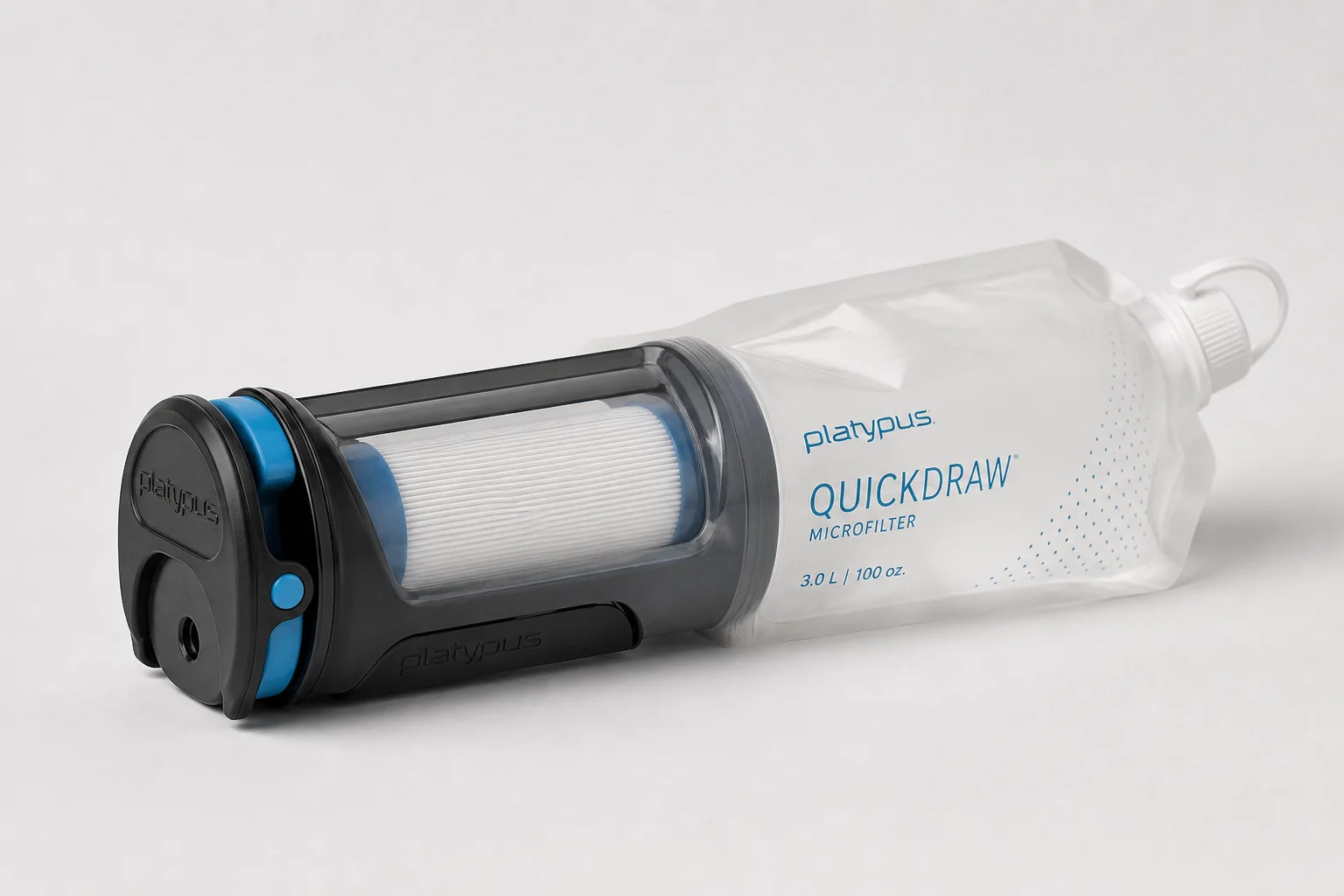
Like the rest of the hollow fiber family, it will not touch viruses, heavy metals or pesticides, and it needs to stay above freezing. Looked after properly, it is a fast and dependable way to drink from a clean upland source.
MSR TrailShot
The MSR TrailShot is a handheld pump that lets you drink directly from a pool or stream without filling a bottle first, which makes it useful for quick top-ups on the move rather than for filling a large reservoir. The pump action does the work and the hollow fiber element does the filtering.
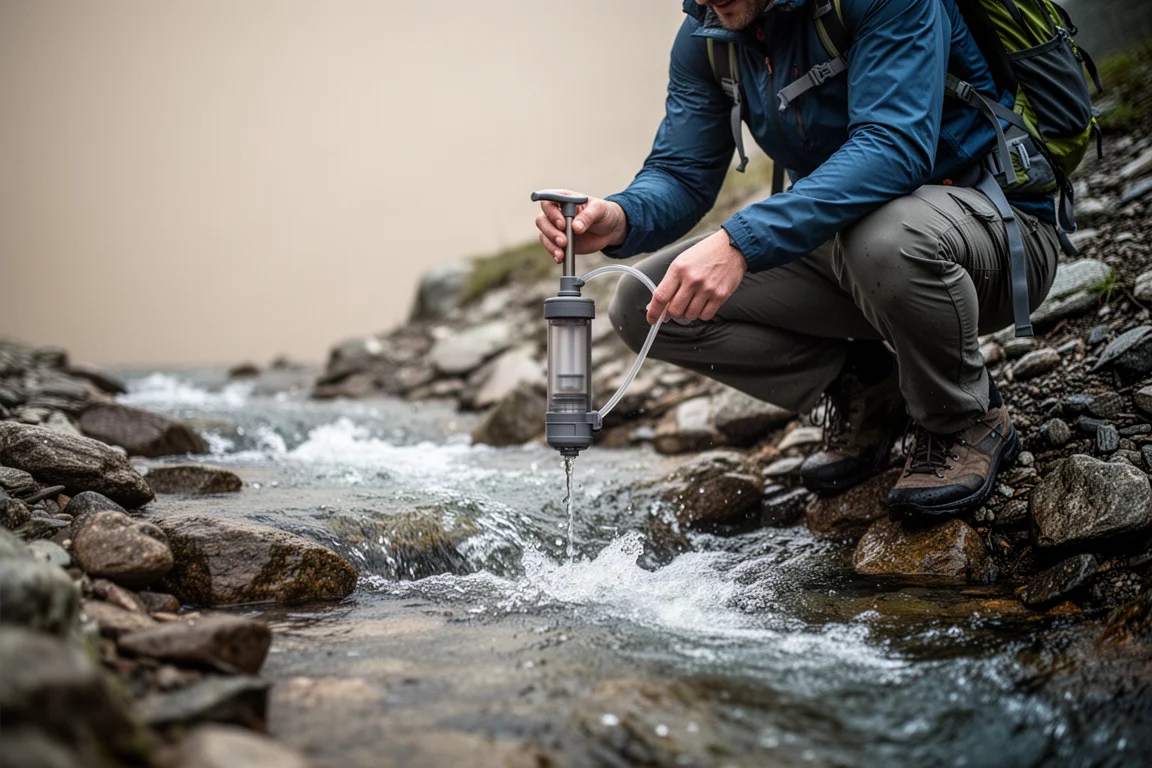
It is a compact answer to the awkward bank problem, where the water sits a metre or two below your feet and getting a bottle into it is more trouble than it should be. The trade-off is the pumping itself, which takes more effort than squeezing a soft flask.
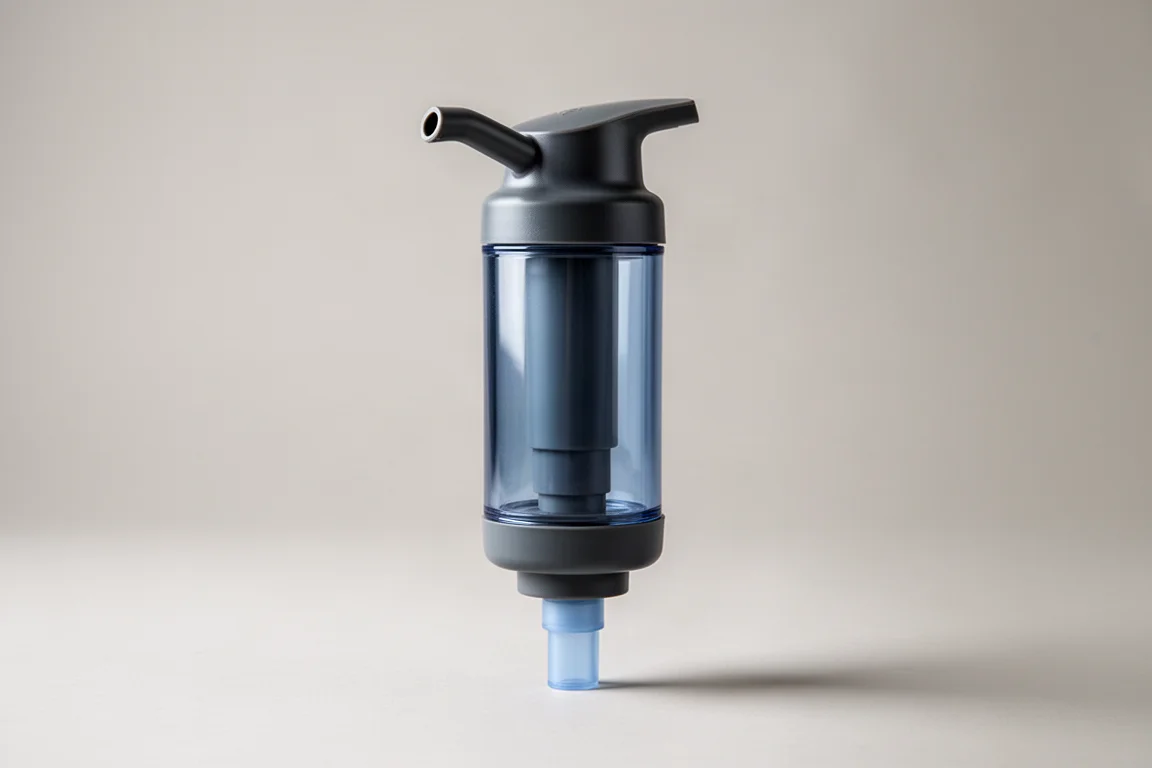
For anyone who regularly walks beside deep-cut streams and wants to drink without kneeling in the mud, that effort is often worth it.
SteriPen
The SteriPen purifies water using ultraviolet light rather than pushing it through a physical element. It is a different answer to the same question, and it sidesteps the hollow fiber cartridge entirely, so the usual freeze warning does not apply in the same way.
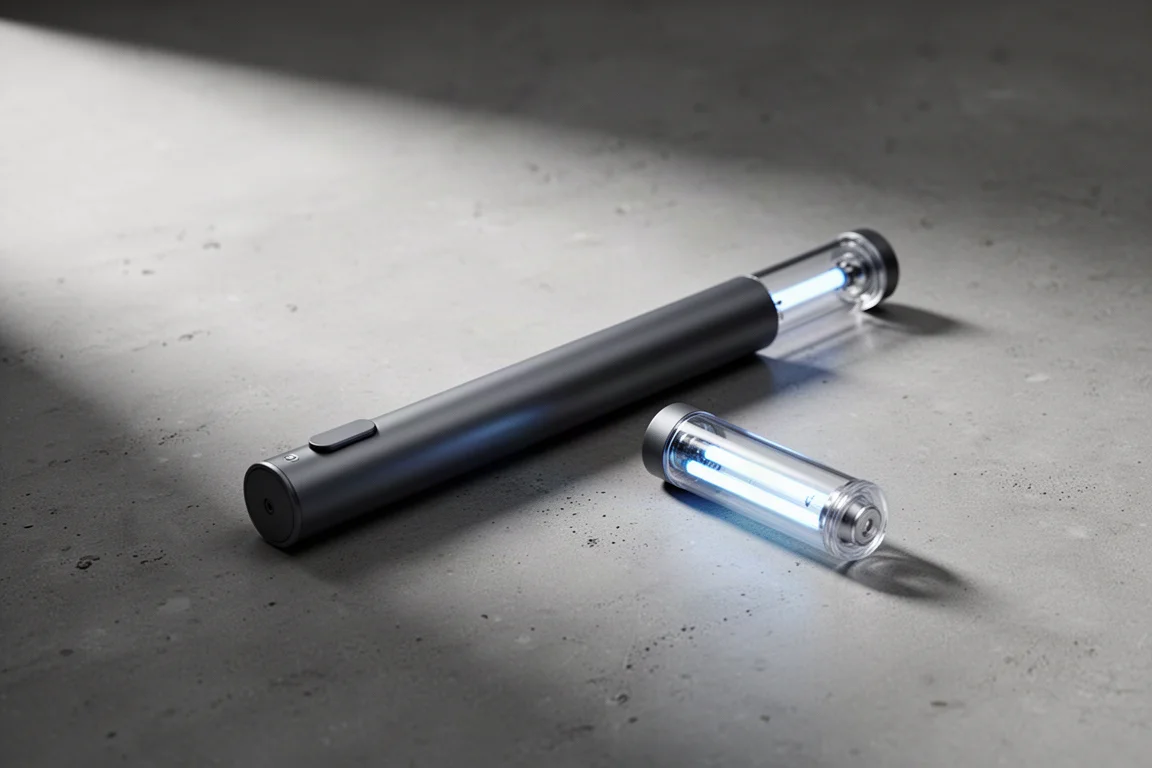
For anyone who would rather not depend on a porous membrane holding up over time, it is a genuinely alternative approach rather than another variation on the same theme.
Katadyn BeFree
The Katadyn BeFree has been one of the most heavily used filters on long walks for years, and the reason is straightforward: it is a hollow fiber drink-through filter that fills and drinks easily, paired with a soft flask that collapses as it empties.
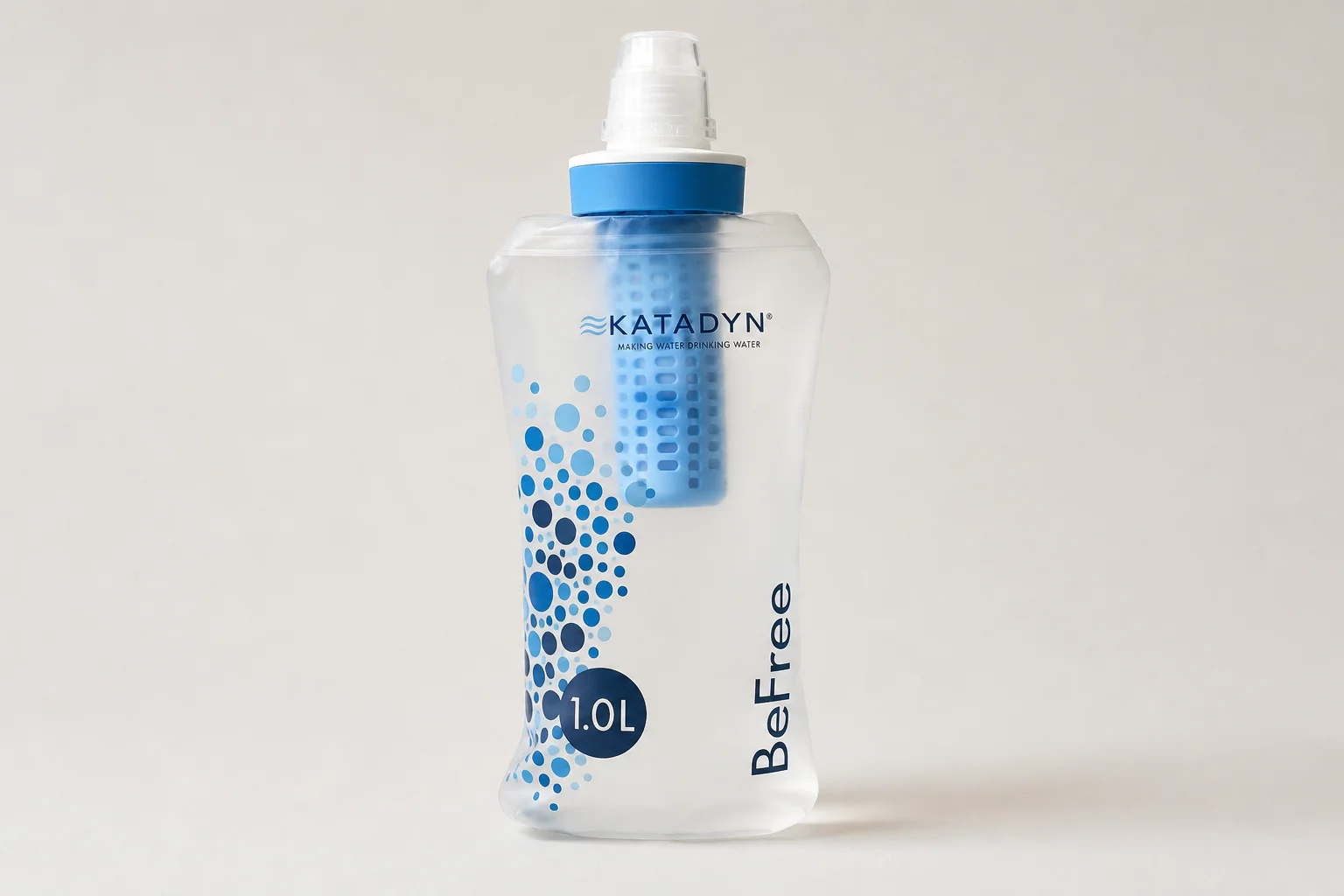
Its headline figure is a filter life of around 1,000 litres, although the realistic figure in the field is lower before flow starts to drop and the element needs attention. It filters at a similar rate to the Pure Clear, and it shares the same blind spots: no viruses, no heavy metals, no pesticides.
Pure Clear
The Pure Clear is a hollow fiber filter that also states it removes certain chemicals and improves taste and odour, which is a step beyond the plain mechanical filters in this group. It sits at a reasonable price for what it does, generally somewhere in the region of £40 to £50.
Its main practical drawback is filling. A wide opening and a steep bank are not a good combination, so it pays to look upstream for a spot where you can actually reach the water. Flow rate is comparable to the BeFree.
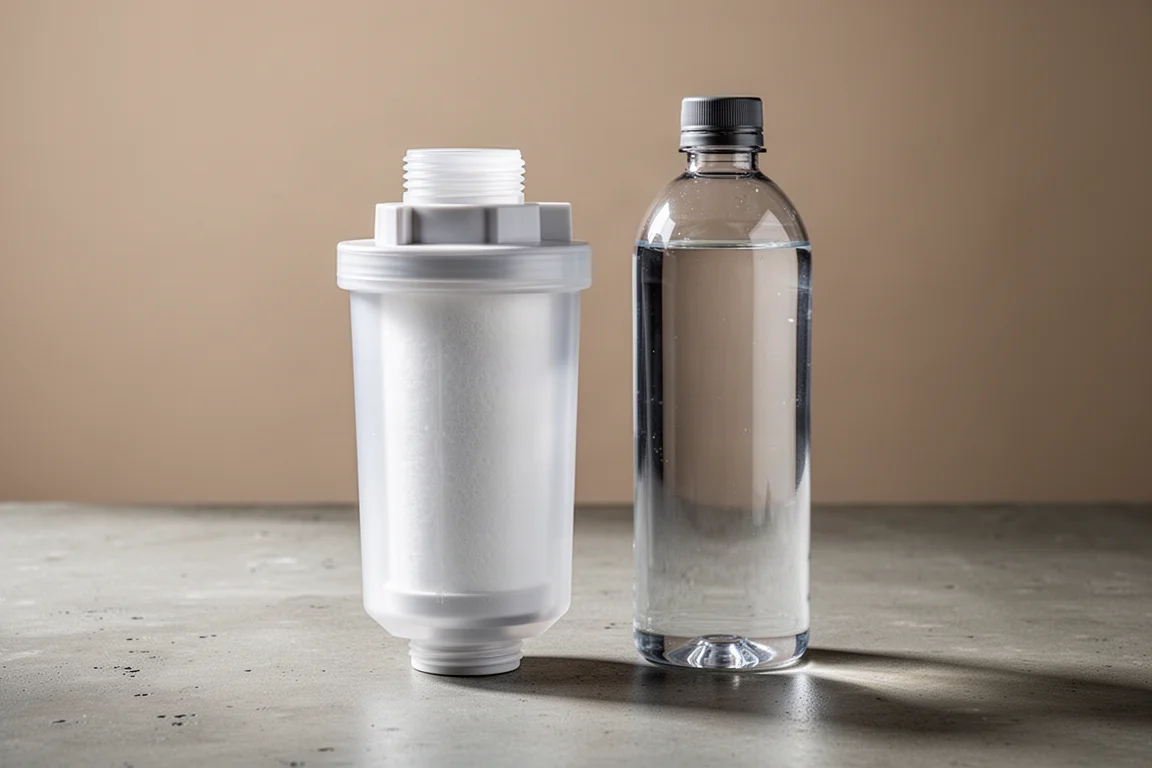
The taste improvement is the detail that tends to convert people. Water that has been filtered for odour as well as sediment is simply more pleasant to drink, which matters on a long day when hydration is the whole point.
MSR Guardian
The MSR Guardian is a pump purifier rather than a filter, and it is priced accordingly at around £350. It screws onto a wide-mouth bottle, draws through a pre-filter, and uses a two-pipe design that continuously rinses the element while you pump.
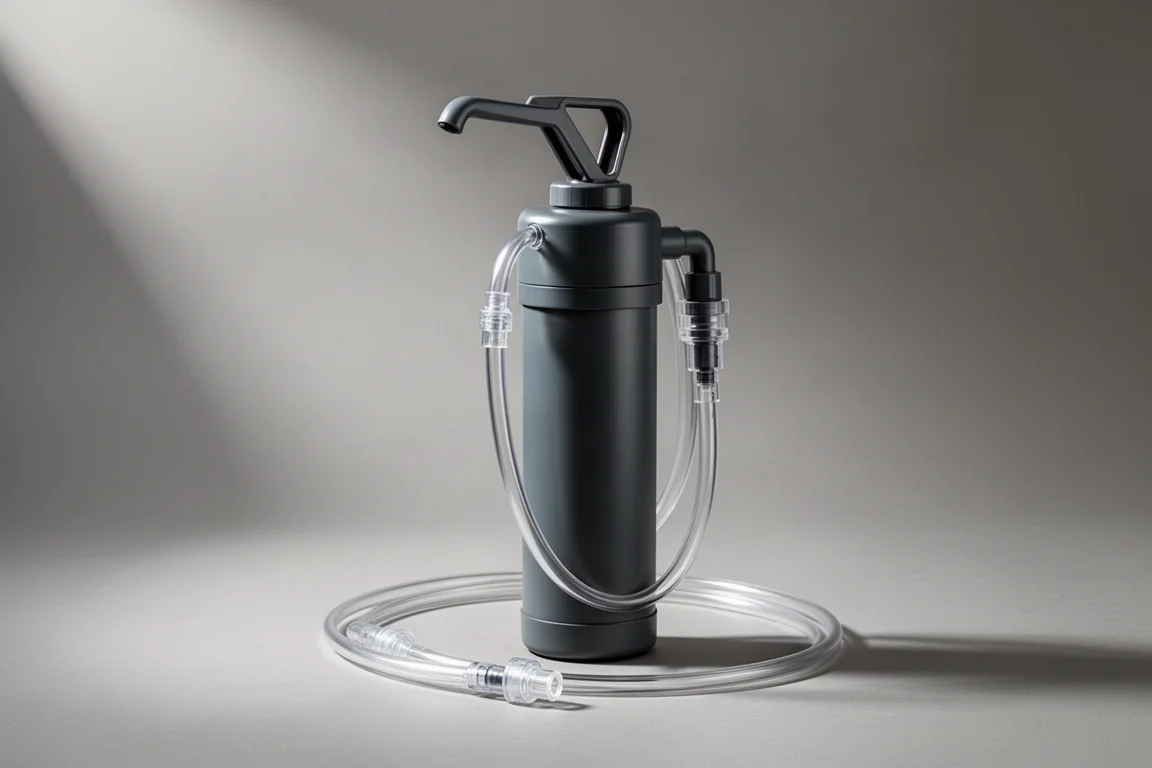
The trade-offs are bulk and cost. It is a large piece of kit that works best with a dedicated wide-mouth bottle rather than whatever you happen to be carrying, and it is heavy enough that it makes most sense as a group or basecamp solution rather than something to carry on every solo trip.
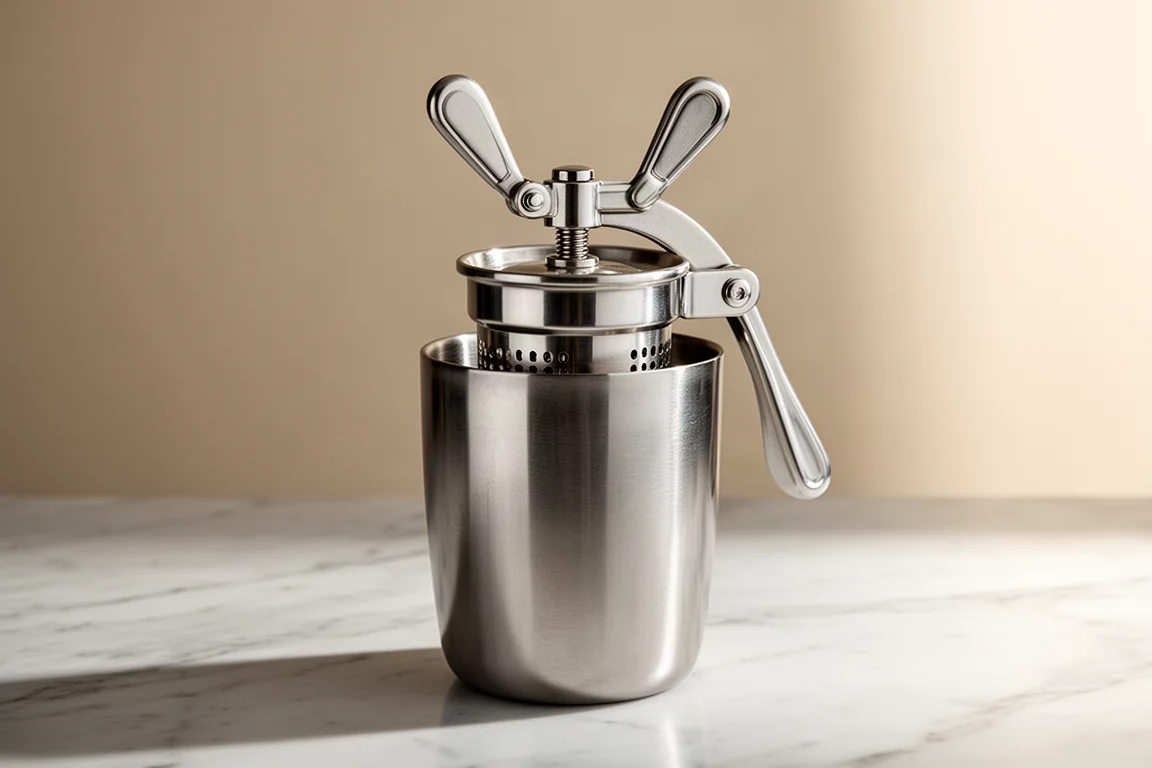
Grayl UltraPress Titanium
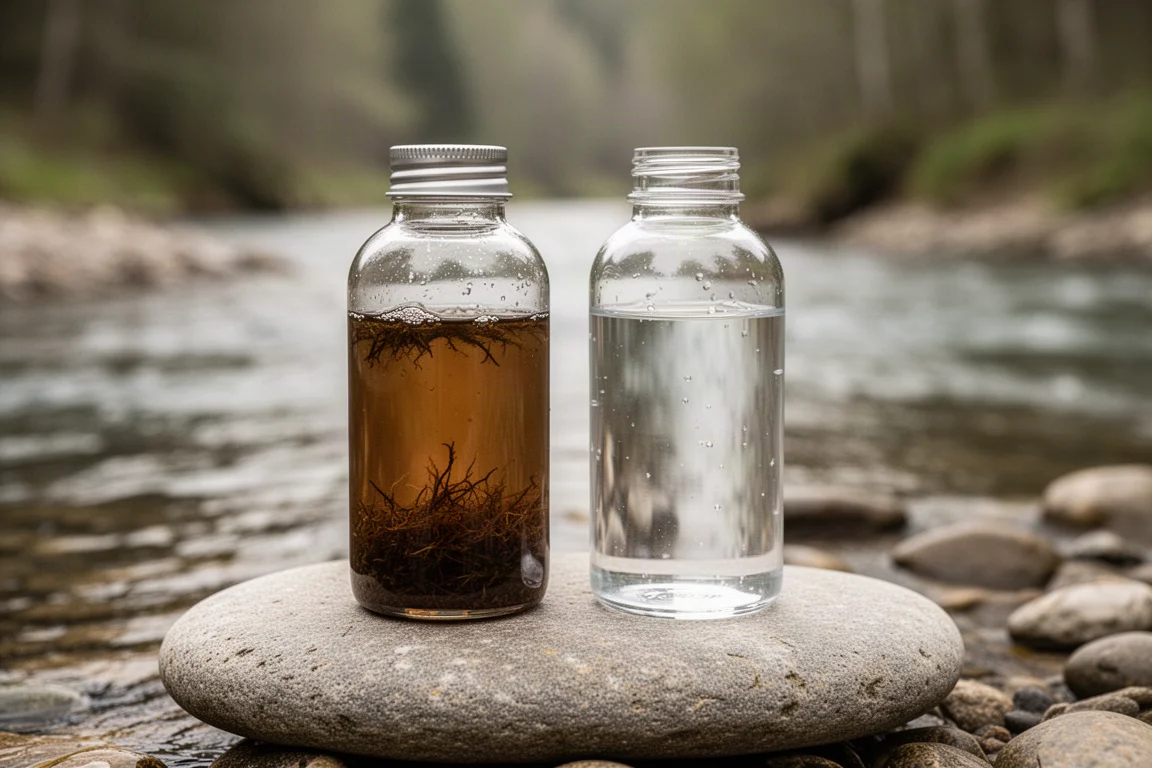
The Grayl UltraPress is the closest thing in this group to a complete answer. It removes bacteria, cysts, viruses, heavy metals and pesticides in a single press, and it visibly cleared the peaty colour and brown particulate from a discoloured upland source that had defeated other filters.
The titanium version adds a cook pot: you can boil water in it, let it cool, and put the filter back in, which gives you a second treatment method in the same package. Butterfly handles, an eyelet that takes a length of paracord for dangling the bottle into a stream, and a fill line all make it easier to use from an awkward bank. A press takes around ten seconds and yields roughly half a litre.
Running costs are worth budgeting for. The filter is rated for around 300 presses, or about 150 litres, and replacements cost around £25. A one-way valve means electrolytes and sugary drink mixes can go into the bottle without clogging the filter, which is a small detail that makes a real difference over a multi-day trip. Unlike a plain hollow fiber filter, it can be allowed to freeze up to three times before the element needs replacing. The titanium version is around £200, while the plastic version is around £75 to £80 and gives up only the cook pot function.
Buying Advice: Matching a Filter to the Trip
The right choice depends far more on where you are walking than on which filter looks best on a shelf. On a lowland route that follows a river through towns, or across farmland where spraying is routine, a hollow fiber squeeze filter is not the whole answer. That is the situation for a purifier such as the MSR Guardian or the Grayl UltraPress, which are designed to take out viruses and chemical contamination as well as bacteria. Water purification tablets remain a light backup for the same job, though they need dwell time, up to four hours where cryptosporidium is a concern, and they leave a noticeable aftertaste.
On upland streams well above any settlement, a hollow fiber filter is usually proportionate. Choose on ergonomics: a squeeze filter if you want the lightest possible routine, a handheld pump if reaching the water is the awkward part, and a UV purifier if you would rather not rely on a membrane at all.
Whatever you carry, plan for the failure cases. A frozen hollow fiber filter is a dead filter, replacement cartridges cost money, and a small stove plus a pot means you always have a boil as a fallback. Pre-filtering with a bandana or a coffee filter keeps sediment out of both your filter and your pot, and it keeps flow rates where they should be for longer.
Conclusion
There is no single perfect device here, but there is a clear logic to the choice. Hollow fiber filters such as the Sawyer Mini, Sawyer Squeeze, Platypus QuickDraw, Katadyn BeFree and Pure Clear cover bacteria, cysts and sediment at low weight and low cost, and that is enough for most clean upland sources. The MSR TrailShot solves the same problem with a pump. The SteriPen takes a different route entirely with ultraviolet light. The MSR Guardian and the Grayl UltraPress Titanium go further, removing viruses, heavy metals and pesticides as well, and the Grayl adds a cook pot that lets you boil as a second line of defence.
Match the tool to the water you actually walk past, keep it from freezing, and carry a backup. That combination is what makes the difference between hoping your water is clean and knowing it is.
Further reading
Related Reviews
Outdoor Gear
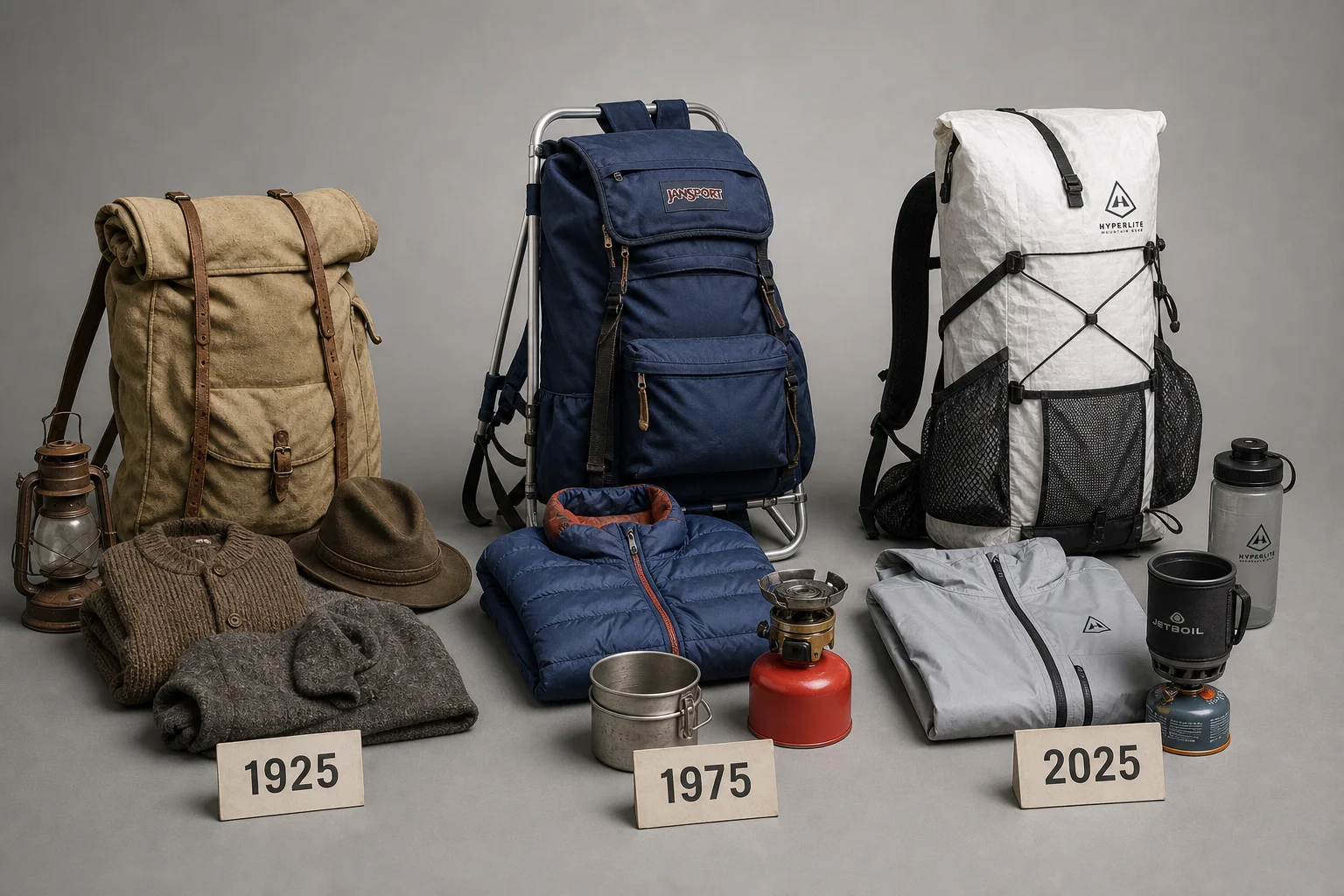
Backpacking Gear Evolution: 100 Years of Technology Compared
We tested backpacking gear from 1925, 1975, and 2025 across a three-day hike in Yosemite. Here's how technology has transformed comfort, weight, and the outdoor experience.
Outdoor Gear
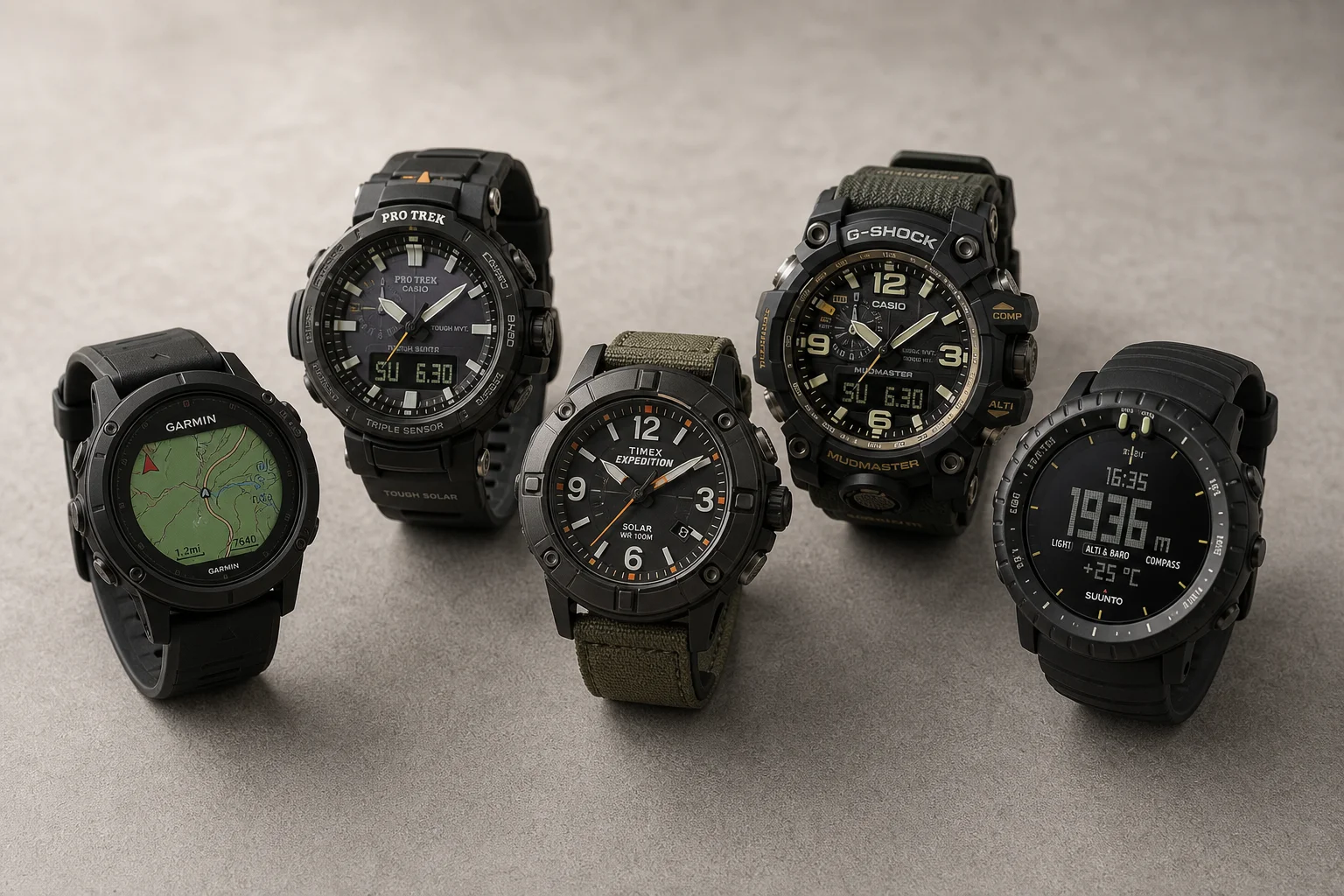
Best Affordable Hiking Watches: Five Rugged Options for Outdoor Adventures
Five durable hiking watches that balance ruggedness, functionality, and value for outdoor enthusiasts who need reliable GPS tracking and weather resistance.
Outdoor Gear
Best Backpack Coolers 2026: Five Practical Options for Outdoor Adventures
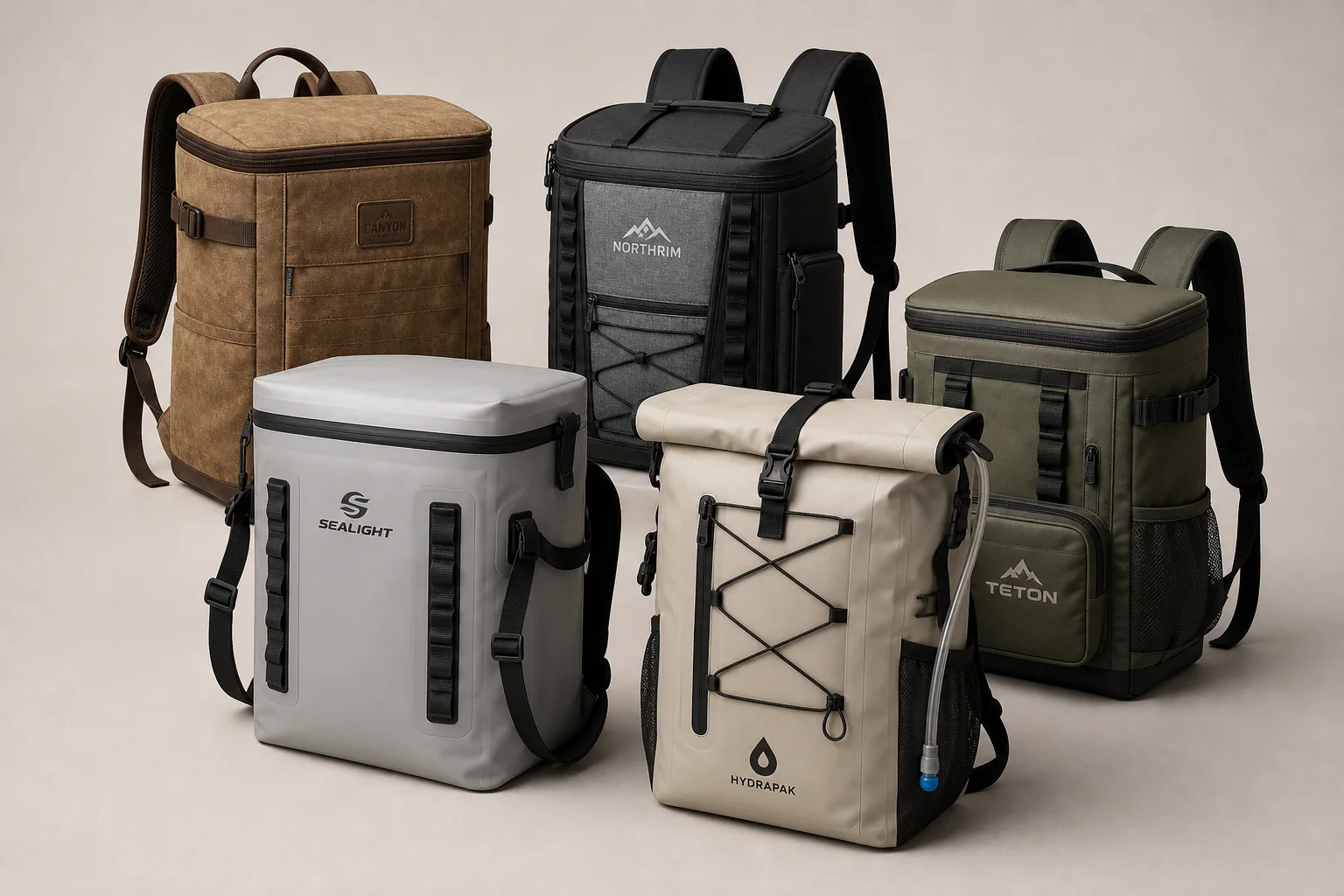
Five backpack coolers with distinct cooling capabilities, storage features, and design trade-offs to help you choose the right one for your outdoor needs.