Vlogging Cameras
Best Vlogging Cameras 2026: Five Options Ranked by Performance
A breakdown of five vlogging cameras, from the Sony ZV-1F to the DJI Osmo Pocket 3, with clear strengths and trade-offs for different content creators.
Introduction
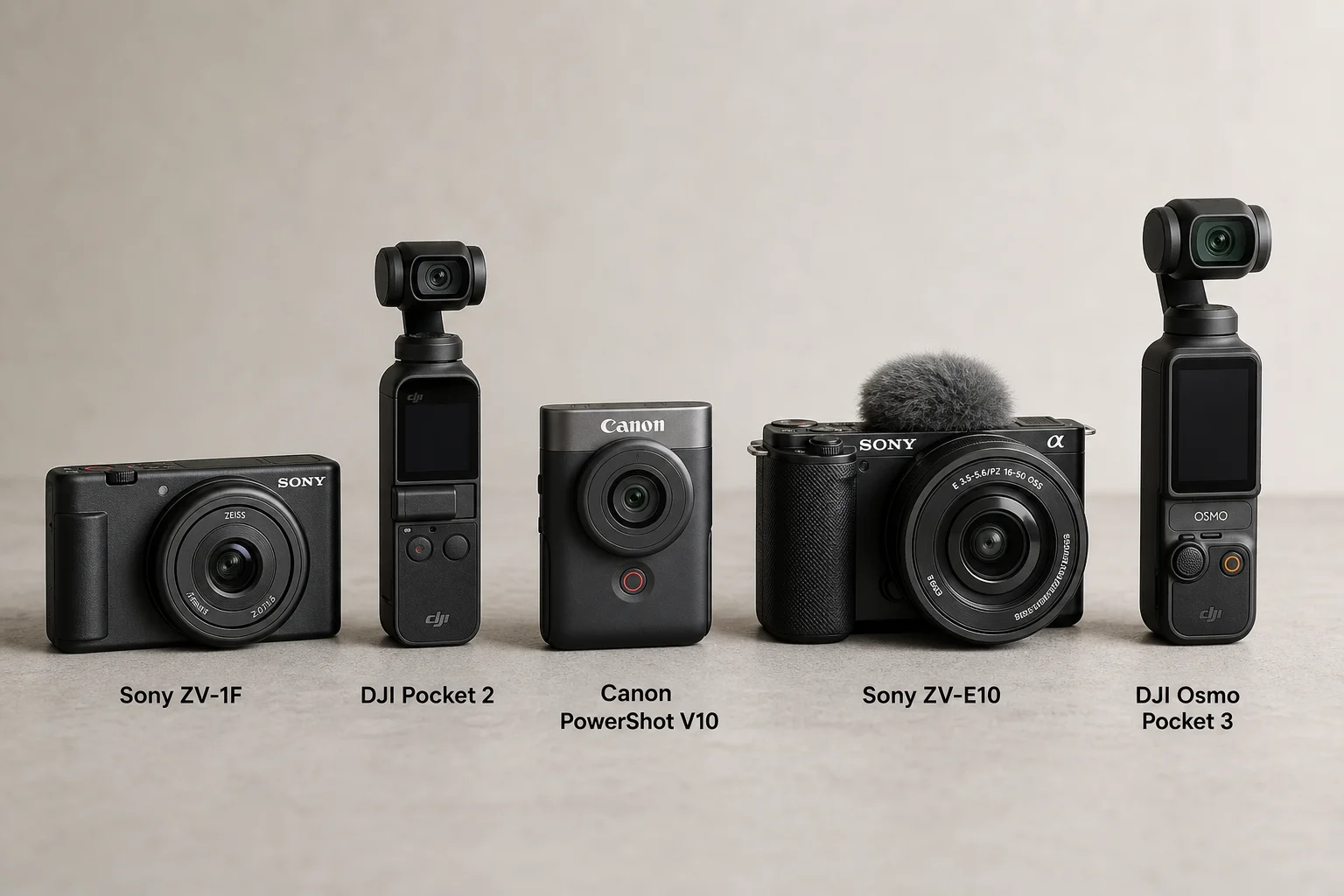
Choosing the right vlogging camera depends on your priorities: compact size, stabilization, autofocus performance, audio quality, or lens flexibility. This breakdown examines five cameras that excel at content creation, each with distinct strengths and trade-offs.
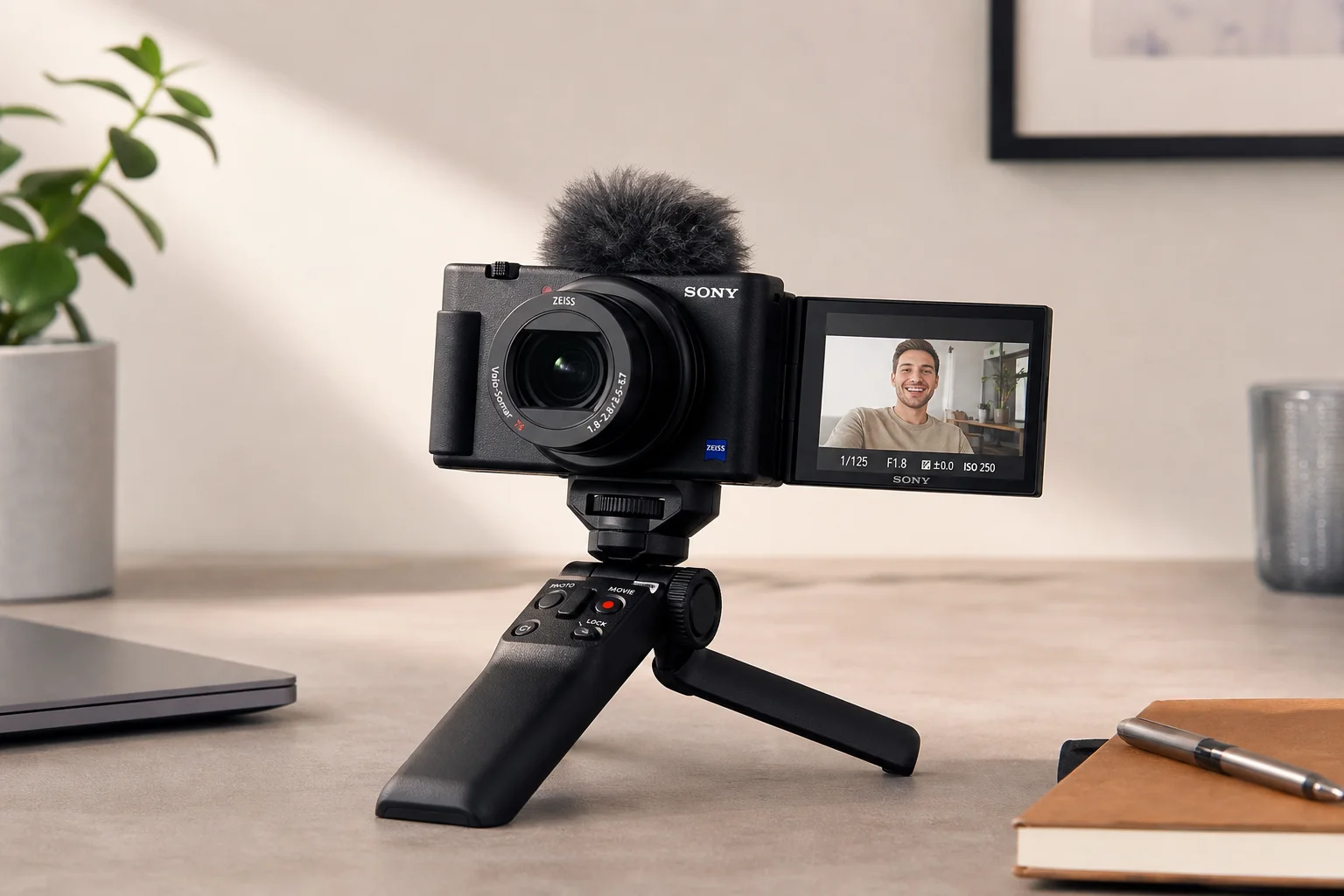
Fifth Place: Sony ZV-1F
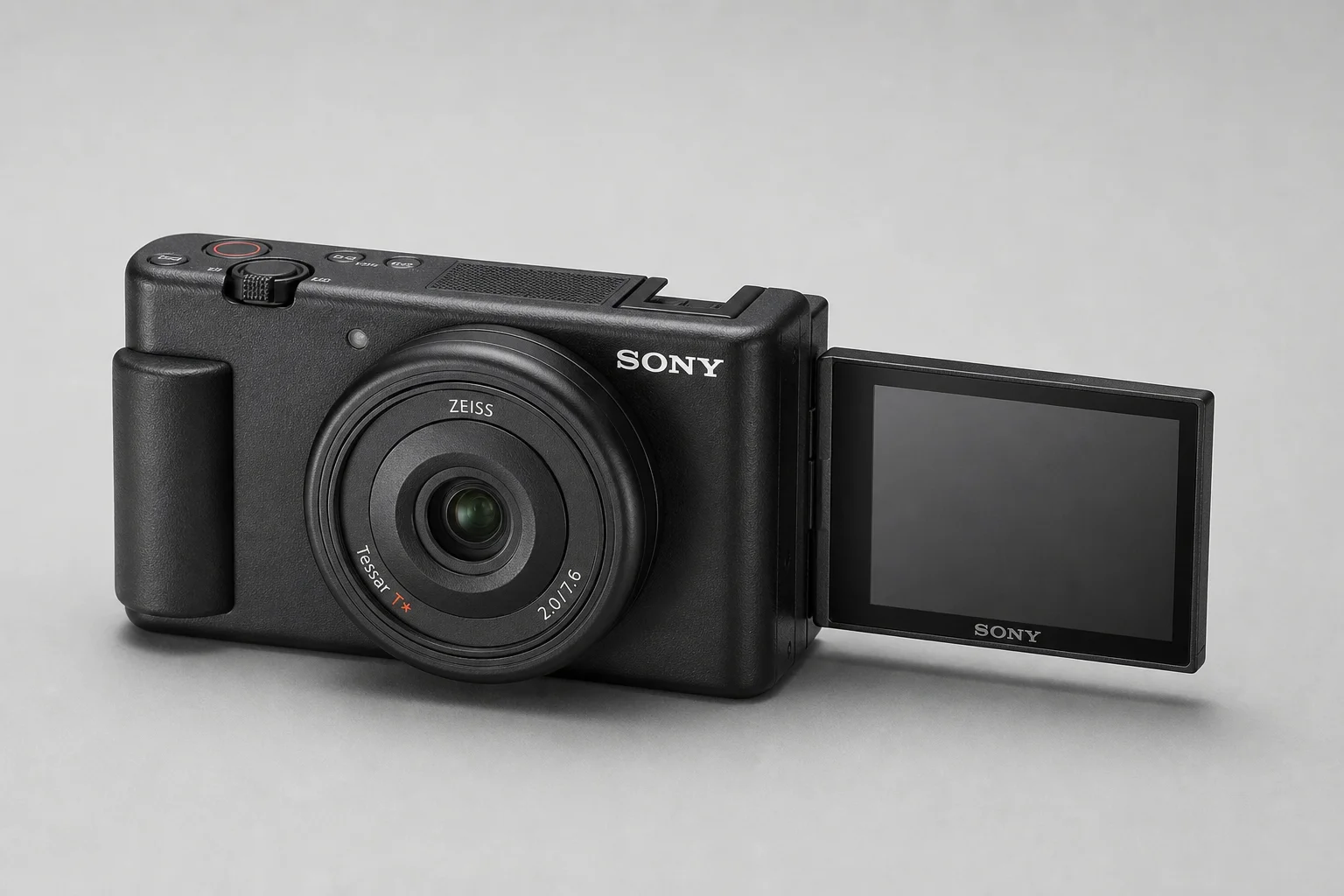
The Sony ZV-1F combines a 20.1-megapixel 1-inch Exmor RS sensor with a fixed 20mm f/2 wide-angle lens. It captures sharp 4K video at 30fps and features excellent eye-tracking autofocus with 425 contrast detection points. The vari-angle 3-inch touchscreen makes self-recording straightforward, while the built-in directional three-capsule microphone delivers clear audio with an included windscreen for outdoor shooting.
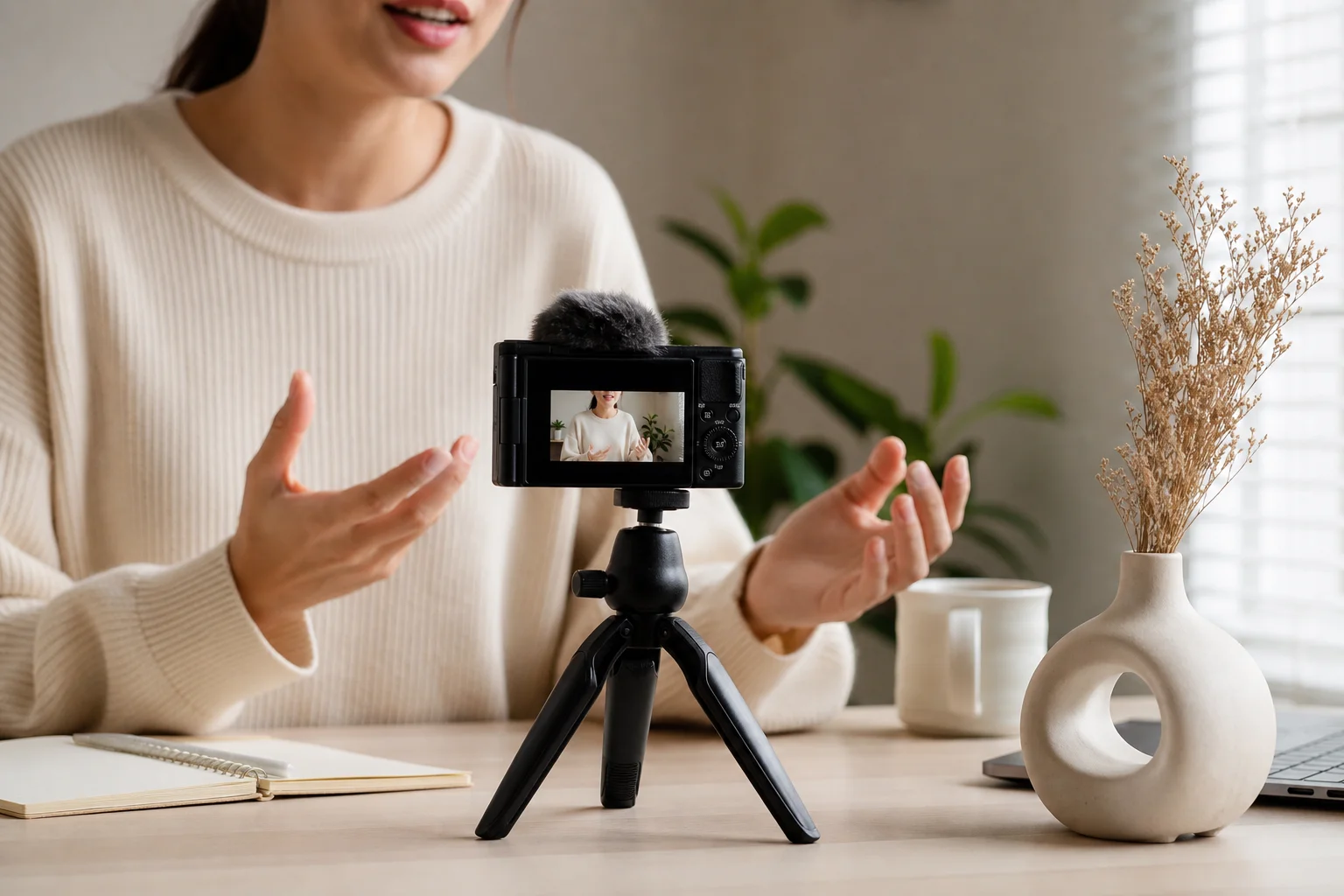
Face Priority AE automatically brightens faces, and skin tone algorithms produce natural-looking results. The camera offers quick startup, instant 4K processing, and useful features like background defocus and product showcase modes. Slow motion capabilities include full HD at 120fps, and vertical video recording suits social media uploads. The ZV-1F functions as a plug-and-play webcam for live streaming via Wi-Fi and Bluetooth connectivity.
Indoor performance is exceptional, though outdoor conditions can present challenges. The camera’s compact form factor and straightforward feature set make it accessible for beginners, though it lacks the advanced stabilization or lens flexibility of higher-ranked options.
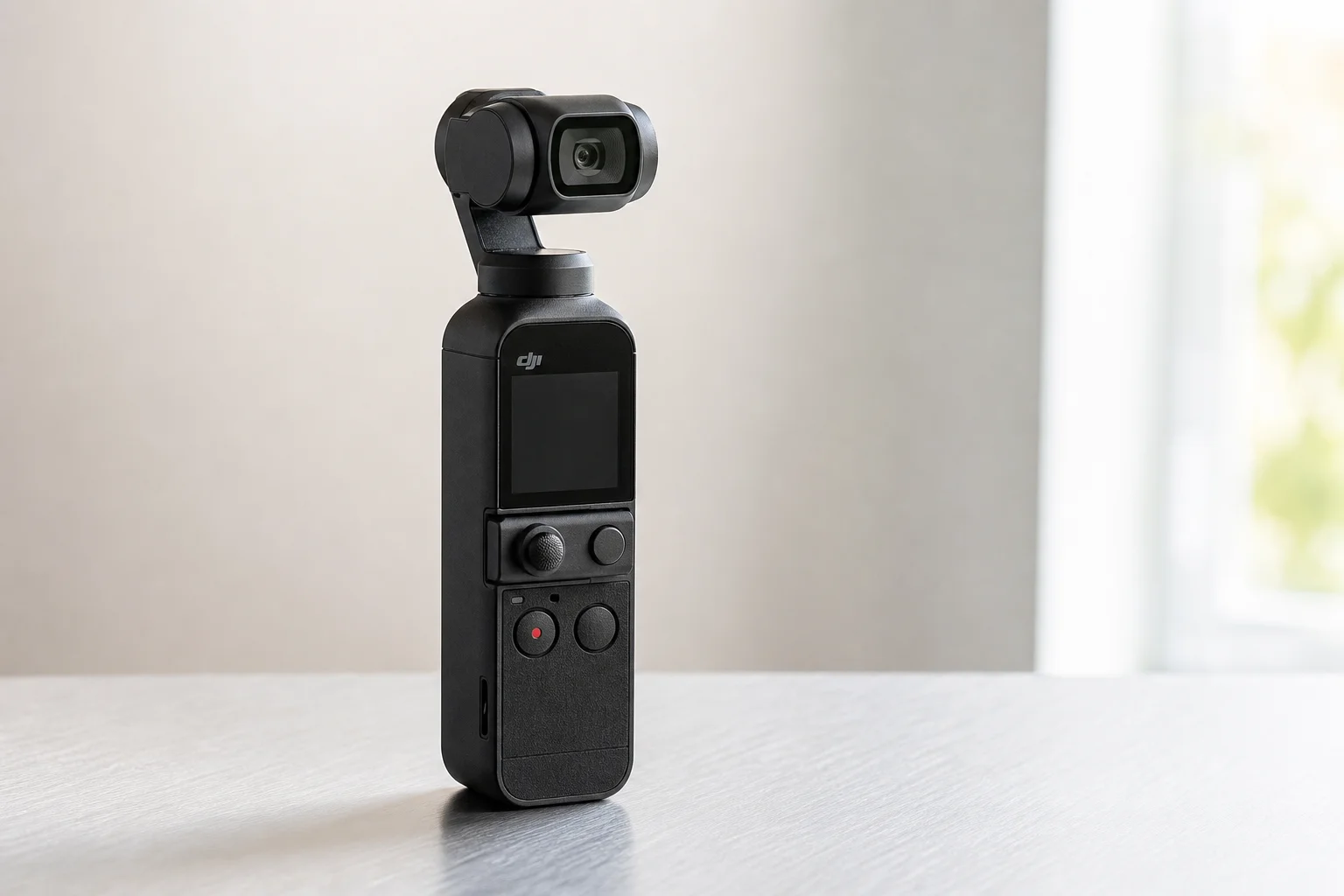
Fourth Place: DJI Pocket 2
The DJI Pocket 2 excels through its built-in three-axis gimbal, which delivers remarkably smooth footage even during movement. It captures 4K video at up to 60fps with a 100 megabits per second bit rate and supports slow motion recording at 240fps in 1080p. The 1/1.7-inch sensor provides good image quality in well-lit conditions, while the D-Log profile offers flexibility for color grading.
Intelligent tracking automatically follows subjects, making it ideal for solo content creators. The camera includes versatile shooting modes such as time-lapse, motion-lapse, and hyperlapse. A small touchscreen display allows quick settings adjustments, and users can connect smartphones for a larger viewing screen. Both built-in and wireless microphone options support clear audio capture.
Low-light performance and high-contrast scenes present challenges, but the combination of portability and gimbal stabilization makes the Pocket 2 an effective vlogging tool for creators who prioritize smooth, stabilized footage without adding bulk.
Third Place: Canon PowerShot V10
The Canon PowerShot V10 is purpose-built for vlogging, featuring built-in stereo microphones and a wind filter for clear audio capture. Its 1-inch 20.1-megapixel BSI CMOS sensor captures 4K30p video and 15.2-megapixel stills through a fixed 19mm wide-angle lens. The 2-inch touchscreen flips 180 degrees for easy self-recording.
Digital image stabilization, face tracking autofocus, and 14 color filters provide creative control. Built-in Wi-Fi and Bluetooth enable direct streaming to social media platforms via the Canon Camera Connect app. An integrated stand eliminates the need for additional accessories, while the non-removable battery provides approximately 1 hour of 4K recording time. Heat management can limit continuous recording to about 23 minutes. The camera supports microSD cards and offers plug-and-play webcam functionality for streaming.
The V10’s dedicated vlogging design, compact size, and integrated stand make it practical for creators who want a self-contained solution without external accessories.
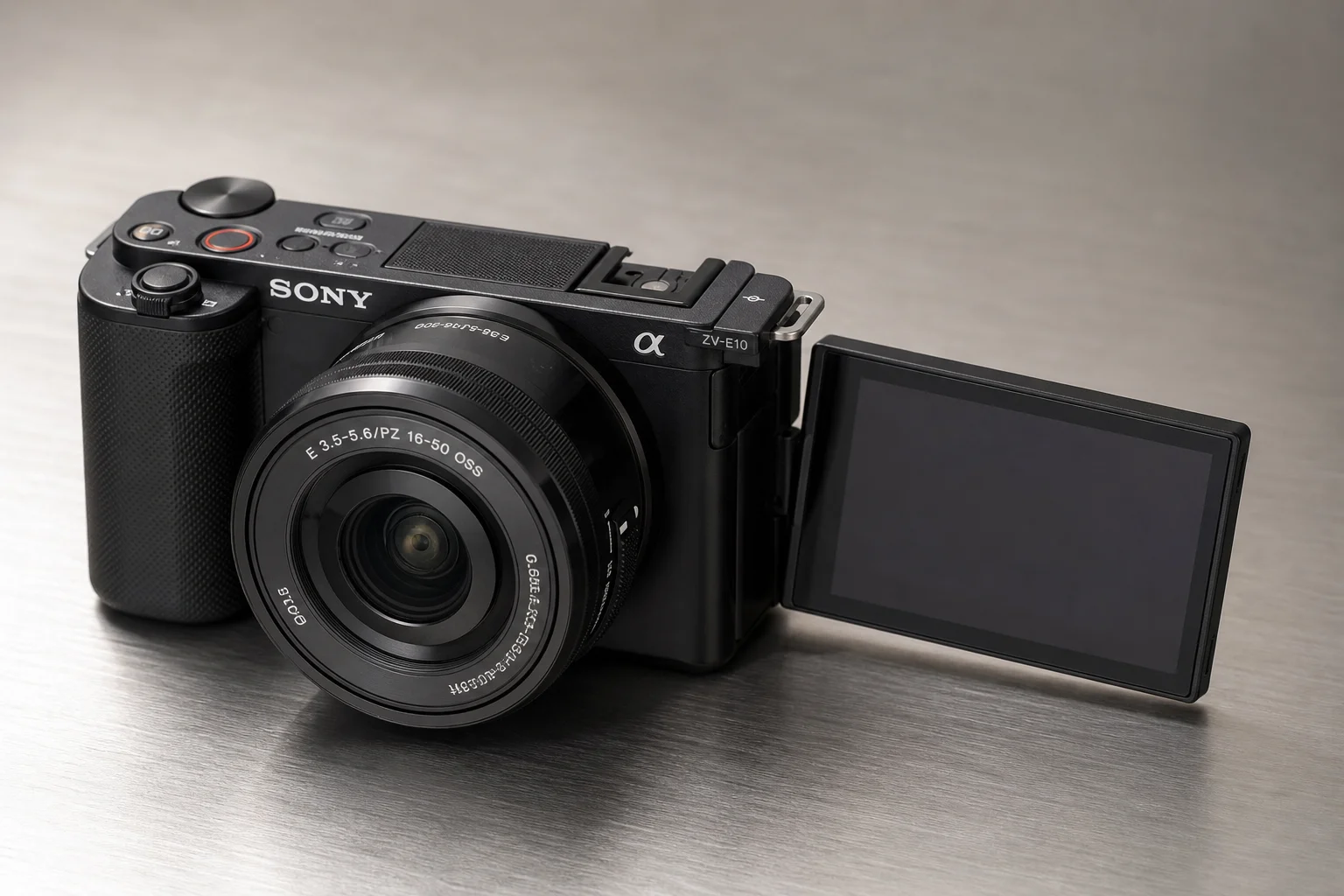
Runner-Up: Sony ZV-E10
The Sony ZV-E10 excels at vlogging with its fully articulated screen and advanced autofocus system featuring 425 face detection points that effectively track faces and eyes even in low-light conditions. The 24.2-megapixel APS-C CMOS sensor captures 4K video at 30fps and full HD at up to 120fps for slow motion. Its built-in three-capsule microphone delivers quality audio, complemented by external microphone and headphone ports.
The camera supports Sony’s E-mount lens system, providing extensive lens compatibility options. Notable vlogging features include background defocus and product showcase modes, plus a prominent red recording indicator both on screen and via a front tally light. Video capabilities include S-Log 2 and S-Log 3 profiles for advanced color grading, along with HLG support. Three levels of electronic SteadyShot stabilization work in conjunction with optical lens stabilization.
The ZV-E10 performs admirably in most situations, though it exhibits noticeable rolling shutter effect during quick panning movements. For still photography, it manages 11fps burst shooting and handles noise well at higher ISOs, making it a capable hybrid camera for creators who want both video and photo capabilities.
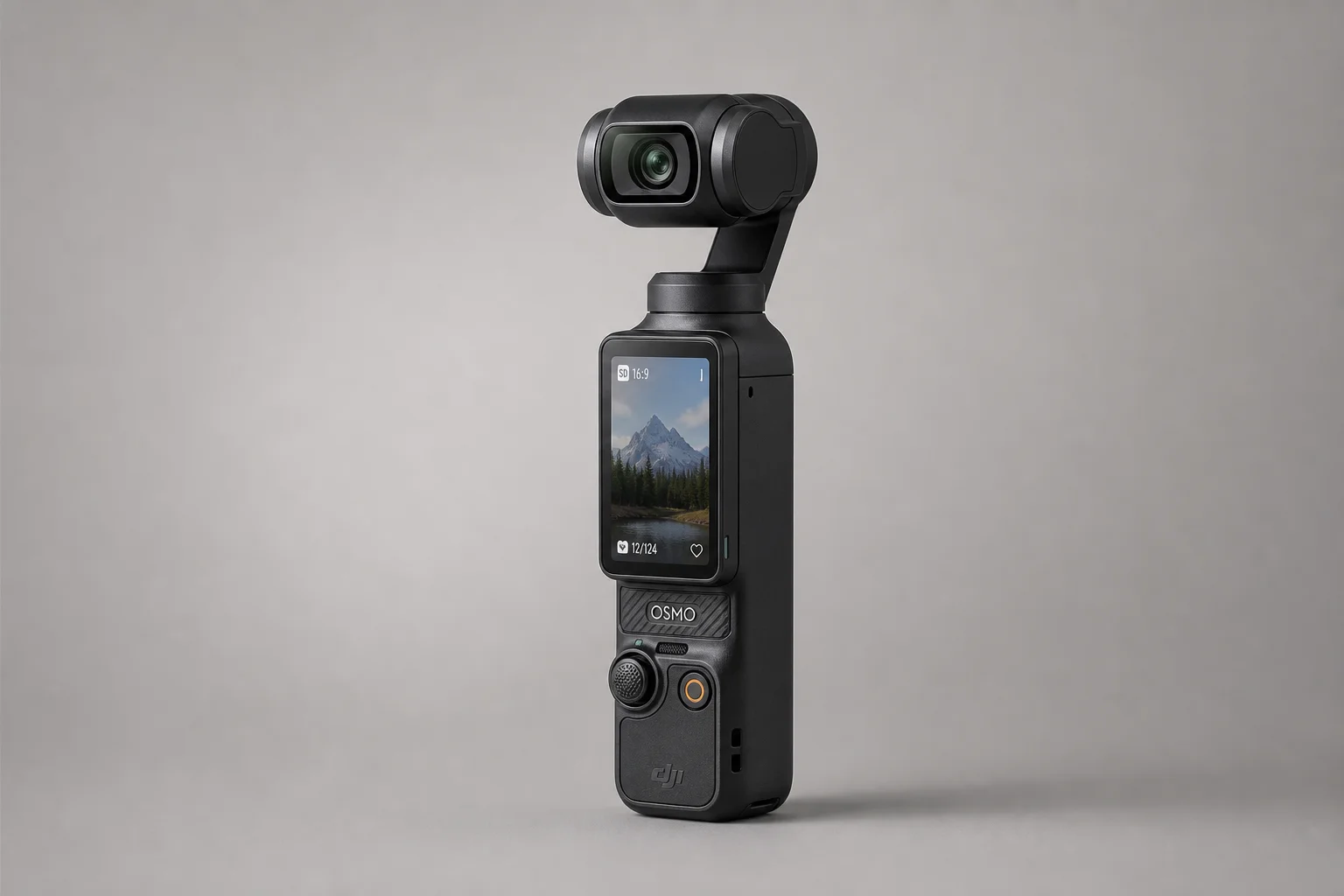
Best Overall: DJI Osmo Pocket 3
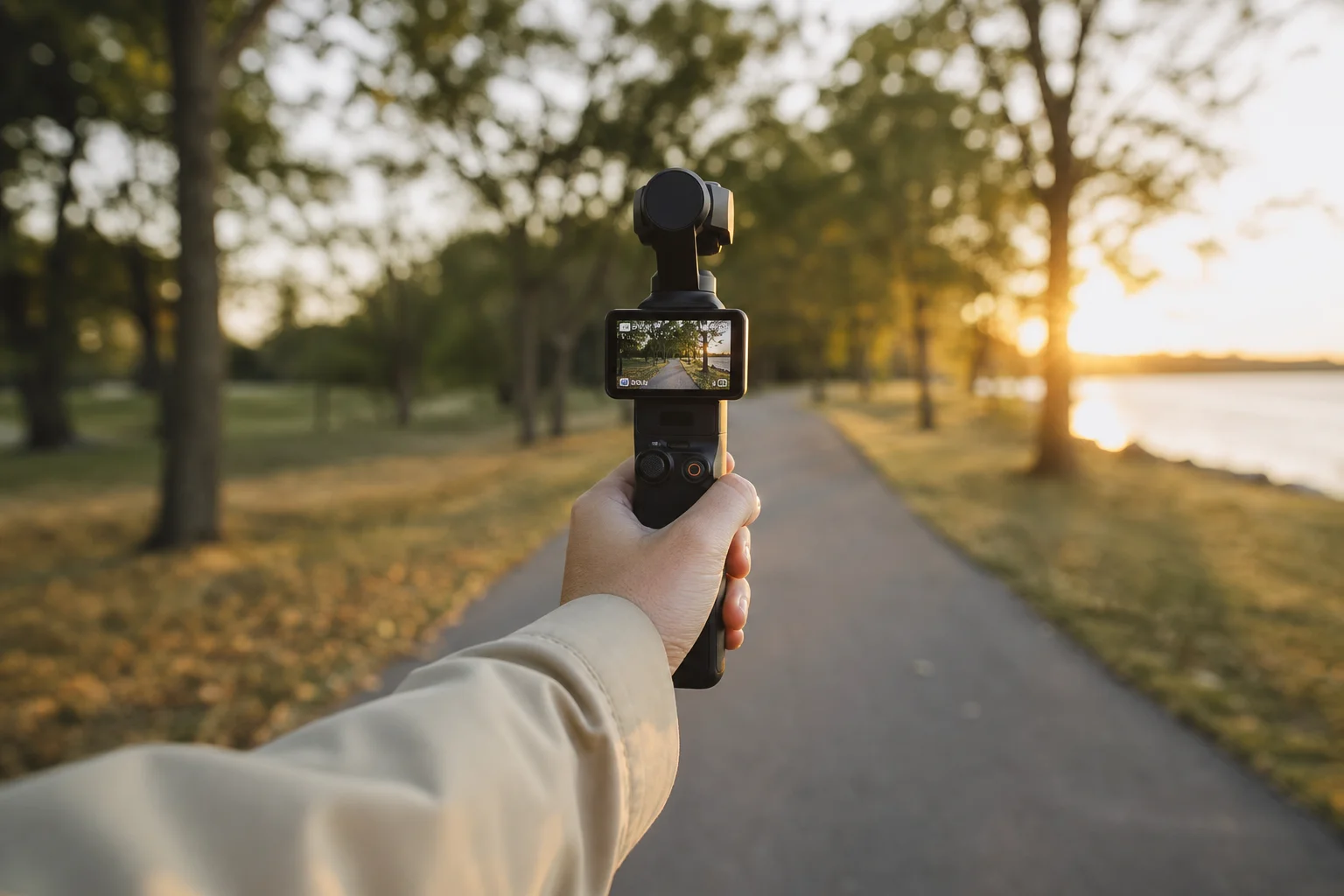
The DJI Osmo Pocket 3 stands out for its three-axis gimbal stabilization system, which delivers exceptionally smooth, professional-looking footage. The 1-inch CMOS sensor captures 4K 60fps video in widescreen format and 3K 60fps in vertical or square formats with 10-bit color depth. The rotating 2-inch touchscreen allows seamless switching between horizontal and vertical shooting modes, making it versatile for different social media platforms.
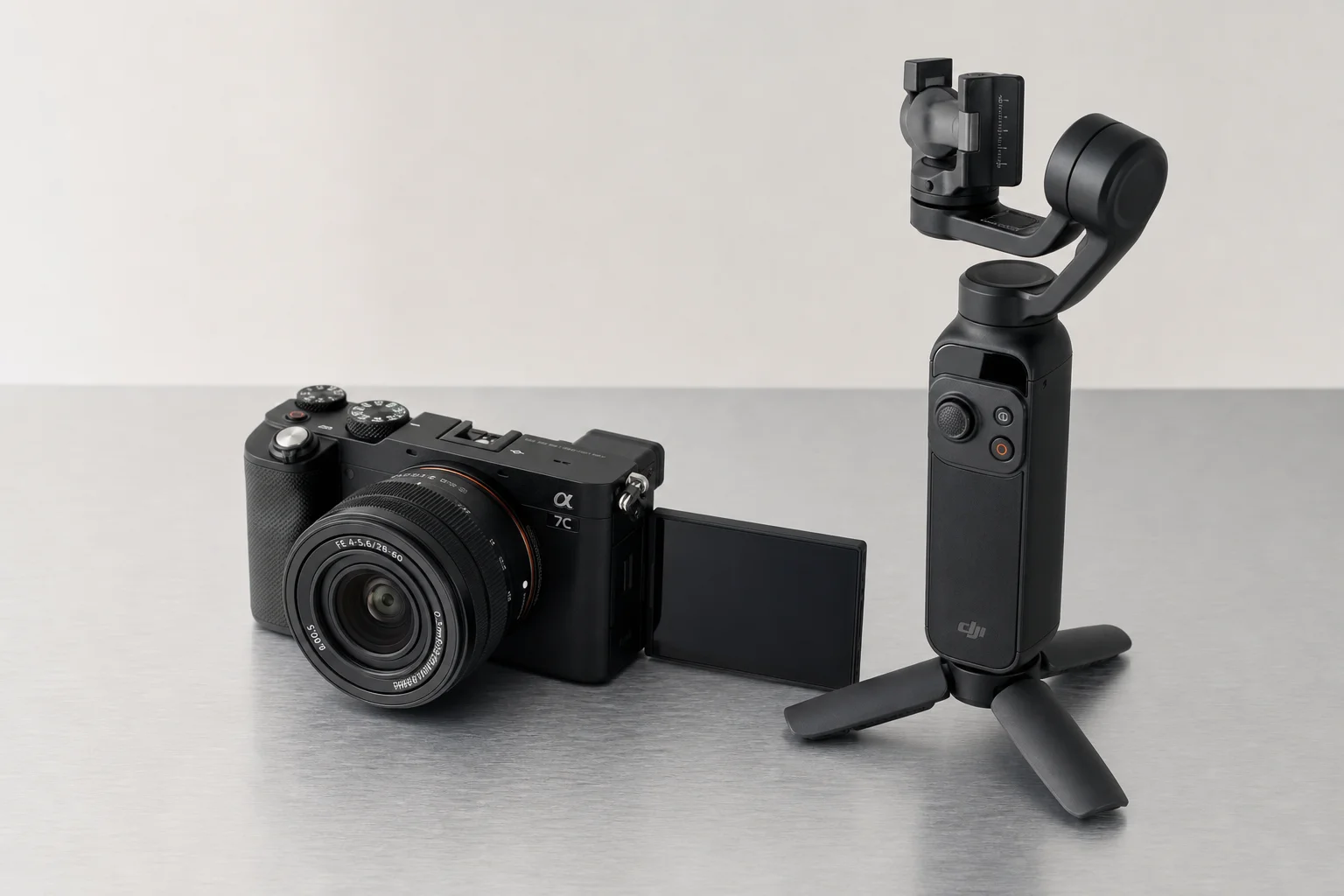
The Active Track 6.0 autofocus system with face auto-detect provides reliable subject tracking, while the 20mm f/2 lens performs well in low-light conditions. Multiple recording modes include slow motion, 4K time-lapse, and hyperlapse. Video quality shows natural colors, sharp details, and improved low-light performance thanks to the larger sensor. Battery life is substantial, providing up to 116 minutes of 4K 60fps recording on a single charge with fast charging capability.
The device includes D-Log M color profile for professional color grading, HLG HDR support, and built-in microphones with backup audio recording. Smart features include dynamic framing and multiple gimbal modes for different shooting scenarios. The combination of stabilization, portability, low-light performance, and battery life makes the Osmo Pocket 3 the most versatile option for vloggers across different environments and content types.
Conclusion
Each camera serves different priorities. The Sony ZV-1F suits creators who want a compact, fixed-lens solution with strong autofocus. The DJI Pocket 2 appeals to those prioritizing gimbal stabilization and portability. The Canon PowerShot V10 works well for vloggers who value integrated audio and an all-in-one design. The Sony ZV-E10 attracts hybrid creators who need both video and photo capabilities with advanced autofocus. The DJI Osmo Pocket 3 offers the most comprehensive feature set, combining stabilization, low-light performance, and battery life for professional-grade vlogging across varied conditions.
Further reading
Related Reviews
Astrophotography
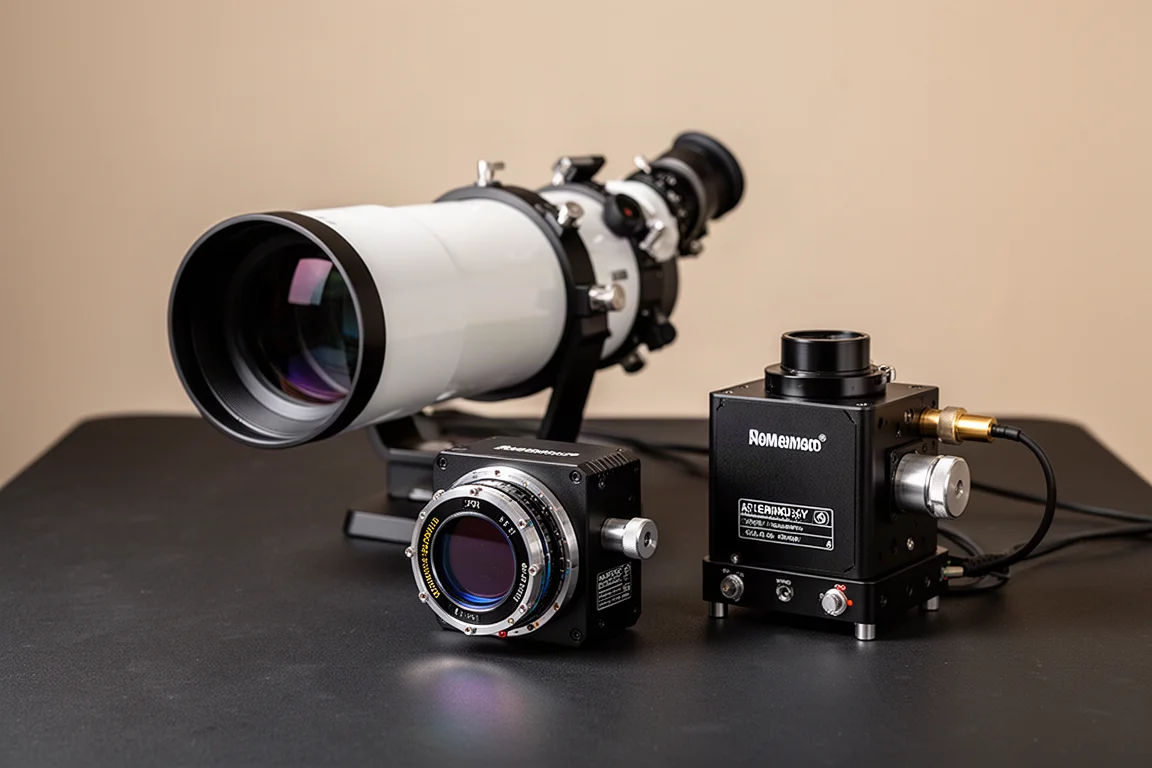
Astro Imaging Gear 2026: Eight New Products Worth Watching
A look at the most interesting new astrophotography and astronomy products announced this year, from fast telescopes to smart cameras and wireless accessories.
Camera Gear
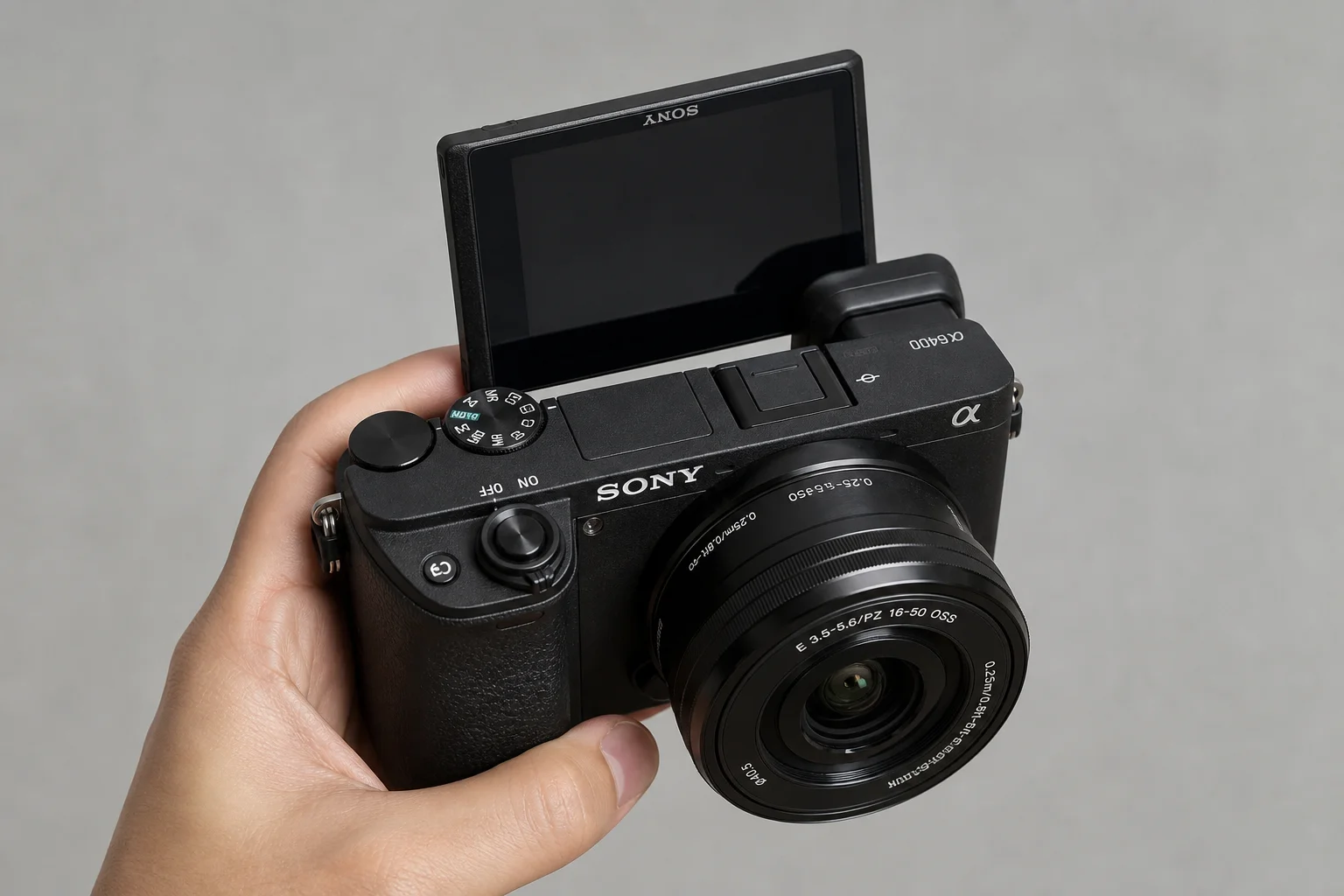
Best Budget Camera 2026: Why the Sony A6400 Stands Out for Beginners
The Sony A6400 delivers genuine value for entry-level photographers. Here's what makes it worth the investment over cheaper alternatives, and which lenses to pair it with.
Drones
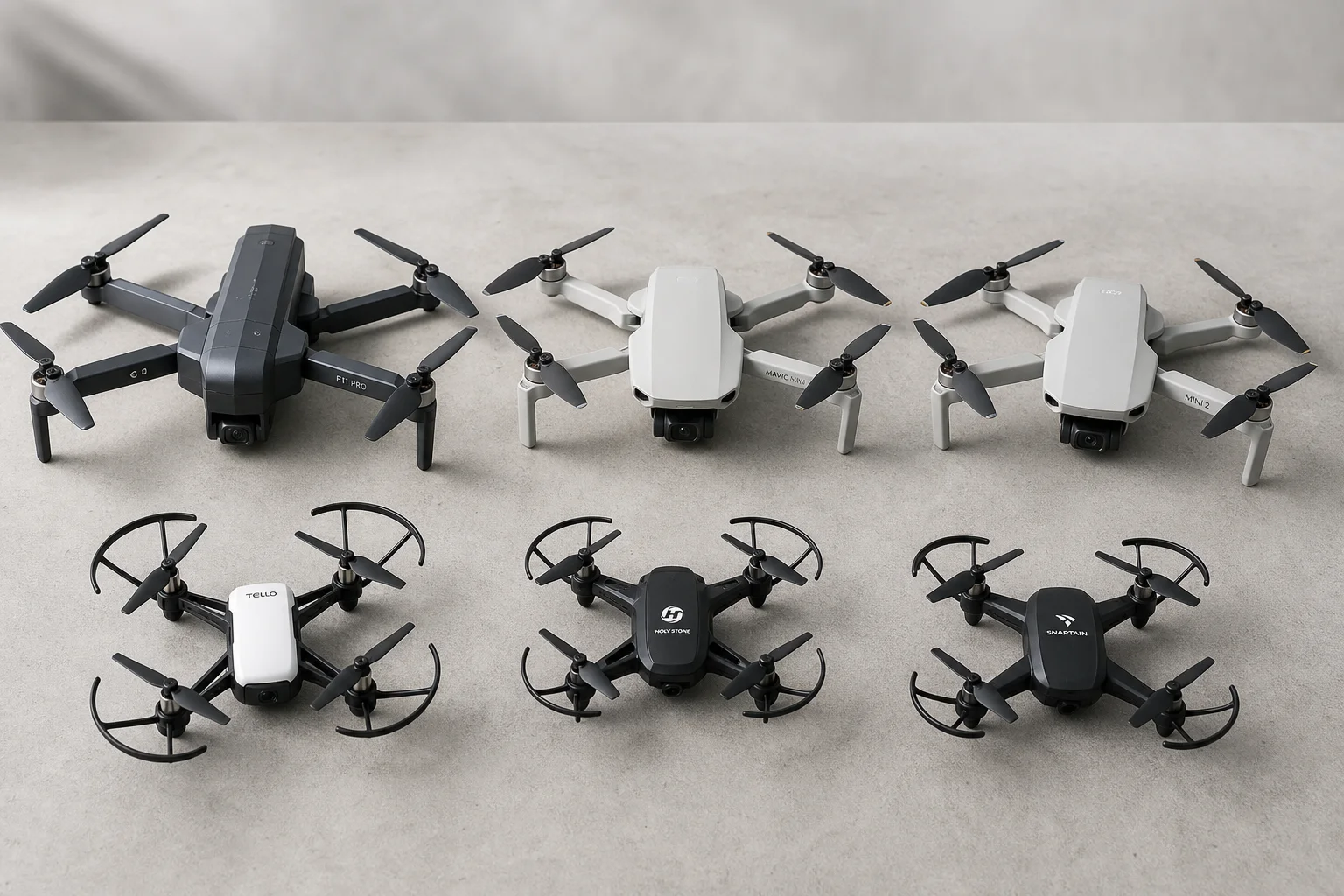
Best Drones Under $500: Six Practical Options Across Two Price Ranges
A practical guide to six drones under $500, organized by budget tier. From beginner-friendly models to 4K-capable machines, find the right drone for your needs and price range.