Running Shoes
Best Value Running Shoes: Where the Real Deals Are Right Now
From a £29 Reebok bargain to pricey super shoes that retire early, a practical look at which running shoes actually deliver value for money.
Introduction
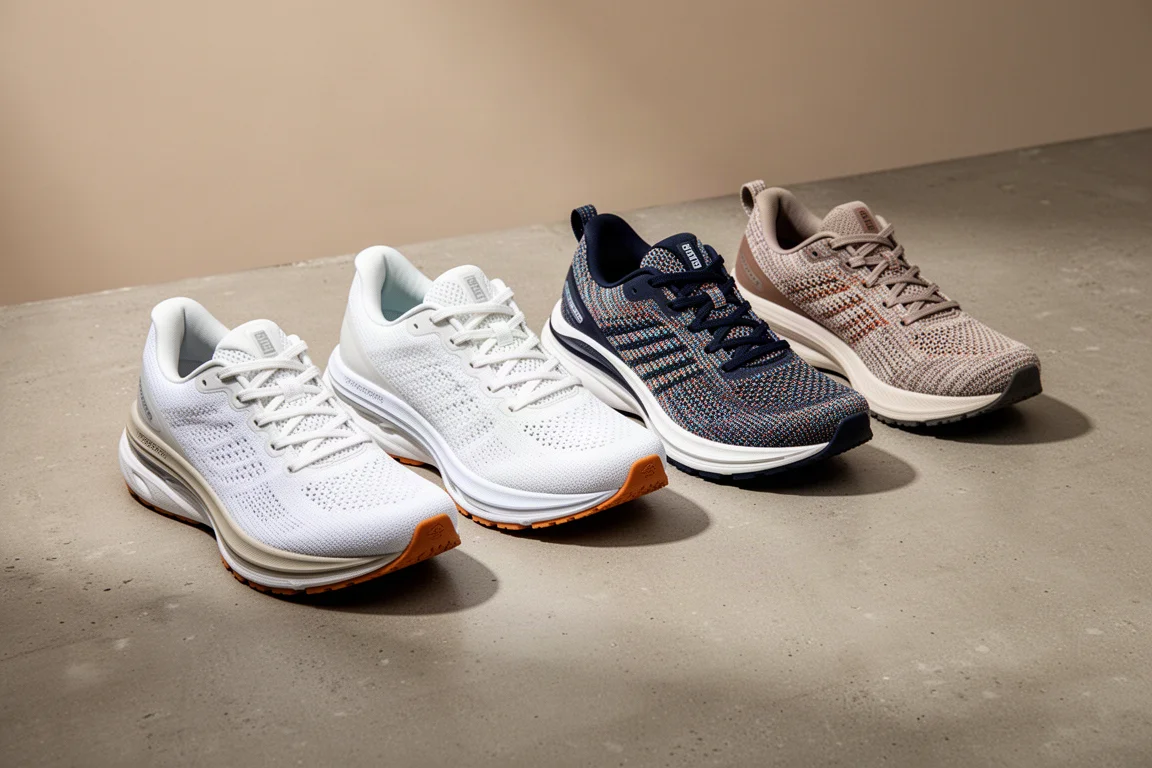
Value is on everyone’s mind right now, and running shoes are no exception. The interesting question is not simply what is cheap, but whether a higher-priced shoe can deliver great value through quality, performance, and longevity. Sometimes the best purchase of the year costs less than a takeaway, and sometimes a £270 shoe leaves you wondering what exactly you paid for.
We have run through a wide range of models from Reebok, Adidas, and Nike to see where the genuine value sits, and where you might be better off spending your money elsewhere.
What Value Means in a Running Shoe
There are a few ways to judge it. Price is the obvious one, but durability matters just as much: a shoe that falls apart before 100 miles is poor value at almost any price. Versatility counts too, since a daily trainer you can use for easy runs, faster sessions, and the occasional race multiplies its usefulness. Finally, there is enjoyment, which is harder to quantify but very real. A shoe you love running in gets used, and a shoe that sits in a box represents money wasted.
One thing worth remembering: running shoes are consumables. Unlike a good watch or a well-looked-after guitar, nobody gets years of service from a pair of shoes, so the smarter comparison is cost per mile and how much use you actually extract from the shoe.
Reebok Floatride Energy: The Value Benchmark
If value means snagging a great shoe at a bargain price, the Reebok Floatride Energy series is hard to beat. Many Reebok running shoes regularly sell for under £100, and they are constantly discounted below their retail prices. The best deal found here was a pair of the Floatride Energy 2 for a total of just £29, a price that rivals a takeaway meal or a double vinyl album.
Reebok Floatride Energy 2
At £29, the Floatride Energy 2 was a genuinely great shoe, and the price was good enough to spark a lasting interest in the wider Reebok range. That is what a value purchase looks like: a low entry cost, solid performance, and a gateway to a brand you keep coming back to. If you can find a pair at a discounted price, it remains one of the most convincing bargains in everyday running.
Reebok Floatride Energy 4
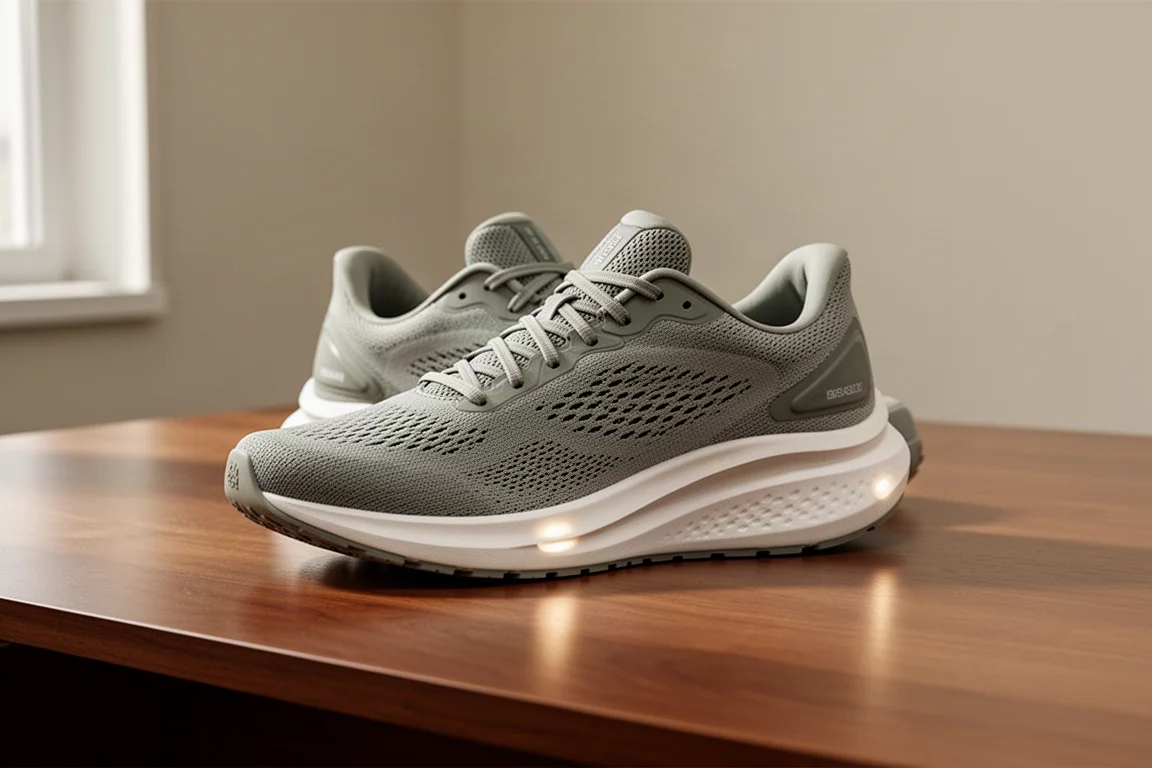
The newer Floatride Energy 4 launched at £75 retail, but it is often available for around £50 or even lower. That is a very reasonable price when you consider the durability and versatility of the shoe. The Energy series consistently hits the spot, undercutting a lot of other daily trainers on price without feeling like a compromise, so Reebok earns a solid value-for-money nod here.
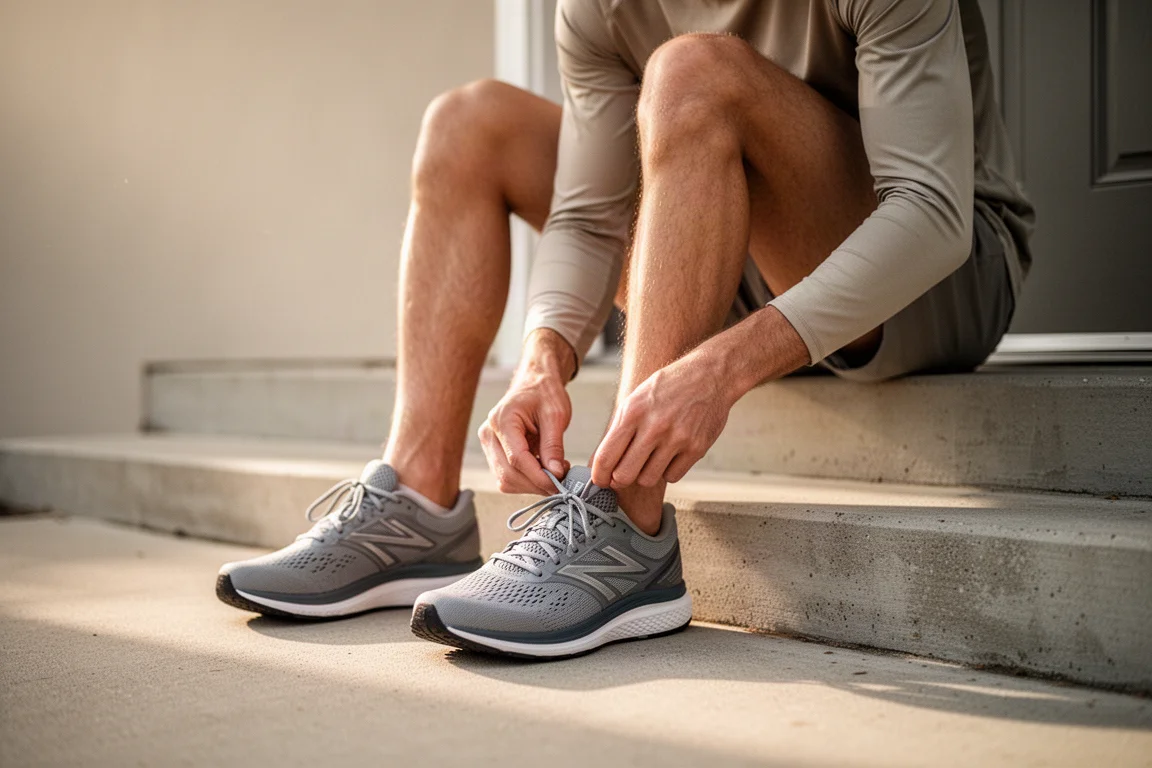
That combination of a low asking price and a shoe you can genuinely rely on makes the Energy line the reference point in this comparison.
Adidas: Mixed Bag with Some Real Gems
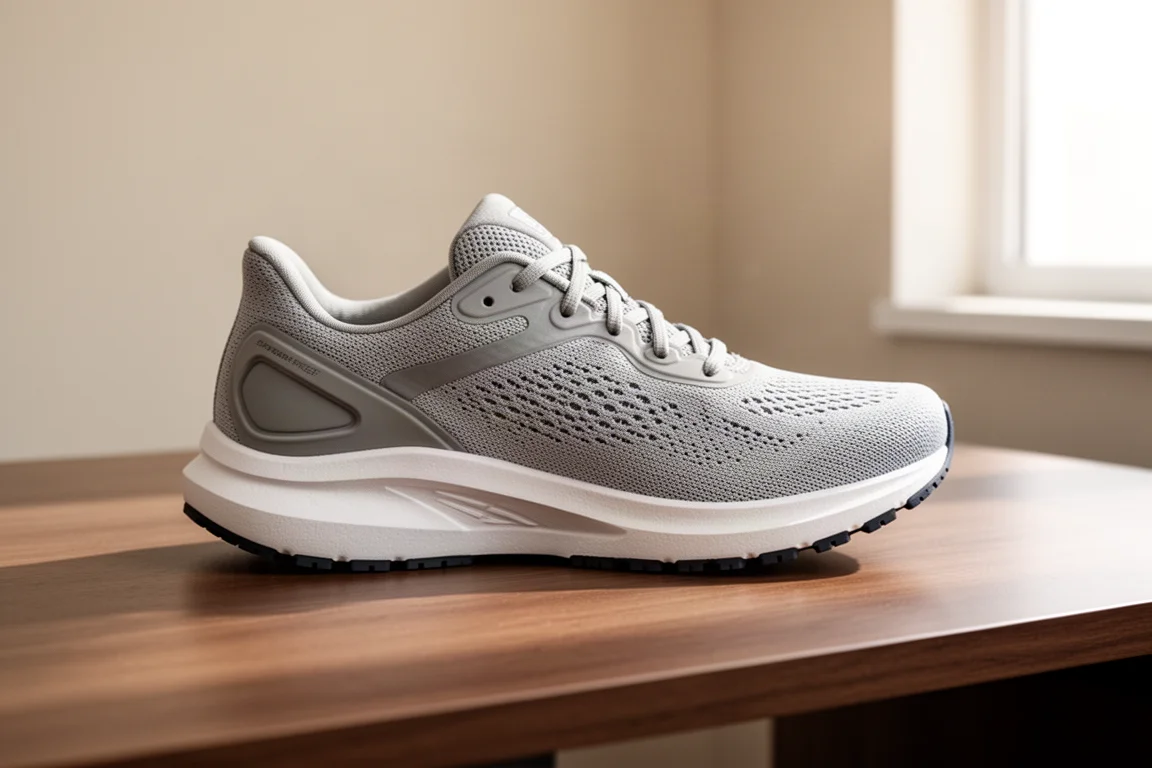
Adidas is a more complicated story. Durability has been variable across the range, with some models lasting brilliantly and others disappointing quickly. The Ultraboost series is a bright spot for longevity: many runners report getting hundreds of miles before the outsole wears down. Launch prices are steeper, typically around £160 to £170 for the flagship model, though sales often bring it down to roughly £110 to £120, which keeps it in reasonable-value territory.
Adidas SL20
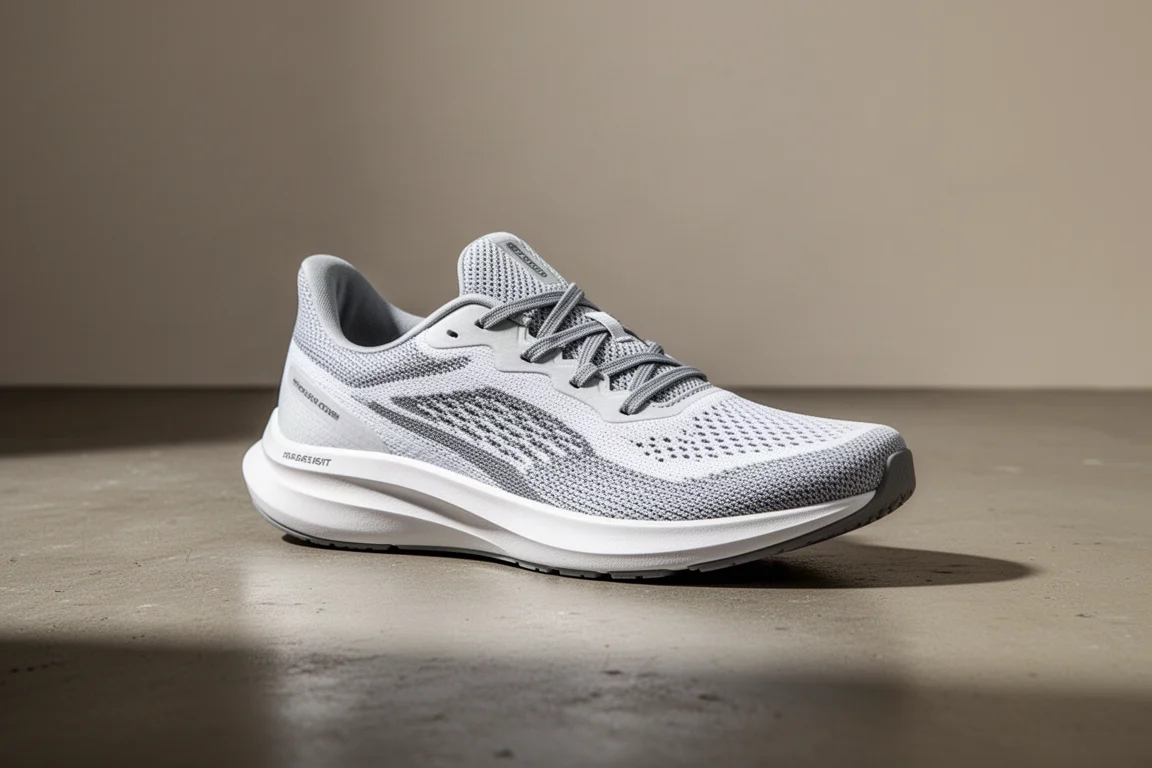
The original SL20 was a superb shoe. Picked up for around £60, it proved to be one of the most versatile daily options around, handling faster running with ease and even holding up as a race shoe without a problem. For a lightweight trainer that can genuinely do a bit of everything, that is excellent value.
Adidas Adizero Adios 6
The Adizero Adios 6 was available on release at a discount for about £79, and it represents a slight upgrade over the SL20: a touch lighter and a little more nimble. The standout here is the Lightstrike Pro midsole material, which seems to get better the more you use it. Where some foams feel like they start degrading the moment they leave the box, Lightstrike Pro holds up, and runners report getting additional miles and kilometres from it.
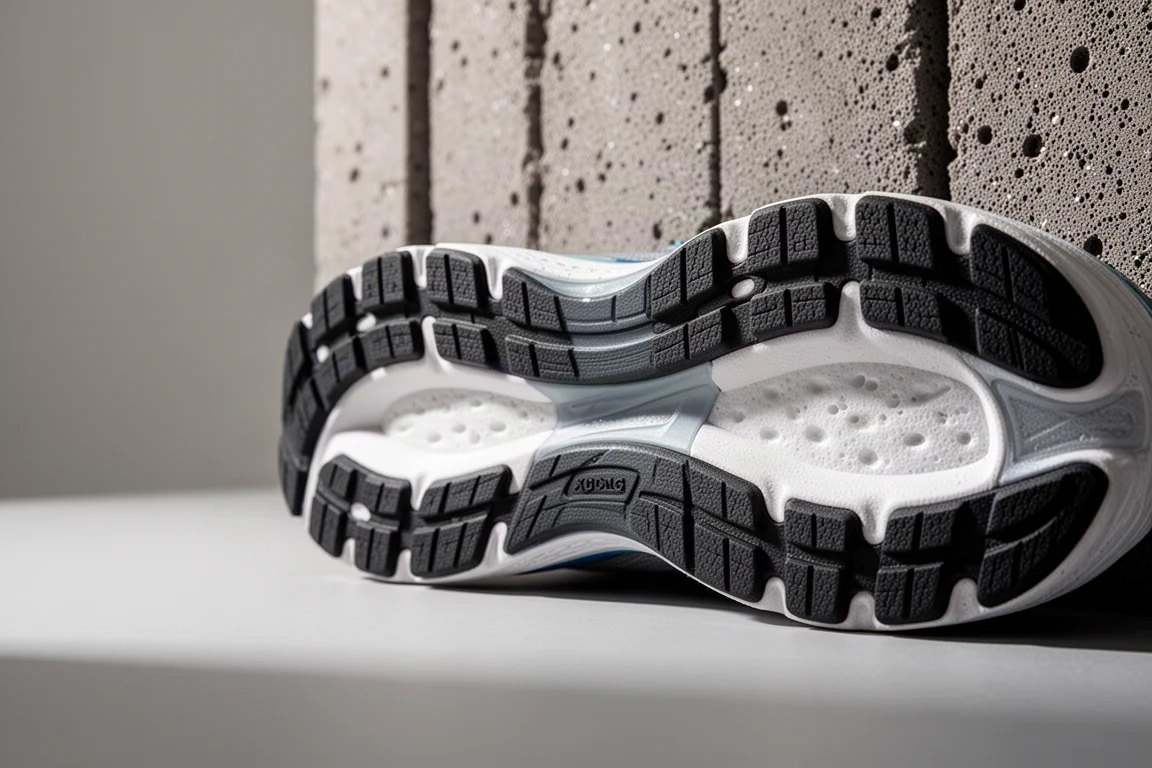
That durability also changes how you use the shoe. With some premium foams you would think twice about taking them out on a very wet wintry run, but Lightstrike Pro just seems impervious to those conditions, which makes the Adios 6 practical as an everyday option rather than a race-day-only pair.
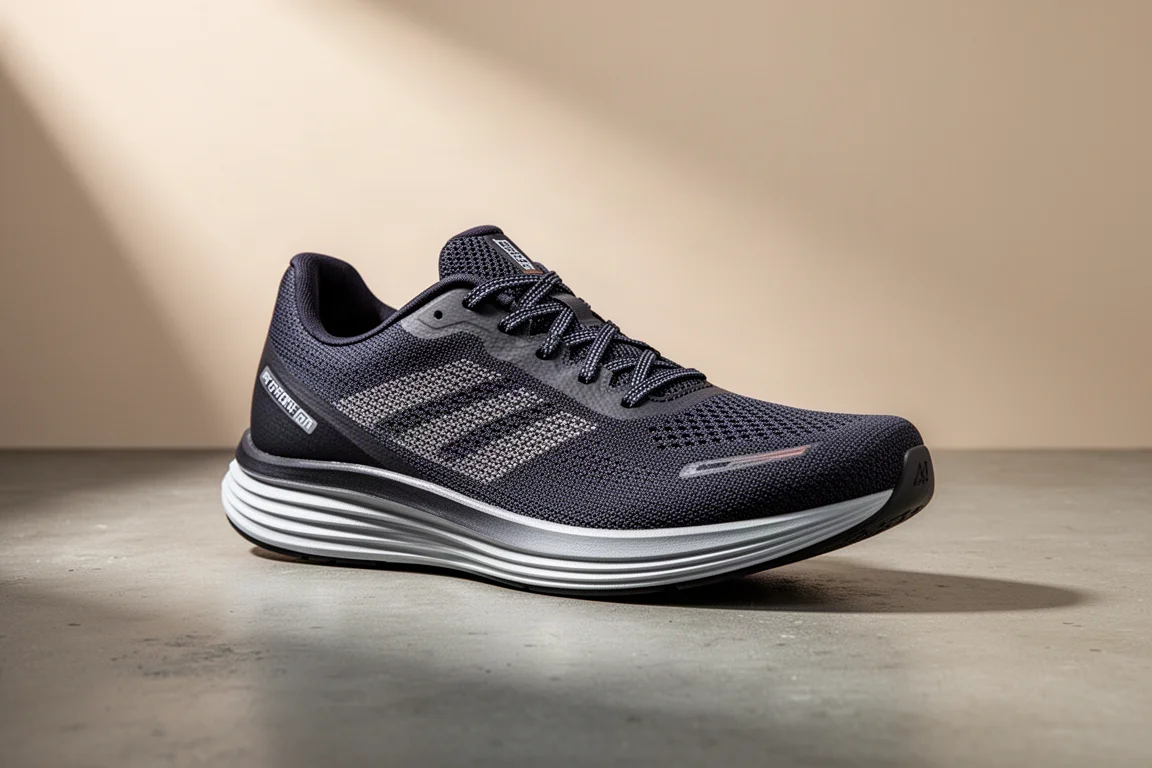
Overall, Adidas offers pretty good value across most of the lineup we have tried, though prices have been creeping up over the last year or so.
Nike: Premium Prices and Durability Question Marks
Nike’s value story is murkier, particularly at the top end. There is an odd tension in the market: some people will happily spend over £200 on a race shoe, then leave it in the box or use it once or twice before a key event. That is a purchase pattern that rarely adds up as value, because super shoes are simply not designed to last for years.
Nike Vaporfly Next% 2
The Vaporfly Next% 2 typically retails at around £230, which makes it a serious investment for a shoe many runners retire at roughly 200 miles as it loses its pop or the magic fades. Nike did recently release some stock at about £100, which says a lot about the markup on these shoes at full price. Even so, working out cost per mile on a shoe like this is not a calculation most people want to make.
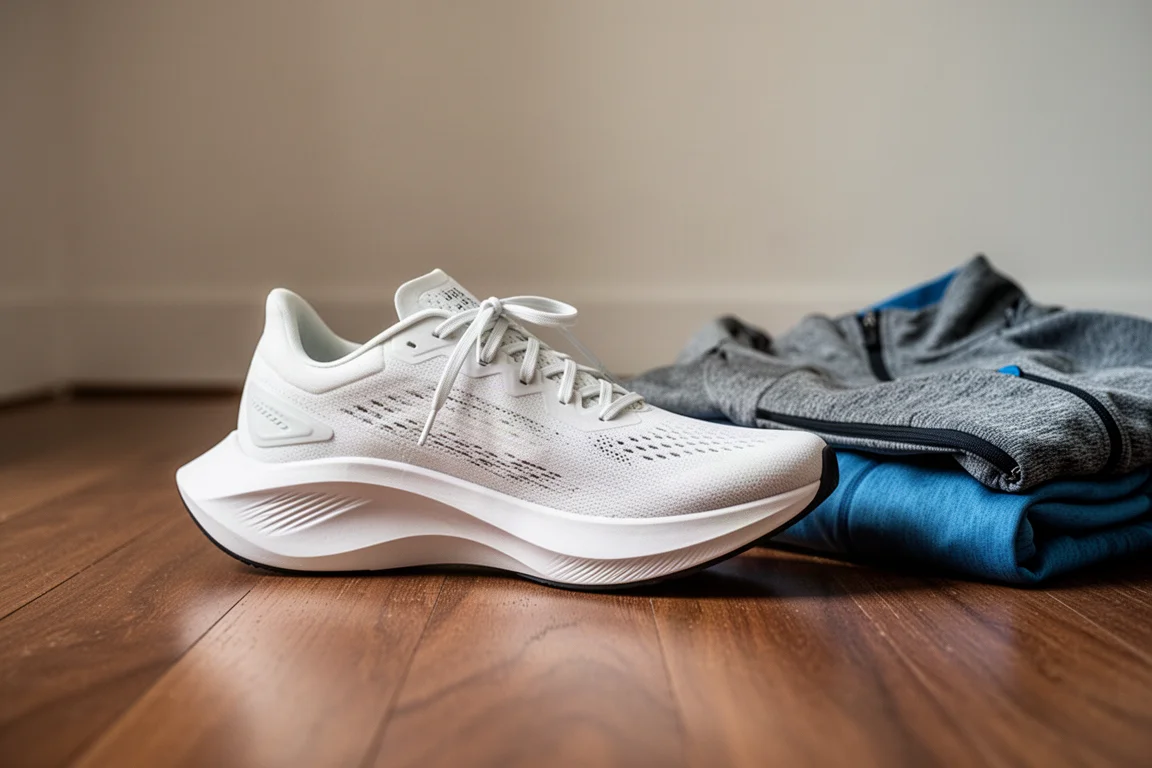
If raw value is what you are after, a standard trainer from the same brand will usually deliver more miles for your cash, and the Vaporfly makes more sense as a targeted race-day tool than an everyday purchase.
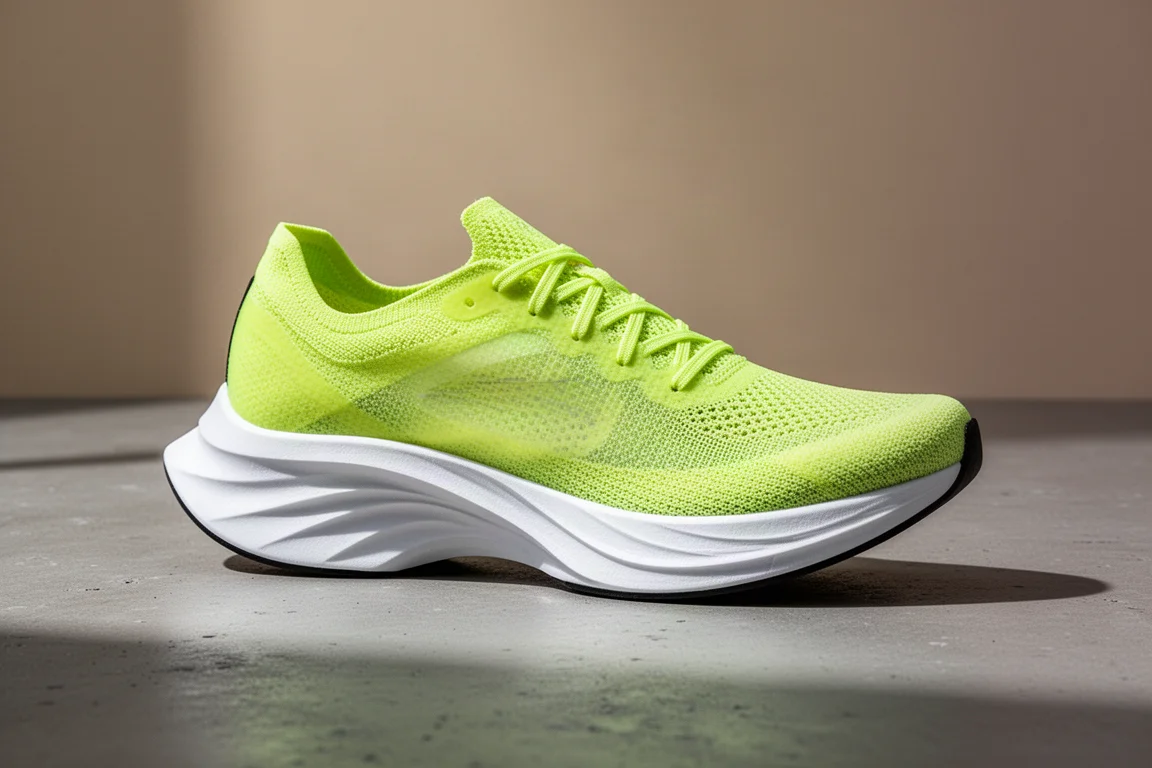
Nike Pegasus 39
The Pegasus sits at roughly double the price of a budget daily trainer but far below the super shoe tier, and it is exactly the kind of model that tends to deliver more miles for your money. It is the usable, grab-it-off-the-shelf-every-day type of shoe, without the worry that the foam will break down quickly or the upper will tear. There have also been notable return rates on some higher-profile Nike models, and durability concerns around certain foam-based shoes do chip away at the brand’s overall value proposition, especially given the higher prices. The Pegasus, though, is a safer, more conventional value play.
Buying Advice: Match Value to Your Actual Use
The clearest lesson from this comparison is that value depends on how you will actually use the product. A shoe that lasts a full year of training, or a watch that serves you daily for three or four years, can represent genuinely good value even at a higher price. GPS running watches are a good example: excellent devices between £200 and £300 now do almost anything a runner could want, and spread over three or four years of daily use, that is hard to complain about.

For shoes, the practical takeaway is straightforward. Look for discounts and sales, because nearly every great deal mentioned here came from timing rather than luck. If durability and versatility top your list, the Reebok Floatride Energy series and the Adidas SL20 or Adizero Adios 6 are strong candidates. If you want a premium race shoe, go in with realistic expectations about its shorter lifespan, and consider whether a durable daily trainer will serve you better most of the year. And if a product will not earn its keep through regular use, the cheapest option is often not buying it at all.
Conclusion
Value is not just about the lowest price. The Floatride Energy 2 at £29 shows how good a bargain can be, the Floatride Energy 4 and Adizero Adios 6 show how discounted quality outperforms full-price hype, and the Vaporfly Next% 2 shows that a high price tag does not guarantee value, especially when the shoe retires early. The best purchase is the one that matches a real need, gets used regularly, and keeps performing long enough to justify what you paid for it.
Further reading
Related Reviews

Running Shoes
Best Road-to-Trail Running Shoes: Three Versatile Options for Mixed Terrain
A practical guide to three road-to-trail running shoes that handle both pavement and mild trails, with clear strengths and trade-offs for different runner types.

Running Shoes
Best Running Shoes for Achilles Tendonitis: Three Options Explained
Three running shoes with different heel drops and support features designed to help reduce Achilles tendon pain during walking and running.

Running Shoes
Best Running Shoes for Women: Five Top Choices Ranked
A ranked guide to five women's running shoes, from versatile daily trainers to high-performance racing options, with real strengths and trade-offs for each.