Gaming Monitors
Best Value Gaming Monitors 2026: Five Picks Across Budget to High Refresh Rate
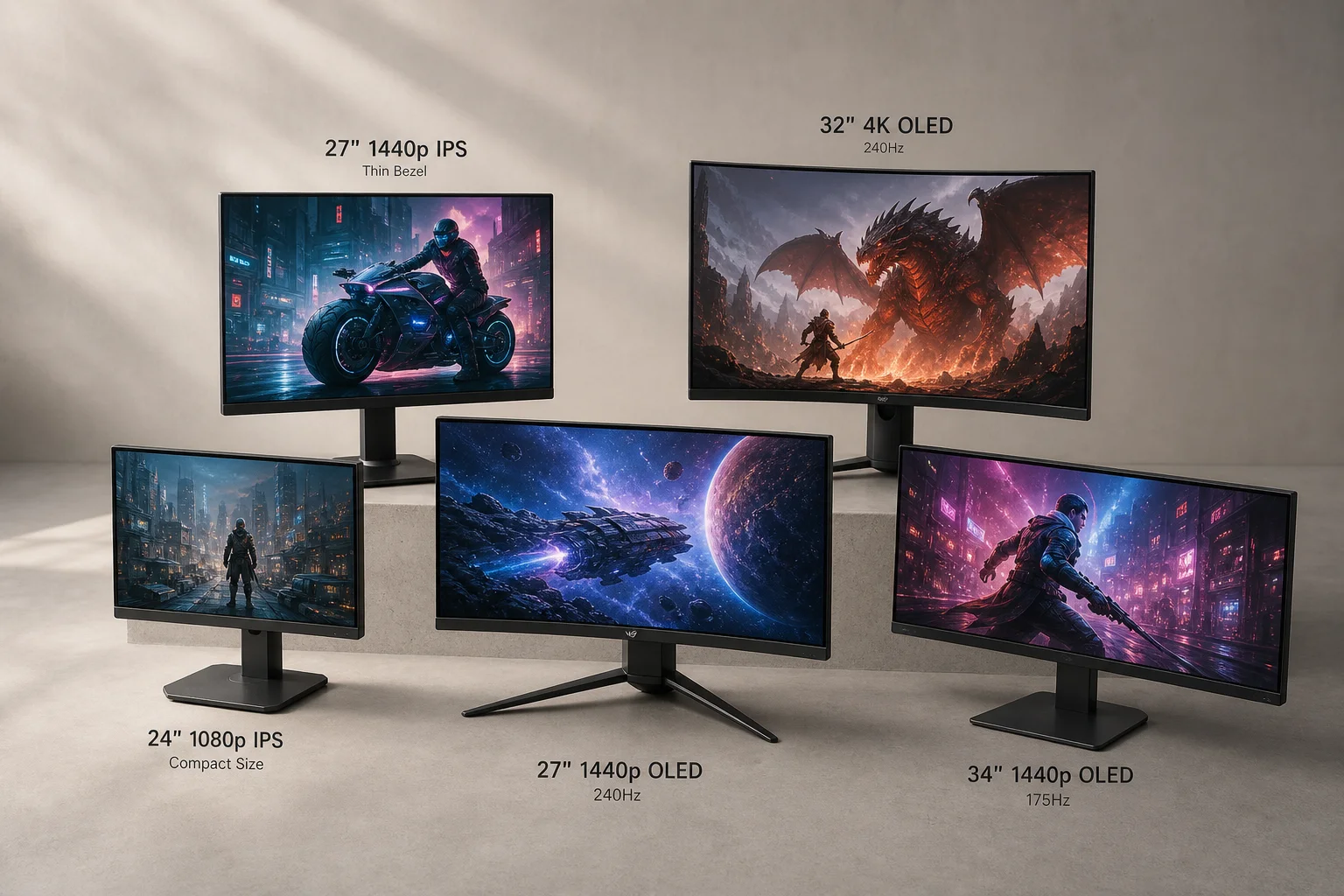
Five gaming monitors offering strong value across 1080p, 1440p, and OLED categories, from budget IPS panels to high-refresh QD OLED and Tandem OLED options.
Introduction
Gaming monitor prices have shifted dramatically in 2026. Budget 1440p monitors now cost around $150, making older premium LCD panels harder to justify. Meanwhile, OLED gaming monitors have dropped to the $400 range, opening up new value propositions across every refresh rate tier. Here are five monitors that offer the strongest value in their respective categories.
27-Inch 1440p Gaming Monitors
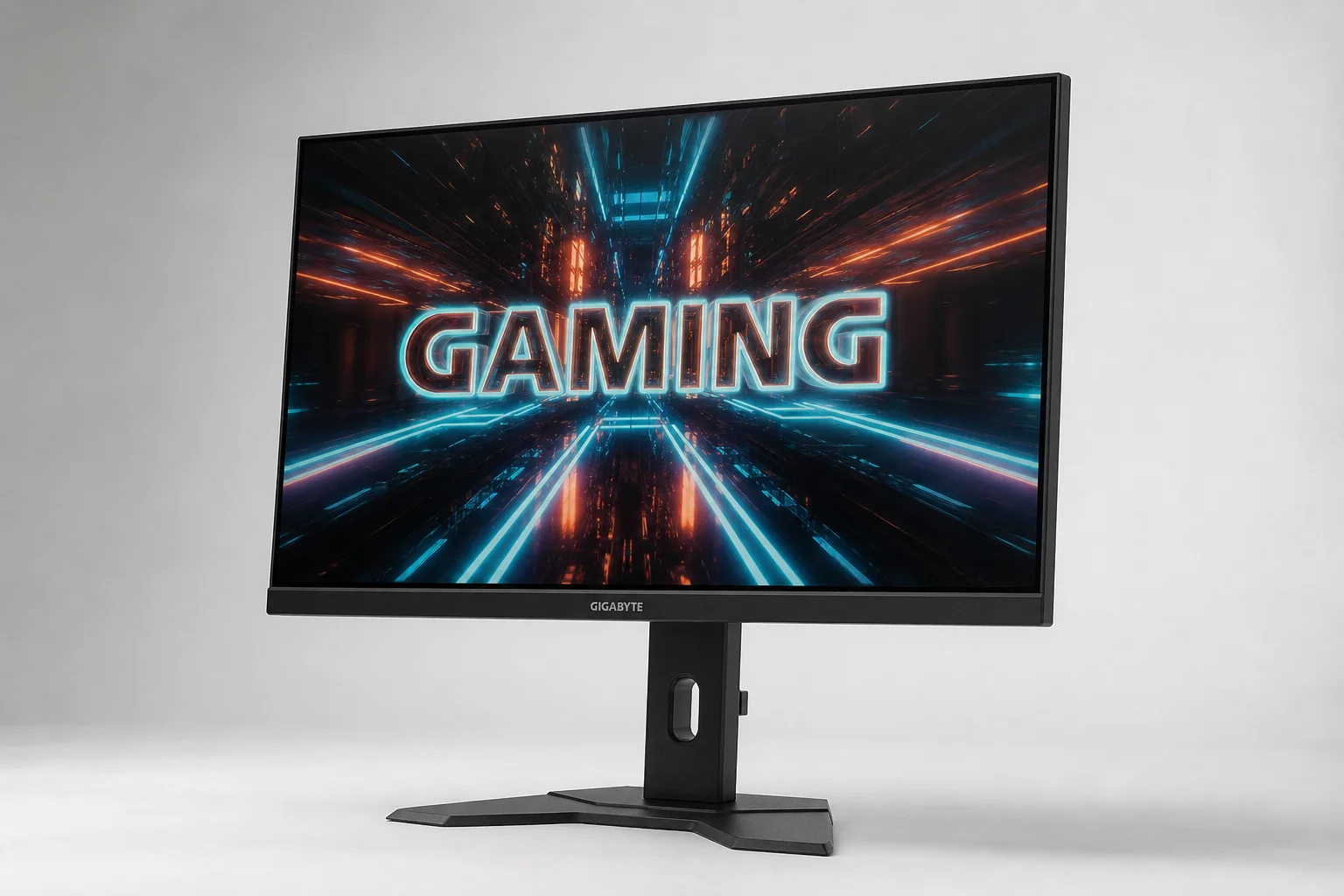
The 27-inch 1440p category remains popular for its balance of screen real estate and pixel density. Two standout options here are the Gigabyte GS27QA and ASUS XG27ACS. Both deliver very fast response times at maximum refresh rate and clock at 180Hz with comparable contrast ratios and brightness levels.
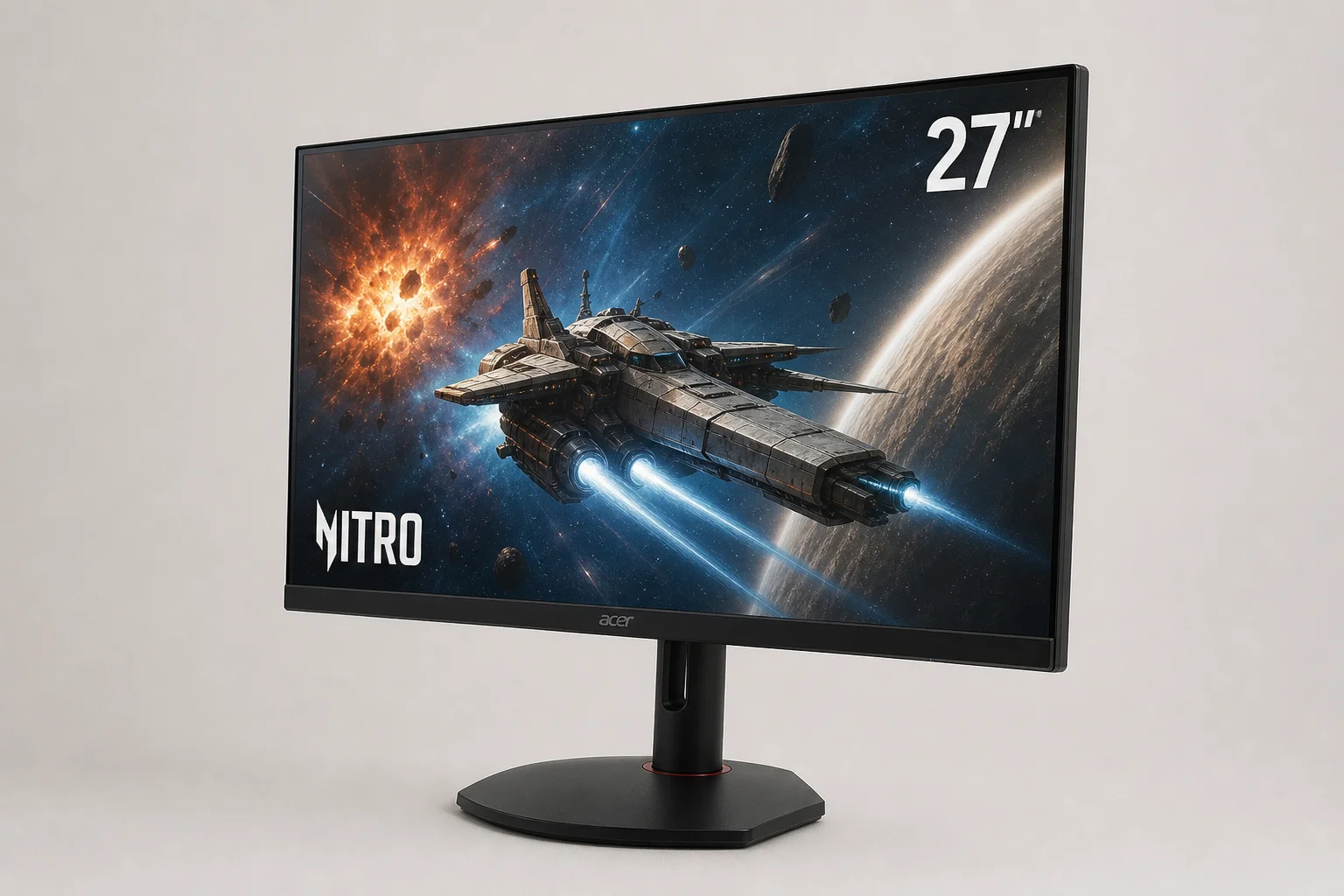
The ASUS edges ahead with a single overdrive mode that works across all refresh rates and superior color accuracy, though it typically costs slightly more. If you want even faster response times and don’t mind the trade-off, both are solid choices. For a more budget-friendly 1440p option, some retailers offer 27-inch monitors running at 200-210Hz with IPS panels, great colors, and contrast ratios near 1400:1 for around $150, though they show mild smearing in dark areas.
24-Inch 1080p Budget Option
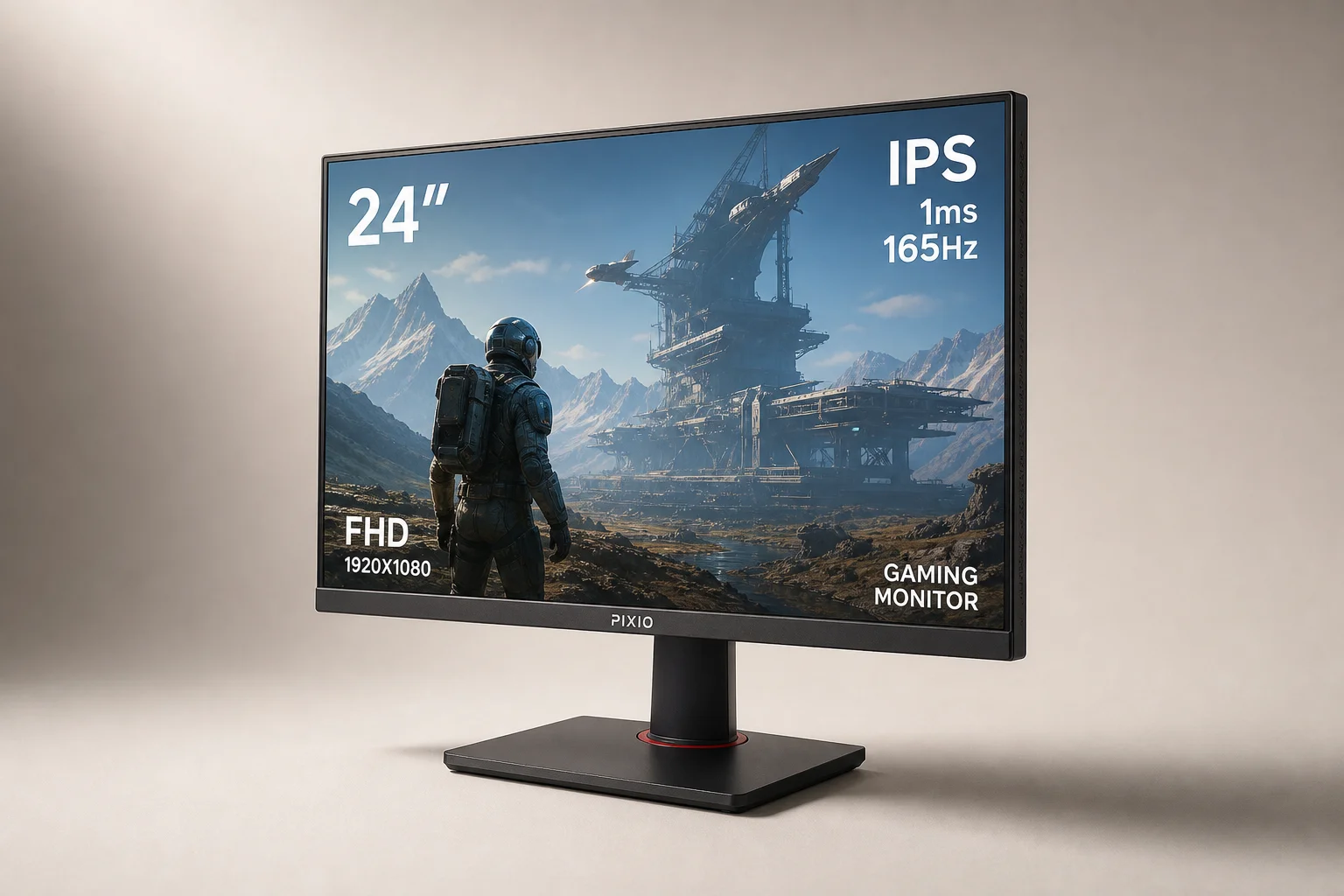
Good 1440p monitors are now available at $150, which puts 1080p in a tight spot. These budget 1080p displays only make real sense if you can find them below $100. The KTC H24T09P remains a favorite in this price range, offering a 165Hz IPS panel with fast response times and good color reproduction.
However, spending about $50 more gets you a 27-inch 1440p monitor, which is often the better value proposition. The KTC works best for compact setups or secondary displays where the smaller footprint matters more than resolution.
240Hz and 280Hz QD OLED Monitors
OLED gaming monitor prices have dropped to roughly $400, making premium LCD panels difficult to recommend. A 240Hz QD OLED monitor now costs less than many high-end 240Hz+ IPS displays that sell for $250-300. Several manufacturers use the same 240Hz QD OLED panel, so differences between models are minimal unless you prefer a specific design.
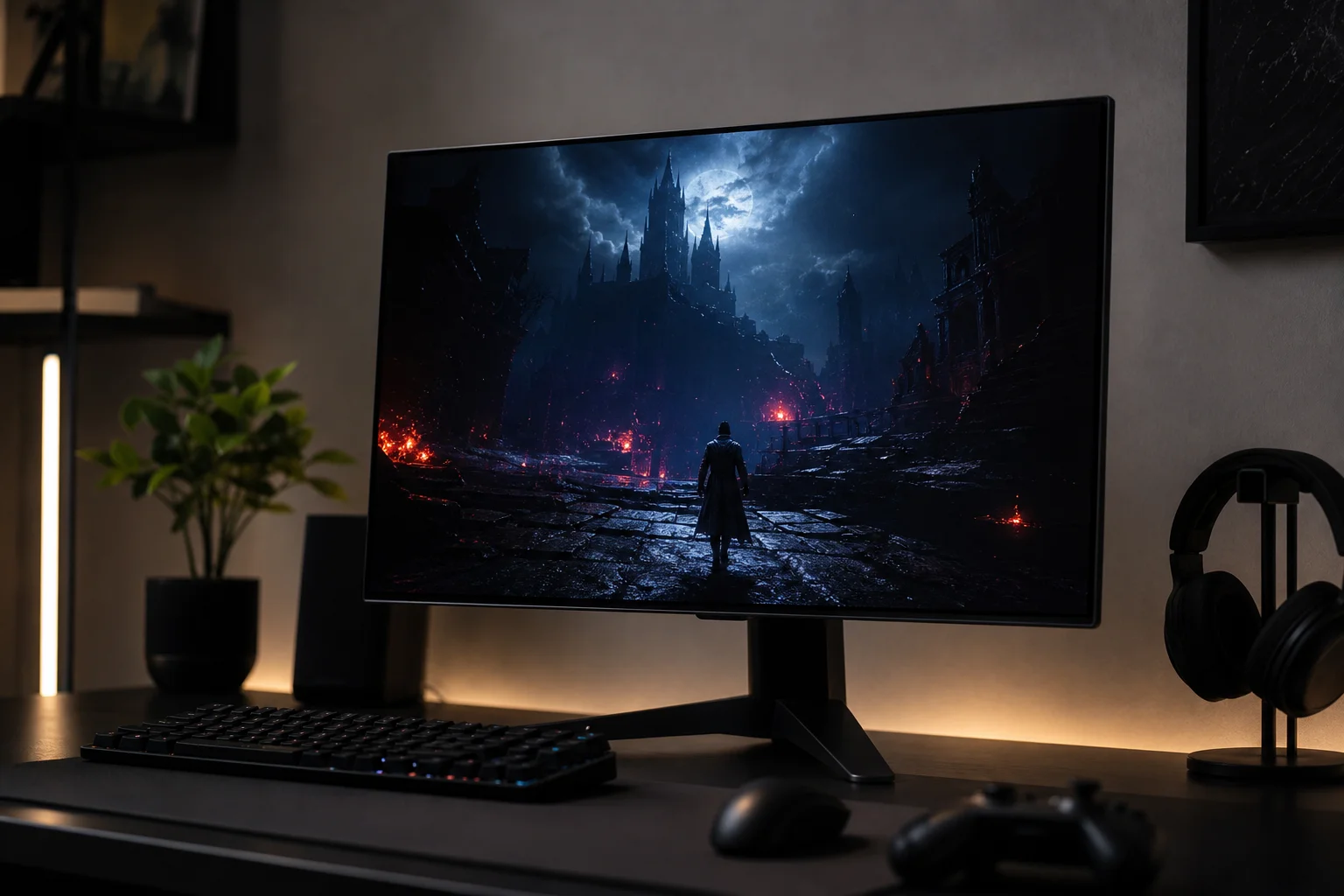
The real value shift comes from the new 280Hz QD OLED panel, which has appeared on sale for around $400. This makes the majority of 360Hz QD OLED monitors seem overpriced, since spending roughly $150 more for a modest refresh rate bump rarely justifies the cost. Regional pricing varies, though. In some markets like Germany, 360Hz QD OLED monitors may cost only slightly more than 280Hz versions, making them worth considering.
500Hz QD OLED and Tandem OLED Options
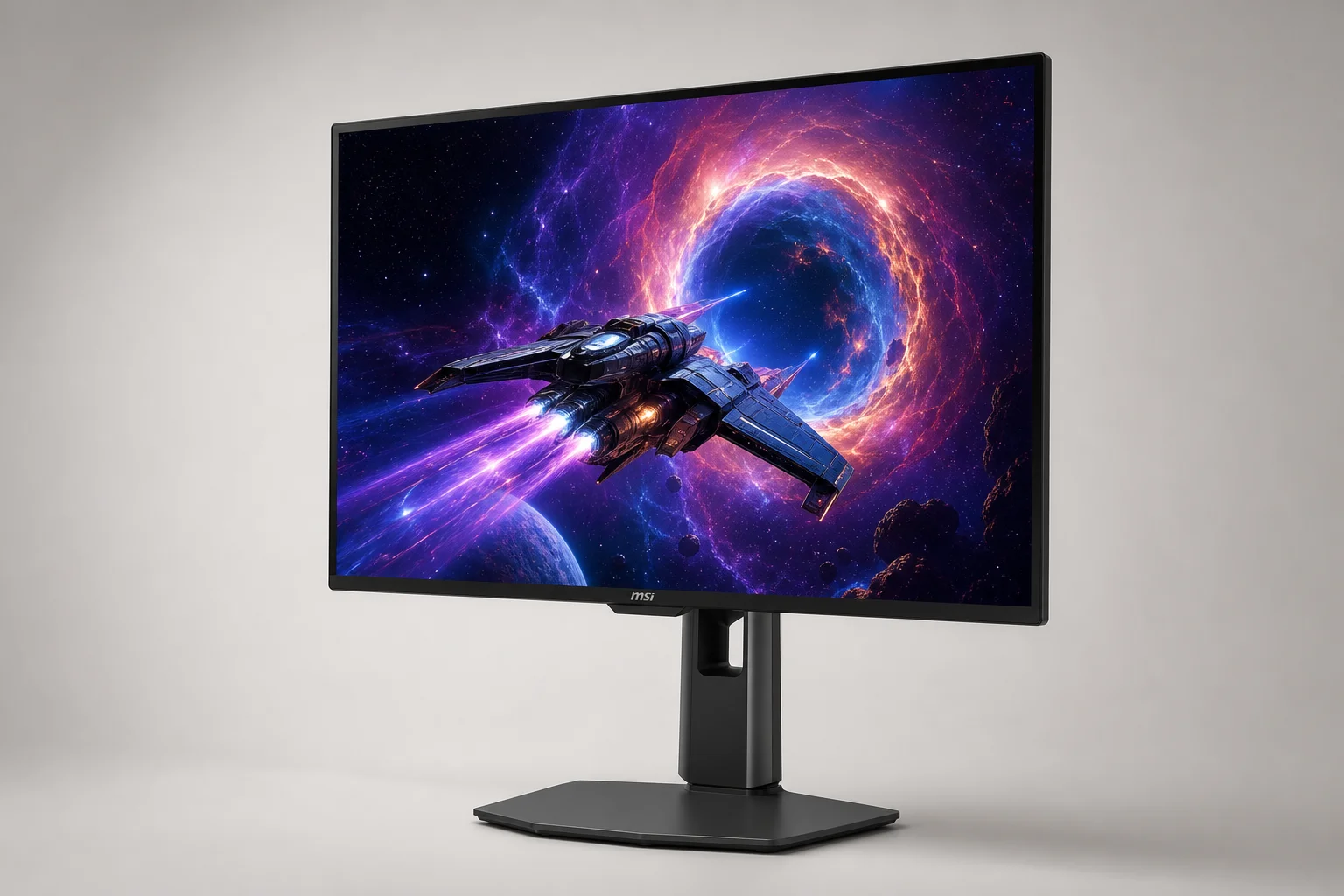
For super high refresh rate monitors, the 500Hz QD OLED models offer the best value for money among extreme-refresh options. At $650, the MSI 500Hz QD OLED is well-priced compared to other high-refresh alternatives. It costs significantly more than the 280Hz QD OLED models, so you should genuinely benefit from the extra Hz, but it does gain roughly 50 nits of additional fullscreen brightness.
If you want the absolute best panel technology, the LG 280Hz Tandem OLED at $550 is reasonably priced for what it delivers. It reaches higher fullscreen brightness of roughly 330 nits and offers a larger color gamut volume, making colors pop more than QD OLED. Unlike QD OLED, blacks remain true black under ambient light rather than turning grayish-magenta, and this panel is available with a glossy finish for even better color vibrancy.
Conclusion
The gaming monitor market in 2026 rewards smart shopping. Budget buyers should focus on 1440p IPS panels in the $150 range, while OLED enthusiasts can now afford 240Hz or 280Hz panels at $400. High-refresh gamers benefit most from 500Hz QD OLED or Tandem OLED options if they can justify the extra cost. Check regional pricing, as availability and deals vary significantly by market.
Further reading
Related Reviews
Gaming Monitors
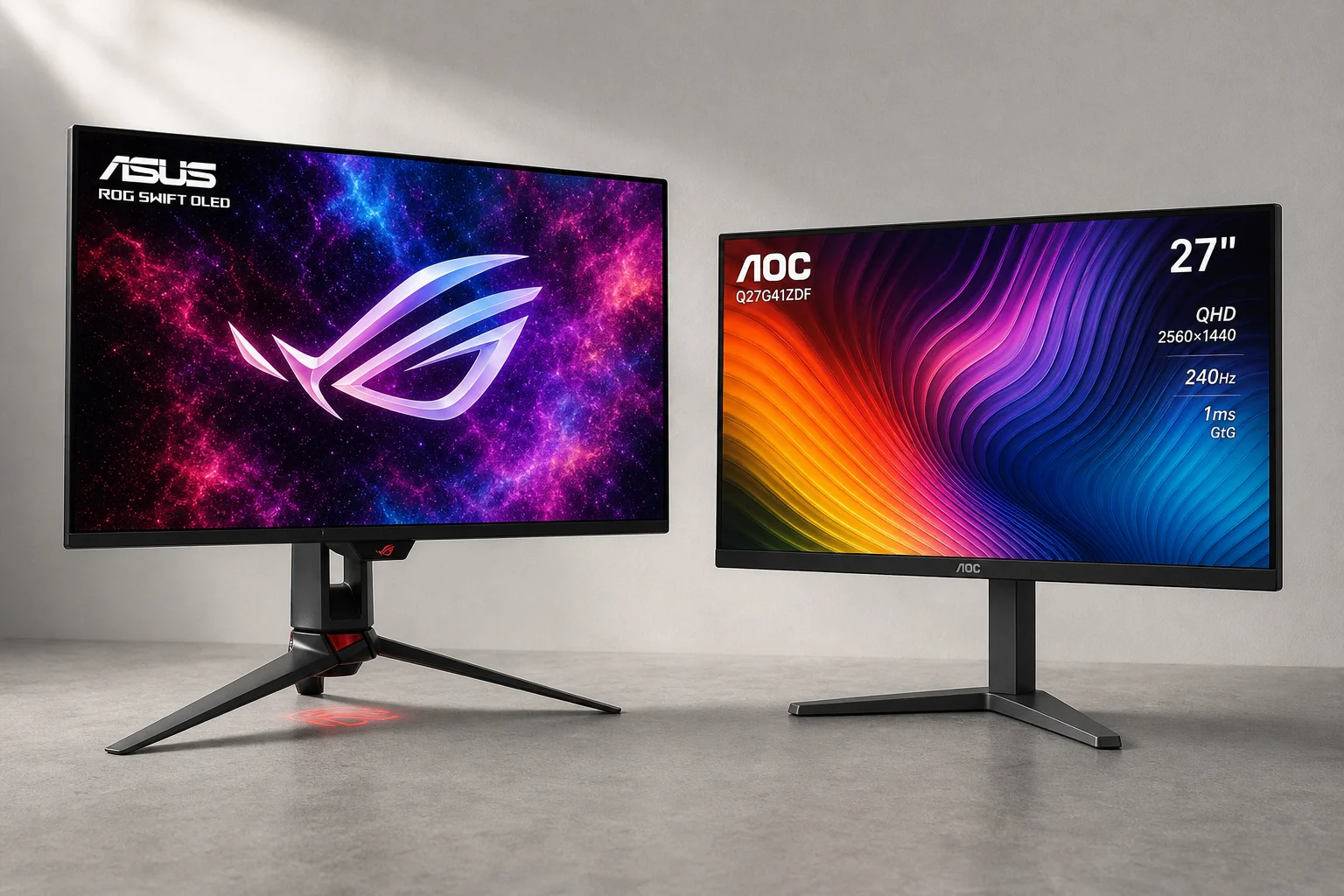
AOC Q27G41ZDF vs Asus ROG Swift OLED PG27AQDP: Budget vs Premium OLED Gaming
Two 27-inch 1440p OLED gaming monitors at vastly different price points. We compare brightness, color accuracy, text sharpness, refresh rates, and real-world performance to see what justifies the premium.
Gaming Monitors
ASUS ROG OLED Gaming Monitors 2026: New Panels, Sizes, and Brightness
ASUS announced several new ROG OLED gaming monitors at Computex 2026, including a 24.5-inch esports panel and a 32-inch 4K RGB stripe model.
Gaming Monitors
ASUS ROG Swift PG32UCWM Review: A New Direction for W OLED
The first 32-inch 4K OLED gaming monitor with an RGB stripe subpixel layout brings sharper text and better color brightness, but brightness regressions and a high price hold it back.