Tools
Best Utility Knife with Bit Driver Under $20: Milwaukee Fastback vs Klein Flick Blade
Two very similar flick-blade utility knives with bit drivers go head to head on blade locking, bit centering, carry, and finish to find the better buy under $20.
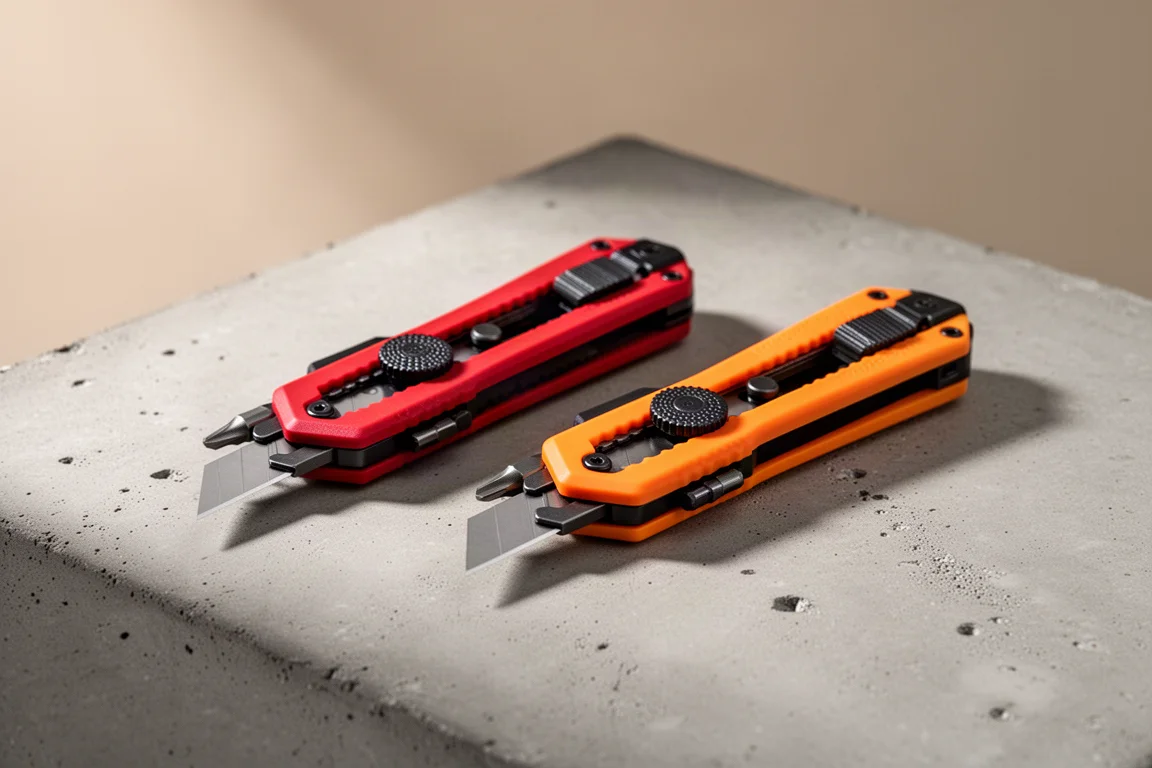
Introduction
A replaceable-blade utility knife with a bit driver is one of those quietly brilliant tool combinations: the two most-used functions of a traditional multi-tool, the blade and the screwdriver, packed into a slim folding format. Under $20, two contenders dominate this space: the Milwaukee Fastback and the Klein flick blade utility knife.
These two knives are remarkably similar. They may not have grown up in the same house, but they certainly grew up on the same street. Both use a push button that releases a lock so you can flick the blade open without trouble, and both fold it closed just as easily. Both are simple, solid utility tools with no extra blade storage. The differences are small but real, and they add up.
Blade Locking and Opening
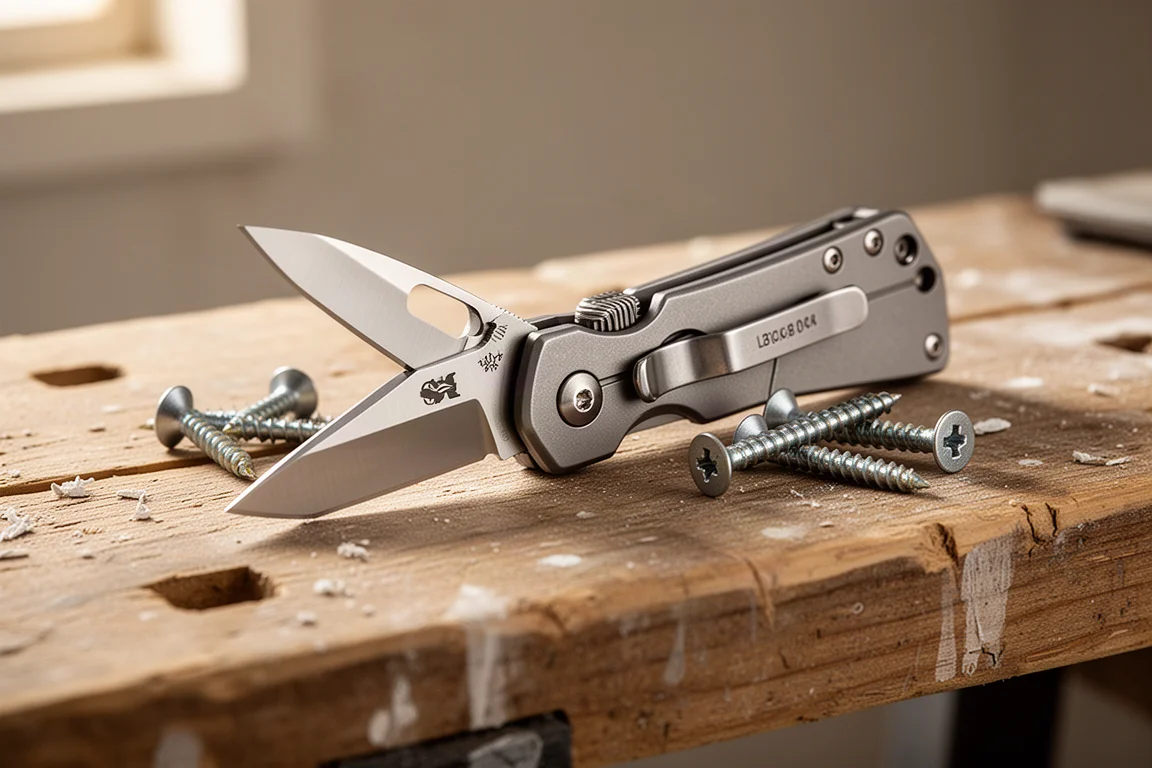
Both knives use a push button to release the lock, letting you flick the blade open and closed with one hand. The main difference is the locking positions. Klein adds a 135-degree locking point in addition to the full 180-degree position, which will feel familiar to anyone who has used a bent locking utility knife. Milwaukee locks only at the full 180 degrees.
Both also include an accessory cord cutter notch that can double as a wire stripper. Klein’s is a little bigger, while Milwaukee’s is a little more rounded.
Blade changes use a quick push-button release on both, sliding the old blade out for a fresh one. Bonus points to Klein here: its blades carry the brand name on them, while Milwaukee ships with a generic unnamed blade, though Milwaukee does sell a dedicated blade set.
The clearest visible difference between the two: Milwaukee has a bottle opener on the front end, and Klein does not. That is genuinely it.
Bit Driver and Centering
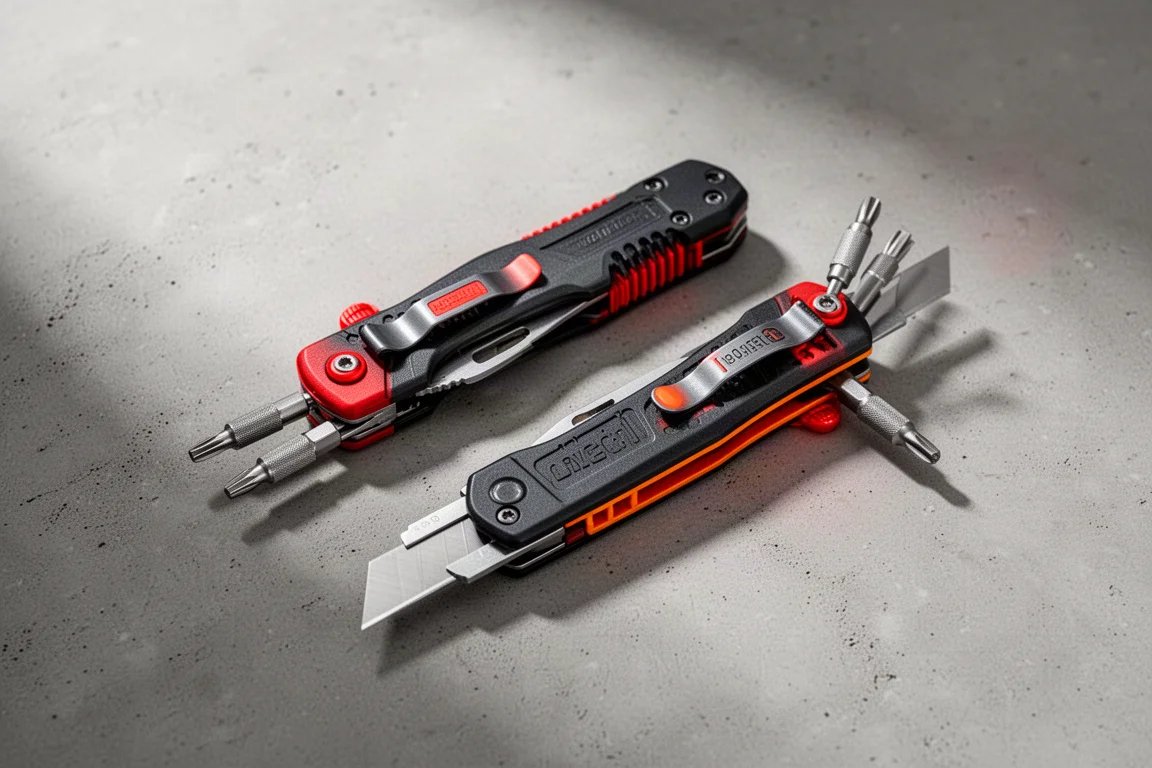
On the bit driver end, both use a small liner lock to keep the driver deployed, with Milwaukee’s liner lock slightly larger. Klein comes with an extra impact driver bit, which is a nice touch even if it is not strictly necessary. It carries an impact rating, but the knife itself does not, so that roughly evens out.
Centering is where Milwaukee pulls ahead. Its driver bit runs in the straightest line through the body of the tool, while Klein’s bit is offset. With an offset design, the point of rotation sits outside the turn, which can cause the bit to wiggle. That matters little with Phillips bits, but Milwaukee includes a reversible combination bit with both slotted and Phillips ends, and with an unslotted bit the difference in centering becomes obvious: the Klein bit can spin around the axis of the tool.
Carry, Clip, and Everyday Use
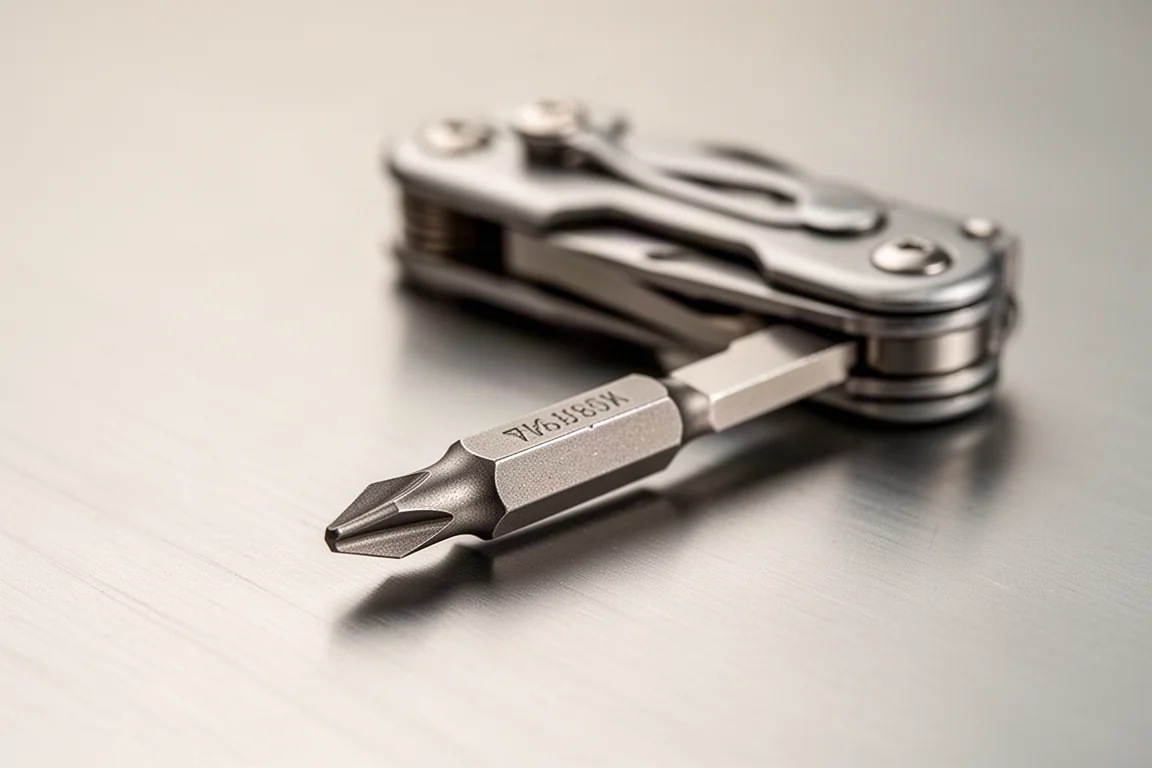
Both knives carry reasonably deep in the pocket, so clip style is more a matter of taste than function. Milwaukee uses a wire-style clip, while Klein uses a metal clip. Both include a lanyard hole, each designed a little differently, with the Klein version the more refined of the two.
One curious detail: Klein’s packaging warns that because this is a lock blade, buyers should check their local jurisdictions. If you live somewhere with strict knife rules, that is worth a moment of thought before ordering.
Inside the pivots, Klein’s bit pivot screw looks larger, with bronze or brass washers visible, while the Milwaukee shows stainless steel washers. Neither is a precision instrument, and no smoothness difference is noticeable between them in use. Milwaukee can also accept a longer blade if you want one, though it is designed around its shorter blade.
Color and Verdict
On color, Milwaukee sticks with its standard brick red, while Klein goes bright orange. Orange wins in my book: it is easier to spot in a tool bag or on a job site.
If I were buying one today, I would lean toward the Klein. The flick blade look is a little funny and could be misconstrued, but the overall design is simple and well thought out, the extra 135-degree lock point is genuinely useful, and the bright orange finish is a practical advantage. Once you have used a flick-blade utility knife with a driver on board, it is hard to go back.
Conclusion
King Kong or Godzilla, this matchup is closer than the price gap suggests. Both knives are excellent, simple utility tools for under $20. Milwaukee wins on bit centering and adds a bottle opener; Klein wins on the extra locking point, branded blades, carry clip, and color. For most buyers, the Klein flick blade takes the win, but either choice will serve you well.
Further reading
Related Reviews

Tools
Best Contractor Grade Tape Measures 2026: Eight Models Tested Head to Head
We tested eight contractor grade tape measures from Milwaukee, DeWalt, Crescent Lufkin, Tajima, Stanley, Irwin, Gelan, and Craftsman to find the best value and performance.

Tools
Best Precision Screwdriver Sets 2026: Manual and Electric Options Compared
We compare 19 precision screwdriver sets, from budget manual kits to electric drivers, to find the strongest bits and best value.

Tools
Best Stud Finders 2026: Five Popular Models Put to the Test
We tested five popular stud finders on drywall, firewall, and lath and plaster surfaces to see which ones really find studs and avoid false readings.