Camping Gear
Best USB Camping Fans: RJVW and Smart Devil Compared
Two four-inch USB camping fans with near-identical airflow, three speeds, and quiet motors. Here is how the RJVW and Smart Devil models differ on price and durability.
Introduction
Warm-weather camping is largely a problem of airflow. When the temperature climbs and the humidity settles in, a steady breeze across the skin does more for comfort than almost any other piece of kit. That is the entire argument for a small USB fan, and it is why two nearly identical four-inch models have earned a permanent place in a pack: the RJVW USB fan and the Smart Devil USB fan.
Both run from any USB power source, both offer three speeds, and both have spent real time in tents, vehicles, and off-grid cabins. The performance is close enough that the difference between them comes down to price, color choice, and how easily each one can be found.
What to Look For in a USB Camping Fan
A fan like this only earns its place in a pack if it moves enough air to matter. The useful checklist is short: a size that fits a tent shelf or a vehicle console, a power source you already carry, and a head that can be aimed precisely. Three speeds cover most conditions, since a low setting is usually all that is needed to stay comfortable on a warm night, with medium and high reserved for still, humid afternoons.
Build quality matters just as much, because these fans get pulled out of bags, set on uneven surfaces, and packed away again for years. Look for a stable base, a quiet motor, and a cable that will survive repeated coiling. Weight and cord length are worth checking too, since a lighter fan with a longer cord is easier to place wherever the airflow is needed.
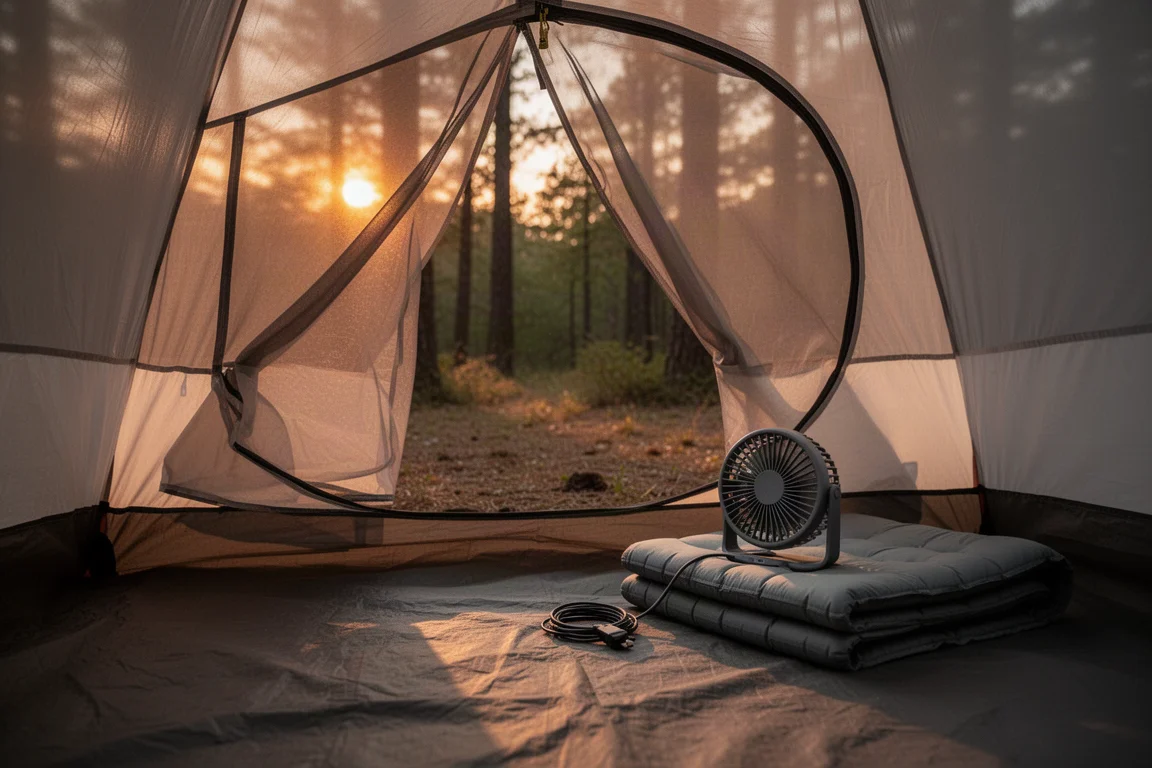
Noise is the detail people notice last and appreciate most. A motor that hums without whining can run all night next to a sleeping pad without becoming an irritation.
RJVW USB Fan: The Budget-Friendly Pick
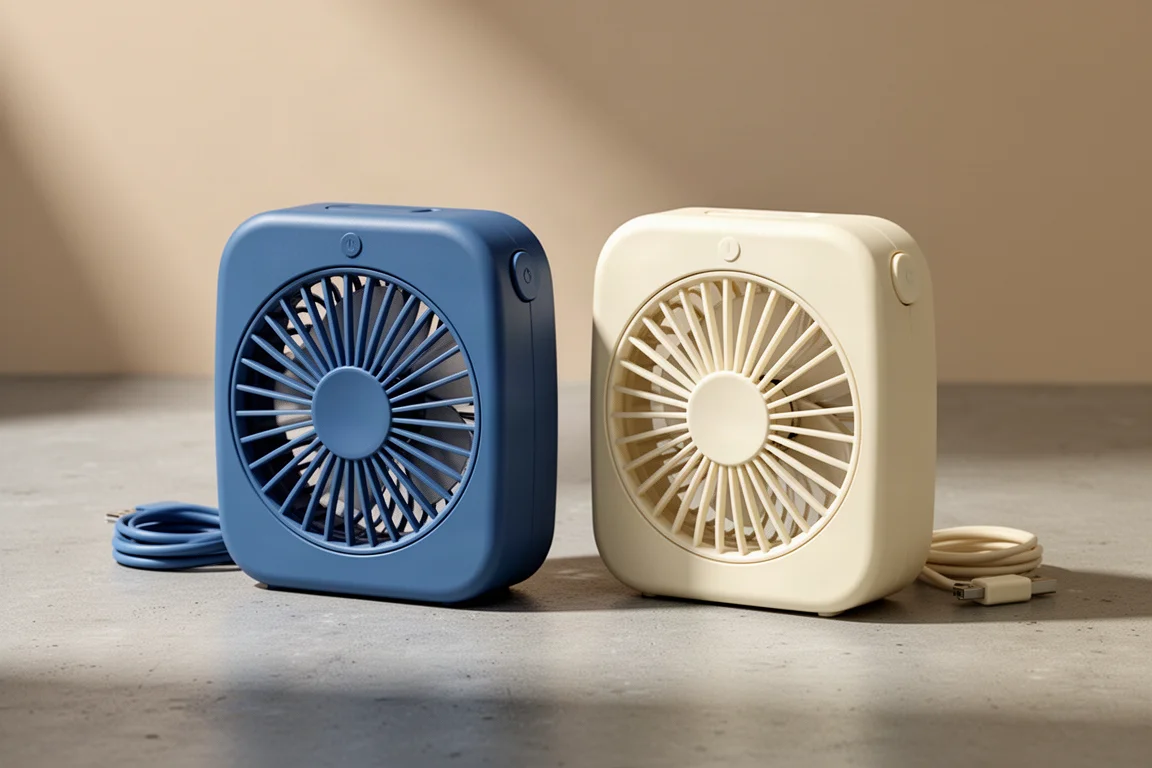
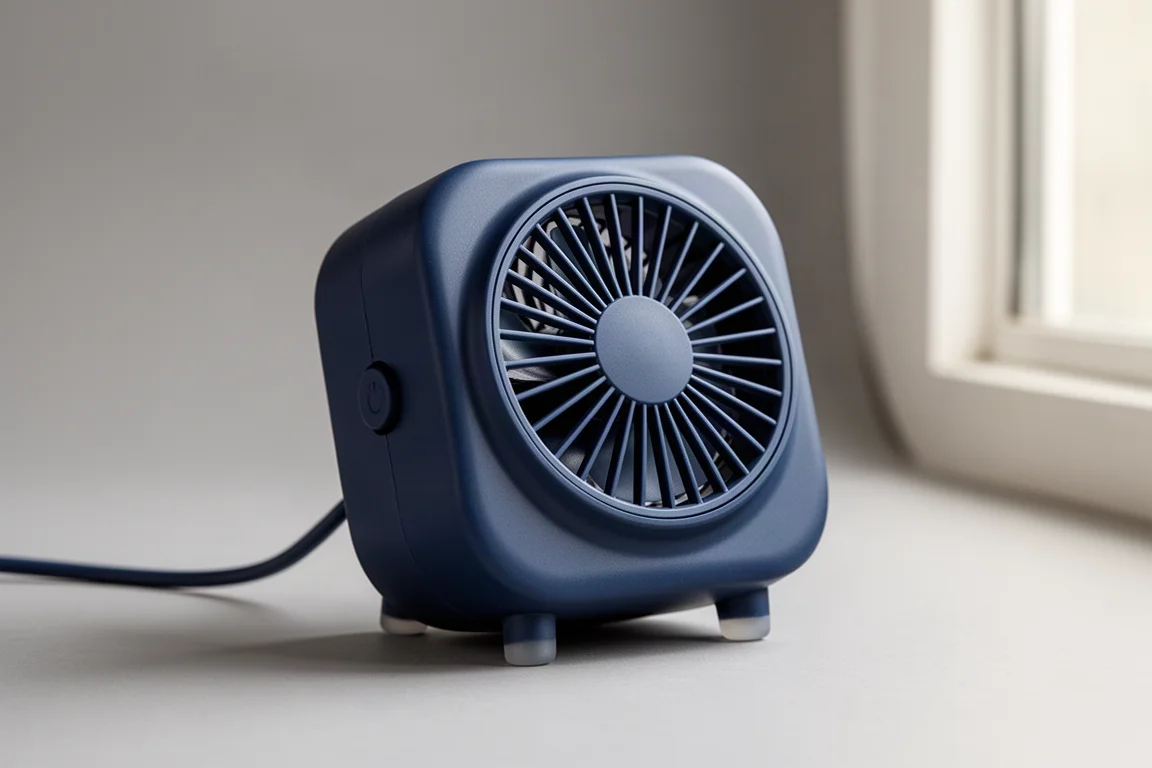
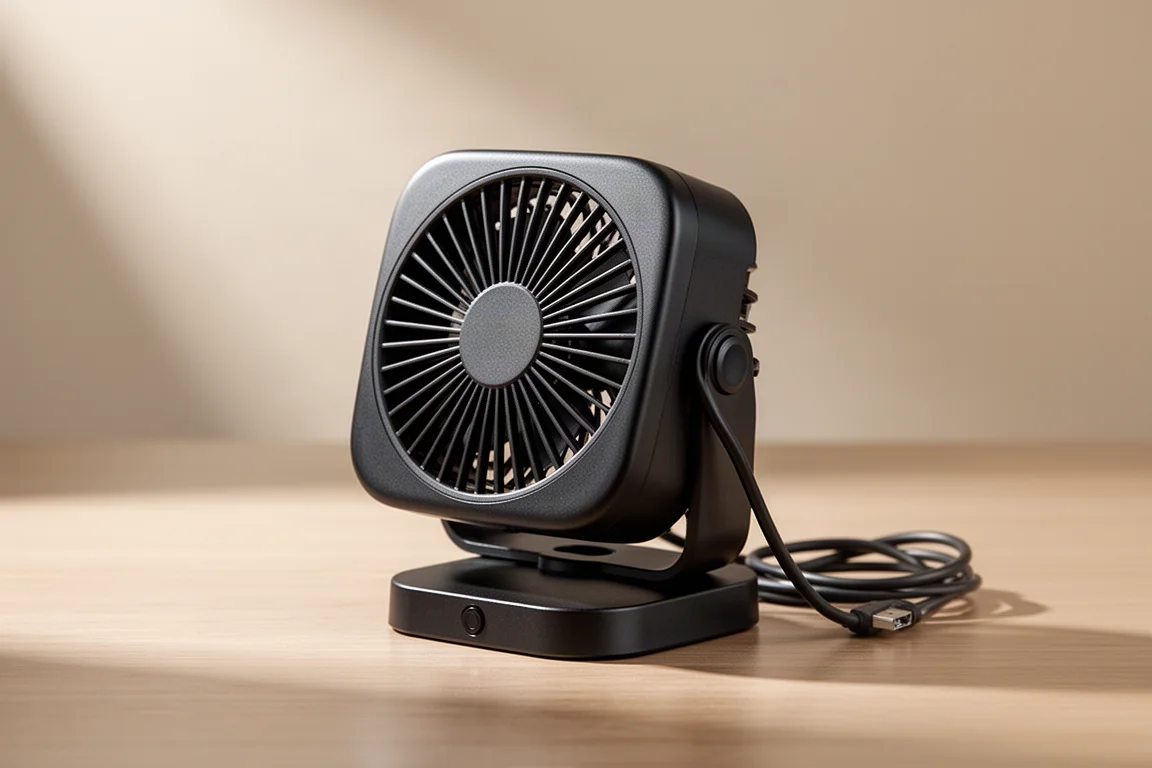
The RJVW fan is a four-inch USB model with three speeds and a head that rotates a full 360 degrees, so the airflow can be pointed exactly where it is wanted. Silicone feet keep it planted on a table, a cooler lid, or the floor of a tent, and a single button cycles through low, medium, high, and off.
It measures roughly 4.8 by 4.8 by 1.7 inches and weighs 5.9 ounces, with a cord that runs about 46.8 inches. Colors have included black, blue, a creamy yellow, and pink, though the green and orange options have been sold out at times. Availability of specific colors tends to shift from month to month.
In side-by-side use, the RJVW fan moves the same amount of air as the Smart Devil fan and sounds the same while doing it. At roughly $12 to $13, against about $23 for the Smart Devil model, it is the straightforward value pick for anyone who wants the airflow without paying more for it.
Smart Devil USB Fan: The Proven Long-Term Choice
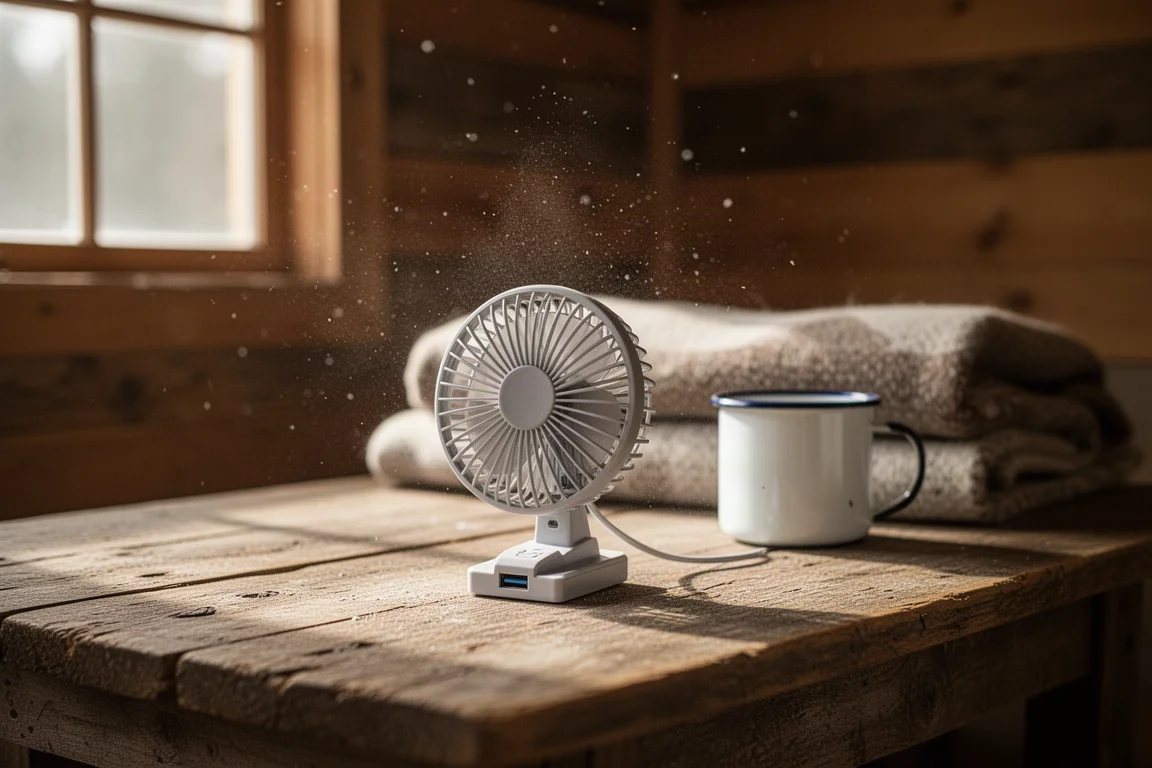
The Smart Devil fan is the model that has been in service the longest, with more than five years of regular use across backpacking trips, overland travel, and an off-grid cabin. In that time it has started every single time it was needed, and the motor still runs quietly with no whine and no rattle, even when the fan is shaken.
Its dimensions are close to the RJVW unit at about 4.7 by 4.7 by 1.9 inches, with a weight of 6 ounces and a 45-inch cord. Blue and pink are the colors most commonly listed. The one visible sign of age is the cable shielding, which has pulled back slightly after years of being packed and unpacked, exposing a little of the wiring. The rotating head is also looser than it once was, though it still holds whatever angle it is set to.
At around $23, this fan costs roughly $10 more than the RJVW model for effectively the same performance. It is also harder to surface in search results, which is worth knowing before assuming it is unavailable.
How the Two Fans Compare
Set the two side by side and the numbers are almost interchangeable. The RJVW fan is a fraction larger in width and height and slightly shallower, while the Smart Devil fan is a fraction heavier with a marginally shorter cord. Both are four-inch fans with three speeds, a 360-degree rotating head, silicone feet, and USB power.
The meaningful differences are price and track record. The RJVW fan costs roughly half as much, and in use the airflow and noise are indistinguishable between the two. The Smart Devil fan counters with five years of dependable service. Color availability is the other practical split, since the RJVW range has been broader while the Smart Devil listings have been limited and harder to find.
Airflow, Noise, and Battery Life in Practice
The low setting is the one that gets used most. In humid 85-degree conditions, low moves enough air to make sitting still comfortable, and medium and high are there for genuinely punishing heat. On a 115-degree afternoon, a pair of these fans on a picnic table turned an unbearable lunch stop into a comfortable one, and the same fans running overnight in a vehicle kept the interior bearable.
Noise stays low across the range. The motor produces a soft hum rather than the high-pitched whine that small fans sometimes develop, and nothing rattles when the fan is moved or shaken. On high the airflow is strong and the sound is naturally louder, but it never becomes irritating.
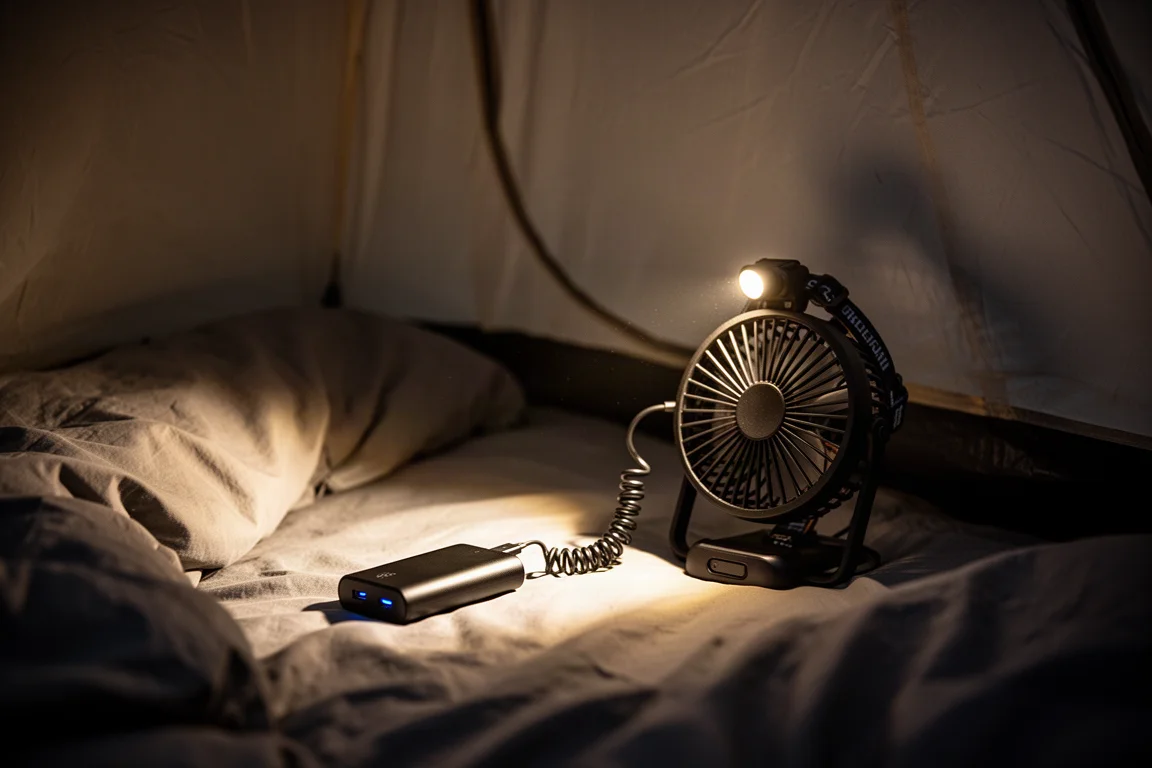
Power draw is modest. With a 10,000 mAh power bank, the fan can run all night on the low setting and still leave enough capacity to charge a phone. The exact figures vary with the battery, the phone, and the fan speed, so treat any estimate as approximate, but the practical result is a full night of airflow from a single small pack. In a vehicle, a strip of hook-and-loop tape on the top of the fan and a matching piece on the ceiling makes a secure mount that can be angled as needed.
What to Keep in Mind Before Buying
The first thing to plan for is quantity. One fan is not enough for two people, and anyone sharing a tent will want their own unit rather than relying on a single shared breeze.
The second consideration is the cable. It is permanently attached to the fan and cannot be unplugged or replaced, which means a damaged cord retires the whole fan. A detachable design would be more repairable, and the worn shielding on a five-year-old fan shows exactly why.
Finally, the connection is USB-A. Some buyers prefer USB-C, though adapters are widely available, so this is a minor point rather than a dealbreaker.
Which USB Fan Should You Choose?
For most buyers, the RJVW fan is the sensible pick. It delivers the same airflow and the same quiet operation as the Smart Devil model for roughly half the price, and it has been in regular use since spring without issue. Saving money on a fan that performs identically is an easy decision.
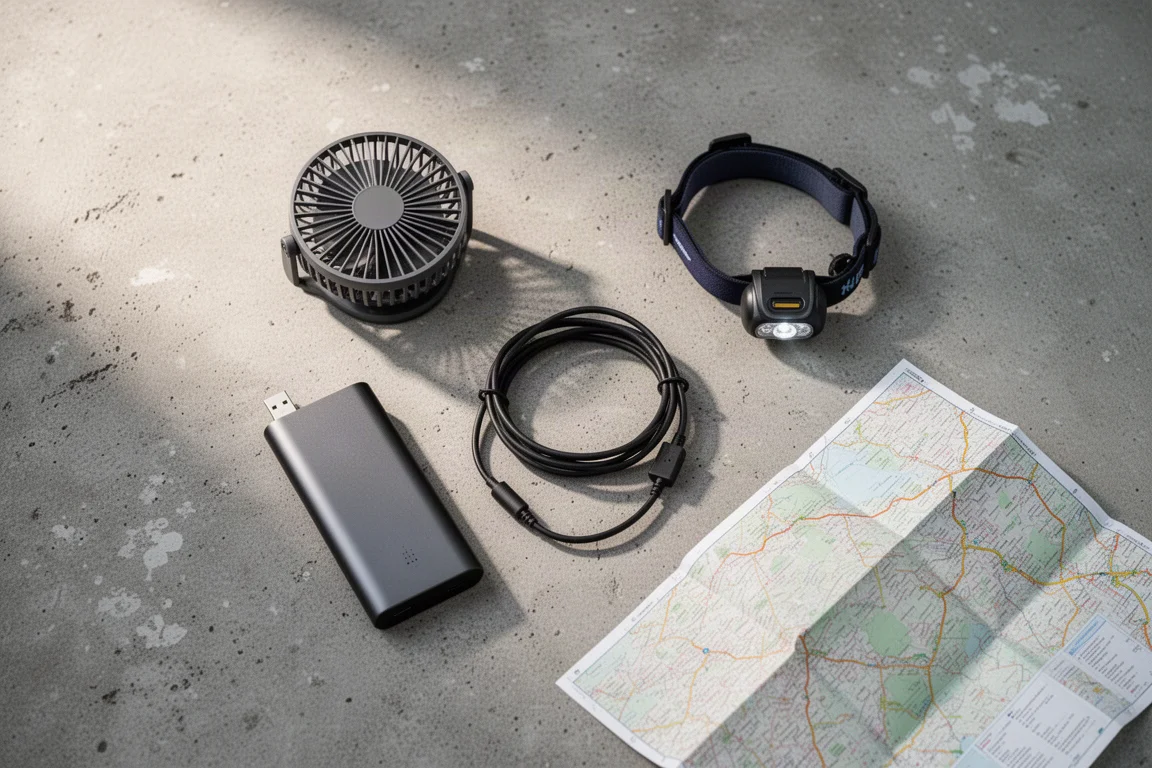
The Smart Devil fan still makes sense for anyone who values a long track record and does not mind paying more for it. Five years of dependable service is a real argument, even if the performance on any given day is the same. Whichever model is chosen, the important part is pairing it with a power bank that can carry it through the night.
Conclusion
A small USB fan is one of the least expensive ways to make hot-weather camping genuinely comfortable. Both the RJVW and the Smart Devil models move air well, run quietly, and fit easily into a pack, and the difference between them comes down to price and track record rather than performance. For value, the RJVW fan is the clear choice. For a design with years of dependable use behind it, the Smart Devil fan remains a solid option.
Further reading
Related Reviews
Camping Gear
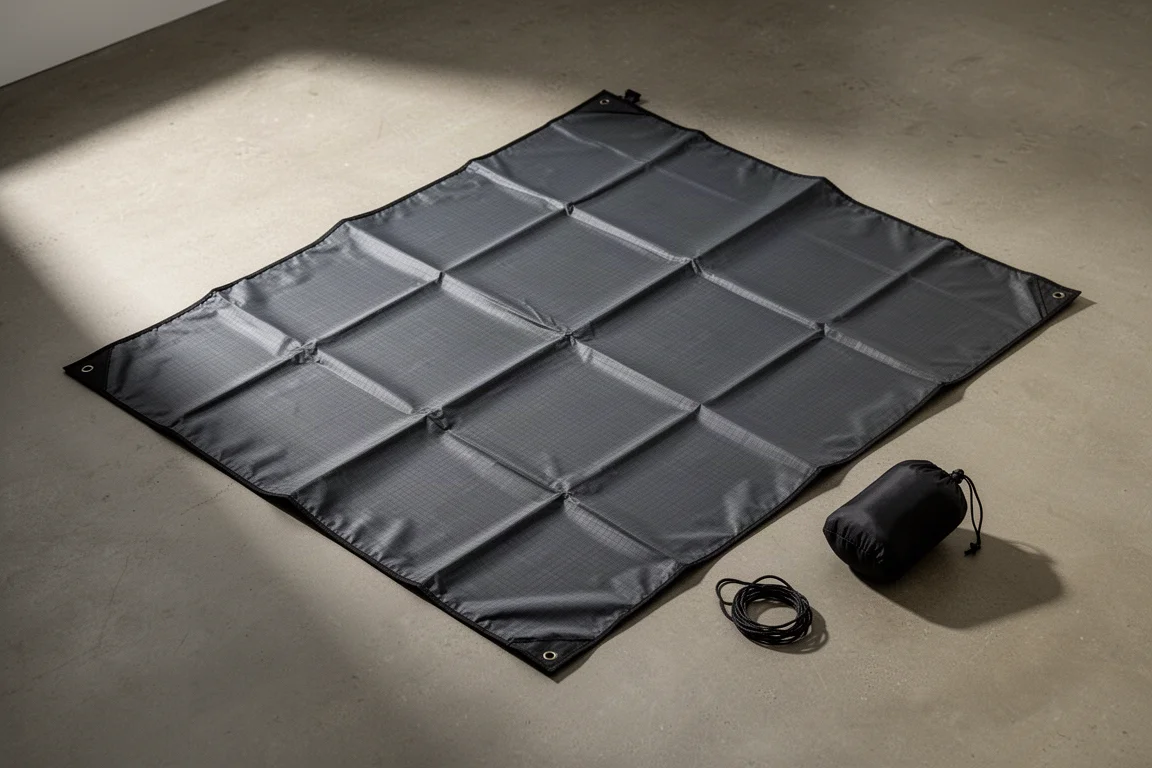
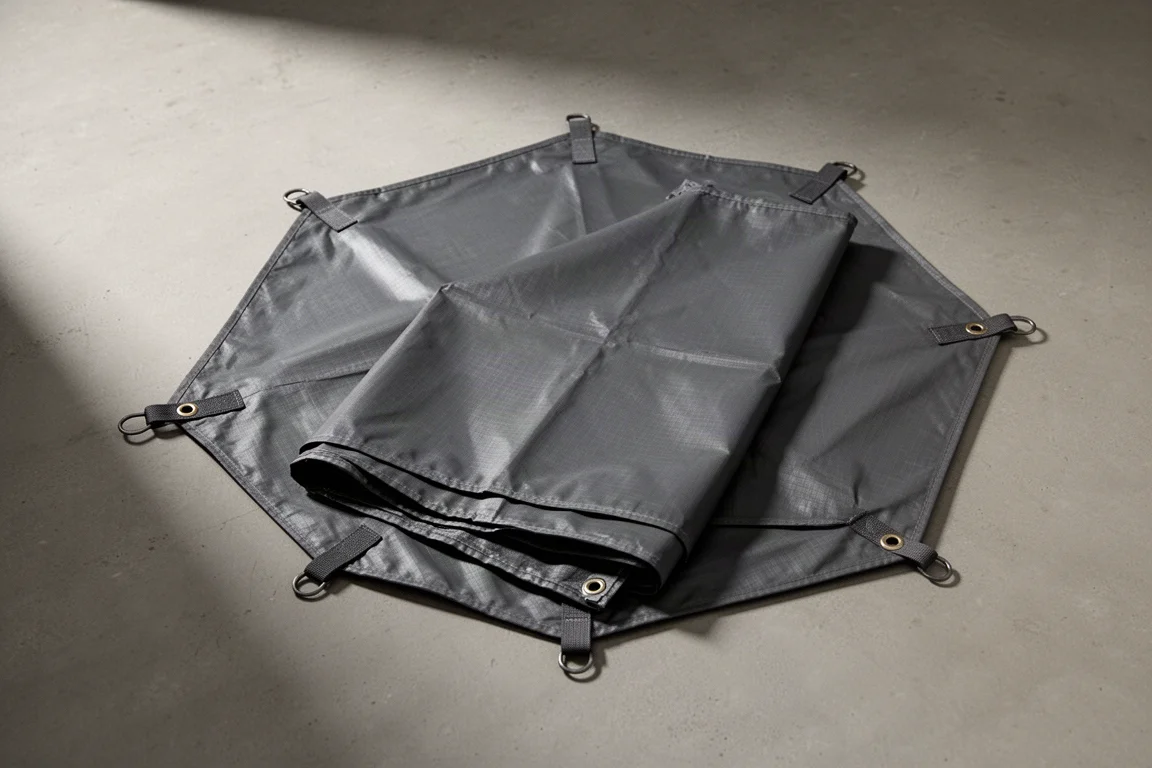
3FUL Ultralight Ground Sheet Review: A Two-Person Footprint Worth Packing
A 6.7 oz two-person ground sheet in ripstop silnylon, priced around $30. Here is what it protects, what it does not do, and who should pack it.
Camping Gear
Backcountry Light Dual-Function Tarp and Floor Review: A Footprint First
A dual-purpose tent floor and tarp that keeps falling rain off you, but cannot block wind. Here is where it works and where it does not.
Camping Gear
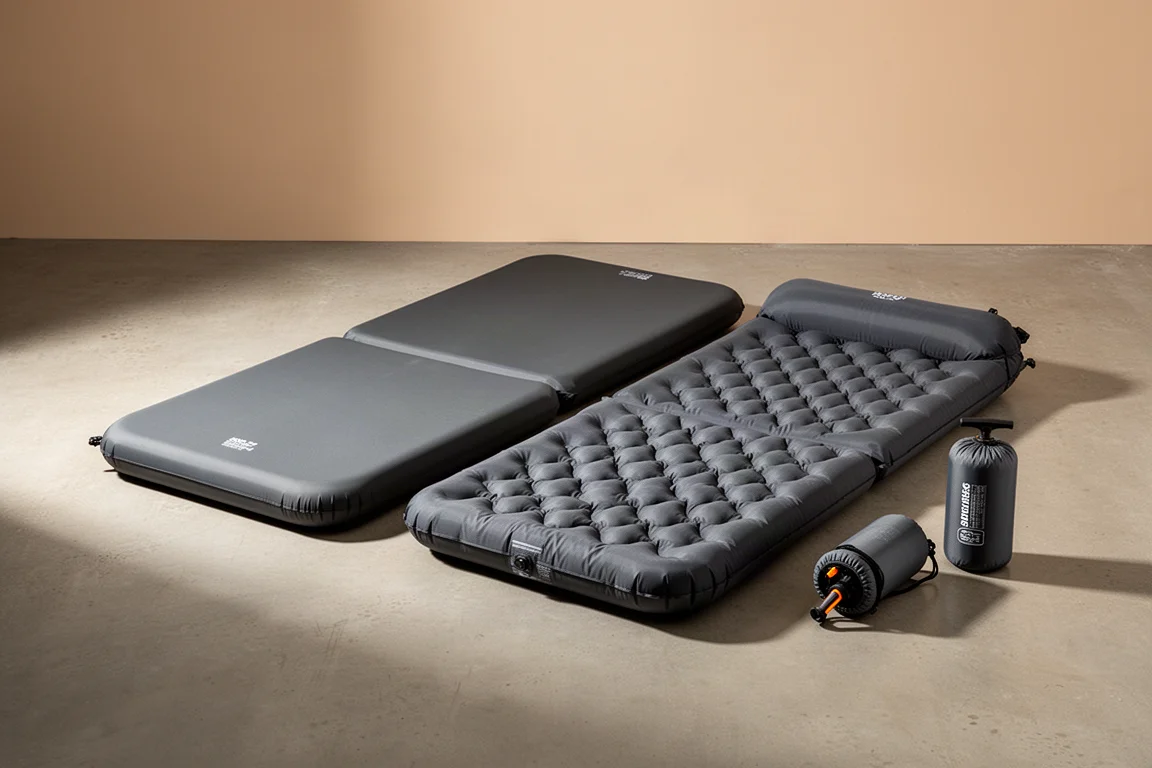
Best 2-Person Camping Mattresses for Couples: 10 Options Compared
A practical comparison of ten two-person camping mattresses, covering self-inflating pads, air pads and air mattresses for couples.