Home Appliances
Best Upright Vacuums: 8 Models Tested From Budget to Premium
Eight upright vacuums from $60 to $500 compared on airflow, suction, carpet cleaning, hair pickup, crevice lift and noise to find which are actually worth buying.
Introduction
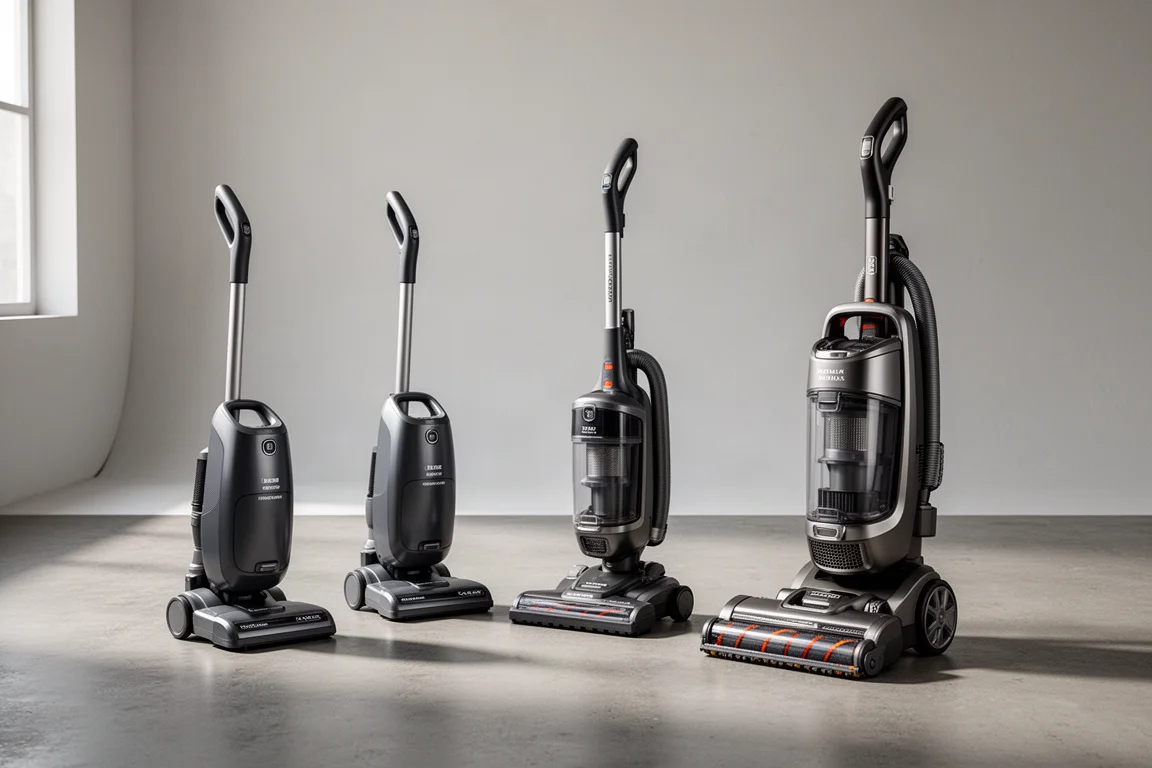
Is a $60 upright vacuum just as good as one that costs $500? We put eight upright vacuums side by side to find out, ranging from budget models under $100 to premium machines near $500. The lineup covers the Bissell CleanView, Amazon Basics upright, Eureka PowerSpeed, Bissell 2252, Kenmore FeatherLight, Shark 360, Shark Stratos and Dyson Ball Animal 3 Extra.
Each vacuum went through the same battery of tests: airflow and suction measurements, sand pressed into carpet, dense Airsoft plastic balls, long hair pickup, rice on bare floors, sand lifted from a deep crevice, and edge cleaning along a wall. Noise levels, power draw, weight and design efficiency were also measured so the comparison goes well beyond spec sheets.
The short version: no vacuum under $100 performed well enough to earn a recommendation, the $120 to $160 range delivers genuinely strong value, and the Shark Stratos and Dyson Ball Animal 3 Extra play in a different league entirely. Here is how it all breaks down.
How We Tested and Compared
Airflow and suction were measured in a sealed wooden test box, first unsealed and then taped to the tester for a true reading. Carpet cleaning used 100 g of sand pressed into the pile with a concrete tool, with each dust bin weighed afterward to score pickup. Hair tests used 5 to 6 inch strands, and the rice test placed 50 g on bare concrete to check both pickup and scatter.
Additional tests covered lifting sand from a half-inch-deep crevice, vacuuming rice against a wall, and Airsoft balls, which are round and dense and notoriously hard for vacuums to capture. Noise was measured in decibels, power draw in watts, and brush roll width was compared to total head width as a design-efficiency measure.
A few measurements set the field apart early. The Shark Stratos drew around 1,434 watts and the Dyson about 1,413, while the budget Bissell CleanView and Amazon Basics ran at roughly 800 and 776 watts. The Shark 360 was the quietest at 80.9 dB, with the Kenmore close behind at 81.2 dB, and the Dyson had the longest power cord at 35 feet versus 29 feet for the Shark Stratos.
Budget Picks Under $100
None of the three budget vacuums tested well enough to earn a full recommendation, but each has redeeming qualities worth knowing about before you buy on price alone.
Bissell CleanView ($60)
The Bissell CleanView arrives mostly assembled out of the box, with just the handle and attachments to place. It offers triple-action brush bristles aimed at embedded pet hair, scatter-free technology for hard floors, two attachments and a washable filter, though no HEPA filter. At 7.77 lb and around 800 watts, it moved 43.7 CFM of sealed airflow, made 58 inches of water column suction, and collected 82 g of the carpet sand test. The downsides: it is loud at 92.6 dB, and only 71 percent of its 10.5 inch head width is working brush.
Amazon Basics Upright ($70)
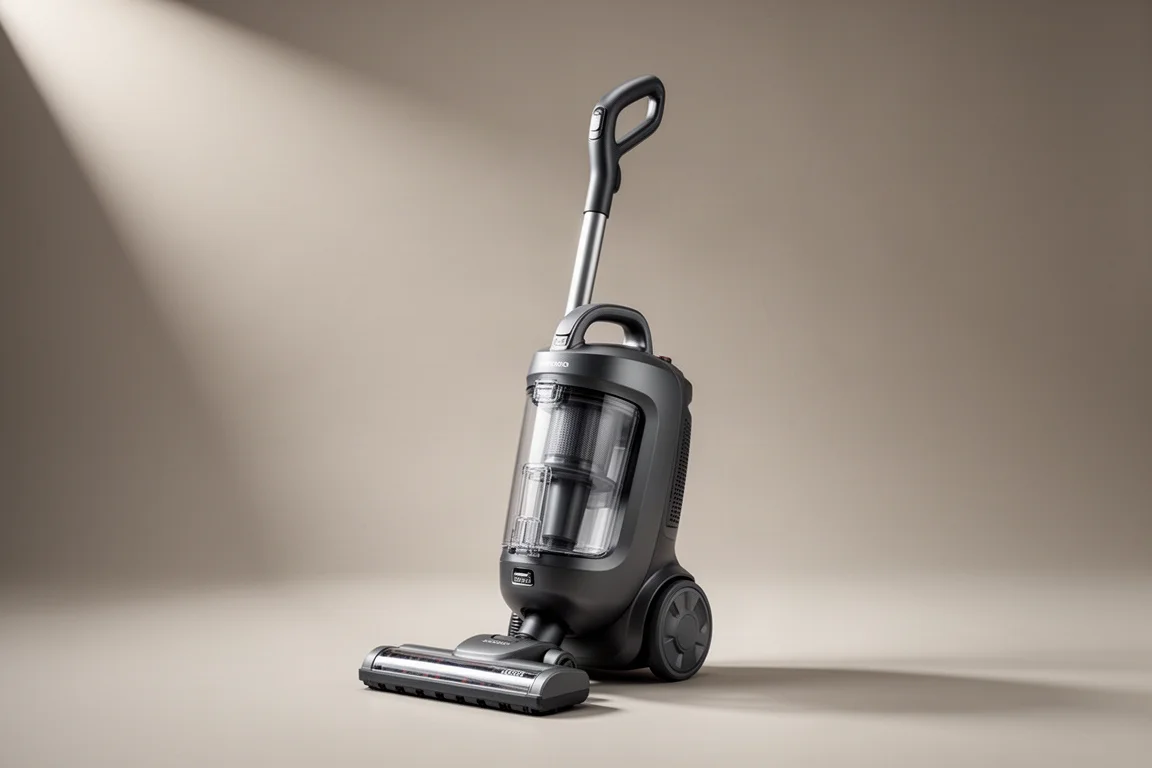
A popular seller with roughly 10,000 units moved in the last 30 days, the Amazon Basics snaps together in seconds and includes a large dust cup, crevice tool, upholstery tool and washable filter. It weighs 8.4 lb and runs at 776 watts. Its sealed airflow of 36.7 CFM and 50 inches of water column suction both trail the cheaper Bissell, and in practice it struggled badly: only 24 g of rice picked up on bare floor, just 5 g of sand from the crevice, and it threw rice and sand across the test area. It is best treated as a very light, very basic fallback.
Eureka PowerSpeed Multi-Surface ($90)
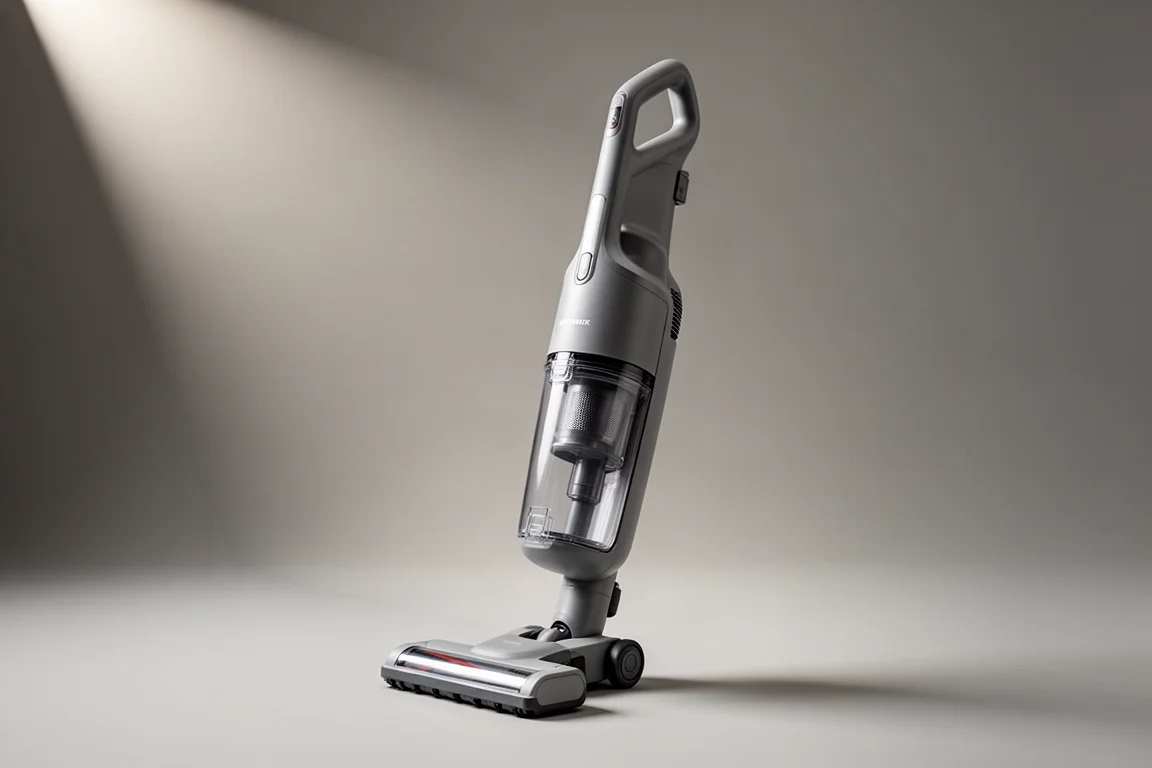
The Eureka PowerSpeed assembles in under a minute and brings five height adjustments, four attachments, a washable filter and a 2.6 L dust container, running at about 950 watts. That translates to the best budget performance: 52.9 CFM sealed airflow, 61 inches of water column suction, 86 g of the carpet sand and 20 g from the crevice. At 88.7 dB it is still noisy, it occasionally tosses debris sideways, and its 12.38 lb frame is noticeably heavier than the other budget picks.
Strong Value Picks Between $120 and $160
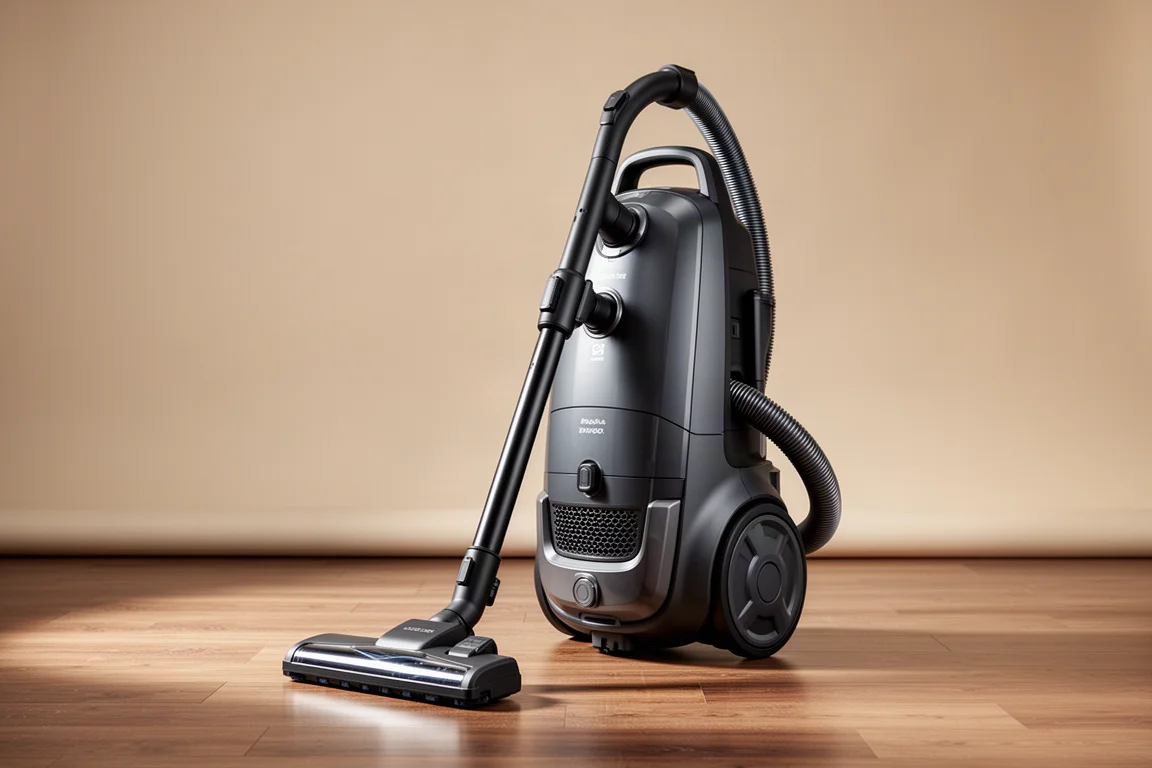
This price band is where the tests started turning up machines actually worth buying. The Bissell 2252 has the widest brush roll of the group at 12 inches, the Kenmore FeatherLight impressed with quiet operation and edge cleaning, and the Shark 360 brings the most raw power of the affordable tier.
Kenmore FeatherLight ($130)
The Kenmore FeatherLight claims up to 850 watts and a two-motor system for bare floors and carpet, plus an LED headlight, swivel steering, three attachments and a HEPA-style filtration system designed to trap 99.97 percent of dust. In testing it beat its advertised power at 995 watts while staying the second quietest at 81.2 dB. It collected 92 g of carpet sand, picked up virtually every Airsoft ball, matched the best edge-cleaning score, and did a near-perfect job on rice without scattering. Its main weakness is crevice lift, where it managed only 19 g, and it suffered noticeable hair wrap around the brush roll.
Bissell 2252 ($120)
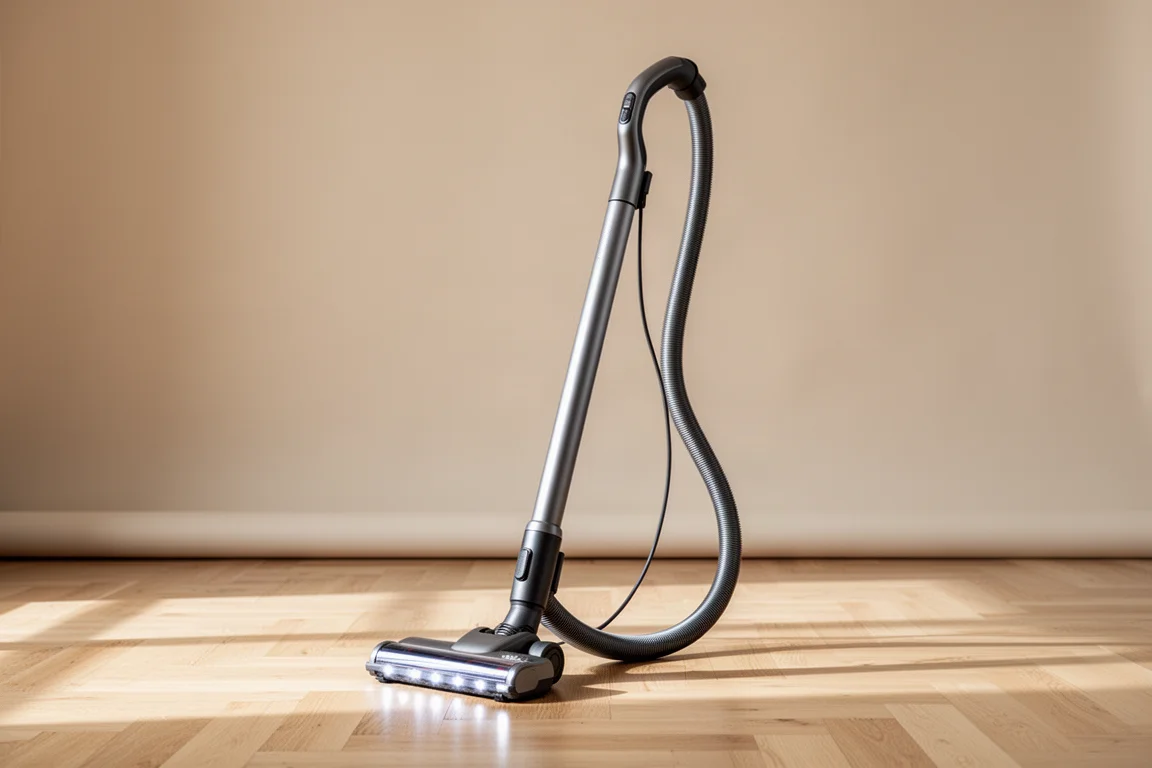
A bagless upright with swivel steering, a triple-action brush roll for pet hair, five attachments and a filter recommended for replacement every six months. Its 12 inch brush roll within a 13.5 inch head gives it an 88.9 percent design efficiency, tied for the best, and it was the least noisy vacuum yet at that point at 85.5 dB. It led the value tier in suction at 63.5 inches of water column and lifted 30 g of sand from the crevice. The trade-off is carpet pickup, where its large head managed only 68 g of the sand test, the worst result of the entire comparison.
Shark 360 ($160)
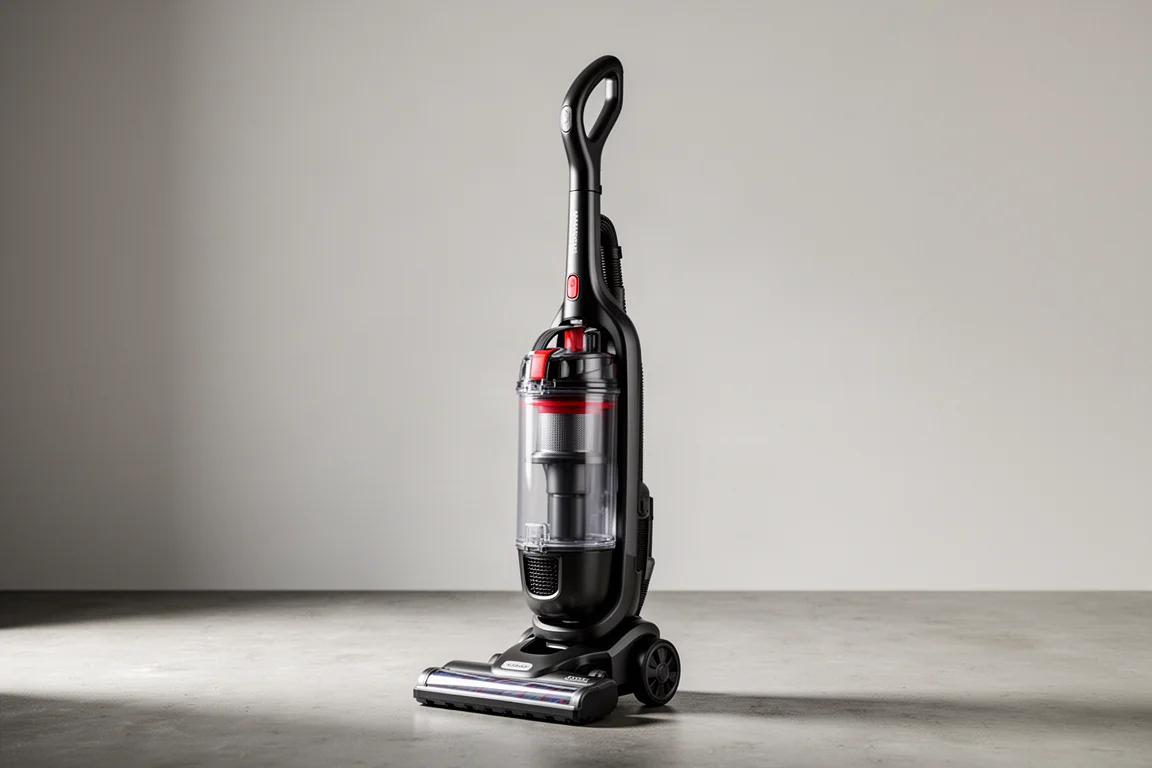
The most popular vacuum in the group, moving about 20,000 units every 30 days, the Shark 360 takes a few minutes to assemble and includes washable filters plus a HEPA filter, with a 0.9 capacity dust bin. It runs at 1,165 watts, is the quietest vacuum tested at 80.9 dB, and delivered 55.6 CFM of sealed airflow with 63 inches of water column suction. It scored a perfect 50 out of 50 on the rice test. Where it faltered: carpet sand pickup of 84 g, pushing Airsoft balls off the carpet, only 12 g of crevice sand, and struggling with rice up against the wall even after five attempts.
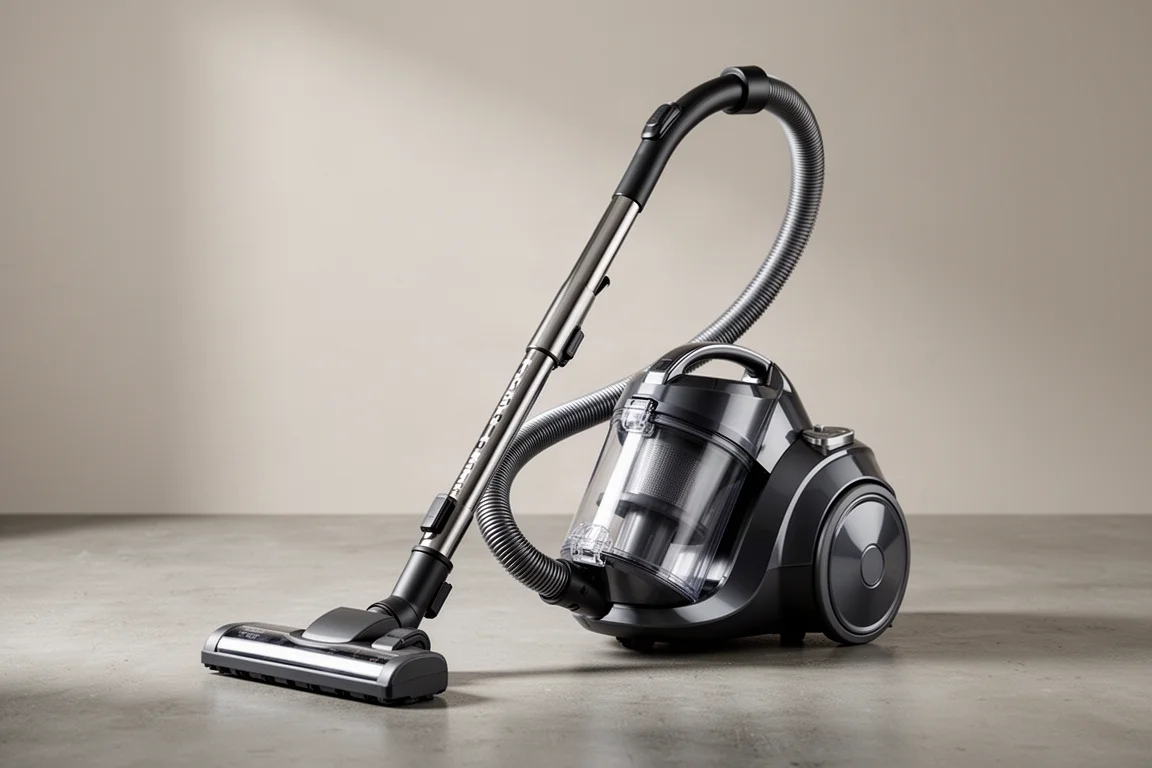
Premium Powerhouses: Shark Stratos and Dyson Ball Animal 3 Extra
Comparing the sub-$200 machines against the Shark Stratos and Dyson is like comparing a naturally aspirated four-cylinder against a supercharged V8. Both are extremely powerful, with vacuum heads engineered to seal tightly against the floor, and both dominated the airflow, suction, crevice and hair tests.
Shark Stratos ($490)
The Shark Stratos requires a fair bit of assembly but no tools, with everything snapping into place. It uses odor neutralizer technology, a HEPA filter rated to trap 99.9 percent of dust and allergens, a push-button dust bin release and three attachments. Its numbers are outstanding: 1,434 watts, the highest sealed airflow at 63.4 CFM, 100 inches of water column suction, 96 g of carpet sand, 60 g of crevice sand and a perfect, wrap-free hair performance at 85.8 dB. It also matched the Kenmore at edge cleaning and picked up nearly every Airsoft ball.
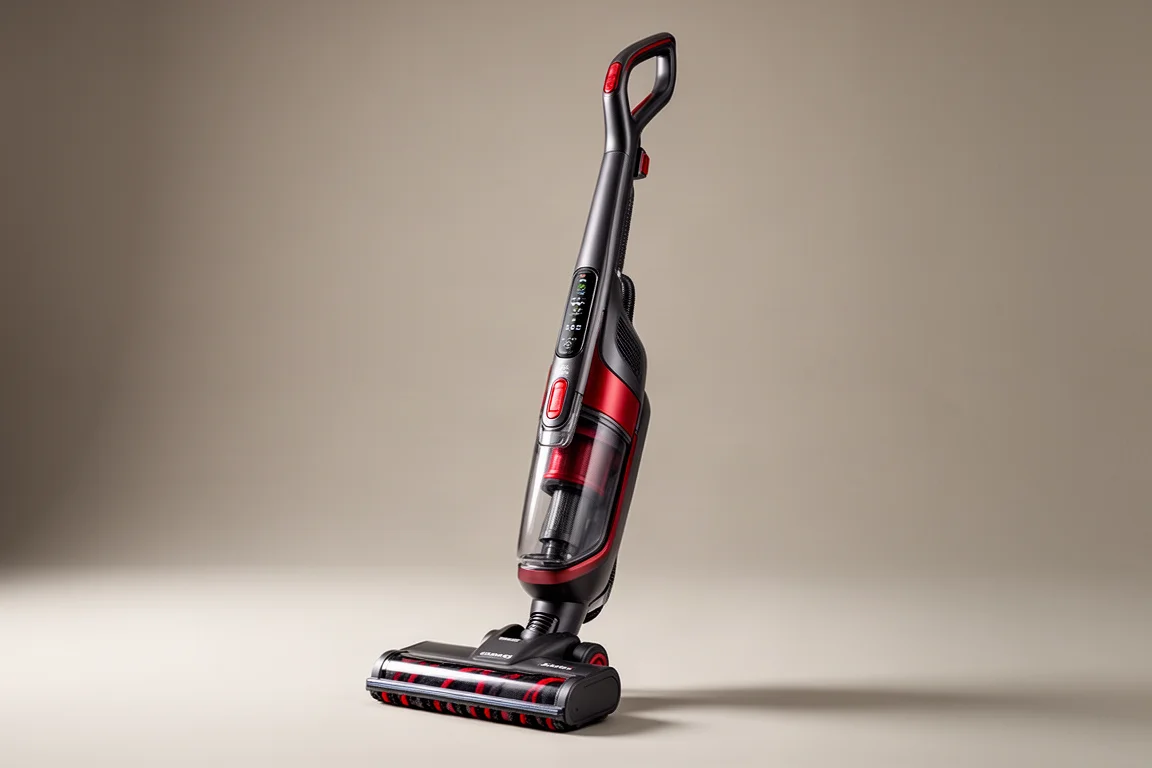
Dyson Ball Animal 3 Extra ($500)
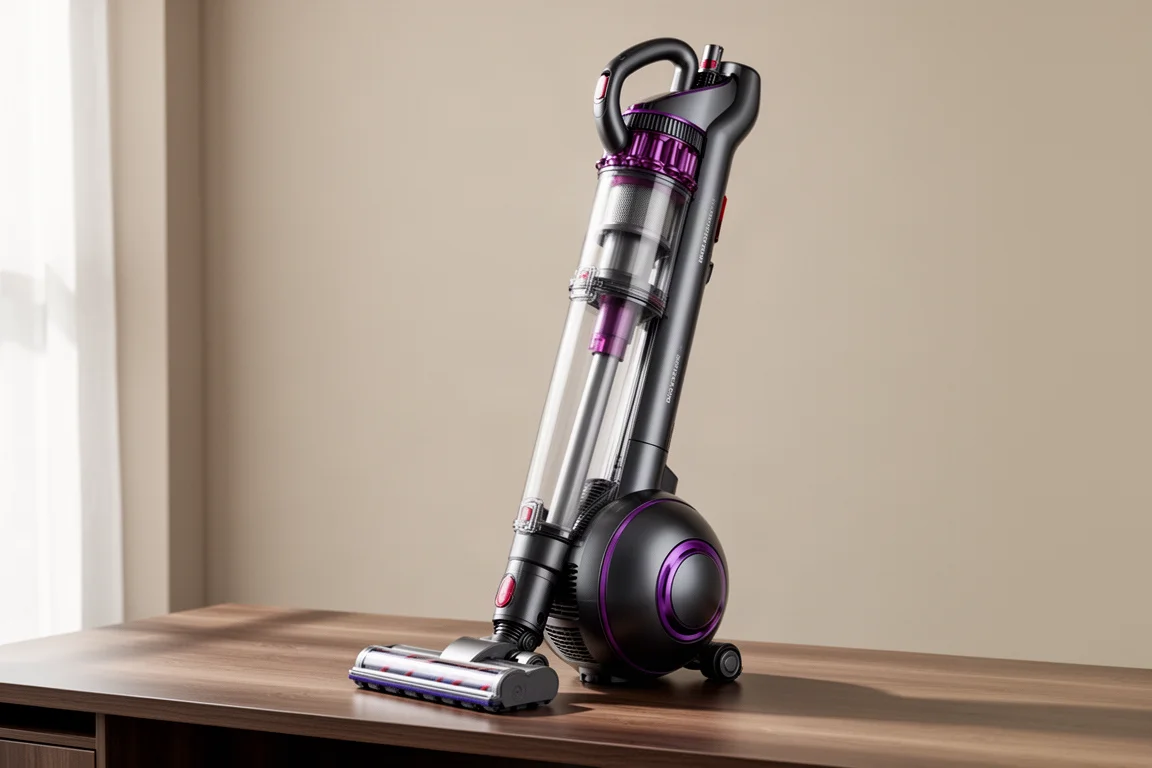
The most expensive vacuum tested, made in Malaysia, the Dyson claims the best cleaning performance of any upright detangling vacuum. Its technology automatically clears wrapped hair from the brush, it has three cleaning modes and it is engineered for larger homes with pets, shipping with five attachments. It posted a peak suction of 109 inches of water column, the highest of any machine, plus 62.9 CFM of airflow, the best carpet sand pickup at 98 g, the best crevice result at 62 g, and zero missed hair with no wrap. It is also the heaviest at just over 17 lb, louder at 87.9 dB, pushed two dozen Airsoft balls off the carpet, and needed a slight path adjustment to clean well against a wall.
Buying Advice: Which Upright Vacuum Should You Get
If your budget is under $100, none of the tested models performed well enough to recommend. The Eureka PowerSpeed is the strongest of the three and the only acceptable fallback, but the Amazon Basics in particular fell short across nearly every task.
Between $120 and $160, the Kenmore FeatherLight stands out. It is quiet, has plenty of power cord length, lifts sand well out of carpet, handled the Airsoft balls and hair tests with ease, and was the best vacuum in the group at cleaning close to a wall. Its weaknesses are crevice lift and hair wrapping around the brush roll. The Shark 360 is a solid alternative if you want more raw power and quieter operation, though it trailed the Kenmore on carpet, balls and edge cleaning.

If budget is secondary and you want serious deep-cleaning performance, the Shark Stratos and Dyson Ball Animal 3 Extra are in a class of their own. The Shark Stratos edges the Dyson on sealed airflow and suction consistency, while the Dyson takes the crown on peak suction, carpet pickup, crevice lift and hair handling, with the longest cord of the group. Either premium pick will outperform everything else here, provided you accept the extra weight and price.
Conclusion
Testing revealed a clear gap between price tiers. The budget vacuums made noise, not performance. The $120 to $160 tier, led by the Kenmore FeatherLight, offers the best balance of price, power and everyday usability for most homes. And for deep carpets, pet hair and stubborn debris, the Shark Stratos and Dyson Ball Animal 3 Extra justify their premium prices with airflow, suction and cleaning results the cheaper machines simply cannot reach.
Further reading
Related Reviews

Home Appliances
Best Upright Vacuums 2026: Top Picks for Every Budget
We tested 23 plus upright vacuums to find the best performers across cleaning, sealing, usability, and value. These are the models worth considering.

Home Appliances
Best Vacuums 2024: Top Picks for Every Floor Type and Budget
A data-driven roundup of the best upright, cordless, and robot vacuums of 2024, with performance scores and buying advice for every budget.

Home Appliances
Best Vacuums 2026: Budget to Premium Roundup
Eight vacuums tested across carpet, hard floors, hair wrap, crevice cleaning, and air filtration. Find out which budget model beats the premium flagships.