Outdoor Gear
Best Ultralight Winter Gear 2026: 11 Lightweight Picks for Cold Weather
Eleven ultralight winter picks, from down sleeping footies and instant coffee to traction spikes, a synthetic jacket, and a high-R-value sleeping pad.
Introduction
Winter backpacking is a game of small margins. A few grams spent in the right place can decide whether a night out in the cold is comfortable or merely survivable, and the pieces that earn a permanent spot in a winter pack usually solve one specific problem well: warm feet inside a sleeping bag, calories that stay appetizing when everything freezes, grip on a shaded and icy descent.
The eleven items below all follow that logic. Each one adds warmth, safety, or convenience to a cold-weather kit without much weight, and each comes with a clear idea of who it suits and what to weigh before buying.
What Makes a Good Ultralight Winter Kit
Weight matters in winter, but warmth per gram matters more. The most useful cold-weather pieces tend to be the ones that target a single weak point in a sleep or layering system instead of trying to cover everything at once.
Layering flexibility is the other theme. Insulation that keeps working when it gets damp, traction that fits over the shoes you already own, and food that stays edible below freezing all tend to earn their keep trip after trip. Price comes last, not first: an item that solves a real problem is worth more than a cheaper one that leaves you shivering.
Goose Feet Gear Down Footies
Feet are one of the places where a sleeping system loses the most heat, and these down-filled footies from Goose Feet Gear address that directly. They weigh under 2 oz for the pair, which is a small weight penalty for a noticeable jump in warmth and comfort inside a sleeping bag.
The construction uses a 20-denier outer fabric with a thinner 8-denier lining, a combination that keeps weight down while giving the shell a bit more durability. One practical note: your feet need at least a little warmth before you slip them in, since the footies hold heat better than they generate it.
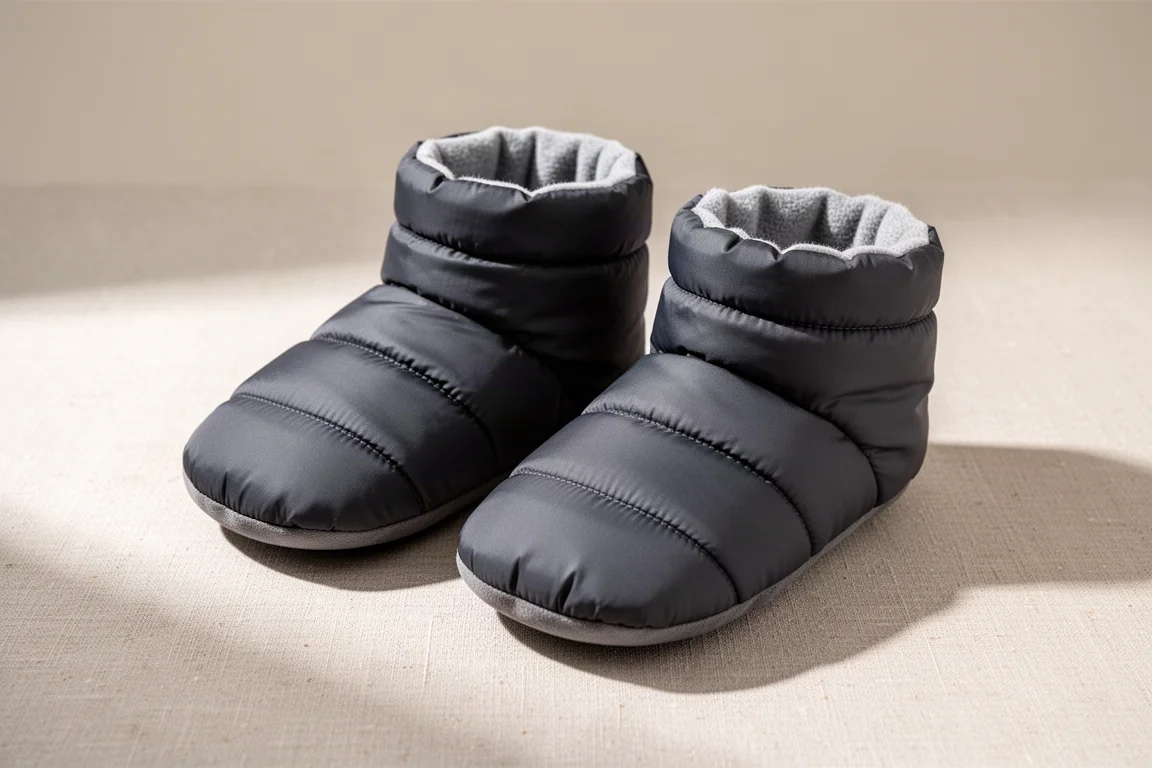
At $80 for the pair, these are a considered purchase rather than an impulse buy, but for anyone who regularly sleeps with cold feet they solve a problem few other items address as efficiently.
Trail Butter Almond Butter Dark Chocolate and Coffee
Keeping calories up in cold weather is a real challenge, because food that is pleasant at room temperature can become unappetizing when it is half frozen. Trail Butter’s almond butter packets in the dark chocolate and coffee flavor are built for exactly this situation: a dense, calorie-rich snack you can eat while you are still moving.
They do firm up in the cold, but the packets can be kneaded with hand heat to bring the contents back to a spreadable consistency. Eat them straight from the packet or spread one on a tortilla for a more substantial trail lunch.
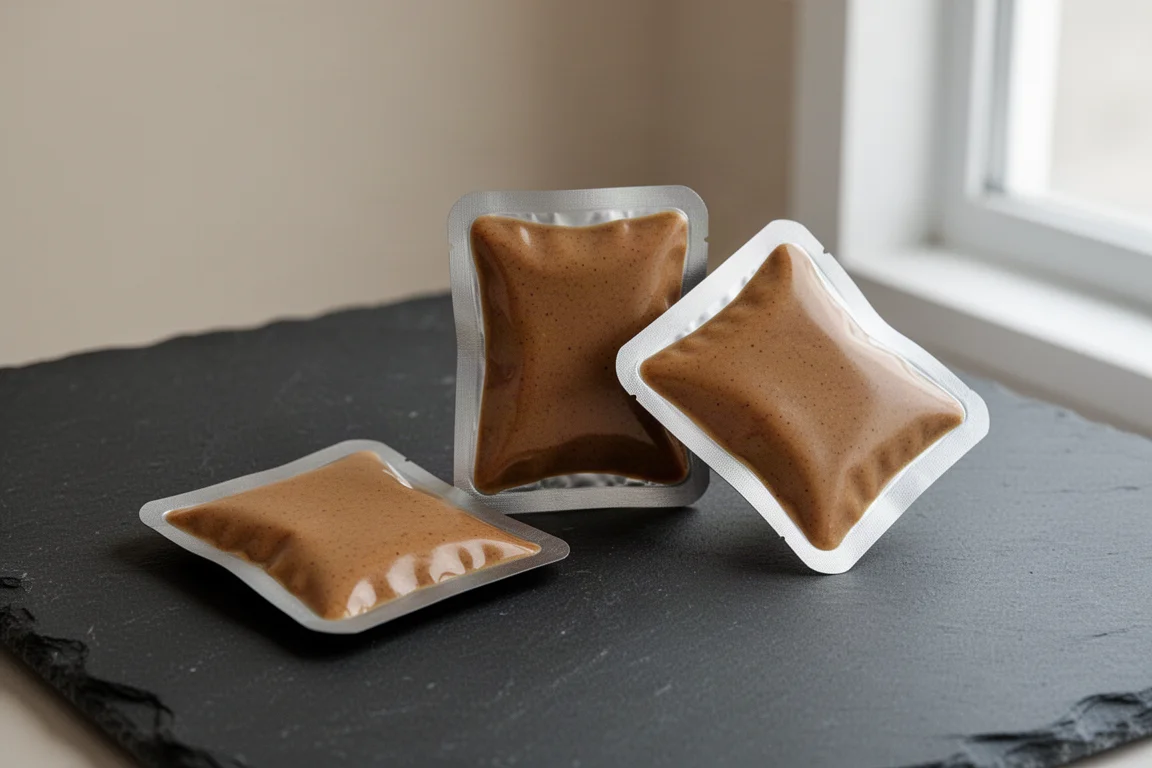
At $2.99 per packet, the cost per calorie is higher than a jar of nut butter, but the convenience of a single-serve format is what you are paying for, and it is a fair trade for food you will actually eat on a cold day.
Holy Hiker Bidet
The Holy Hiker Bidet is a small, single-purpose item: a packable bidet for backcountry hygiene. It is a niche addition to a winter kit rather than an essential one, but for hikers who already prefer a bidet on trail it is a simple piece to keep in a hygiene kit.
ThermoDrop Keychain Thermometer
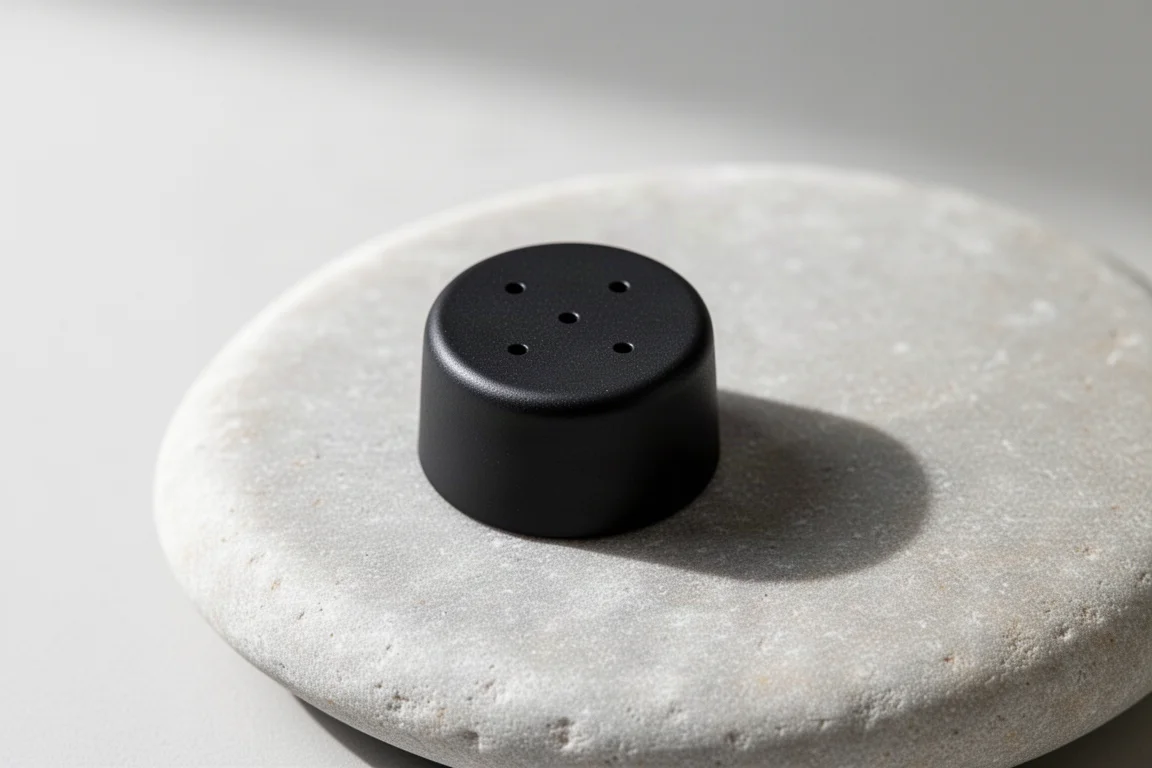
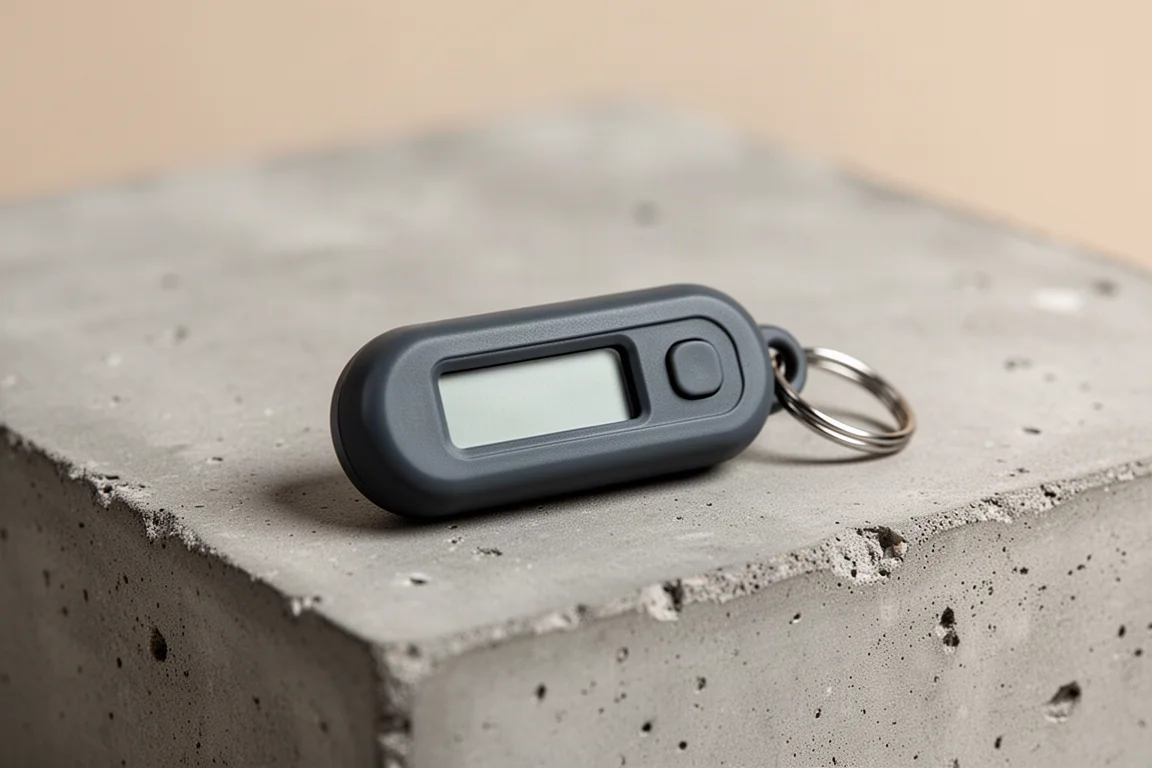
Knowing the actual temperature is more useful than it sounds, especially when you are testing gear or trying to understand why one night felt colder than expected. The ThermoDrop is a small keychain thermometer that does one job, with a single button and a backlit display you can tap to read.
It shows the current temperature and also tracks the minimum and maximum over the course of a day, so you can check how cold it got inside a tent or a sleeping bag overnight. It weighs next to nothing and can hang from the side of a pack, which makes it easy to keep with you. It is a best seller among ultralight accessories, and at $22 the appeal is easy to understand: it turns guesswork about conditions into actual numbers.
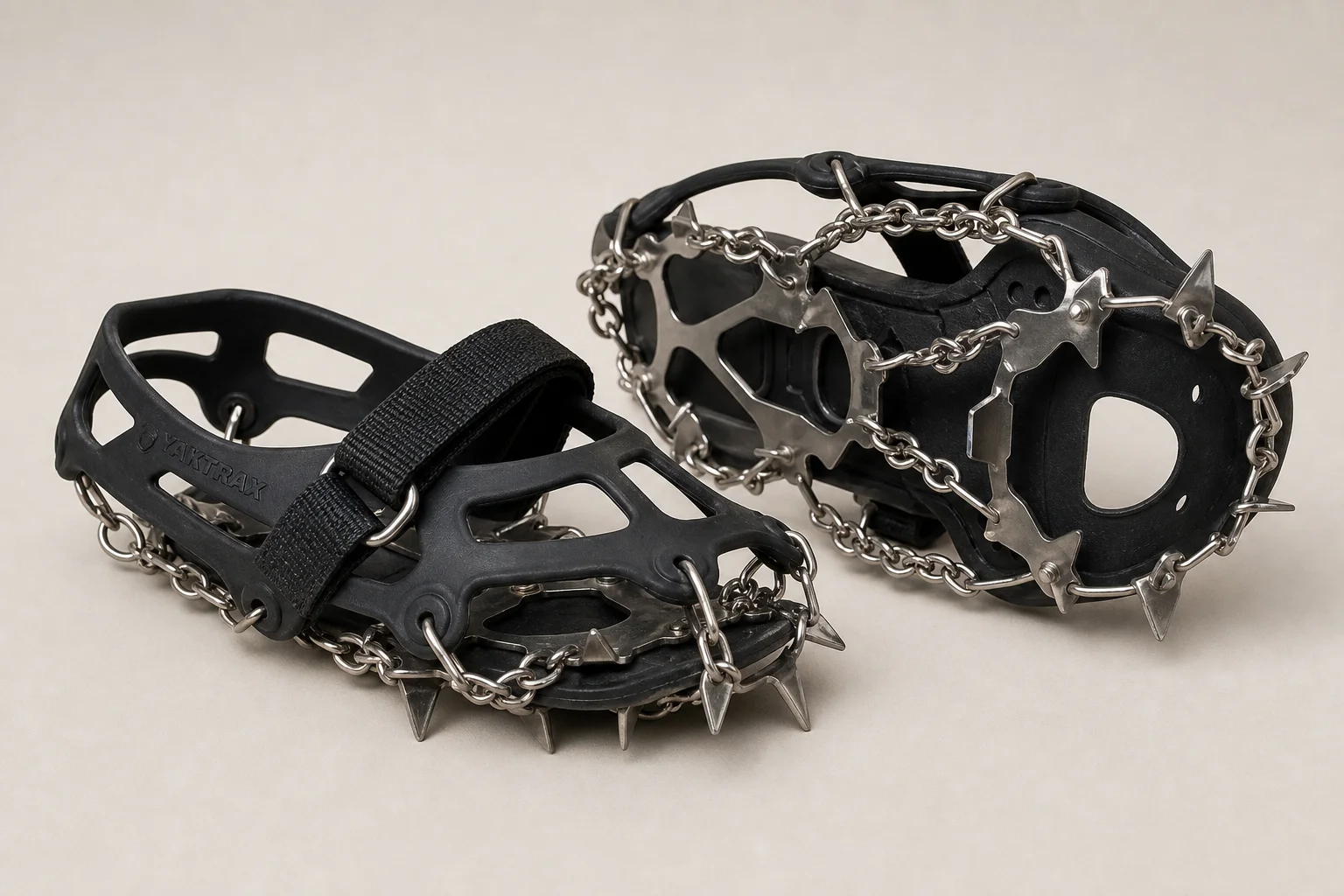
Kahtoola EXOspikes
Traction is non-negotiable on icy winter trails, and the Kahtoola EXOspikes sit at the more aggressive end of the brand’s range. They are designed for slightly more technical terrain than the lower-profile NANOspikes, which makes them the better choice when a route includes steeper or more exposed ground.
For anyone who hikes through winter on mixed snow and ice, a pair of spikes is one of the least expensive forms of insurance in the kit. The EXOspikes run $64.95, and they are the kind of item that stays in the pack all season once you own them.
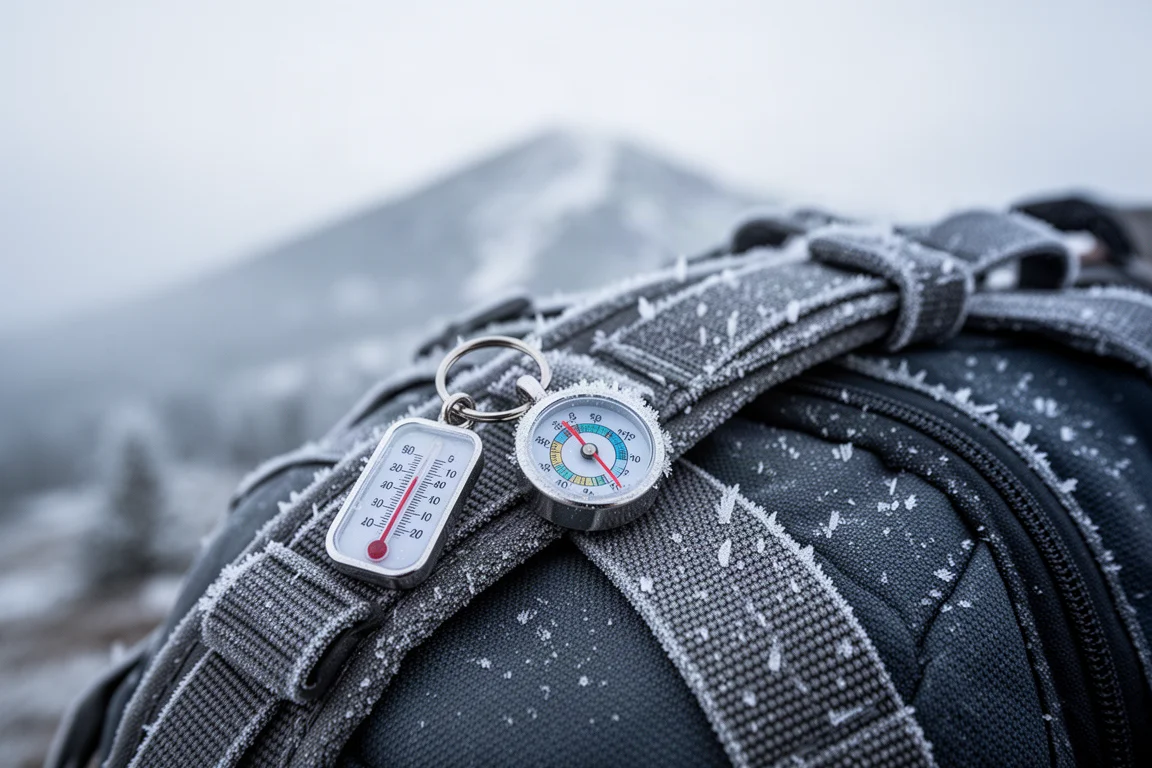
The trade-off is that they are more spike than a flat, groomed trail requires. Hikers who mostly walk gentle paths may find the NANOspikes plenty.
Kahtoola NANOspikes
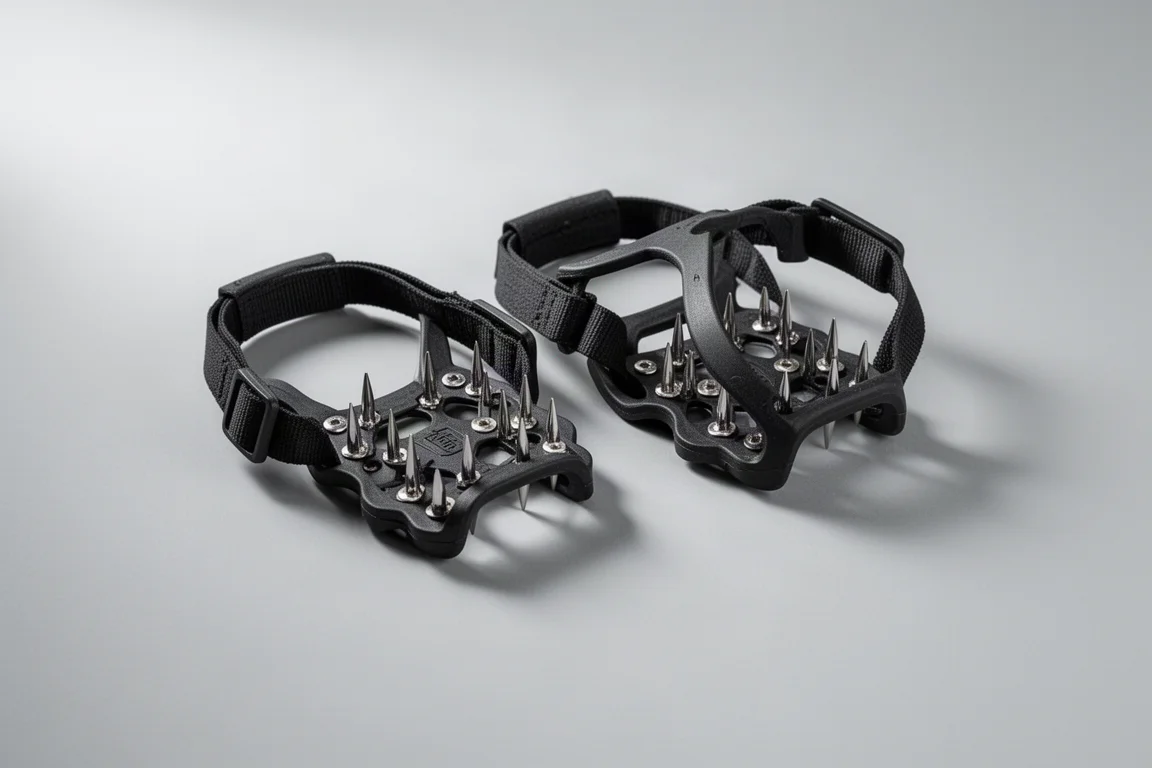
The Kahtoola NANOspikes are the simpler, lower-key option: a set of spikes that adds a little extra grip underfoot without turning every step into a technical exercise. They suit the everyday winter walking most people actually do, from icy trailheads to packed snow on well-traveled paths.
Think of them as the layer that prevents a slip rather than the tool that carries you up steep terrain. They are worth the investment for anyone who spends time on winter trails, and they pair naturally with the EXOspikes if your trips range from gentle to more demanding.
First Descent Instant Coffee
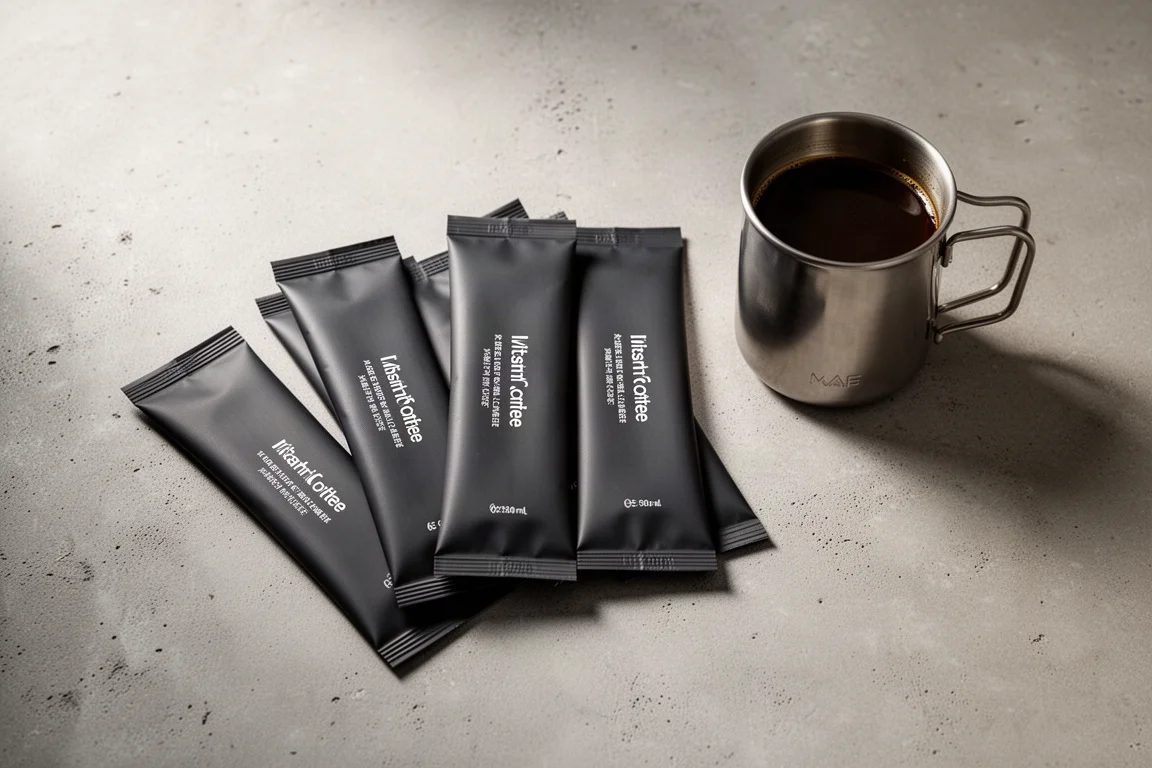
A good cup of coffee in the morning is a morale item on a cold trip, and instant coffee is the only practical option for most ultralight kits. First Descent makes single-serve packets that are convenient to pack and produce a cup that lands among the better instant coffees available.
The flavor is slightly acidic, and it will not convert anyone who is loyal to a different instant brand, but the packets are well suited to mornings when you want something hot and easy without weighing down a food bag. A box of six costs $4.99, which works out to a reasonable price per cup for trail coffee.
Enlightened Equipment Torrid Jacket
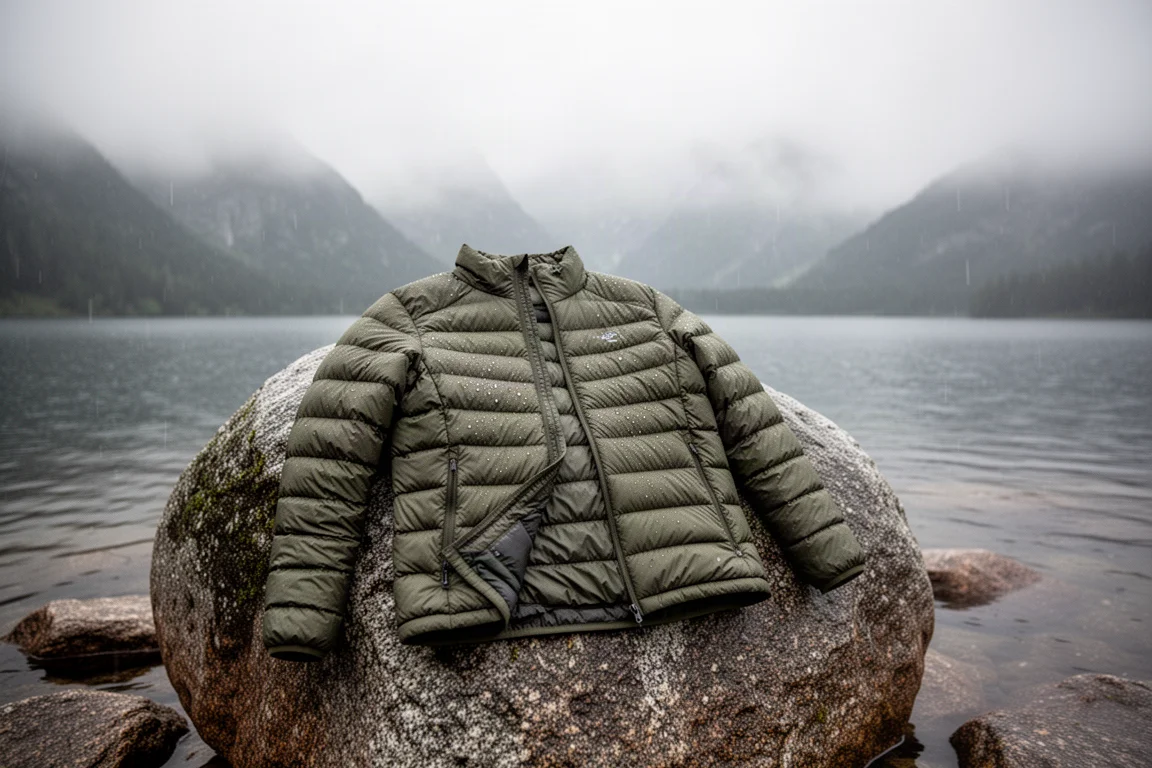
The Torrid Jacket from Enlightened Equipment is a synthetic insulated jacket that has become a staple in ultralight circles. A size medium weighs just under 9 oz, and because the insulation is synthetic rather than down, it keeps providing warmth in wet conditions where down would struggle.
It has hand pockets and a simple, functional look. There is also a 7-denier fabric version that shaves a little more weight. Both are best thought of as a light, warm layer for genuinely cold conditions rather than a do-everything jacket: in the teens or below, you will want to layer intentionally underneath.
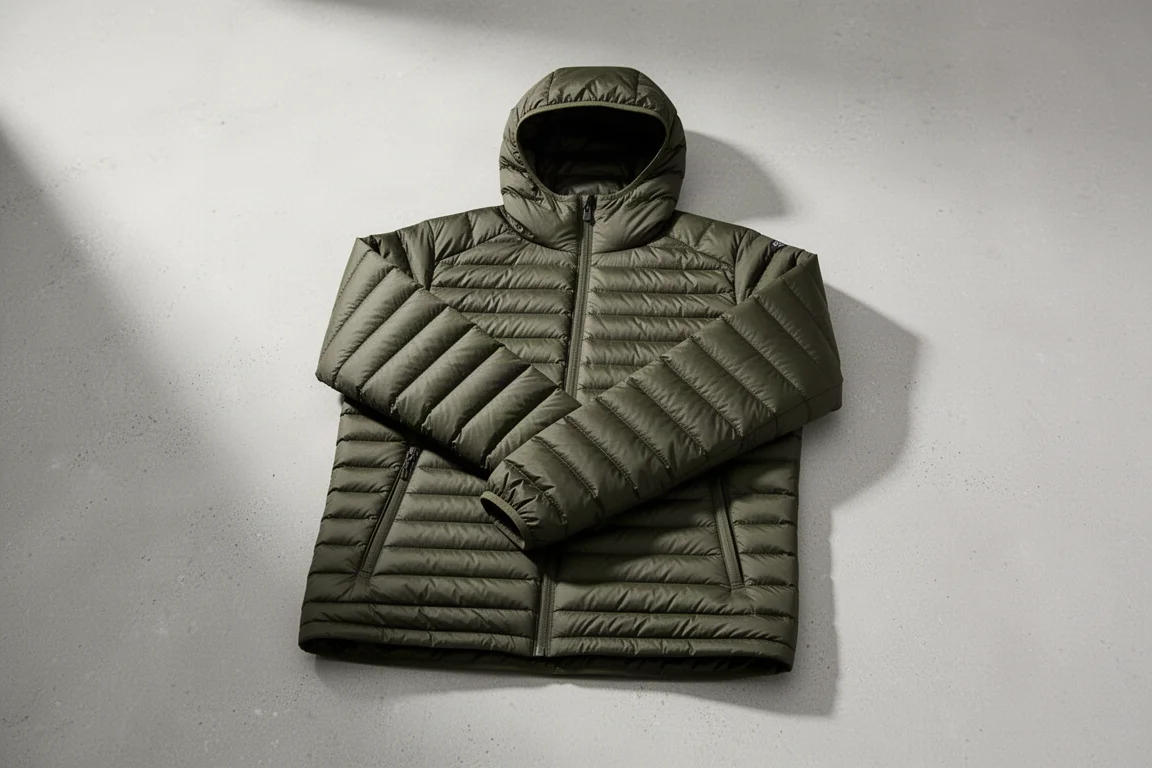
At $200, it is priced in line with quality synthetic jackets, and it earns that price by mimicking the warmth-to-weight feel of down without the same sensitivity to moisture.
Nemo Tensor Extreme Sleeping Pad
Cold-weather camping lives or dies on the sleeping pad, because no sleeping bag can compensate for heat lost into the ground. The Nemo Tensor Extreme has an R-value of 8.5, which is among the highest independently rated values available and puts it firmly in winter territory.
Comfort is in line with the rest of the Tensor family, which is the real appeal here: a pad this warm that still sleeps like a mainstream three-season model.
It is more insulation than a three-season trip needs, and it is a pad you buy specifically for cold conditions. If your winter camping happens above freezing, a lower R-value pad will do the job.
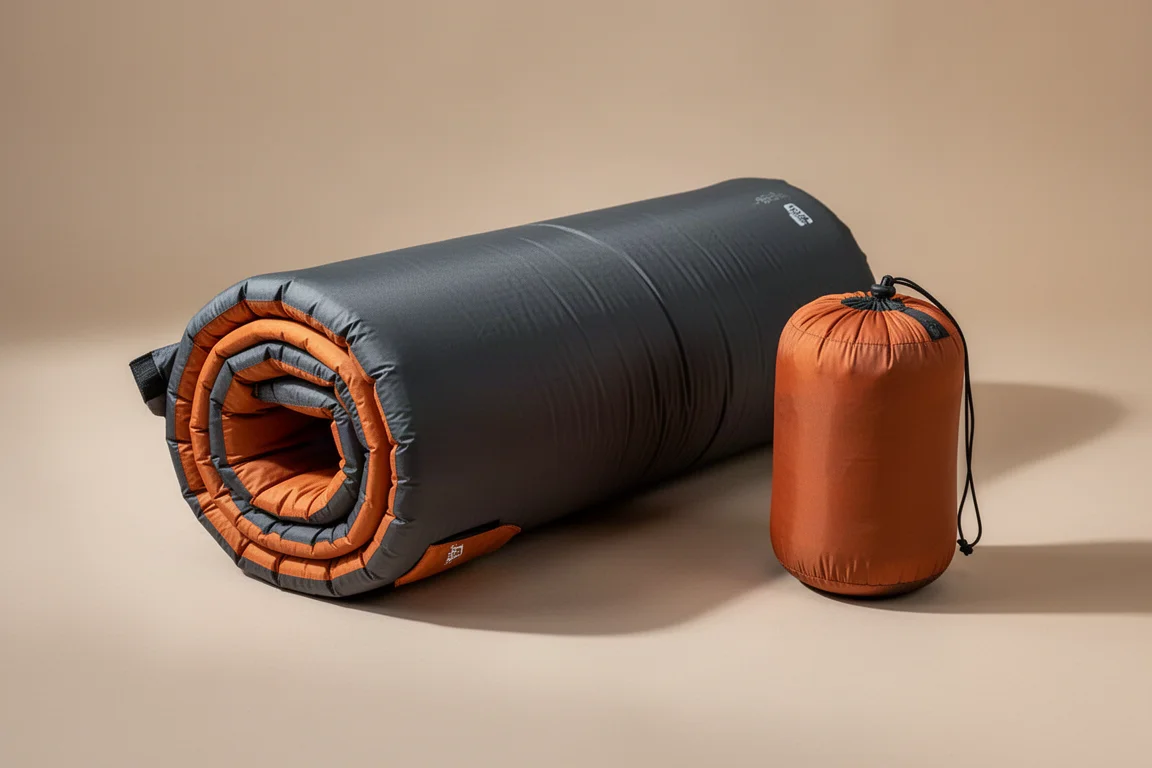
Red Spruce Gear Alpha Beanie
The Alpha Beanie from Red Spruce Gear is built for active use rather than standing around. It uses a 60 GSM Alpha fabric, which is thin and breathable enough that you can wear it while moving without overheating, and the same design is available in a heavier 120 GSM version for colder conditions.
That breathability is also its limitation. On its own it does not hold much heat when you stop moving or when the wind picks up, so the intended system is a light hat for hiking plus a hood layered over the top at camp.
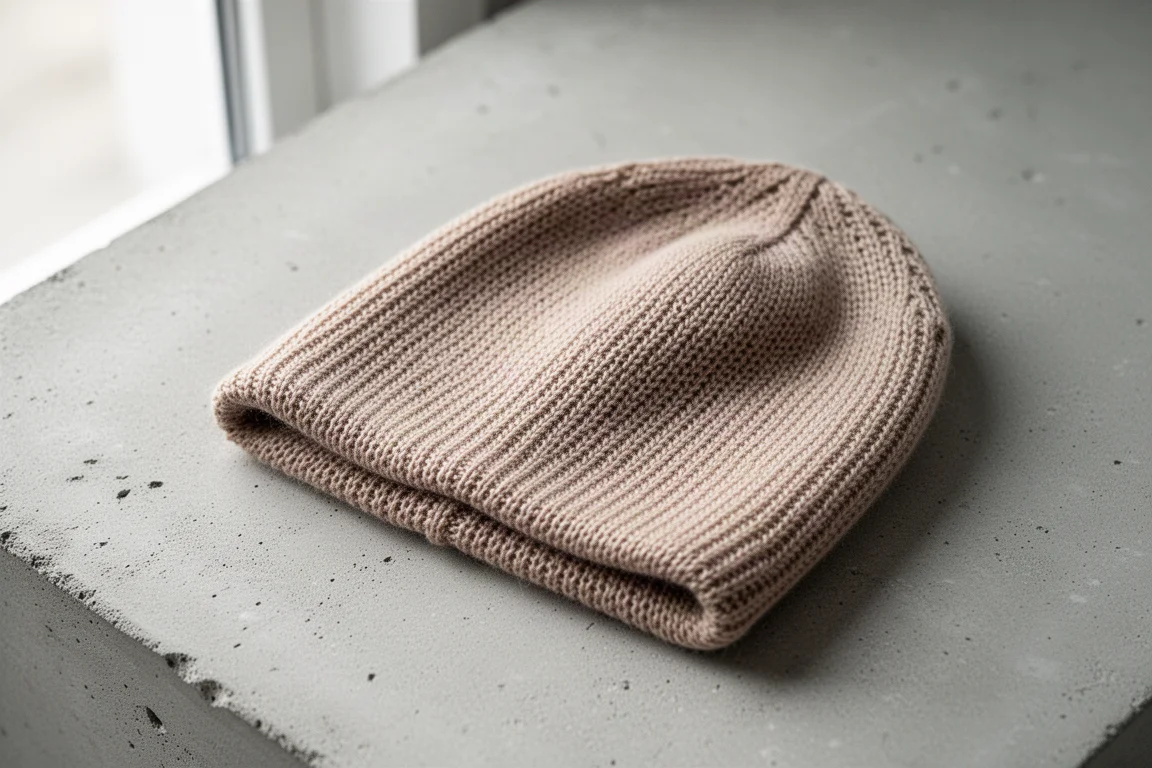
Katabatic Gear Hood
A hood for sleeping is one of those items that looks redundant until you use one. The Katabatic Gear Hood is very light, and it stays where you put it thanks to straps that run over the shoulders and up to the head, so it does not rotate or slide off during the night.
It is especially useful for quilt users, since quilts have no hood of their own and a sleeping hood follows you as you turn. It is not something you would wear while hiking, but as a dedicated sleep layer for cold nights it is a smart, low-weight addition.
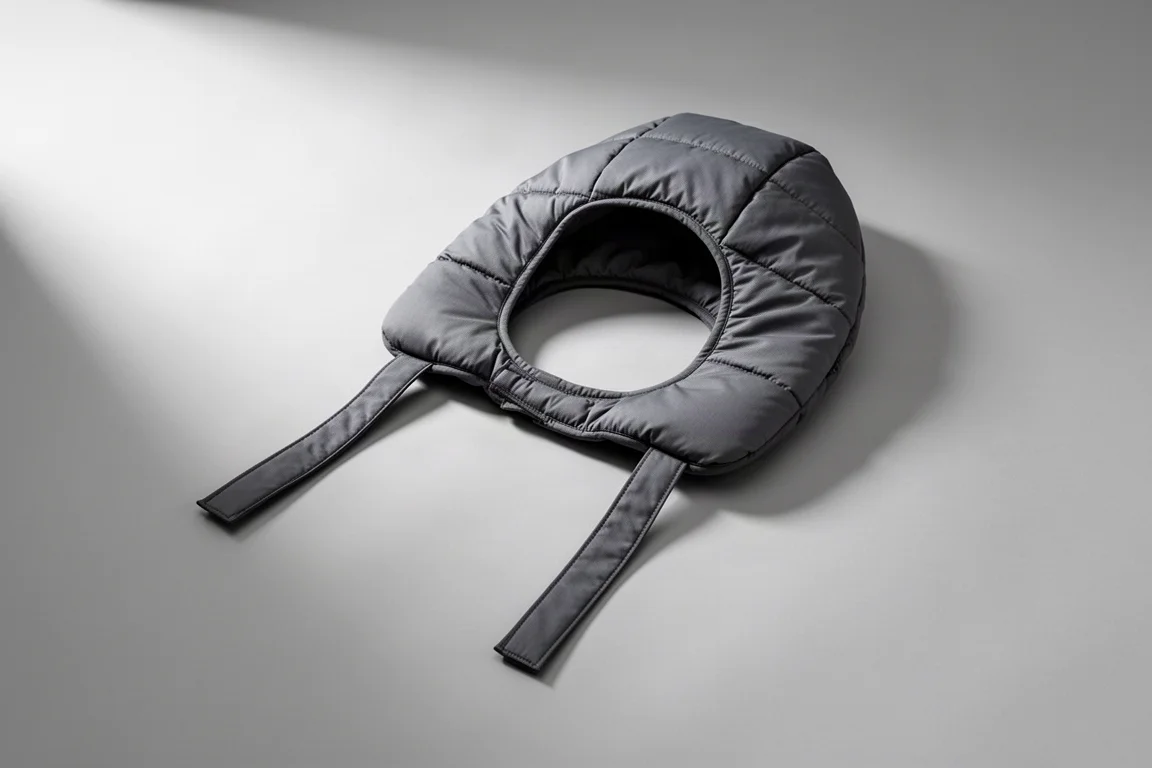
Matching Gear to Conditions
The right winter kit depends on the trip. For a cold overnight where weight is the priority, the combination of a high-R-value pad, a synthetic jacket, down footies, and a sleeping hood covers the essentials without much bulk. Add traction spikes when the trail is likely to be icy, and choose the more aggressive EXOspikes for steeper or more technical ground.
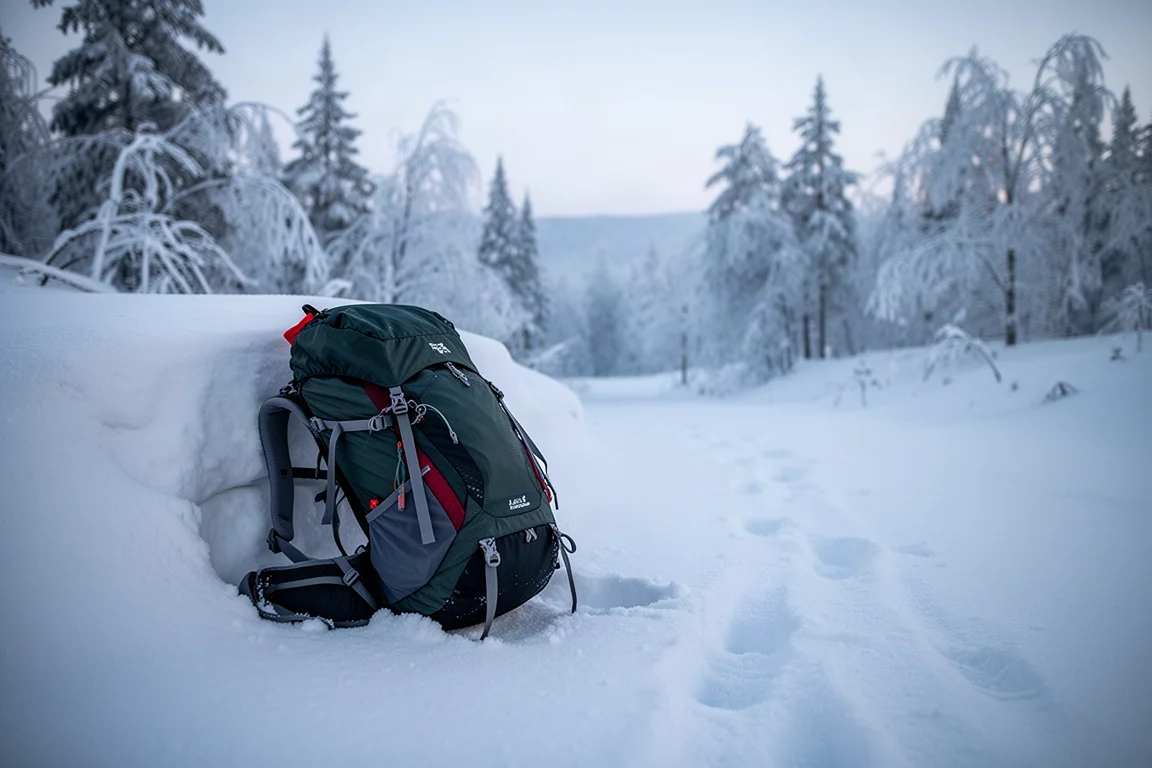
Food and small accessories are where a kit becomes pleasant rather than merely functional. Single-serve nut butter and instant coffee keep calories and morale up, a keychain thermometer turns conditions into data you can learn from, and a thin Alpha beanie lets you manage heat while you are moving. Each of these items can be added to a kit gradually rather than all at once, which makes it easy to test what genuinely helps on your trips.
Conclusion
Winter warmth in an ultralight kit comes from stacking a few well-chosen pieces rather than from one heavy item. Down footies and a sleeping hood protect the extremities that lose heat fastest, an R-8.5 pad keeps the cold out from below, a synthetic jacket handles damp conditions, and traction spikes make icy ground far less of a gamble.
Start with the item that solves your biggest problem, whether that is cold feet, a cold head, or a slippery trail, and build from there. Everything on this list is light enough to justify its place in a pack.
Further reading
Related Reviews
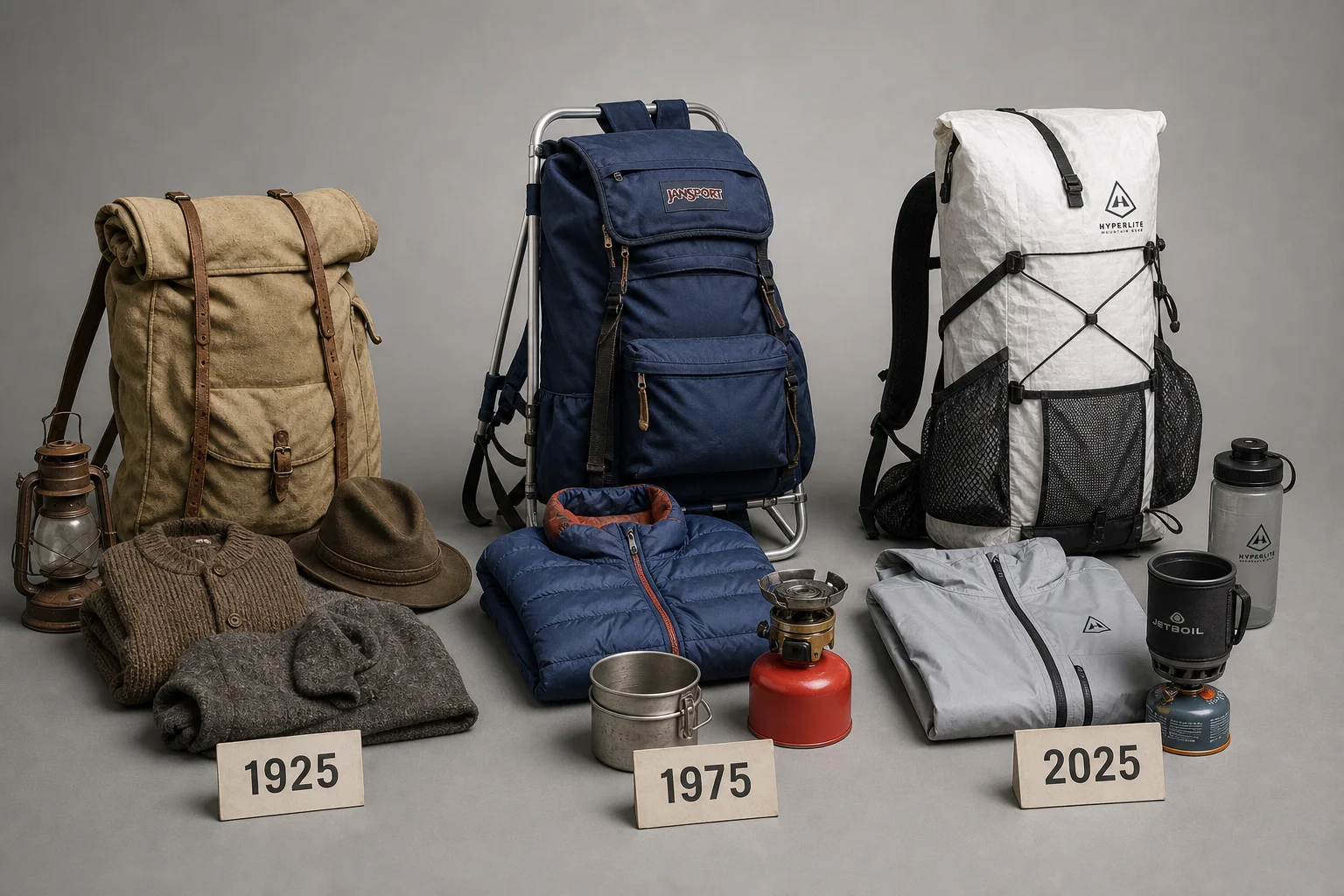
Outdoor Gear
Backpacking Gear Evolution: 100 Years of Technology Compared
We tested backpacking gear from 1925, 1975, and 2025 across a three-day hike in Yosemite. Here's how technology has transformed comfort, weight, and the outdoor experience.
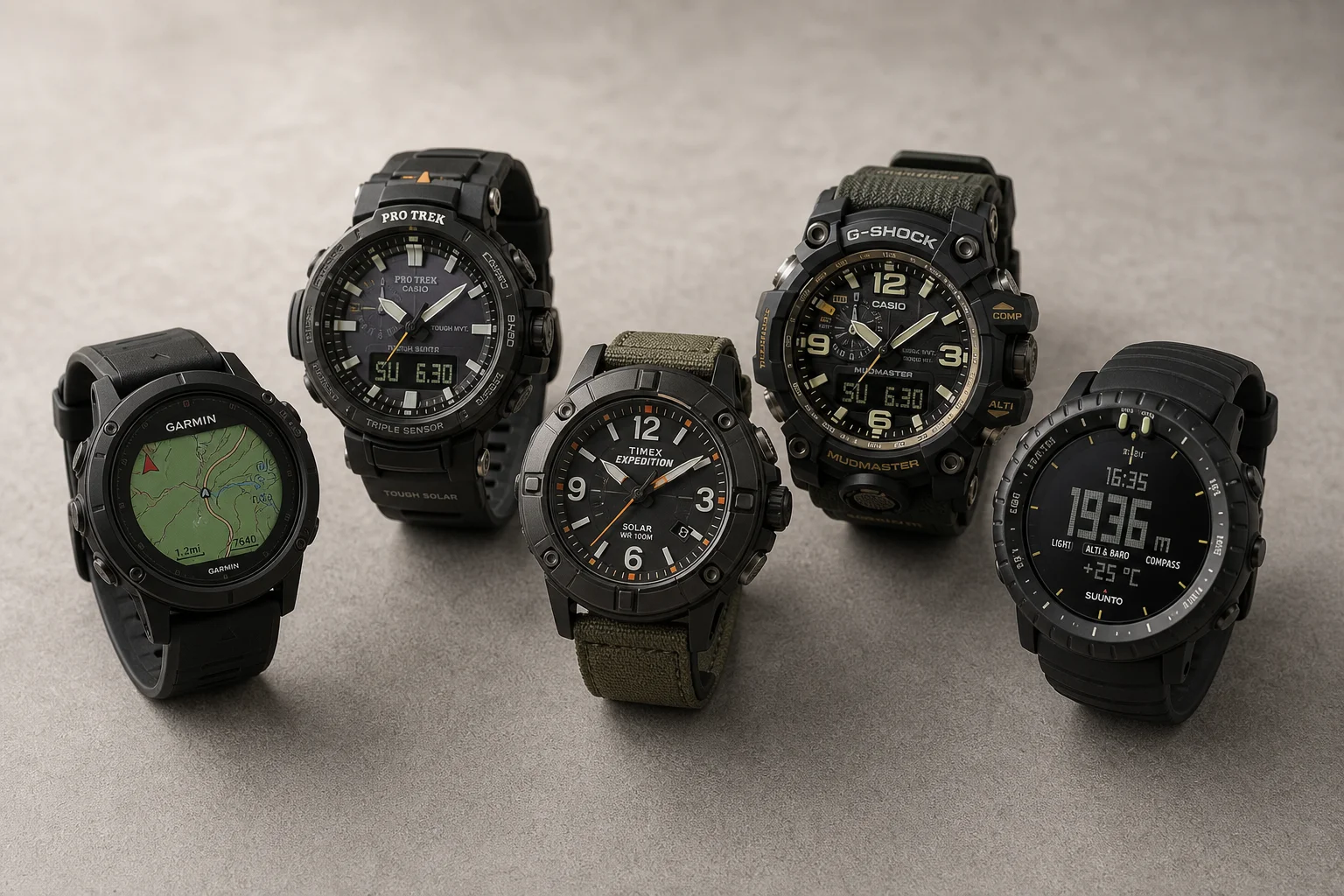
Outdoor Gear
Best Affordable Hiking Watches: Five Rugged Options for Outdoor Adventures
Five durable hiking watches that balance ruggedness, functionality, and value for outdoor enthusiasts who need reliable GPS tracking and weather resistance.
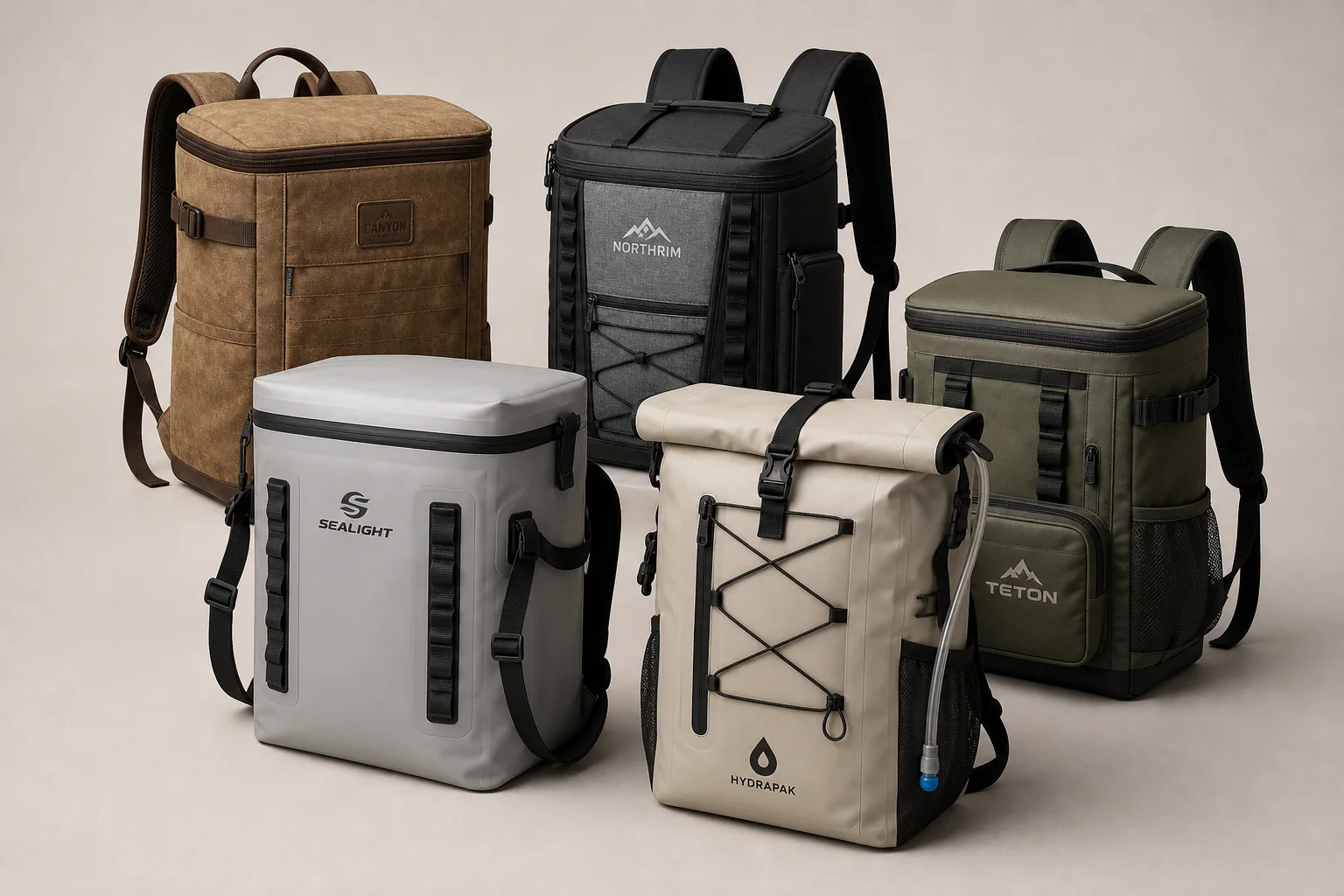
Outdoor Gear
Best Backpack Coolers 2026: Five Practical Options for Outdoor Adventures
Five backpack coolers with distinct cooling capabilities, storage features, and design trade-offs to help you choose the right one for your outdoor needs.