Backpacking Tents
Best Ultralight Two-Person Trekking Pole Tents: TarpTent Dipole Li, Zpacks Duplex and Durston X-Mid
A practical comparison of four ultralight trekking pole shelters, from the roomy TarpTent Dipole Li to the lighter Zpacks Duplex and Durston X-Mid options.
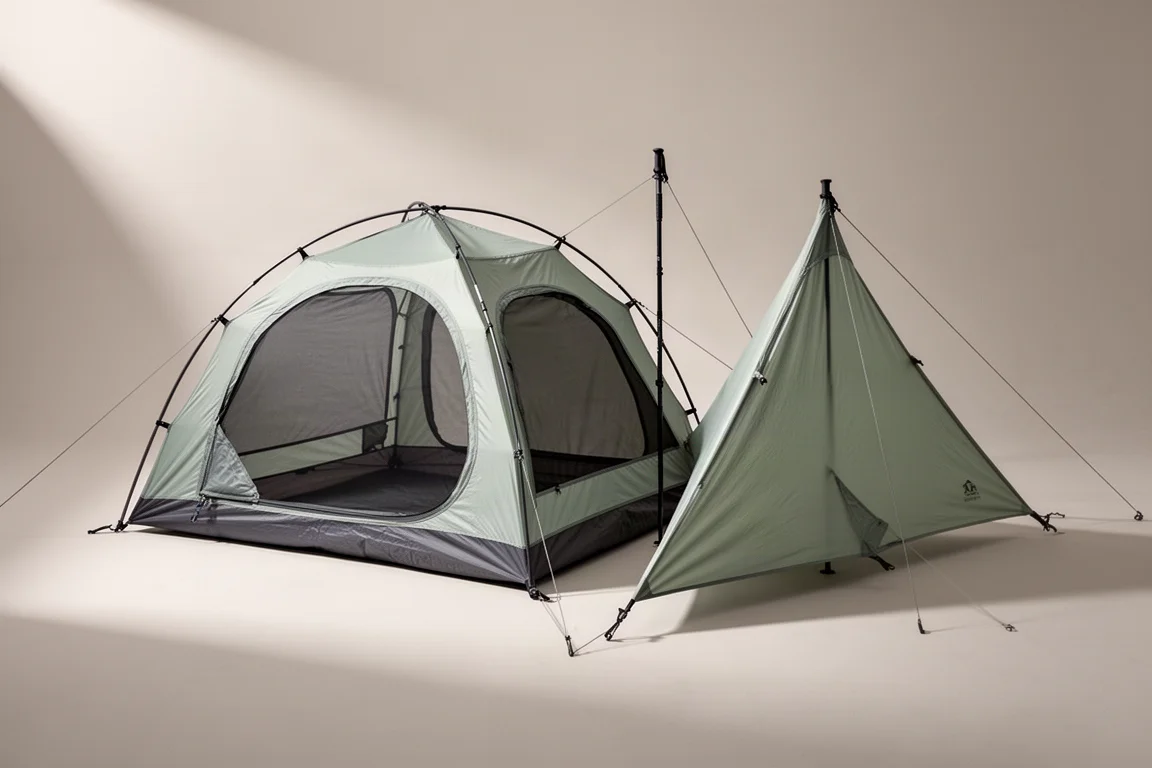
Introduction
Weight is one of the biggest limiting factors in backpacking, and it shapes everything else about a shelter. Head room, floor space and durability all move in the opposite direction as the scale drops. Mainstream freestanding tents struggle to get under 2 lb, and they usually reach that number by giving up interior space. Trekking pole shelters take a different route: they use the poles you are already carrying and high-performance lightweight fabrics to reach weights that freestanding designs cannot match.
The catch is that the lightest trekking pole tents are not always comfortable for two people. A shelter can weigh 19 oz and still leave each sleeper squeezed onto a 20-inch pad. This comparison looks at four trekking pole shelters and what each one asks you to trade: the TarpTent Dipole Li, the Zpacks Duplex, the Durston X-Mid and the Durston X-Mid Pro.
What Separates a True Two-Person Ultralight Tent
Three things decide whether a lightweight shelter actually works for two people: weight, floor space and head room.
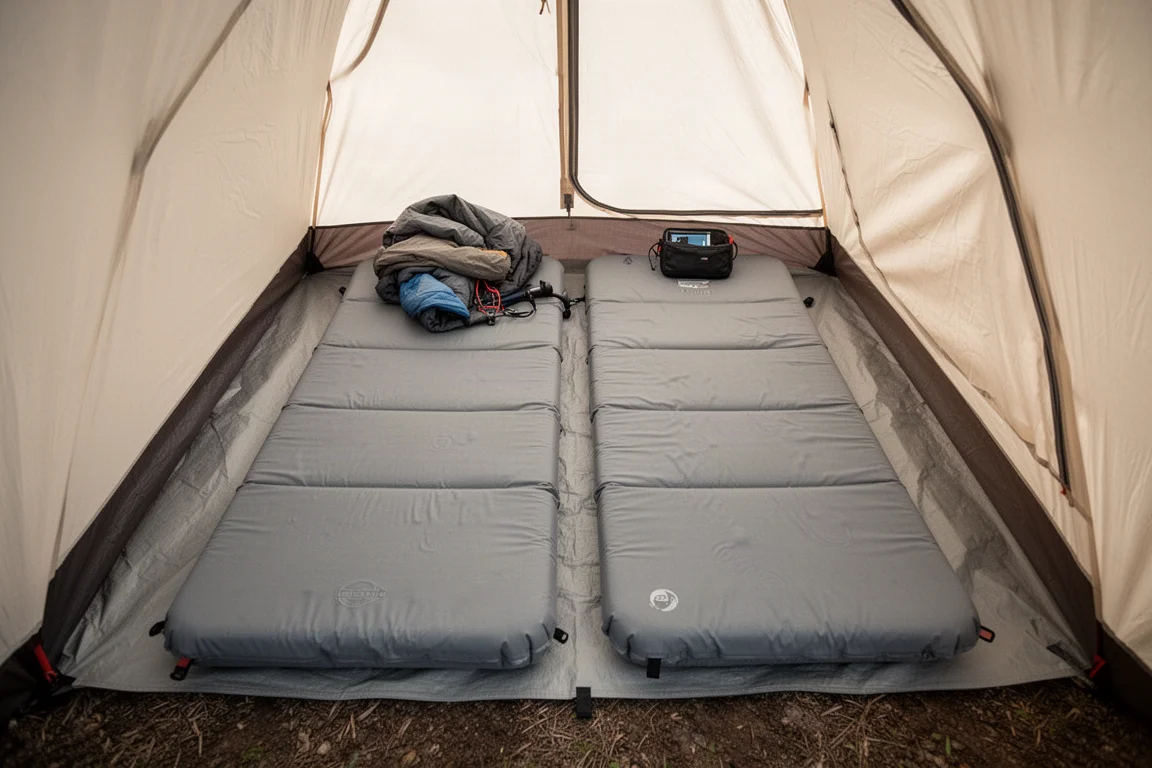
Start with floor space. A standard sleeping pad is 20 inches wide, while a wide pad is 25 inches. The difference sounds small until you spend a night on one. On a 20-inch pad most sleepers end up hanging over the edge, and once a second person is inside the same tent that narrow margin turns into constant contact. A shelter that genuinely sleeps two needs a floor at least 50 inches wide so that two 25-inch pads fit side by side.
Head room matters just as much. A lack of head room is the single biggest reason a tent feels small, and it is the reason so many low-weight shelters feel cramped when you sit up to change layers or sort out your bedding.
Weight is the constraint that pushes against both. Every extra inch of floor and every extra inch of height costs grams, which is why the lightest options tend to be the tightest.
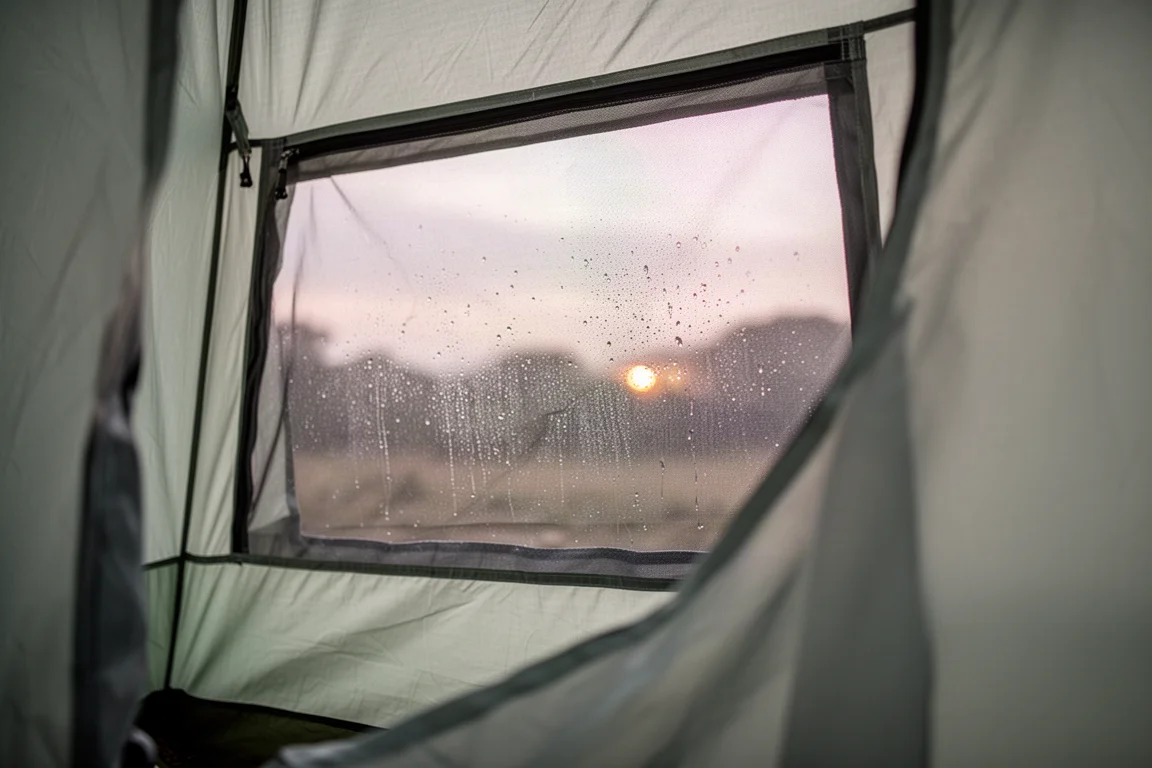
Single-wall trekking pole tents add one more consideration: condensation. When the inner wall sits within inches of your head or your feet, moisture that builds up overnight ends up on your sleeping bag. Ventilation is the only real remedy, so window design and airflow deserve as much attention as the weight figure.
TarpTent Dipole Li: Two Wide Pads and Head Room to Spare
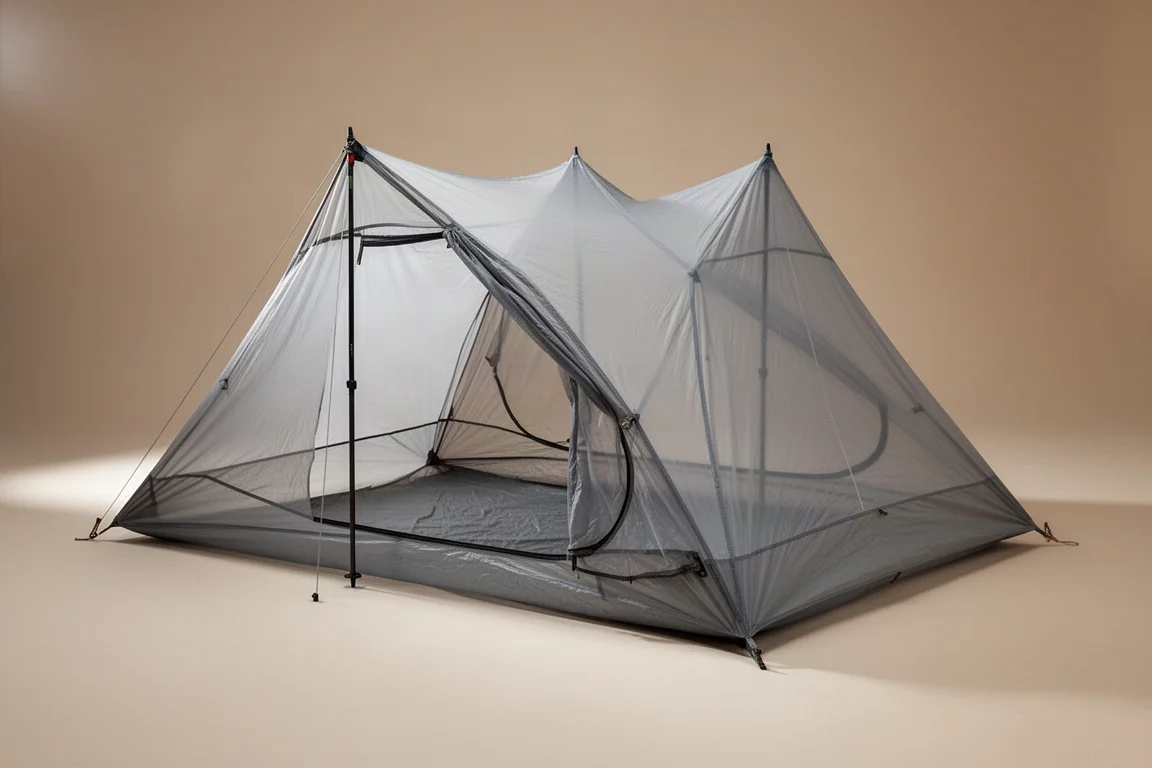
The TarpTent Dipole Li weighs 27 oz, or 1.8 lb. That is heavier than the lightest shelters in this group, but it buys something the others do not offer: a floor that is 50 inches wide at its narrowest point. Two 25-inch wide pads fit side by side, and there is still spare room at the head and foot for jackets, phone chargers and other items you want within reach overnight.
The shape is what makes the interior feel larger than its weight suggests. The Dipole Li is 50 inches across at the peak, which is exactly where head room counts: sitting up to change clothes, add a layer or rearrange bedding. Many shelters taper to a peak from front to back and from side to side, so two people sitting up at the same time end up against each other or against the wall. The Dipole Li keeps its width across the peak, and two small carbon poles at the head and foot lift the walls further when you are lying down.
Those end poles also solve a common single-wall problem. They hold the fabric well away from your head and feet, and they open up two large windows that improve airflow, which is what keeps condensation in check.
Small details are well considered here: magnetic door tie-backs, a door position that is not blocked by the trekking pole, and a guy line layout that is straightforward to adjust.
Wind is the trade-off. The Dipole Li is more wind-sensitive than a freestanding design. In gusts of 30 to 40 mph the shelter collapsed until an additional guy line was moved from a ridgeline peak to the side panel. With that line in place the tent held. On a calm night, four stakes at the corners are enough to keep it standing, and in high winds eight stakes make it very stable.
The other consideration is price. At $800 the Dipole Li is the most expensive shelter in this comparison.
Zpacks Duplex: The Lightest Tent in the Group
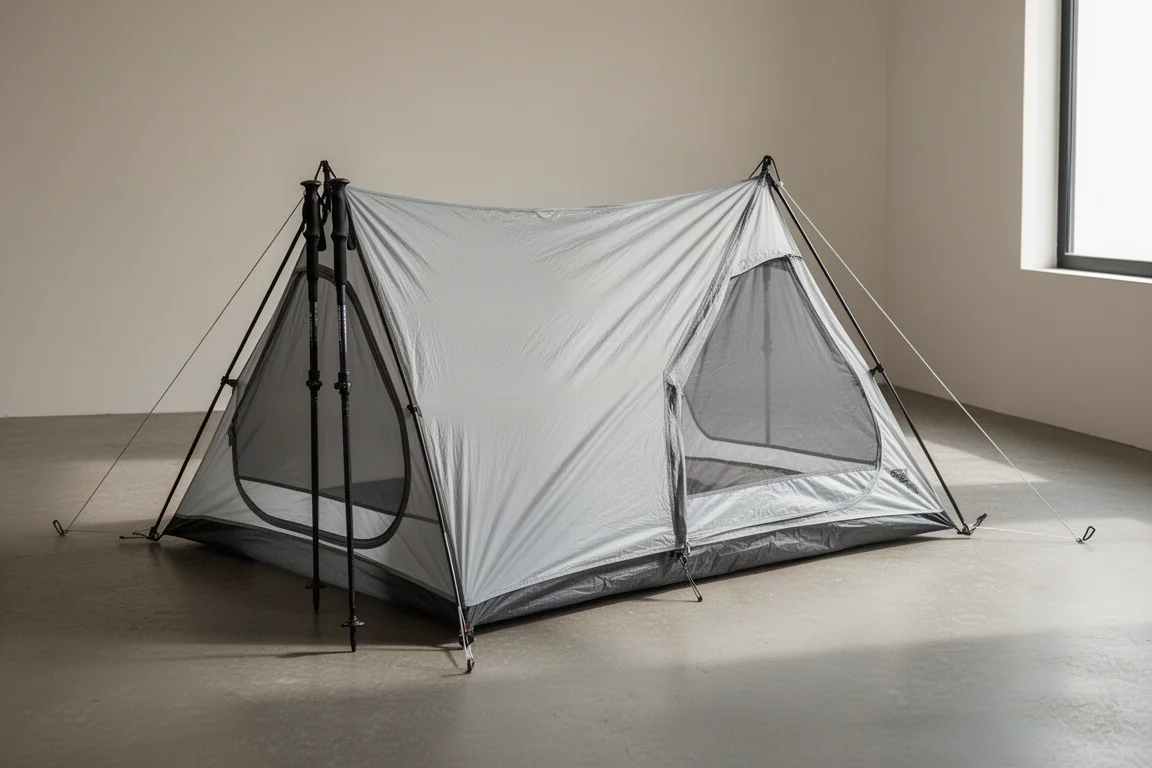
At 19 oz, the Zpacks Duplex is the lightest shelter here. If weight is your first priority and interior volume is a secondary concern, it is hard to argue with the number.
The trade-off is space. The Duplex requires a 20-inch wide pad, and it is not a roomy tent by the standards of a true two-person shelter. Two people can sleep in it, but the floor width does not allow a wide-pad setup.
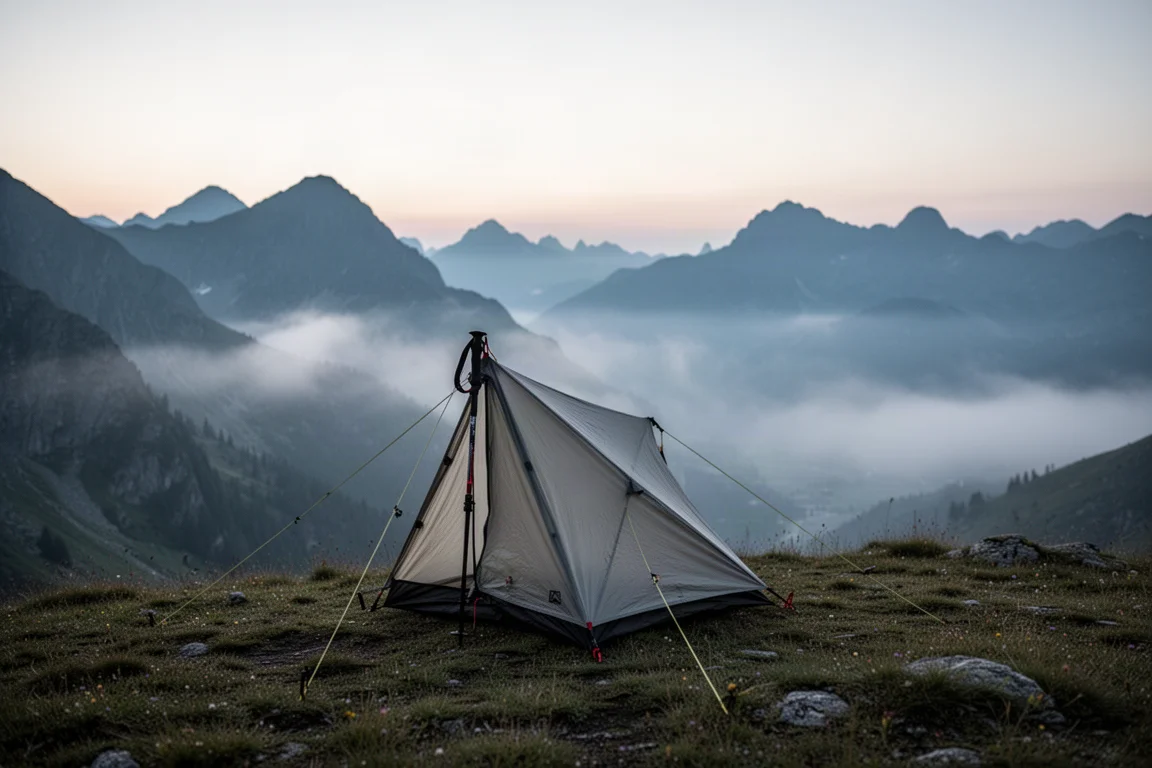
For a solo hiker, or for two people who are comfortable with a compact layout and standard pads, the Duplex makes a great deal of sense. For anyone who wants to stretch out on a wide pad, the floor is the limiting factor.
Durston X-Mid: Light, Compact, and Narrower
The Durston X-Mid sits roughly 6 oz below the TarpTent Dipole Li, which puts it in the same low-weight territory as the Zpacks Duplex. It is one of the most popular trekking pole shelters, and it keeps weight low without the extreme compromises of the very lightest designs.
The floor is where the difference shows. Like the Duplex, the X-Mid is built around a 20-inch wide pad rather than a 25-inch wide pad, so it does not deliver the two-wide-pad layout that defines a true two-person shelter.
That makes the X-Mid a strong choice for solo backpackers, or for two people who are happy to sleep on standard pads and keep pack weight to a minimum.
Durston X-Mid Pro: A Refined Ultralight Shelter
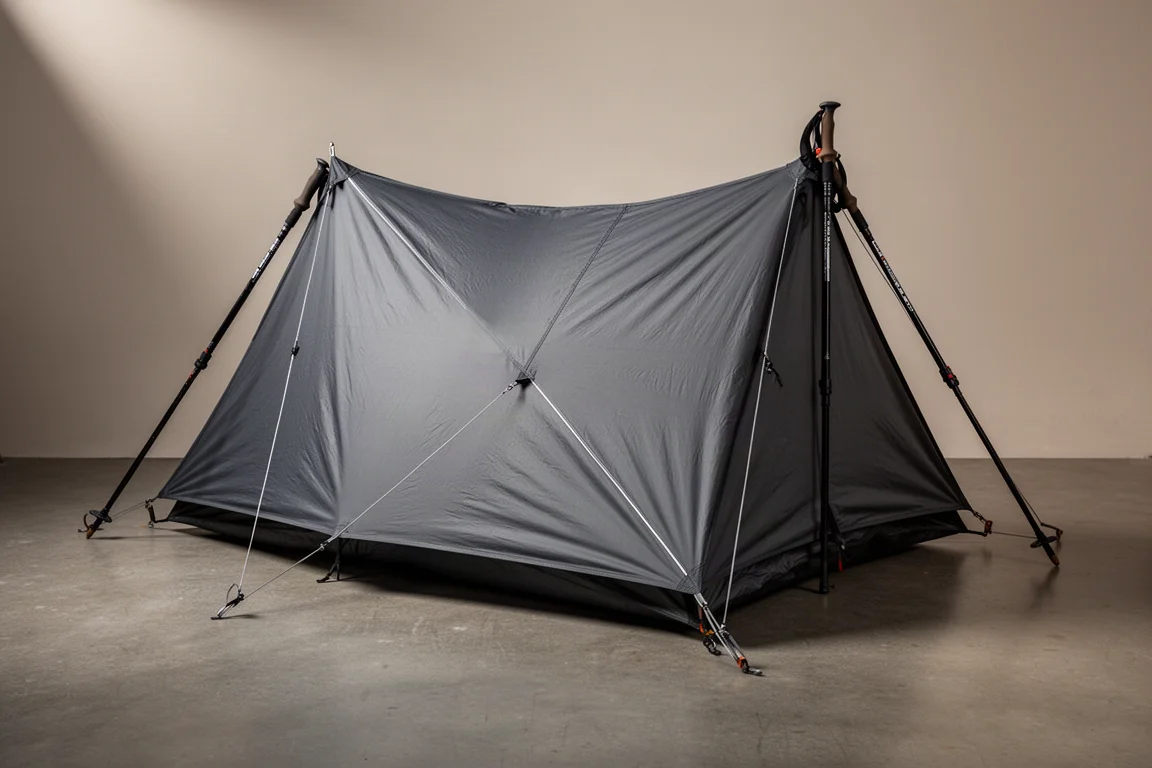
The Durston X-Mid Pro takes the X-Mid platform further and makes significant improvements over the Zpacks Duplex in use. It is a more refined shelter than the standard version, and it remains one of the lightest ways to get a trekking pole tent over your head.
What it does not change is the fundamental layout. By the wide-pad standard, the X-Mid Pro still is not a true two-person tent. It is an excellent ultralight shelter for one person, or for two who accept a narrower floor, but it does not offer the 50-inch width that lets two wide pads sit side by side.
If your priority is low weight and a refined design, the X-Mid Pro is a compelling option. If your priority is sleeping two people comfortably on wide pads, floor width is the deciding factor.
How the Four Tents Compare
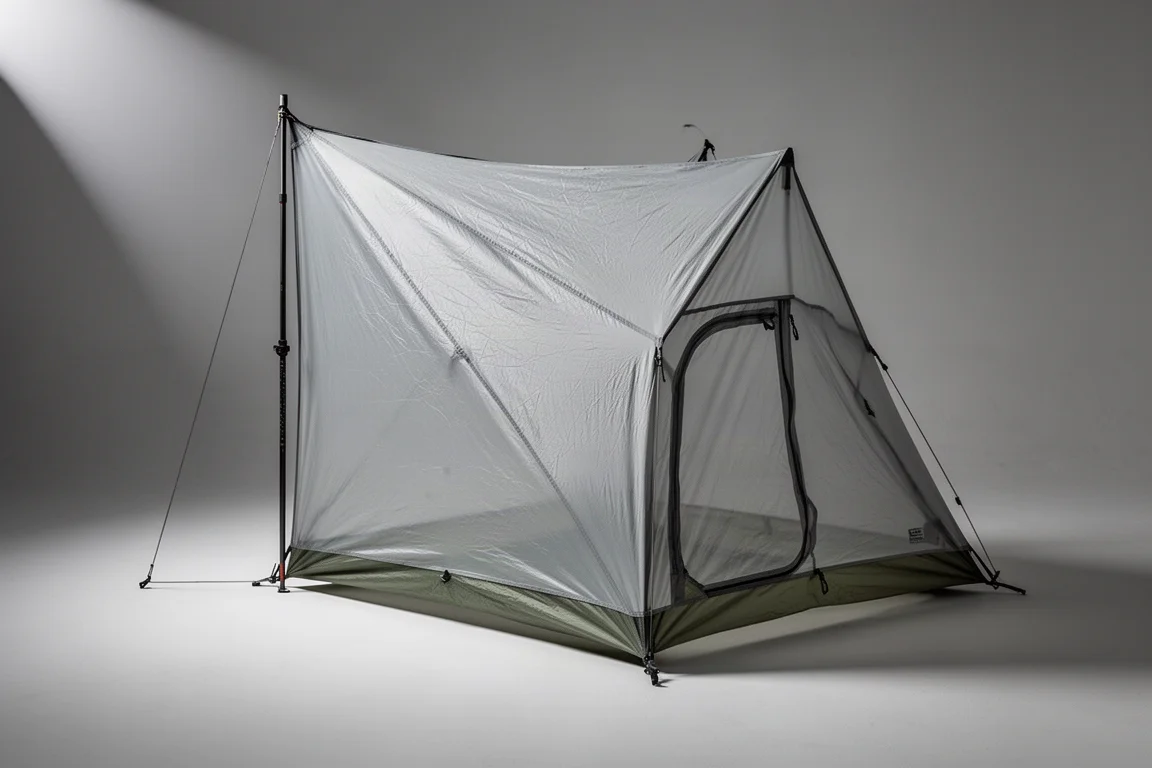
Weight and interior space pull in opposite directions across these four shelters.
- Zpacks Duplex: 19 oz, built around 20-inch wide pads, and the lightest option here.
- Durston X-Mid: about 6 oz lighter than the Dipole Li, also built around 20-inch wide pads.
- Durston X-Mid Pro: a refined version of the X-Mid with meaningful improvements over the Duplex, but still not a true two-person layout.
- TarpTent Dipole Li: 27 oz, a 50-inch floor at its narrowest point, room for two 25-inch pads side by side, and 50 inches of width at the peak.
If the combination of low weight, floor space and head room is what you are after, the Dipole Li is the only shelter here that delivers all three. It costs more, and it needs more attention in wind than the others.
Buying Advice
Choose the Zpacks Duplex if weight is the single most important number and you sleep on a standard 20-inch pad. It is the lightest shelter in this group and the simplest way to cut grams from your pack.
Choose the Durston X-Mid or the X-Mid Pro if you want very low weight with a more refined design and you are comfortable with a narrower floor. Both suit solo backpackers and pairs who do not need wide pads.
Choose the TarpTent Dipole Li if you want a genuine two-person shelter that fits two 25-inch wide pads, has head room across the full width of the peak, and includes ventilation features that help manage condensation. Be prepared to pay $800, and to add guy lines when the weather turns windy.
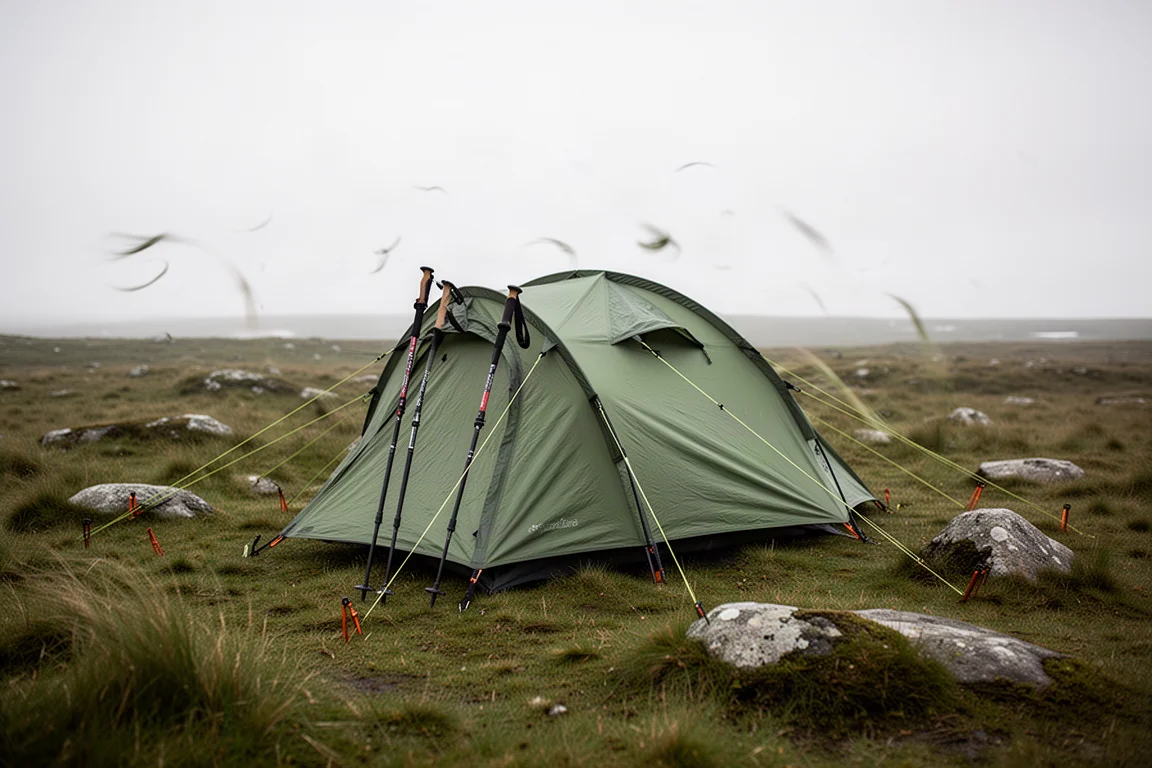
Before buying, measure your sleeping pads. A 25-inch pad is only 5 inches wider than a standard one, but that difference decides whether a shelter works for two people or only for one. Then weigh the price against the number of nights you will actually spend in the tent. A shelter that keeps you comfortable on every trip is usually worth more than one you tolerate.
Conclusion
The TarpTent Dipole Li is the only shelter in this comparison that combines a low weight with a floor wide enough for two 25-inch pads and head room across the peak. The Zpacks Duplex, the Durston X-Mid and the X-Mid Pro go lighter, but they are built around 20-inch pads, which is why none of them quite qualifies as a true two-person tent. The right answer depends on whether you are optimising for pack weight or for a good night of sleep for two.
Further reading
Related Reviews
Backpacking Tents
3F UL Lanchan Pro 1 Review: A 1 lb 8 oz Single-Wall Trekking Pole Tent
A practical look at the 3F UL Lanchan Pro 1, a single-wall trekking pole shelter with a 1 lb 8 oz weight, 20D silnylon fabrics, and a roomy 90 x 31 x 49 inch interior.
Backpacking Tents
3F UL Taiji 2-Person Tent: A Convertible Backpacking Shelter Worth a Closer Look
A practical look at the 3F UL Taiji two-person tent, covering its materials, true two-person interior, fly-first pitching, and the seasonal inner swap that lets one shelter cover more of the year.
Backpacking Tents
3FUL Lanshan Twoerson Pro Review: A Light Trekking Pole Shelter That Struggled in Rain
A two-person trekking pole shelter with a 2026 redesign, pitched with sticks and put through a night of steady rain. Here is what worked, what did not, and what to check before buying.