Backpacking Tents
Best Ultralight One-Person Trekking Pole Tents: Six Shelters Compared
Six ultralight single-person trekking pole tents compared on weight, interior space, materials, and price, with the trade-offs that matter before you buy.
Introduction
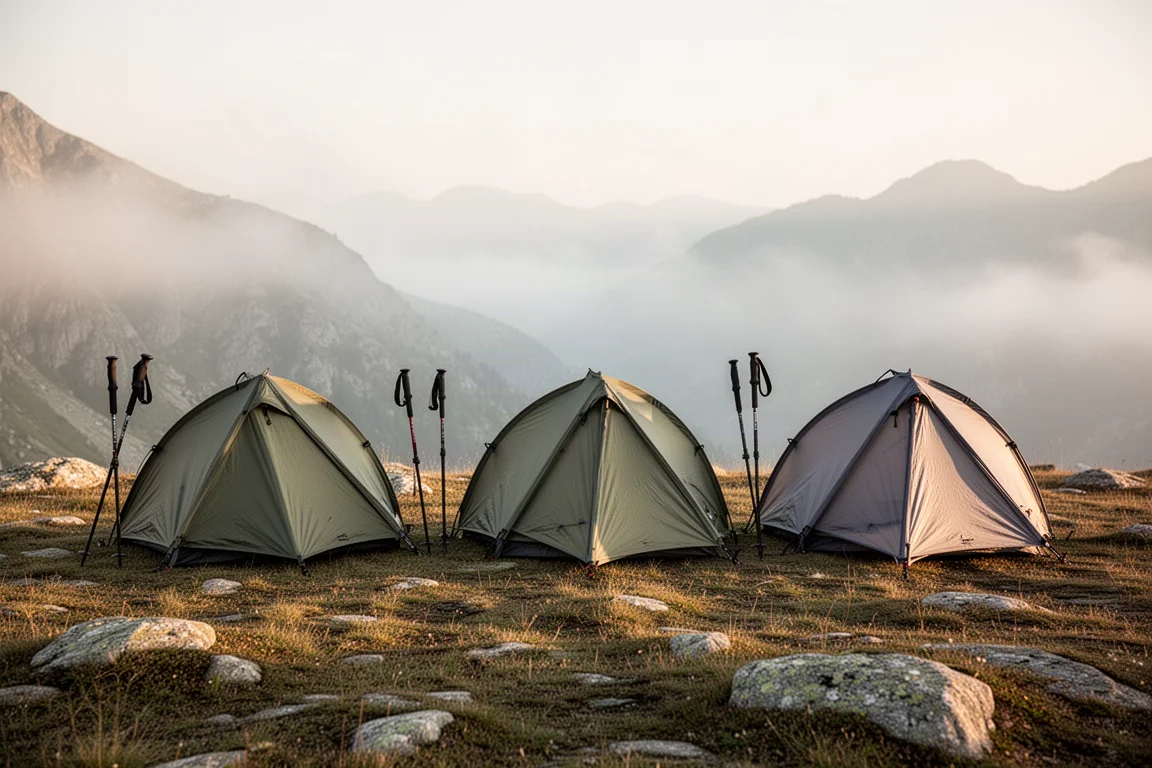
Ultralight single-person trekking pole tents sit at the lightest end of backpacking shelters. They skip conventional poles entirely and pitch with the trekking poles you already carry, which drops both weight and packed volume. Even hikers who do not count grams benefit from a lighter shelter, because weight saved on a tent is weight saved every day of a trip.
The six tents here are all single-person, trekking pole supported designs, and they are closer to each other than the spec sheets suggest. What separates them is where each one puts its emphasis: minimum weight, interior room, price, pitching simplicity, or overall balance. The notes below cover what each tent does well and what you give up in return.
How to Choose an Ultralight One-Person Tent
Weight is the obvious starting point, but compare it honestly. Quoted weights usually exclude trekking poles and stakes, and a design that needs fewer stakes to pitch carries less in total than its headline number implies.
Materials matter just as much. Dyneema is the lightest option and stays dimensionally stable, while polyester resists water absorption and sagging better than nylon. Nylon is common and inexpensive, but it can stretch when wet, which matters when the fabric is also what keeps your pole upright.
Then look at livability: interior width and headroom, whether the door hangs clear of the pole, and whether the floor is wide enough for the sleeping pad you already own. Finally, check two practical details. Some tents ship without seam sealing, which means extra work or an extra service cost, and cottage-built tents generally cost more because of wages, benefits, quality control, and ongoing design work behind them.
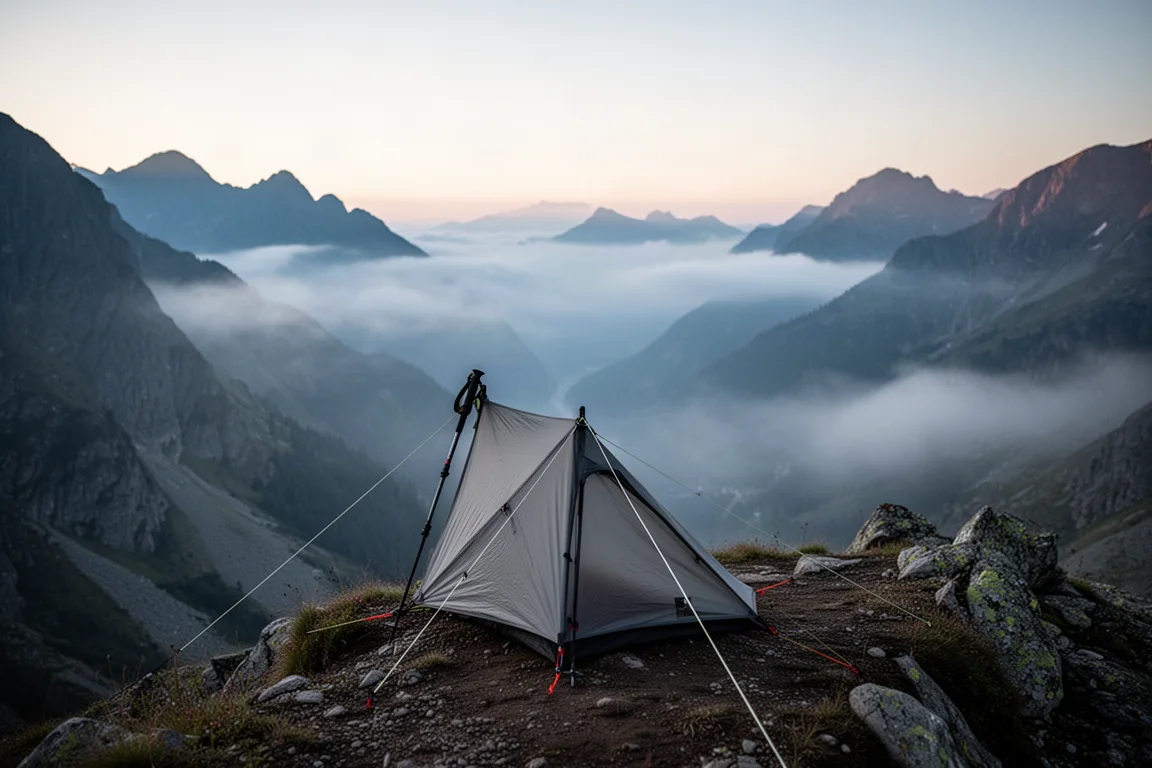
Weight tables and material names only tell part of the story. How a tent pitches, how the door behaves, and how much usable floor space you actually get decide whether it works for the trips you take.
Zpacks Plex Solo: The Lightest Tent Here
The Plex Solo weighs less than 14 oz, not counting trekking poles or stakes, which makes it the lightest tent in this group. The low weight comes from a Dyneema construction.
That minimal weight involves trade-offs. The rainbow door falls to the ground, the pole sits in the way of the door, and the price sits at the highest tier here at $600 for the tent alone, before poles and stakes. If your priority is the lightest possible setup, nothing here beats it. If you want more livability, the grams saved come at a real cost in convenience.
Six Moon Designs Lunar Solo: The Roomiest
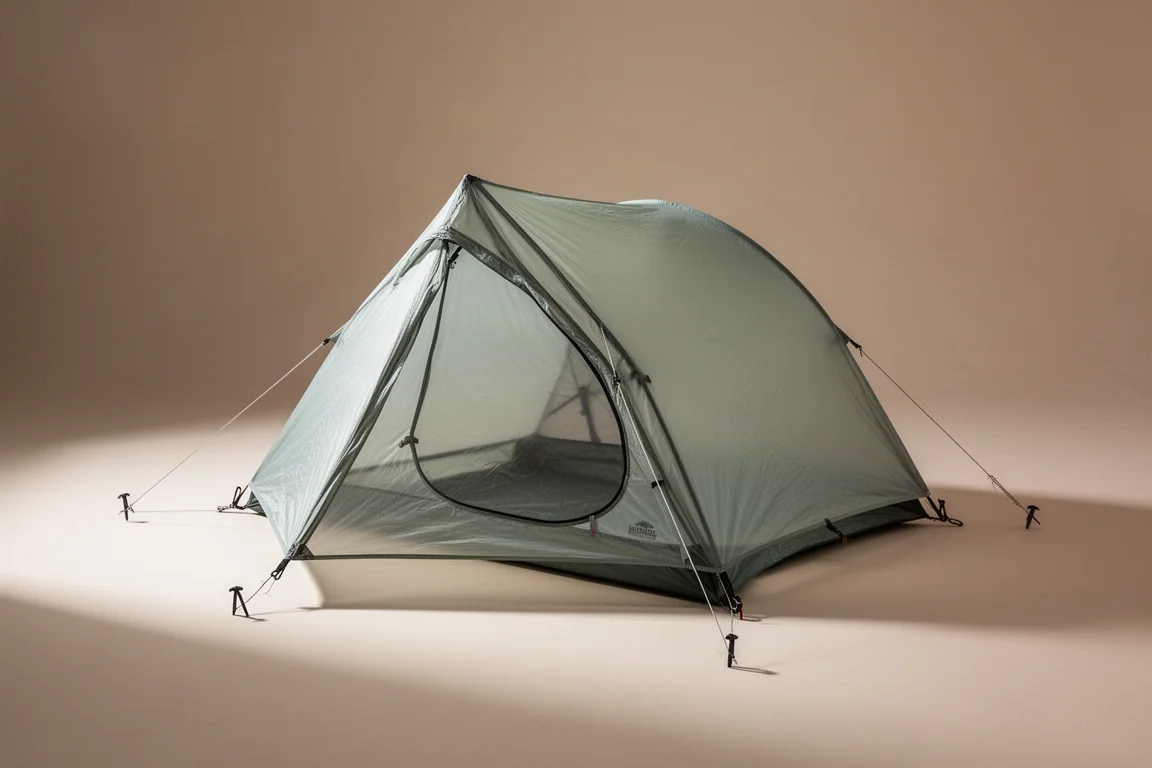
The Lunar Solo is one of the original hexagon-style single-pole tents, and many current designs follow that template. It uses polyester, which does not absorb water or sag the way nylon can, though it is not as light as Dyneema. At 28 oz it is the heaviest tent on this list, still comfortably under 2 lb without poles or stakes.
What that weight buys is space. This is the roomiest one-person tent here, close to large enough for two people, which makes it a strong choice if you keep your pack inside the tent or hike with a dog. At $260 it is also one of the more affordable options. One caveat: it is not seam sealed from the manufacturer, so you either seal it yourself or pay Six Moon Designs to do it.
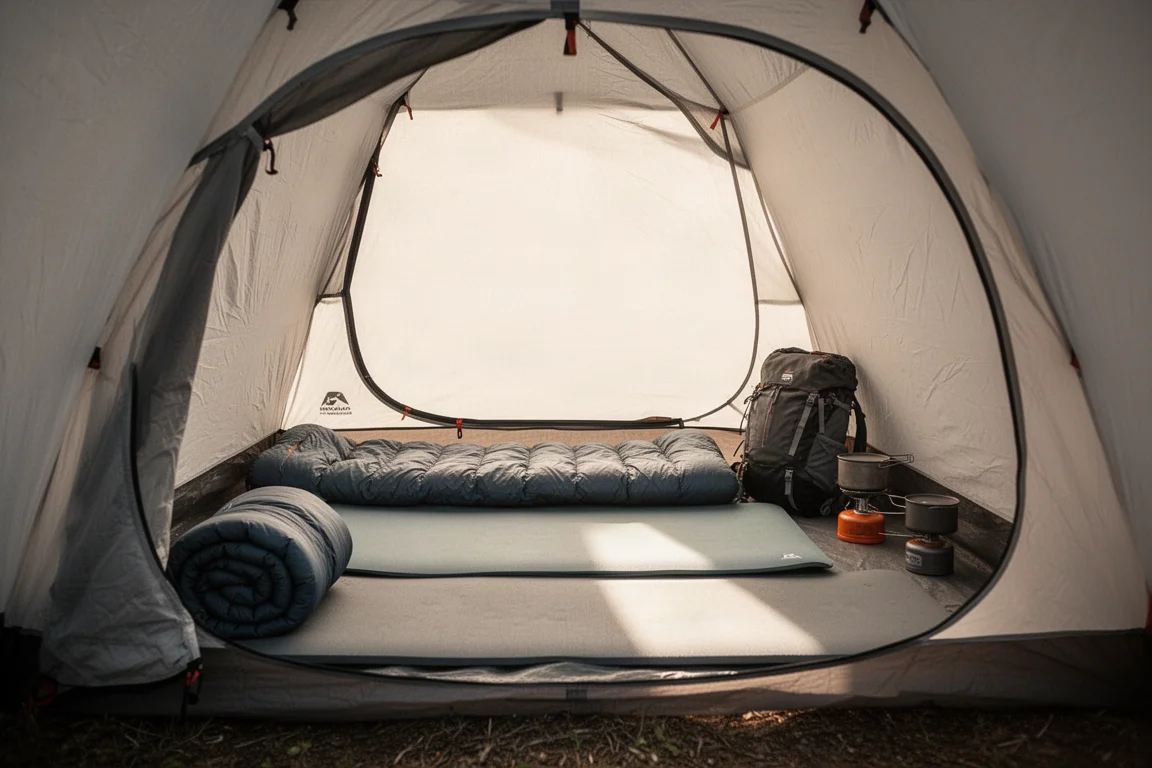
For backpackers who treat the tent as a small basecamp rather than a place to sleep only, that interior volume is the whole point.
LanShan 1 Pro: The Most Affordable
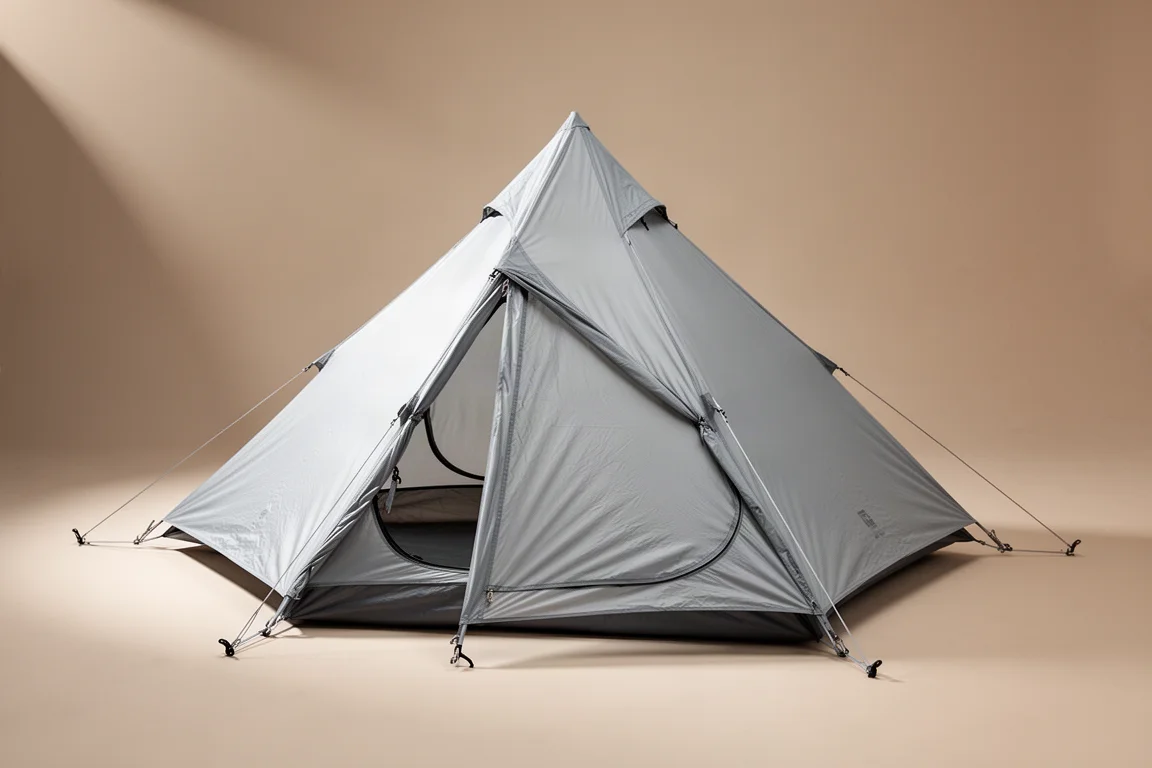
The LanShan 1 Pro follows a similar single-pole design at $180 and stays reasonably light at 25.6 oz. Like the Lunar Solo, it does not arrive seam sealed, so sealing is part of the setup.
Lower prices come with other costs. The LanShan uses nylon, which can sag and stretch when wet, and the savings also reflect differences in quality control, workmanship, and customer service compared with small cottage brands. That is not a reason to avoid it. Nylon is widely used, and if budget is the deciding factor, this is the most accessible way into a trekking pole shelter.
Durston X-Mid Pro 1: The Most Innovative
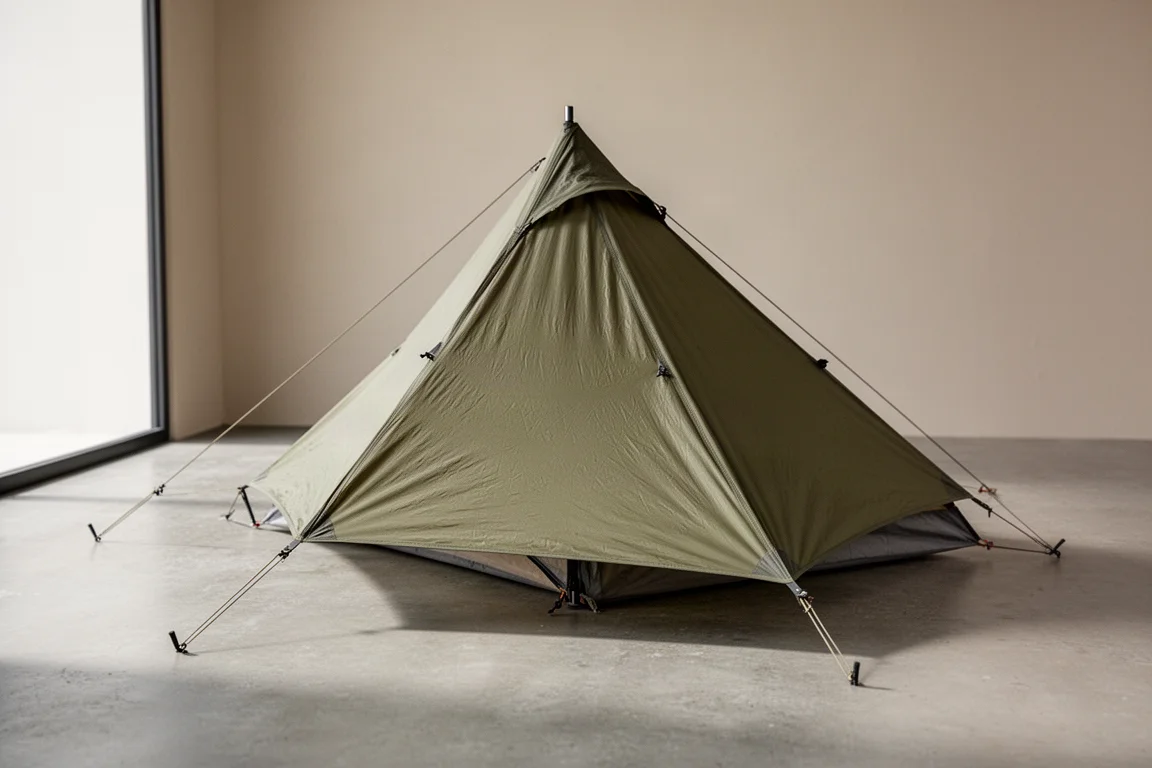
The X-Mid Pro 1 weighs 17.6 oz, the second lightest tent here and only about 3 oz more than the Plex Solo. In exchange you get generous headroom, doors that hang properly and are not blocked by the pole, and a geometry that pitches fully with just four stakes, which lowers total carried weight further. It is also notably wind and weather resistant.
It is built from Dyneema with heat-bonded seams rather than sewn seams. The trade-off is price: at $600 it matches the Plex Solo as the most expensive tent on this list. If you want this level of design at this weight, that is what it costs.
Gossamer Gear The One: The Best All-Around
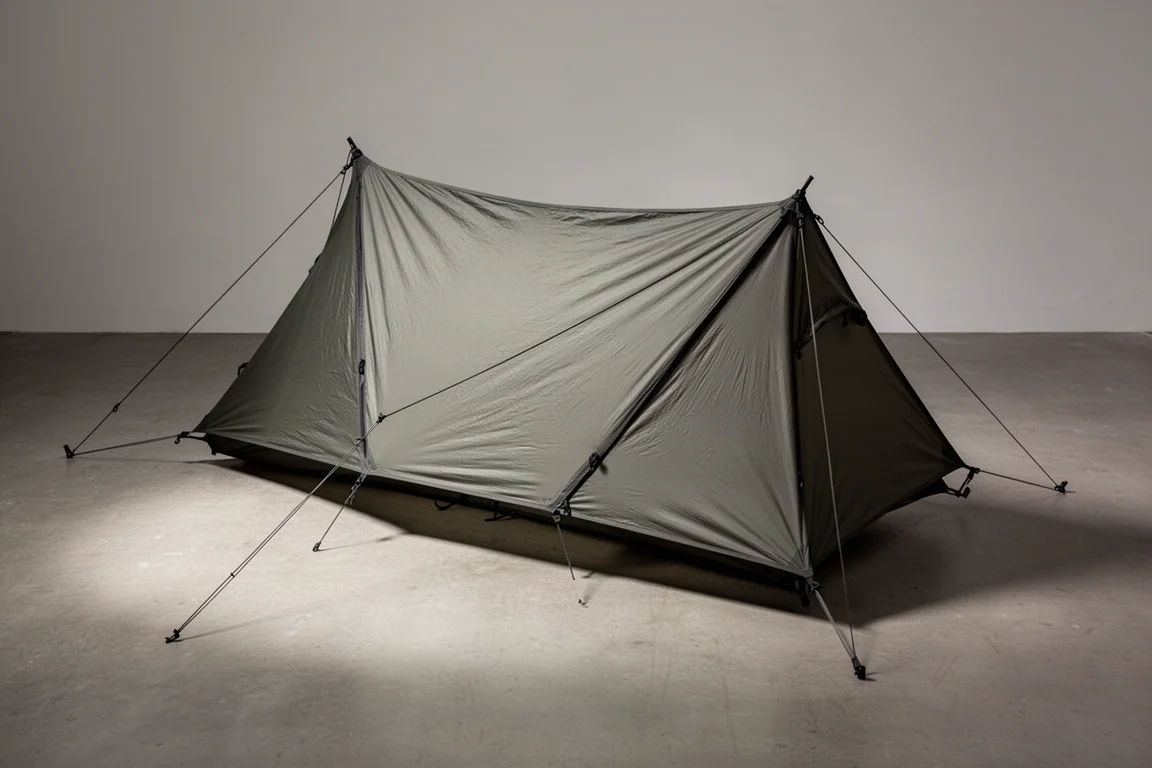
The One weighs 18.1 oz, just 1 oz more than the X-Mid Pro 1, and it uses ripstop nylon instead of Dyneema, which brings the price down to $300. Compared with other tents at this weight, that is a meaningful difference. It also offers a claimed 43 in between the poles at the ridgeline, so headroom is not the compromise.
The main limitation is the floor, which tapers to 21 in at the foot. A 25 in wide pad will need to be tapered or mummy shaped to fit, which is not ideal for everyone.
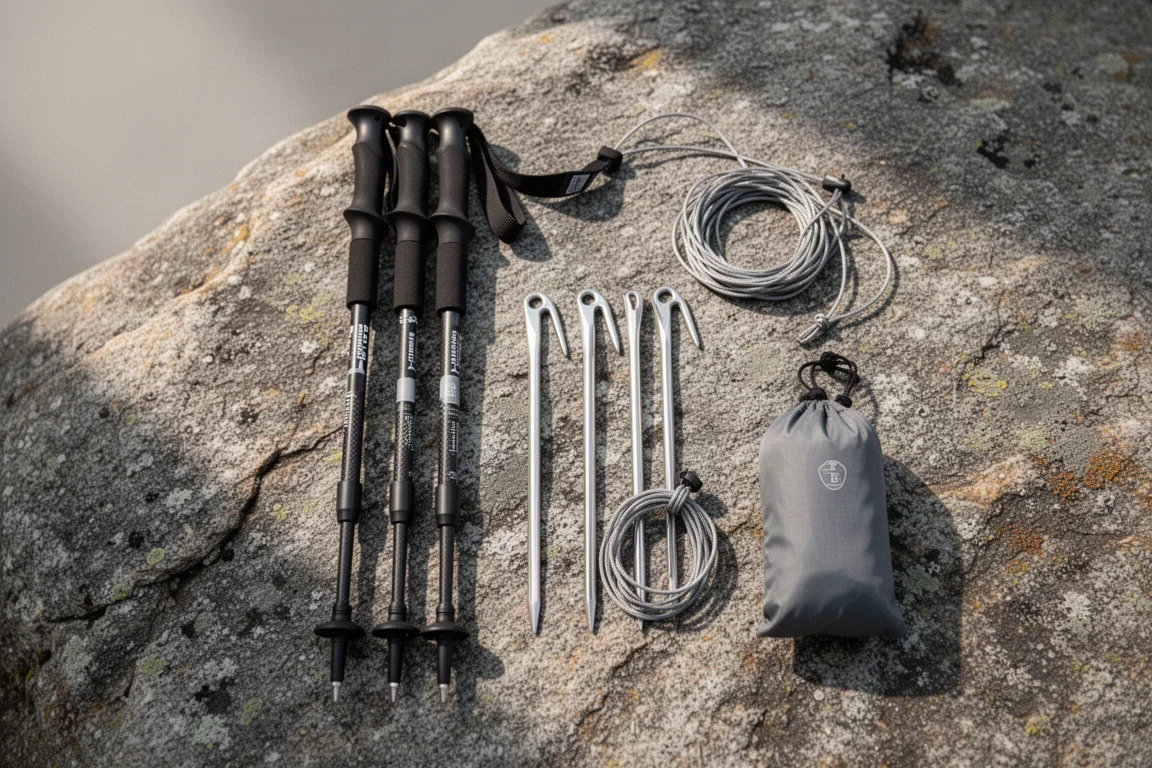
Get past that and this is a strong balance of design, price, headroom, and weight, which is why it reads as the most well-rounded shelter in the group.
Outdoor Vitals 40s Tent: The Honorable Mention
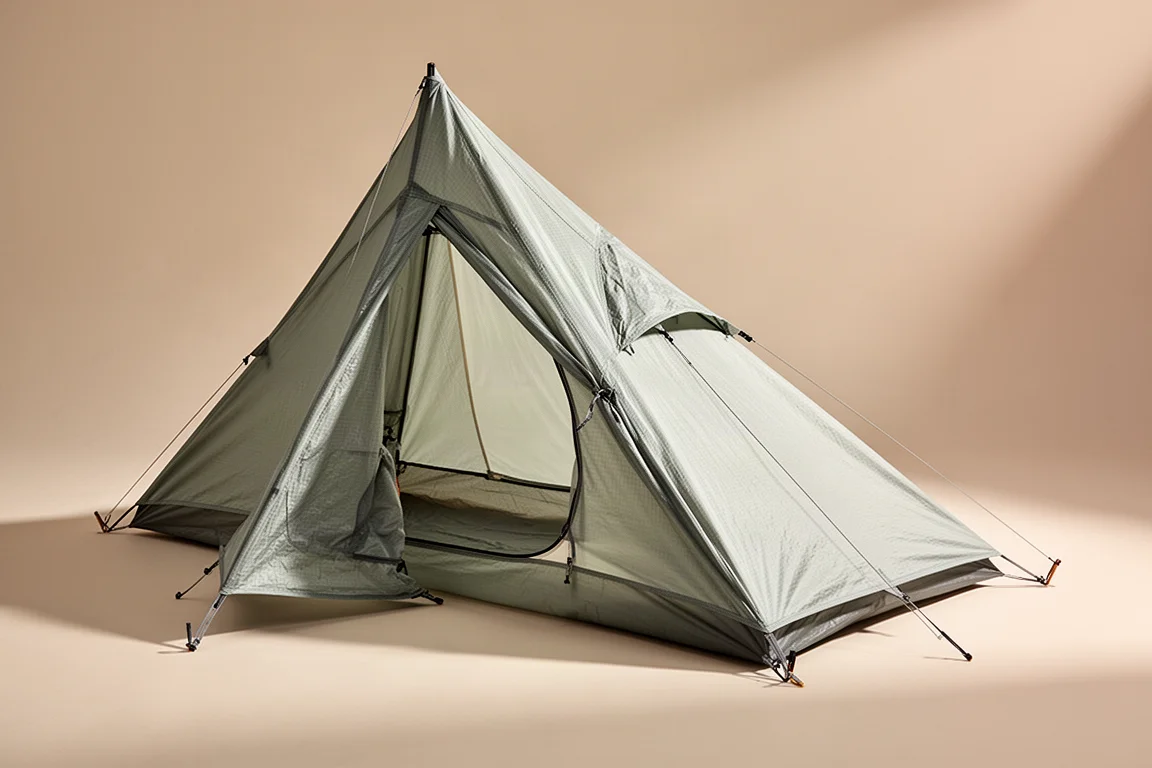
The Outdoor Vitals 40s tent is a decent shelter that is hard to place. It is not the lightest, the roomiest, the least expensive, or the most innovative option here. Its design is close to the Gossamer Gear The One, and it costs about $10 less, but it is also about 4 oz heavier, which is a significant difference at this weight class.
Two things stand out. The open mesh at the back makes the interior feel more open, though it also makes the vestibule effectively unusable because you cannot reach it. And at 28 in wide, the floor fits a full rectangular wide pad, which matters if you would rather not switch to a tapered pad.
Overall Buying Advice
Match the tent to the constraint that actually affects your trips. Weight, interior volume, price, and pitching simplicity rarely peak in the same design, so decide which one you are least willing to compromise.
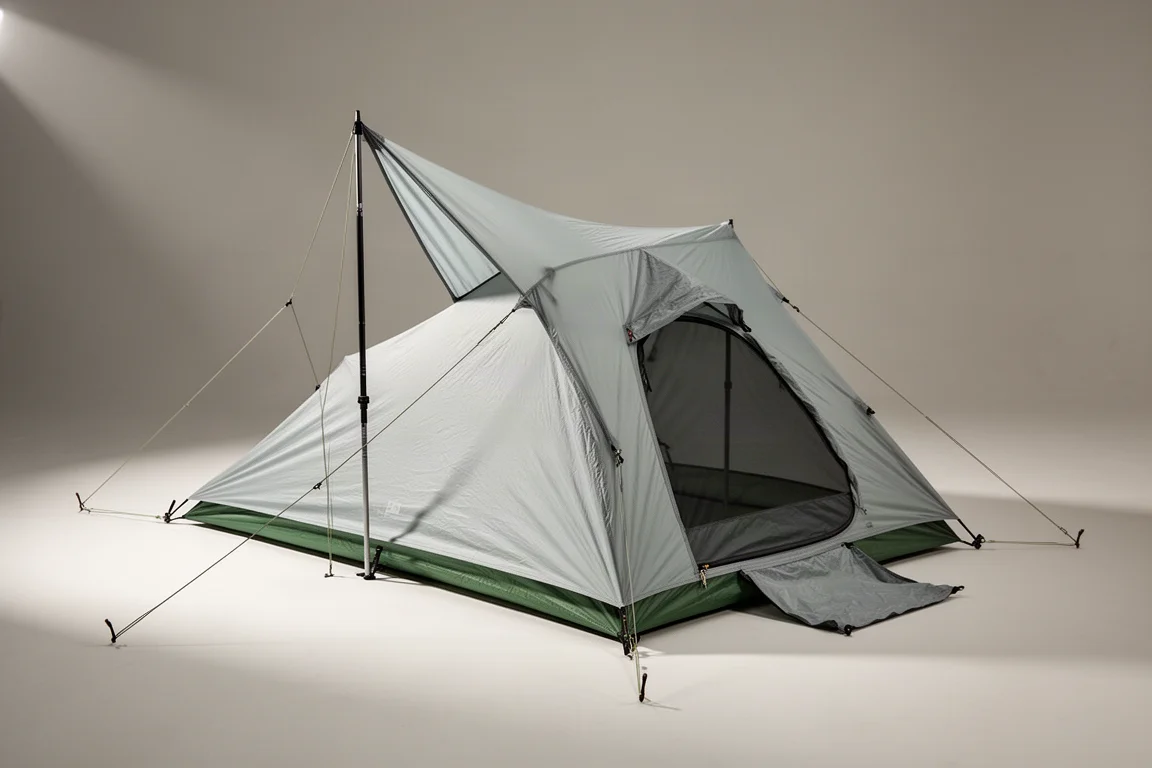
If minimum weight is the goal and budget is secondary, the Zpacks Plex Solo is the lightest option, while the Durston X-Mid Pro 1 adds headroom and cleaner door geometry for roughly the same money. If you want space for gear, a dog, or simply more room to move, the Six Moon Designs Lunar Solo is the most generous interior here. If value matters most, the LanShan 1 Pro is the cheapest route in, provided you are comfortable sealing it yourself. And if you want one tent that balances weight, price, and headroom without a standout weakness, the Gossamer Gear The One is the easiest recommendation, with the Outdoor Vitals 40s tent worth a look if a wide rectangular pad is a priority.
If you are unsure, start with the tent that has the fewest drawbacks for your typical trip rather than the one with the best single number. A shelter you enjoy pitching and sleeping in is worth more than a few ounces saved.
Conclusion
All six of these tents are ultralight, single-person, trekking pole shelters, and any of them will cut meaningful weight from a pack. The differences come down to priorities: the Plex Solo for the lowest possible weight, the Lunar Solo for interior space, the LanShan 1 Pro for the lowest price, the X-Mid Pro 1 for the most refined design, The One for the best overall balance, and the Outdoor Vitals 40s tent as a wide-pad alternative.
Check the details that carry hidden costs before you buy: whether the tent ships seam sealed, which materials it uses, and how many stakes it needs to pitch. Those three answers will tell you more about day-to-day ownership than the headline weight alone.
Further reading
Related Reviews
Backpacking Tents
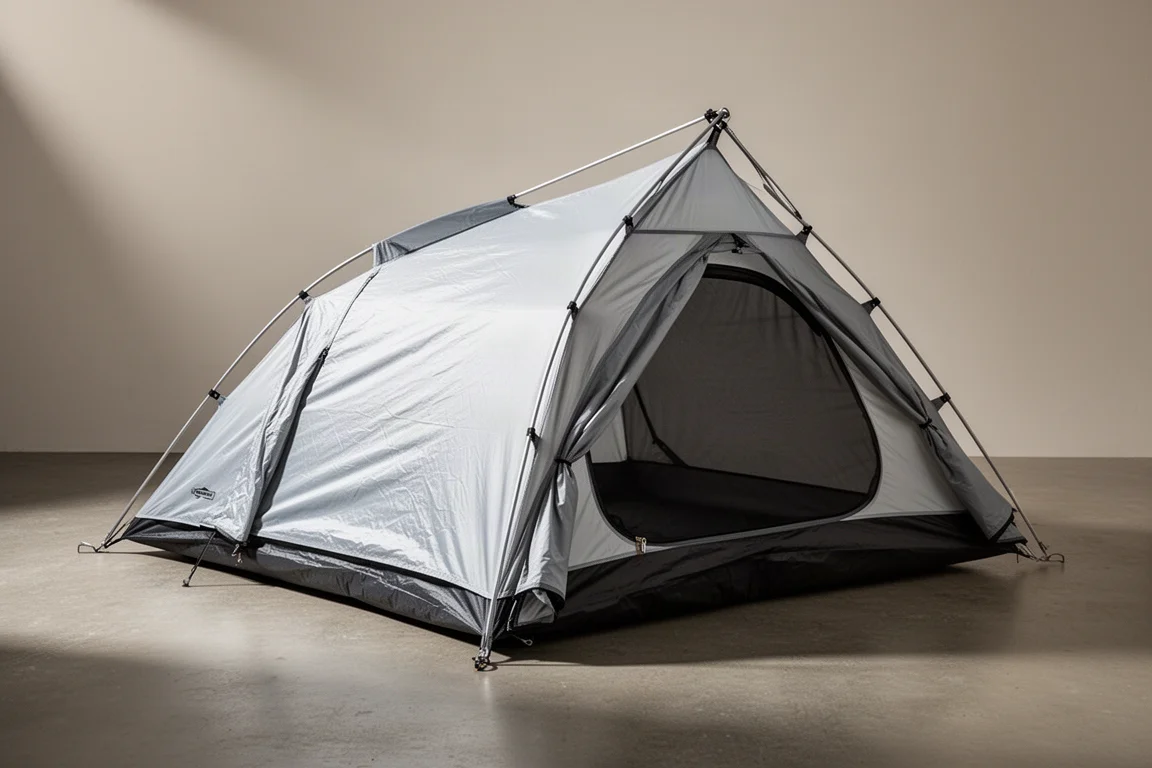
3F UL Lanchan Pro 1 Review: A 1 lb 8 oz Single-Wall Trekking Pole Tent
A practical look at the 3F UL Lanchan Pro 1, a single-wall trekking pole shelter with a 1 lb 8 oz weight, 20D silnylon fabrics, and a roomy 90 x 31 x 49 inch interior.
Backpacking Tents
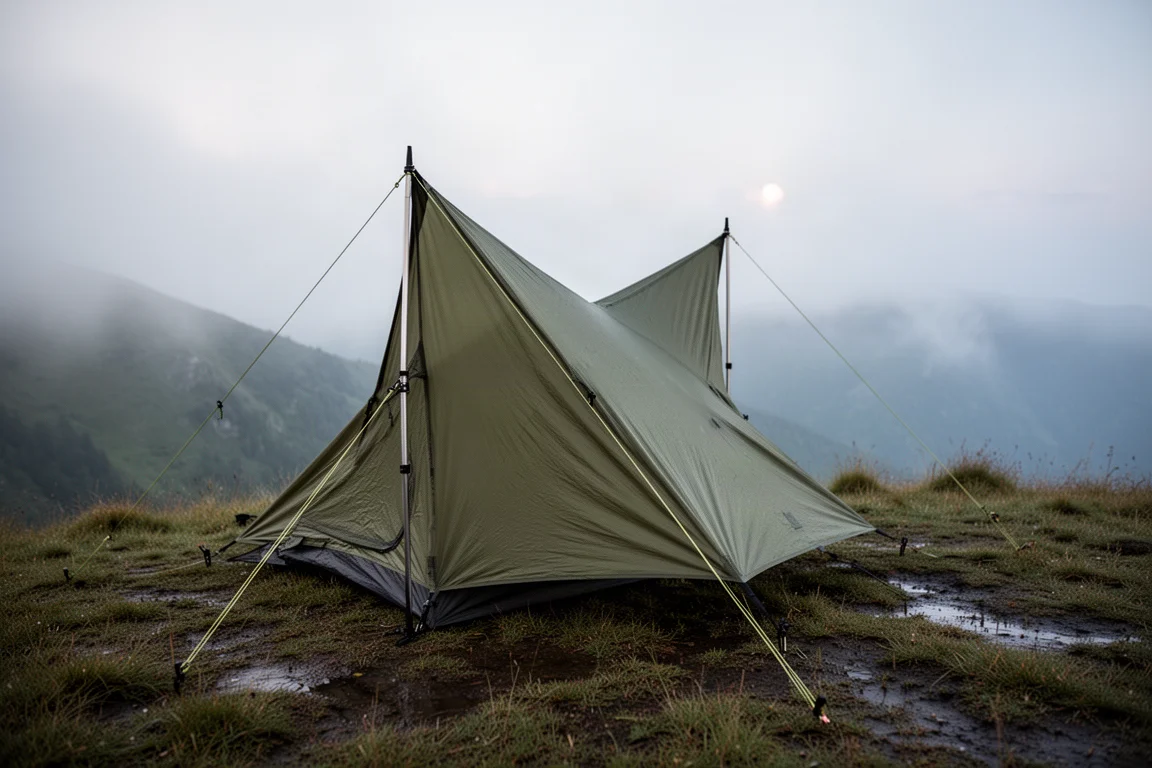
3F UL Taiji 2-Person Tent: A Convertible Backpacking Shelter Worth a Closer Look
A practical look at the 3F UL Taiji two-person tent, covering its materials, true two-person interior, fly-first pitching, and the seasonal inner swap that lets one shelter cover more of the year.
Backpacking Tents
3FUL Lanshan Twoerson Pro Review: A Light Trekking Pole Shelter That Struggled in Rain
A two-person trekking pole shelter with a 2026 redesign, pitched with sticks and put through a night of steady rain. Here is what worked, what did not, and what to check before buying.