Camping Gear
Best Ultralight Camp Gear 2026: Seven Small Essentials Worth Packing
Seven lightweight camp essentials that earn their place in a pack, from a 2 g tent stake set to a clamshell ditty bag and a battery-free sleeping pad pump.
Introduction
Small pieces of camp gear rarely get the attention that tents and sleeping bags do, but they often decide whether a trip feels smooth or fiddly. Some gadgets end up buried at the bottom of a gear bin after a single outing. Others quietly earn a permanent place in the pack.
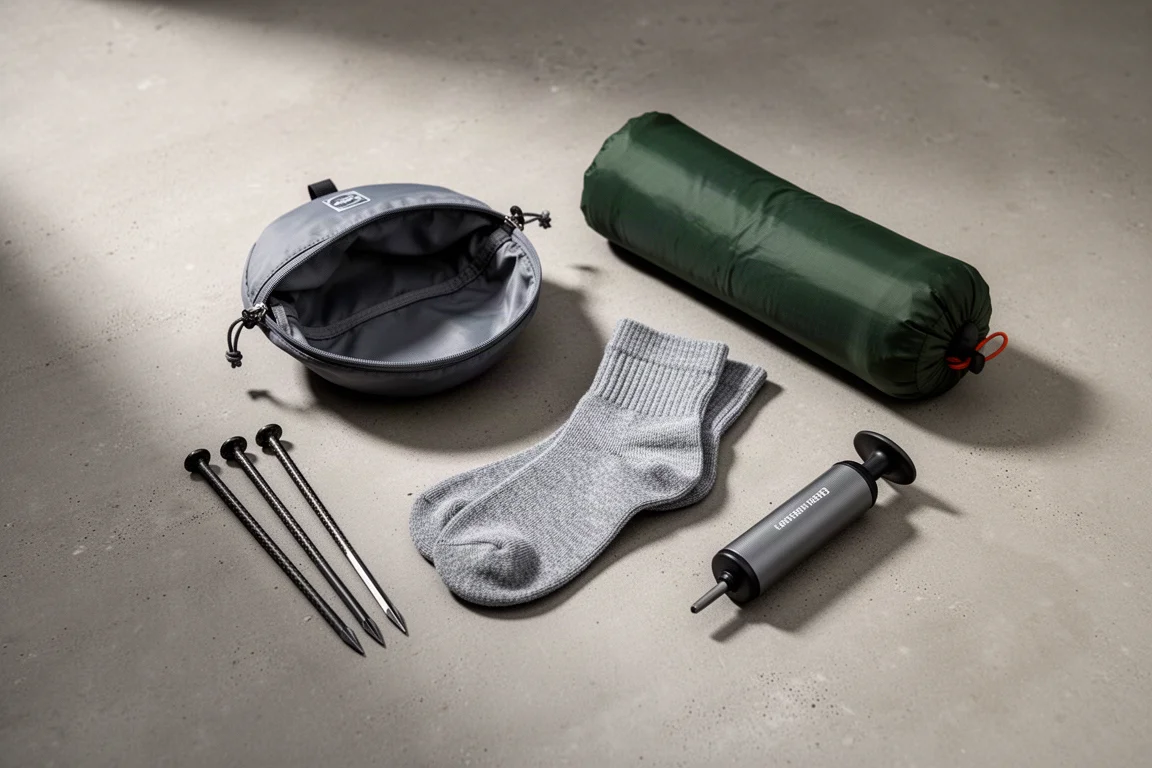
The seven items below fall firmly into the second group. They range from a sleeping pad pump that removes the need for breath inflation to a clamshell ditty bag that lays flat so nothing gets lost in the dark. Each one solves a specific, recurring problem, and each one has been carried across a range of trips and seasons rather than tried once.
How These Items Were Chosen
Weight matters, but it is not the only measure. Every item here had to justify itself on four fronts: how much it weighs for what it does, how well it holds up to repeated use, how easy it is to deploy in the field, and whether it replaces a task that would otherwise be slower or more annoying.
That last point is what separates a genuine upgrade from a novelty. A 2 g tent stake is only impressive if it holds in wind and rock. A 27 g ditty bag is only worth carrying if it makes a tent interior more usable. Durability and real field behaviour were weighed just as heavily as the number on the scale, and preference went to items that stayed useful across three-season and winter trips alike.
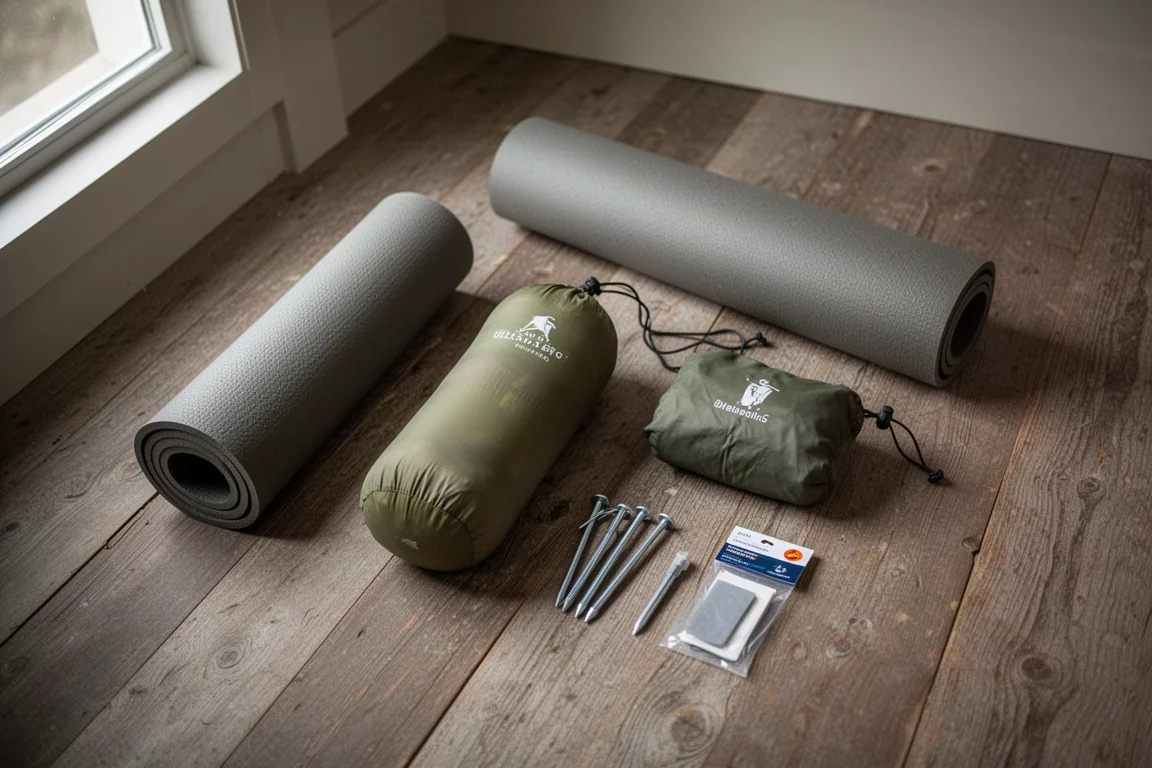
The result is a short list that leans ultralight without being fragile, and none of these items is so delicate that it needs to be left at home on a rough trip.
Best Ditty Bag: Space Bear Bags Magic Bag
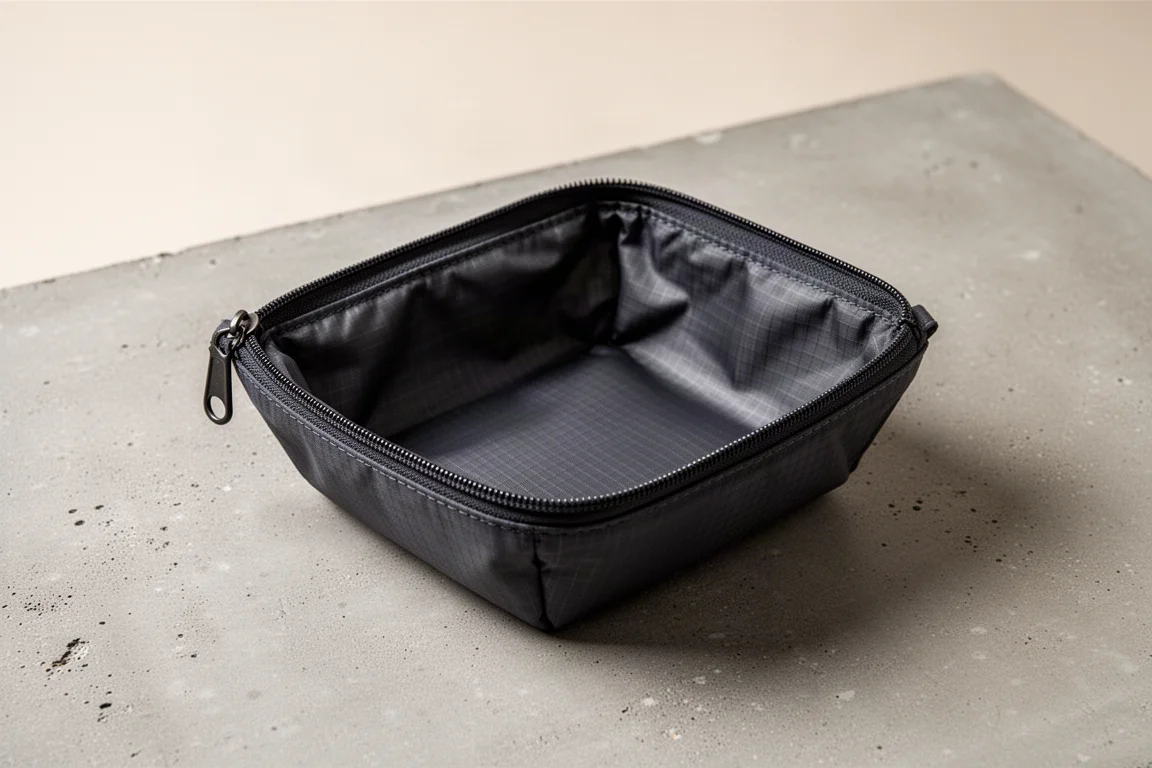
The Magic Bag works like an ordinary ditty bag when it is partly unzipped: reach in, pull out what is needed, close it up again. The difference is the clamshell opening, which unzips fully so the bag lies flat and opens into a shallow bowl on the tent floor.
That shape is what makes it useful at night. Everything inside stays contained but becomes visible at once, so earplugs, lip balm or anything else needed in the dark can be found by feel without emptying the bag onto the floor. At 27 g it is heavier than a zip-top bag or a stripped-down ultralight stuff sack, and that is the honest trade-off. What it buys is a tidier tent and far less rummaging, which is why it has travelled on nearly every trip since it arrived, including trips where every other gram is scrutinised.
Best Sleeping Socks: Farpoint Duo Alpha Direct Socks
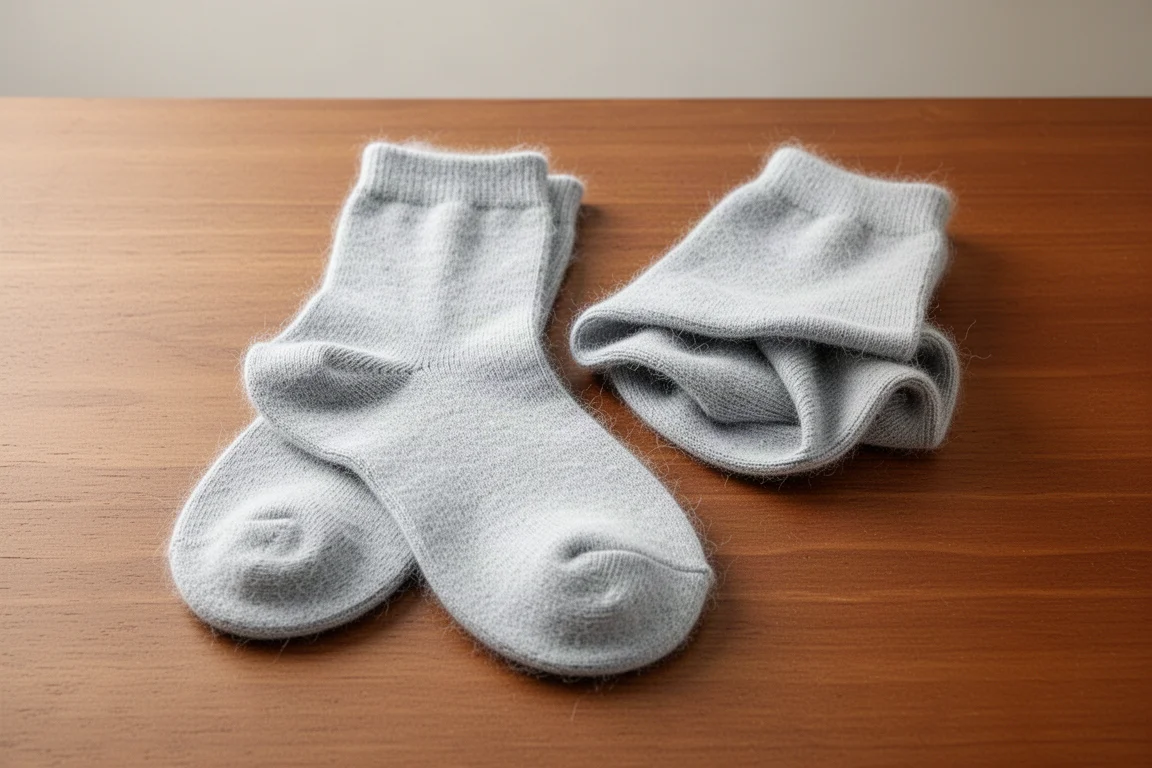
Alpha Direct has become a favourite material for sleeping socks because it balances warmth, breathability and durability well. The Duo takes a different approach: instead of a single layer of 90 gsm fabric, it stacks two 60 gsm layers and sews them together at several points.
The result is warmer than a single 90 gsm sock and, in practice, warmer than a 120 gsm sock as well. Part of that comes from the lofted fibres trapping air, and part from the additional air held between the two fabric layers. The pair weighs just under 30 g, which keeps it firmly in ultralight territory while still delivering enough insulation for cold nights in the Canadian Rockies.
Best Pack Liner: ZenBivy Pack Liner
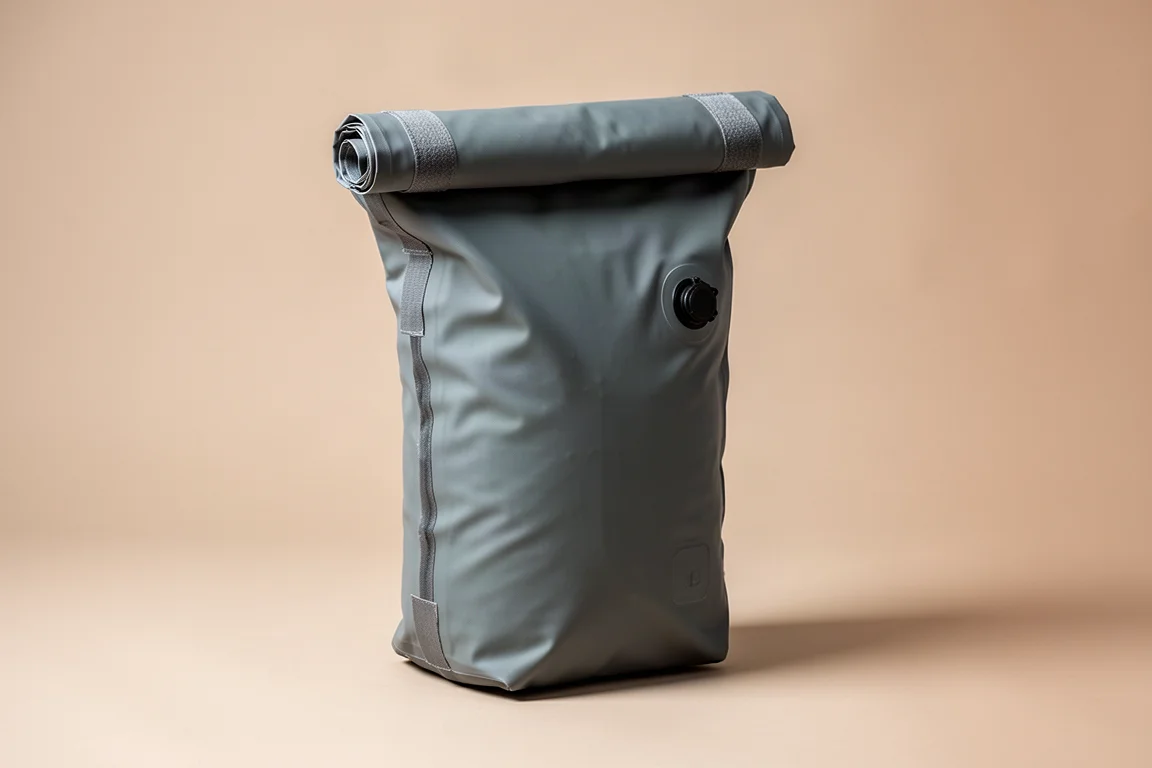
The ZenBivy Pack Liner is a roll-top bag shaped to sit neatly inside a backpack rather than bunching at the bottom. It comes in medium and large, and matching the size to the pack makes a real difference: the large suits bulky winter packs, while the medium fits better in slimmer three-season packs used during shoulder seasons.
Its distinguishing feature is a one-way valve. Load gear, give the roll top three to five twists, cinch it, then press the air out. The valve lets air escape but does not let it back in, so the bag stays compressed. For winter sleeping bags and bulky layers, that reclaimed volume translates directly into room for food or extra insulation.
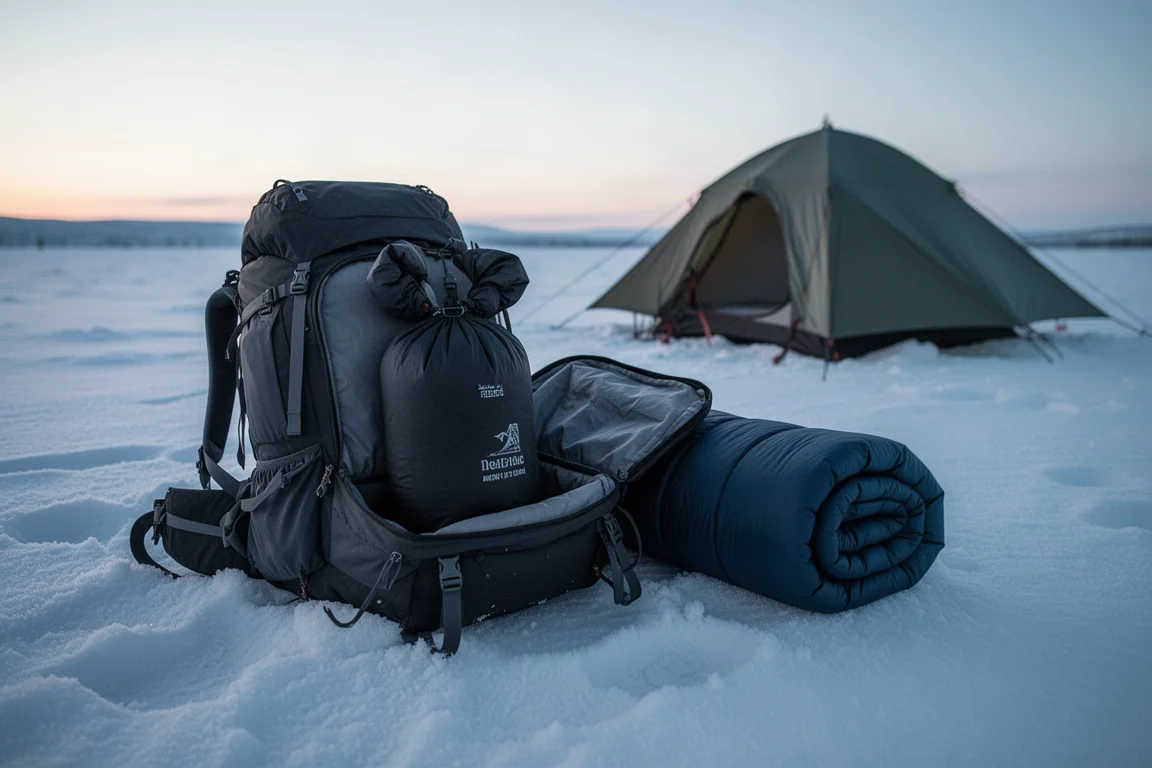
The material and taped seams are waterproof, so the liner can be set down on snow or used on canoe and water trips without soaking the contents. On winter trips, two large liners cover a full system: one for the sleep setup and one for clothing.
Best Ultralight Tent Stakes: Pachulama 2g Tent Stakes
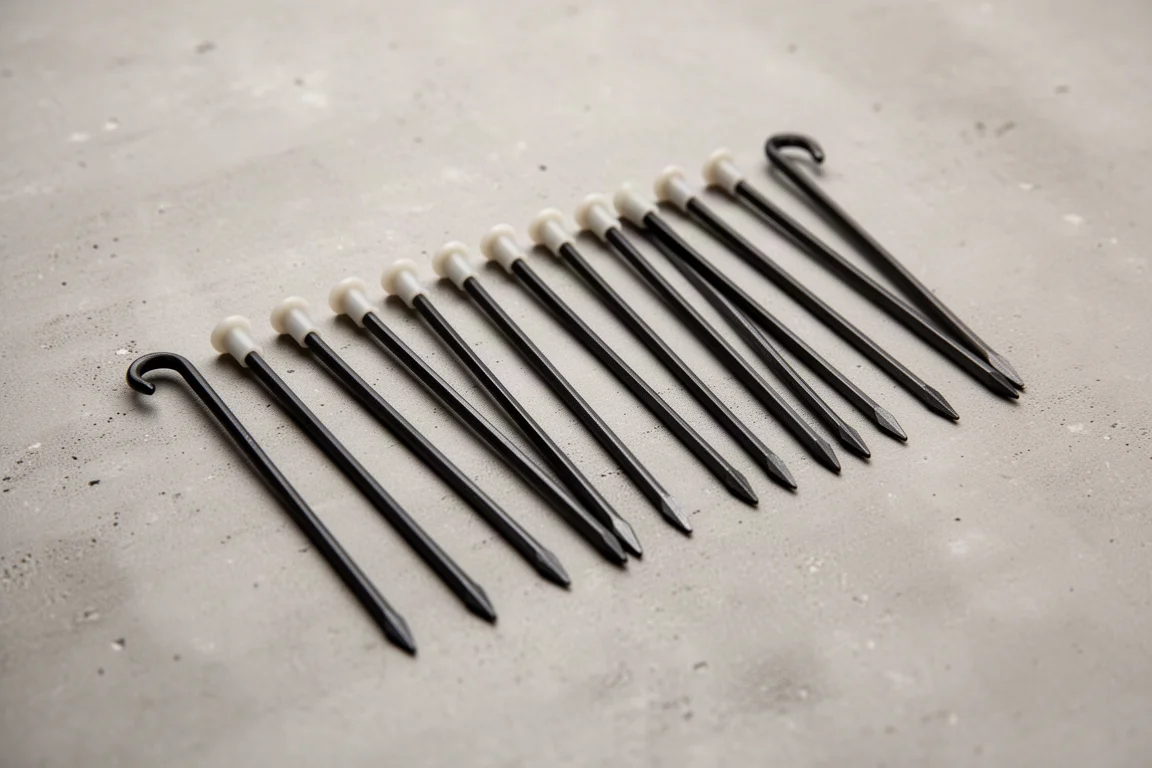
The Pachulama stakes pair a solid carbon fibre shaft with a small plastic cap at the top. At roughly 2 g each they are the lightest stakes in this list, and the more they are used, the more the design holds up.
Holding power is the surprise. They have performed well across a wide range of soil types, and the narrow profile slides into the ground easily, including rocky ground where bulkier stakes sometimes have to be hammered in. Durability has been solid too: the tips have not broken, and the plastic cap has tolerated light taps without splitting. They have graduated from secondary tie-out points to main stakeout duty, including the four corners of a tent, with heavier stakes reserved for guy lines where maximum storm resistance is wanted. Sets of ten are available.
Best Sleeping Pad Pump: Outzac Pico Pump
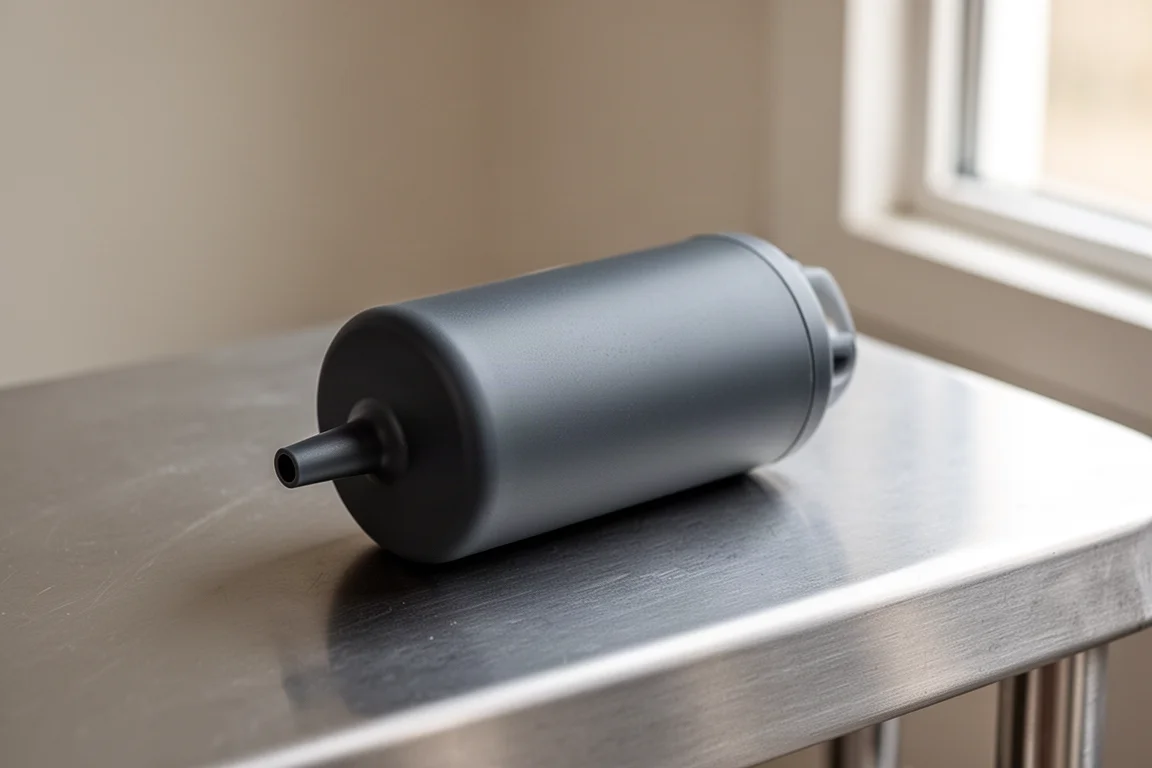
Pad pumps have improved dramatically in recent years, and the Outzac Pico Pump is the one that balances weight and performance best. At 26.2 g it carries no internal battery, which keeps it light, yet it is powerful enough to inflate a sleeping pad to essentially full firmness quickly and relatively quietly.
That last detail matters. With the sub-10 g pumps, a breath or two is usually needed at the end to get a pad properly firm. The Pico removes that step.
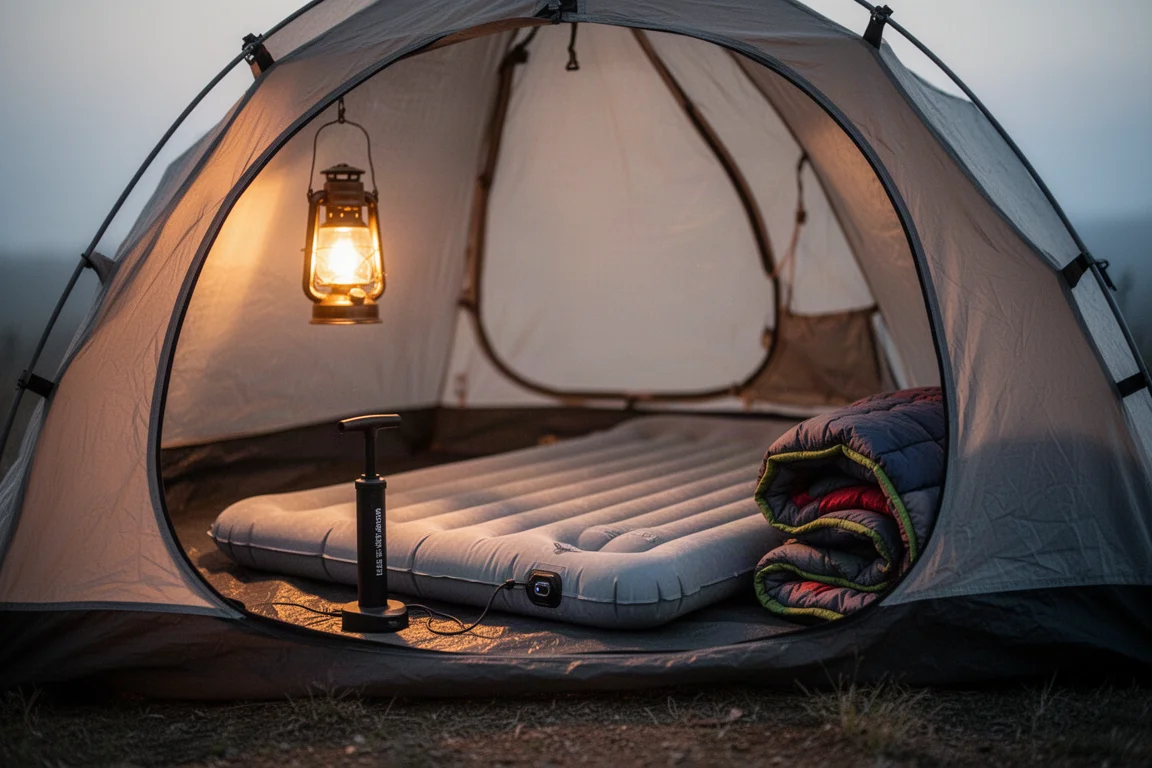
The trade-off is straightforward: a little more weight in exchange for a pad that ends up firm without extra breaths, and a pump that stays quiet relative to its output.
Best Repair Kit: Ignous Gear Repair Kit
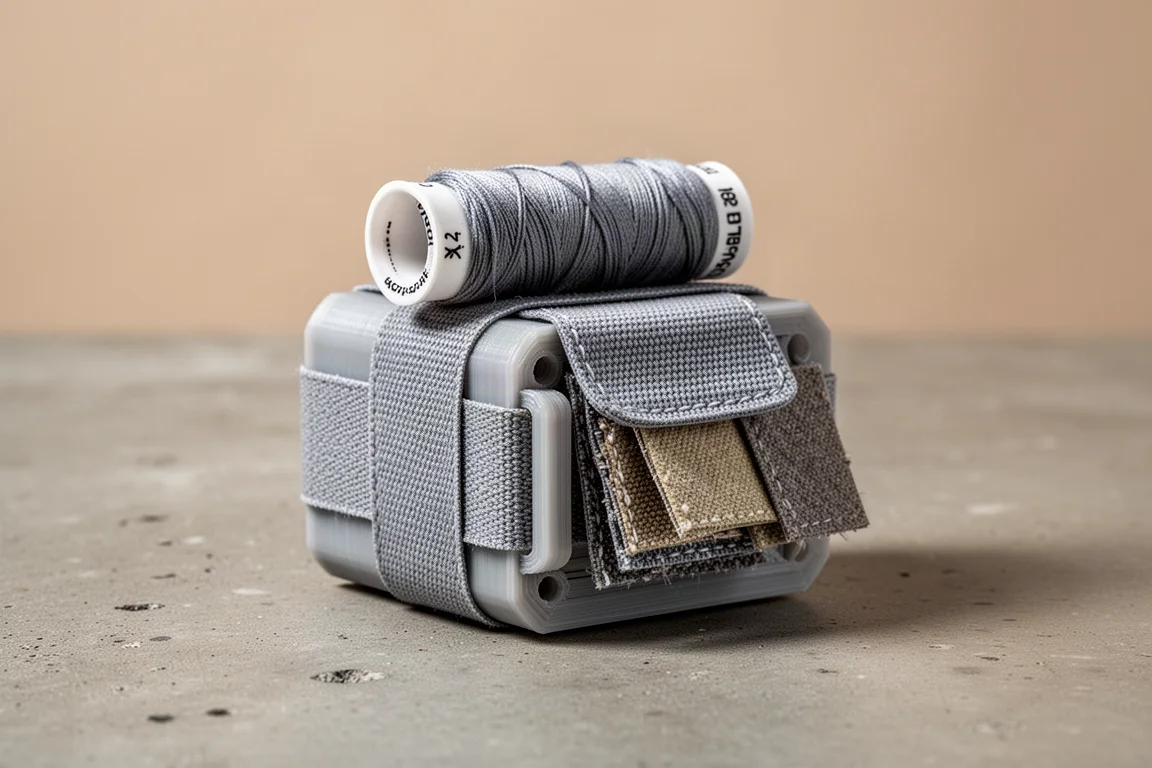
The Ignous kit is built around a 3D printed plastic core wrapped with Gorilla tape, which is strong enough to splint a broken trekking pole. A flap at the base holds repair patches, the kind used to seal a ripped quilt and restore its downproofing, and they work equally well on tent fabric. A second flap holds needles, with thread wound around the top of the unit for sewing repairs such as a hole in trousers or a pack seam that has come apart.
At around 30 g it covers the overwhelming majority of failures that happen in the backcountry. The hidden compartments are a neat piece of design, and the kit has already earned its place by fixing a snapped trekking pole and a leaking quilt on recent trips.
Best Pot Lid Upgrade: Peak Outdoors Paid v2
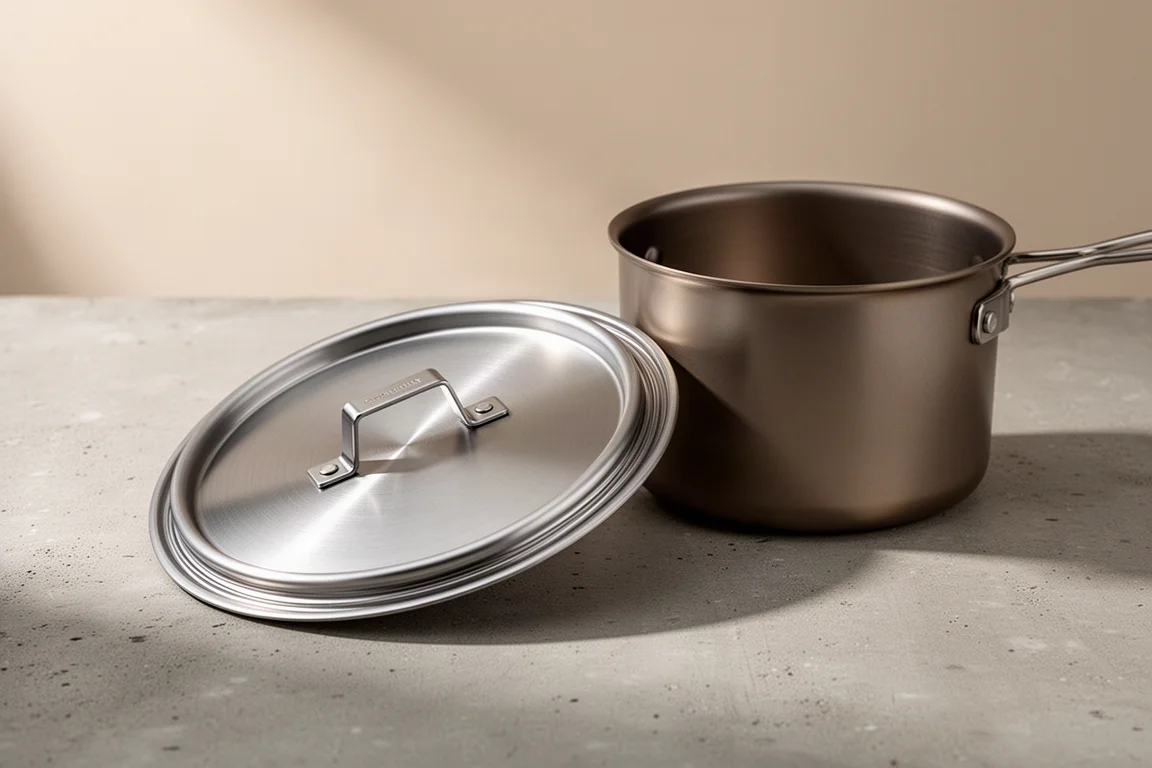
The Peak Outdoors Paid is a lightweight pot lid, and it is back in stock in a version two that is slightly lighter and more heat resistant than the original.
Thick-rimmed pots can make the lid stubborn to remove. The trick is to squeeze the lid slightly in line with the tabs, lift one tab free, then twist it off the pot. That approach avoids putting pressure on the tabs themselves and keeps the lid intact. Forcing it when it resists is the fastest way to break it. With thicker pots the fit also loosens after 20 or 30 uses, and some users file down the teeth slightly to speed that up.
Overall Buying Advice
Priorities depend on where a kit currently falls short. If weight and packability come first, the tent stakes and the repair kit deliver the most capability per gram. Stakes are used on every pitch, and a repair kit is the only item here that can rescue a trip that has already gone wrong.
For comfort, the sleeping socks and the ditty bag are the two that change how a night feels. Warmer feet and a tent corner where everything is visible cost very little weight. The pack liner sits in a different category: it is heavier and best reserved for shoulder-season and winter trips where bulk, not grams, is the problem.
A sensible order is stakes, repair kit, then whichever comfort item matches the conditions usually camped in. Anyone who regularly sleeps in cold conditions should look at the socks first, while anyone who spends winter nights out should start with the liner.
Conclusion
Three items stand out. The Pachulama stakes take top honours for holding power, durability and weight, having held up across rocky ground, campsites and storms without a single failure or pull-out. The Space Bear Bags Magic Bag is a close second for pure design: simple, light at 27 g, and far more usable than a conventional ditty bag. The Ignous repair kit rounds out the podium for compactness and the range of problems it can solve for around 30 g.
None of these are gimmicks, and none of them require a change in how a trip is planned. They simply make the small, repetitive parts of camp life quicker and less frustrating, which is exactly what a good gadget should do.
Further reading
Related Reviews
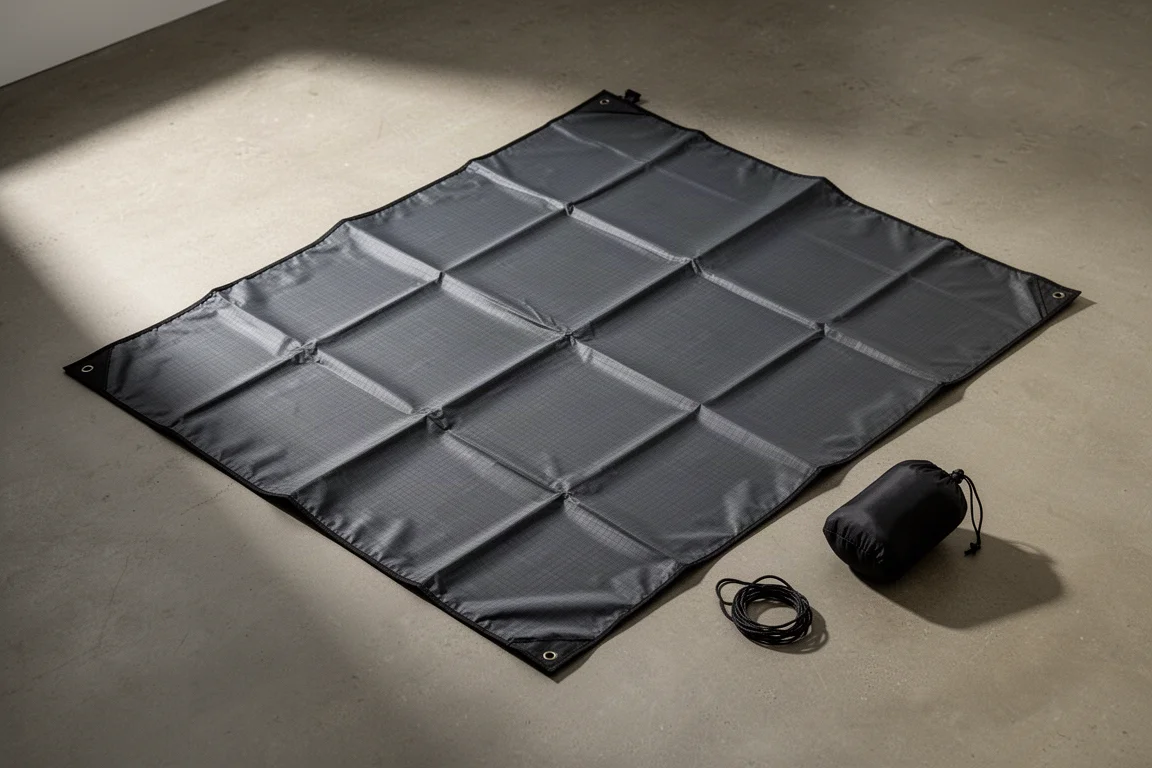
Camping Gear
3FUL Ultralight Ground Sheet Review: A Two-Person Footprint Worth Packing
A 6.7 oz two-person ground sheet in ripstop silnylon, priced around $30. Here is what it protects, what it does not do, and who should pack it.
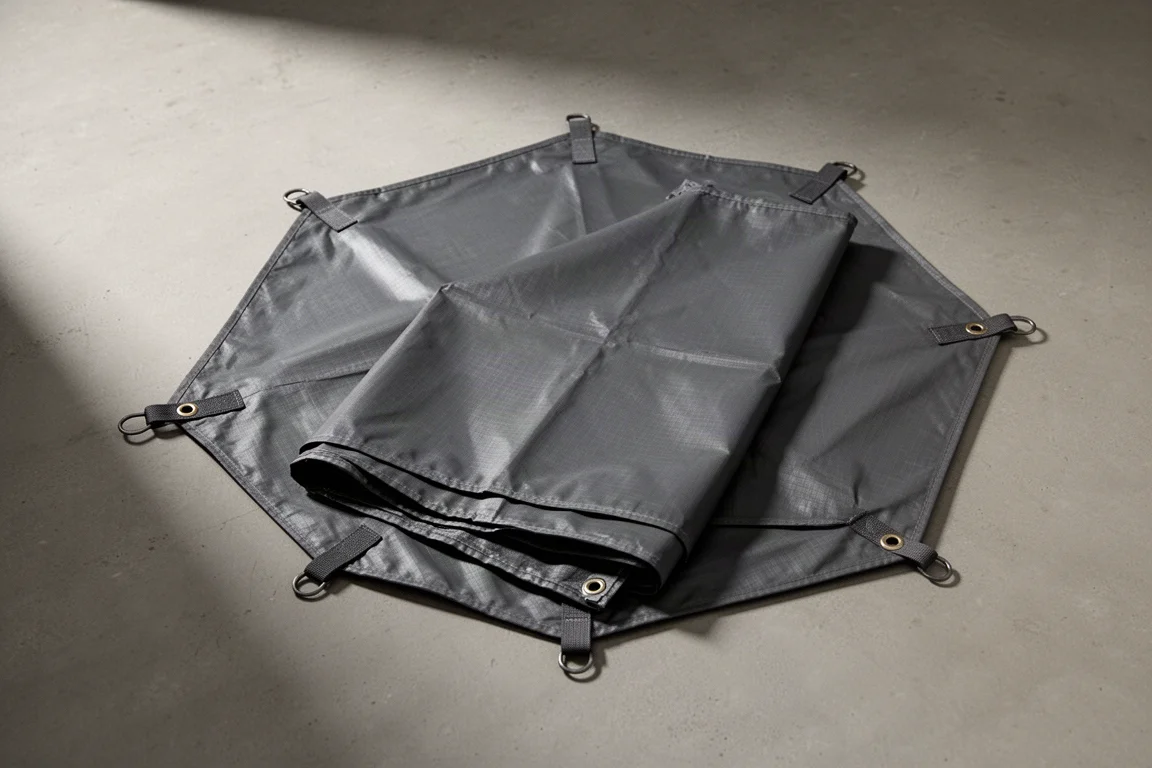
Camping Gear
Backcountry Light Dual-Function Tarp and Floor Review: A Footprint First
A dual-purpose tent floor and tarp that keeps falling rain off you, but cannot block wind. Here is where it works and where it does not.
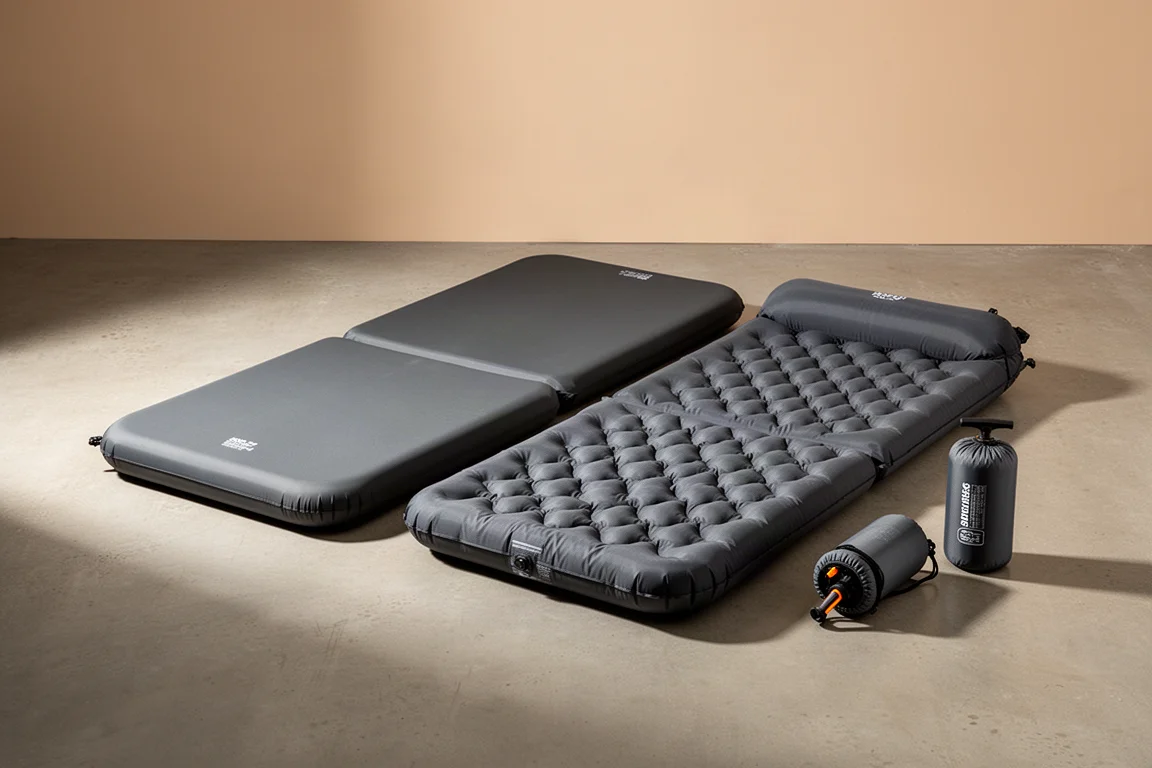
Camping Gear
Best 2-Person Camping Mattresses for Couples: 10 Options Compared
A practical comparison of ten two-person camping mattresses, covering self-inflating pads, air pads and air mattresses for couples.