Backpacking Tents
Best Ultralight Backpacking Tents: 7 Shelters for Thru-Hikes and Weekend Trips
A practical look at seven ultralight backpacking tents, from sub-20-ounce Dyneema shelters to a sub-$200 budget option, and the trade-offs that matter most.
Introduction
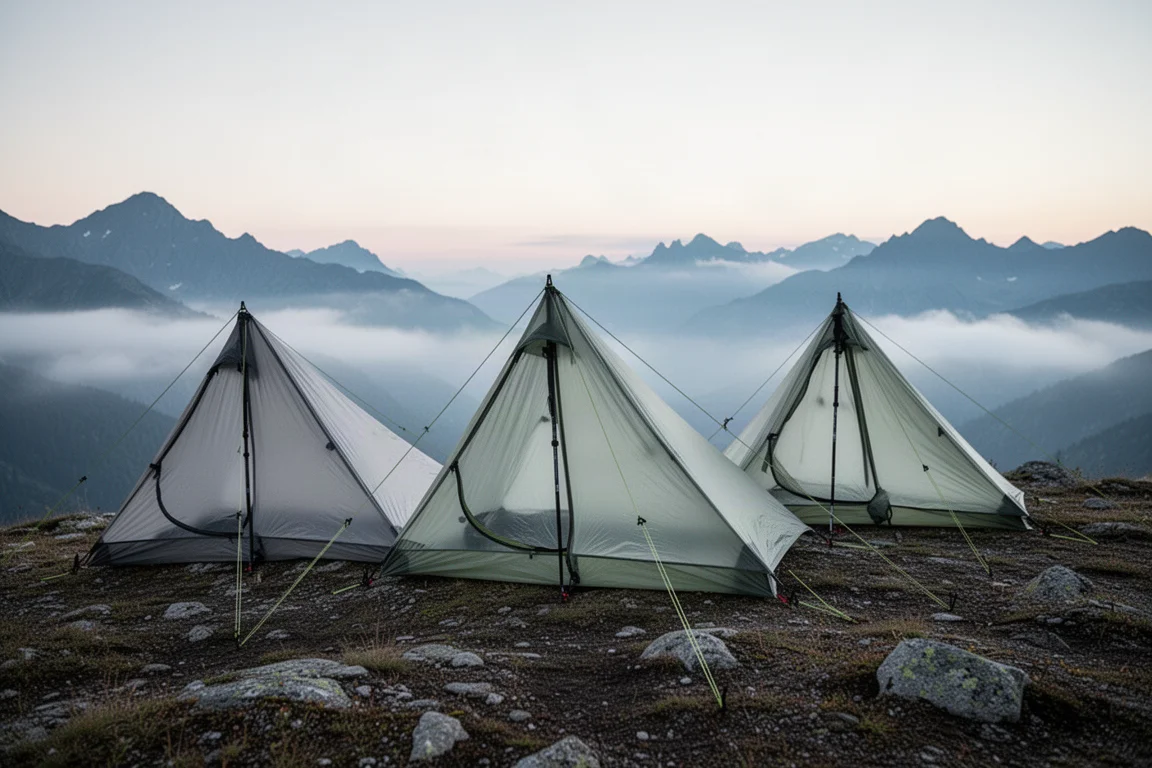
Choosing an ultralight backpacking tent usually comes down to a handful of trade-offs: packed weight, interior room, how the shelter handles condensation, and price. The seven tents below cover a wide spread of those priorities, and several of them come from the same family of Dyneema shelters, which makes the differences between them easier to see.
Two things are worth knowing up front. First, most of the lightest two-person designs here weigh a little over a pound and stay under one and a half pounds. Second, a few of the models in this list are no longer sold new, and their closest current equivalents are noted alongside them.
What to Look For in an Ultralight Backpacking Tent
Start with weight and packed size, then look at how the shelter is built. Single-wall designs save weight by removing a separate inner tent, which makes ventilation and condensation management the main things to watch. A bathtub floor with a mesh border around it helps here: condensation that forms on the inside of the wall runs down and drains through the mesh instead of pooling where you sleep.
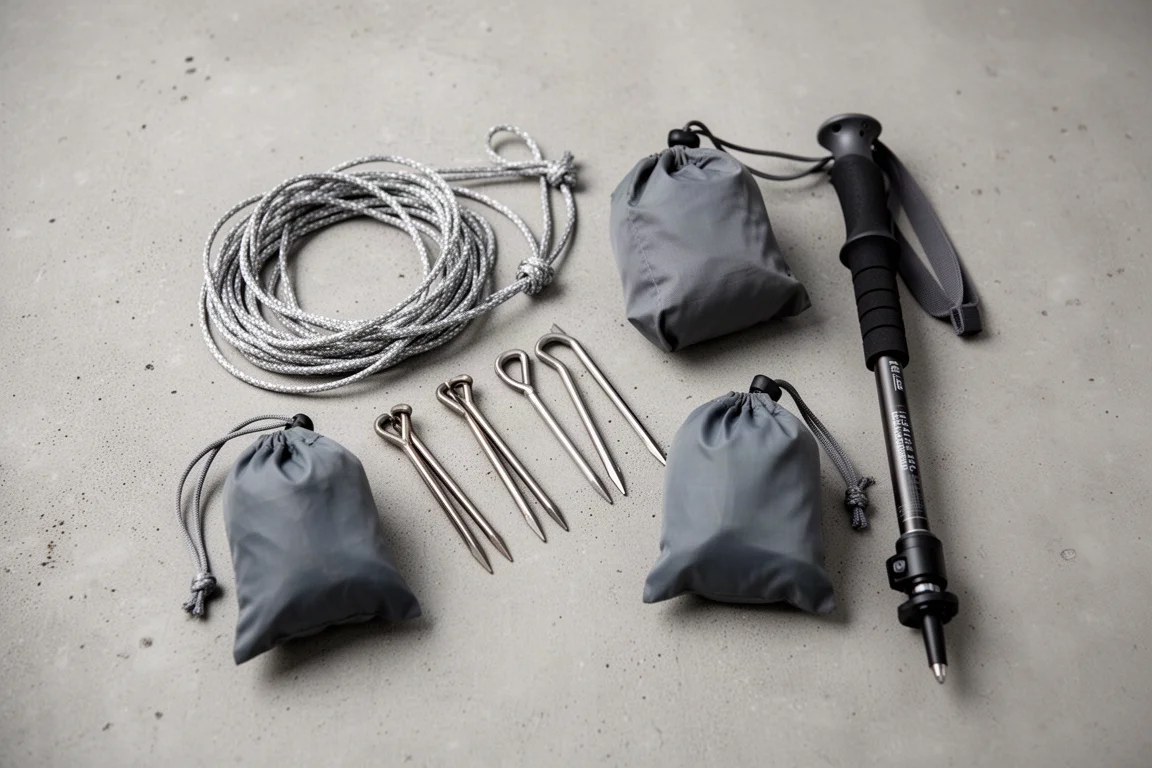
Door and vestibule design matters more than it first appears. Zippered vestibules cut down on wind intrusion and reduce the flapping noise that comes with a bungee-and-toggle closure. Mesh door shape affects how easy it is to get in and out, and whether you have to think about which way to orient the tent when you pitch it.
It is also worth deciding whether you are willing to pitch with trekking poles. Most of the shelters below require them, which is part of how they stay so light, but freestanding alternatives with lightweight poles do exist if that is a priority for you.
Zpacks Duplex Zip: The Long-Time Favorite
The Duplex Zip is a two-person, single-wall shelter made from Dyneema composite fabric, a material that is both strong and waterproof. Because the fabric is so durable, no ground sheet is needed underneath, which removes both a piece of gear and a bit of pack weight.
Its defining change from earlier Duplex versions is the zippered vestibule doors, which replace a bungee cord wrapped around a plastic toggle. The zippered closure keeps more wind out and produces noticeably less noise when the tent is whipping in a gust. The rest of the layout is familiar: a vestibule and a zippered mesh door on either side, a bathtub floor, and the mesh border around that floor that lets condensation drain away.
Two-person Zpacks designs in this family generally land just over a pound and comfortably under one and a half pounds. The Duplex Zip is no longer sold new, and the Duplex Pro has effectively taken its place.
Zpacks Duplex Pro: The Current Two-Person Pick
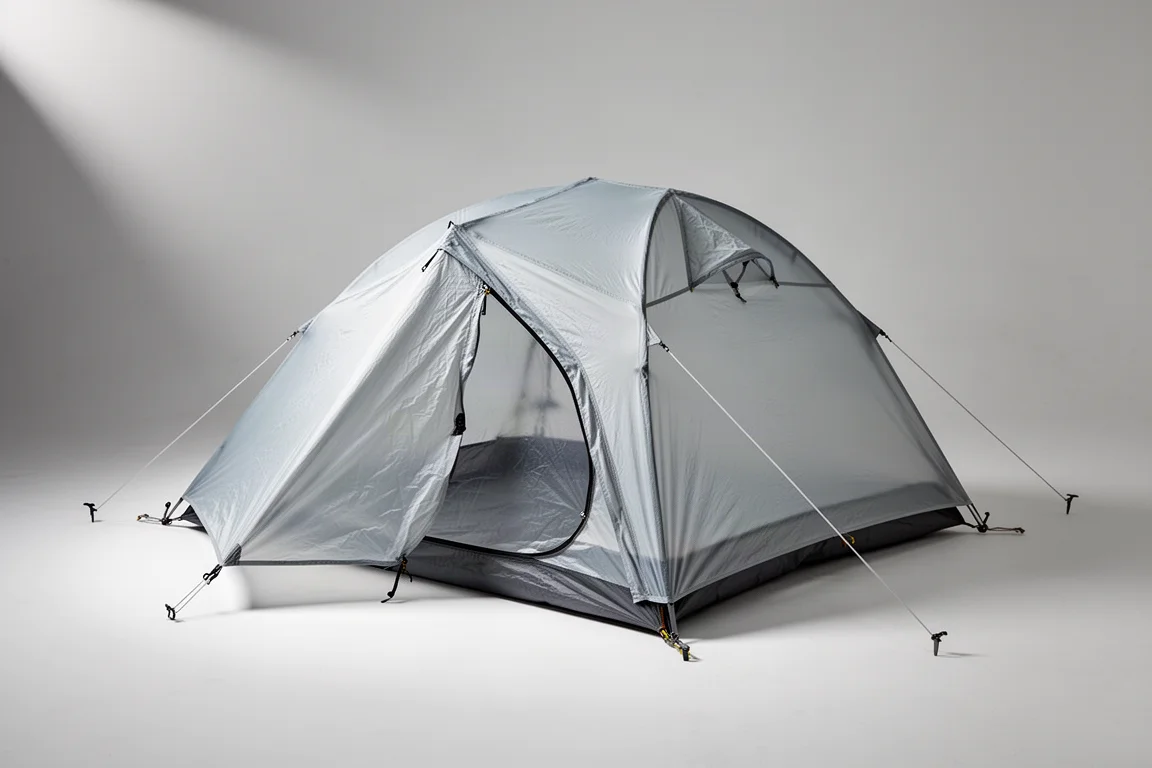
The Duplex Pro is the closest thing to a direct successor to the Duplex Zip. It weighs 19.5 ounces, a difference of just 0.1 ounces, and keeps the same overall two-person, single-wall, Dyneema construction with a bathtub floor and a vestibule on each side.
The meaningful change is in the mesh doors. Instead of half-moon openings, the Pro uses double L zipper doors. That makes it easy to exit on whichever side you prefer, and it means you do not have to worry about where the mesh opening sits relative to your head when you pitch the tent.
Zpacks Duplex L: Extra Length for Taller Hikers
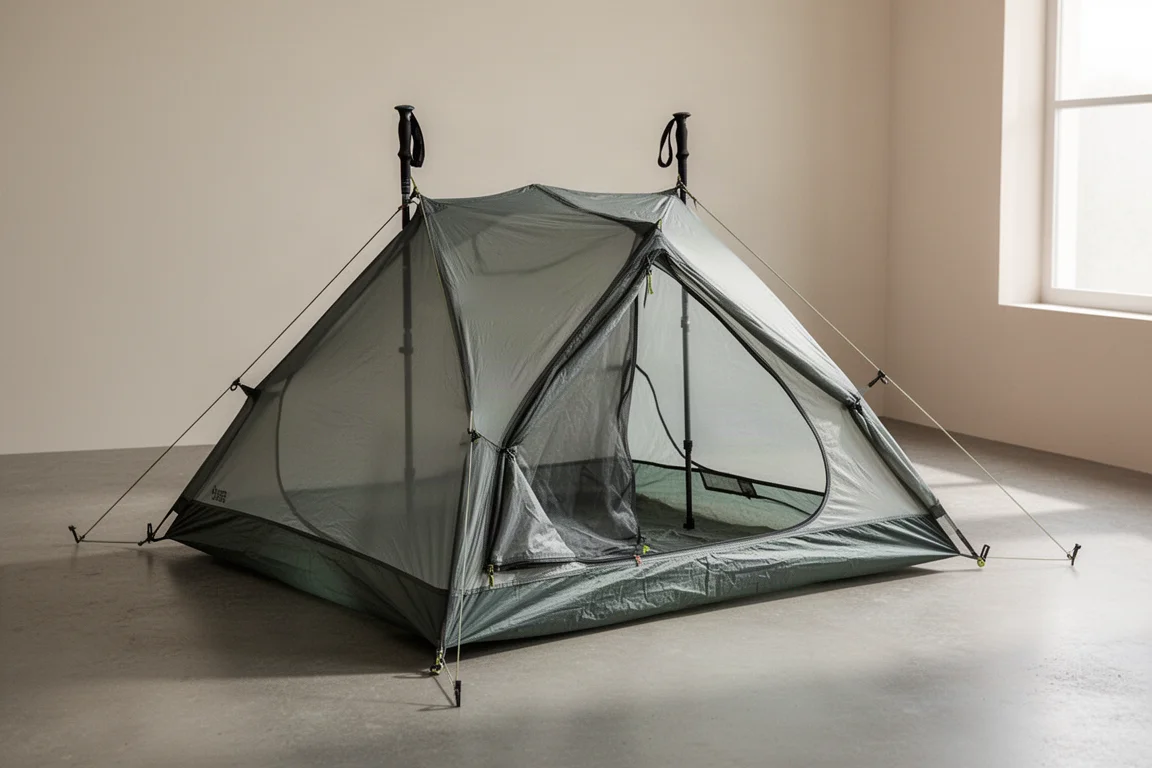
The Duplex L takes the standard Duplex design and adds head and leg room. For taller hikers, that extra length is the difference between stretching out and curling up, and it also helps keep a sleeping bag from pressing against a dewy tent wall overnight.
Like the Duplex Zip, the Duplex L is no longer offered for sale. The Duo Pivot is the model that has taken its place in the lineup.
Zpacks Duo Pivot: A Roomier Two-Person Shelter
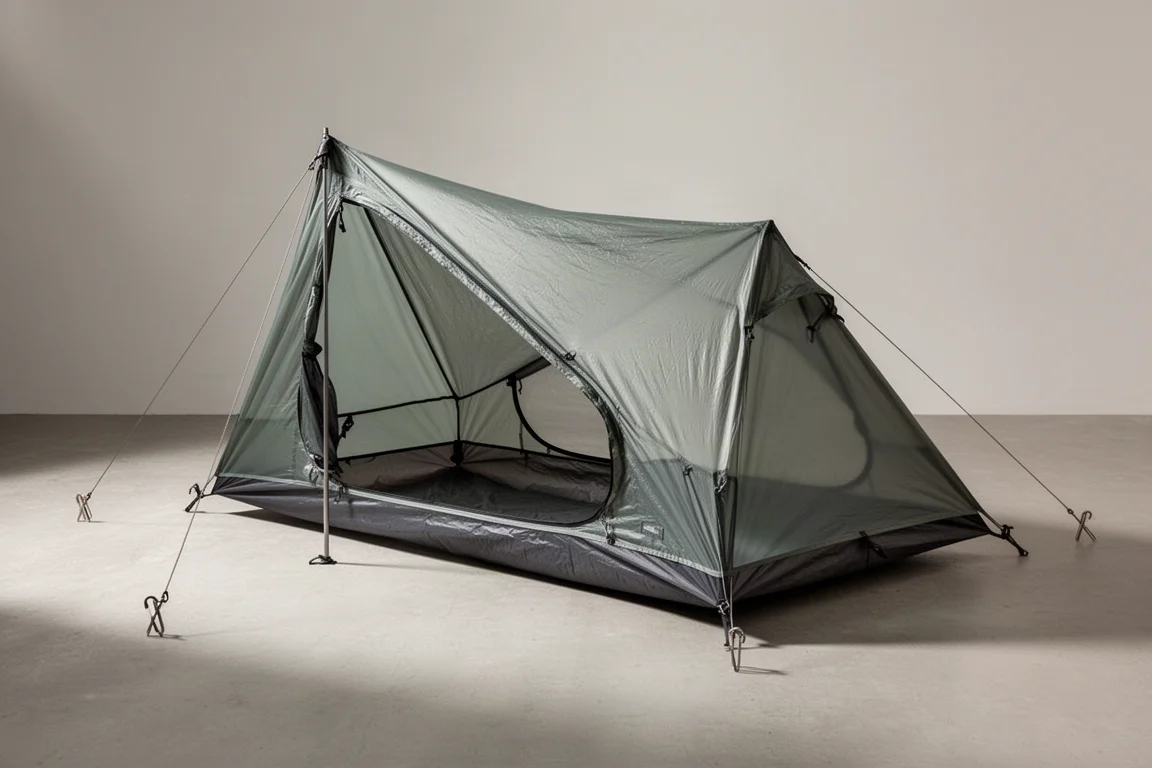
The Duo Pivot is built around a separate small tent pole that props up one side of the shelter. Depending on how you orient the tent, that pole adds head room or foot room, and it does so more effectively than the extra length of the Duplex L. It weighs 18.6 ounces and is priced at $849.
The Duo Pivot keeps the zippered vestibules, which is a genuine win for wind resistance and noise. The one compromise is that the mesh doors use a single L opening on each side rather than the double L of the Pro, so orientation is something to think about if you care about sleeping with your head at the propped-up end.
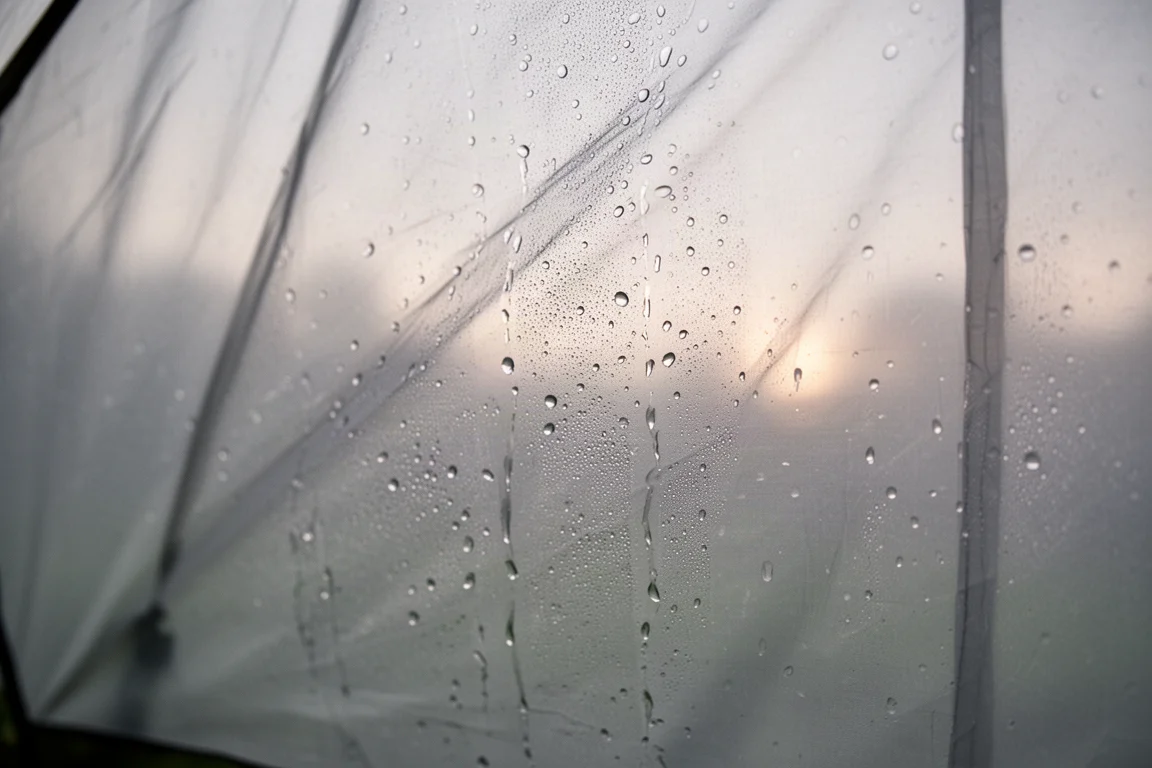
For hikers who expect heavy condensation, the extra interior volume and the taller wall at the pole end make the Pivot the more comfortable of the two current two-person options.
Zpacks Trio Pivot: Ultralight Space for Three
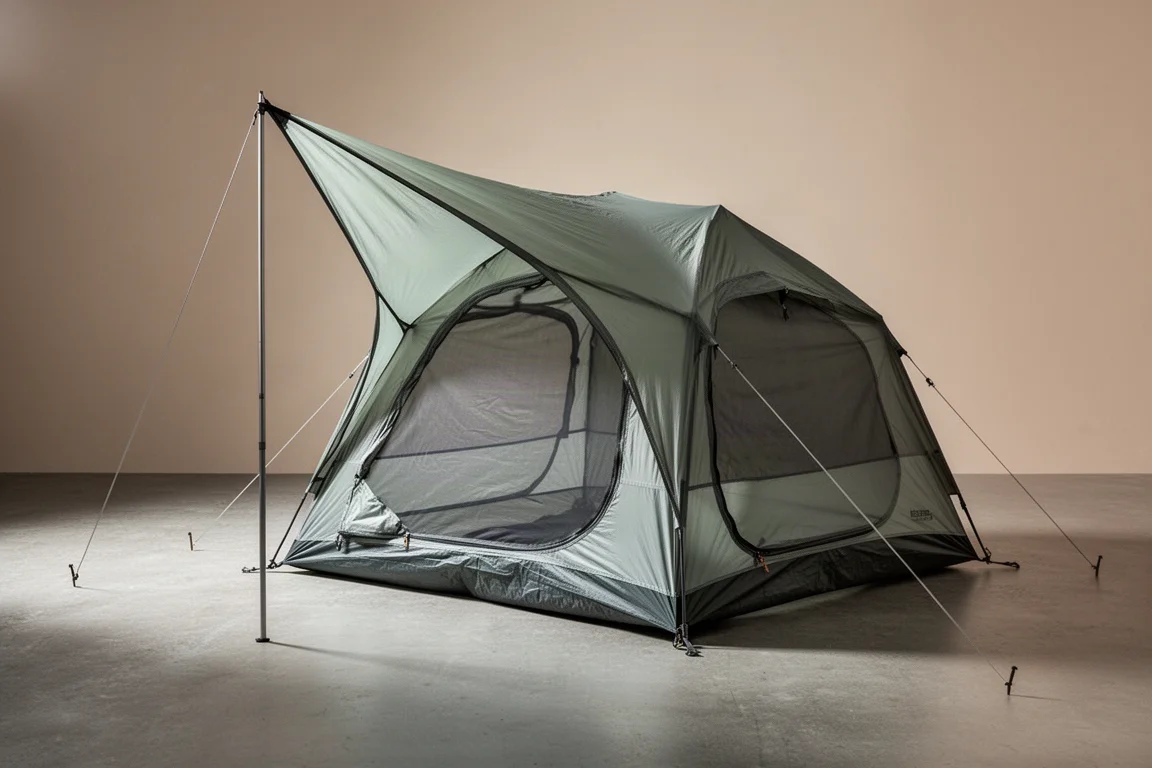
The Trio Pivot is essentially a larger version of the Duo Pivot, and it is the roomiest ultralight tent in this group. It is a three-person, single-wall shelter in Dyneema composite fabric, so it needs no ground sheet, and it uses the same bathtub floor with a mesh border to move condensation away from where you sleep.
Like the Duo Pivot, it has a vestibule on either side and ships with a small tent pole that props up one side of the shelter for extra head or foot space. The mesh doors are single L openings, so the same orientation advice applies.
For two people travelling with a dog or a small child, the Trio Pivot is the obvious pick in this list. Solo hikers could carry it for the space, but for one person it is far more tent than necessary.
Lanshan 2 Pro: The Budget Option
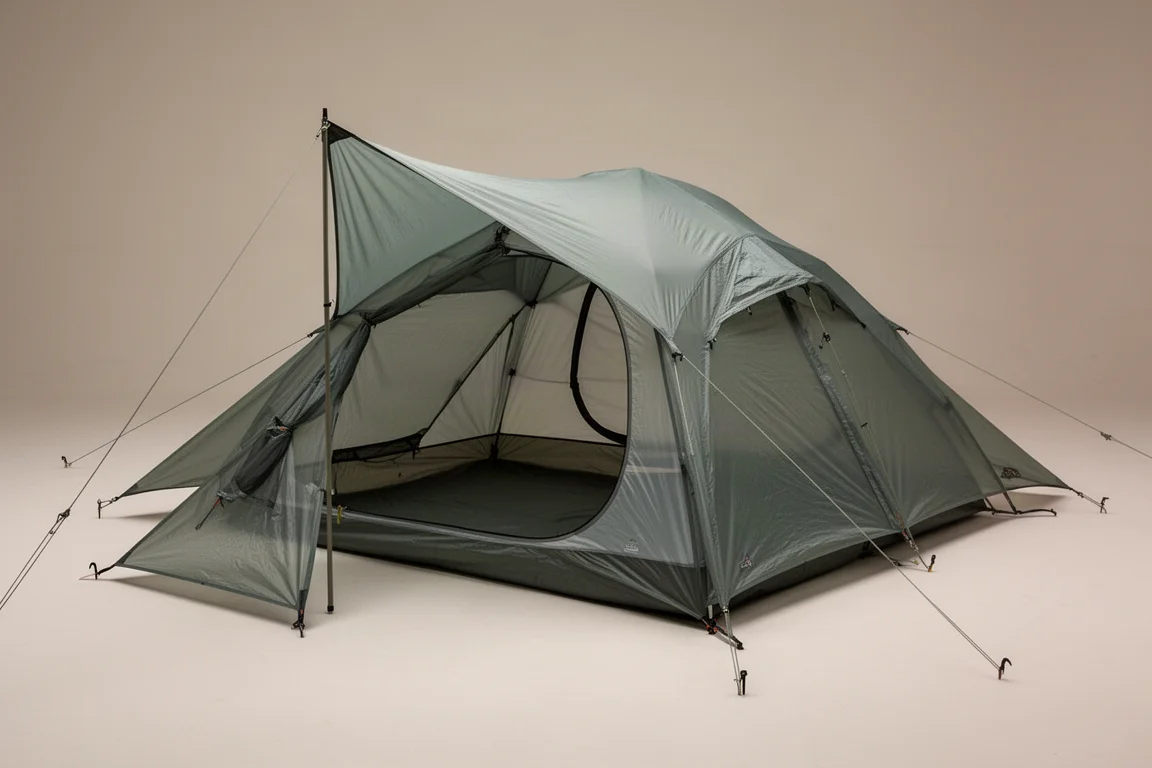
The Lanshan 2 Pro has long been the default budget recommendation for a two-person backpacking tent. It weighs 2 pounds and costs $190, though it is not quite as budget friendly as it once was.
If weight is the priority at that price point, it is worth comparing against the Gossamer Gear option below before deciding.
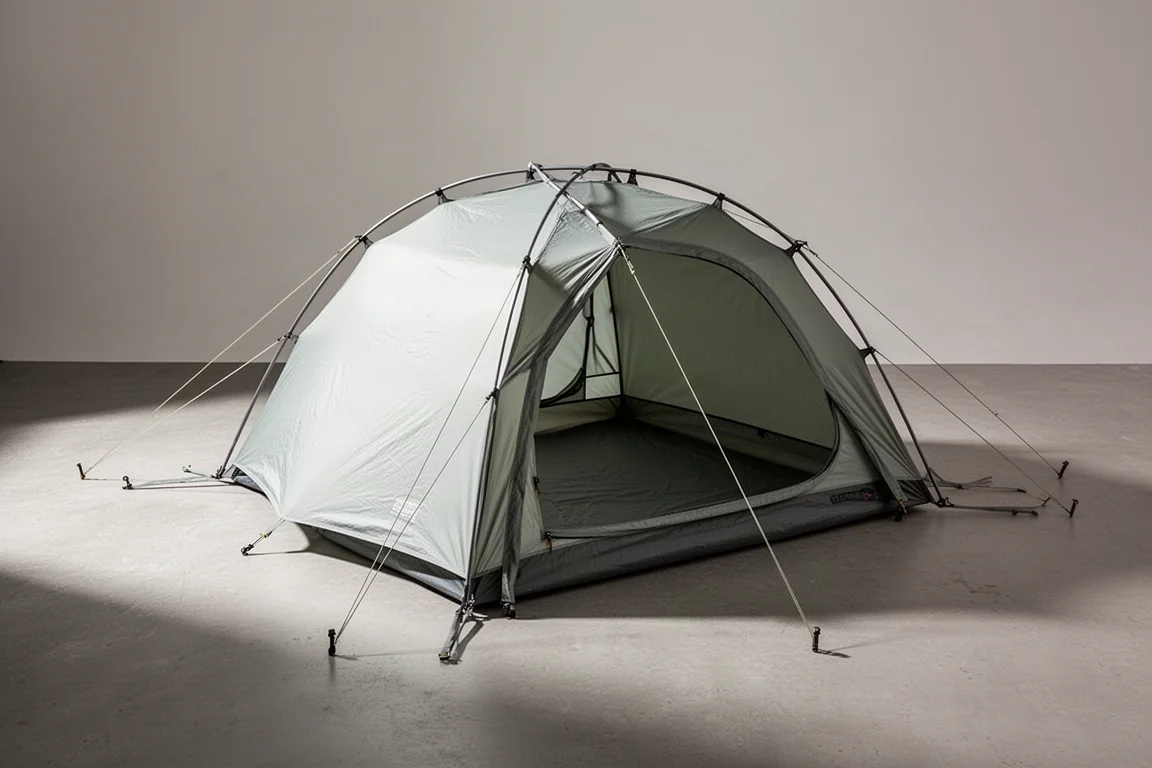
Gossamer Gear The Two: Lightweight Value
The Two from Gossamer Gear is a two-person, single-wall nylon tent. It weighs 24 ounces, which is 8 ounces, or half a pound, less than the Lanshan 2 Pro, and it is currently on sale at $224, roughly $30 more than the Lanshan.
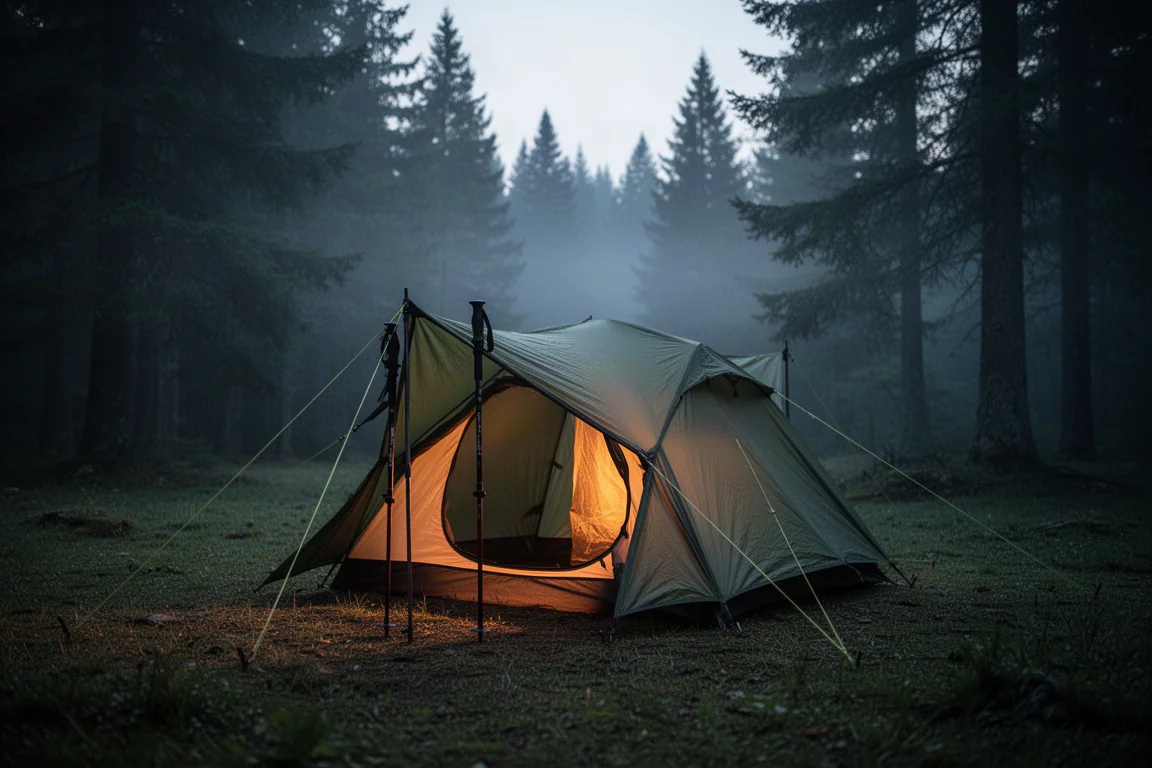
That combination of lower weight for a modest price increase makes it the stronger value for hikers who want to cut pack weight without moving into the Dyneema price bracket.
Trekking Pole or Freestanding Setup?
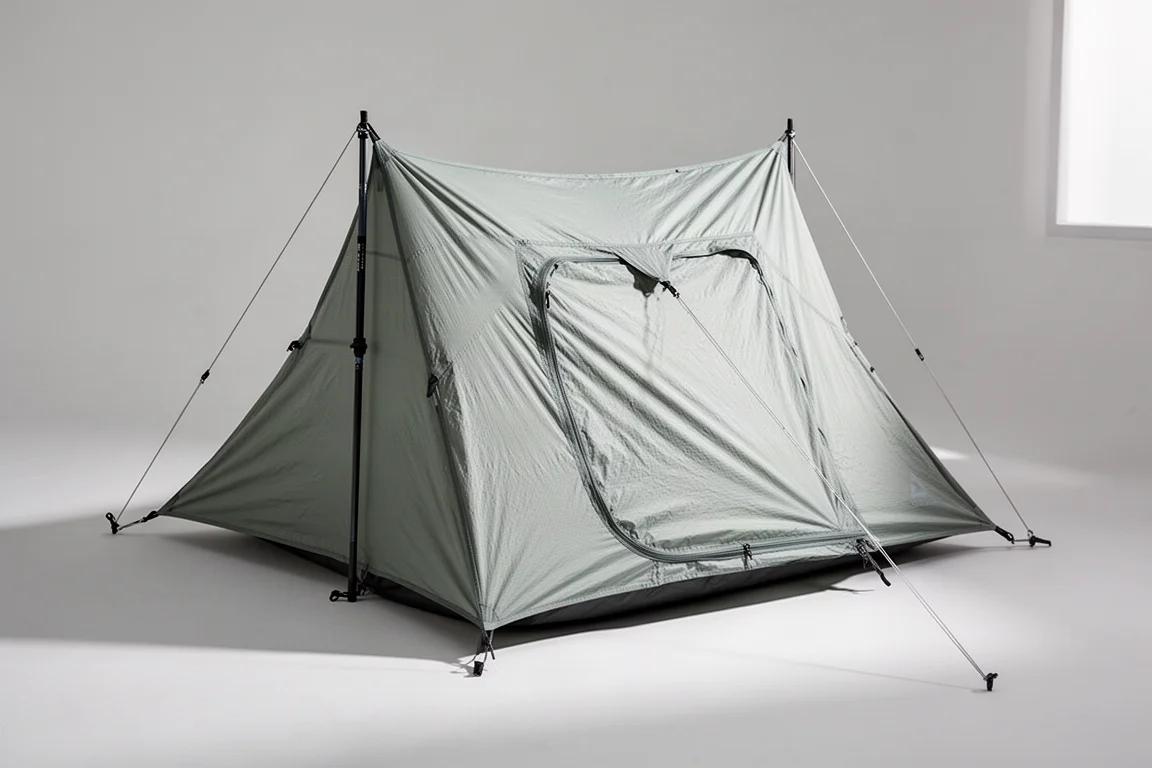
Most of the two-person shelters here, along with the Trio Pivot, require trekking poles to pitch. That is part of how they stay so light, and if you already carry poles it costs nothing extra. For hikers who would rather not depend on poles, Zpacks also offers freestanding options that come with very lightweight tent poles, so freestanding does not have to mean a heavy tent.
Buying Advice
Between the two current two-person Zpacks shelters, the decision comes down to interior space versus door convenience. The Duo Pivot offers more head and foot room and handles condensation better, which suits humid or damp environments. The Duplex Pro is the better fit for drier, airier conditions, and its double L mesh doors are easier to live with day after day.
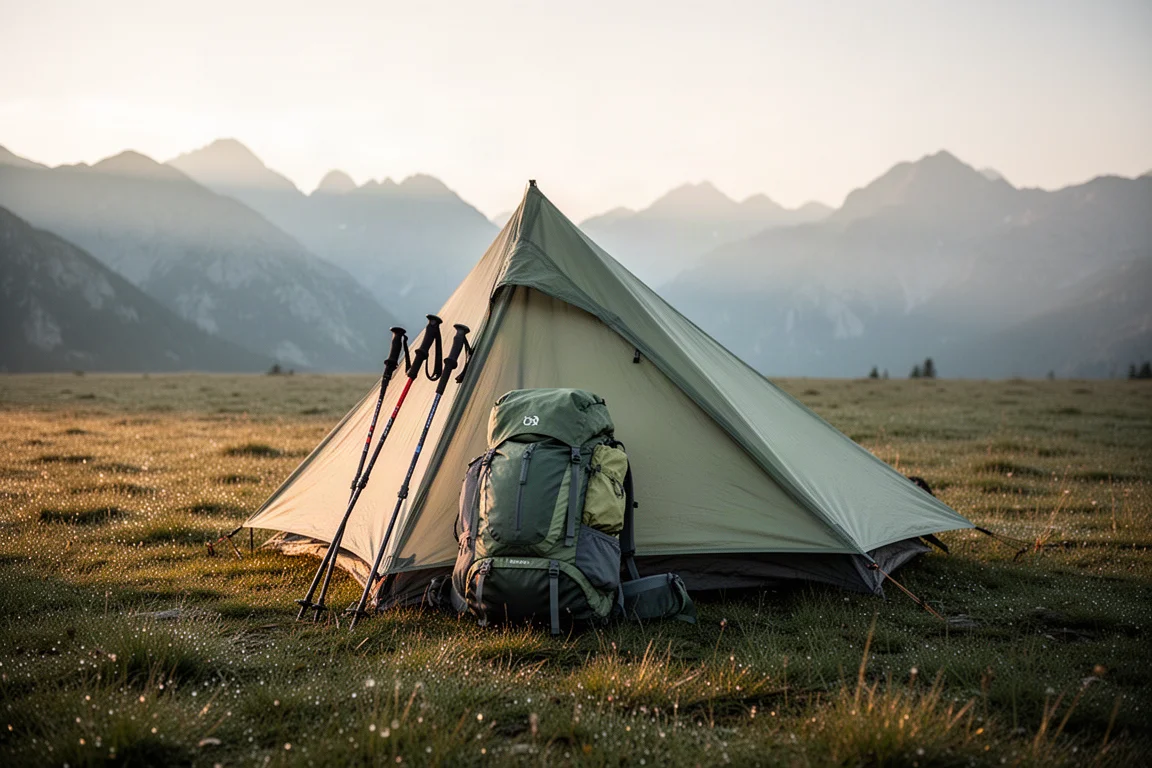
At the more affordable end, the choice is simpler. The Lanshan 2 Pro is the lower-cost entry point at $190 and 2 pounds. The Gossamer Gear The Two costs about $30 more on sale at $224 and saves half a pound, which is a meaningful difference for anyone counting ounces on a long trip.
Zpacks shelters in this list sit in the $700 to $900 range, so it is worth being clear about whether the weight savings and the no-ground-sheet construction justify the jump in price for your own trips.
Conclusion
There is no single best ultralight tent here, only the best fit for a given trip. The Duo Pivot and Trio Pivot lead on interior space, the Duplex Pro leads on everyday convenience, and the Gossamer Gear The Two and Lanshan 2 Pro cover the value end of the market without giving up much in weight.
Further reading
Related Reviews
Backpacking Tents
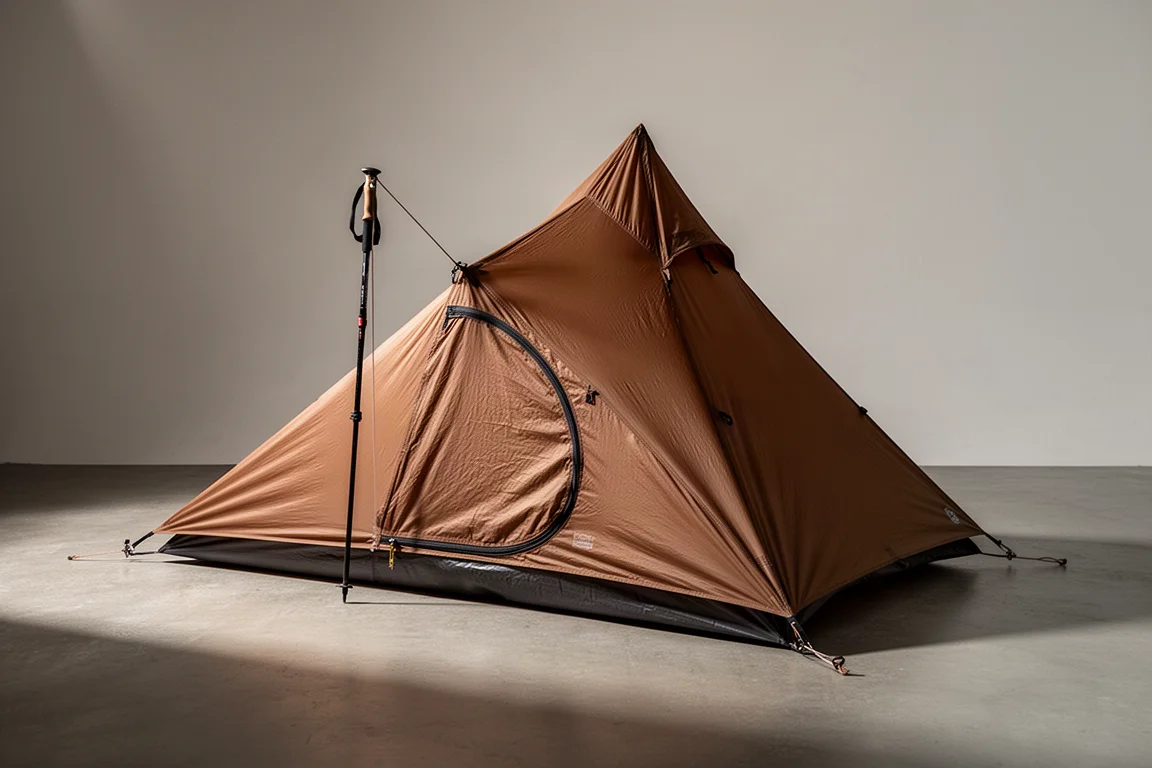
3F UL Lanchan Pro 1 Review: A 1 lb 8 oz Single-Wall Trekking Pole Tent
A practical look at the 3F UL Lanchan Pro 1, a single-wall trekking pole shelter with a 1 lb 8 oz weight, 20D silnylon fabrics, and a roomy 90 x 31 x 49 inch interior.
Backpacking Tents
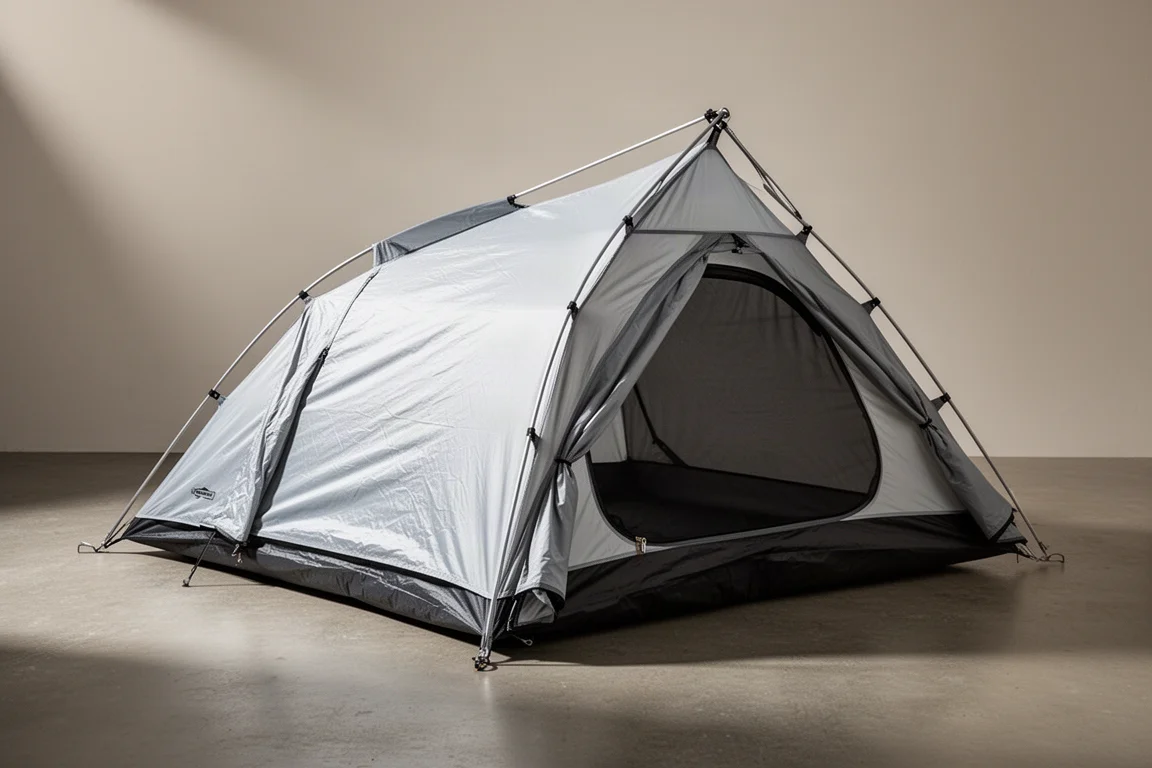
3F UL Taiji 2-Person Tent: A Convertible Backpacking Shelter Worth a Closer Look
A practical look at the 3F UL Taiji two-person tent, covering its materials, true two-person interior, fly-first pitching, and the seasonal inner swap that lets one shelter cover more of the year.
Backpacking Tents
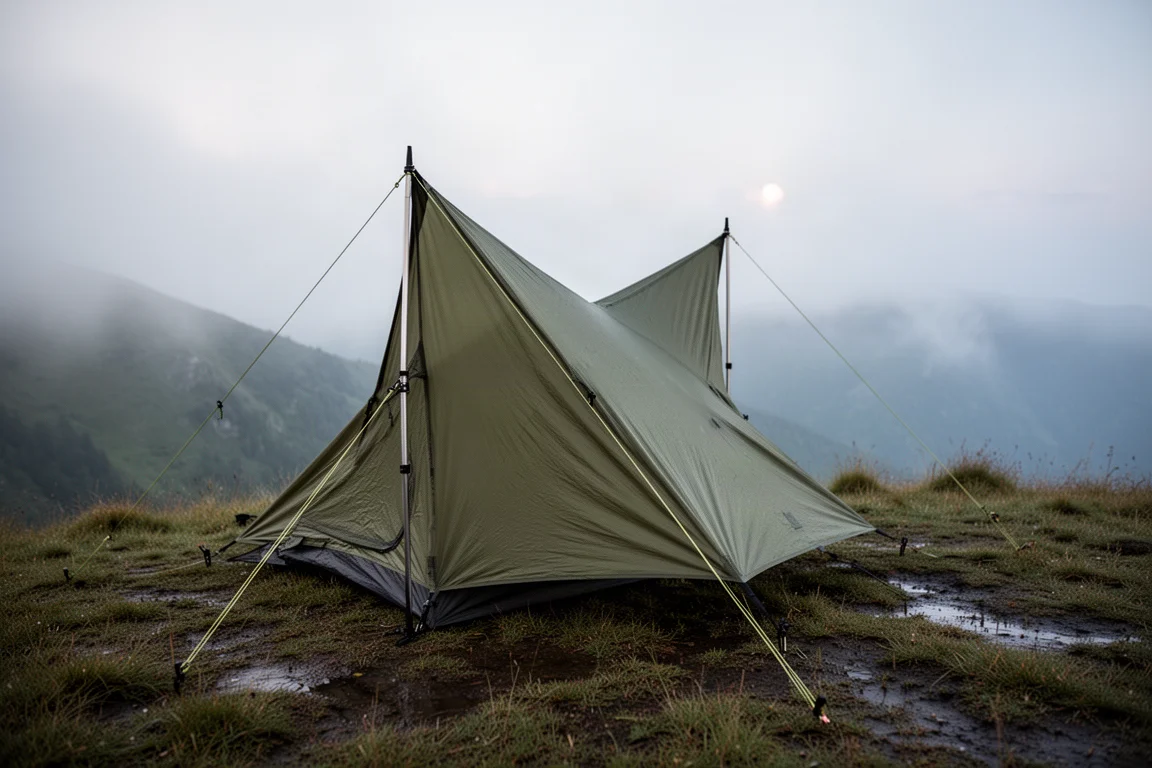
3FUL Lanshan Twoerson Pro Review: A Light Trekking Pole Shelter That Struggled in Rain
A two-person trekking pole shelter with a 2026 redesign, pitched with sticks and put through a night of steady rain. Here is what worked, what did not, and what to check before buying.