Outdoor Gear
Best Ultralight Backpacking Gear for 2023: Seven Items Worth Watching
Seven ultralight backpacking items for 2023, covering inflatable pillows, quieter sleeping pads, USB-C headlamps, and packs that drop below a kilogram.
Introduction
Ultralight backpacking gear improves fastest in the small details: a pillow that finally supports a side sleeper, a sleeping pad that stops crinkling, a headlamp that charges from the same cable as everything else. The seven items below each address one of those details, and several of them are new versions of gear that long-distance hikers already carry.
Some of these items are already in use and others are arriving later in the season. Each entry covers what changed, who it suits, and what is worth checking before you buy.
How These Items Were Selected
The selection here leans on four things: warmth or comfort per gram, the durability of the materials used, how each item behaves under real loads, and whether the update fixes a known annoyance in an earlier version. Weight figures and warmth ratings are listed where they are available, and a few specifications are still awaiting official testing. Where a product has not yet been tested on trail, that is noted clearly.
Trekology Aloft Pro: A Thicker Pillow With a Washable Cover
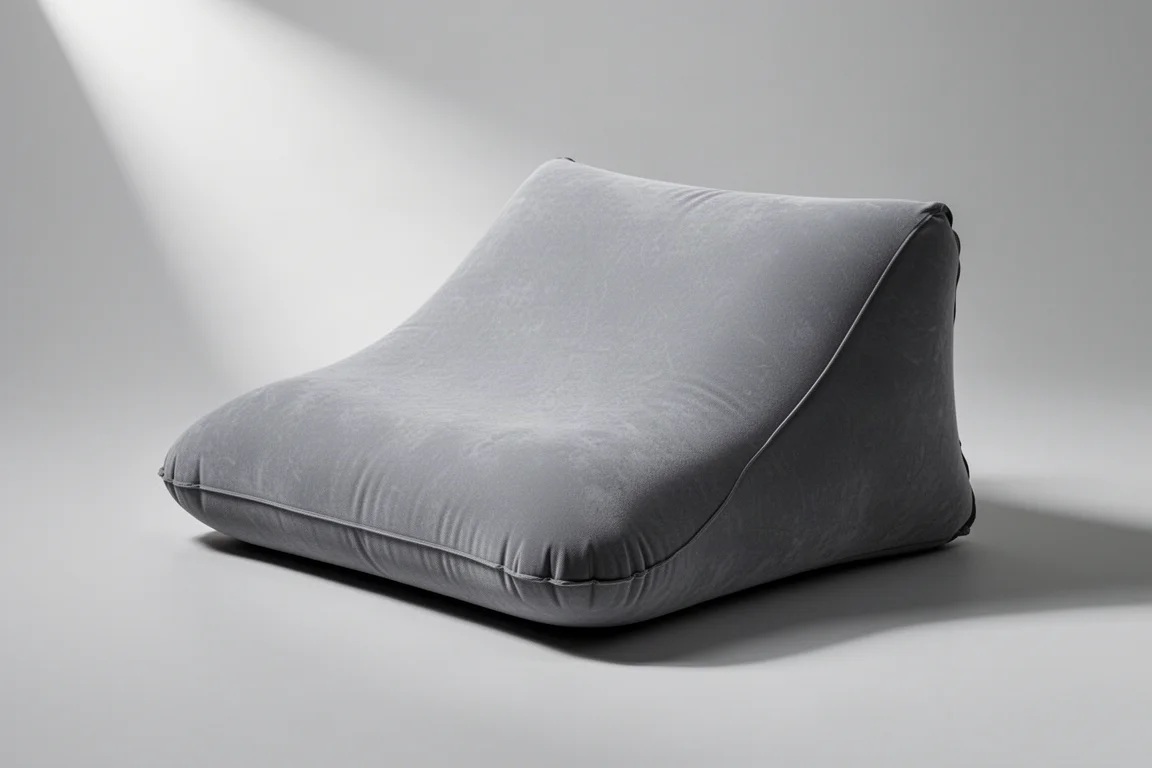
The Aloft Pro builds on the Aloft 2.0 pillow and keeps the features that made it popular, including a pad strap and baffling that spreads support instead of letting the pillow feel like a balloon. The biggest change is height. The Pro is five inches thick, compared with roughly three and a half inches on the 2.0, which makes it far more usable for side sleepers who found the earlier version too low.
The shape is more ergonomic as well. A curved bottom lets you slot your neck or shoulder into the pillow, and the wedge profile is taller at the back than the front, a design borrowed from ergonomic pillows used at home. Durability gets attention too, with reinforced seams and thicker TPU that should make the pillow more airtight than the 2.0, which had a reputation for slow leaks. The Pro also ships with a pillowcase that can be removed and washed, and the fabric adds a softer surface for your face.
Therm-a-Rest NeoAir XLite NXT: Quieter and Slightly Warmer
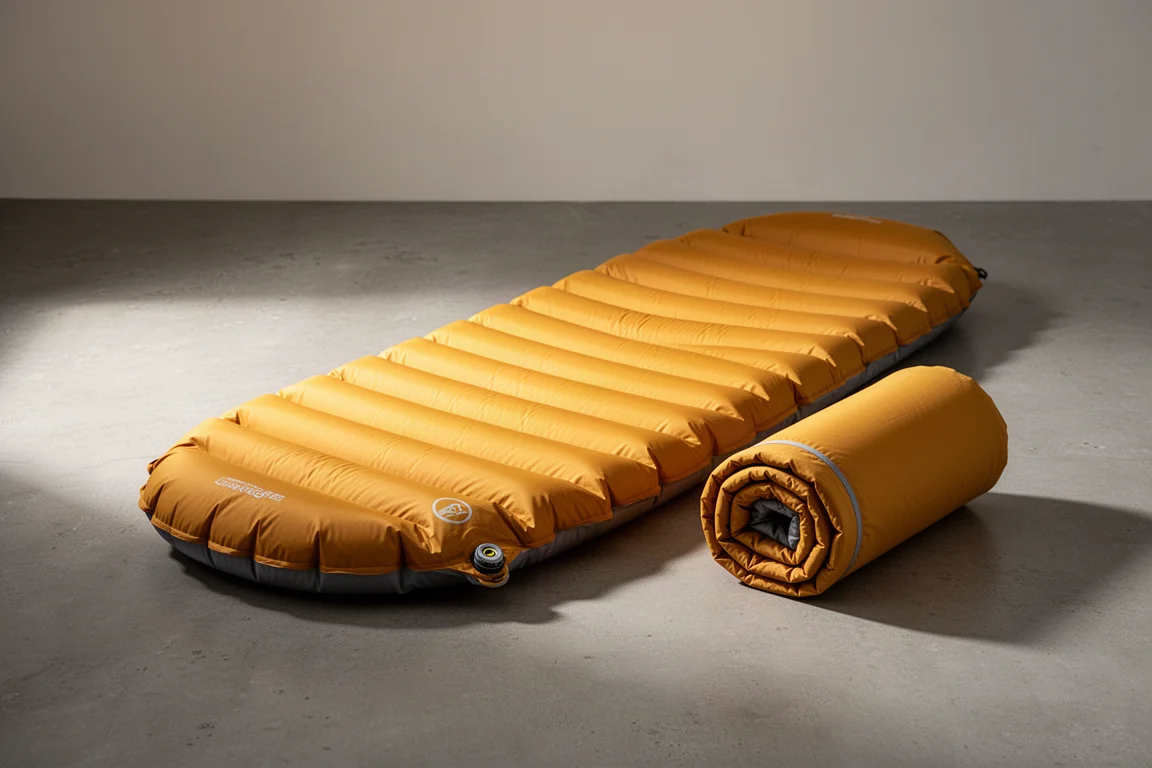
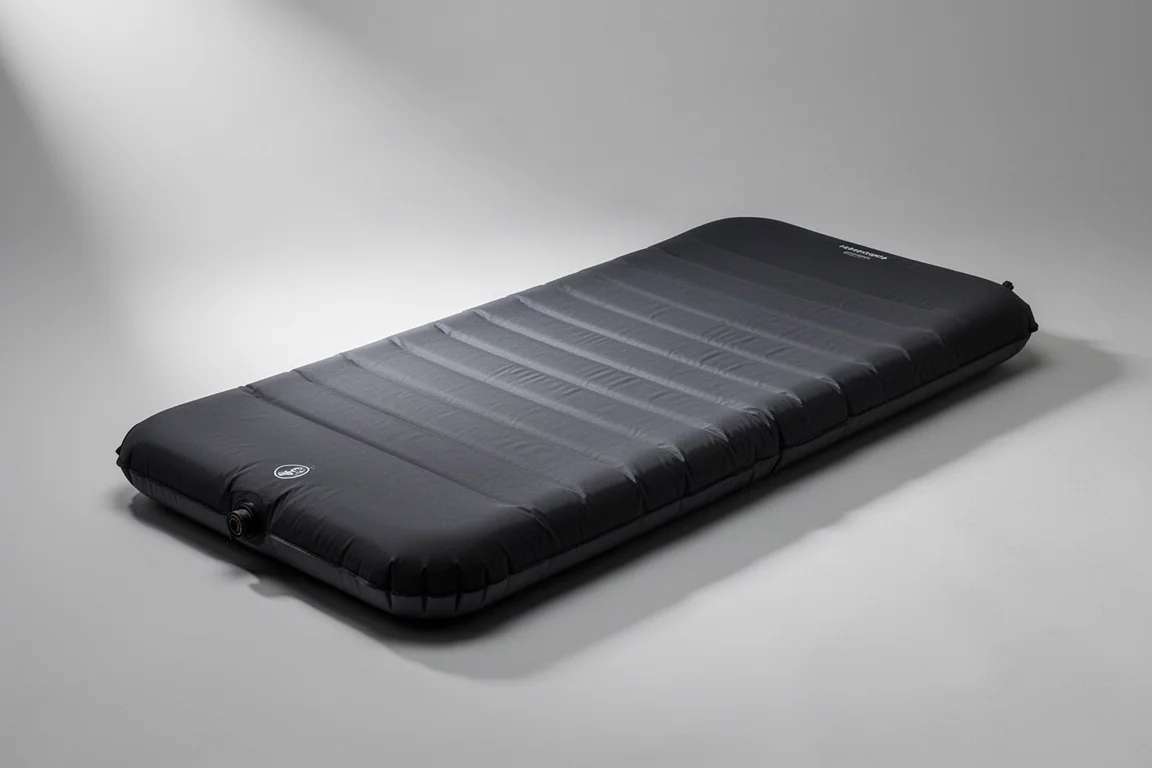
The NeoAir XLite NXT is the three-season option in the updated NeoAir line, and the changes are aimed squarely at comfort. The R-value moves from 4.3 to 4.5, and the pad grows from 2.5 inches to 3 inches thick, which should help anyone who felt their shoulder or hip reach the ground on the older version. Noise was the other common complaint, and this generation is advertised as 80 percent quieter. In use the difference is clear: the XLite NXT produces very little crinkle, especially next to its predecessor.
Therm-a-Rest has also expanded the shape range. A square regular wide version is now available, a size that was missing from earlier line-ups.
Therm-a-Rest NeoAir XTherm NXT: Warmth for Cold Conditions
The NeoAir XTherm NXT is the cold-weather counterpart, and it keeps its place as one of the strongest warmth-to-weight options for winter camping. The R-value rises from 6.9 to 7.3, and the thickness increases from 2.5 inches to 3 inches. More shapes are available here as well.
Noise is the one area where the XTherm NXT behaves much like the version before it. The Mylar film inside the pad still produces a noticeable crinkle, so anyone sensitive to sleeping pad noise should expect roughly the same experience as the previous generation.
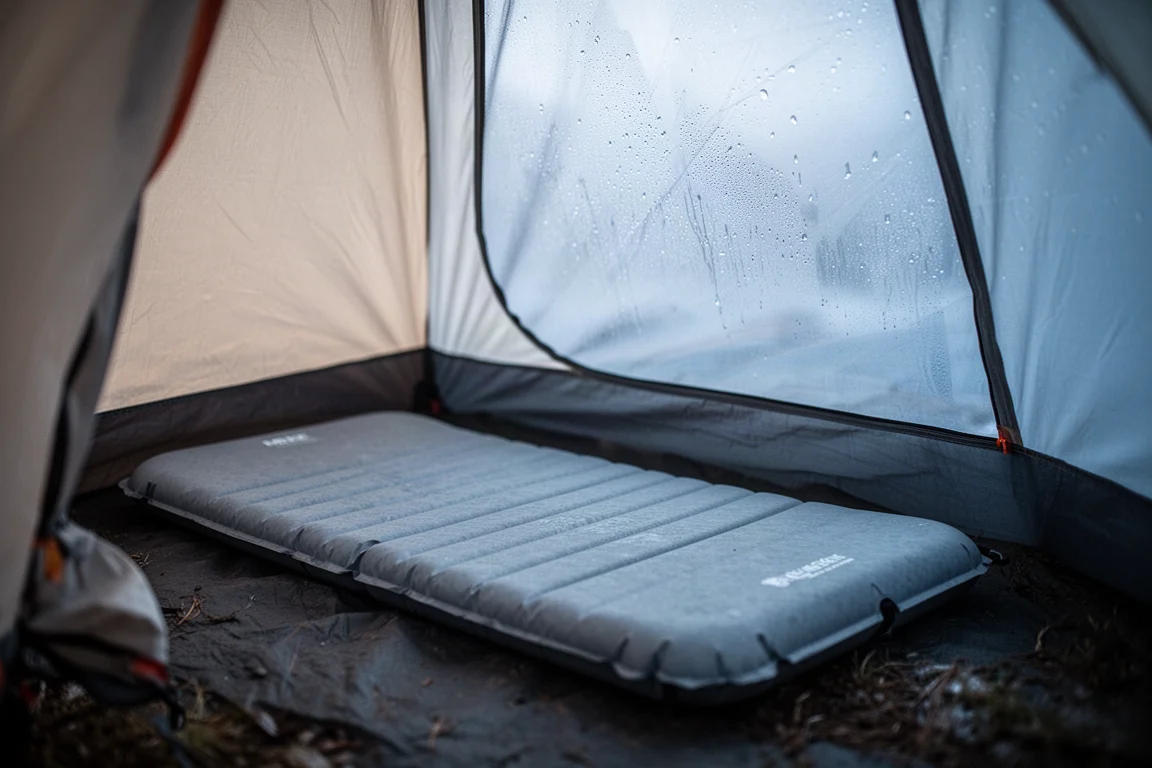
Given the warmth rating, this pad suits winter trips and shoulder-season nights when a three-season pad leaves you cold. The extra thickness helps side sleepers stay off the ground without adding much weight, and the expanded size range makes it easier to find a fit for taller sleepers.
Nitecore NU25: USB-C Charging and a New Housing
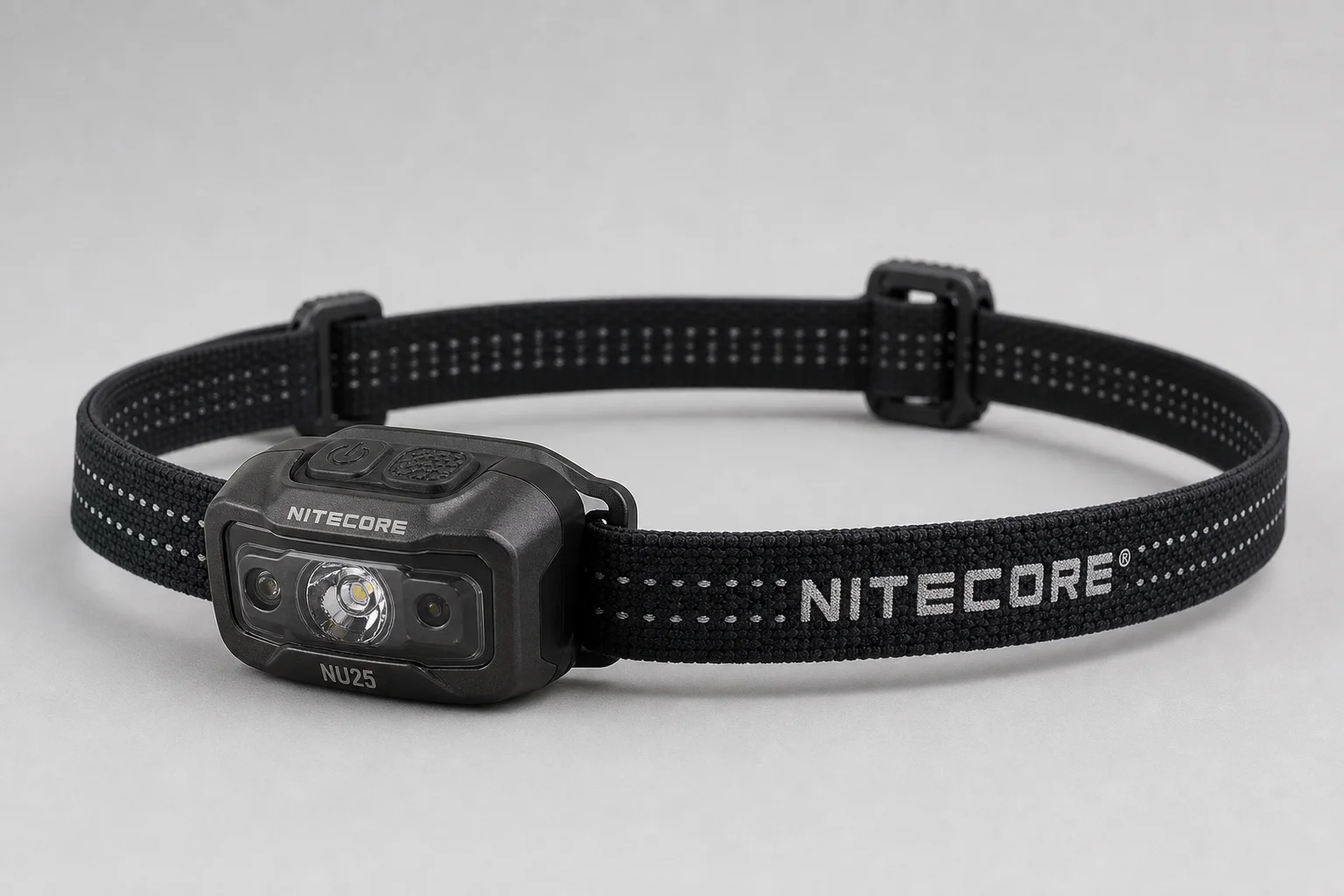
The NU25 has long been a default choice for ultralight backpacking, and this update focuses on the details that matter every day. Charging moves from micro USB to USB-C, which makes it easier to carry a single cable for every device on a trip.
Nitecore also introduced two new headband options, and neither is ideal. One is a simple shock cord band that tangles easily, and the other combines a partial band with shock cord. A plain band running all the way around the head, or a cleaner cord-based design, would serve most hikers better. Elsewhere, an additional LED changes the brightness profile, and the housing is noticeably thicker than the previous version.
Volpi Fastpack 30: Ultralight Carrying With Load Lifters
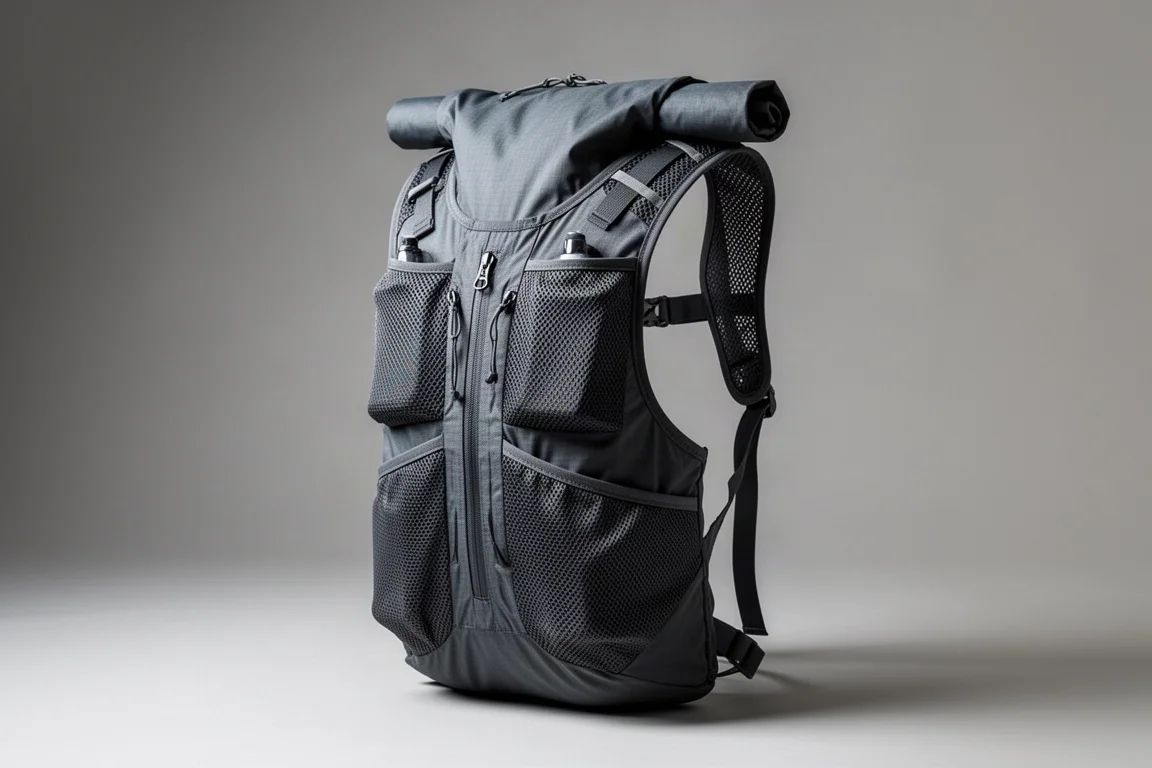
The Fastpack 30 comes from Volpi, a brand based in Mexico, and it is built around Ultra 100 fabric. The material is impressively light for its abrasion and tear resistance, which is unusual in a frameless pack at this weight. Running vest style shoulder straps carry heavy loads well, and load lifters are included, a feature most ultralight packs skip entirely.
With around 30 pounds on board, the pack stays relatively comfortable for a frameless design and keeps the load close to the body. Compared with long-standing ultralight options, the Fastpack 30 offers a similar feature set at a lower weight.
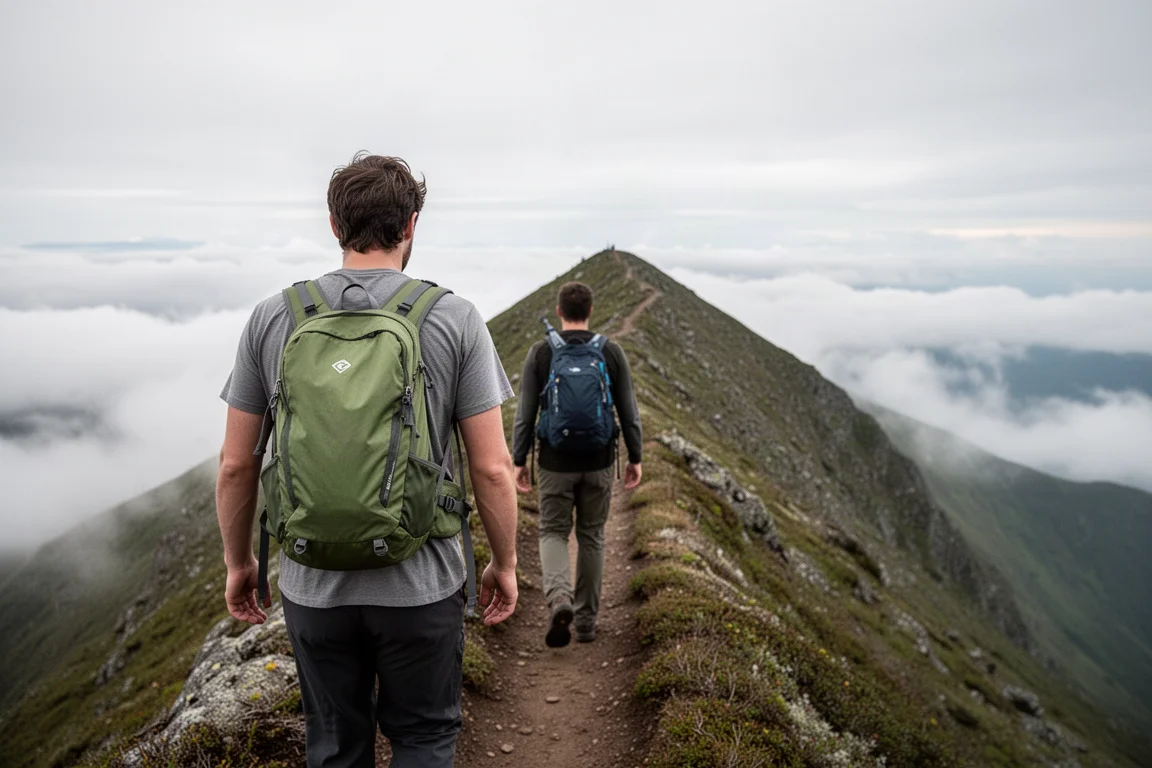
That combination of a durable fabric, a vest-style harness, and load lifters makes it a strong candidate for fastpacking trips and long days where a heavier framed pack feels like overkill.
Osprey Exos Pro 55: Sub-Kilogram Capacity
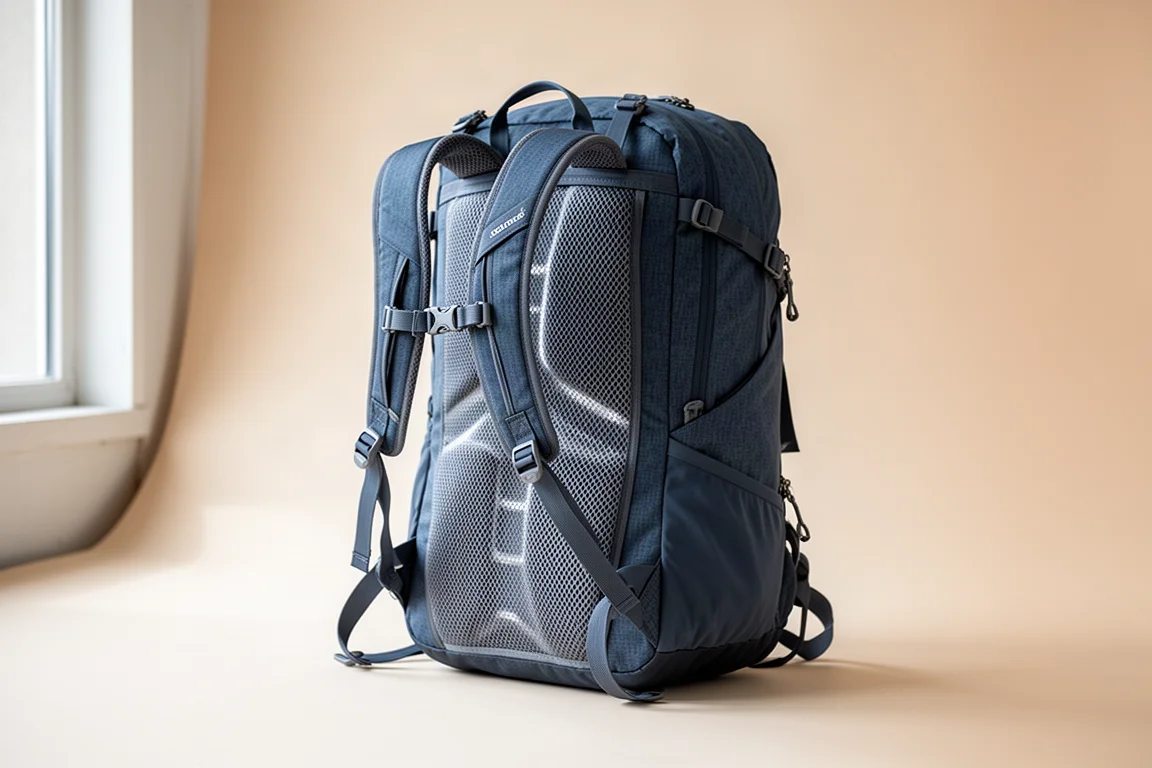
The Exos Pro 55 takes the familiar Exos platform and strips roughly a pound from it, bringing the weight to 970 grams, just under one kilogram. The saving comes from NanoFly fabric, the same 100D nylon with UHMWPE gridstop reinforcement used on Osprey’s Talon Pro packs. The gridstop construction is the same family of material found in Dyneema, which means it is strong and highly tear resistant.
On-trail testing for this pack is still to come, so treat the weight and the material specification as the headline facts for now. The claim that matters most is the sub-kilogram figure, which puts a structured 55-litre pack in territory usually reserved for much simpler designs.
Rab Ionosphere 5: A First Sleeping Pad With Reflective Insulation
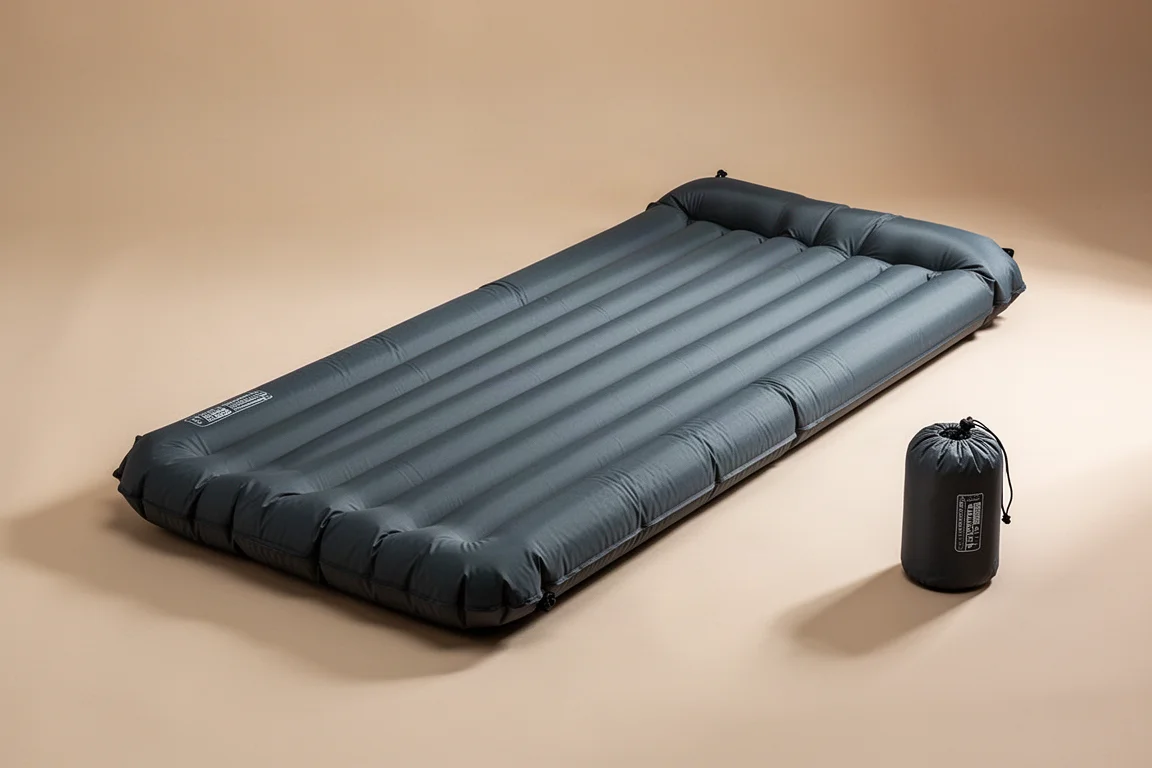
The Ionosphere 5 is Rab’s first sleeping pad, and it arrives with an unusual insulation package. The expected R-value sits between 4 and 5, with official testing still pending, and the regular version weighs 475 grams. Two technologies work together: a reflective film called TILT sits inside the pad and reduces radiative heat loss, much like the Mylar layer in other insulated pads, while synthetic fill attached to the top and bottom spreads as the pad inflates to limit convective heat loss.
Comfort details are thoughtful as well. Vertical baffles tend to suit more sleepers than horizontal ones, and raised side baffles help keep you centred through the night.
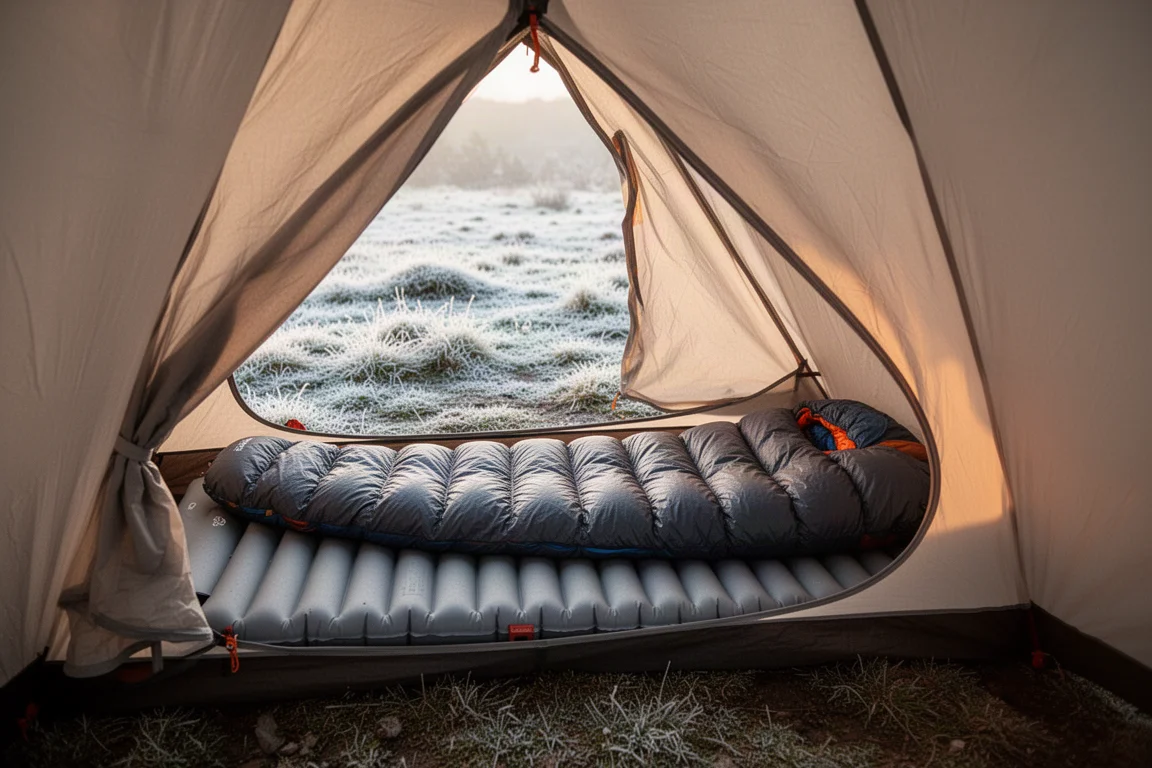
Colder temperatures in the minus six degrees Celsius range are the real test for a pad like this, and the warmth-to-weight target is ambitious for a brand’s first effort in the category. That makes the Ionosphere 5 the most interesting unknown on this list.
Buying Advice
Match the item to the problem you actually have. If you wake up with a sore shoulder, thicker pads and a taller pillow matter far more than a few grams of weight. If you hike in winter, warmth ratings and a verified R-value should come first. For packs, decide whether you need a frame at all: the Fastpack 30 and the Exos Pro 55 are both light, but they suit different loads and different trip lengths.
Check the specifications that are still pending before committing, particularly the R-value on the Ionosphere 5, and confirm the shape and size options available for the sleeping pads, since the NXT line adds sizes that did not exist before. For the pillow, the deciding question is simple: if you sleep on your side and have never found an inflatable pillow tall enough, the five-inch profile is the reason to consider it.
Conclusion
These seven items show where ultralight gear is heading: quieter pads, thicker profiles for side sleepers, USB-C everywhere, and packs that shed weight without giving up structure. Pick the one or two changes that fix a genuine annoyance on your trips, and the rest of your kit can stay exactly as it is.
Further reading
Related Reviews
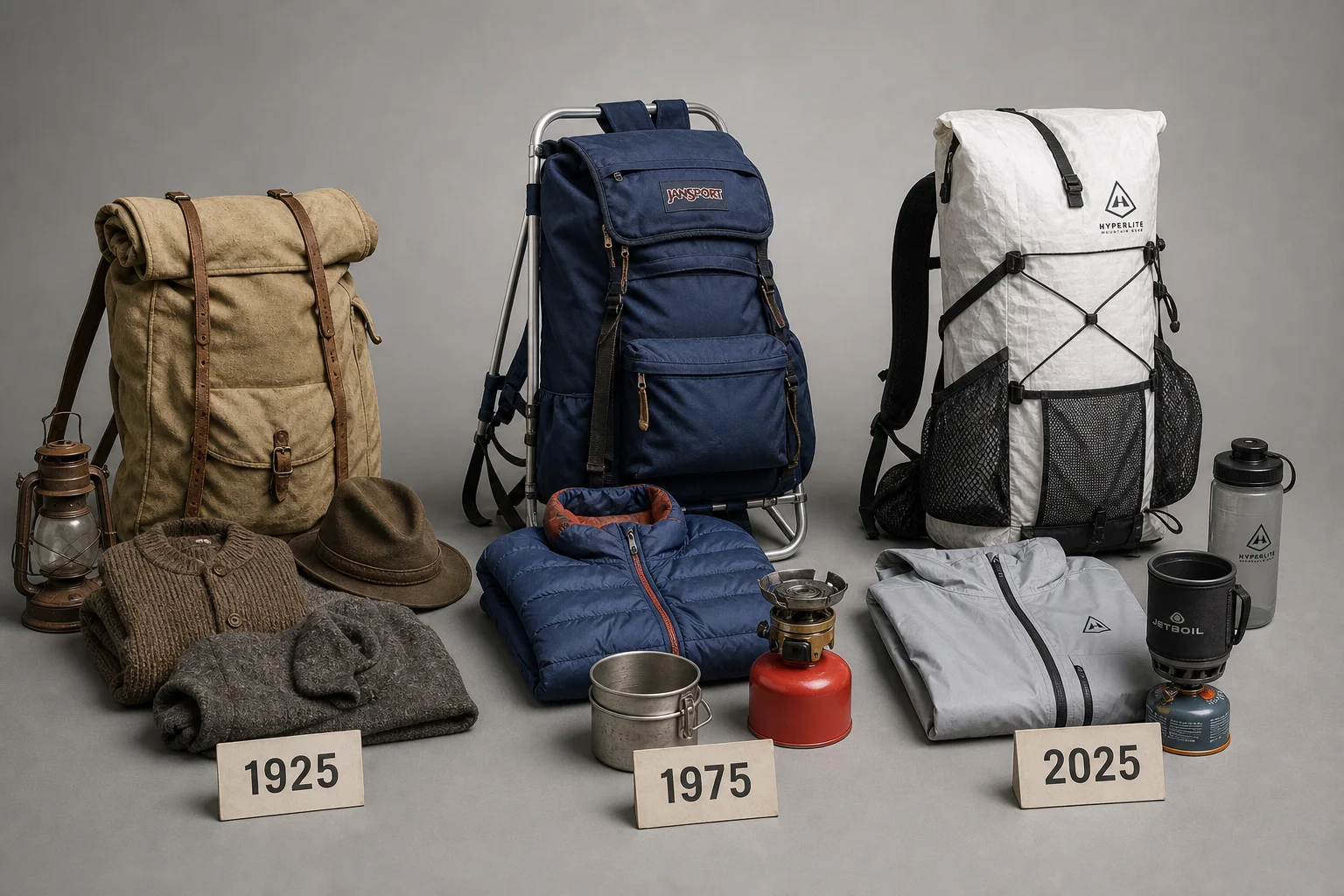
Outdoor Gear
Backpacking Gear Evolution: 100 Years of Technology Compared
We tested backpacking gear from 1925, 1975, and 2025 across a three-day hike in Yosemite. Here's how technology has transformed comfort, weight, and the outdoor experience.
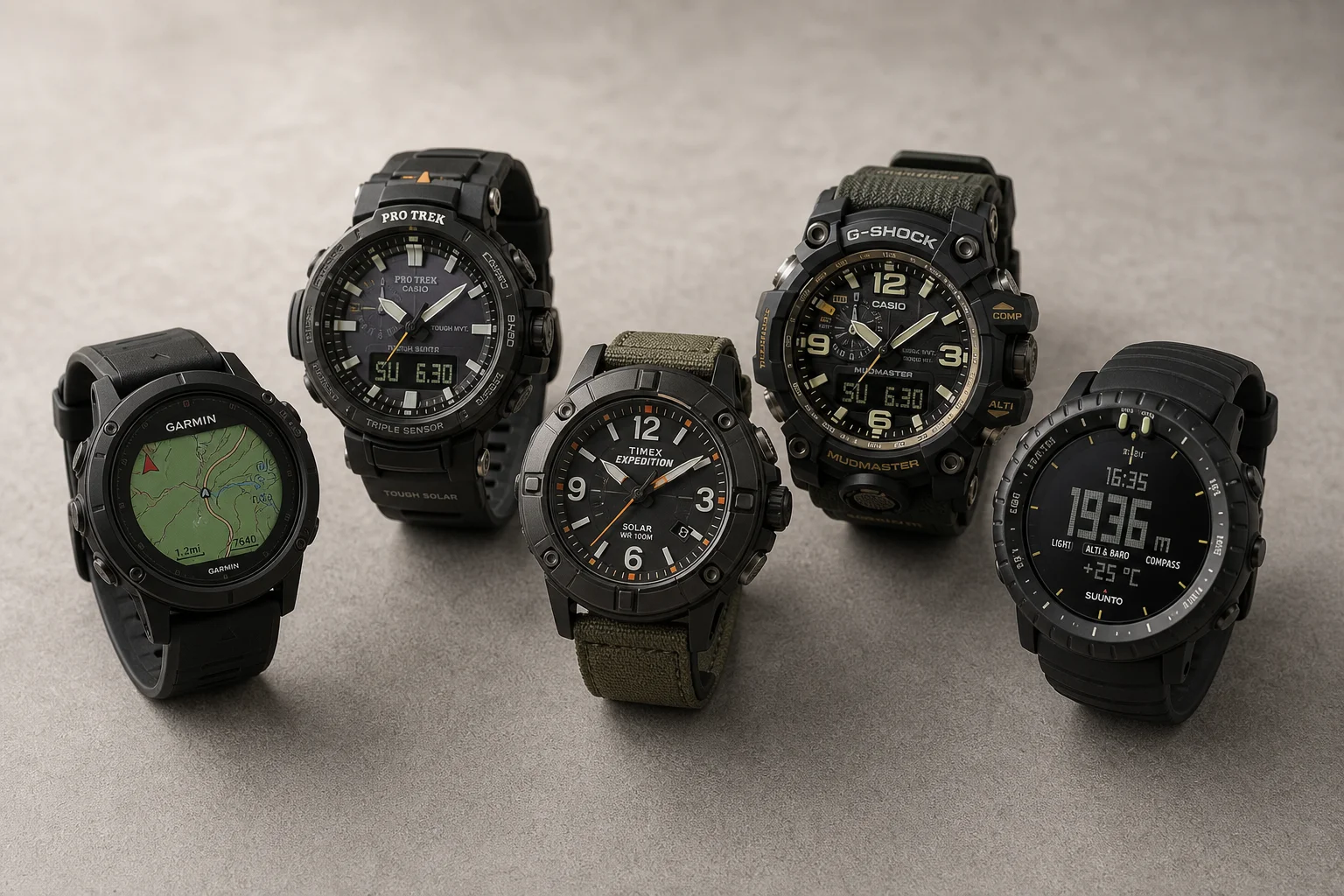
Outdoor Gear
Best Affordable Hiking Watches: Five Rugged Options for Outdoor Adventures
Five durable hiking watches that balance ruggedness, functionality, and value for outdoor enthusiasts who need reliable GPS tracking and weather resistance.
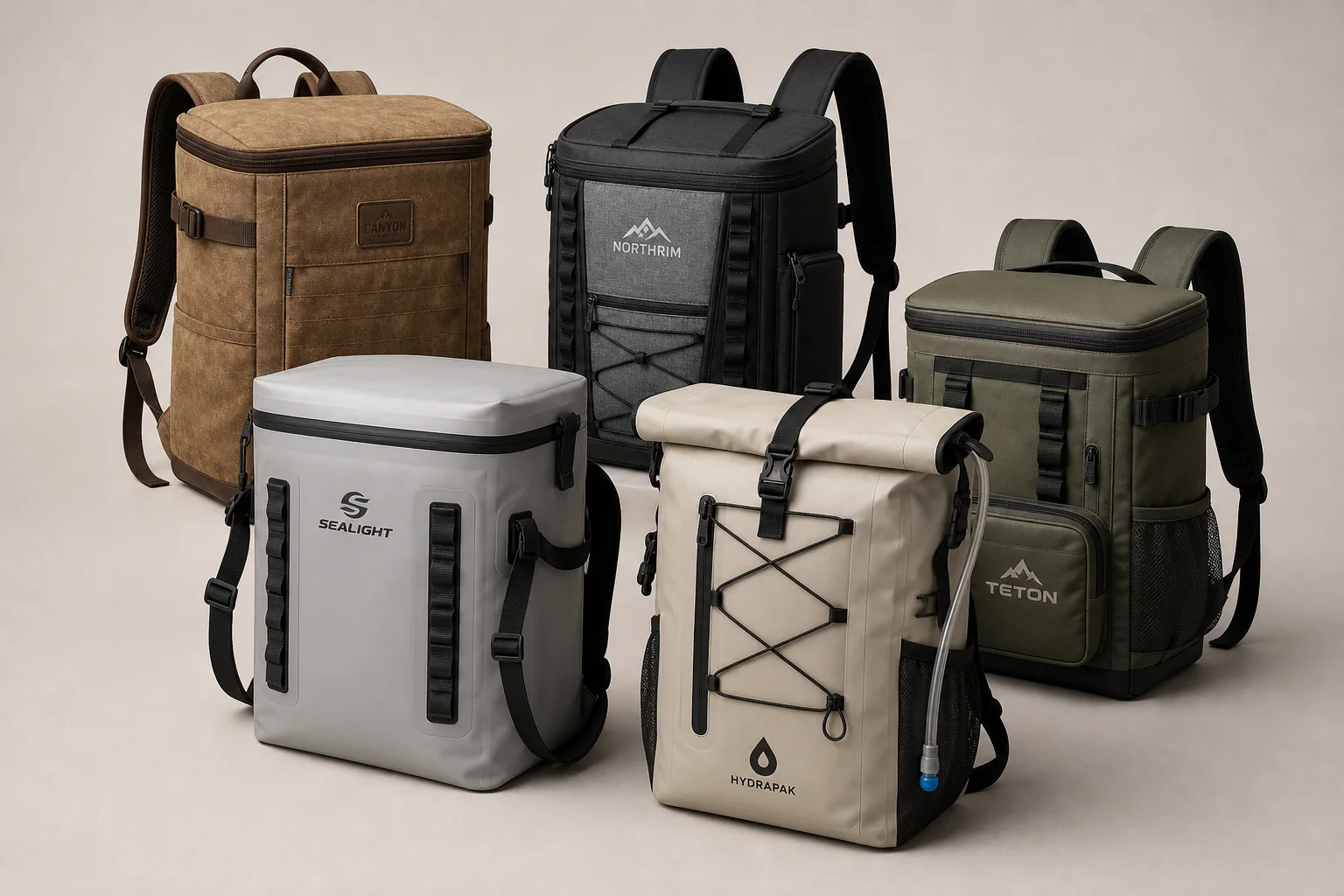
Outdoor Gear
Best Backpack Coolers 2026: Five Practical Options for Outdoor Adventures
Five backpack coolers with distinct cooling capabilities, storage features, and design trade-offs to help you choose the right one for your outdoor needs.